Top 6 Gorges around Civita Castellana
Canyons around Civita Castellana are characterized by dramatic gorges and ravines carved into soft tufa rock. This region in Lazio, Italy, features geological formations with significant historical and archaeological value. The landscape includes deep cuts and verdant environments, shaped by volcanic erosion and ancient human activity. Visitors can explore natural monuments and historical sites within these unique formations.
Best canyons around Civita Castellana
- The most popular canyons is Corchiano Historic Village and Gorges, a settlement that includes a natural…
Last updated: May 18, 2026
Corchiano Historic Village and Gorges
Highlight • Settlement
Translated by Google •
Tip by

Vie Cave of Corchiano
Highlight • Natural Monument
Translated by Google •
Tip by

Sign up now to discover places like this
Get recommendations on the best single tracks, peaks, & plenty of other exciting outdoor places.
Sign up for free
The Cavoni of Nepi
Highlight • Gorge
Translated by Google •
Tip by
Forre di Corchiano
Highlight • Gorge
Translated by Google •
Tip by

Wooden Bridge and Cavoni of Nepi
Highlight • Bridge
Translated by Google •
Tip by

Sign up for free to discover even more gorges around Civita Castellana.
Sign up for free
Already have an account?
Start today with a free account
Your next adventure awaits.
Login or Signup

Tips from the Community

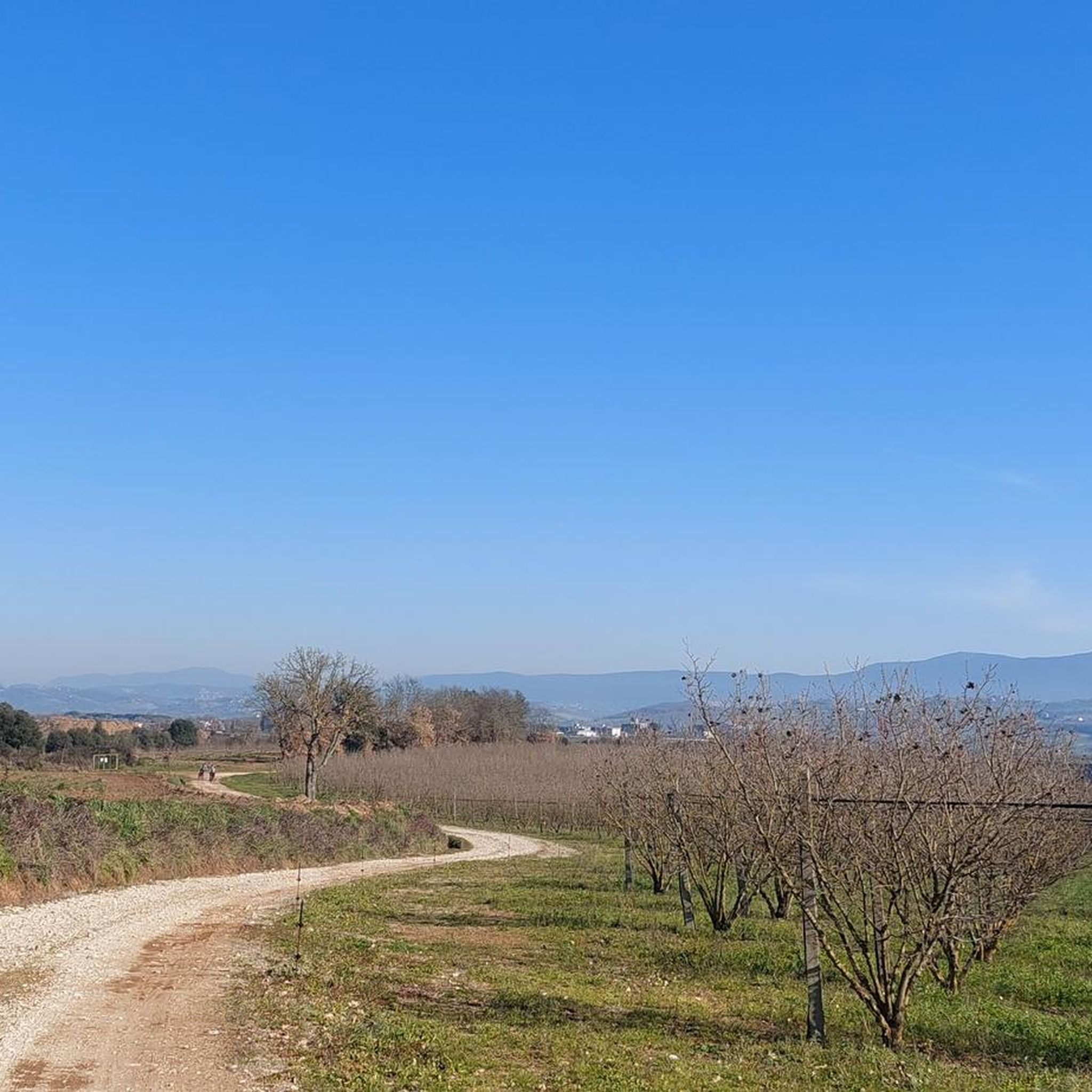
Walking along via S. Egidio, you will find the beginning of this short but very suggestive path inside a "via cava" (roads dug through the tuff that connected the bottom of the valley with the territories above and, in other areas, were also used to drain excess water from agricultural land). This via cava is full of caves dug directly into the tuff, probably used as stables or cellars to store wine or food.
0
0
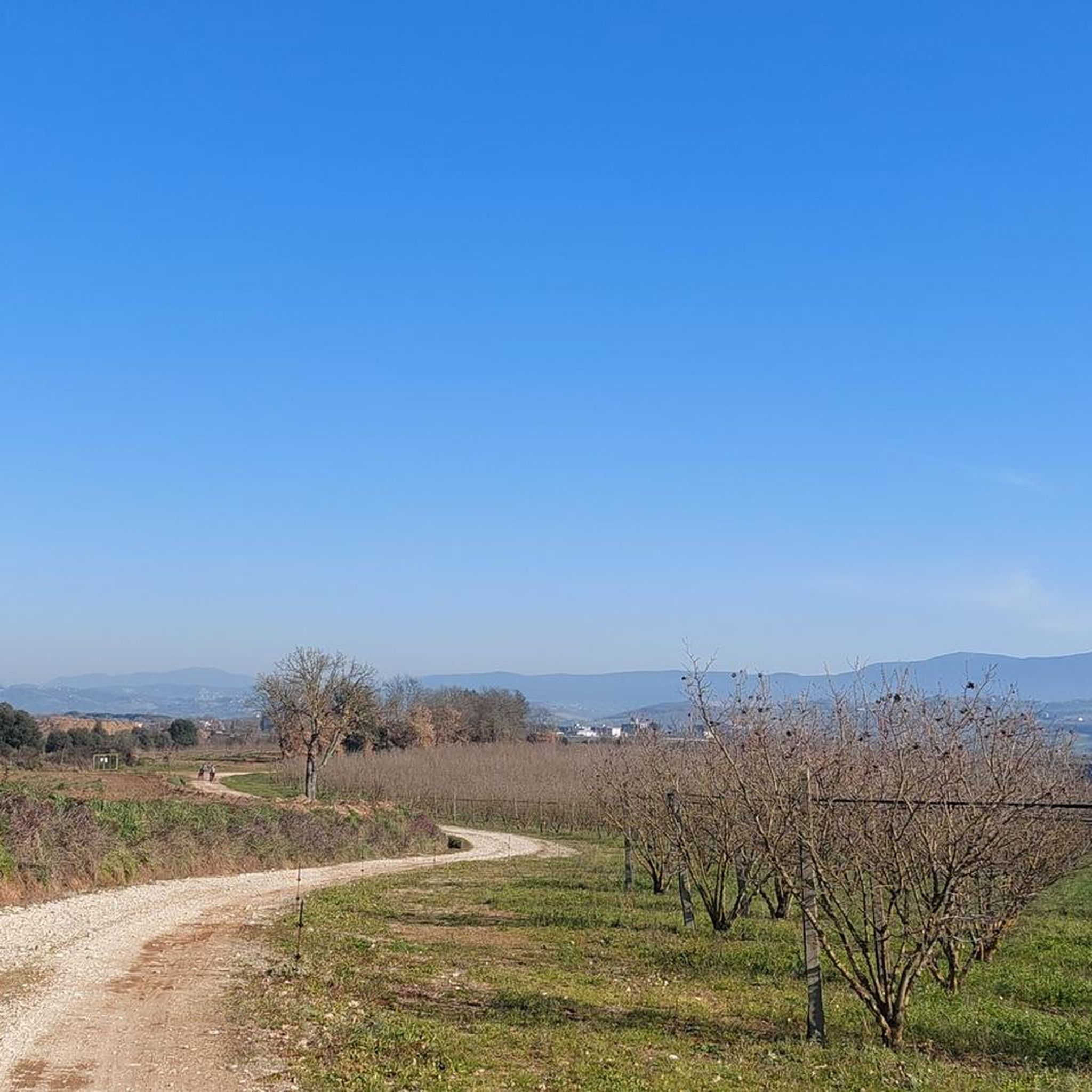
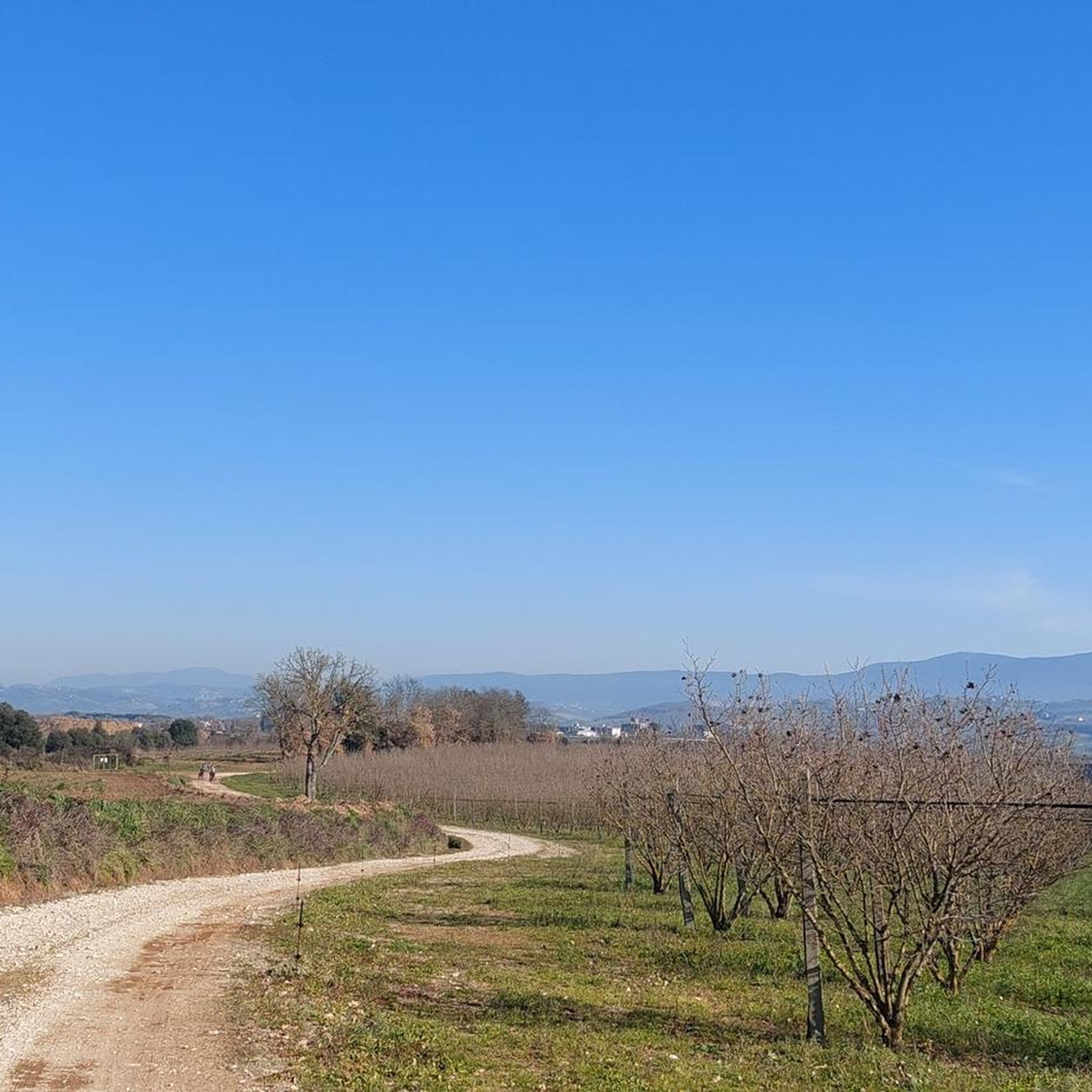
Corchiano is a small town in the province of Viterbo, apparently similar to many others, a little modest... and yet, it has become famous for some events, such as the infiorata, which is held at the end of May and sees the entire town involved in decorating a good part of the streets of the town with flower petals, colored sawdust, coffee grounds and in general any material that can be colored and applied in designs of great beauty. Then, in December, the living nativity scene takes place in a natural setting of great suggestion, finally, the exploration on foot of the ravines should not be overlooked, a true natural monument and archaeological site of great interest... in short, a place that is worth visiting. The difficulty in walking the paths, all equipped, is generally T (tourist) and suitable for all age levels.
1
0


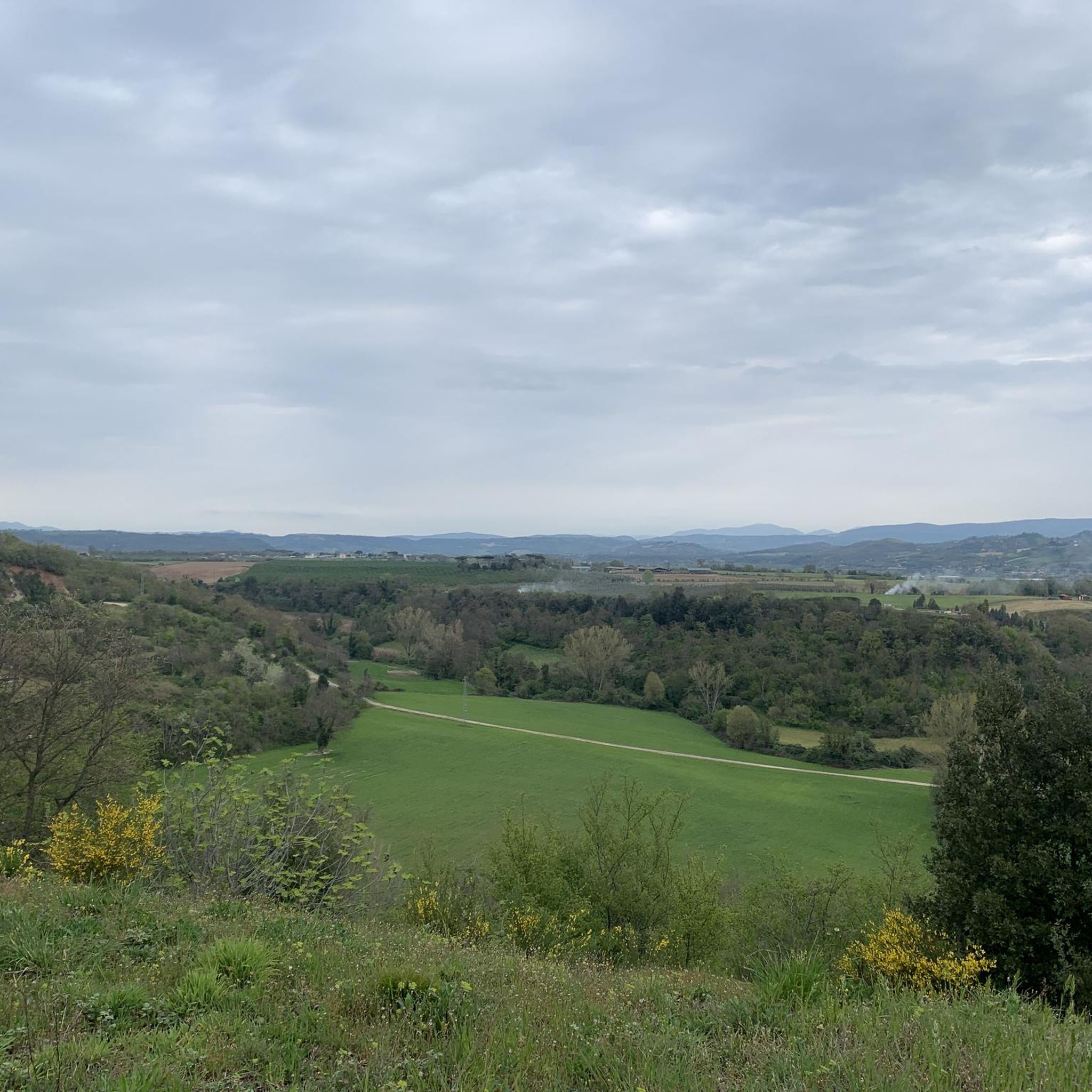
Very suggestive place near the Nepi Cavoni and the beginning of the path that leads to the Picchio waterfall
0
0

The Cavoni appear very similar to the gorges and are one of the most important examples of the impressive engineering works of the ancient Falisci civilization. The communication routes of this ancient people were dug by hand in the tuff.
4
0
Corchiano is an ancient Faliscan city, a people who shared the dominion of Tuscia with the Etruscans. The village retains its medieval layout, with winding alleys and suggestive squares.
0
0
The Forre di Corchiano (vie cave) are works declared a natural monument. They are located in the town of Corchiano (which stands on a tufaceous cliff), the vie cave are a work created by man. It is a vertical cut to create a road that softens the sometimes harsh slopes of nature.
1
0

Impressive hand-carved rock paths. 3000 years old!!!
0
0
Frequently Asked Questions
What makes the canyons around Civita Castellana unique?
The canyons around Civita Castellana, often called 'forre,' are distinctive for their dramatic gorges and ravines carved into soft tufa rock, a result of volcanic erosion. They are not only naturally striking but also hold significant historical and archaeological value, featuring ancient Faliscan and Roman remains.
What historical and archaeological sites can I explore within the canyons?
The canyons are rich in history. You can explore prehistoric caves, ancient Faliscan tombs, and hollowed paths known as 'vie cave' or 'tagliate' carved into the rock. Roman remains, including a stretch of the ancient Via Amerina, also traverse the area. For example, The Cavoni of Nepi are impressive hand-carved rock paths created by the Falisci civilization.
Are there family-friendly canyon trails around Civita Castellana?
Yes, several areas are suitable for families. The paths within the Corchiano Historic Village and Gorges are generally well-equipped and suitable for all age levels. Additionally, the Carchiano Gorges offer a suggestive route with a river and a picnic area, making it ideal for family visits.
What is the best time of year to visit the canyons around Civita Castellana?
The best time to visit is typically during spring (April-June) and autumn (September-October) when the weather is mild and pleasant for hiking. Summers can be hot, while winters might bring cooler temperatures and potentially wet conditions, though the natural setting of the ravines is used for events like a Living Nativity Scene in December.
What natural features can I expect to see in the canyons?
You'll encounter deep cuts into volcanic tufa walls, lush vegetation, and rivers. The Forre di Corchiano, for instance, feature high tuff walls flanking the Rio Fratta River and are adorned with waterfalls, creating a wild and verdant landscape.
What is the typical difficulty of hiking trails in the Civita Castellana canyons?
Many trails, such as those in the Forre di Corchiano, are generally considered tourist-level (T) and suitable for all ages. However, some 'vie cave' or 'cavoni' sections, like those near Vie Cave of Corchiano, might involve steeper or more uneven terrain, making them intermediate. Always check specific route details for difficulty.
Can I bring my dog on the canyon trails?
While many outdoor areas in Italy are dog-friendly, it's always best to check local regulations for specific trails or natural monuments. Generally, if dogs are allowed, they should be kept on a leash, especially in protected areas or where wildlife is present.
Are there any specific permits required for hiking in the canyons?
For most general hiking paths within the natural monuments and gorges, specific permits are typically not required for individual visitors. However, for organized groups or special activities, it's advisable to check with local tourism offices or park authorities. The Forre di Corchiano are recognized as a natural monument and WWF oasis.
Where can I park when visiting the canyons?
Access points to the canyons often have designated parking areas in nearby towns or villages. For example, when visiting the Forre di Corchiano, parking is usually available near the historic village of Corchiano. It's recommended to check maps or local signage for specific trailhead parking.
What other outdoor activities can I do near the canyons around Civita Castellana?
Beyond hiking, the region offers various outdoor activities. You can explore MTB trails, enjoy cycling routes, or embark on road cycling adventures that take you through the scenic landscapes surrounding the canyons.
Are there cafes or restaurants near the canyon trails for after a hike?
Yes, the towns and villages adjacent to the canyon areas, such as Corchiano and Civita Castellana, offer various options for cafes, pubs, and restaurants where you can relax and refuel after your hike. These establishments often serve local cuisine.
What is the significance of the 'vie cave' found in the canyons?
The 'vie cave,' or hollow roads, are ancient communication routes entirely hand-carved into the soft tufa rock by civilizations like the Falisci. Their primary purpose was to overcome significant elevation changes between the plateau and the valley floor. They are often found near important Faliscan necropolises, suggesting a connection to the religious practices of the ancient inhabitants.
What should I wear for hiking in the Civita Castellana canyons?
Given the varied terrain and potential for uneven paths, comfortable hiking shoes with good grip are essential. Layered clothing is recommended to adapt to changing temperatures, and depending on the season, a light rain jacket might be useful. Don't forget water, snacks, and sun protection.
Most popular routes around Civita Castellana
Most popular attractions around Civita Castellana

Get inspired with the komoot mobile app


Explore more
Already discovered everything in this region? See additional gorges around Civita Castellana for your next adventure:
