Top 3 Castles around Fossa
Best castles around Fossa are located in the province of L'Aquila, Abruzzo, in southern Italy. This region is characterized by its medieval heritage and historical fortifications, often situated on elevated terrain like Mount Circolo. The area offers insights into medieval Italian history and architecture, with structures evolving from defensive strongholds to noble residences.
Best castles around Fossa
- The most popular castles is Castel Camponeschi, a castle that is an abandoned fortified village surrounded by greenery. It is a fortified…
Last updated: October 30, 2026
Forte Spagnolo (Cinquecento Castle), L'Aquila
Highlight • Castle
Showing Translation
Tip by

Forte Spagnolo
Highlight • Castle
Showing Translation
Tip by
Sign up now to discover places like this
Get recommendations on the best single tracks, peaks, & plenty of other exciting outdoor places.
Castel Camponeschi
Highlight • Castle
Translated by Google •
Tip by

Castello Rivera
Highlight • Castle
The 2009 …
Translated by Google •
Tip by

Ruined Castle
Highlight • Castle
Showing Translation
Tip by

Start today with a free account
Your next adventure awaits.
Tips from the Community

The Forte Spagnolo (also known as Castello Cinquecentesco) is one of the most impressive 16th-century military strongholds of Central and Southern Italy. Although it is a defensive work, its true historical significance lies in the fact that it was never built to protect the city, but rather to suppress it. After the Spanish threat diminished over time, the complex successively served as the residence of the Spanish governor, barracks for French troops in the 19th century, and headquarters for the German occupier during World War II. In 1902, it was officially declared a national monument. Shortly after World War II, it became the home of the National Museum of Abruzzo (MuNDA). Since the devastating earthquake of 2009, the fort has been undergoing a lengthy and complex restoration, but it remains one of the most impressive symbols of the city when viewed from the outside.
4
0
The Forte Spagnolo (also known as Castello Cinquecentesco) is one of the most impressive 16th-century military strongholds in Central and Southern Italy. Although it is a defensive work, its true historical significance lies in the fact that it was never built to protect the city, but rather to suppress it. Once the Spanish threat subsided over time, the complex successively served as the residence of the Spanish governor, barracks for French troops in the 19th century, and headquarters for the German occupiers during World War II. In 1902 it was officially declared a national monument. Shortly after World War II, it became the home of the Museo Nazionale d'Abruzzo (MuNDA). Since the devastating earthquake of 2009, the fort has been undergoing a lengthy and complex restoration, but it remains one of the most impressive symbols of the city when viewed from the outside.
5
0

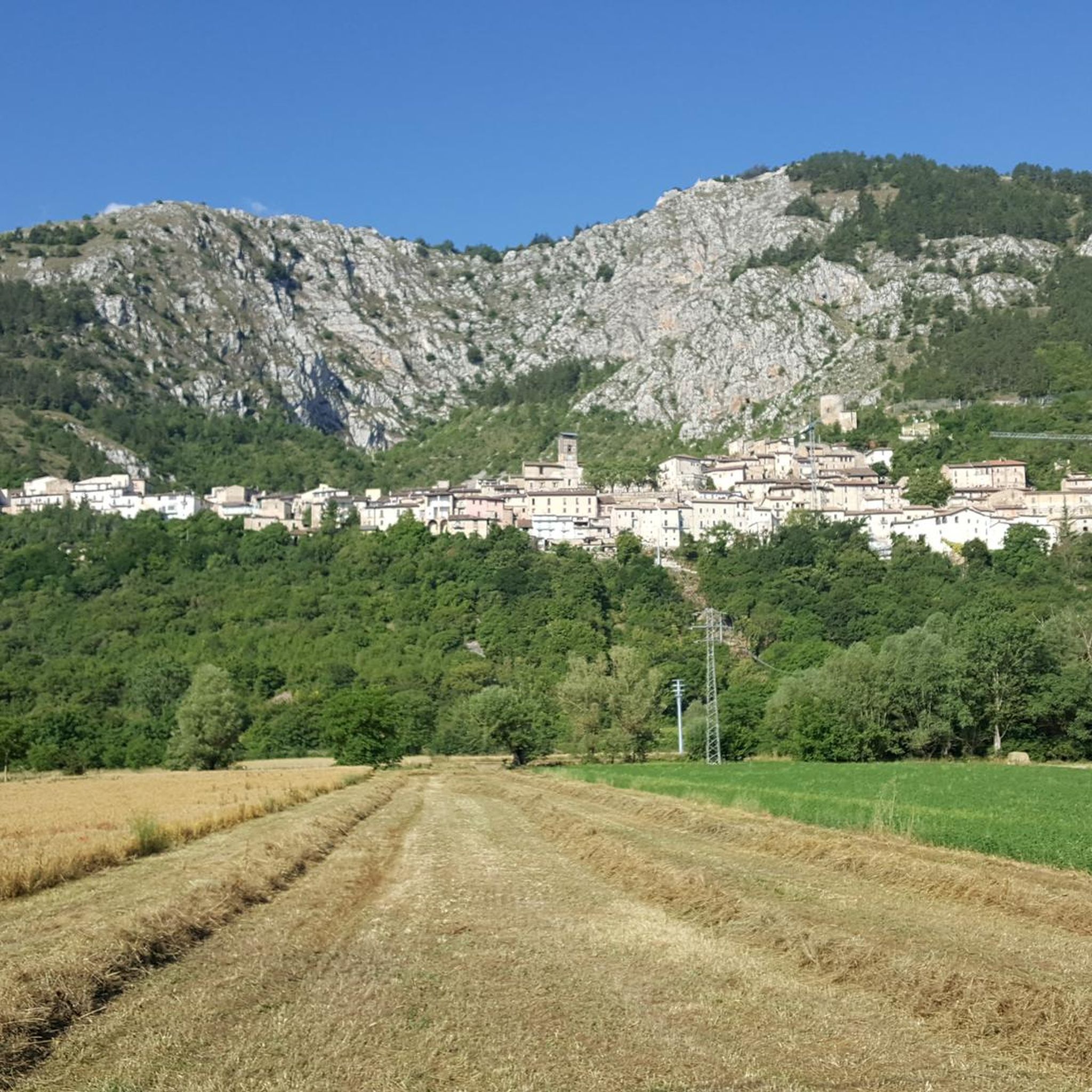
beautiful village with a castle in a state of abandonment inside the courtyard there are some houses and a restaurant
0
0


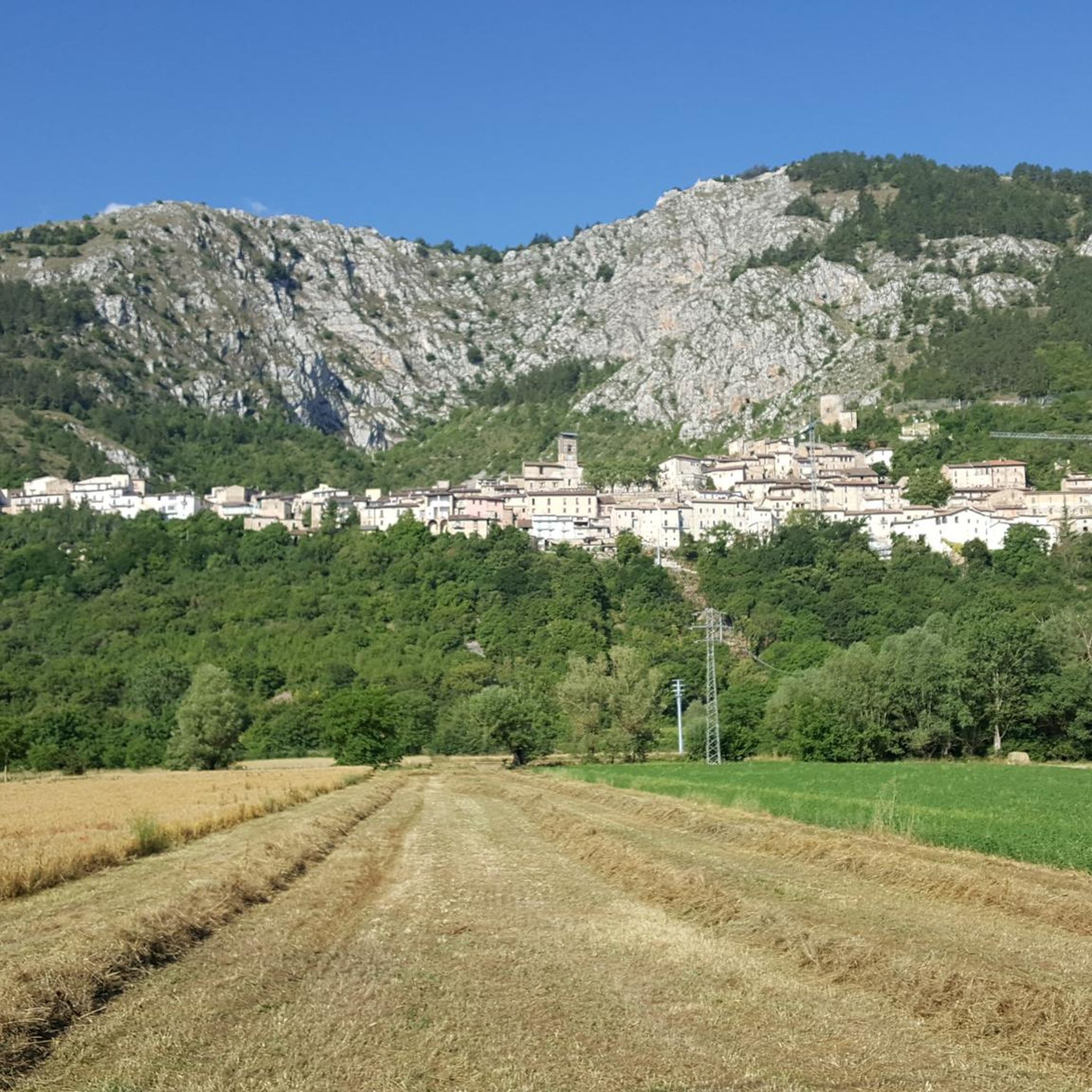
Fortified town of the Camponeschi family in the municipality of Prata D'Ansidonia
0
0
Also known as the sixteenth-century castle.
0
0
The sixteenth-century Castle of L'Aquila is one of the largest, best-preserved buildings of modern military architecture in Europe.
0
0

Frequently Asked Questions
What is the historical significance of castles in the Fossa region?
The castles around Fossa, particularly the Castle of Fossa, are prime examples of the medieval "encastellation" phenomenon in Italy. They showcase the region's layered past, evolving from defensive structures to noble residences, and often built upon ancient Roman or Vestini settlements. These fortifications reflect centuries of history, from Angevin control to Spanish domination.
Can I visit the Castle of Fossa?
The Castle of Fossa suffered damage during the 2009 L'Aquila earthquake and is currently undergoing restoration. While internal tours are not available, you can appreciate its impressive exterior and walk through the site to connect with its long history. It offers panoramic views from its perch on Mount Circolo.
What are some other notable castles near Fossa?
Beyond the Castle of Fossa, you can explore the impressive Forte Spagnolo (Cinquecento Castle) in L'Aquila, a significant 16th-century military stronghold. There's also Castel Camponeschi, an abandoned fortified village, and Castello Rivera, which is actually a noble palace rather than a traditional fortified castle.
Are there family-friendly castles to visit around Fossa?
Yes, the Forte Spagnolo (Cinquecento Castle) in L'Aquila is listed as family-friendly. While it's undergoing restoration, its grand exterior and historical significance can still be appreciated by all ages.
What are the accessibility considerations for visiting these castles?
For the Castle of Fossa, its hilltop location and uneven terrain mean sturdy footwear is recommended, especially in dry conditions. The Forte Spagnolo is also undergoing restoration, so while its exterior is visible, internal access might be limited. Always check local conditions before your visit.
When is the best time to visit the castles around Fossa?
Visiting during dry conditions is recommended, especially for sites like the Castle of Fossa, due to its hilltop location and uneven terrain. Spring and autumn generally offer pleasant weather for exploring the region's historical sites.
Are there walking trails or outdoor activities near the castles?
Absolutely! The area around Fossa offers various outdoor activities. For instance, near Castel Camponeschi Fortified Village, there are countless trails. You can find numerous hiking routes, such as the easy Ocre Dolines Loop or moderate trails like the View from Castello di Ocre – Ponte del Castello loop. For more options, explore the Hiking around Fossa guide.
Which castles offer scenic views?
The Castle of Fossa, perched on Mount Circolo, provides panoramic views of the Aterno River valley and the surrounding central Apennines. Similarly, Castel Camponeschi Fortified Village is known for its fantastic views and magical atmosphere.
What is special about the Forte Spagnolo in L'Aquila?
The Forte Spagnolo (Cinquecento Castle) is one of the most impressive 16th-century military strongholds in Central and Southern Italy. Uniquely, it was built not to protect the city, but to suppress it after a rebellion. It later housed the National Museum of Abruzzo (MuNDA) and, despite ongoing restoration from the 2009 earthquake, remains a powerful symbol of L'Aquila.
What is Castel Camponeschi like?
Castel Camponeschi is an abandoned fortified village surrounded by greenery, offering a magical atmosphere and fantastic views. It's always open to the public, and its location provides access to countless nearby trails.
Is Castello Rivera a traditional fortified castle?
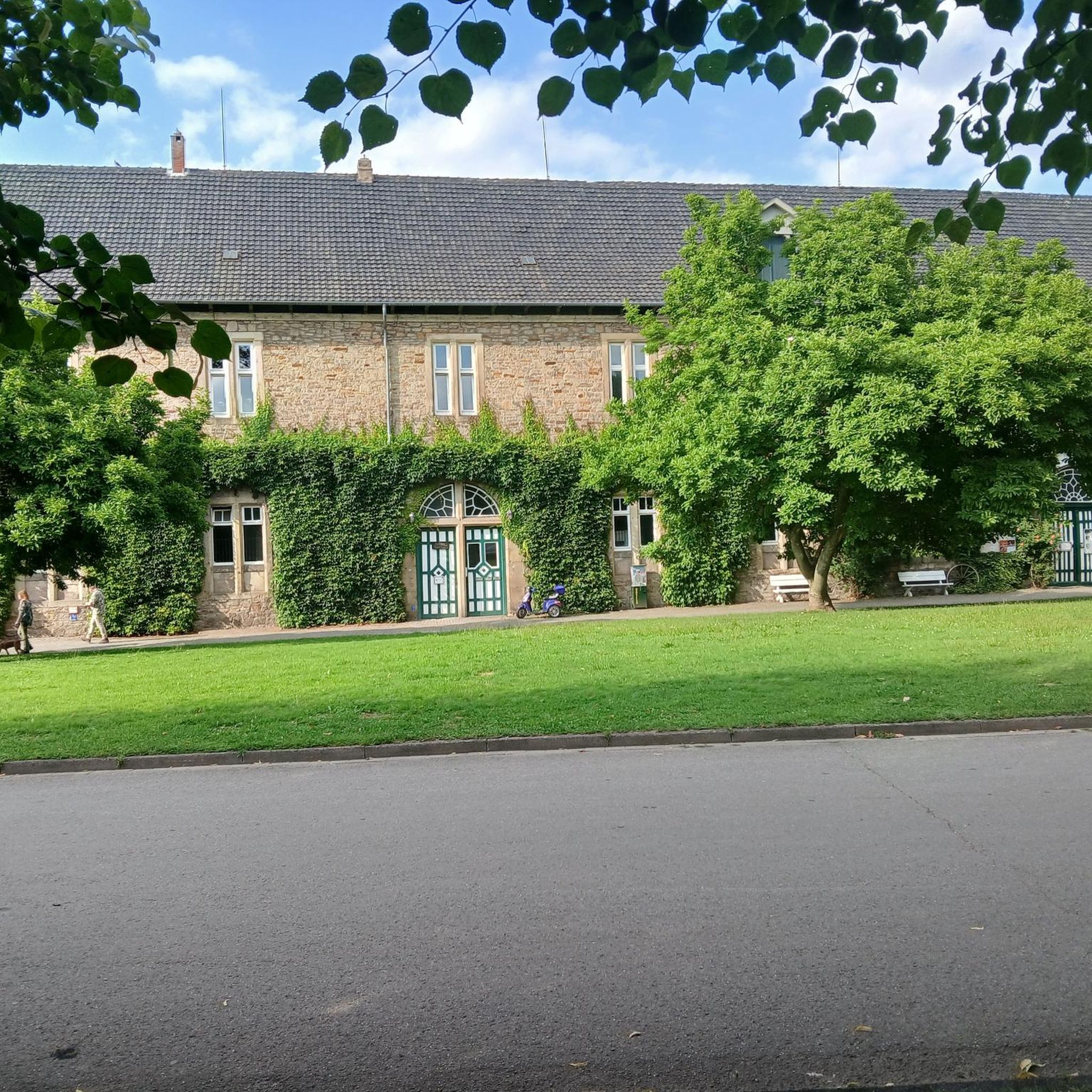
Despite its name, Castello Rivera is not a traditional fortified medieval structure. It is a palace belonging to the noble Rivera dukes of Aquila. While it sustained damage in the 2009 earthquake, recovery efforts have had excellent results.
Are there running trails near the castles?
Yes, the Fossa area has several running trails. You can find routes like the Monticchio Sinkhole – Fossa Raganesca Dolina loop or the View of Castello di Ocre – Castello di Ocre loop. For a comprehensive list, check out the Running Trails around Fossa guide.
Most popular attractions around Fossa

Get inspired with the komoot mobile app


Explore more
Looking for the best castles somewhere else? Discover other guides around Fossa:
