Top 7 Castles around San Cesareo
Castles around San Cesareo offer a glimpse into the region's deep historical past, despite the modern municipality of San Cesareo not having any standing castles. The area, known for Roman "otium" villas and its connection to Julius Caesar, once hosted the *castrum Sancti Caesari*, which was destroyed and never rebuilt. However, the surrounding landscape features several significant historical sites and remnants of medieval fortifications. These locations provide insights into the strategic importance and rich heritage of the Alban Hills and…
Last updated: May 18, 2026
Castel San Pietro Romano
Highlight • Settlement
Translated by Google •
Tip by

Maschio di Ariano
Highlight • Summit
Translated by Google •
Tip by

Sign up now to discover places like this
Get recommendations on the best single tracks, peaks, & plenty of other exciting outdoor places.
Sign up for free
Rocca dei Colonna in Castel San Pietro Romano
Highlight • Castle
Translated by Google •
Tip by

Castello di Corcolle
Highlight • Castle
It was a transition fortress of the late fifteenth century, towards the affirmation of the "modern fortification". …
Translated by Google •
Tip by

Rocca di Papa Fortress
Highlight • Castle
Translated by Google •
Tip by

Sign up for free to discover even more castles around San Cesareo.
Sign up for free
Already have an account?
Start today with a free account
Your next adventure awaits.
Login or Signup
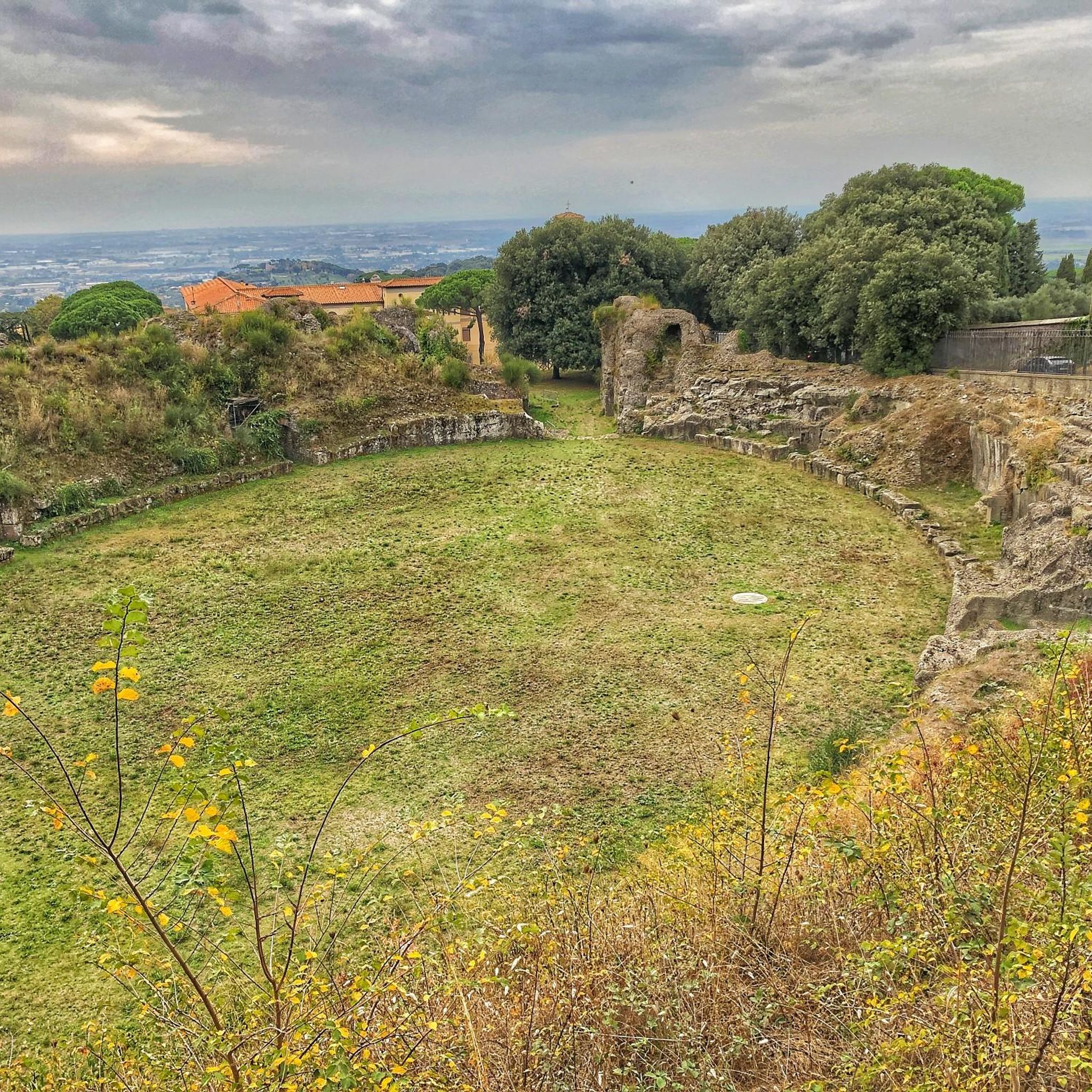
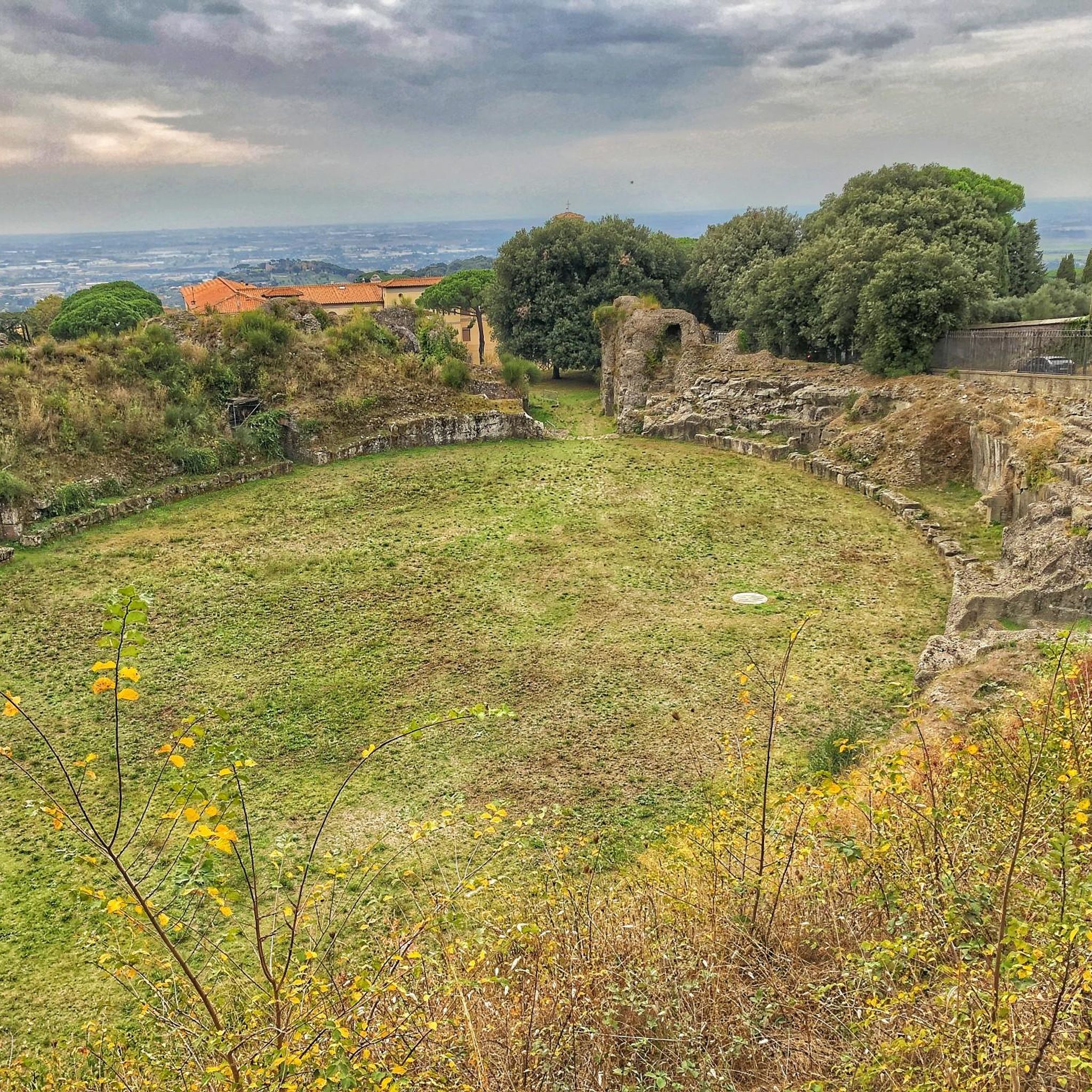
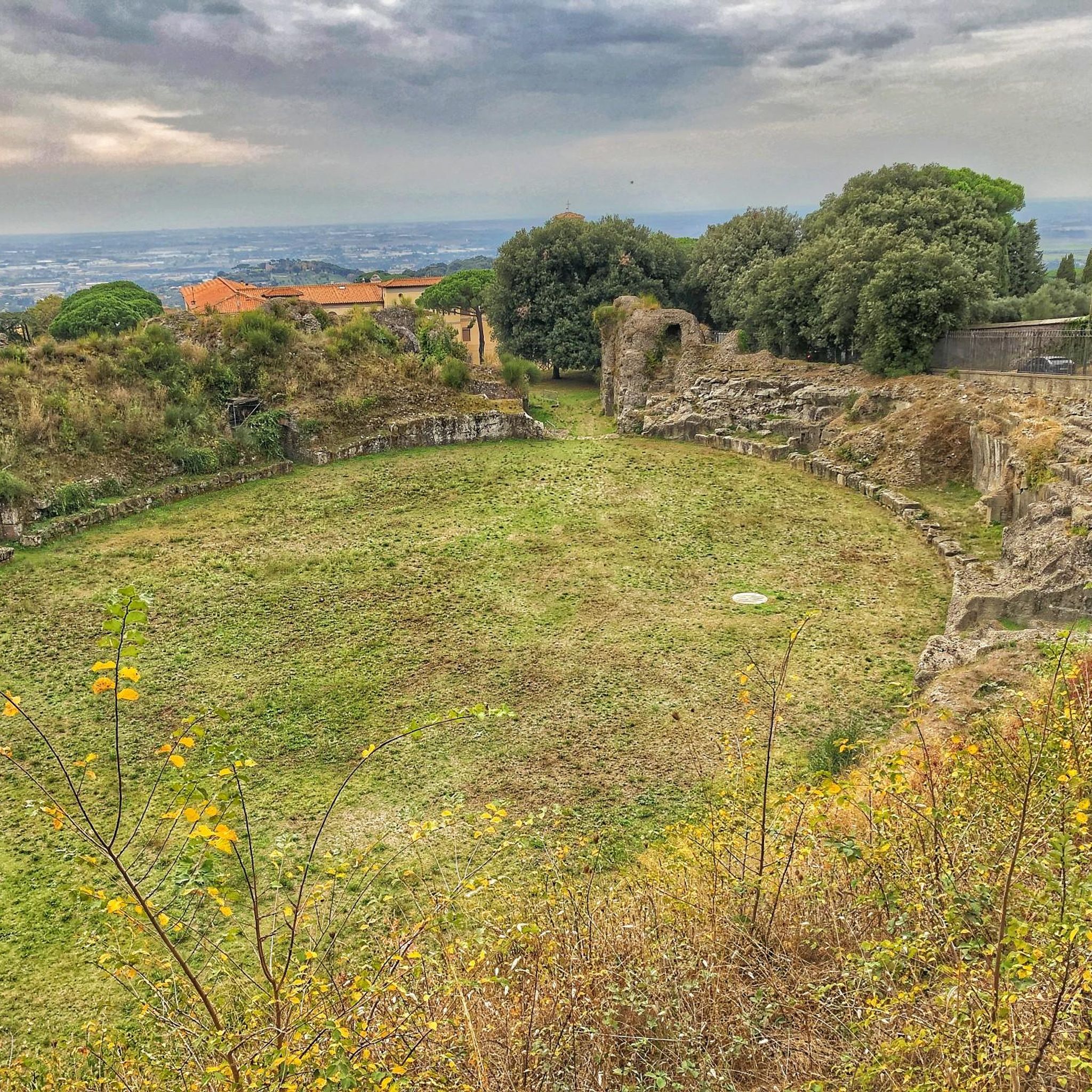
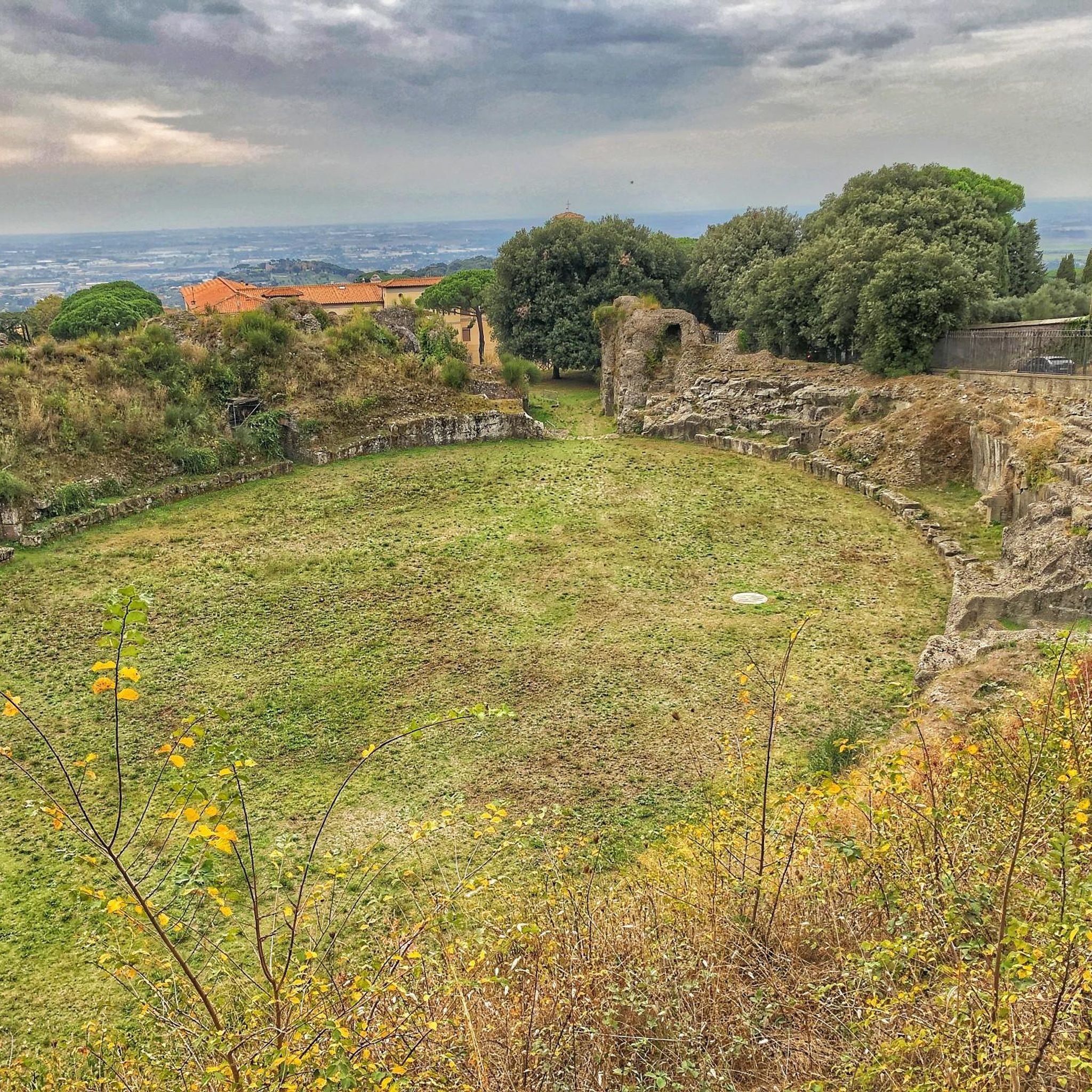

Tips from the Community


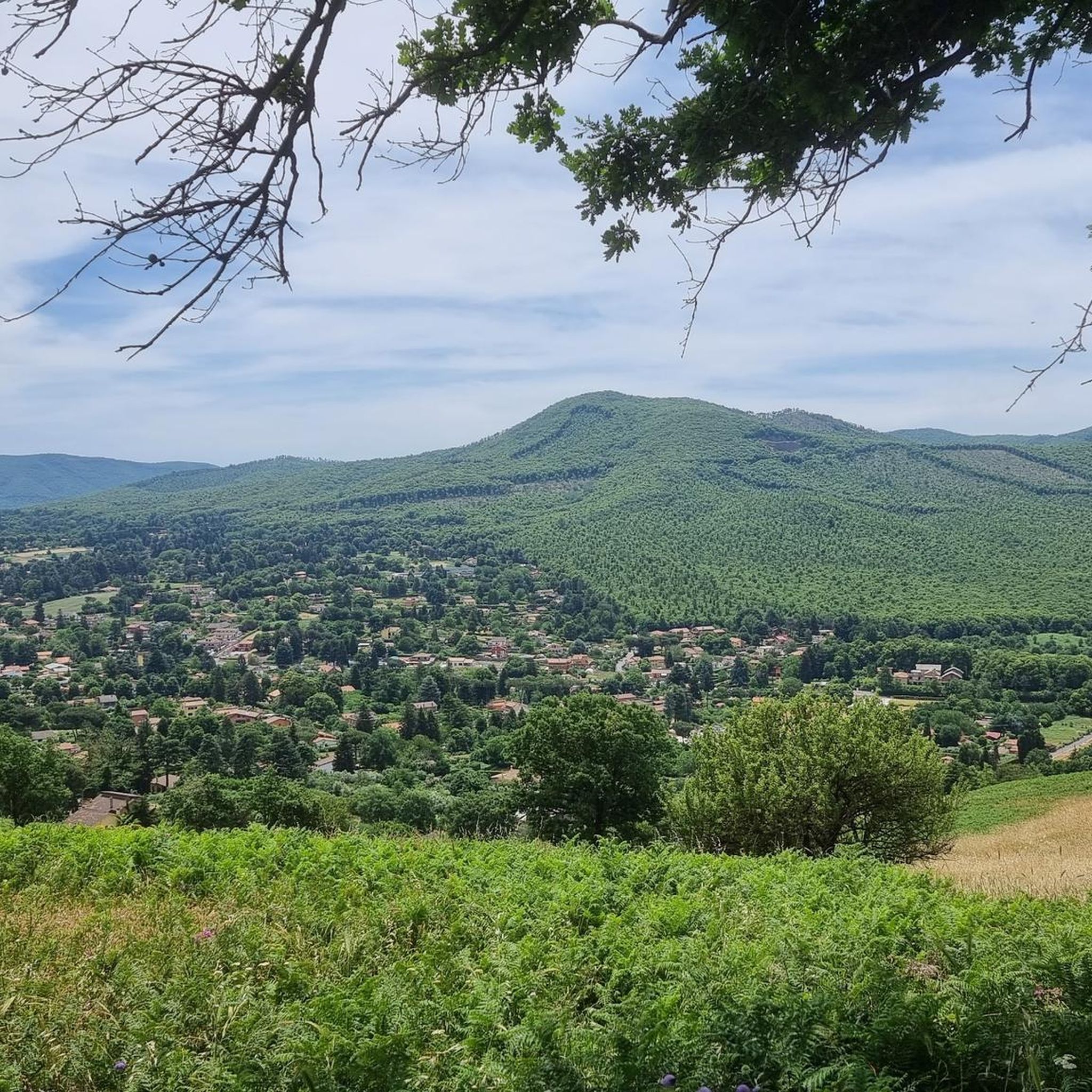
At 891 metres between the municipalities of Rocca di Papa and Lariano, the peak of Maschio di Ariano is part of the Alban Hills and owes its name to an ancient castle, whose construction is attributed to the Roman gens Aria (or Arria), and whose destruction probably dates back to the 14th century.
2
1

Very beautiful and lively village, the oven is notable which alone is worth the visit.
0
0

Today it is managed by the farm of the same name which welcomes visitors with rooms and a restaurant.
0
0

Rocca di Papa is a town of about 20,000 inhabitants and is part of the Castelli Romani Park. It boasts splendid views over the Roman countryside and a fortress.
1
0

amazing view at the top of Rocca di Papa
1
0
very very nice village
3
0

With its height of 763 meters above sea level, it overlooks the western quadrant of Rome and the Cannucceta Valley
0
0
Frequently Asked Questions
Are there any standing castles directly in San Cesareo?
While San Cesareo has a rich history, the original *castrum Sancti Caesari* was destroyed in the medieval period and never rebuilt. Therefore, there are no standing castles within the modern municipality of San Cesareo itself. However, the surrounding region offers several significant historical sites and remnants of fortifications.
What historical sites related to castles can I visit near San Cesareo?
You can explore several historical sites that were once castles or fortified settlements. These include the site of the former Maschio di Ariano, a summit in the Alban Hills where an ancient castle once stood. The Historic village of San Vittorino offers a well-preserved ancient settlement, and the Rocca di Papa Fortress provides historical insights and expansive views.
Which castles or fortresses near San Cesareo offer the best views?
For expansive views over the Roman countryside, the Rocca di Papa Fortress is highly recommended. Similarly, the Maschio di Ariano, a summit that was once home to a castle, also offers significant vistas from its elevated position in the Alban Hills.
Are there any family-friendly historical sites or castles to visit near San Cesareo?
Yes, both Castel San Pietro Romano and Castello di Corcolle are considered family-friendly. Castel San Pietro Romano is a historic village with a rich past, while Castello di Corcolle is a fortress that now houses an accommodation facility, making it an interesting stop for families.
What kind of historical significance does the San Cesareo area have, beyond castles?
The area around San Cesareo is deeply rooted in history, dating back to ancient Roman times. It was known for Roman 'otium' villas, including one believed to belong to Julius Caesar. Emperor Maxentius was also proclaimed emperor here in 306 AD. The region's past is marked by conflicts between powerful families like the Orsini and Colonna, which led to the destruction of the original *castrum Sancti Caesari*.
What outdoor activities can I do near these historical sites?
The region around San Cesareo offers various outdoor activities. You can find numerous hiking trails, such as those around Mount Salomone Summit or the Ancient Via Tuscolana. There are also extensive MTB trails and gravel biking routes available. For more details on routes, you can explore the Hiking around San Cesareo guide, MTB Trails around San Cesareo guide, and Gravel biking around San Cesareo guide.
Are there hiking trails near the historical sites and castle ruins?
Yes, the historical sites are often integrated into or near hiking opportunities. For instance, the Maschio di Ariano is a summit in the Alban Hills, making it accessible via hiking. You can find various routes, including moderate to difficult trails, in the Hiking around San Cesareo guide, which can lead you to or near these historical points of interest.
What is the best time of year to visit the historical sites around San Cesareo?
Spring and autumn generally offer the most pleasant weather for exploring the historical sites and engaging in outdoor activities around San Cesareo. Temperatures are milder, and the natural scenery is often at its best. Summer can be quite hot, especially for sites with little shade, while winter can be cooler and potentially rainy, though still suitable for visits on clear days.
What do visitors appreciate most about the historical sites near San Cesareo?
Visitors frequently appreciate the rich history and the stunning views offered by these sites. The well-preserved structures of places like the Historic village of San Vittorino and the panoramic vistas from the Rocca di Papa Fortress are often highlighted. The sense of stepping back in time and the natural beauty of the Alban Hills also contribute to a memorable experience.
Can I find accommodation or dining options near these historical sites?
Some historical sites, like Castello di Corcolle, now house accommodation facilities and restaurants. Additionally, the towns and villages surrounding these sites, such as Rocca di Papa or Castel San Pietro Romano, offer various local eateries and places to stay, allowing visitors to enjoy regional cuisine and extend their exploration.
Are there any hidden gems or lesser-known historical sites worth visiting?
While the guide highlights popular spots, exploring the smaller villages and their historical centers, such as Castel San Pietro Romano, can reveal fascinating insights into the region's past. These locations often have their own unique stories and architectural details that might be less frequented but equally rewarding for history enthusiasts.
Most popular routes around San Cesareo
Most popular attractions around San Cesareo

Get inspired with the komoot mobile app


Explore more
Looking for the best castles somewhere else? Discover other guides around San Cesareo:
