Top 20 Caves around Palmariggi
Best caves around Palmariggi are found within the wider Salento and Puglia regions of Italy. This area is characterized by its Adriatic coastline, historical significance, and diverse geological formations, including numerous karst features. The landscape offers a mix of natural wonders and ancient human-made structures. The region provides opportunities to explore both natural cave systems and historical rock-cut sites.
Best caves around Palmariggi
- The most popular caves is Porto Badisco Bay, a beach and historical site known for its…
Last updated: June 29, 2026
Porto Badisco Bay
Highlight • Beach
Translated by Google •
Tip by

Church of Santa Marina di Stigliano and Ruins, Serrano
Highlight • Religious Site
The church, traditionally linked to the …
Translated by Google •
Tip by

Sign up now to discover places like this
Get recommendations on the best single tracks, peaks, & plenty of other exciting outdoor places.
Sign up for free
Anfiano Hypogeum
Highlight • Cave
Translated by Google •
Tip by
Sant'Angelo Rock-Cut Church
Highlight • Religious Site
Barred by barriers that would indicate work in progress (works …
Translated by Google •
Tip by
Byzantine Crypt of San Salvatore
Highlight • Religious Site
Translated by Google •
Tip by

Sign up for free to discover even more caves around Palmariggi.
Sign up for free
Already have an account?
Start today with a free account
Your next adventure awaits.
Login or Signup

Tips from the Community

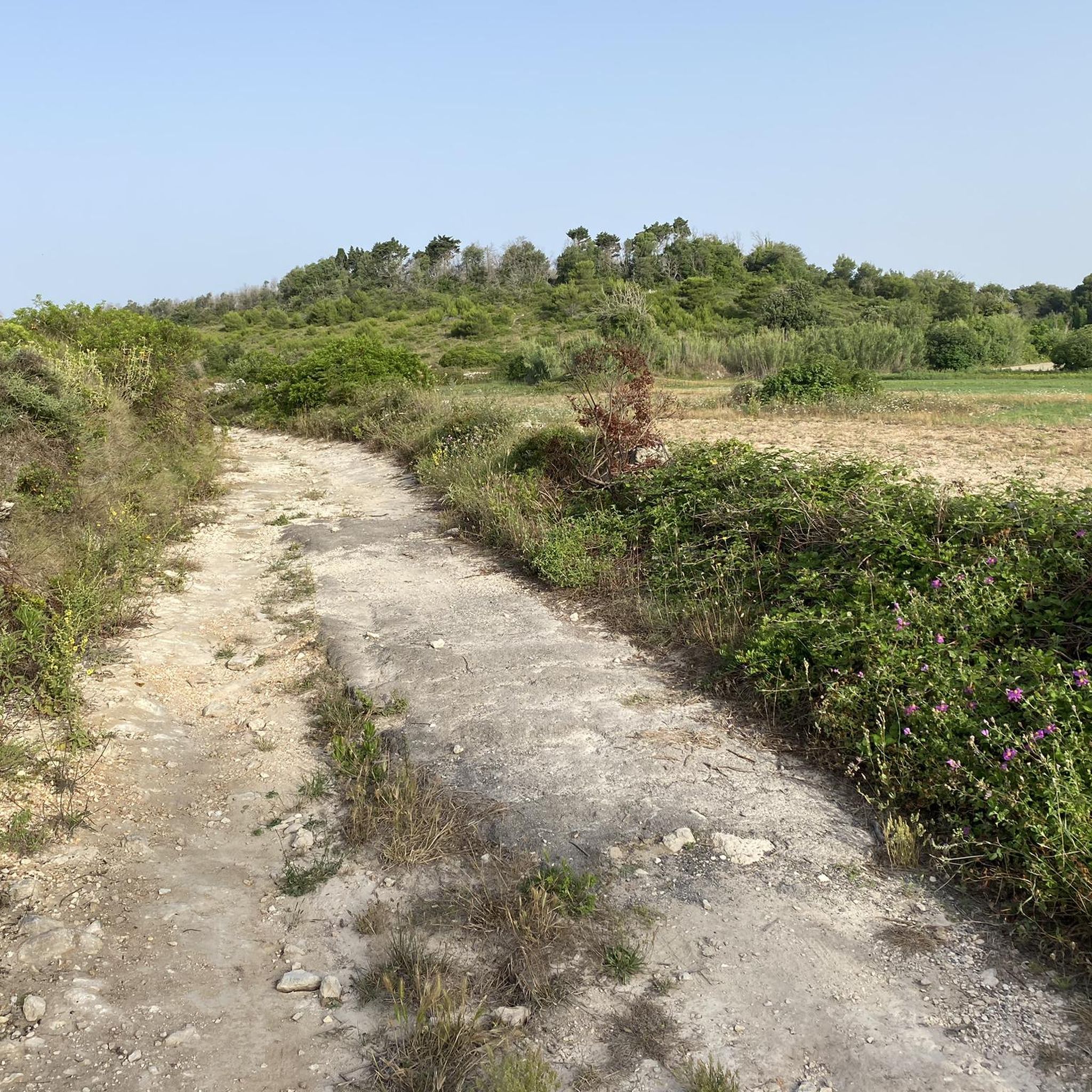
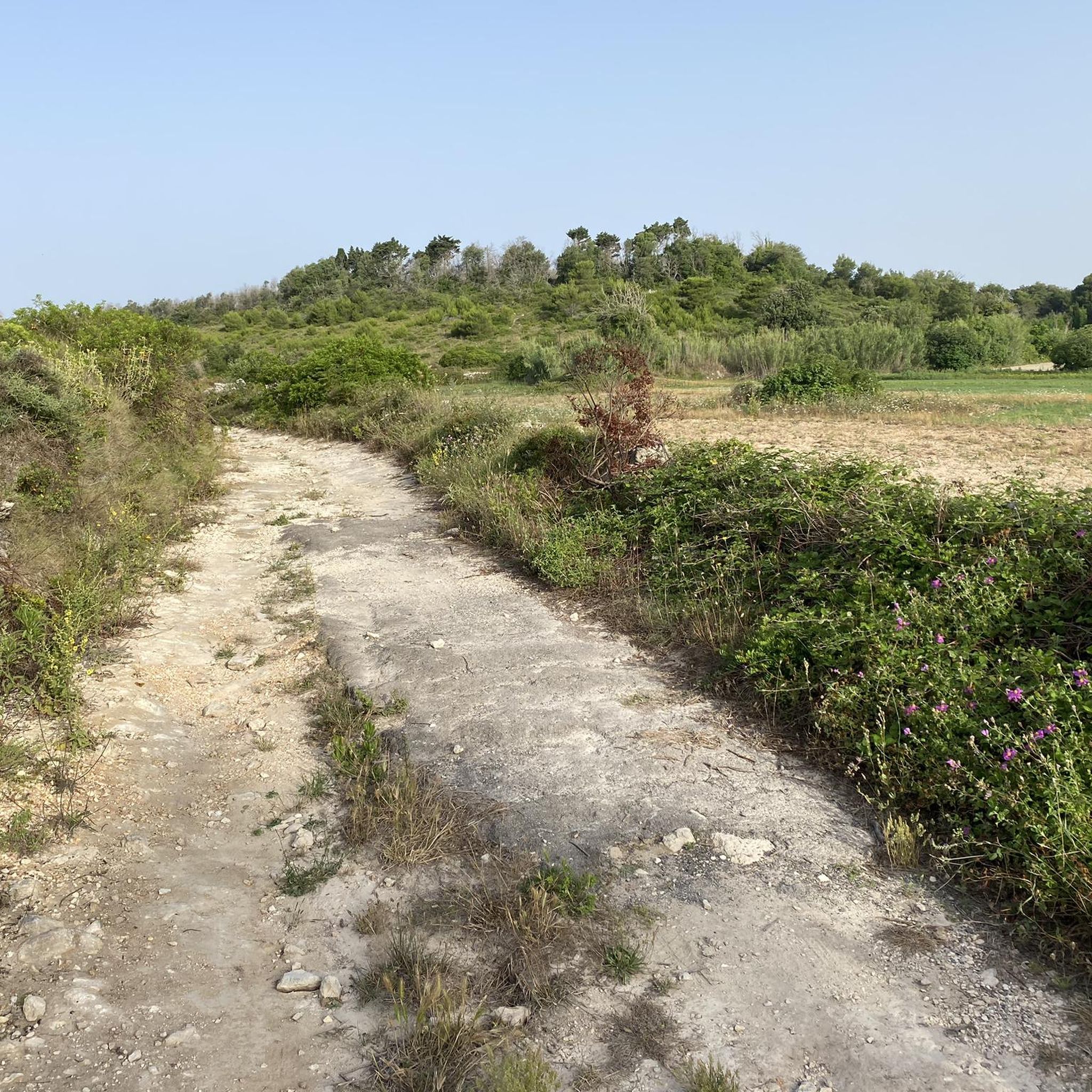
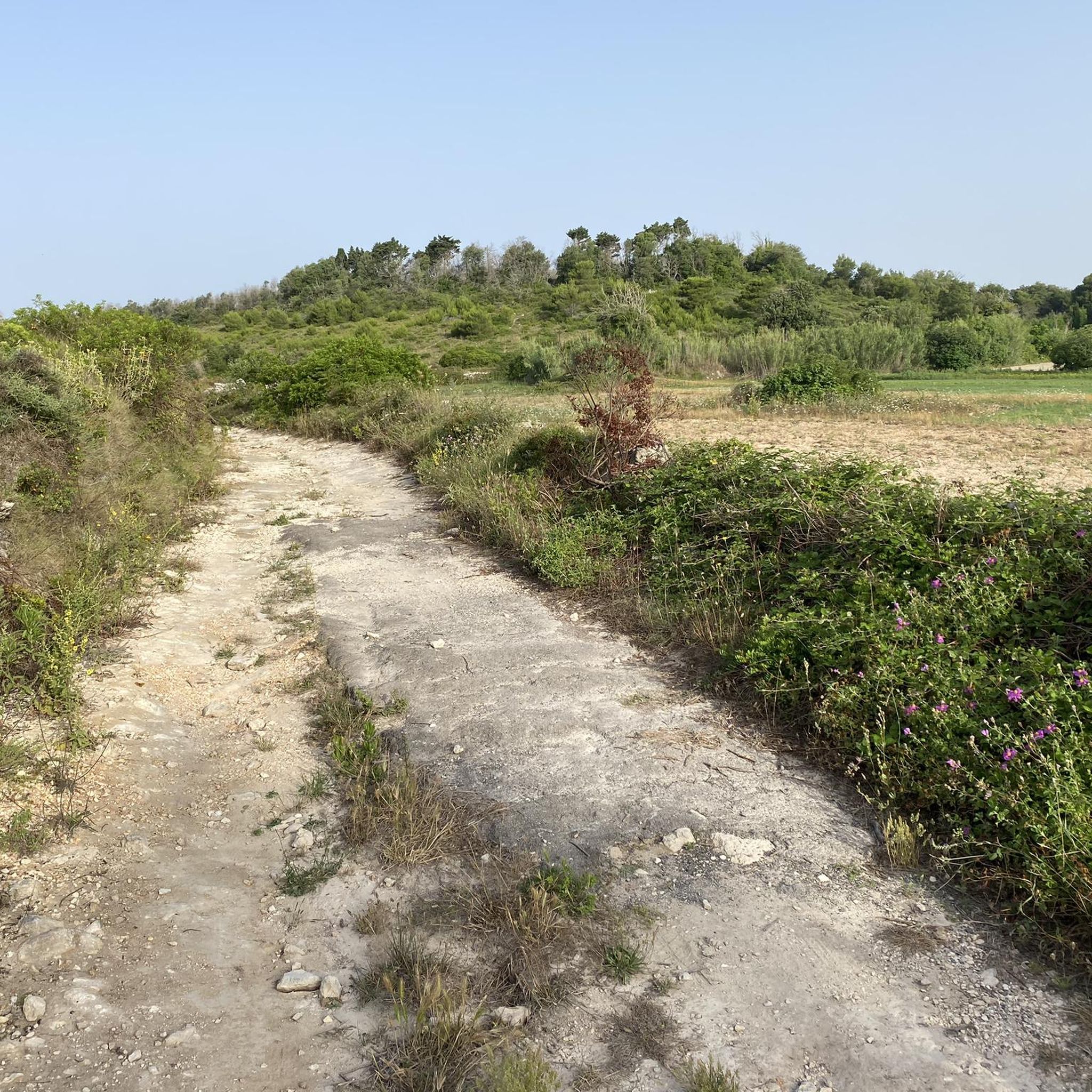
A wonderful hike along the sea. The view is breathtaking. Highly recommended. Ideal in the early morning hours when it's not so warm in summer.
0
0

Underground olive press in the ancient medieval farmhouse of Anfiano. Dug into the tuff rock to better preserve the oil thanks to the constant temperature, protecting it from pirate raids. Well preserved, it is located on the edge of the road and is easily accessed through a small gate.
0
0


Ruins of a farmhouse built in ancient times next to the church of Santa Marina di Stigliano. Probably destroyed during the numerous Saracen raids
0
0

Extraordinarily maintained by the owner and made available to everyone out of a pure spirit of sharing. Chapeau! Take care of it and respect it.
0
0

Porto Badisco is a pretty cove nestled on the coast of the Adriatic about 10 km south of Otranto.
0
0


One of the three oldest sites in the Cannole area
0
0
Frequently Asked Questions
What are some of the most historically significant caves to visit near Palmariggi?
The region around Palmariggi is rich in historical cave sites. The Porto Badisco Bay area is known for the nearby Grotta dei Cervi, a crucial prehistoric archaeological site with extensive Neolithic rock paintings. While the Grotta dei Cervi itself is not publicly accessible to preserve its delicate artworks, the bay offers a glimpse into an area inhabited since the Paleolithic period. Other historical sites include the Church of Santa Marina di Stigliano and Ruins, Serrano, built over a Byzantine crypt with faint traces of frescoes, and the Anfiano Hypogeum, a historical cave site with a beautiful, green-veiled entrance.
Are there any marine caves or natural swimming spots near Palmariggi?
Yes, the wider Salento region offers spectacular marine caves. The Grotta della Poesia (Cave of Poetry) north of Otranto is a natural swimming pool formed by a collapsed cave ceiling, offering emerald-green waters connected to the sea. Near Castro, the Grotta Azzurra (Blue Cave) is renowned for its mesmerizing cobalt blue reflections and is best accessed by boat. The Porto Badisco Bay itself is famous for its crystal clear waters and unspoiled nature, making it a great spot for swimming and enjoying the sea.
What are the best caves for seeing impressive geological formations?
For impressive geological formations, the Grotta della Zinzulusa near Castro is a must-see. Its name comes from the local dialect word 'zinzuli,' meaning 'rags,' referring to the stalactites that hang like fabric from the ceiling. It features a 'Corridor of Marvels' and an underground lake. Further north, the Castellana Caves (Grotte di Castellana) offer one of Italy's most extensive karst cave systems, with surreal stalactites, stalagmites, and the dazzling alabaster formations of the 'White Cave'.
Are there family-friendly cave experiences around Palmariggi?
Many of the accessible caves in the broader Salento region can be enjoyed by families. For instance, the Grotta della Zinzulusa offers guided tours that are suitable for various ages, showcasing impressive geological features. The Porto Badisco Bay is also considered family-friendly, offering crystal clear waters for swimming and exploring the natural surroundings. Always check specific tour operator recommendations for age restrictions or difficulty levels.
What outdoor activities can I do near the caves around Palmariggi?
The area around Palmariggi offers various outdoor activities. You can find numerous cycling routes, such as the 'Otranto – Porto Badisco Bay loop' or the 'Torre dell'Orso cliff viewpoint – Acaya Castle loop.' For running, there are trails like 'On the trail of the Messapi and the Basilian monks.' You can explore more options on the Road Cycling Routes around Palmariggi, Cycling around Palmariggi, and Running Trails around Palmariggi guide pages.
Is there a unique dining experience in a cave near Palmariggi?
Yes, further north in Puglia, in Polignano a Mare, you can find the Grotta Palazzese. This truly unique destination houses an exclusive restaurant inside a natural marine cave, offering a breathtaking dining experience with stunning views overlooking the Adriatic Sea. It has been a venue for banquets and events since the 1700s.
Are there any rock-cut churches or crypts to explore?
Yes, the region has several fascinating rock-cut religious sites. The Church of Santa Marina di Stigliano and Ruins, Serrano stands on the remains of an ancient Byzantine farmhouse and is built over a Byzantine crypt. The Sant'Angelo Rock-Cut Church is another medieval worship place. Additionally, the Byzantine Crypt of San Salvatore, entirely excavated in the tuff bank, is one of the most interesting and best-preserved crypts, discovered only a few decades ago.
What is the best time of year to visit the caves around Palmariggi?
The best time to visit the caves in the Salento and Puglia regions generally depends on the type of experience you seek. For marine caves and swimming, the warmer months from late spring to early autumn (May to September) are ideal. For exploring inland karst caves or historical sites, spring and autumn offer pleasant temperatures, avoiding the peak summer heat and crowds. Some caves, like Grotta della Zinzulusa, offer guided tours year-round, but it's always advisable to check specific opening hours and seasonal availability.
Are permits required for visiting caves near Palmariggi?
For publicly accessible and managed caves like Grotta della Zinzulusa or the Castellana Caves, guided tours are typically offered, and tickets are purchased on-site or in advance. These do not usually require separate permits beyond the entrance fee. For historical crypts or less-known sites, access might be managed by local associations or private owners, sometimes requiring prior arrangement or contacting a local guide. For example, to visit the Byzantine Crypt of San Salvatore, you need to contact the Proloco (local tourism office).
What should I wear when exploring caves in the region?
When exploring caves, especially those with guided tours like Grotta della Zinzulusa or Castellana Caves, it's advisable to wear comfortable walking shoes with good grip, as surfaces can be uneven or damp. Even in summer, cave interiors maintain a cooler, constant temperature, so a light jacket or long-sleeved top is recommended. For marine caves or natural swimming spots like Grotta della Poesia, swimwear and water shoes are essential.
Are there any dog-friendly options for exploring caves or nearby areas?
While many cave interiors may not permit dogs due to conservation or safety reasons, the surrounding natural areas often offer dog-friendly options. For instance, the coastal paths and natural landscapes around Porto Badisco Bay are generally suitable for walks with leashed dogs. It's always best to check specific site regulations or local municipality rules regarding pets before visiting any particular cave or natural park.
What is the significance of the grotto near the Sanctuary of Montevergine in Palmariggi?
While not an extensive cave system, the mysterious grotto near the Sanctuary of Montevergine in Palmariggi holds significant local historical and spiritual importance. Legend states that in 1595, a shepherd boy discovered this grotto after being guided by a beautiful lady, leading to the construction of a chapel in her honor. It's considered a small opening with deep cultural roots for the community.
Most popular routes around Palmariggi
Most popular attractions around Palmariggi

Get inspired with the komoot mobile app


Explore more
Extend your search for the best caves by checking out these guides of the top ones around Palmariggi:
