Top 20 Lakes in Haute Côte / Archipel De Kvarken
Best lakes in Haute Côte / Archipel De Kvarken are located within a transboundary UNESCO World Heritage Site in the Gulf of Bothnia, known for its exceptional land uplift geology. This ongoing geological process continuously forms and evolves lakes from former sea bays. The landscape is dynamic, with islands appearing, peninsulas expanding, and bays transforming into lakes, marshes, and peat fens. These lakes offer a unique opportunity to observe Earth's ongoing geomorphic processes and the resulting diverse ecosystems.
Best lakes…
Last updated: June 29, 2026
Tärnättvattnet Hut
Highlight • Mountain Hut
Translated by Google •
Tip by

Kälaviken
Highlight (Segment) • Beach
Translated by Google •
Tip by
Sign up now to discover places like this
Get recommendations on the best single tracks, peaks, & plenty of other exciting outdoor places.
Sign up for free
Oxlatten Lake Shore
Highlight • Lake
Translated by Google •
Tip by

Island Cabin in Skuleskogen National Park
Highlight • Mountain Hut
Translated by Google •
Tip by

Fjärdbotten Cabins and Campsite
Highlight • Mountain Hut
Tip by

Sign up for free to discover even more lakes in Haute Côte / Archipel De Kvarken.
Sign up for free
Already have an account?
Start today with a free account
Your next adventure awaits.
Login or Signup
Popular around Haute Côte / Archipel De Kvarken
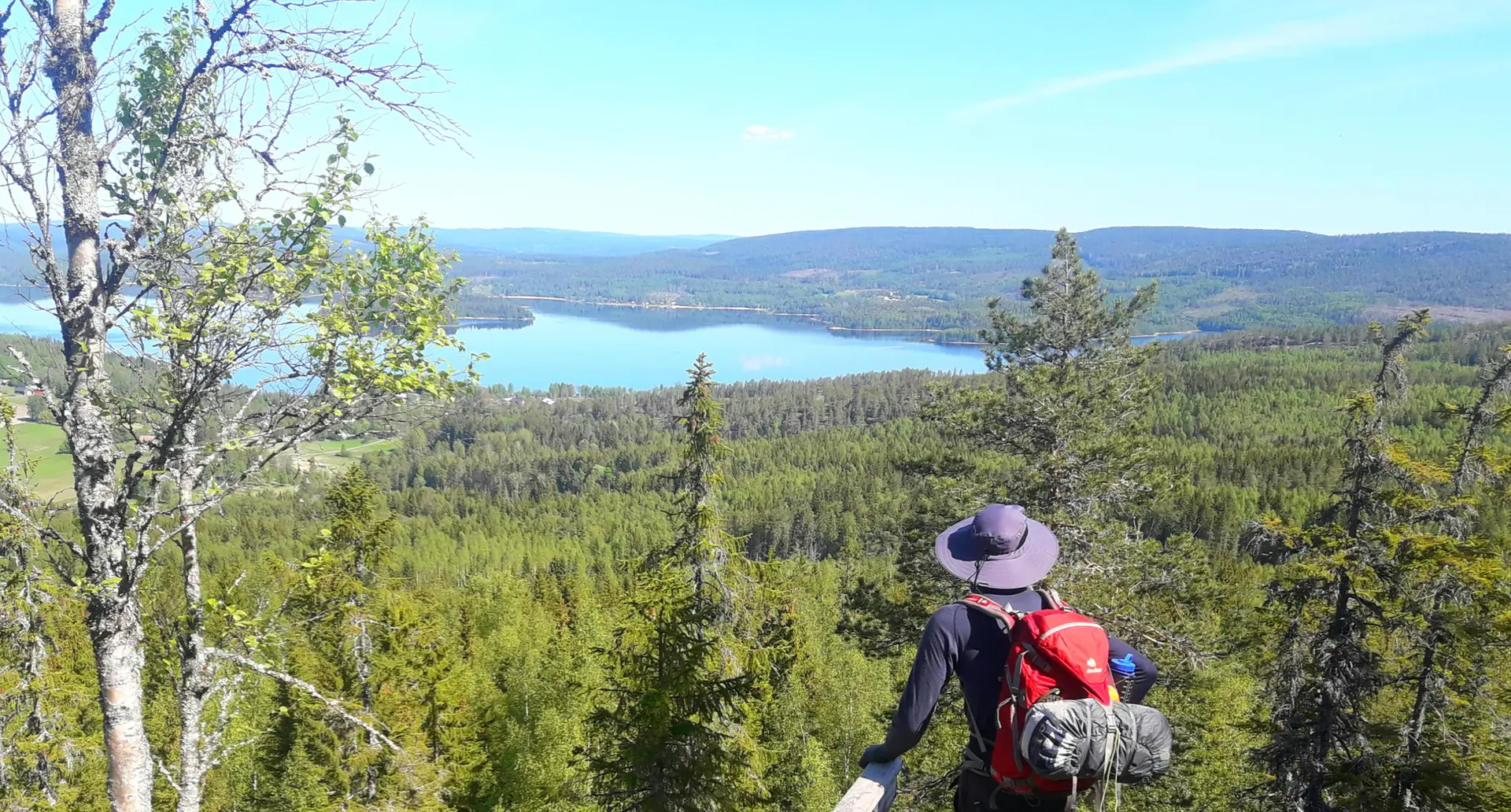
Hiking Sweden’s High Coast – Höga Kusten-leden
Hiking in Finland's south – the most beautiful trails and national parks
Crisscross through Sweden 🚴🏼
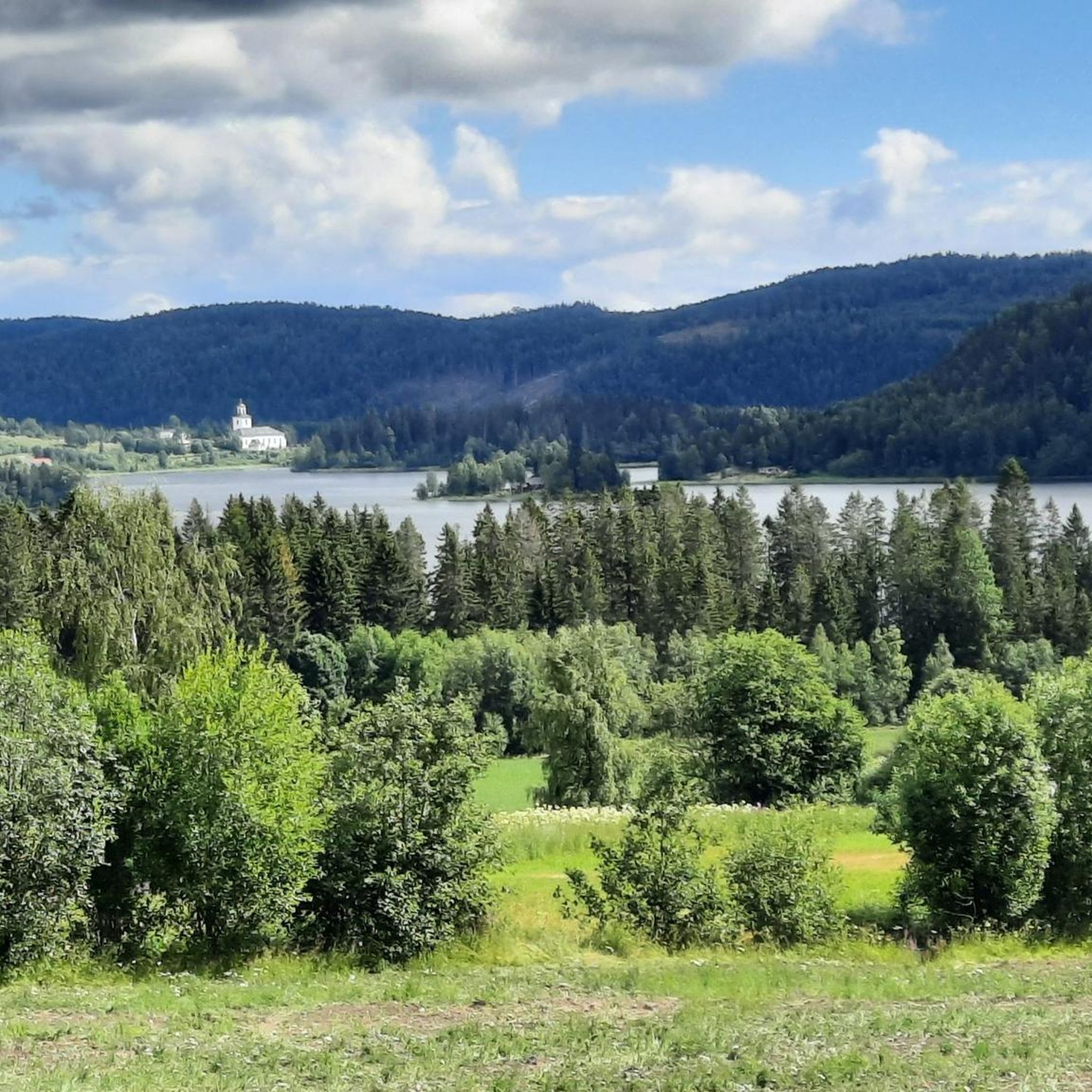
Hiking in Haute Côte / Archipel De Kvarken
Cycling in Haute Côte / Archipel De Kvarken
Road Cycling Routes in Haute Côte / Archipel De Kvarken
Running Trails in Haute Côte / Archipel De Kvarken
MTB Trails in Haute Côte / Archipel De Kvarken

Gravel biking in Haute Côte / Archipel De Kvarken

Mountain Hikes in Haute Côte / Archipel De Kvarken
Other adventures in Haute Côte / Archipel De Kvarken


Tips from the Community

Beautiful little house at the lake. You are allowed to sleep there. Wood for the fireplace is also available and of course a toilet.
0
0

This place is marked on maps as "Fjärdbotten Gästhamn" or "Fjärdbotten Stuga". There are several stugas where you can stay overnight and a good camping area right by the jetty. There are toilets. The water from the spring (a little south in the forest, it is signposted) was clear and we filtered it and drank it. It tasted completely neutral.
0
0

One of the most beautiful spots on the trail. The small stuga can cater for 4 people max. There really was no room for us to put a tent, the very few flat spaces were all very soggy because of the rain the day before. We had to continue the hike to put our tent 3km further on the beach.
0
0
Nice place for a rest or lunch, drinking water for a stream at 10 meters.
0
0
There are 5 stuga's here. 2 with a bunk bed (double width), 2 smaller ones but still plently of room to sleep on the floor and another one with a huge table which can also be used to sleep on the floor. I did not and would not drink the water from the 'source' here, it smelled disgusting. The water from the lake is salty do we didn't use that either. 200 meters before arrival there was a very little stream with some clean & fresh water.
1
0

Wonderful place for a break or overnight stay with a tent.
0
0
Nice cabins, some with stove. Toilets and water source (groundwater, but boil or filter before use).
0
0

Frequently Asked Questions
What makes the lakes in Haute Côte / Archipel De Kvarken unique?
The lakes in this region are part of a transboundary UNESCO World Heritage Site, globally unique for its exceptional land uplift. This ongoing geological process continuously transforms former sea bays into freshwater lakes, creating dynamic and ever-changing landscapes. You can observe different stages of this evolution, from brackish flads and gloes in the Kvarken Archipelago to deeper isolated basins in the High Coast.
Are there family-friendly lakes or activities in the Haute Côte / Archipel De Kvarken region?
Yes, several areas offer family-friendly experiences. For instance, Kälaviken in Skuleskogen National Park features a beach and trail suitable for families, with opportunities for grilling and camping. Oxlatten Lake Shore is also noted as family-friendly, offering a nice spot for a break. The unique geological formations like flads and gloes also provide sheltered environments that are interesting for all ages to explore.
What kind of outdoor activities can I do near the lakes?
The region offers a variety of outdoor activities. You can explore numerous hiking trails, such as those found in Skuleskogen National Park, or try gravel biking and running. For example, there are routes like the 'Bodvattnet Runt Circle Trail' for hiking or 'Scenic stretch of the road' for gravel biking. You can find more details on these activities in the Hiking in Haute Côte / Archipel De Kvarken, Gravel biking in Haute Côte / Archipel De Kvarken, and Running Trails in Haute Côte / Archipel De Kvarken guides.
Where can I find places to stay overnight near the lakes?
There are several options for overnight stays. Tärnättvattnet Hut offers a cabin with beds, a stove, and wood, and the lake is available for swimming. In Skuleskogen National Park, you can find the Island Cabin, a lonely shelter with a fireplace, bathing jetty, and barbecue area. Fjärdbotten Cabins and Campsite also provides multiple huts and a large meadow for tents right by the water.
What is the best time to visit the lakes in Haute Côte / Archipel De Kvarken?
The warmer months, typically late spring to early autumn (May to September), are ideal for visiting. During this period, the weather is pleasant for hiking, kayaking, and swimming. The sheltered flads and gloes warm faster in spring, attracting fish and making it a good time for observing biodiversity. The dynamic landscape is visible throughout the ice-free seasons.
Can I swim in the lakes of Haute Côte / Archipel De Kvarken?
Yes, swimming is possible in many areas. For example, Tärnättvattnet Hut is located by a lake suitable for swimming. The High Coast region often features crystal-clear waters with sandy beaches or smooth rocks, offering good swimming opportunities. The tips for Fjärdbotten Cabins and Campsite also mention a beautiful swimming area.
What kind of wildlife can I spot around the lakes?
The changing water salinity and environments of these evolving lakes create unique habitats. Flads and gloes, in particular, are important for biodiversity, attracting spring-spawning fish like northern pike, perch, and various cyprinids. These areas also host specific plant communities that filter water and stabilize the seabed, supporting a diverse ecosystem.
Are there accessible paths or trails near the lakes for all abilities?
While many trails in the region, especially within national parks like Skuleskogen, can be challenging, there are also easier options. The 'Bodvattnet Runt Circle Trail' in the Kvarken Archipelago World Heritage area is an example of an easy hiking route. When planning your visit, look for trails marked as 'easy' or 'family-friendly' for more accessible options.
What are 'flads' and 'gloes' in the Kvarken Archipelago?
Flads and gloes are unique types of lagoons found in the Kvarken Archipelago, formed by the ongoing land uplift. A flad is a sea bay that still has a connection to the sea but is gradually becoming fresher. As the land continues to rise and the connection diminishes, it becomes a glo, where seawater only enters during strong winds or high water levels. Eventually, these can fully transform into freshwater glo-lakes, showcasing the region's dynamic geological process.
Are dogs allowed on trails and near the lakes?
Generally, dogs are welcome on trails in the Haute Côte / Archipel De Kvarken region, but it's important to keep them on a leash, especially in national parks and nature reserves, to protect wildlife and ensure a pleasant experience for all visitors. Always check specific regulations for individual areas or accommodations.
What facilities are available at lake-side locations?
Facilities vary by location. Popular spots like Tärnättvattnet Hut and Island Cabin in Skuleskogen National Park offer basic shelters with beds, stoves, or fireplaces, and often dry toilets and barbecue areas. Kälaviken has toilets nearby and is suitable for grilling and camping. Some locations, like Fjärdbotten Cabins and Campsite, provide multiple huts and space for tents.
Is it possible to go kayaking or canoeing on the lakes?
Yes, kayaking is a popular activity in the Kvarken Archipelago, allowing visitors to explore the mosaic of islands and the unique flads and gloes. The sheltered waters of these evolving lakes can offer calm paddling conditions. While specific rental information isn't provided here, local tourism offices can guide you on where to rent equipment and suitable spots.
Most popular routes in Haute Côte / Archipel De Kvarken
Most popular attractions in Haute Côte / Archipel De Kvarken

Get inspired with the komoot mobile app


Explore more
Still not found your perfect lake in Haute Côte / Archipel De Kvarken? Check out the guides of these regions to see even more beautiful places.
