Top 7 Waterfalls in Alto Tajo
Best waterfalls in Alto Tajo are found within the Alto Tajo Natural Park, a protected area spanning parts of Aragon and Castile-La Mancha. This region is characterized by the upper course of the Tajo River and diverse geological formations, including calcareous tufa. The park offers various natural water features, providing opportunities for outdoor activities. Its landscape is shaped by river action and geological processes, creating unique natural monuments.
Best waterfalls in Alto Tajo
- The most popular waterfalls is Salto de Poveda Waterfall, a waterfall that forms a natural pool, ideal for a refreshing swim in summer. It is recognized as the largest waterfall in the upper course of the Tajo River.
- Another must-see spot is Molino Waterfall, a waterfall located in the municipality of Peralejos de las Truchas. It originated from an abandoned hydroelectric dam and now offers a tranquil natural environment.
- Visitors also love Escaleruela Waterfall, a spectacular tufa waterfall, aptly named for its stepped, staircase-like shape. This natural wonder is an example of tufa construction, with its distinctive appearance due to calcium carbonate precipitation.
- Alto Tajo is known for tufa waterfalls, natural pools, and seasonal cascades. The park features a variety of waterfalls, from those formed by geological processes to those influenced by human structures that have since naturalized.
- The waterfalls in Alto Tajo are appreciated by the komoot community. There are 7 waterfalls documented, with more than 30 photos and over 15 upvotes from visitors.
Last updated: August 23, 2026
Salto de Poveda Waterfall
Highlight • Waterfall
Translated by Google •
Tip by

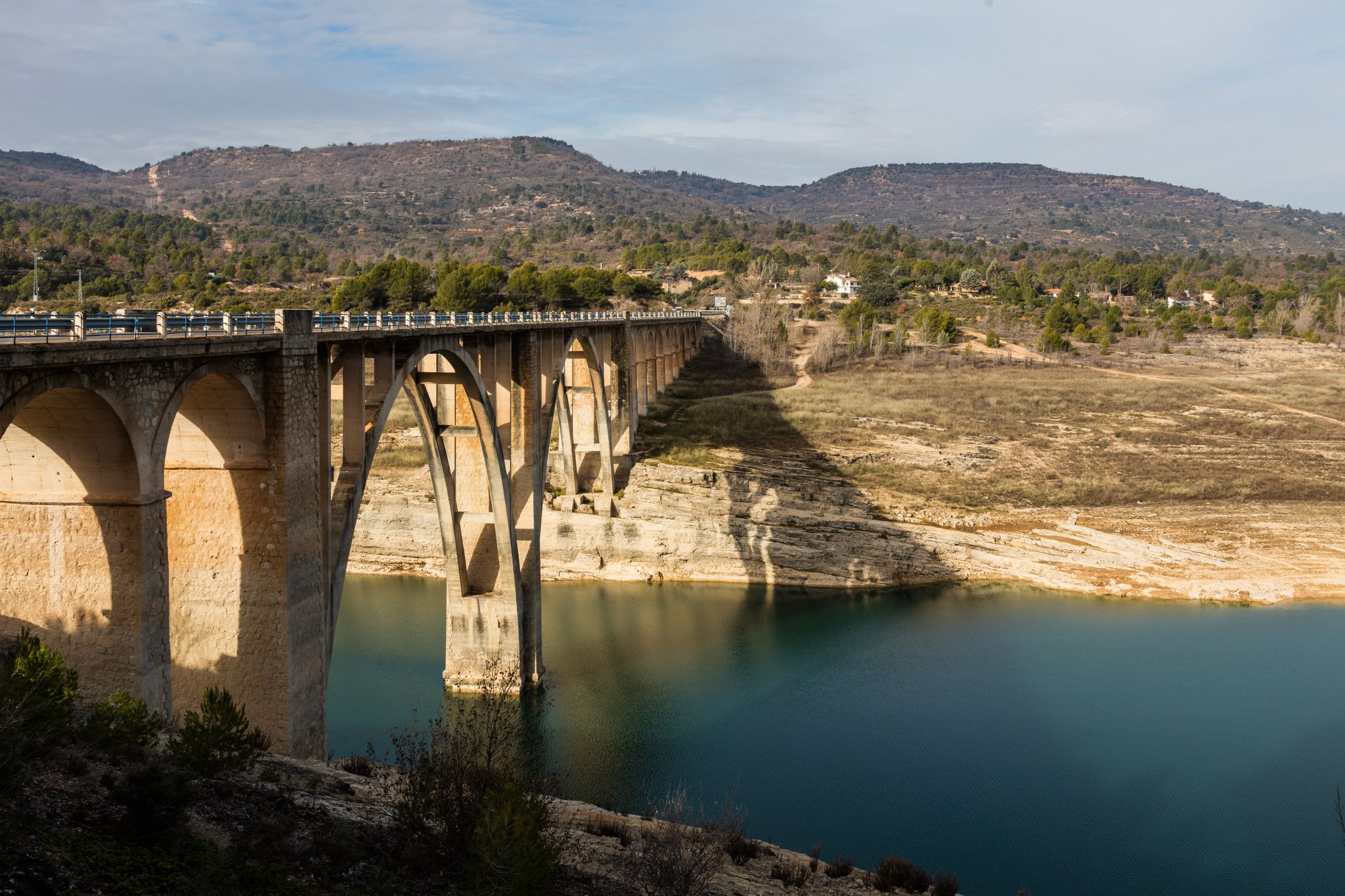
San Pedro Bridge
Highlight • Bridge
Translated by Google •
Tip by

Sign up now to discover places like this
Get recommendations on the best single tracks, peaks, & plenty of other exciting outdoor places.
Sign up for free
Molino Waterfall
Highlight • Waterfall
Translated by Google •
Tip by

Escaleruela Waterfall
Highlight • Waterfall
Translated by Google •
Tip by

The Aguaspeña Travertine Formation
Highlight • Natural Monument
Translated by Google •
Tip by
Sign up for free to discover even more waterfalls in Alto Tajo.
Sign up for free
Already have an account?
Start today with a free account
Your next adventure awaits.
Login or Signup
Popular around Alto Tajo
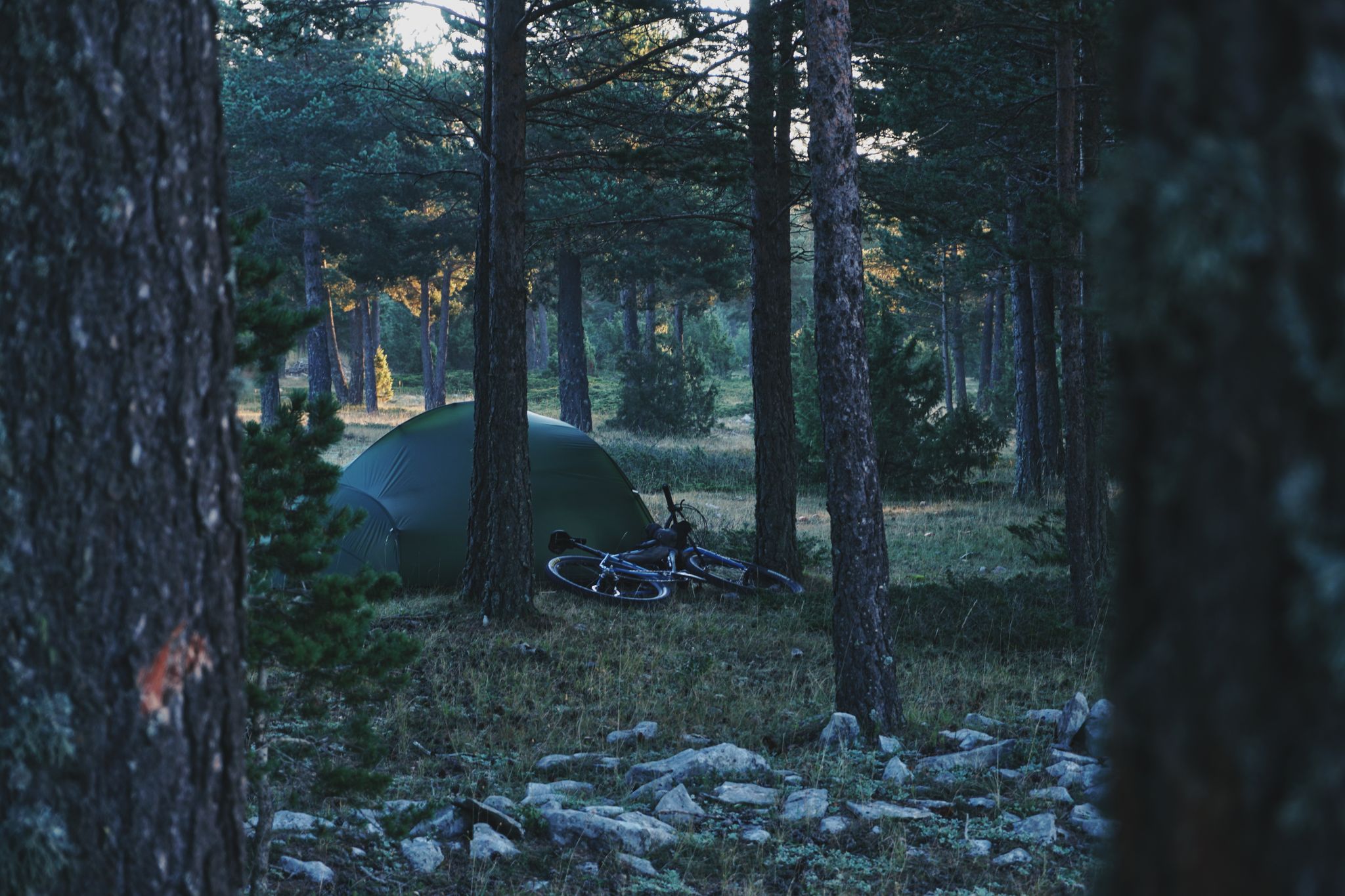
MontañasVacías official — bikepacking across the Spanish Lapland
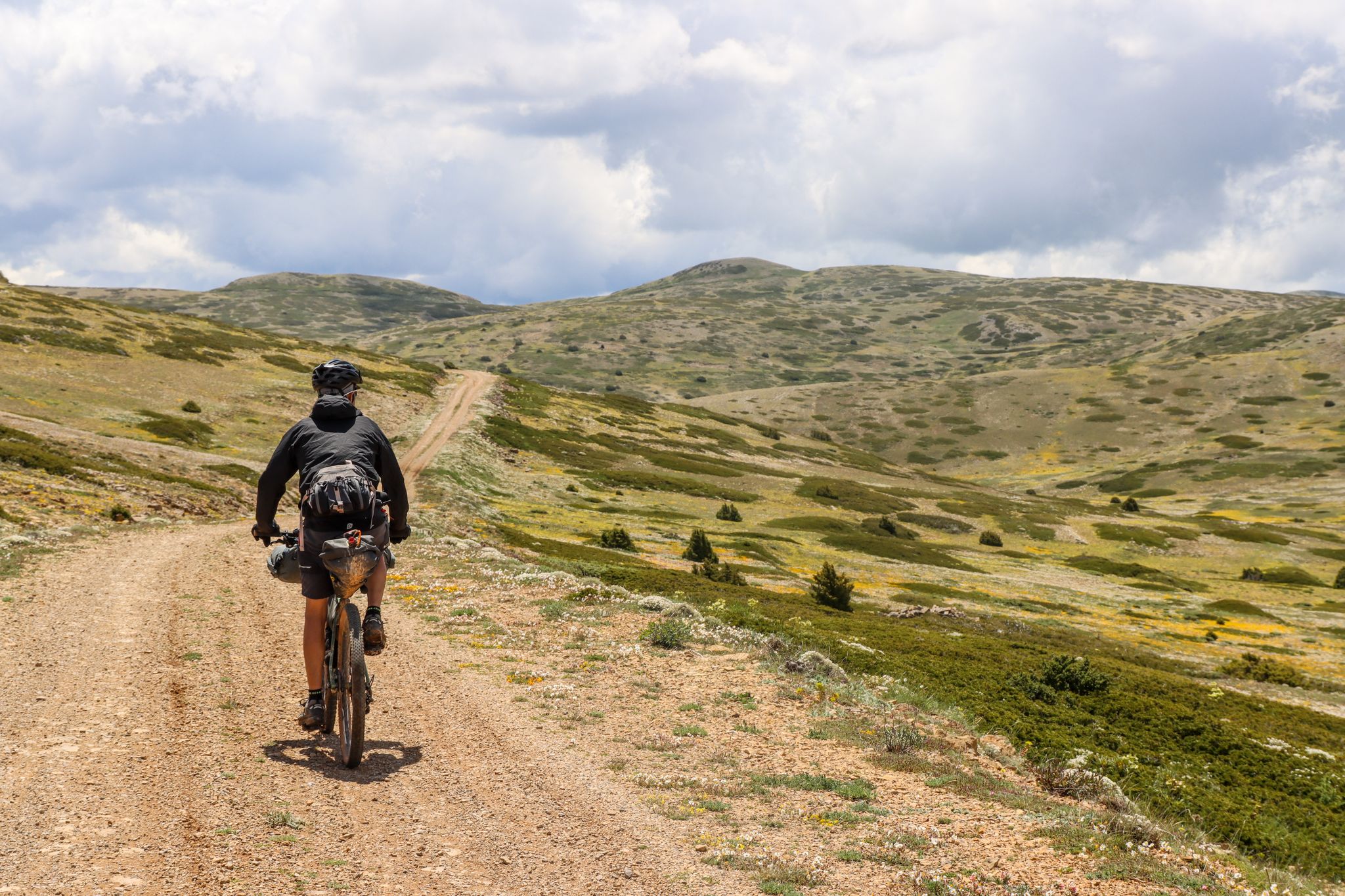
Montañas Vacías — bikepacking the wild and remote 'Empty Mountains'
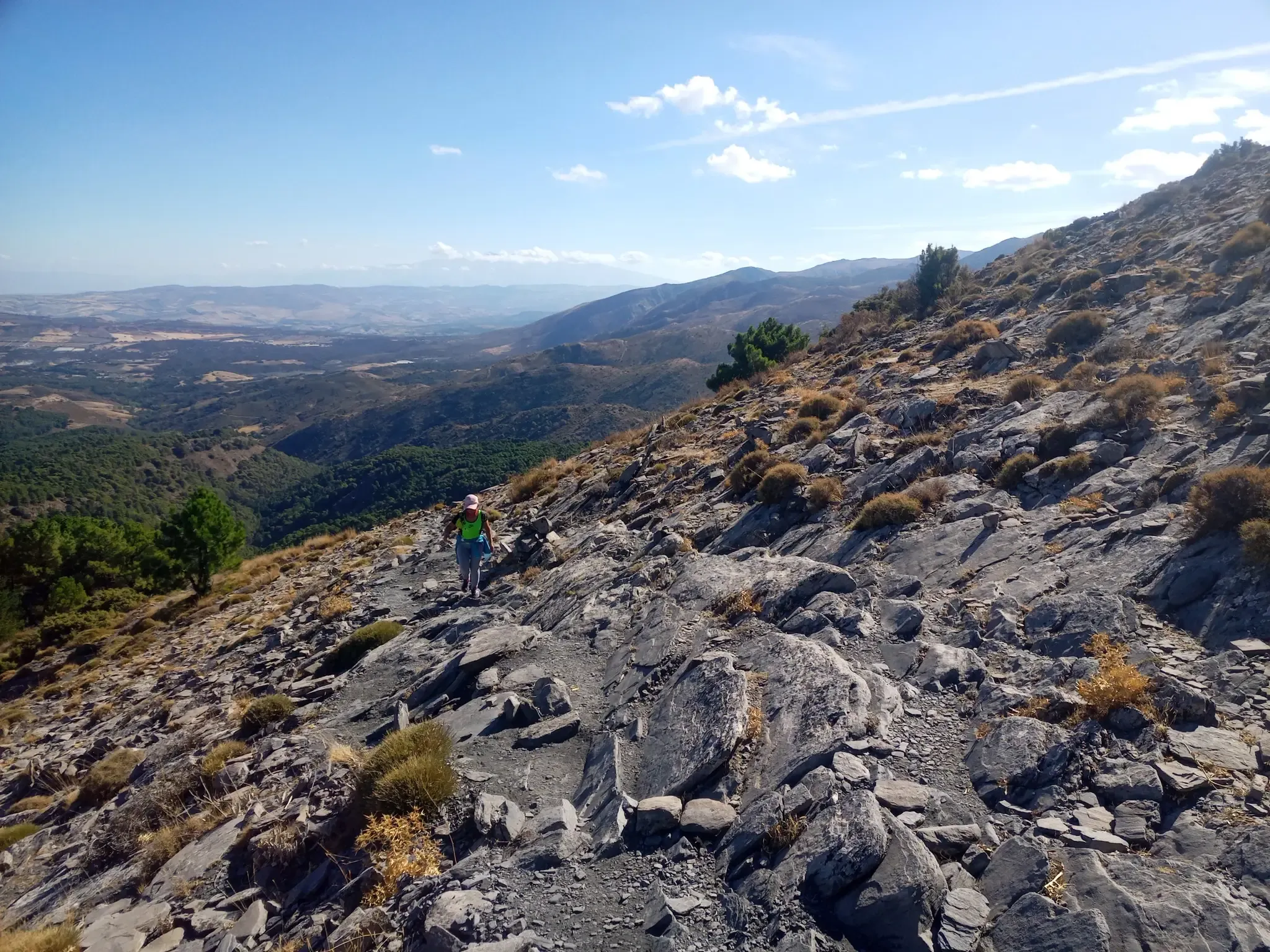
12 hiking gems throughout Spain
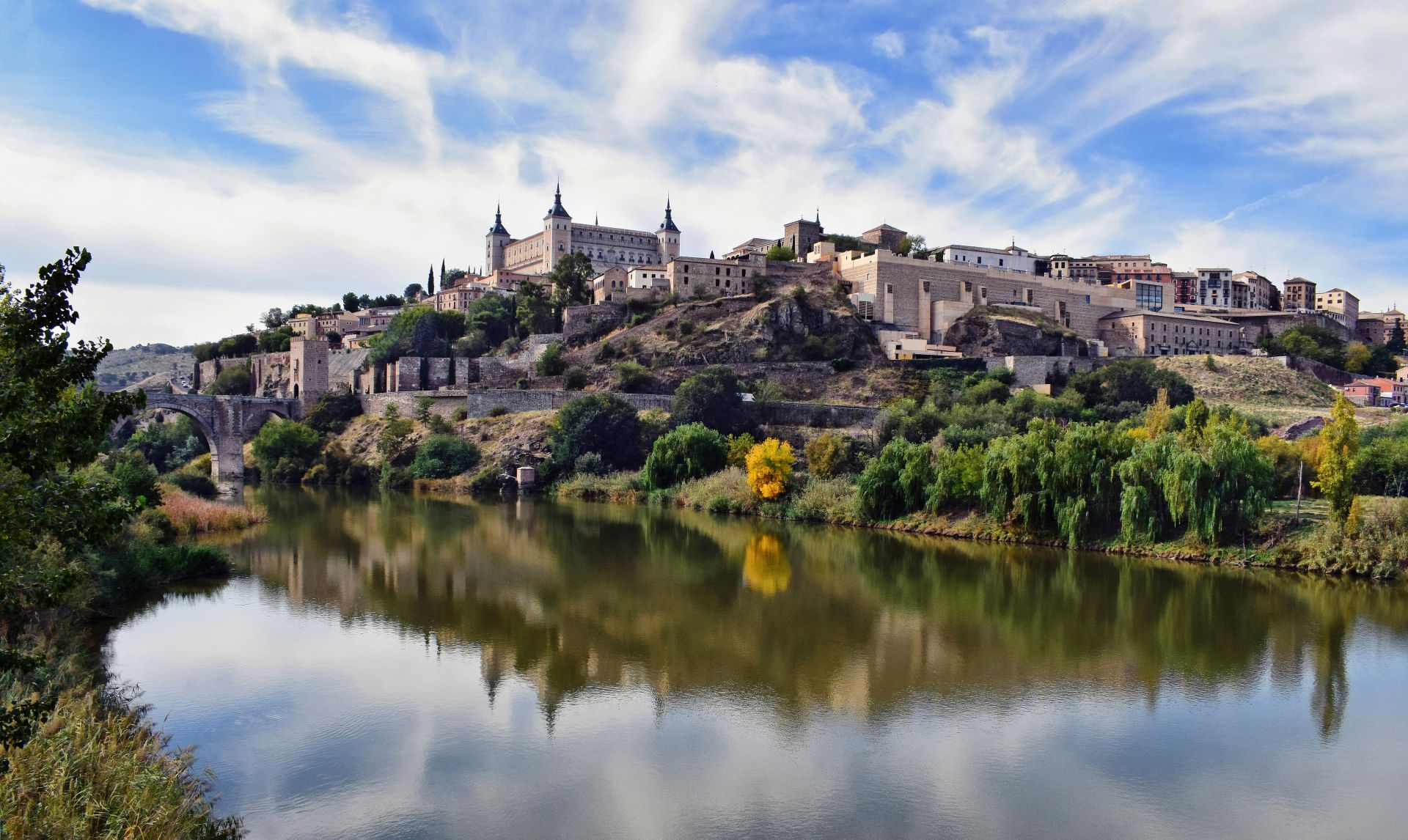
Albarracín to Toledo – Eastern Tagus Nature Trail
A journey on the Iberian Peninsula – Tagus Nature Trail
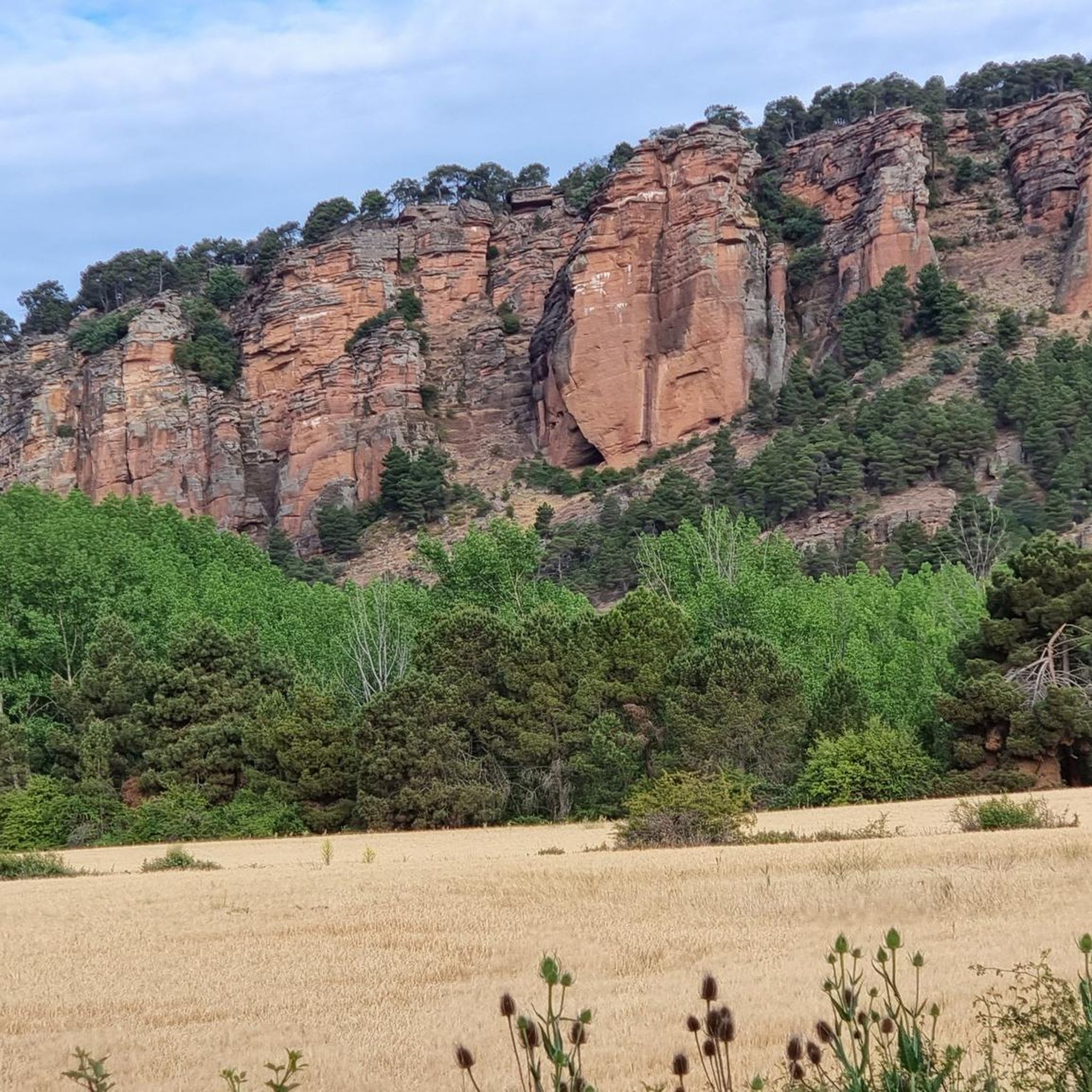
Hiking in Alto Tajo
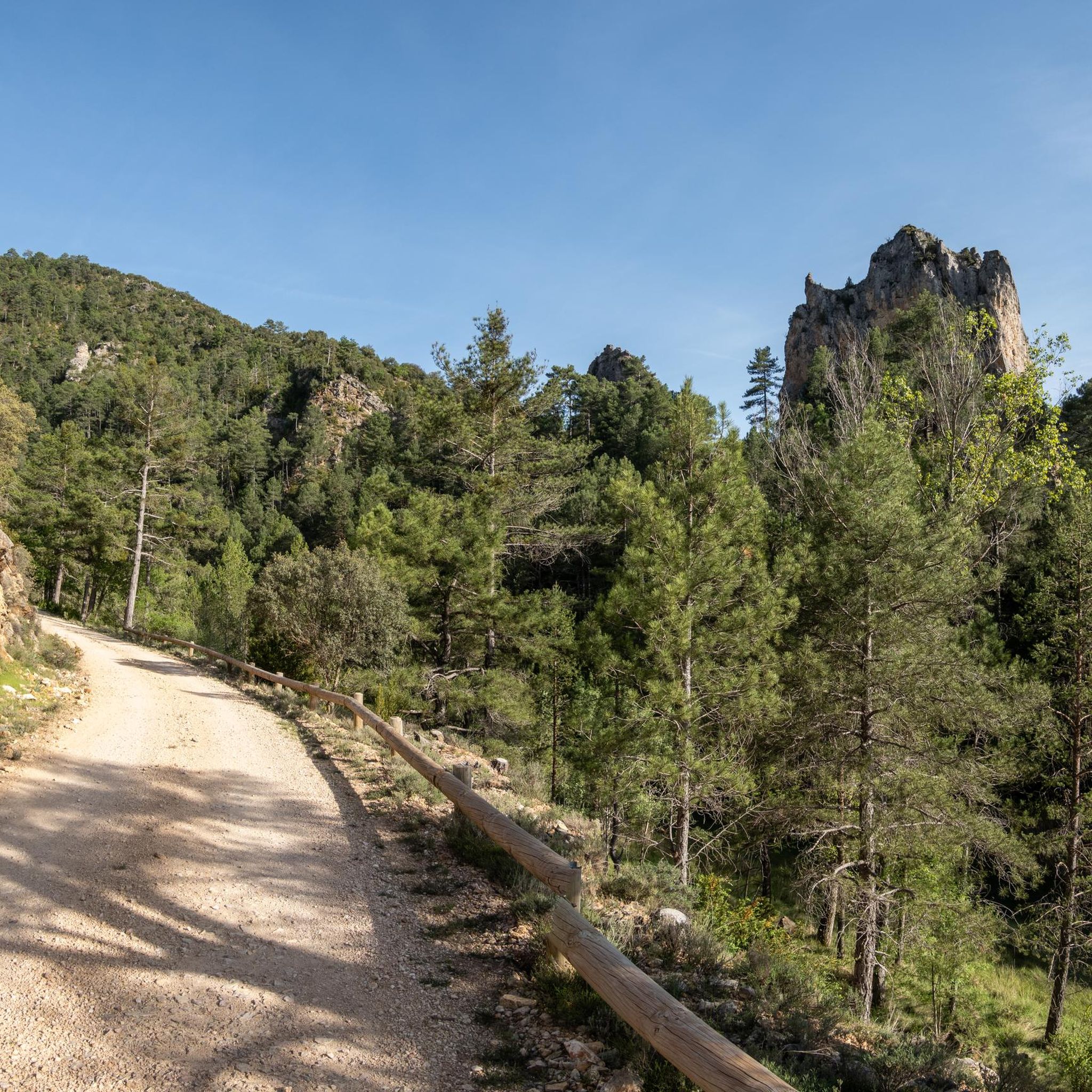
Running Trails in Alto Tajo
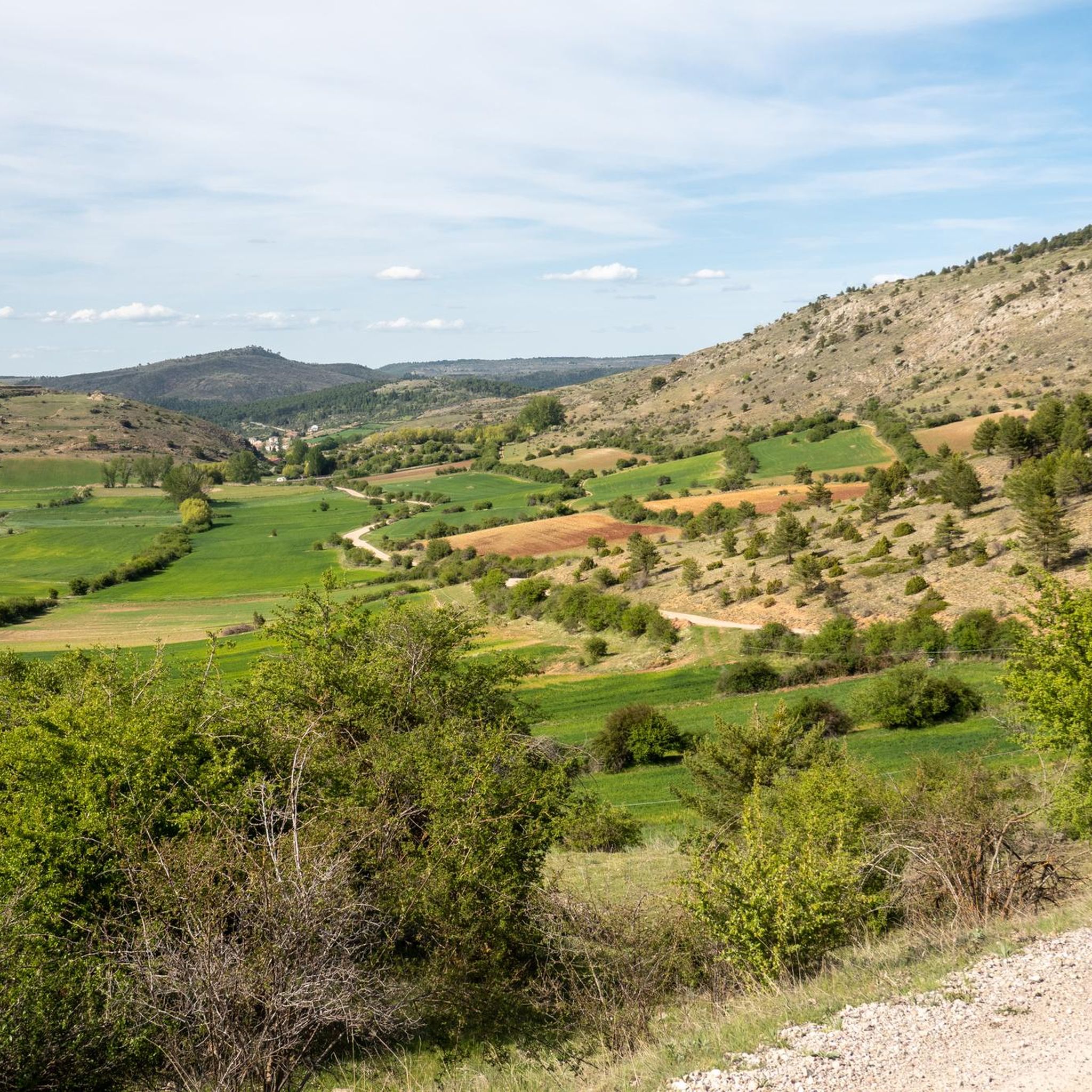
MTB Trails in Alto Tajo
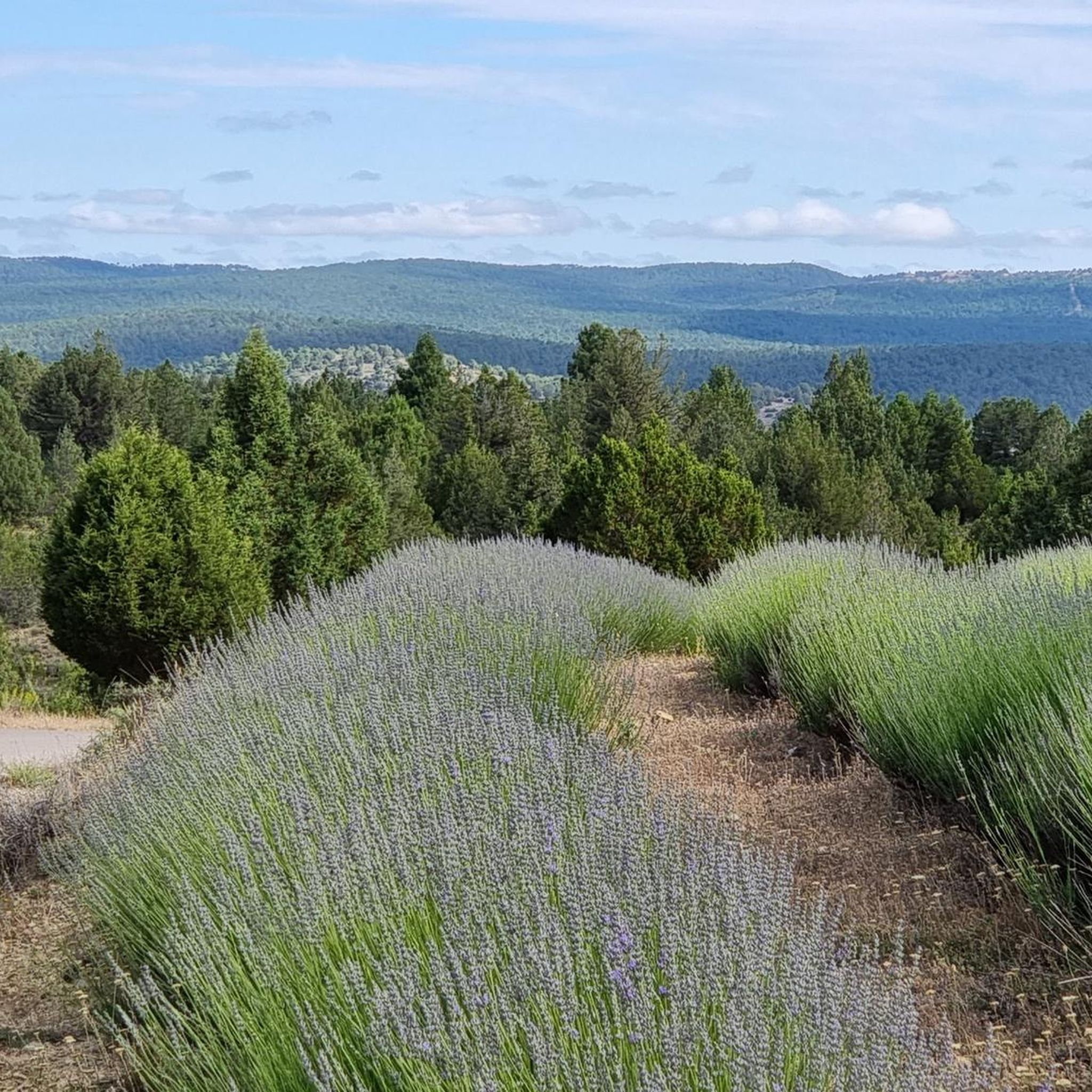
Road Cycling Routes in Alto Tajo
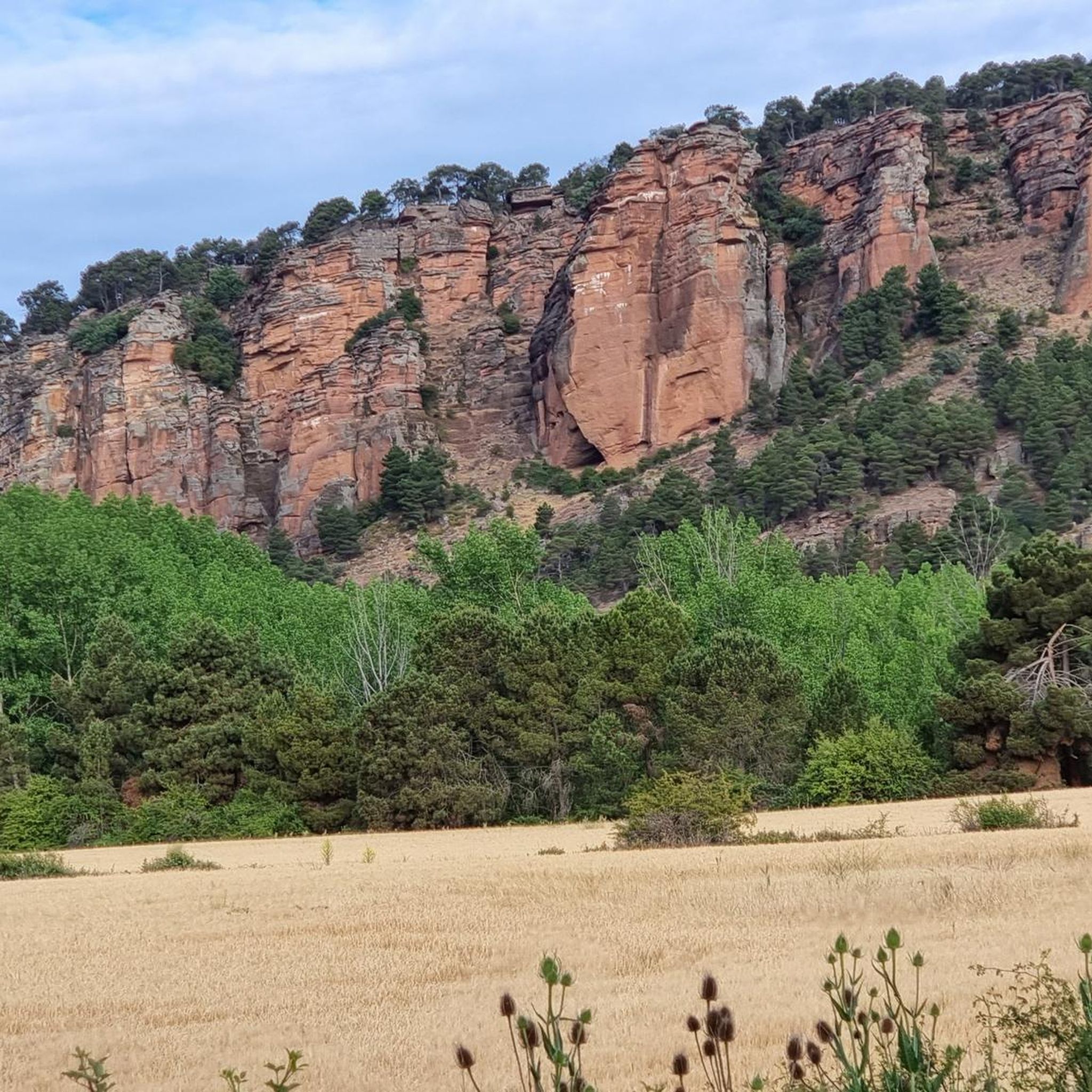
Cycling in Alto Tajo
Other adventures in Alto Tajo


Tips from the Community

Quiet place to walk and take a bath.
0
0

This is a tuffaceous rock (travertine) in the process of active formation, the result of constant contact between calcareous water and the surrounding rocks. Rainwater dissolves the limestone rocks predominating in the area. Upon emergence, carbon dioxide is released and calcium carbonate precipitates, forming layers of travertine. This process also creates grottos, cavities, and small caves.
2
0

Access to the starting point is via the forest track that begins one kilometer before reaching the San Pedro Bridge, descending from the village of Zaorejas. Then, continue another kilometer along the dirt road to the bend where the Escaleruela waterfall is located, right in the environmental area of the Alto Tajo Natural Park. The best time to visit the waterfall is in spring due to the high water level, the streams are full of water, and the humidity keeps the natural ecosystems at their most vibrant. The route climbs to the right of the waterfall, following a trail marked with milestones for a variant of the GR-113 Tajo Natural Path toward the mountain village of Zaorejas through the Ciño Negro ravine. The main route follows the forest track between Poveda de la Sierra and Villar de Cobeta. The path is carved into the tuff edifice that forms the waterfall block; it has passageways and alleys created by rainwater dissolving the calcium carbonate in the rocks. The path is beautiful; at the top of the tuffaceous block, another waterfall appears over the steps of the path and offers spectacular views of the Ciño Negro towers.
0
0
The Salto de Poveda, an impressive waterfall that forms a natural pool, ideal for a refreshing swim in summer.
6
0
An impressive waterfall that forms a natural pool, ideal for a refreshing swim in summer.
6
0

Remember to reserve your parking... QRcode at the entrance
1
0

At Salto de Poveda, go down to the bottom, sit down and enjoy the peace and tranquility of the sound of the water falling into its waterfall.
1
0
It is a tuff in formation with the dripping of the waters of the Gil de Torres River, (also called Genitoris). It has several waterfalls and there are also caves that can be visited. It has information signs and a boardwalk to visit the surroundings.
1
0
Frequently Asked Questions
What unique natural features can I expect to see at the Alto Tajo waterfalls?
The Alto Tajo Natural Park is renowned for its diverse geological formations, particularly its calcareous tufa waterfalls. You'll encounter impressive tufa structures, such as the stepped, staircase-like shape of the Escaleruela Waterfall, which is an active geological formation. The region also features natural pools, riverine landscapes, and the unique process of calcium carbonate precipitation that forms these distinctive rock formations.
Are there opportunities for swimming at the waterfalls in Alto Tajo?
Yes, the Salto de Poveda Waterfall is particularly ideal for a refreshing swim, especially during summer, as it forms a natural pool. It's a highly recommended spot for this activity.
Which waterfalls in Alto Tajo are suitable for families with children?
The Salto de Poveda Waterfall is easily accessible and popular, making it a good choice for families. Additionally, the area around San Pedro Bridge offers a small waterfall and a beach on the Gallo River, which can be family-friendly. The Aguaspeña Travertine Formation also has information signs and a boardwalk, making it accessible for families.
What is the best time of year to visit the Alto Tajo waterfalls?
Spring, especially after a wet winter, is often considered the best time to visit. During this period, the waterfalls, such as the Escaleruela Waterfall, have abundant water flow, and the natural ecosystems are at their most vibrant. However, the Salto de Poveda Waterfall is recommended throughout the year.
Are there hiking trails that include the waterfalls in Alto Tajo?
Absolutely. Many hiking routes in the Alto Tajo Natural Park incorporate the waterfalls. For example, there are popular routes that include the Salto de Poveda Waterfall and the nearby Laguna de Taravilla. You can find various options, including easy and moderate trails, on the Hiking in Alto Tajo guide and the Waterfall hikes in Alto Tajo guide.
Can I bring my dog to the waterfalls in Alto Tajo?
The Alto Tajo Natural Park is generally dog-friendly, offering many trails suitable for hiking with pets. However, it's always advisable to keep dogs on a leash and respect local regulations, especially in protected areas or near wildlife.
How accessible are the waterfalls in Alto Tajo, and is parking available?
Many waterfalls, like the Salto de Poveda Waterfall, are relatively accessible, often reachable by car via dirt tracks. Parking is typically available near the starting points of popular trails or viewpoints. For the Escaleruela Waterfall, access to the starting point is via a forest track, followed by a dirt road.
What are some of the geological highlights or formations to look out for?
Beyond the tufa waterfalls themselves, keep an eye out for other unique formations like the Aguaspeña Travertine Formation. This site showcases active tufa formation with dripping waters creating grottos, cavities, and small caves. The continuous precipitation of calcium carbonate is a defining geological process in the park.
Are there any waterfalls in Alto Tajo that have interesting origins?
Yes, both the Salto de Poveda Waterfall and the Molino Waterfall have fascinating origins. The Salto de Poveda formed from the abandonment of a hydroelectric dam project, while the Molino Waterfall originated from an old, abandoned hydroelectric dam. In both cases, the river's action has significantly naturalized these sites, creating beautiful environments.
What kind of outdoor activities, besides hiking, can I do near the Alto Tajo waterfalls?
The Alto Tajo Natural Park offers a range of outdoor activities. Besides hiking, you can explore mountain biking trails. There are various routes, from moderate to difficult, that traverse the park's diverse landscapes. Check out the MTB Trails in Alto Tajo guide for more information.
Are there any easy or short waterfall hikes in Alto Tajo?
Yes, there are several easy hiking options. For instance, routes like 'Poveda Waterfall and Taravilla Lagoon' or 'Salto de Poveda and Laguna de Taravilla Loop' are rated as easy and offer a chance to experience the waterfalls without strenuous effort. These can be found in the Waterfall hikes in Alto Tajo guide.
What should I wear or bring when visiting the Alto Tajo waterfalls?
For comfort and safety, wear appropriate hiking footwear, as trails can be uneven. Depending on the season, layers of clothing are recommended. Bring water, snacks, sun protection, and a camera to capture the scenic beauty. If you plan to swim at Salto de Poveda, remember your swimwear.
Where can I find amenities like cafes or accommodation near the Alto Tajo waterfalls?
The Alto Tajo Natural Park is dotted with small villages and towns, such as Poveda de la Sierra and Peralejos de las Truchas, which offer local amenities. You can find cafes, pubs, restaurants, and accommodation options in these communities, providing convenient bases for exploring the waterfalls.
Most popular routes in Alto Tajo
Most popular attractions in Alto Tajo

Get inspired with the komoot mobile app


Explore more
Happy to travel a little further afield? Then browse these guides for the best waterfalls in Alto Tajo:
