Top 3 Caves around Parco Naturale Regionale di Porto Conte
Best caves around Parco Naturale Regionale di Porto Conte are located in northwestern Sardinia, within the Capo Caccia – Isola Piana Marine Protected Area. This region features a collection of natural caves, offering both accessible formations and challenging underwater explorations. The landscape is characterized by karst phenomena on Mesozoic-era limestone, creating diverse geological features. The area provides opportunities to explore marine environments and unique rock formations.
Best caves around Parco Naturale Regionale di Porto Conte
- The most popular cave is…
Last updated: August 23, 2026
Capo Caccia Cliffs
Highlight • Viewpoint
Translated by Google •
Tip by

Neptune's Grotto
Highlight • Cave
Translated by Google •
Tip by

Sign up now to discover places like this
Get recommendations on the best single tracks, peaks, & plenty of other exciting outdoor places.
Sign up for free
Escala del Cabirol (Goat's Staircase) to Neptune's Grotto
Highlight • Trail
Tip by

Grotto of the Broken Pitchers
Highlight • Cave
Translated by Google •
Tip by

Start today with a free account
Your next adventure awaits.
Login or Signup
Popular around Parco Naturale Regionale di Porto Conte
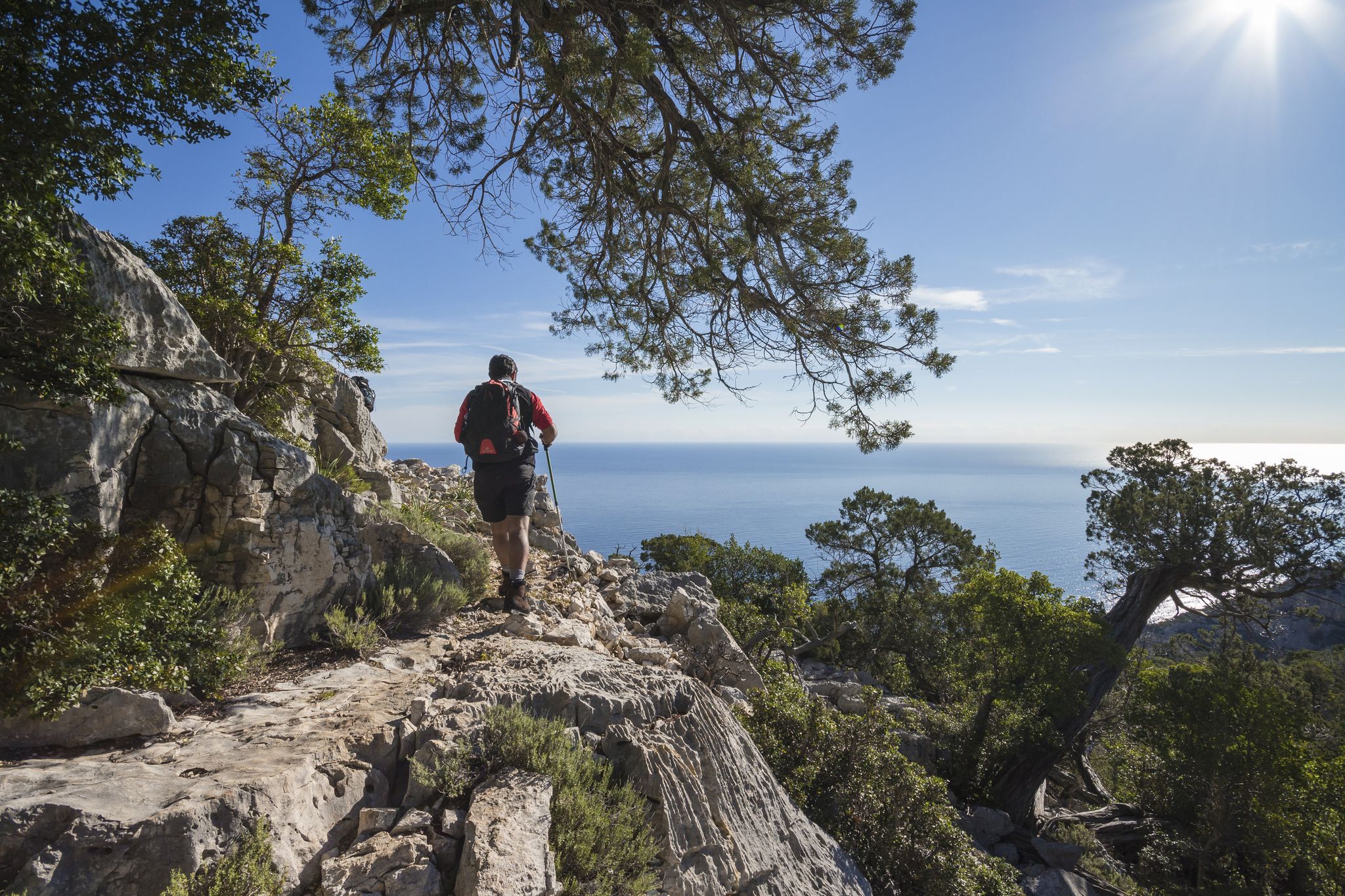
Magnificent Sardinia – day hikes overlooking the sea
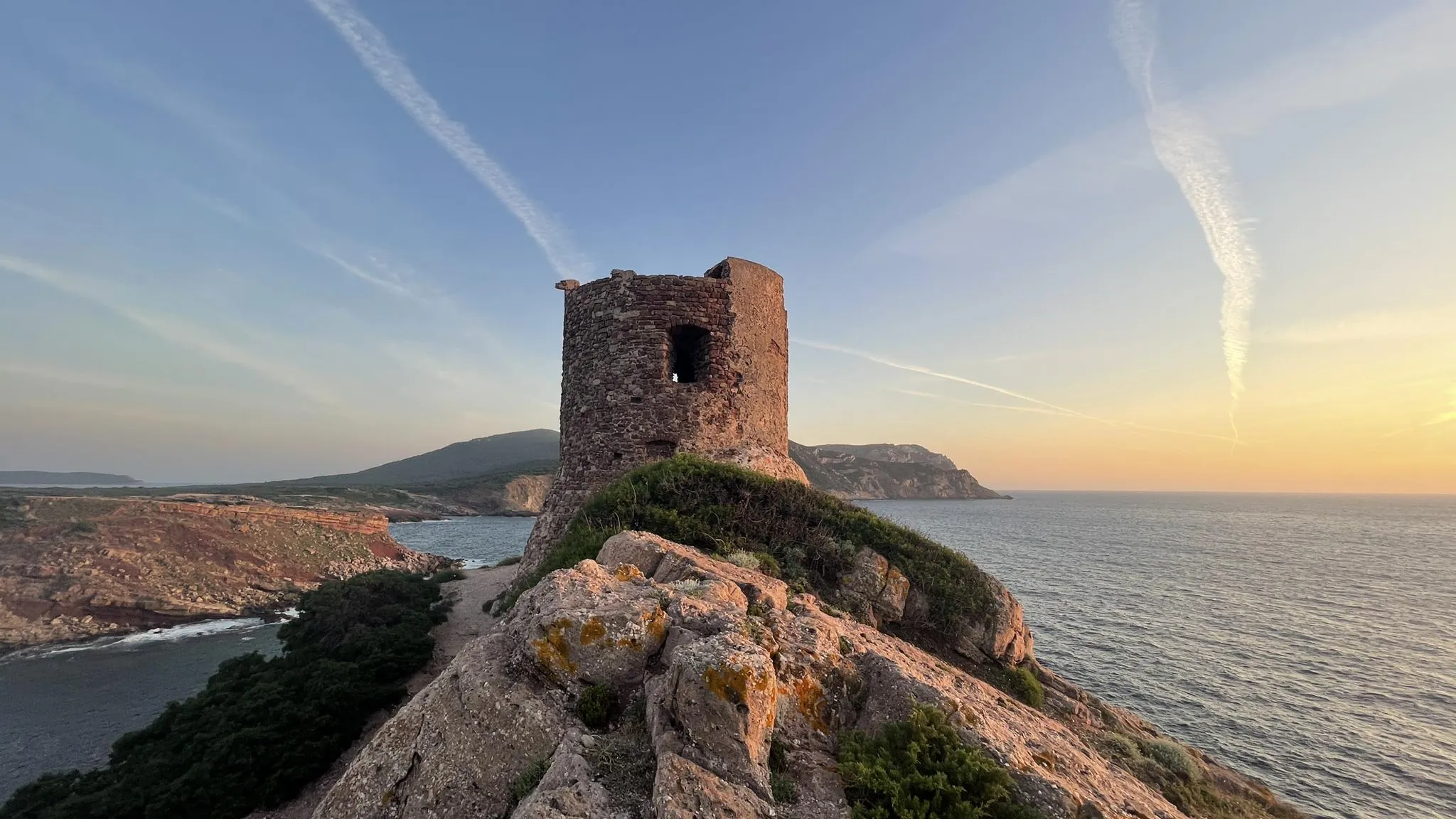
Castelsardo to Bosa Marina on the Via Catalana – Cammino 100 Torri
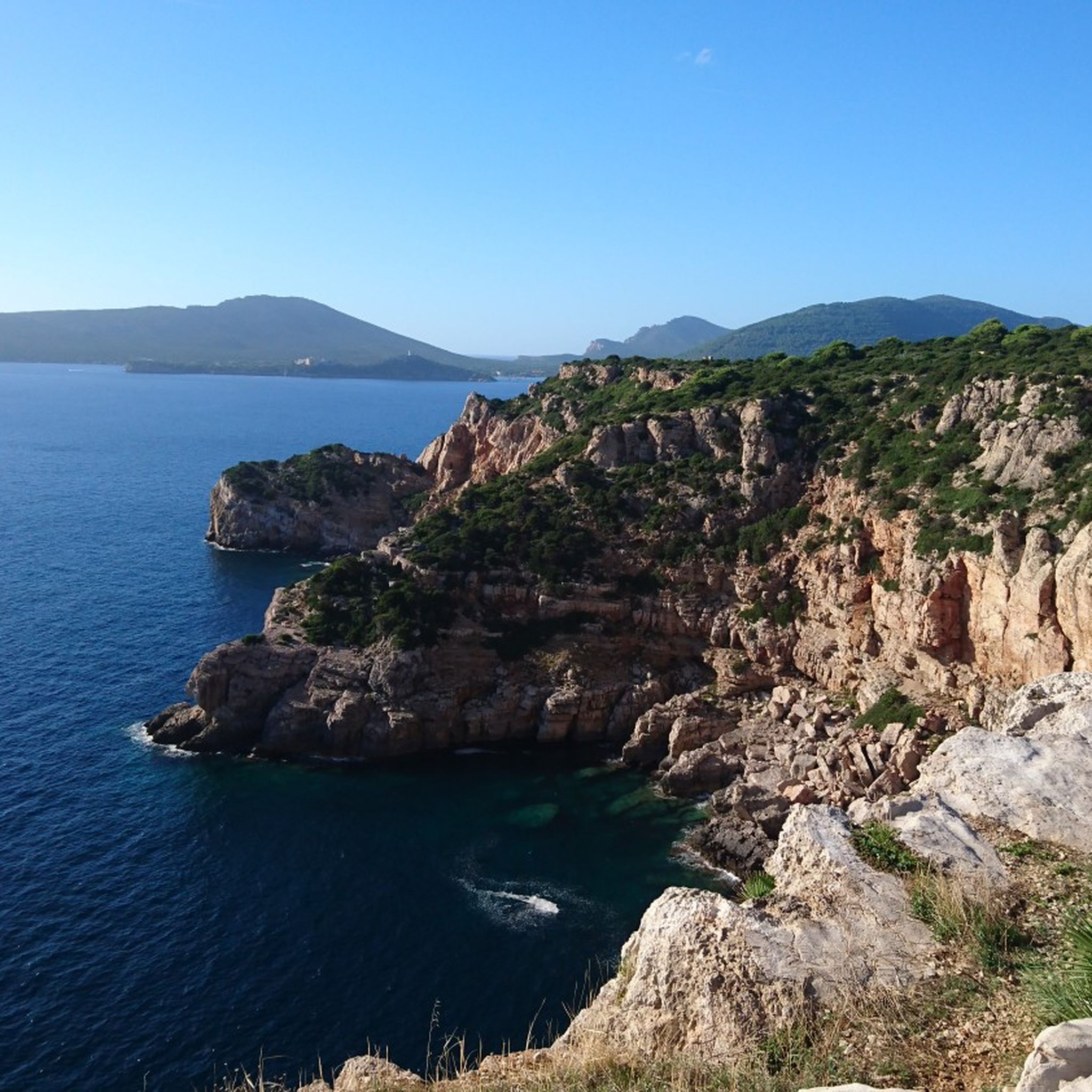
Hiking around Parco Naturale Regionale di Porto Conte
Cycling around Parco Naturale Regionale di Porto Conte
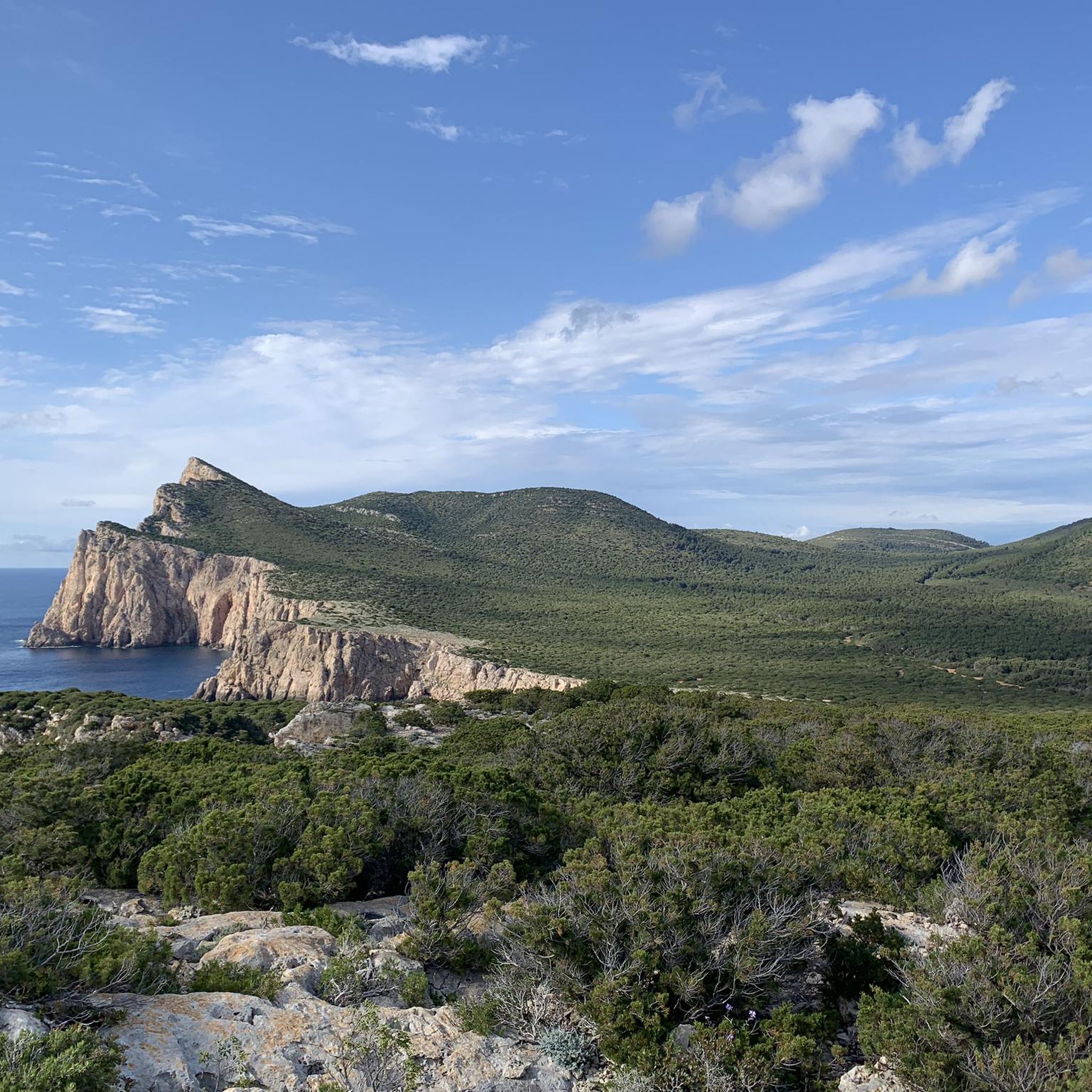
MTB Trails around Parco Naturale Regionale di Porto Conte
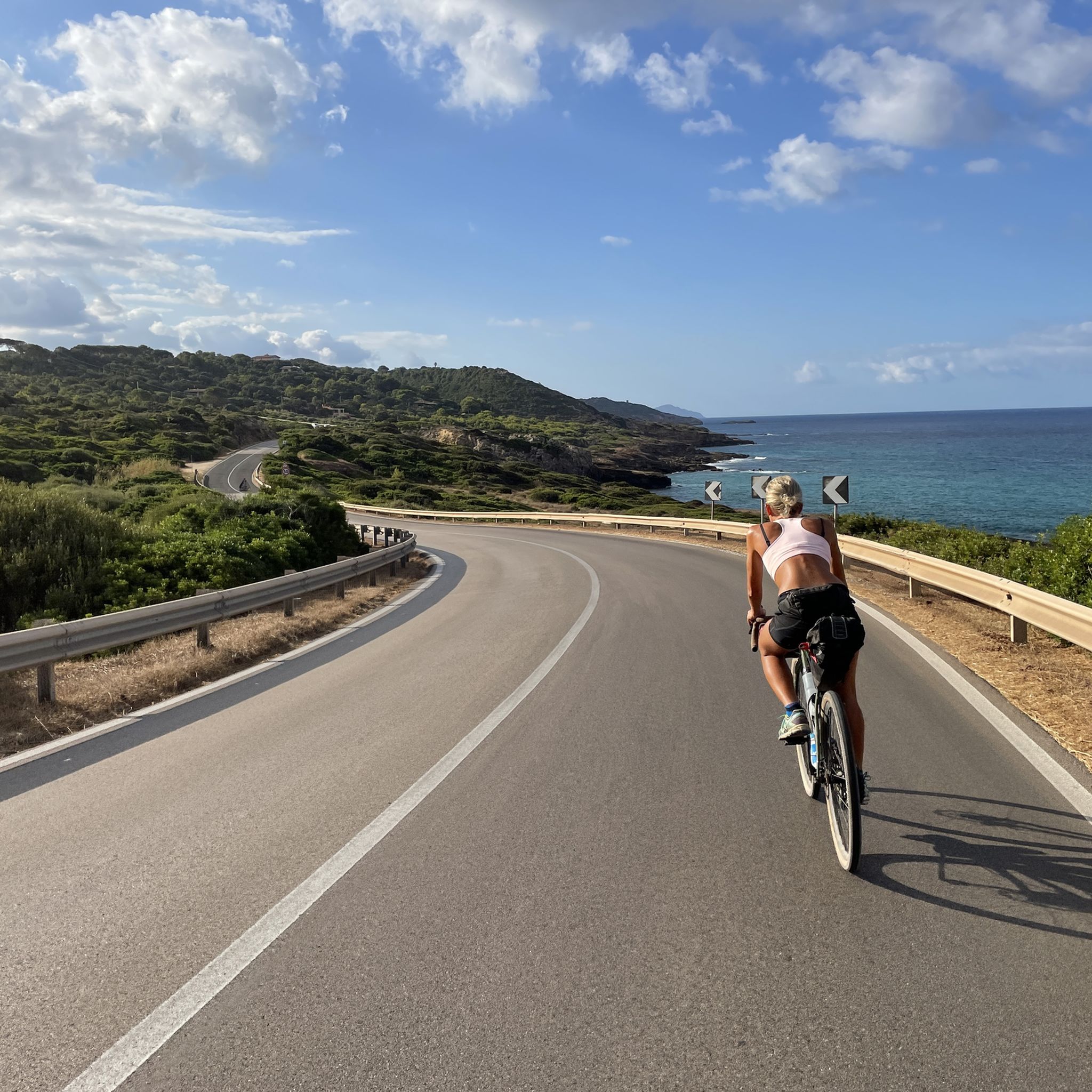
Road Cycling Routes around Parco Naturale Regionale di Porto Conte
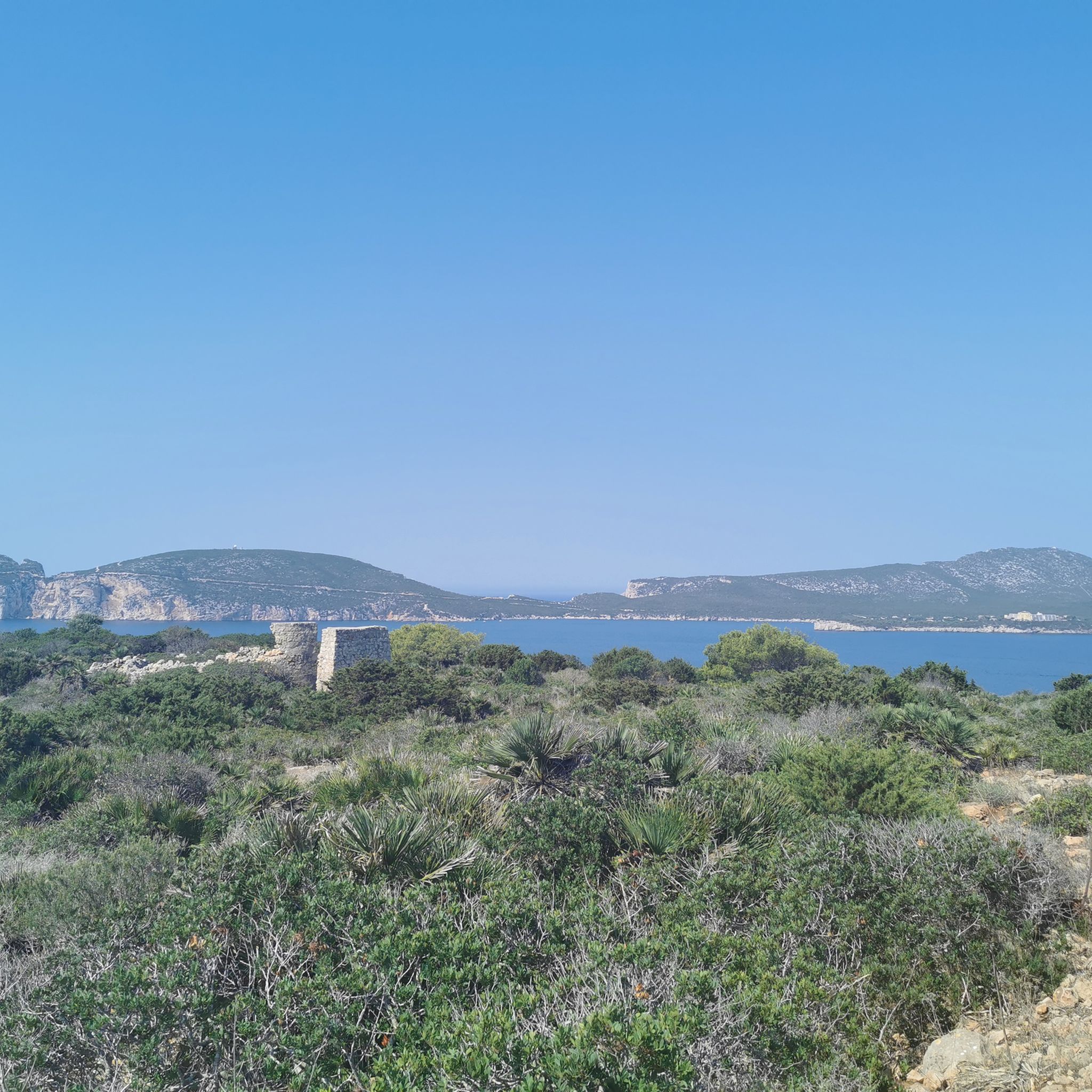
Running Trails around Parco Naturale Regionale di Porto Conte

Gravel biking around Parco Naturale Regionale di Porto Conte
Other adventures around Parco Naturale Regionale di Porto Conte


Tips from the Community

Magnificent views, bring water and suitable footwear. Follow the blue dots on the rocks if the path seems uncertain.
0
0

A worthwhile mini-detour. Fantastic panorama.
0
0

The Grotte di Nettuno (Neptune's Grotto) is a stalactite cave near Alghero in the metropolitan city of Sassari on the Italian island of Sardinia, near Capo Caccia, around which a maritime protected area extends.
1
0
The grotto is one meter above sea level at the foot of a 110 meter high steep rock face and can only be visited when the sea is calm. It can be reached via a staircase with 654 steps in the almost vertical cliff, the Escala del Cabirol (German: deer ladder). Alternatively, you can take a less strenuous boat tour from Alghero or a nearby car park. Only a few hundred meters of the extensive, approximately four-kilometer-long cave system are accessible to the public. As part of a guided tour, you can see stalactite formations, calcareous sinter deposits and a small, approximately 120-meter-long saltwater lake that is connected to the sea. Explanations are given via permanently installed loudspeakers in Italian, English and German.
1
0
The grotto is one meter above sea level at the foot of a 110 meter high steep rock face and can only be visited when the sea is calm. It can be reached via a staircase with 654 steps in the almost vertical cliff, the Escala del Cabirol (German: deer ladder). Alternatively, you can take a less strenuous boat tour from Alghero or a nearby car park. Only a few hundred meters of the extensive, approximately four-kilometer-long cave system are accessible to the public. As part of a guided tour, you can view stalactite formations, calcareous sinter deposits and a small, approximately 120-meter-long saltwater lake that is connected to the sea. Explanations are given via permanently installed loudspeakers in Italian, English and German.
2
1
The Grotte di Nettuno (Neptune's Grotto) is a stalactite cave near Alghero in the metropolitan city of Sassari on the Italian island of Sardinia, near Capo Caccia, around which a maritime protected area extends.
2
0

Bit of a tricky detour, but beautiful views across the bay
0
0

If you want to visit the grotto, make sure you reserve in advance!!!
2
1
Frequently Asked Questions
What are the most notable caves to explore in Parco Naturale Regionale di Porto Conte?
The region is home to several remarkable caves. The most famous is Neptune's Grotto, known for its impressive stalactites, stalagmites, and a large saltwater lake. Other significant caves include the Grotta di Nereo, one of Europe's largest submerged caves ideal for diving, and the Grotta Verde, famous for its emerald reflections and archaeological heritage.
How can I reach Neptune's Grotto?
You can access Neptune's Grotto in two primary ways: by sea via tourist boats departing from Alghero, or by land through the dramatic "Escala del Cabirol" (Deer Ladder), a path of 654 steps carved into the Capo Caccia cliff. The land access offers spectacular views but requires a separate booking for the ladder if you intend to use it.
Are there any family-friendly cave experiences in the area?
Yes, Neptune's Grotto is generally considered family-friendly, especially if accessed by boat, which avoids the 654 steps of the Escala del Cabirol. The guided tours inside the grotto are suitable for most ages, allowing families to marvel at the natural formations and the saltwater lake.
What is the best time of year to visit the caves in Parco Naturale Regionale di Porto Conte?
The caves, particularly Neptune's Grotto, are best visited during periods of calm seas, as rough waters can restrict boat access. While accessible year-round, the spring and autumn months often offer pleasant weather for both boat trips and the climb down the Escala del Cabirol, avoiding the peak summer crowds and heat.
What kind of geological features can I expect to see in the caves?
The caves in Parco Naturale Regionale di Porto Conte are primarily karst formations on Mesozoic-era limestone. Inside Neptune's Grotto, you'll find impressive stalactites and stalagmites, some forming large columns, along with a significant saltwater lake. Submerged caves like Grotta di Nereo showcase unique underwater landscapes shaped by these same geological processes.
Are there options for diving or underwater exploration in the region's caves?
Absolutely. The Capo Caccia – Isola Piana Marine Protected Area is renowned for its numerous submerged caves, with over 100 identified. Grotta di Nereo is a prime destination for diving enthusiasts, offering vast underwater chambers teeming with marine life, including calcareous algae and red corals. Access to these underwater caves often requires authorized dives.
What historical or archaeological significance do the caves hold?
Beyond their natural beauty, some caves in the region have historical importance. The Grotta Verde, for instance, boasts a significant archaeological heritage, containing human fossils, ceramics, and ancient graffiti dating back to the 6th millennium BC, offering a glimpse into early human presence in Sardinia.
Are there any hiking trails or viewpoints near the caves?
Yes, the area around the caves offers excellent hiking opportunities. Capo Caccia Cliffs serves as a stunning viewpoint and the starting point for the Escala del Cabirol. For more extensive hiking, you can explore various trails around the park. Check out the Hiking around Parco Naturale Regionale di Porto Conte guide for detailed routes like the Torre del Bollo Trail or the Coastal Trail.
What should I wear for a cave tour in Parco Naturale Regionale di Porto Conte?
For cave tours, especially those involving walking, comfortable shoes with good grip are recommended. The temperature inside caves can be cooler than outside, so a light jacket or sweater is advisable. If you plan to descend the Escala del Cabirol to Neptune's Grotto, be prepared for a significant number of steps.
Can I find other outdoor activities near the caves?
The Parco Naturale Regionale di Porto Conte offers a wide range of outdoor activities. Besides hiking, you can find excellent road cycling routes, such as those detailed in the Road Cycling Routes around Parco Naturale Regionale di Porto Conte guide, or explore gravel biking trails. The marine protected area also provides opportunities for snorkeling and diving.
Is there parking available for visitors to Neptune's Grotto?
Yes, there is parking available near Capo Caccia Cliffs, which is the land access point for Neptune's Grotto. From the parking area, visitors can then proceed to the Escala del Cabirol or the boat departure point if arriving by land.
What makes the Grotto of the Broken Pitchers unique?
The Grotto of the Broken Pitchers offers a very nice view from within the grotto out into the landscape. While it might be a bit of a detour, visitors appreciate the beautiful views across the bay and the fantastic panorama it provides, making it a worthwhile mini-detour for those seeking scenic spots.
Most popular routes around Parco Naturale Regionale di Porto Conte
Most popular attractions around Parco Naturale Regionale di Porto Conte

Get inspired with the komoot mobile app


Explore more
Extend your search for the best caves by checking out these guides of the top ones around Parco Naturale Regionale di Porto Conte:
