Top 5 Caves around the Natural Park Saupark
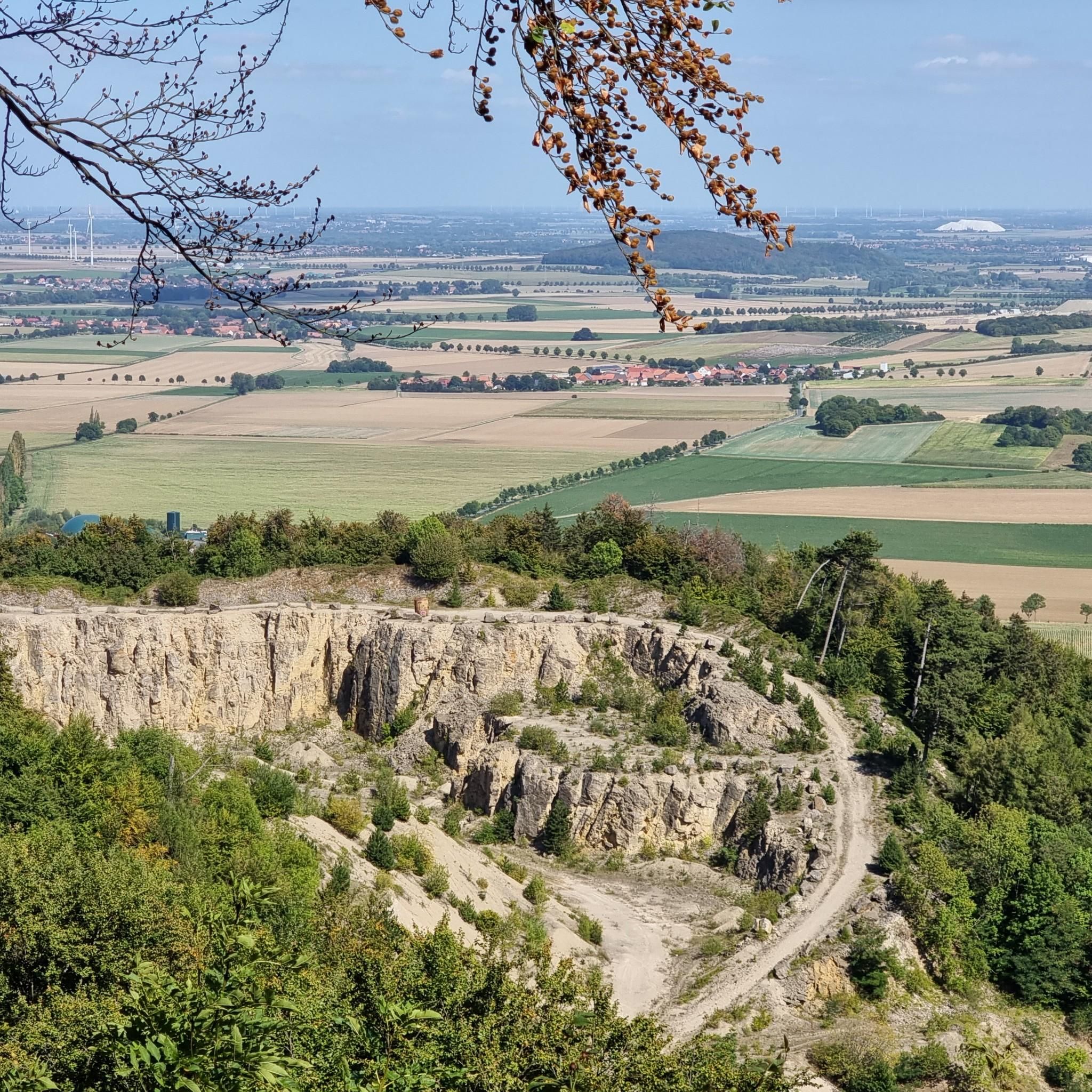
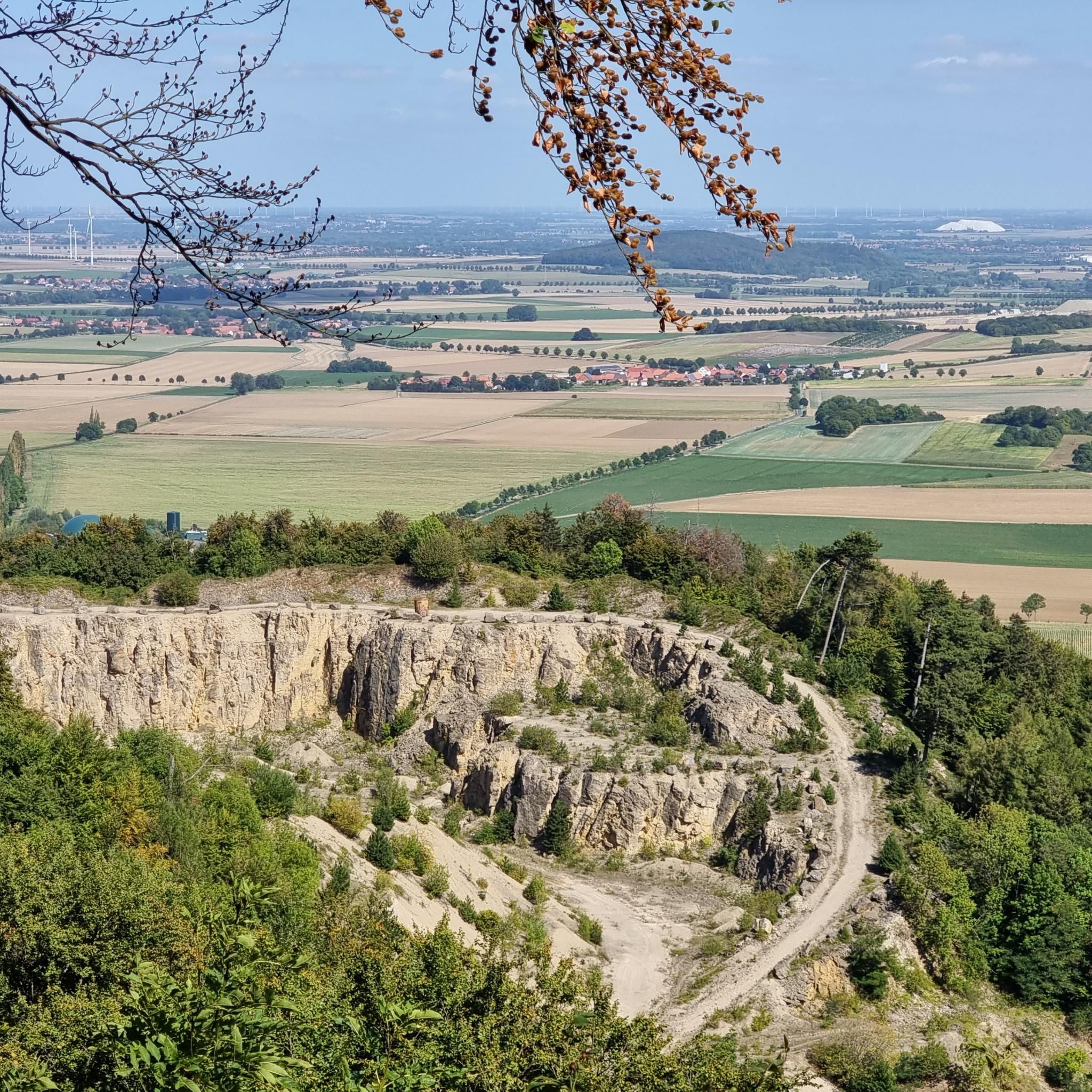
Caves around the Natural Park Saupark are primarily located within the Höhlengebiet im Kleinen Deister, a region in Springe, Lower Saxony, Germany. This area is recognized for its ecological importance, serving as a crucial wintering ground for various bat species. The Saupark natural park Germany also features notable historical sites, including caves that provided shelter during past conflicts. The natural landscape includes interesting cliff formations that are part of the region's geological makeup.
Best caves around the Natural Park Saupark
…Last updated: June 29, 2026
Cliffs and Bat Caves in the Kleiner Deister
Highlight • Cave
Translated by Google •
Tip by

Homeisters Loch Cave
Highlight • Cave
Translated by Google •
Tip by

Sign up now to discover places like this
Get recommendations on the best single tracks, peaks, & plenty of other exciting outdoor places.
Sign up for free
Old Tunnel at Kukesburg
Highlight • Cave
Translated by Google •
Tip by

Hüttenstollen Visitor Mine and Museum, Osterwald
Highlight • Historical Site
Translated by Google •
Tip by
Steinbrinkstollen Mining Tunnel Entrance
Highlight • Historical Site
Translated by Google •
Tip by

Start today with a free account
Your next adventure awaits.
Login or Signup
Tips from the Community

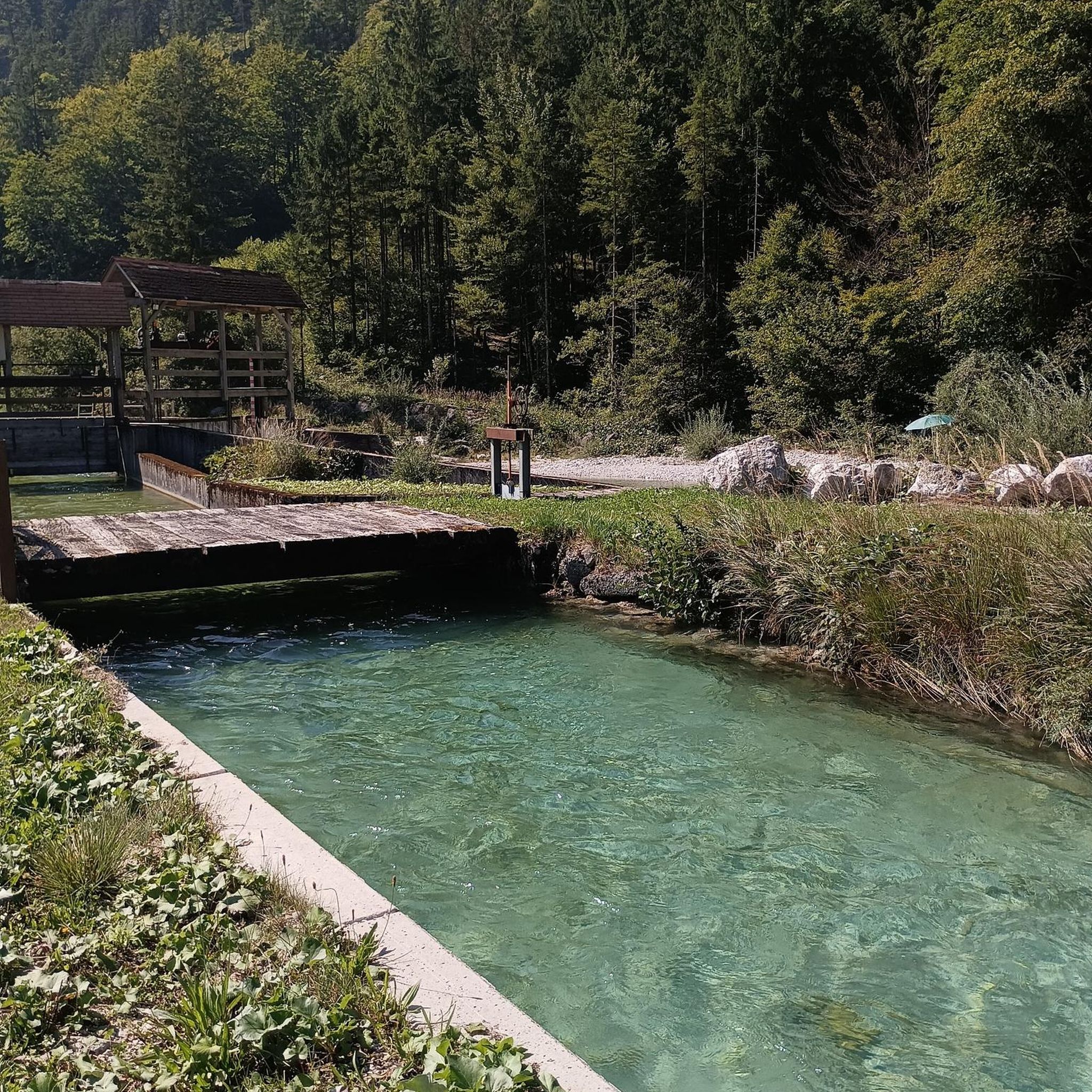
Tunnel entrance directly on the path
0
0
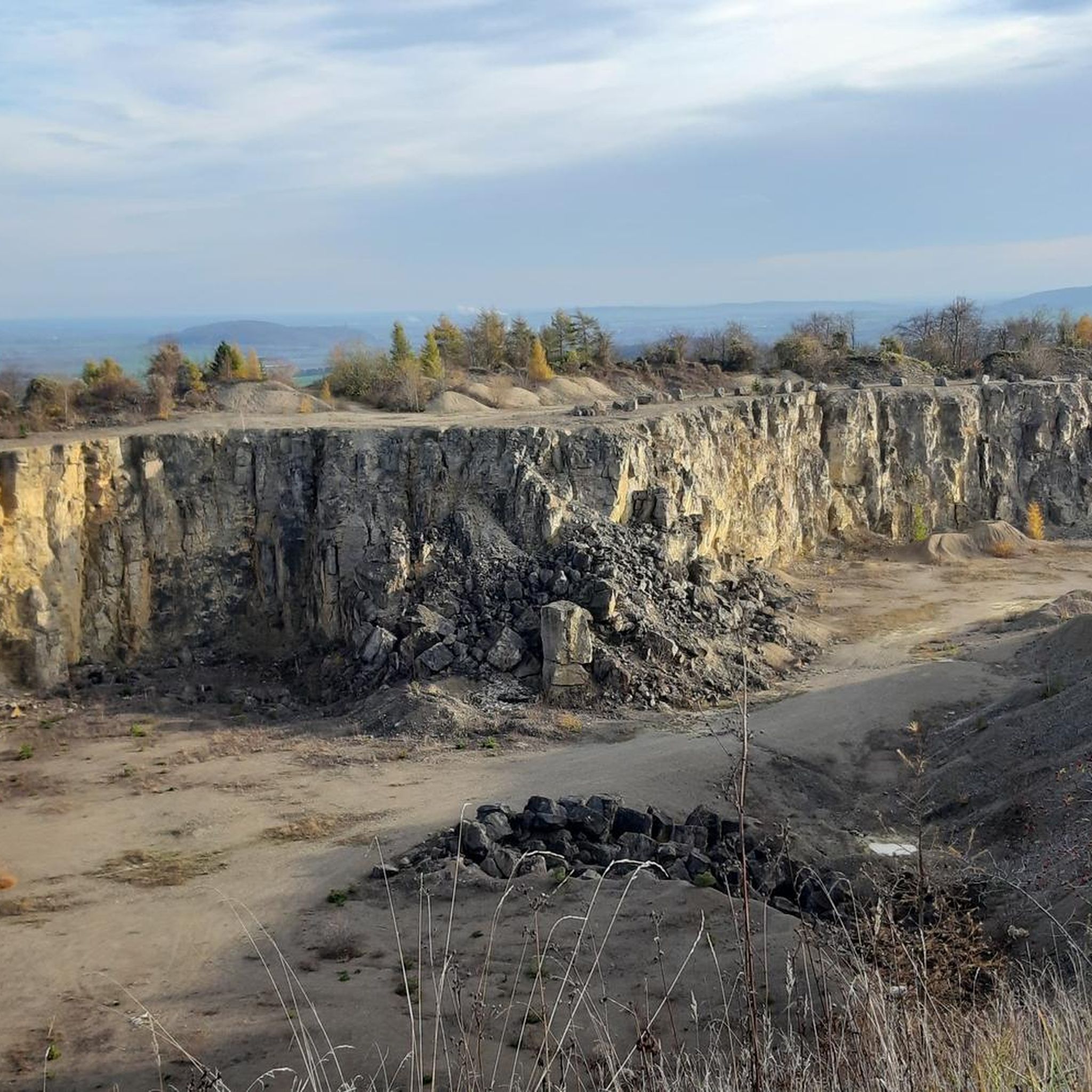
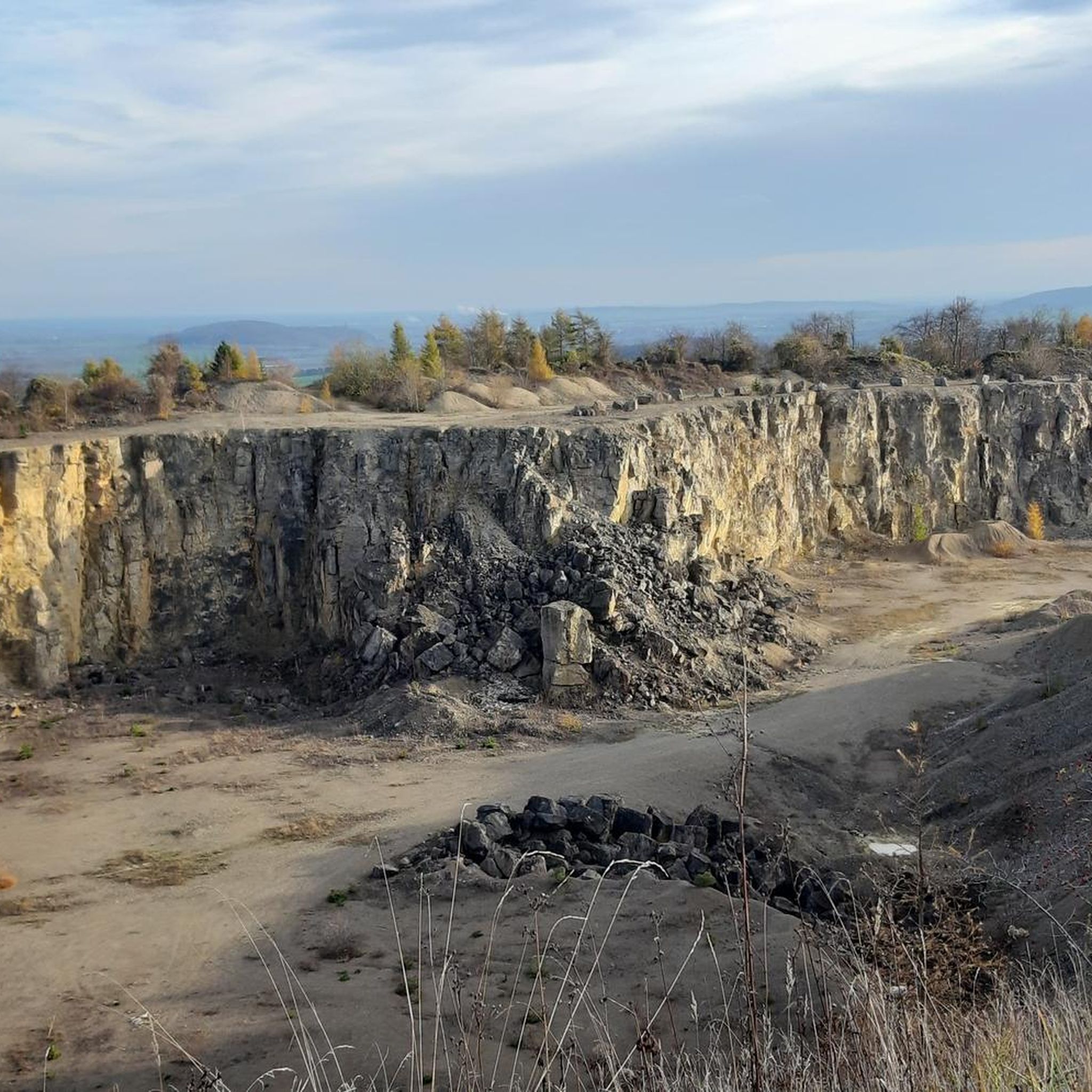
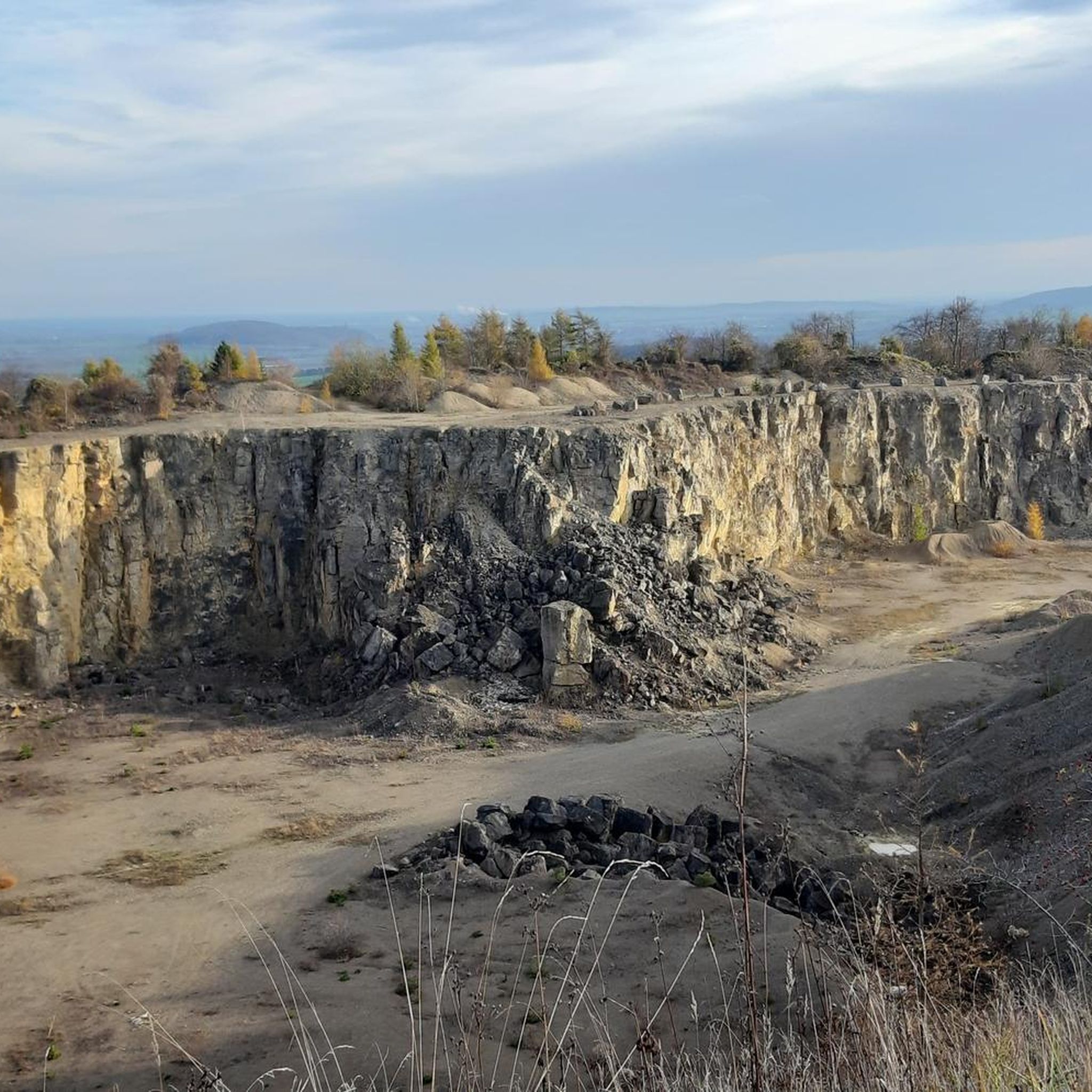
Almost overgrown quarry, worth the little detour
0
0


In summer you have to look for the entrance because the plants are very tall then.
0
0

Small cave, now closed with bars, in which the bats feel comfortable.
1
0

The history of mining here in Osterwald and Nesselberg is described on a few signs.
0
0

Always worth a round
0
0

Suddenly this rugged rock face appears. A real eye-catcher.
2
0
Frequently Asked Questions
What kind of caves can I expect to find in Natural Park Saupark?
The Natural Park Saupark primarily features caves within the Höhlengebiet im Kleinen Deister. These are significant for their ecological importance as bat habitats and their historical value, such as those used as shelters during World War II. You'll find natural cave formations, often associated with interesting cliff formations, and historical mining tunnels.
Are there any historical caves or mining tunnels to explore in the region?
Yes, the area has several historical sites. You can visit the Hüttenstollen Visitor Mine and Museum, Osterwald, which offers insights into the history of coal mining. Another historical site is the Old Tunnel at Kukesburg, which provides an adventurous exploration opportunity. The Steinbrinkstollen Mining Tunnel Entrance also showcases the region's mining history.
What is the best time to visit the caves in Natural Park Saupark?
Many caves in the Kleiner Deister region are important bat habitats, and their entrances are often closed off from October to April to protect bats during hibernation. For visitor mines like the Hüttenstollen Visitor Mine and Museum, Osterwald, the museum is typically open from April to October. Therefore, the spring and summer months (April to September) are generally the best time to visit for access and exploration.
Are the caves in Natural Park Saupark suitable for families?
Some sites are family-friendly. The Hüttenstollen Visitor Mine and Museum, Osterwald, is specifically categorized as family-friendly, offering guided tours that can be engaging for all ages. The Steinbrinkstollen Mining Tunnel Entrance is also considered family-friendly for those interested in local history.
What kind of natural features can I see around the caves?
The caves are often found within interesting cliff formations, particularly in the Kleiner Deister area. These cliffs, such as those at Cliffs and Bat Caves in the Kleiner Deister and Homeisters Loch Cave, are part of the region's geological makeup and provide habitats for bats and other wildlife.
Are there hiking trails near the caves in Natural Park Saupark?
Yes, the Natural Park Saupark offers numerous hiking opportunities. You can find easy hikes around the area, with routes like 'Stucki's herdsman's hut – Friedrichs Eck Rest Area loop' or 'Arctic Wolf Enclosure – Moose Enclosure loop'. For more options, explore the Easy hikes around the Natural Park Saupark guide.
Can I go caving or explore inside the natural caves?
Access to many natural caves, especially those designated as bat habitats like the Cliffs and Bat Caves in the Kleiner Deister, is often restricted or entrances are locked to protect the wildlife. While some historical tunnels like the Old Tunnel at Kukesburg offer exploration, conditions can vary, and it's important to be prepared for potentially wet or challenging terrain.
What do visitors enjoy most about the caves and surrounding area?
Visitors appreciate the combination of natural beauty and historical significance. The interesting cliff formations and the role of the caves as bat habitats are often highlighted. Historical sites like the visitor mines offer fascinating insights into the region's past. Many also enjoy the adventurous exploration opportunities in certain tunnels and the extensive network of hiking trails.
Are there cycling routes available near the caves?
Absolutely. The Natural Park Saupark area is popular for cycling. You can find various routes, including easy and moderate options like the 'Springe Old Town loop' or 'Stucki's herdsman's hut – View of the Weser Uplands loop'. For more details, check out the Cycling around the Natural Park Saupark guide.
What is Homeisters Loch Cave known for?
Homeisters Loch Cave, located in a cliff on the Raher Berg ridge, is known for its historical significance as a shelter during World War II. It also serves as an important wintering habitat for various bat species. While it once featured dripstones, its primary draw today is its historical context and ecological role.
Are there any viewpoints near the caves?
Yes, the Cliffs and Bat Caves in the Kleiner Deister are also listed as a viewpoint, offering scenic perspectives of the interesting cliff formations. The surrounding Natural Park Saupark also features various viewpoints along its hiking trails.
Most popular routes around the Natural Park Saupark
Most popular attractions around the Natural Park Saupark

Get inspired with the komoot mobile app


Explore more
Extend your search for the best caves by checking out these guides of the top ones around the Natural Park Saupark:
