Top 6 Lakes around Tornower Lake
Best lakes around Tornower Lake are found in the Ruppin Switzerland region of Brandenburg, Germany. Lake Tornow, also known as Tornowsee, is characterized by its serene environment due to the prohibition of motorized boats. The lake is part of a larger natural landscape, connecting to other lakes like Kalksee and Zermützelsee via a glacial channel. This area offers excellent water quality for swimming and opportunities for hiking, including the "Fontane hiking trail" around the lake.
Best lakes around Tornower Lake
…Last updated: June 29, 2026
Lake Tornow
Highlight • Lake
Translated by Google •
Tip by

Briesensee and Klingeberg Nature Reserve
Highlight (Segment) • Natural Monument
Translated by Google •
Tip by

Sign up now to discover places like this
Get recommendations on the best single tracks, peaks, & plenty of other exciting outdoor places.
Sign up for free
Tornower See — Swimming Beach with Island
Highlight • Beach
Translated by Google •
Tip by

Rest Area at Klingespring
Highlight • Rest Area
Translated by Google •
Tip by

Hohe Mühle Nature Trail
Highlight • Trail
Translated by Google •
Tip by

Sign up for free to discover even more lakes around Tornower Lake.
Sign up for free
Already have an account?
Start today with a free account
Your next adventure awaits.
Login or Signup
Tips from the Community

I didn't go into the water because it looked so murky.
0
0

Very nice, the paths are easy to walk on
0
0
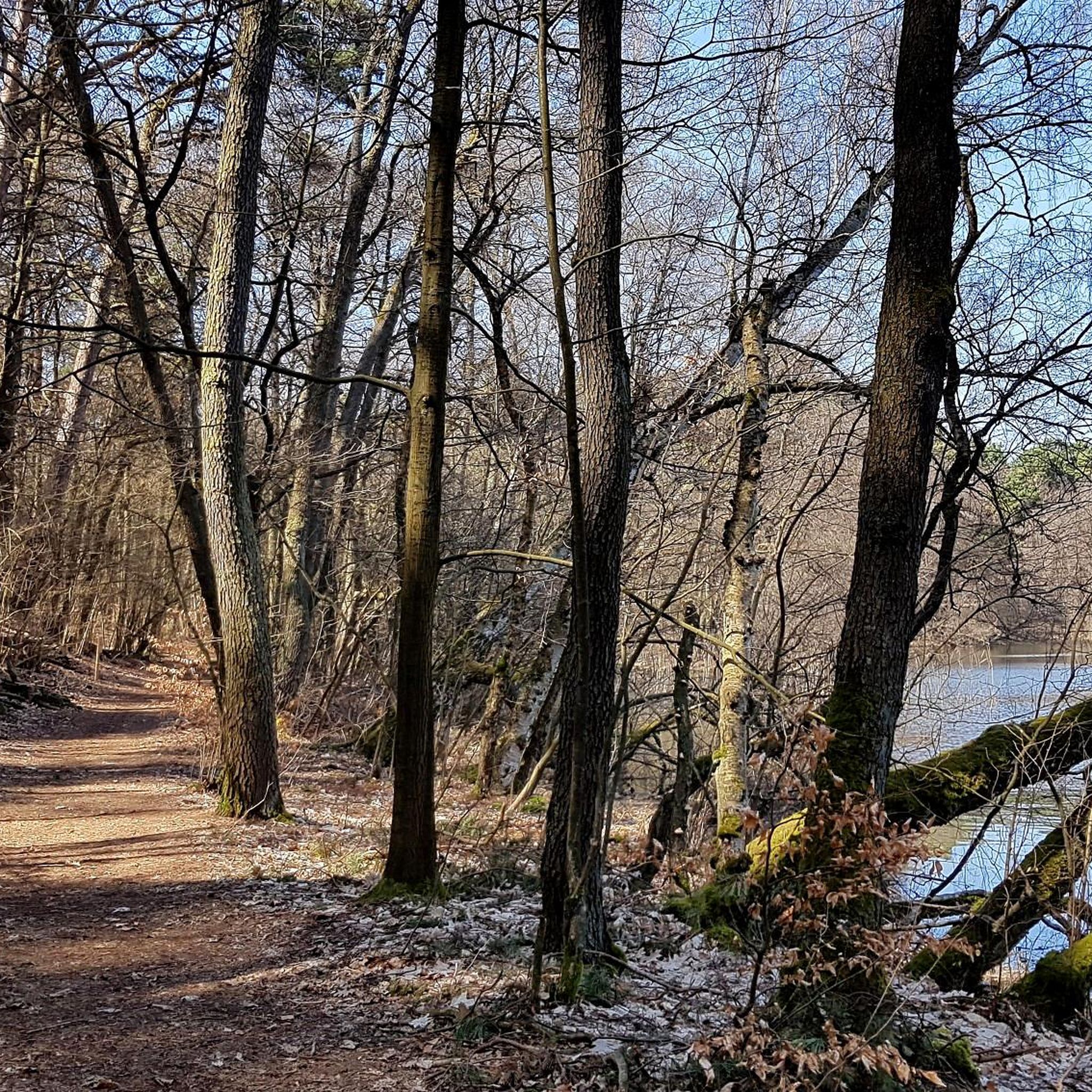
The Tornower See is near Tornow, a little south of Teupitz. There is a nature trail. Very nice paths along the bank and in the forest. There are benches and rest areas.
2
0

Now the meadow by the lake was full of spring flowers. splendid
0
0

A nature trail with information boards leads along the banks of Lake Tornow through a “primeval forest”. The path runs along the lake through rarely found, natural mixed pine forests. Naturally grown pine trees over 200 years old with impressive growth forms and dimensions stretch their crowns over the southern shore of Lake Tornow. They are among the oldest pines in the Mark Brandenburg. It is thanks to careful foresters and botanists that these native pines were preserved. Nowadays they are part of the “Briesensee and Klingeberg” nature reserve. In a scientific sense, the trees are so-called “autochthonous” pines: settled in the region and grown without human influence. This means that the Scots pine (Pinussylvestris) is characterized by characteristics and a specific adaptation to the location. Pine trees also naturally rejuvenate here. As a representative of conifers, the common pine is very variable in its growth form. Depending on the location, it can be 15 to 40 meters high and up to 500 years old. With its taproots it also reaches deep groundwater layers and can therefore survive longer dry periods. In adolescence and in the upper part of the trunk, the bark is thin and smooth and reddish in color. As it ages, the bark becomes grey-brown, deeply cracked and coarsely flaky.
3
0
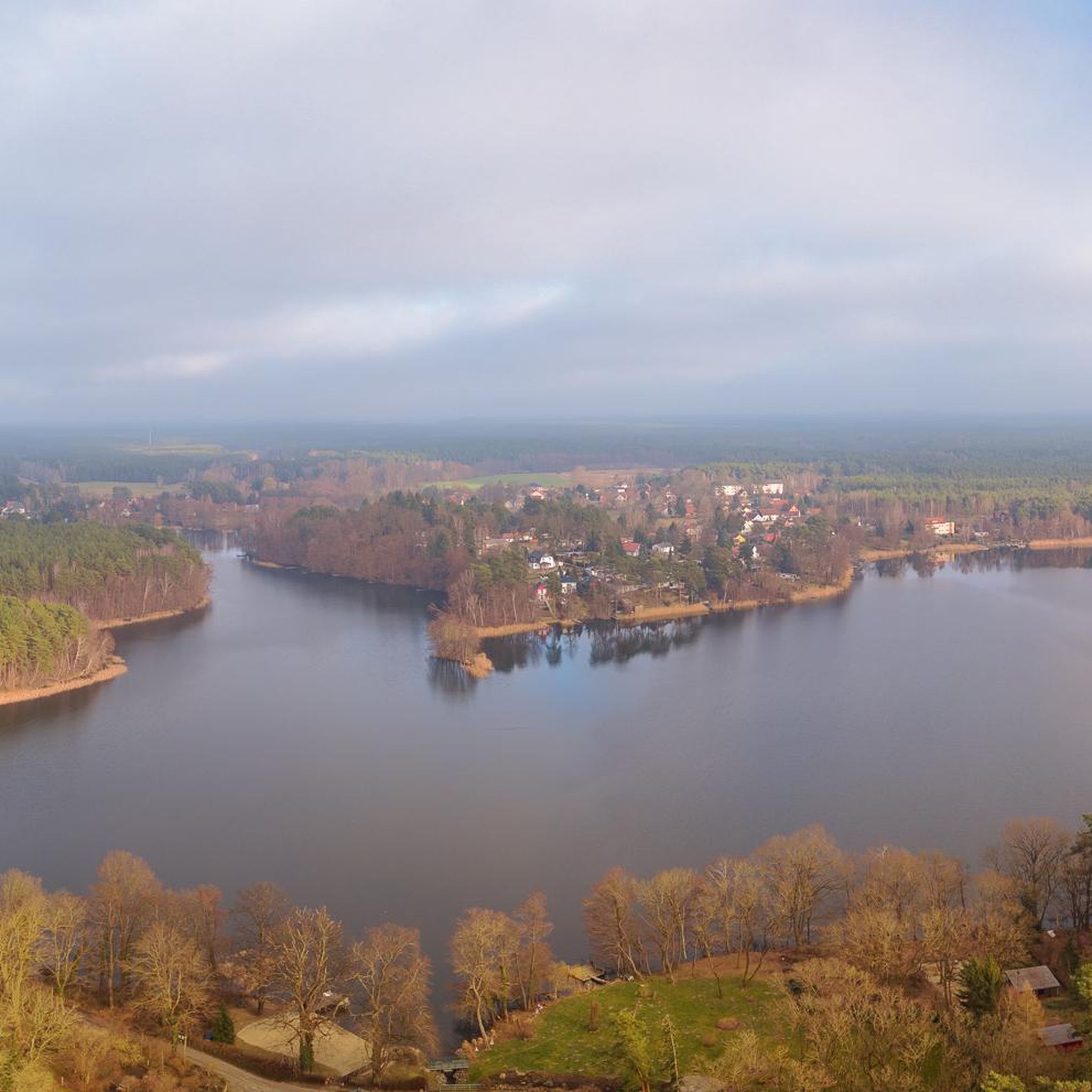
The approx. 80-hectare nature reserve "Briesensee and Klingeberg" is located about 3 km south-west of Teupitz, on the south and south-west shores of Lake Tornow. These are the Briesensee, the southern and southwestern shores of the Tornower See, and the moraine slopes bordering on the lakes within the Zossen-Teupitzer Hügellan landscape unit. Characteristic of the NSG area are the two lakes, a largely natural flow (Briesenseegraben) and several spring areas, of which the "Klingespring", which is protected as a natural monument, is designed as a prominent hillside spring. The water quality of the Briesensee has apparently been in poor condition for a long time, which has an impact on the water quality of the Briesenseegraben. The relief-rich slopes at Tornowsee are partially planted with autochthonous old pine populations. Numerous wintergreen and club moss species were found on the slopes. Due to changes in use, such as the lack of farm forest and litter use, these occurrences have declined sharply in recent decades and are currently concentrated almost exclusively in the area of a few small clay pits. There is a small agricultural area in the area. This wet meadow is part of the contractual nature protection program. The sanctuary is a popular destination for nature walks. Signposted hiking trails and a nature trail lead through the area. On the hiking trail, with a view of the Briesensee, there is a memorial stone for the botanist and local historian Adolf Straus. There are bathing spots at Lake Tornow. Campgrounds that used to be here were completely dismantled after 1990. Source https://www.dahme-heideseen-naturpark.de/themen/natura-2000/briesensee-und-klingeberge/
2
0
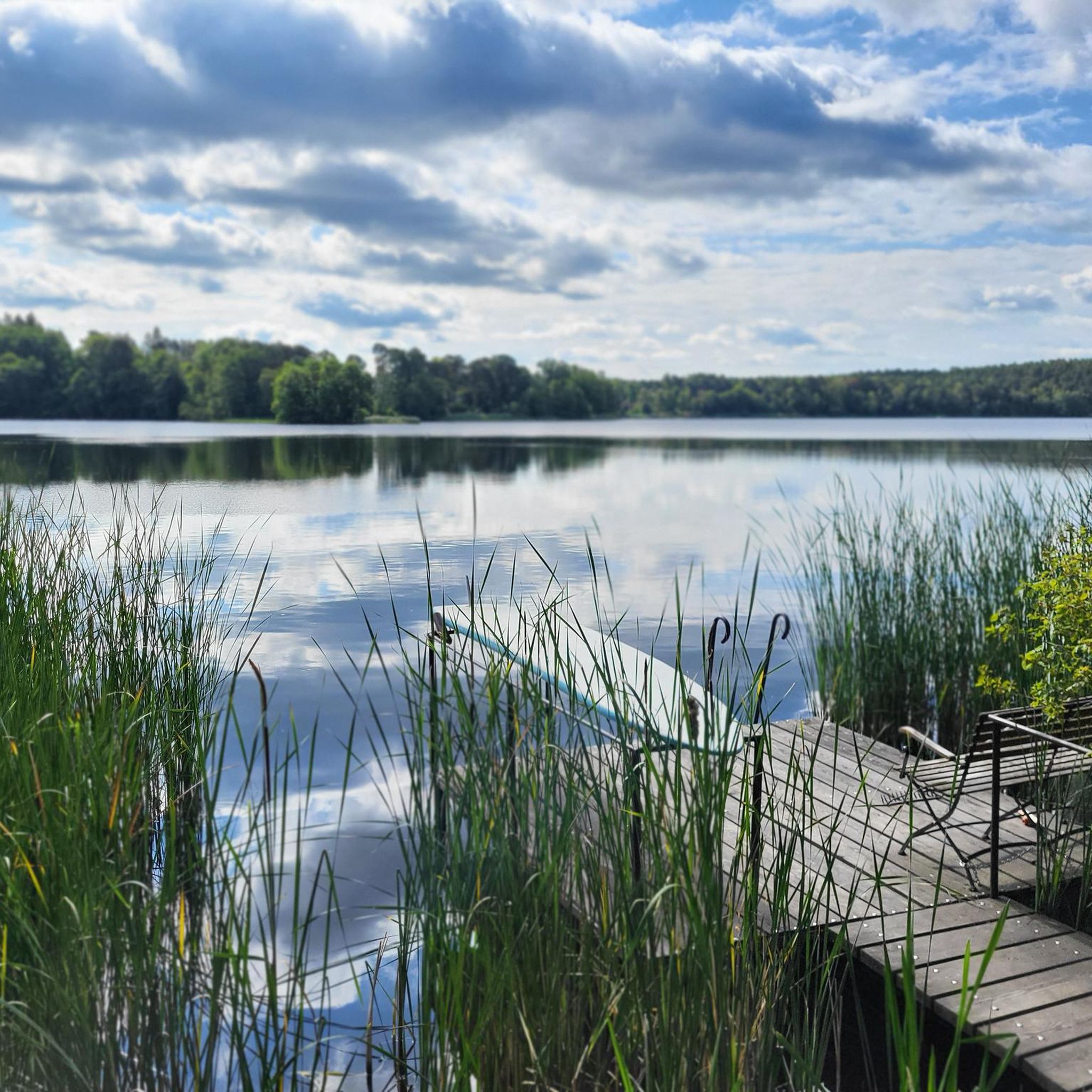
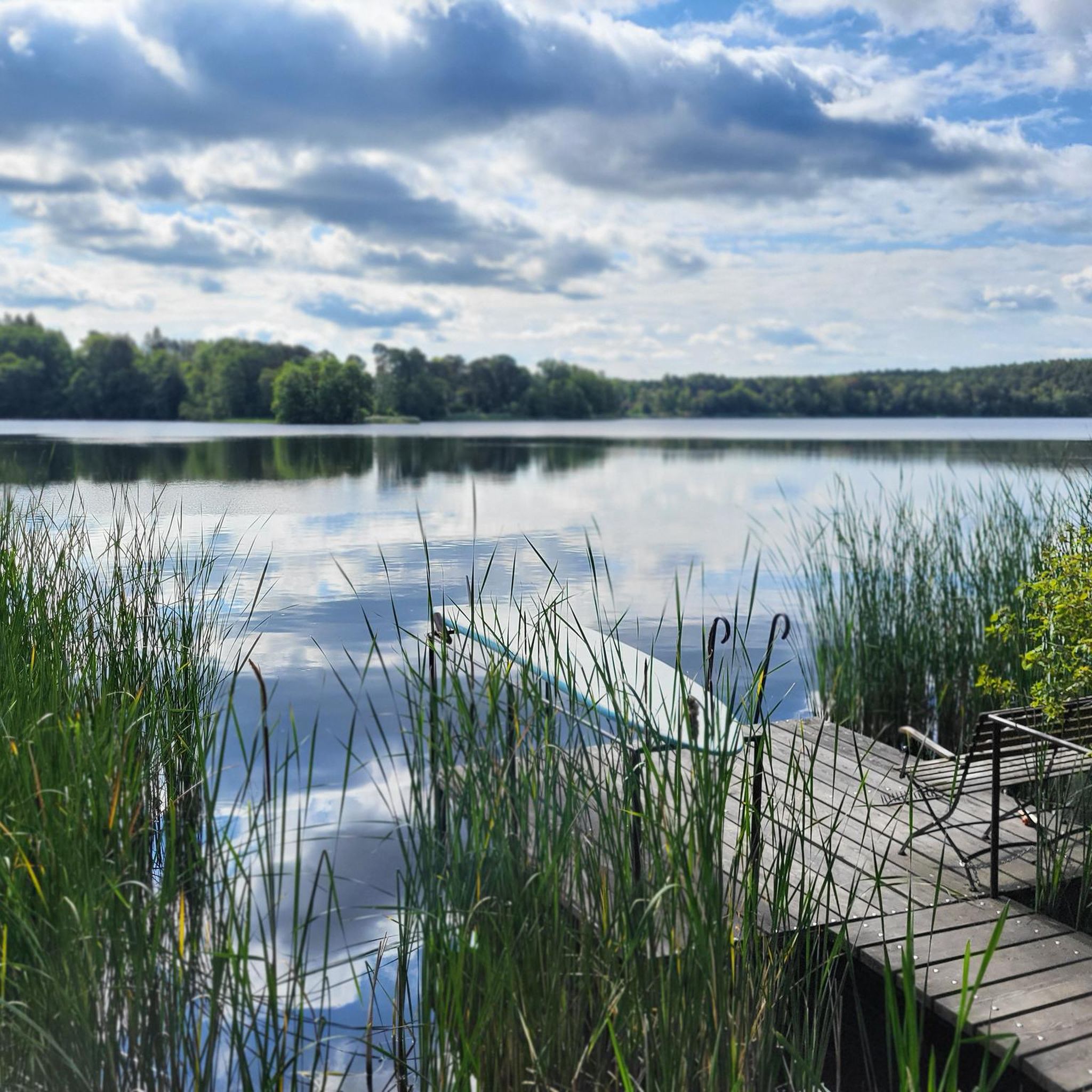
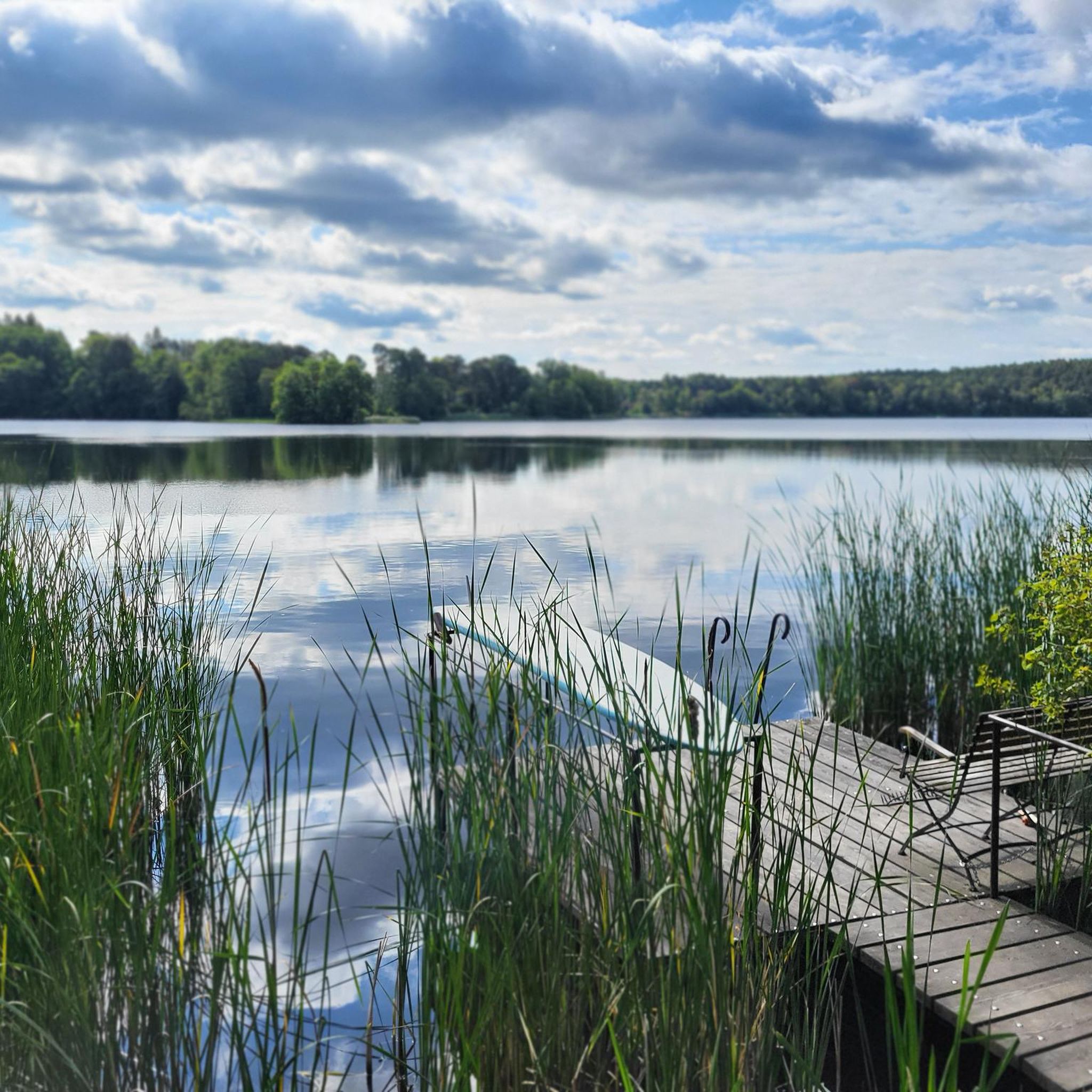
With a floating platform to jump into and a place to sit when the lake freezes over in winter.
0
0
Located directly on the Tornower See and nature trail. The nature trail leads through the nature reserve "Briesensee and Klingeberge" around Lake Tornow. Plants, biotopes, geological features, the forest and its management, and Lake Tornow are explained at 33 stations. It leads along the slopes south of Lake Tornow. Evergreen polypody and wood sorrel grow here. Crystal-clear water gushes from the Klingespring spring. At the "Hohe Mühle" there are two ancient linden trees. Like the Klingespring, they are designated as natural monuments. Source https://www.dahme-heideseen-naturpark.de/themen/routen-touren/naturlehrpfad-tornower-see/
0
0
Frequently Asked Questions
What makes Lake Tornow a special place to visit?
Lake Tornow is renowned for its tranquil environment, as motorized boats are prohibited, ensuring a peaceful experience. It boasts excellent water quality, ideal for swimming, and features a natural bathing area with a floating island. The lake is also part of the Ruppin Switzerland nature reserve, offering a deep connection with nature. You can explore its serene beauty at Lake Tornow.
Are there good swimming spots around Lake Tornow?
Yes, Lake Tornow offers excellent swimming opportunities. The natural bathing area at Tornower See — Swimming Beach with Island is particularly popular. It's an idyllic bay in the forest with clear water and a floating plastic island for lounging. The water quality is officially classified as excellent by the public health department.
What kind of nature reserves can I explore near Lake Tornow?
The region is rich in natural beauty. You can visit the Briesensee and Klingeberg Nature Reserve, which features natural wetlands and biotopes. This reserve is home to unique flora, including the rare spotted fern, and offers a beautifully landscaped nature trail along the banks of Lake Tornow.
Are there hiking trails around Lake Tornow?
Absolutely. The "Fontane hiking trail" is a popular circular route around Lake Tornow, offering scenic walks. Additionally, the Hohe Mühle Nature Trail leads through the Briesensee and Klingeberge nature reserve, explaining plants, biotopes, and geological features at 33 stations. For more hiking options, you can find various running trails around the lake, including easy to moderate loops, on the Running Trails around Tornower Lake guide.
What historical context is associated with Lake Tornow?
The name Tornow (Tornov) has Slavic origins, meaning "thorn bush," suggesting a historical presence of such vegetation. The lake was first documented in 1541, and its name is linked to a former settlement that is now an abandoned field, marked by a forester's house. This historical background adds a layer of cultural depth to the natural landscape.
What other lakes are connected to Lake Tornow?
Lake Tornow is an integral part of the Ruppin Switzerland waterway, situated within a glacial channel. It connects to Kalksee to the north via the Binenbach and to Zermützelsee, Tetzensee, Molchowsee, and the Rhin to the south via the Rottstielfließ. This chain of lakes extends for approximately 40 kilometers, offering a vast interconnected natural landscape to explore.
Are there places to rest or have a picnic near the lakes?
Yes, visitors can find amenities for relaxation. Near the bathing area at Lake Tornow, there are benches and tables available. Additionally, the Rest Area at Klingespring provides a comfortable spot with a rain cover, ideal for a picnic right by the water and along the nature trail.
What kind of cycling routes are available in the Tornower Lake area?
The region offers various cycling opportunities. You can find road cycling routes, including moderate options like the 'View of Lake Teupitz – Boardwalk on Teupitzer See loop'. For mountain biking enthusiasts, there are MTB trails such as the 'Märkisch Buchholz overflow weir – Boardwalk Over the Lake loop'. Explore more options on the Road Cycling Routes around Tornower Lake guide and the MTB Trails around Tornower Lake guide.
Is the area around Lake Tornow suitable for families?
Yes, the area is very family-friendly. Many highlights, including Lake Tornow itself, the Swimming Beach with Island, and the Briesensee and Klingeberg Nature Reserve, are categorized as family-friendly. The calm waters, nature trails, and picnic spots make it an ideal destination for families to enjoy the outdoors.
What is the best time to visit Lake Tornow and the surrounding lakes?
The best time to visit largely depends on your preferred activities. For swimming and enjoying the natural bathing areas, the warmer months from late spring to early autumn (May to September) are ideal due to the excellent water quality. For hiking and enjoying the serene nature trails, spring and autumn offer pleasant temperatures and beautiful scenery, including spring flowers or vibrant fall foliage.
What wildlife can I expect to see around Lake Tornow?
As part of the Ruppin Switzerland nature reserve, the area around Lake Tornow is rich in biodiversity. The natural wetlands and biotopes, particularly within the Briesensee and Klingeberg Nature Reserve, provide habitats for various plant species like the rare spotted fern. Visitors can also observe diverse birdlife and other small animals typical of a serene forest and lake ecosystem.
Most popular routes around Tornower Lake
Most popular attractions around Tornower Lake

Get inspired with the komoot mobile app


Explore more
Still not found your perfect lake around Tornower Lake? Check out the guides of these regions to see even more beautiful places.
