Top 5 Lakes around Parc natural de ses Salines
Best lakes around Parc natural de ses Salines are found within a significant natural reserve spanning Ibiza and Formentera. This area covers over 2,800 hectares of land and 13,000 marine hectares, featuring ancient lagoons and salt ponds. These wetlands are crucial habitats for numerous species, especially migratory birds, and have historical importance for salt production. The park's diverse ecosystems contribute to its ecological value in the Mediterranean.
Best lakes around Parc natural de ses Salines
- The most popular lakes is…
Last updated: June 28, 2026
Salt Lagoon
Highlight • Lake
Translated by Google •
Tip by

The Salt Flats of Ibiza
Highlight • Natural Monument
Since then, …
Translated by Google •
Tip by

Sign up now to discover places like this
Get recommendations on the best single tracks, peaks, & plenty of other exciting outdoor places.
Sign up for free
Estany des Peix
Highlight • Lake
Translated by Google •
Tip by

Estany Pudent (Stinking Lake)
Highlight • Lake
Translated by Google •
Tip by

Start today with a free account
Your next adventure awaits.
Login or Signup
Popular around Parc natural de ses Salines
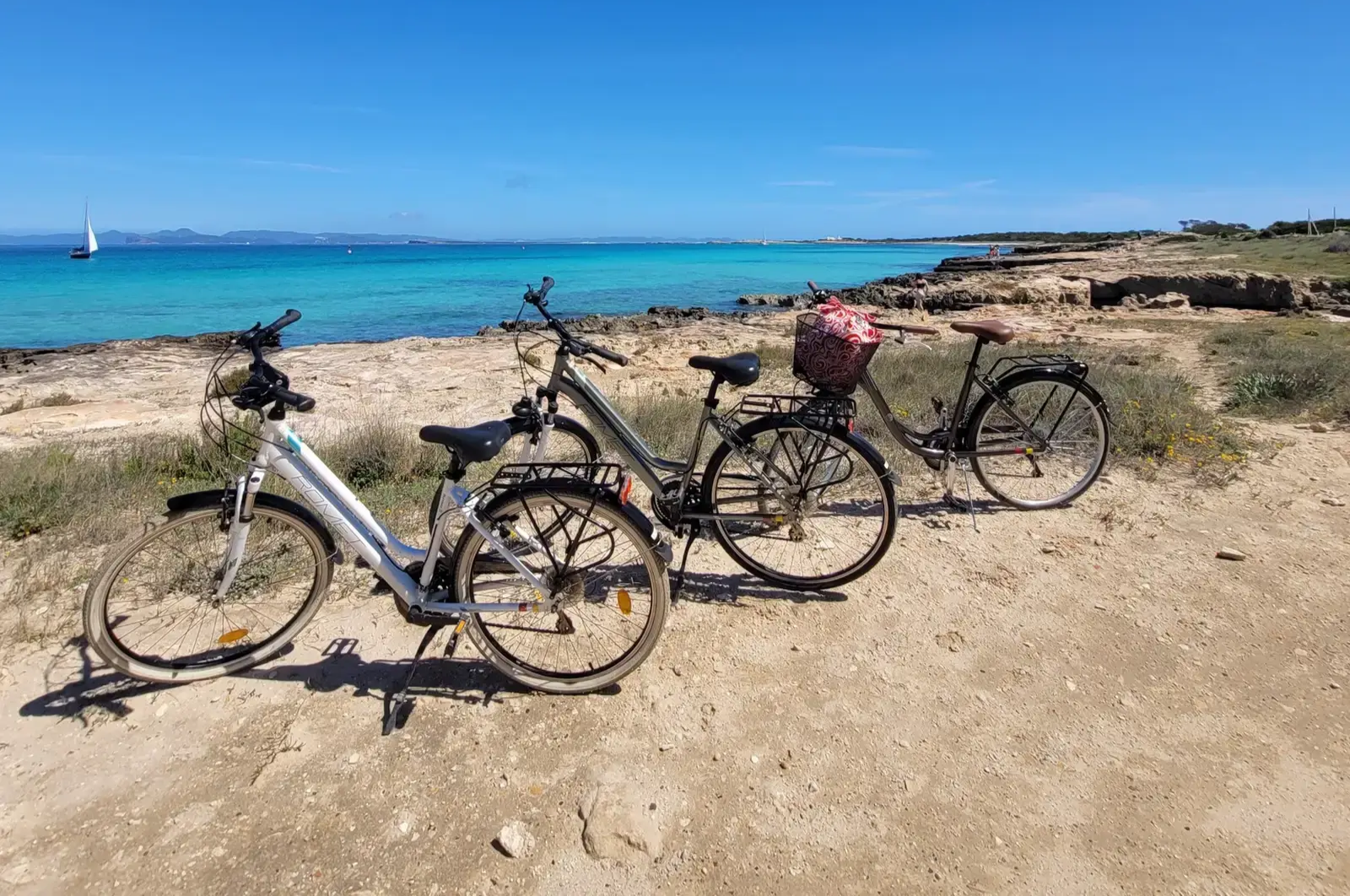
Kilometres of Blue by Bike — Formentera
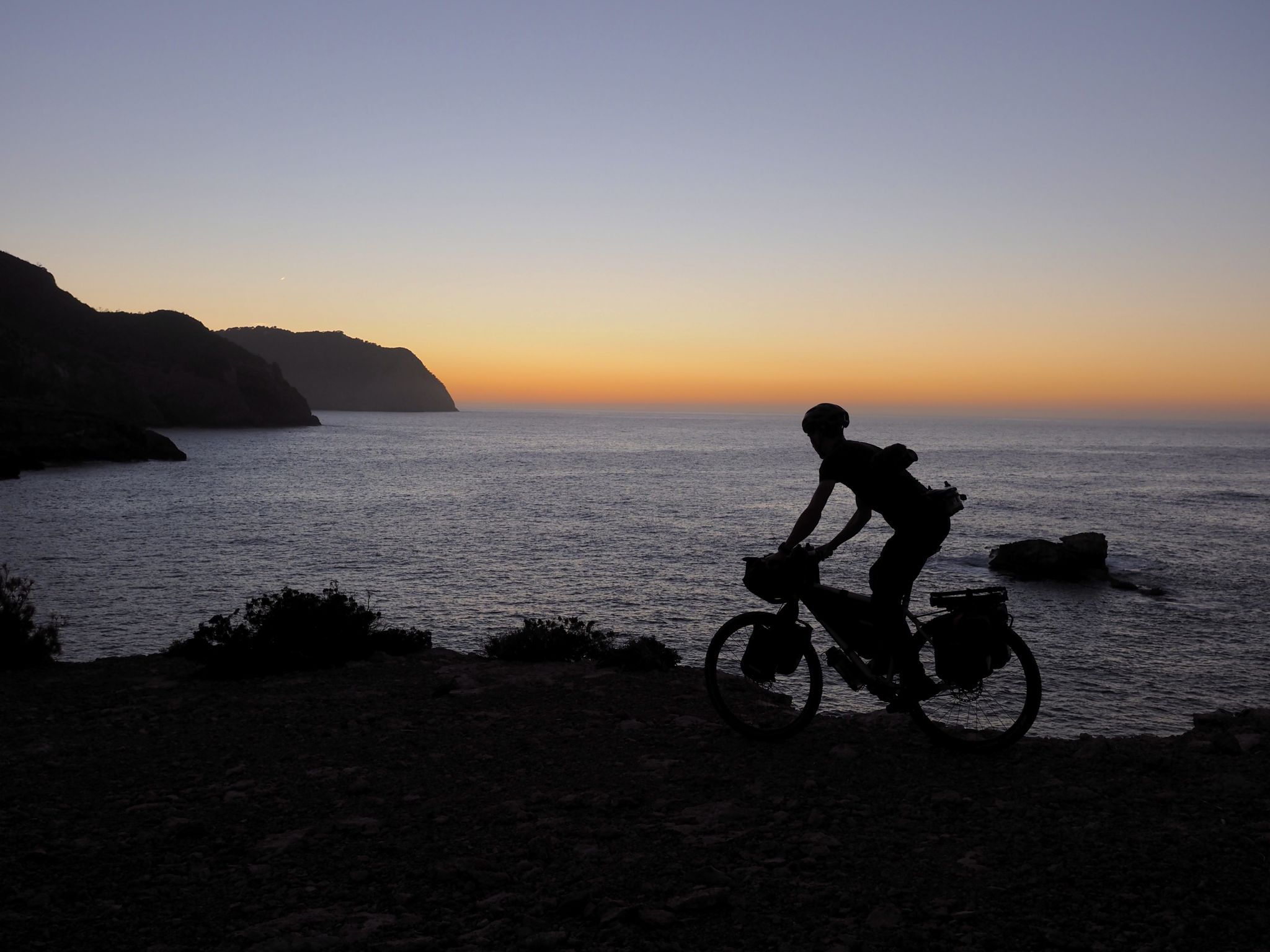
Island hopping in the Spanish Balearic Islands — the TransBaleares
Hiking around Parc natural de ses Salines
Cycling around Parc natural de ses Salines
Running Trails around Parc natural de ses Salines
MTB Trails around Parc natural de ses Salines
Road Cycling Routes around Parc natural de ses Salines

Gravel biking around Parc natural de ses Salines
Other adventures around Parc natural de ses Salines


Tips from the Community

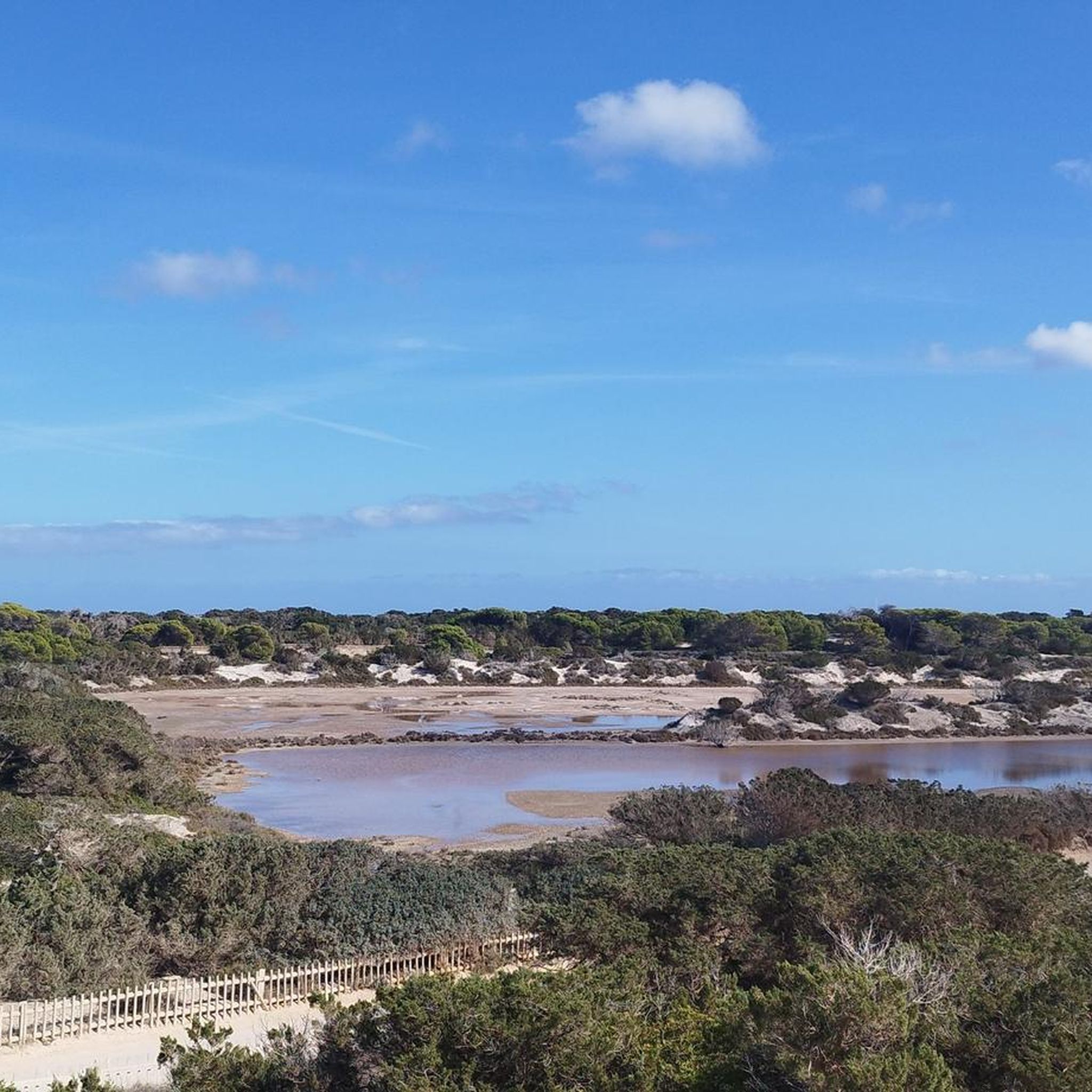
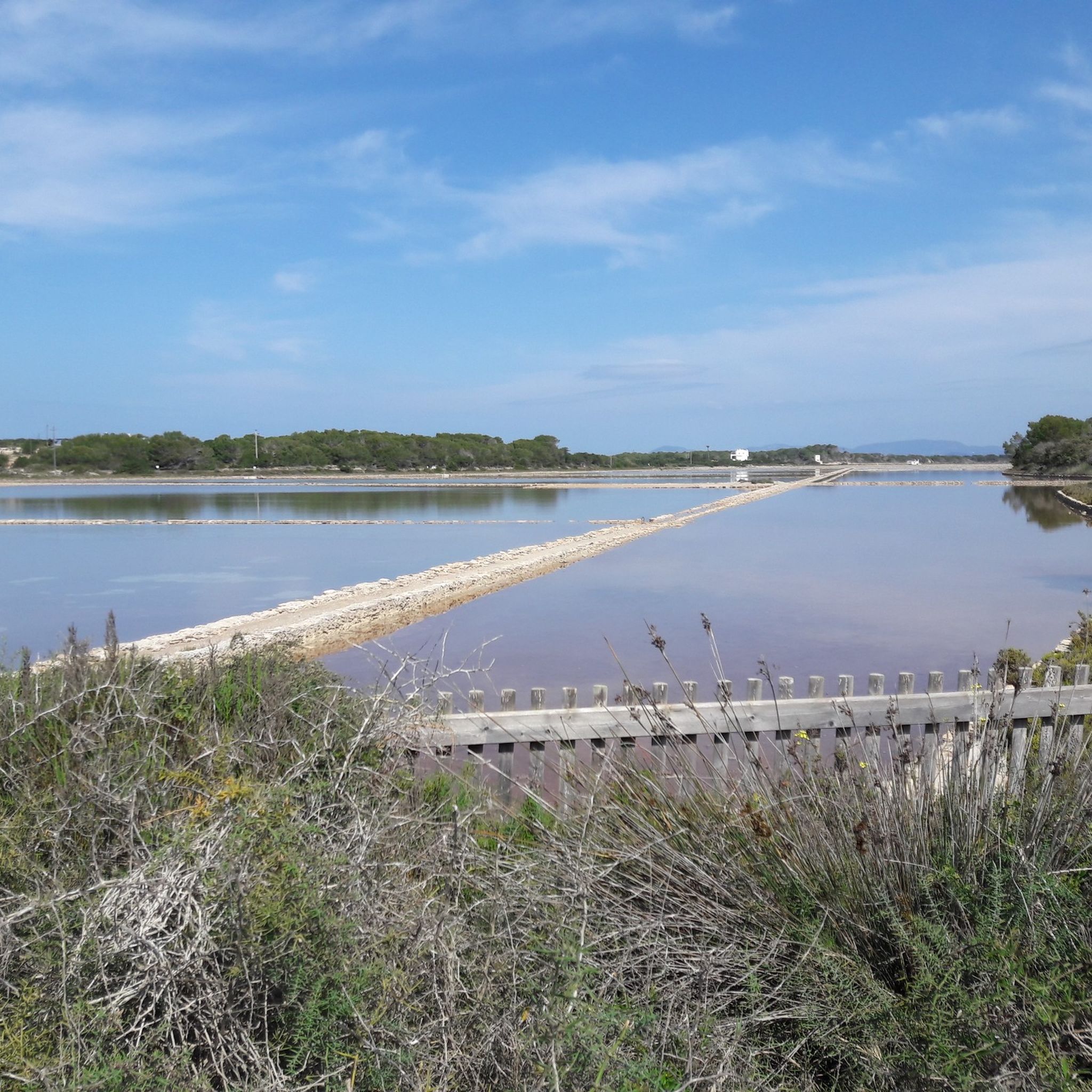
El Estany Pudent is the main salt lagoon of Formentera, located in the north between La Savina and Es Pujols. It is part of the Ses Salines Natural Park, stands out for its high landscape and ecological value, and is an ideal place to observe birds such as flamingos. It is located in the North of the island, near the port of La Savina, being the largest natural lagoon in Formentera and Ibiza. It is surrounded by paths ideal for walking or cycling. The area is notable for birdwatching activities of flamingos, grey herons, and ducks, especially in winter. It is part of the island's former salt flats, which offer a scenic route, often known for its pinkish water tones at certain times due to microalgae.
0
0
El Estany Pudent is the main saltwater lagoon in Formentera, located to the north between La Savina and Es Pujols. It is part of the Ses Salines Natural Park, stands out for its high landscape and ecological value, and is an ideal place to observe birds such as flamingos. Clearly, swimming is prohibited.
1
0

Also known as Estany Pudent, it is a protected natural area within the Ses Salines Natural Park. It is notable for its great ecological value, as it is home to birds such as flamingos and herons.
1
0

Small shallow lagoon with an ideal temperature for bathing in any of its beautiful little coves. The pond is also ideal for practicing various water sports and its narrow opening to the sea allows the entry of small boats.
2
0

From the 8th century B.C. the coasts of Ibiza were commanded by Phoenician warriors, who, upon observing the vast territory of dunes, began to build small salt flats. Since then, the production of salt has evolved over the years and each population, different in culture and religion, has preserved the production of salt on the beaches of Ibiza. More information: https://ibizabotanicobiotecnologico.com/las-salinas-ibiza/
1
0

The Estany Pudent is the large lake located to the north of the island, between the towns of La Savina and Es Pujols, and bathing is prohibited in it. It is a highly recommended place for walking or cycling, both for its scenic value and for its many birds.
0
0

The Estany Pudent is the large lake located in the north of the island, between the towns of La Savina and Es Pujols, and swimming is prohibited there
1
0
Frequently Asked Questions
What unique natural features can I explore around Parc Natural de ses Salines?
The region is famous for its extensive salt ponds and lagoons, which are part of the Parc Natural de ses Salines. These wetlands are crucial habitats for numerous species, especially migratory birds. You can visit The Salt Flats of Ibiza, a natural monument known for its vibrant, changing colors due to salt evaporation, and its ancient history of salt production.
Are there good spots for birdwatching in the area?
Yes, the lakes and salt ponds within the Parc Natural de ses Salines are excellent for birdwatching. The Salt Lagoon, for instance, is a protected natural area known for hosting birds such as flamingos and herons. The region is a vital stopover for approximately 210 species of migratory birds.
What is the historical significance of the lakes in Parc Natural de ses Salines?
The area has a rich history, particularly concerning salt production. Salt has been extracted from the ponds for thousands of years, with Phoenicians reportedly beginning the practice around 600 BC. This historical activity has shaped the unique landscape of places like The Salt Flats of Ibiza, which are now a natural monument.
Are there family-friendly activities or lakes suitable for children?
Many areas within the Parc Natural de ses Salines are family-friendly. For example, Estany des Peix is a small, shallow lagoon with an ideal temperature for bathing in its coves, and it's also suitable for various water sports. The park itself offers tranquil routes for walking or cycling that families can enjoy.
Can I go hiking or cycling near the lakes?
Absolutely. The region offers various routes for outdoor activities. For hiking, you can explore trails like the 'Torre des Carregador and torre de Ses Portes — circular through the Ses Salines d’Eivissa y Formentera Natural Park' or the 'Ses Salines Natural Park – Ses Portes Tower loop'. For more options, you can check the hiking guide for Parc Natural de ses Salines. Cycling is also popular, especially around Estany Pudent (Stinking Lake), which is highly recommended for its scenic value.
What is the best time of year to visit the lakes in Parc Natural de ses Salines?
The Parc Natural de ses Salines is particularly vibrant during migratory bird seasons, typically spring and autumn, when you can observe a wide array of species, including flamingos. The changing colors of the salt ponds are also striking throughout the year, offering unique scenery regardless of the season. For recreational activities like walking or cycling, spring and early autumn provide pleasant temperatures.
Are there any specific regulations or tips for visiting the lakes?
The lakes are part of a protected natural park, so it's important to respect the environment. For instance, swimming is prohibited in Estany Pudent (Stinking Lake). Always stay on marked paths to protect the delicate ecosystems and observe wildlife from a respectful distance. The park is a significant ecological area, so mindful visiting helps preserve its biodiversity.
What makes the water around the Parc Natural de ses Salines so clear?
The exceptional clarity and cleanliness of the water in the marine areas of the park, including around its lakes, are largely due to the extensive Posidonia oceanica seagrass meadows. These meadows are recognized as a UNESCO World Heritage site and play a vital role in the Mediterranean ecosystem, contributing to the richness of the aquatic environments.
Can I find trails for mountain biking or gravel biking near the lakes?
Yes, there are various routes available for both mountain biking and gravel biking. You can find trails like the 'Ses Portes Tower – Ses Salines Beach loop' for MTB or 'Sa Gavina Tower – Cala Saona loop' for gravel biking. For more detailed routes and options, refer to the MTB trails guide and the gravel biking guide for Parc Natural de ses Salines.
What do visitors enjoy most about the lakes in Parc Natural de ses Salines?
Visitors frequently appreciate the unique scenery of the colorful salt ponds, the rich biodiversity, especially the migratory birds like flamingos, and the tranquil atmosphere for walking or cycling. The historical aspect of salt production also adds a fascinating dimension to the natural beauty of the area.
Where is Estany Pudent located and what is it known for?
Estany Pudent (Stinking Lake) is a large lake located in the north of Formentera, between the towns of La Savina and Es Pujols. It is highly regarded for its scenic beauty and is a significant spot for birdwatching, hosting one of the highest concentrations of black-necked grebes in Europe. It's a popular place for walking or cycling, though swimming is prohibited.
Are there any specific viewpoints to best experience the lakes and salt flats?
The entire area of the Parc Natural de ses Salines offers incredible panoramic views, especially over the salt ponds with their vibrant and changing colors. While specific named viewpoints aren't detailed, the general landscape provides numerous opportunities for scenic appreciation, particularly along the walking and cycling paths around the lagoons.
Most popular routes around Parc natural de ses Salines
Most popular attractions around Parc natural de ses Salines

Get inspired with the komoot mobile app


Explore more
Still not found your perfect lake around Parc natural de ses Salines? Check out the guides of these regions to see even more beautiful places.
