The best traffic-free bike rides around Parc natural de ses Salines
4.5
(3)
54
riders
26
rides
Gravel biking around Parc natural de ses Salines offers diverse landscapes across southeastern Ibiza and northern Formentera. The region is characterized by extensive salt pans and marshes, sandy beaches, and coastal cliffs. Riders can explore unpaved paths through dune systems and juniper forests, providing varied terrain for no traffic gravel bike trails. The park's network of ancient pathways is well-suited for exploring its natural and cultural features away from asphalt roads.
Best no traffic gravel bike trails around Parc natural…
Last updated: November 12, 2026
2
riders
28.2km
01:39
120m
120m
Easy gravel ride. Mostly paved surfaces.
1
riders
Easy gravel ride. Mostly paved surfaces.

5
riders
31.9km
01:40
150m
150m
Easy gravel ride. Mostly paved surfaces.
5.0
(1)
7
riders
29.0km
01:38
270m
270m
Moderate gravel ride. Good fitness required. Mostly paved surfaces.
4
riders
31.8km
01:43
130m
130m
Easy gravel ride. Mostly paved surfaces.
Get access to more routes and recommendations from other explorers.
Already have an account?
Our route recommendations are based on thousands of hikes, rides, and runs completed by other people on komoot.
Start today with a free account
Your next adventure awaits.
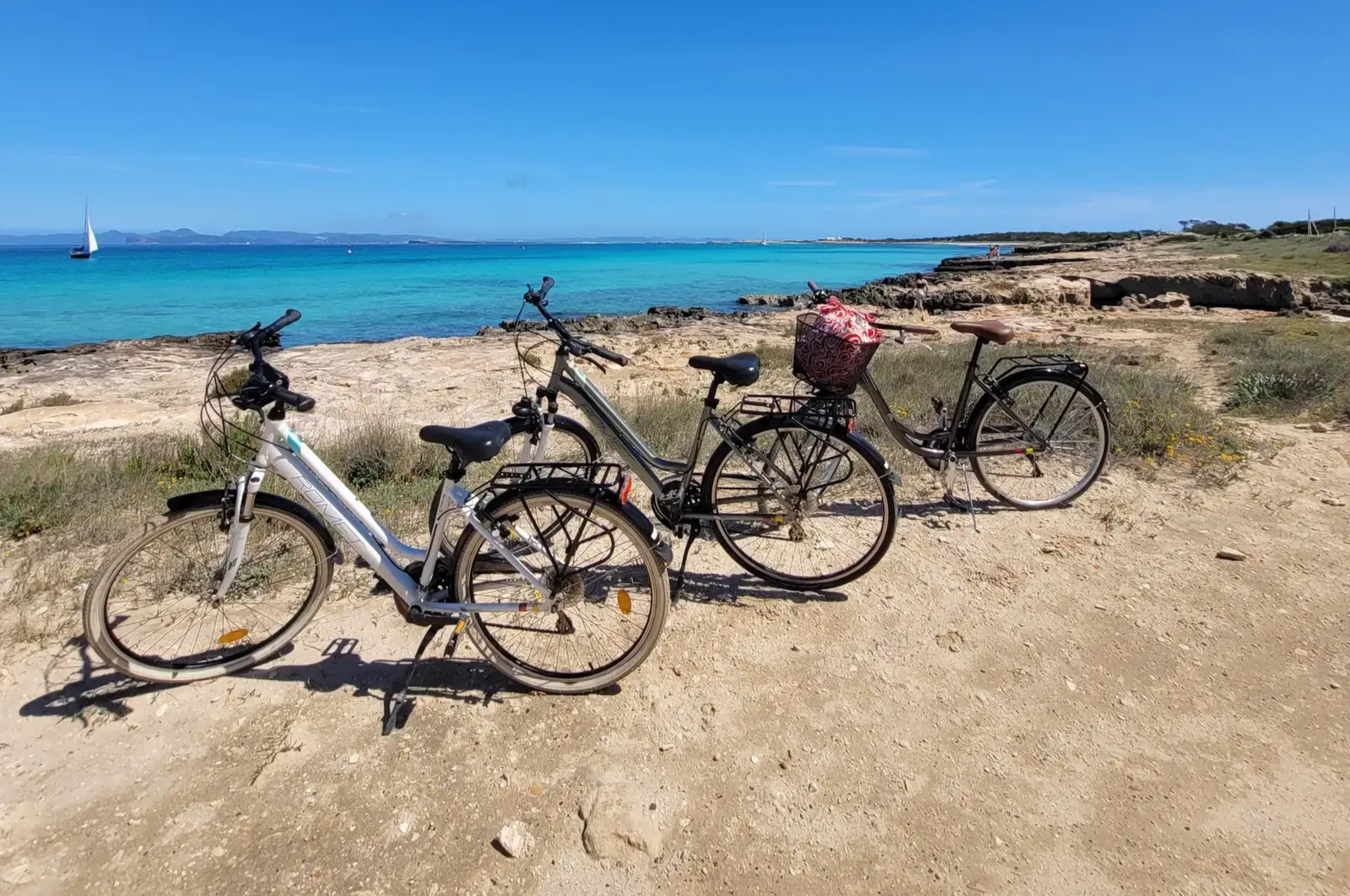
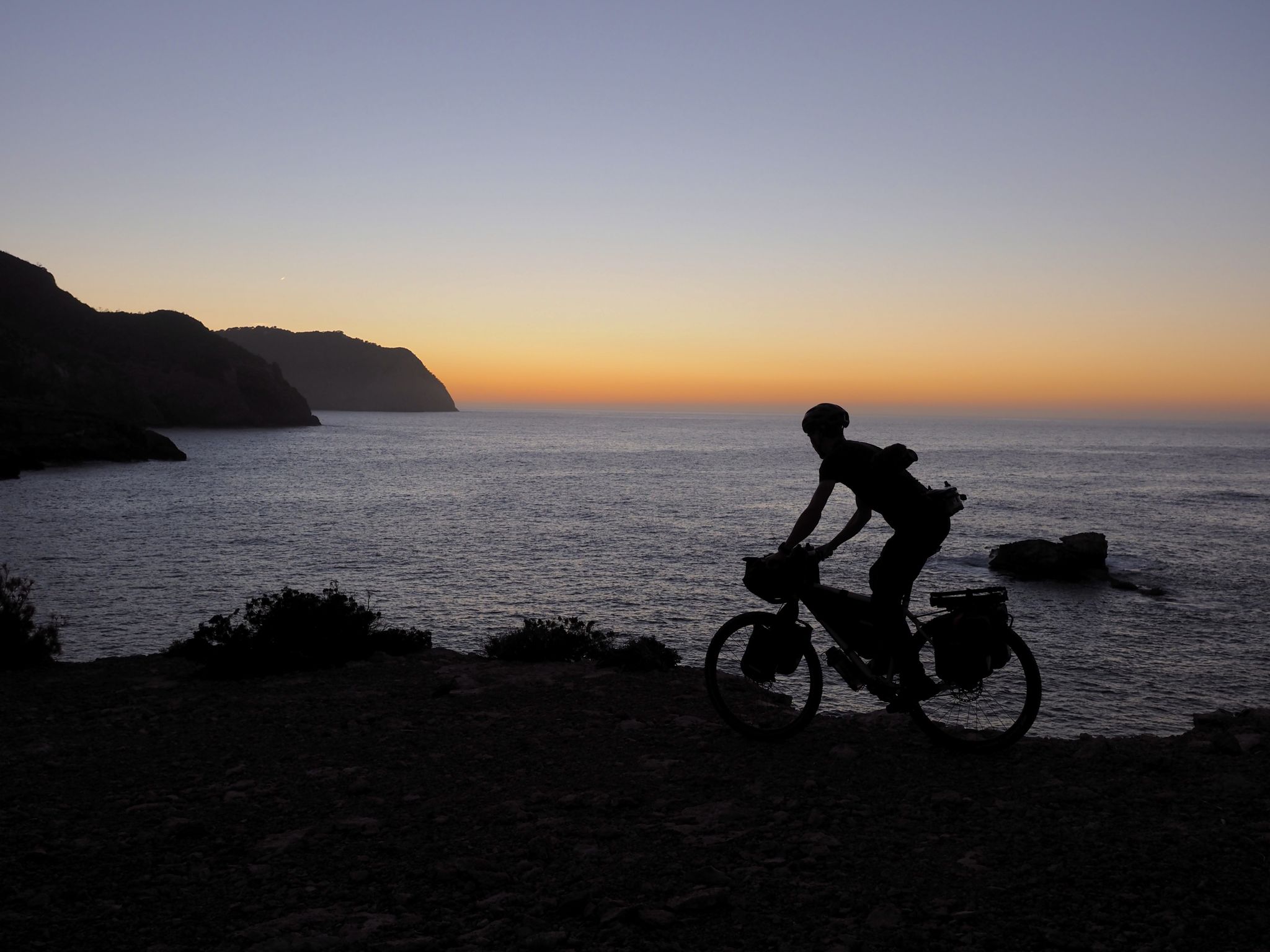


Other adventures around Parc natural de ses Salines


Tips from the Community

The Cap de Barbaria lighthouse (Faro de Cap de Barbaria) is located at the southwesternmost point of the Balearic island of Formentera. It was designed in 1924 and built in 1971. It is a cylindrical, whitewashed tower with a height of around 17 to 19 m. It stands on a rugged cliff about 78 to 100 meters high above the Mediterranean Sea and emits groups of white flashes of light, with a range of about 18 nautical miles. The place became famous primarily through the Spanish film "Sex and Lucía" by Julio Medem. In the immediate vicinity are the historic defensive tower Torre des Garroveret and the cave Cova Foradada, which offers access to the sea.
2
0

Approach to the tower very nice, no problem with a touring bike. After the tower along the coast only recommended with MTB. Landscape in the nature reserve impressive and highly recommended. Deserted in mid-May.
1
0

El Estany Pudent is the main salt lagoon of Formentera, located in the north between La Savina and Es Pujols. It is part of the Ses Salines Natural Park, stands out for its high landscape and ecological value, and is an ideal place to observe birds such as flamingos. It is located in the North of the island, near the port of La Savina, being the largest natural lagoon in Formentera and Ibiza. It is surrounded by paths ideal for walking or cycling. The area is notable for birdwatching activities of flamingos, grey herons, and ducks, especially in winter. It is part of the island's former salt flats, which offer a scenic route, often known for its pinkish water tones at certain times due to microalgae.
0
0
El Estany Pudent is the main saltwater lagoon in Formentera, located to the north between La Savina and Es Pujols. It is part of the Ses Salines Natural Park, stands out for its high landscape and ecological value, and is an ideal place to observe birds such as flamingos. Clearly, swimming is prohibited.
1
0
The Torre de sa Gavina is a historic defense tower located in the northwest of Formentera, near Can Marroig and north of Cala Saona. Built in the 18th century, it was part of the coastal surveillance network to protect the island from pirate incursions from North Africa, specifically controlling access to the port of La Savina.
1
0
El Faro de Barbaria (or Far de Cap de Barbaria) is one of the most representative icons of Formentera, located in the southwestern end of the island. It was inaugurated in 1971 (although planned since 1924) and measures about 17 meters in height. It stands on an impressive vertical cliff about 100 meters above sea level. Due to high visitor numbers, access by car or scooter is restricted during high season. You must leave your vehicle in a nearby parking lot and take a walk (about 15-20 minutes) along a narrow road that offers spectacular views. It is worth continuing the walk to Torre des Garroveret.
0
0

It's a cove of golden sand and crystal-clear waters surrounded by red cliffs and pine forests. It's ideal for swimming, relaxing, and enjoying a spectacular sunset. It also has services and beach bars that make it comfortable without losing its natural charm.
0
0
Frequently Asked Questions
How many no-traffic gravel bike trails are available in Parc Natural de ses Salines?
There are over 10 dedicated no-traffic gravel bike trails in Parc Natural de ses Salines, offering a variety of experiences. The region is particularly well-suited for gravel biking due to its extensive network of quiet, unpaved paths through diverse landscapes.
What kind of terrain can I expect on the no-traffic gravel bike trails in Parc Natural de ses Salines?
You'll find a mix of terrain. Many routes traverse the flat, shimmering salt pans and marshes, offering easy riding. Other trails wind through coastal areas, featuring sandy paths, pine-cloaked cliffs, and undulating dunes. Some routes, like the more challenging Entrance/Exit Rafal Trobat Valley – Capelleta d'en Serra loop from Ibiza, include significant elevation changes, moving away from the immediate flatlands.
Are there any family-friendly no-traffic gravel bike routes in the area?
Yes, the flatter sections around the salt pans and along some coastal paths are ideal for families. These areas often have minimal traffic and offer scenic views without significant climbs. Look for routes with 'easy' difficulty grades for the most family-friendly options.
What are the best times of year to go gravel biking in Parc Natural de ses Salines to avoid traffic?
The shoulder seasons (spring and autumn) are generally best for pleasant weather and fewer crowds, meaning even less traffic on the trails. During these times, you can enjoy the natural beauty and wildlife, such as migratory birds, in a tranquil setting. Summer can be hot, but early mornings or late afternoons still offer quiet riding.
Can I find circular no-traffic gravel bike routes in Parc Natural de ses Salines?
Absolutely. Many of the gravel routes are designed as loops, allowing you to start and end at the same point. For example, the Sa Gavina Tower – Cala Saona loop from la Savina offers a moderate circular ride, taking you through varied landscapes.
What interesting landmarks or natural features can I see along the no-traffic gravel bike trails?
The trails offer a wealth of sights. You can explore the iconic Salt Flats of Ibiza, historic watchtowers like Ses Portes Tower and Torre des Carregador, and beautiful beaches such as Ses Salines Beach. The salt marshes are also a fantastic spot for birdwatching, especially for flamingos between August and October.
Are there any specific regulations or permits needed for cycling in Parc Natural de ses Salines?
As a natural park, it's important to respect the environment. Stick to marked trails, do not disturb wildlife, and avoid littering. While specific cycling permits are not generally required for the main gravel paths, always check local signage for any temporary restrictions or protected areas, especially concerning dune systems and juniper forests.
Where can I park my car when accessing no-traffic gravel bike trails in Parc Natural de ses Salines?
Parking is available at various access points around the park, particularly near popular beaches like Ses Salines and Es Cavallet, or in nearby villages such as Sant Jordi. These spots often provide convenient starting points for exploring the quieter gravel tracks.
What do other gravel bikers enjoy most about the no-traffic trails in Parc Natural de ses Salines?
The area is highly rated by the komoot community, with an average score of 3.7 stars. Reviewers often praise the stunning natural beauty, the tranquility of the car-free paths, and the unique experience of cycling through the vibrant salt pans and along pristine coastlines. The opportunity for wildlife spotting, especially flamingos, is also frequently highlighted.
Are there any cafes or restaurants near the no-traffic gravel bike trails for a break?
Yes, you'll find options for refreshments. Along the popular coastal areas like Ses Salines Beach and Es Cavallet, there are beach bars and restaurants. In nearby villages such as Sant Jordi, you can also find cafes and eateries to refuel after your ride.
Can I bring my dog on the no-traffic gravel bike trails in Parc Natural de ses Salines?
While dogs are generally permitted in many outdoor areas, it's crucial to keep them on a leash, especially within a natural park like Ses Salines, to protect wildlife and ensure the safety of other visitors. Always clean up after your pet. Some specific protected areas or beaches might have restrictions, so look for local signage.
Most popular routes around Parc natural de ses Salines
Most popular attractions around Parc natural de ses Salines

Get inspired with the komoot mobile app


Explore more
Browse the best Gravel rides in other regions.
