Top 3 Castles around Nationalpark Donauauen
Best castles around Nationalpark Donauauen are situated within a significant natural landscape in Austria, characterized by the Danube wetlands and riparian forests. This region offers a blend of historical sites and natural beauty, providing insights into both imperial history and diverse ecosystems. The area is known for its preserved fortifications and historical residences. Visitors can explore various architectural styles and learn about the region's past.
Best castles around Nationalpark Donauauen
- The most popular castles is Devín Castle, a castle…
Last updated: May 16, 2026
Devín Castle
Highlight • Castle
Translated by Google •
Tip by

Röthelstein Castle Ruins
Highlight • Castle
Translated by Google •
Tip by

Sign up now to discover places like this
Get recommendations on the best single tracks, peaks, & plenty of other exciting outdoor places.
Sign up for free
Water Tower (Götzenturm), Hainburg
Highlight • Historical Site
The Götzenhof in the north-eastern area of the city was traditionally owned by the so-called Lords of Röthelstein, named after the extensive castle and fortifications …
Translated by Google •
Tip by

Eckartsau Castle
Highlight • Castle
Translated by Google •
Tip by

Maiden Tower (Jungfrauenturm), Devín Castle
Highlight • Castle
Translated by Google •
Tip by

Start today with a free account
Your next adventure awaits.
Login or Signup
Popular around Nationalpark Donauauen
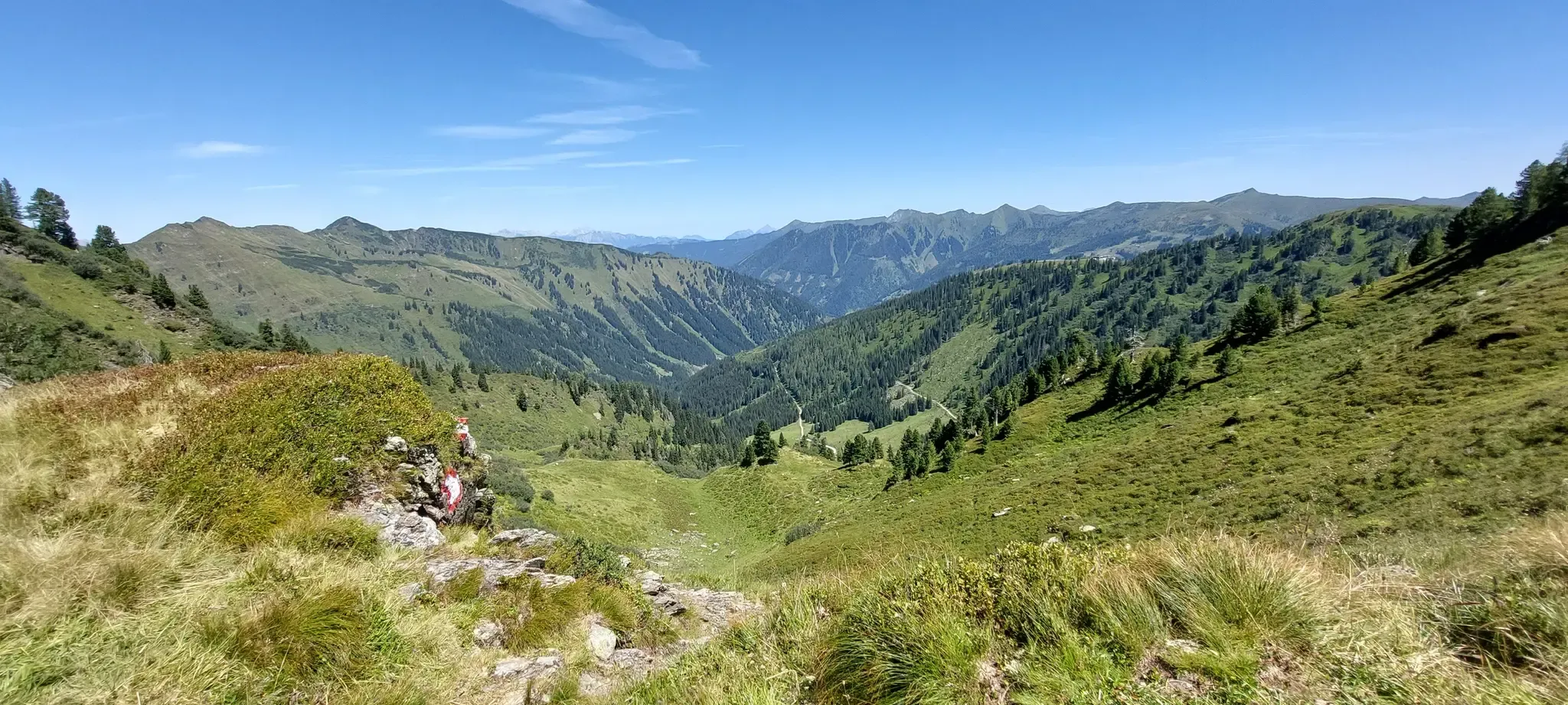
Central Alps Trail Eastern Section – Discover Austria
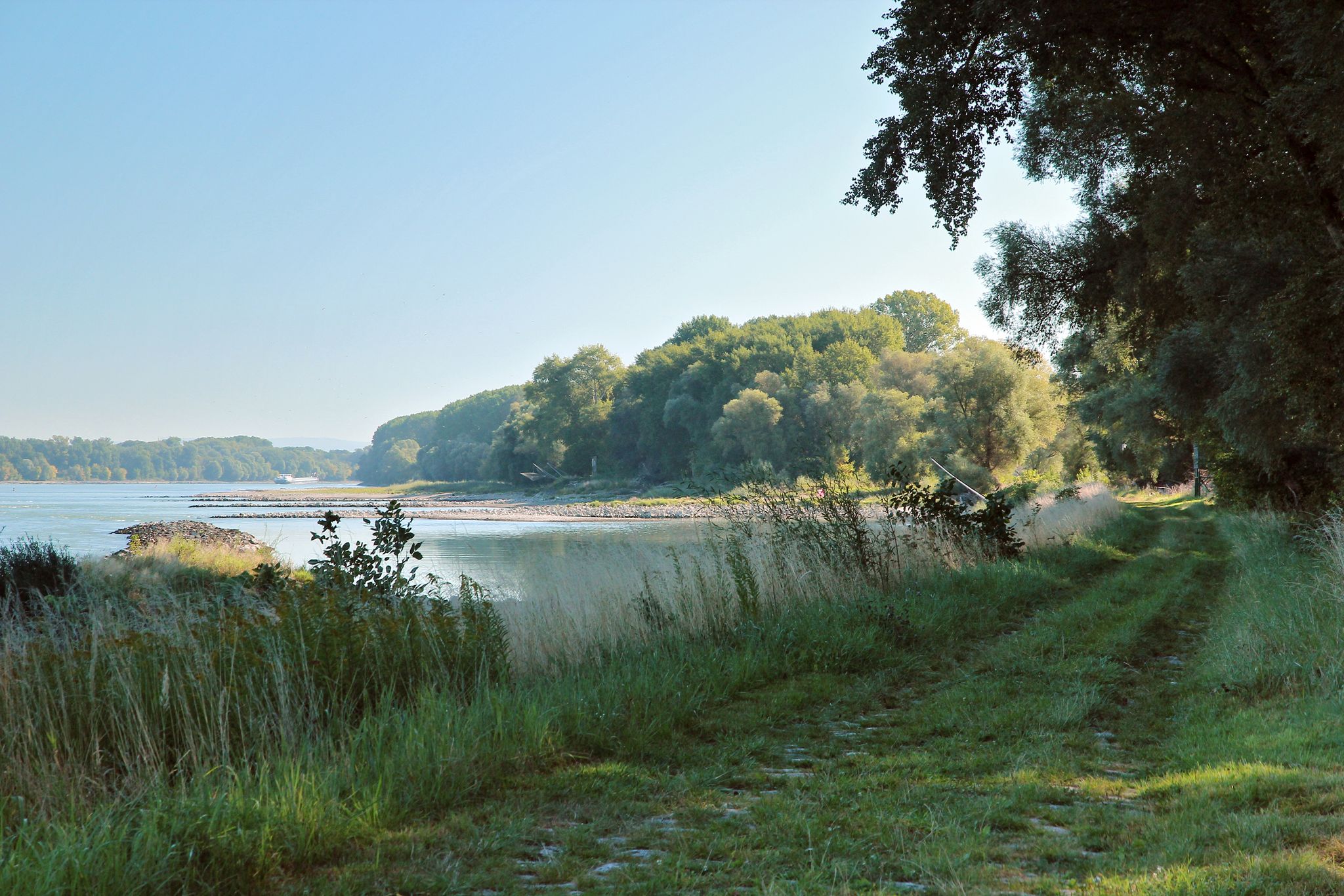
From Vienna to the state border at Hainburg - Tours in the National Park Donau-Auen
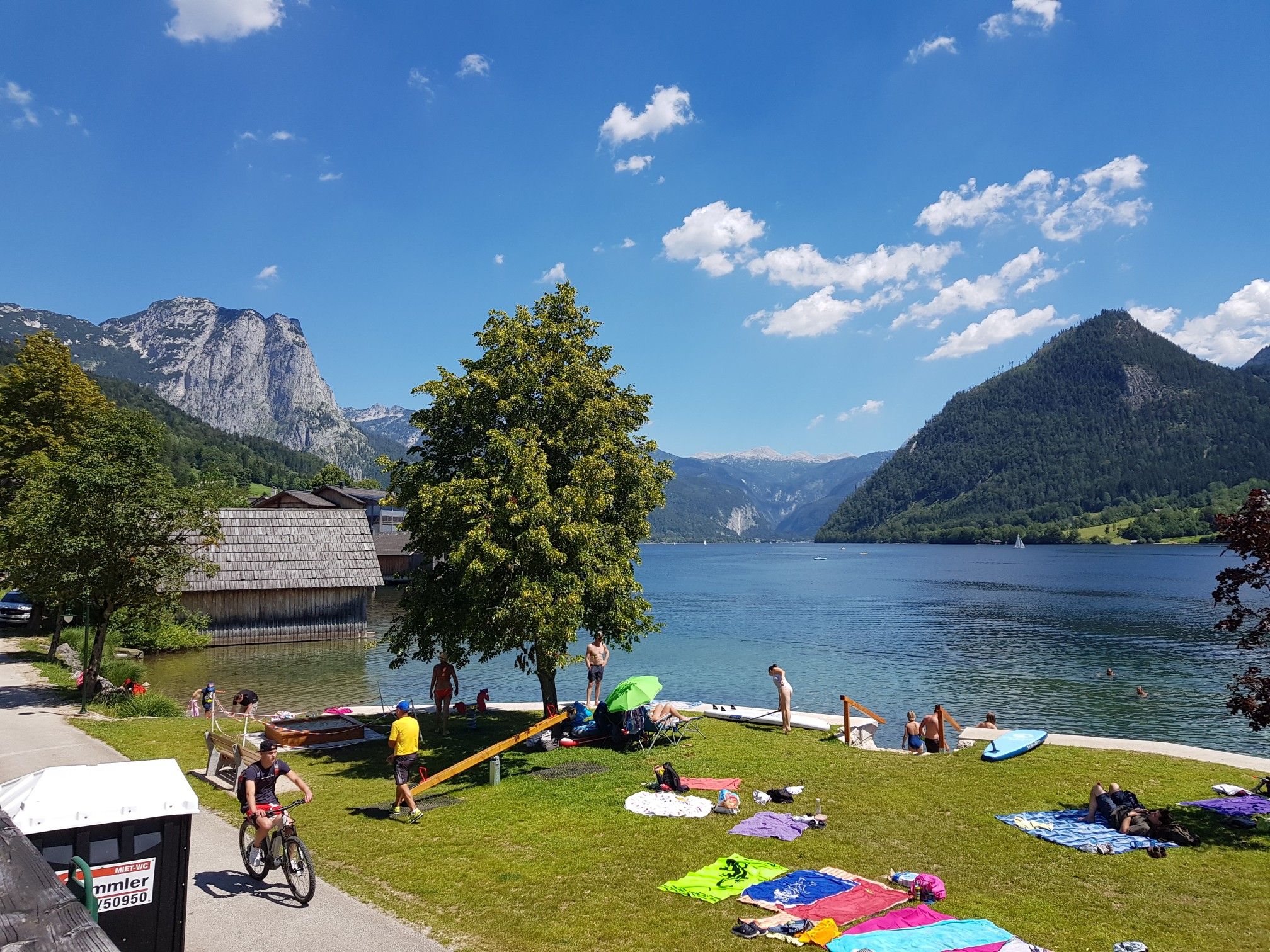
Austria's sensational swimming lakes
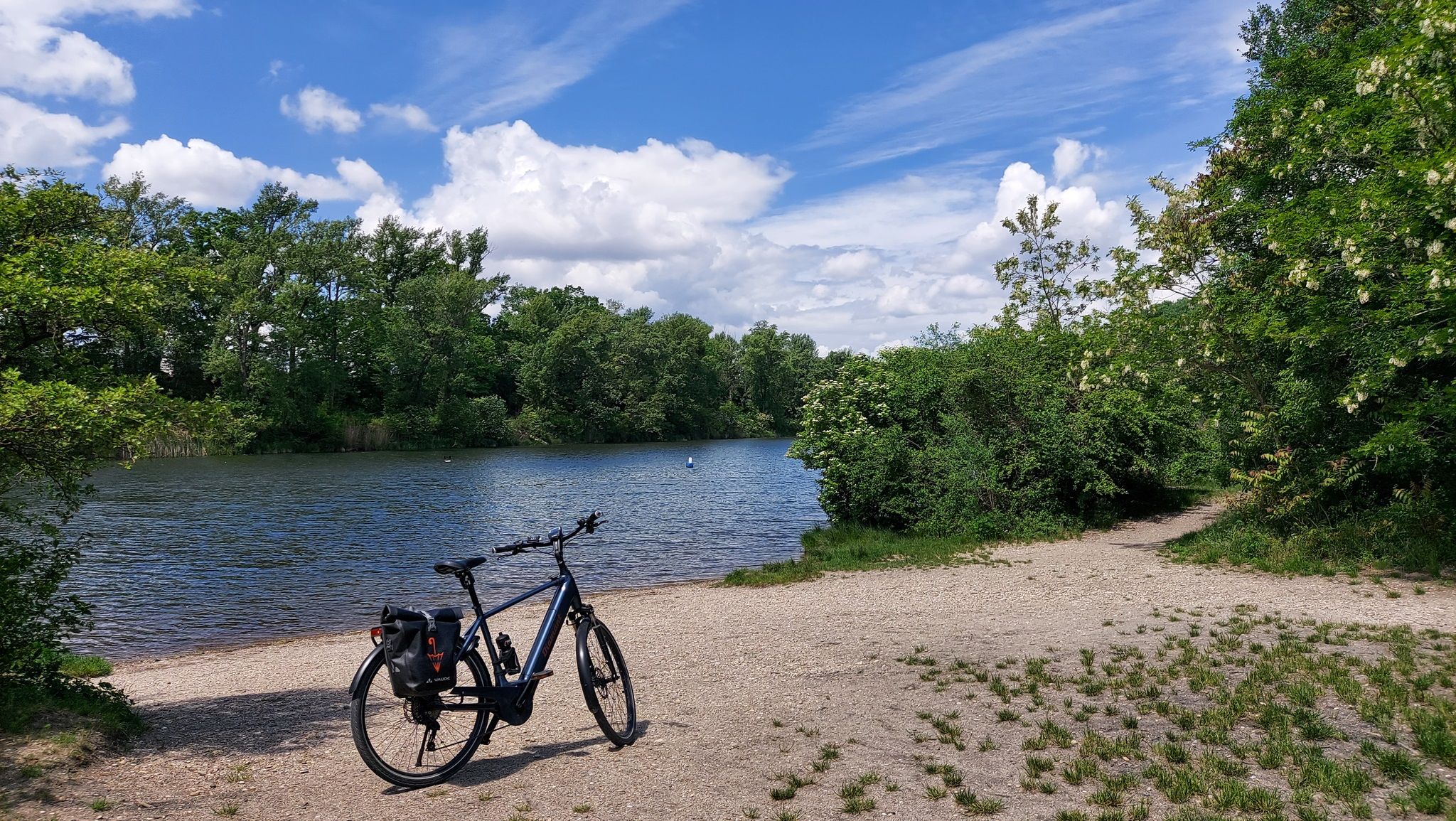
The most beautiful bathing spots around Vienna
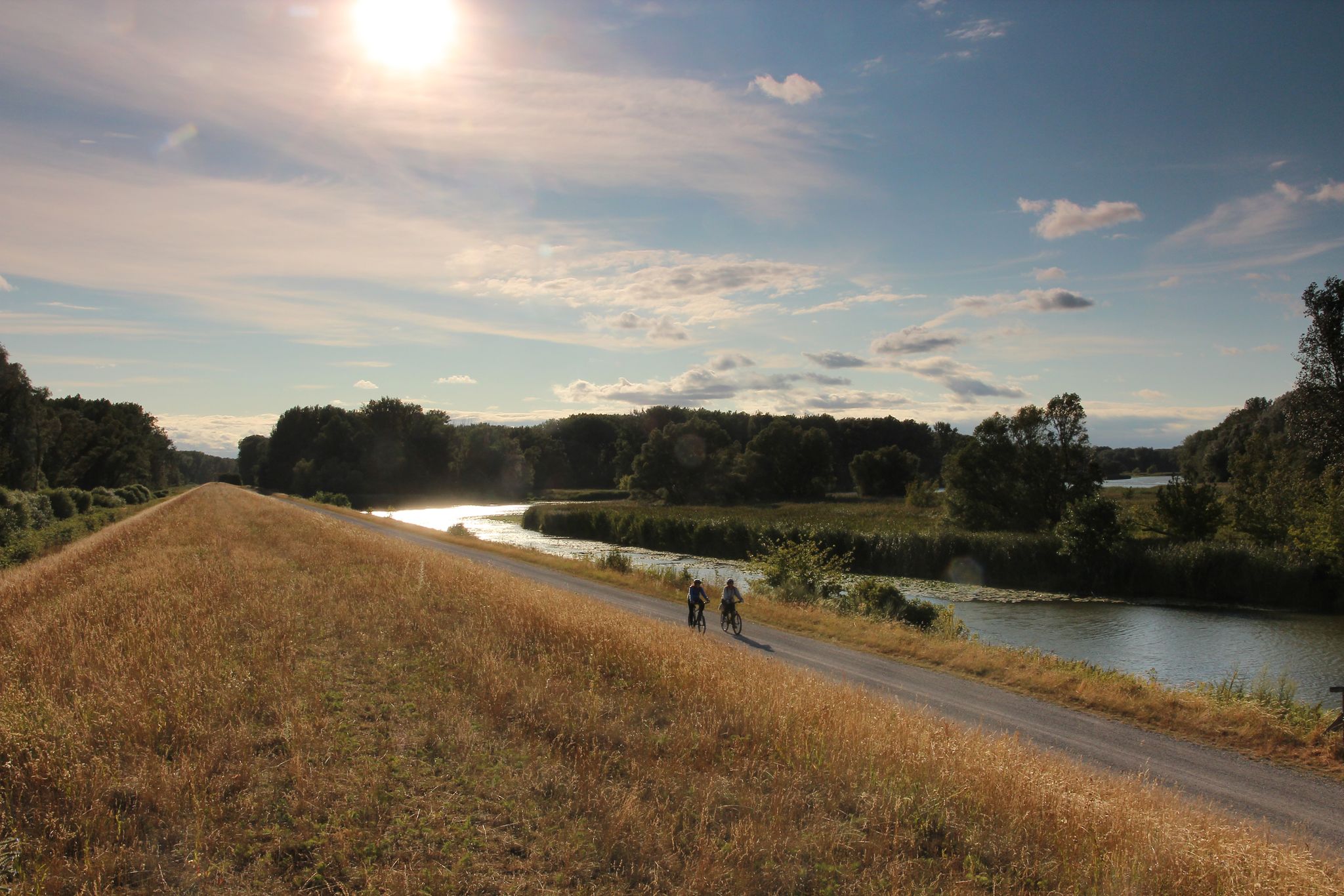
Radrouten im Nationalpark Donau-Auen
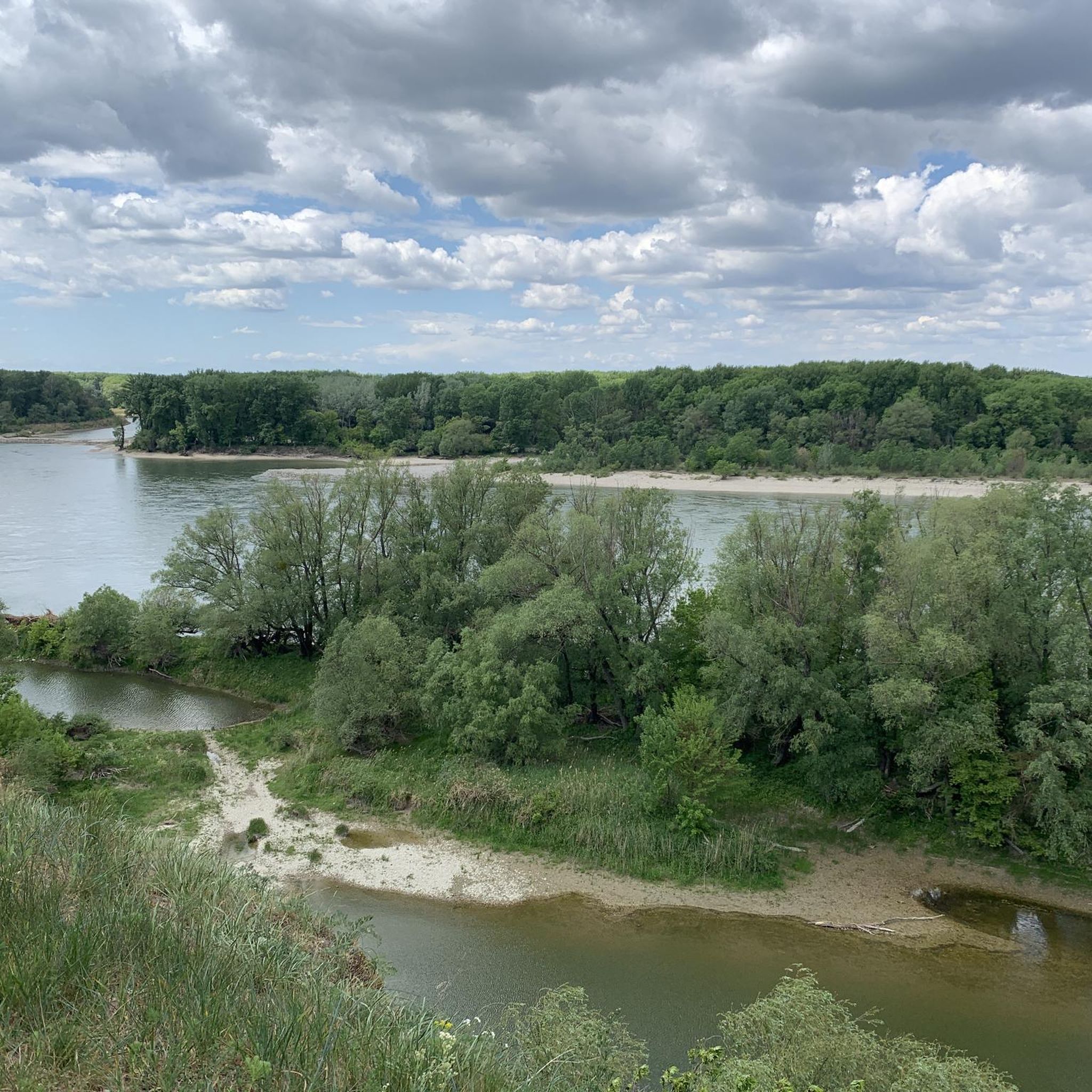
Hiking around Nationalpark Donauauen
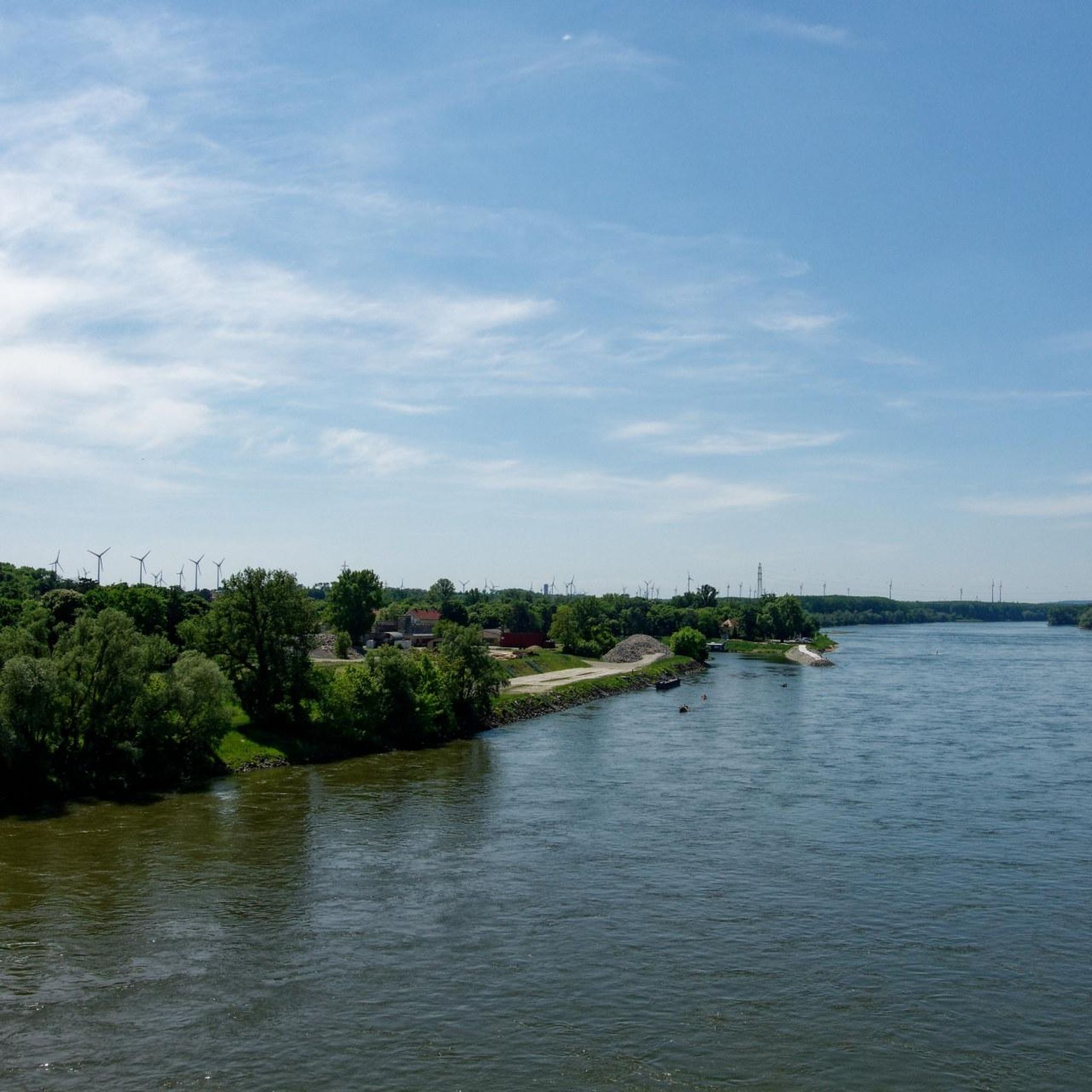
Cycling around Nationalpark Donauauen
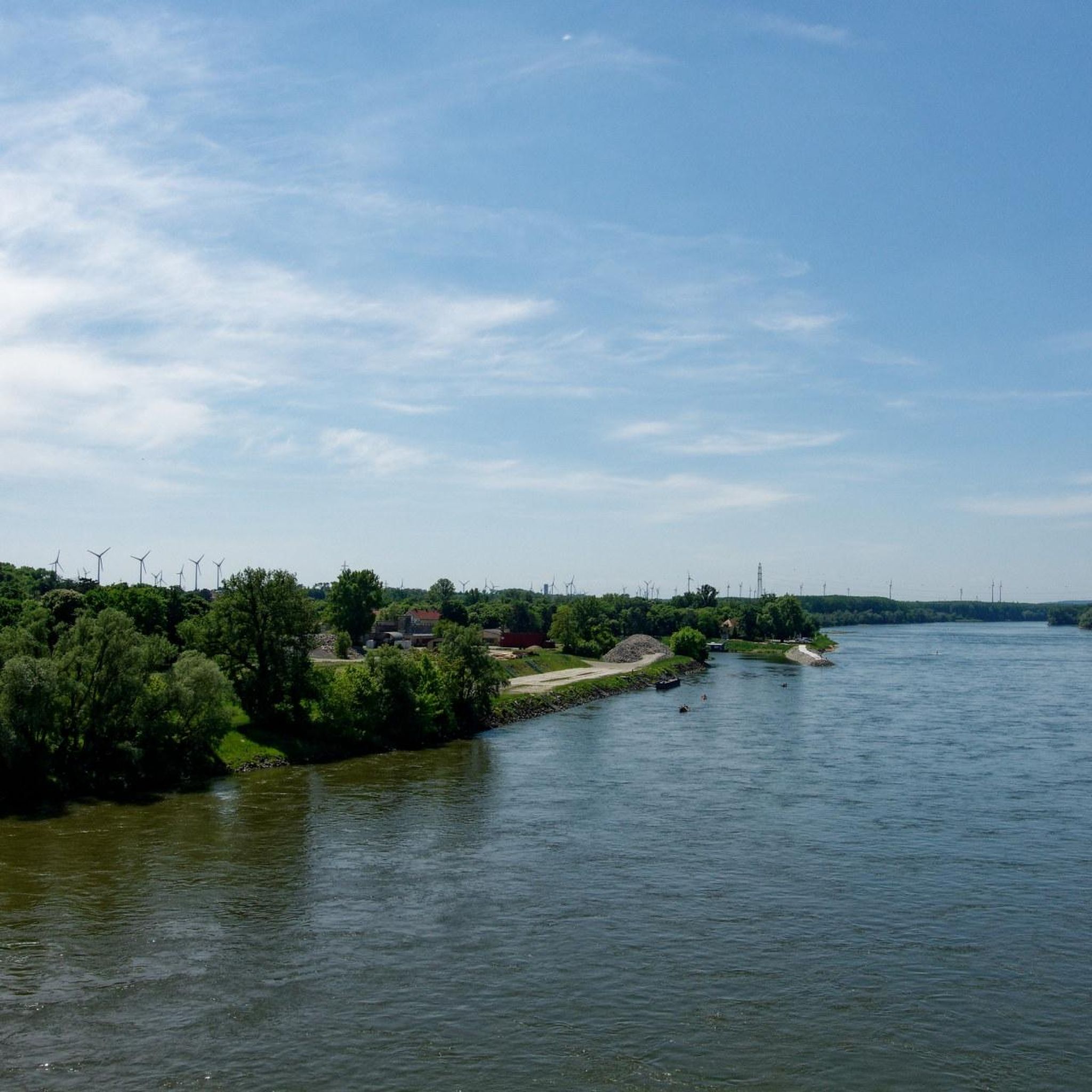
Running Trails around Nationalpark Donauauen
Road Cycling Routes around Nationalpark Donauauen
MTB Trails around Nationalpark Donauauen
Other adventures around Nationalpark Donauauen


Tips from the Community

The Götzenturm (Idol Tower) is a medieval defensive tower on the city wall of Hainburg an der Donau, built in the 13th century as part of the city's fortifications. Often referred to today as the "Water Tower," the building originally had nothing to do with water supply – the name was erroneously coined by locals. The tower was part of the fortifications for the city's defense and, with its solid construction, small window openings, and elevated position, offers a good overview of the Danube and the surrounding area. For cyclists on the Danube Cycle Path or passing through Hainburg's old town, the Götzenturm is a striking landmark and an impressive relic from the time when Hainburg was one of Austria's most powerful fortress towns.
0
0

Water tower (Idol tower), Hainburg a.d. Donau The Idol farm in the north-eastern part of the town was traditionally owned by the so-called Lords of Röthelstein, named after the extensive castle and fortification complex located about 2 km downstream on a steep rock massif above the Danube. The Röthelstein castle was founded around the middle of the 12th century by the Sonnberger family, who originally lived in the central castle on the Schlossberg. In the 13th century they were among the most powerful city ministerials in Hainburg. The Idol farm served them primarily as a power base in the town, as well as for managing their huge properties and fishing grounds in the Danube floodplains opposite, and undoubtedly also for Danube trade. The only, but extremely monumental, remnant of the Idol farm is the one built in the first half or shortly after the middle of the 13th century. The octagonal Götzenturm, built in 1444, forms the north-east corner of the city fortifications. Its first and second floors were used exclusively for military purposes (mainly to cover the nearby harbor area), while the third floor with its late Romanesque double windows undoubtedly served a representative residential function. The adjacent eastern city wall is probably one of the few places in the city fortifications that, like the Vienna and Hungarian gates and the castle's ring wall, had an external defensive gallery from which the attackers could be fought effectively from above. This information was kindly provided by Mr. Mag. Scholz and Mr. MMag. R. Woldron. Many thanks to the Monument Office, the Vienna City and State Archives, the Boltzmann Institute and the Lower Austrian State Archives. Text / Source: Donau Niederösterreich Tourismus GmbH, Schlossgasse 3, A-3620 Spitz/Donau https://www.donau.com/de/roemerland-carnuntum-marchfeld/imx/ausflug-freizeit/der-wasserturm/e30b7b356921629ae2dc8079dbed134b/
12
0

Eckartsau Castle, the headquarters of the Donau-Auen National Park of the Austrian Federal Forests, also has an information point for the Donau-Auen National Park including a castle café and the WILD°WECHSEL exhibition. Visit the national park information point, which will advise you on your personal excursion wishes. Ask about the most beautiful hiking and cycling trails or book a guided excursion in the Donau-Auen National Park on land and water. You can also book castle tours here. The castle café will spoil you with pastries, small snacks and cold and warm drinks while you rest in the idyllic courtyard of the castle. The WILD°WECHSEL exhibition tells the story of the transformation from an imperial hunting ground to a national park: Of course, the Donau-Auen cannot be easily put into two rooms. But interesting views and insights are guaranteed here. Roam through the floodplain forests on a special kind of stalking trip. Find your way. Observe and explore the surroundings. Become the target of others. Race through time and see for yourself. Cross the turbulent stream of history with its stages. From the monarchy to the present day. Become a part of our history! Spot animals, master the hunting language and become a goal scorer. Prepare to be surprised - at second glance everything is different. Visiting the exhibition is free of charge.
1
0

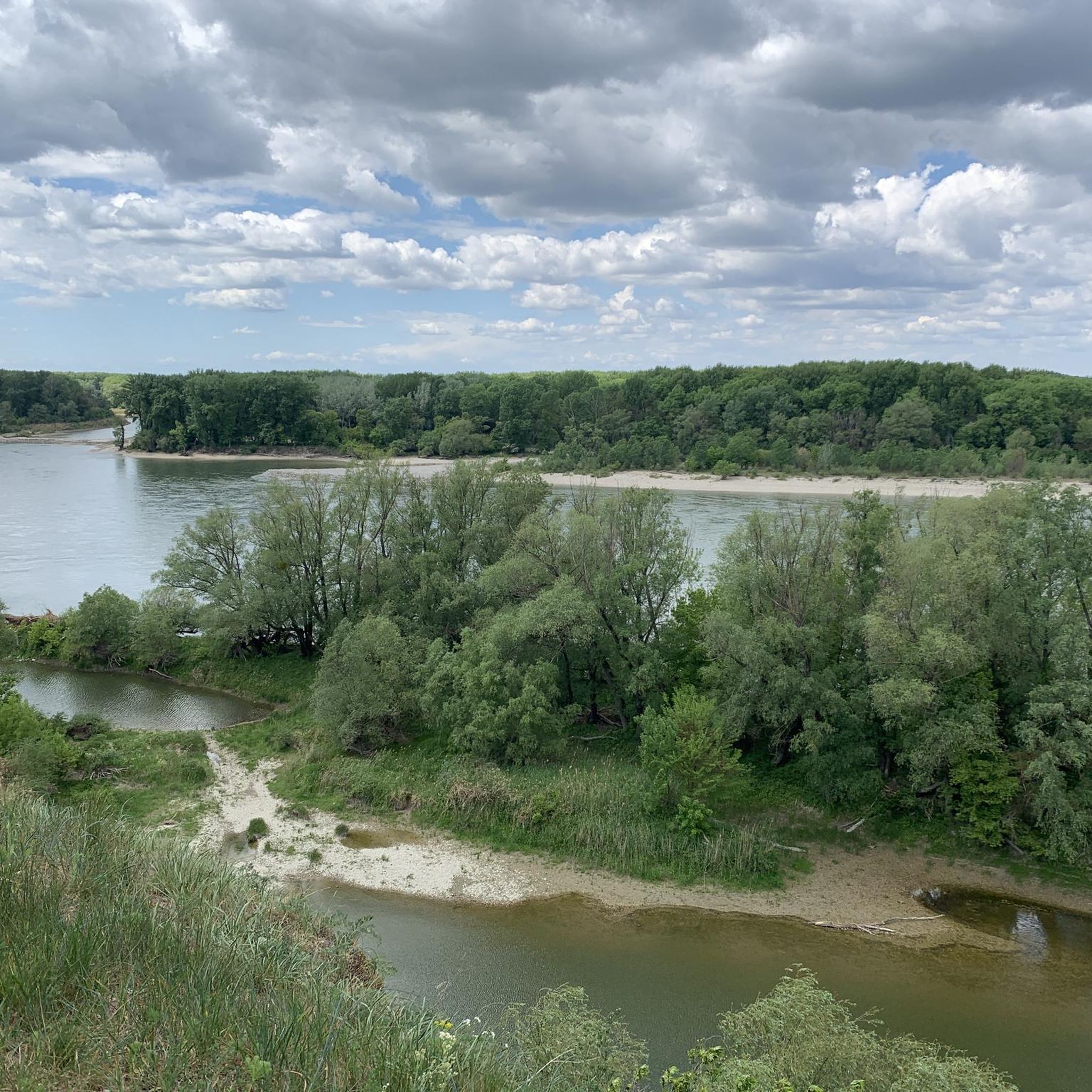
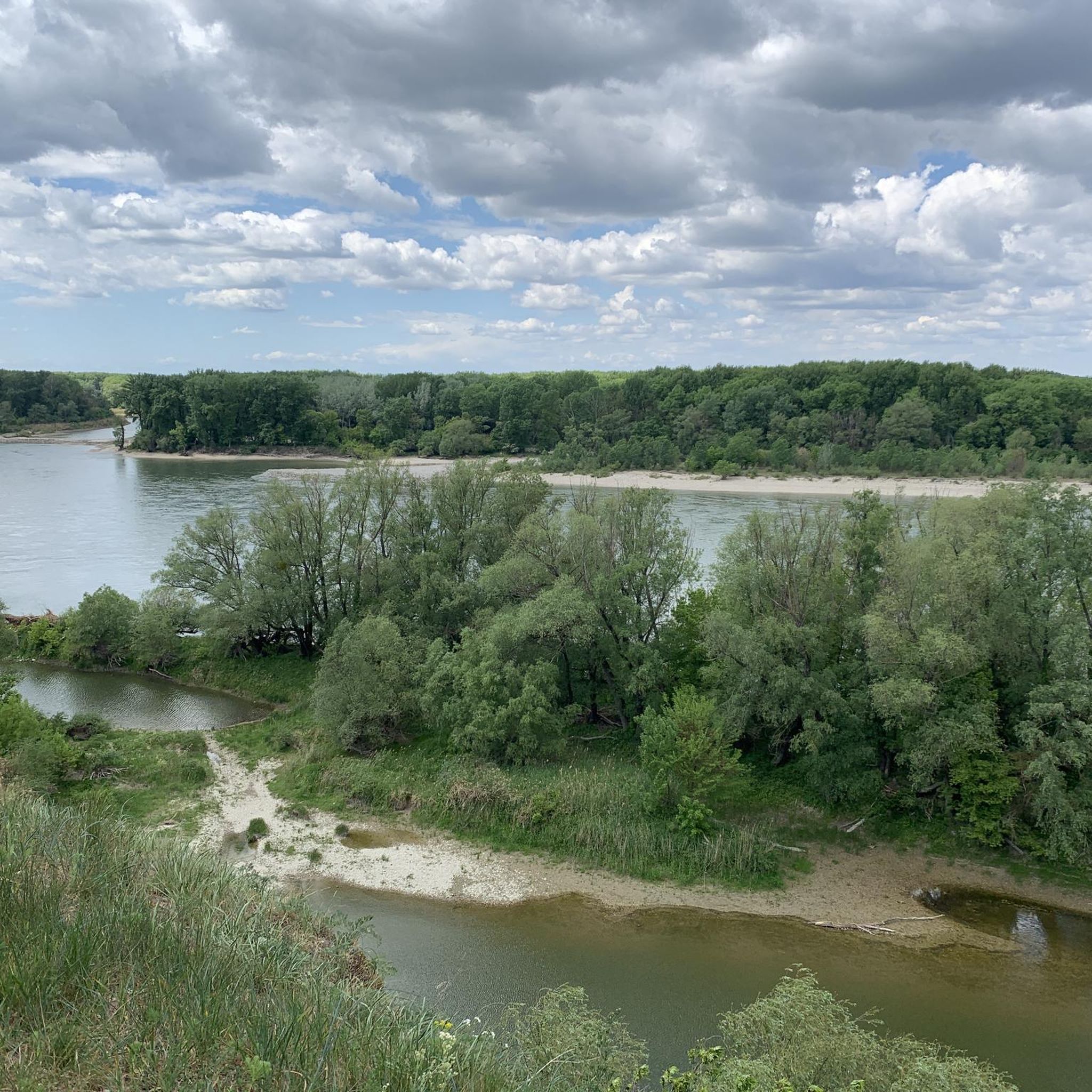
There is not much left of the castle ruins, but it offers a great view of the Danube floodplains.
1
0

In the beautiful scenery with the two-colored confluence of the Danube and Moravia, an elegant slender tower with a battlement stands out. According to legend, it is called the Virgin's Tower. After the bridge over the castle moat excavated in the 16th century and by stairs, you can reach the summit platform with the remains of the watchtower from the 13th century, which was rebuilt in the 15th century. The Upper Castle has been closed to the public since 2008, the other parts are accessible.
2
0
The former imperial hunting lodge Schloss Eckartsau, headquarters of the Donau-Auen National Park operation of the Austrian Federal Forests, is idyllically nestled in the heart of the Donau-Auen National Park. A wide range of offers for nature experiences, historical tours and national park information await you at this location.
1
0

The Röthelstein ruins are located on a 30 meter high rocky outcrop on the Danube east of Hainburg, directly opposite the Theben ruins on the Arpad rock in Slovakia. Röthelstein secured the Danube flow on the Austrian side for centuries, and Thebes did this for the Hungarians and Slovaks. Röthelstein Castle was first mentioned in a document in 1180. The first known Röthelsteiners were Ulrich, Heinrich and Irnfried, who were ministerials of the Vohburgers, once one of the most powerful noble families in this area, between 1170 and 1209 and were in their service as lords of the castle. Source: https://burgenkunde.at/niederoesterreich/ruine_roethelstein/ruine_roethelstein.htm
4
0

The octagonal water tower or "Götzenturm" - the first name comes from its location on the Danube - is a remnant of the "Götzenhof", one of the city castles that were built within the city walls by high-ranking ministerials of the Babenberg princes. The tower, as you can see it now, was built in several phases: The Romanesque tower was built in the first half of the 13th century and originally had three floors. On the second floor you can still see two walled-up battlements from the former closure. In the second half of the 13th century, another representative floor with arched bifore windows was added, two of which are still preserved. A wooden beam used in this construction phase could be precisely dated; the spruce was felled in the winter of 1239/1240. After a partial collapse, it was rebuilt in the late Gothic period. A high entrance with a drawbridge was added to the first floor. Today you enter the tower through this entrance. Towards the end of the 15th century, an earth wall was built around the ground floor for defensive purposes and the interior was filled with earth (source: https://www.kulturerbe-hainburg.at/info/geschichte/).
3
0
Frequently Asked Questions
What types of castles can I explore in the Nationalpark Donauauen region?
The Nationalpark Donauauen region offers a diverse range of historical structures, including medieval moated castles, impressive castle ruins, and elegant baroque hunting lodges. You can find everything from ancient fortifications to imperial residences, each with its own unique history and architectural style.
Are there any castles in the region that are particularly family-friendly?
Yes, Eckartsau Castle is a great option for families. It's a baroque hunting lodge with an extensive historical landscape garden that is open year-round with free entry, perfect for walks. Additionally, Schloss Orth an der Donau, which serves as the National Park Centre, features the 'Auerlebnisgelände Schlossinsel,' an adventure area on the castle island designed to showcase local flora and fauna, including an underwater observation station, making it highly engaging for children.
Which castles offer the best panoramic views of the surrounding landscape?
Hainburg Castle, perched on the Schlossberg Hill, provides breathtaking panoramic views of the Donau-Auen National Park, the town of Hainburg, and even Bratislava on a clear day. Devín Castle also offers beautiful views of the confluence of the Morava and Danube rivers.
What historical significance do the castles in Nationalpark Donauauen hold?
The castles in this region are rich in history. For example, Devín Castle served as an important historical crossroads, used by Romans as a military base. Hainburg Castle is recognized as one of Europe's best-preserved city fortifications, built around 1050. Eckartsau Castle is notable as the last residence of Emperor Karl I before his exile at the end of the Danube Monarchy.
Are there hiking opportunities near the castles?
Yes, the region offers excellent hiking opportunities. Hainburg Castle is a popular destination for hikers, with accessible trails leading to the ruins. The extensive park at Eckartsau Castle is also ideal for tranquil walks. For more hiking options, you can explore the easy hikes around Nationalpark Donauauen, which include routes like the 'Circular route Eckartsau'.
What is the best time of year to visit the castles in Nationalpark Donauauen?
The castles in the Nationalpark Donauauen region can be enjoyed throughout the year, but spring and autumn offer particularly pleasant weather for exploring the outdoor areas and castle parks. Spring brings blooming gardens, while autumn provides beautiful foliage. Summer is also popular, especially for combining castle visits with other outdoor activities in the National Park. Some castles, like Eckartsau, have parks open year-round.
Can I visit Schloss Orth an der Donau, and what does it offer?
Schloss Orth an der Donau is a 12th-century medieval moated castle that now functions as the National Park Centre. It hosts the National Park's information and visitor center, a museum on local history, and the 'Auerlebnisgelände Schlossinsel' adventure area. It's an excellent place to combine historical exploration with learning about the Donau-Auen National Park's ecosystems.
Are there any cycling routes that pass by these castles?
Yes, the region is well-suited for cycling. Eckartsau Castle is located directly on the Danube cycle path. You can find various cycling routes, including road cycling and gravel biking, that explore the area around the Nationalpark Donauauen. For more details, check out the Road Cycling Routes around Nationalpark Donauauen or Gravel biking around Nationalpark Donauauen guides.
What do visitors particularly enjoy about the castles in this region?
Visitors frequently praise the stunning panoramic views offered by castles like Devín Castle and Röthelstein Castle Ruins. The blend of historical exploration with the natural beauty of the Danube wetlands is also highly appreciated. Many enjoy the well-preserved fortifications and the opportunity to delve into imperial history.
Is there an entry fee for Hainburg Castle, and is parking available?
Hainburg Castle offers free entry, making it an accessible historical and scenic experience. Parking is also available, contributing to its popularity among visitors.
Can I take guided tours at any of the castles?
Yes, daily guided tours are available at Eckartsau Castle, allowing visitors to explore its ornate baroque state rooms and learn about its connection to the end of the Danube Monarchy. Schloss Orth an der Donau, as the National Park Centre, also offers various events and guided tours focused on both its history and the National Park's ecosystems.
Are there any unique natural features to observe near the castles?
The castles are situated within the Nationalpark Donauauen, a significant natural landscape characterized by the Danube wetlands and riparian forests. Schloss Orth an der Donau's 'Auerlebnisgelände Schlossinsel' features an underwater observation station to showcase local river flora and fauna. Devín Castle offers views of the confluence of the Morava and Danube rivers, a notable natural landmark.
Most popular routes around Nationalpark Donauauen
Most popular attractions around Nationalpark Donauauen

Get inspired with the komoot mobile app


Explore more
Looking for the best castles somewhere else? Discover other guides around Nationalpark Donauauen:
