Top 11 Caves in Hameln-Pyrmont
Caves in Hameln-Pyrmont offer a range of geological and historical experiences. The region features unique natural formations, including Germany's northernmost stalactite cave and a site known for its natural gas emissions. These natural attractions Hameln-Pyrmont provide insights into geological processes and local history. The landscape combines developed visitor sites with more natural, less explored cave environments.
Best caves in Hameln-Pyrmont
- The most popular caves is Schillat Cave, a cave recognized as Germany's northernmost stalactite cave. This cave features sparkling…
Last updated: October 1, 2026
Schillat Cave
Highlight • Cave
Translated by Google •
Tip by

Dunsthöhle Bad Pyrmont
Highlight • Cave
Translated by Google •
Tip by

Sign up now to discover places like this
Get recommendations on the best single tracks, peaks, & plenty of other exciting outdoor places.
Dunsthöhle (Vapor Cave) Bad Pyrmont
Highlight • Cave
Translated by Google •
Tip by

Gauss Grotto (1904)
Highlight • Cave
Translated by Google •
Tip by

Schillathöhle Quarry
Highlight • Structure
Translated by Google •
Tip by

Old Tunnel at Kukesburg
Highlight • Cave
Translated by Google •
Tip by

Hüttenstollen Visitor Mine and Museum, Osterwald
Highlight • Historical Site
Translated by Google •
Tip by

Schillat Cave (Dripstone Cave)
Highlight • Cave
Translated by Google •
Tip by

Steinbrinkstollen Mining Tunnel Entrance
Highlight • Historical Site
Translated by Google •
Tip by

Castle Tunnel
Highlight • Castle
Showing Translation
Tip by
Sign up for free to discover even more caves in Hameln-Pyrmont.
Already have an account?
Start today with a free account
Your next adventure awaits.
Popular around Hameln-Pyrmont
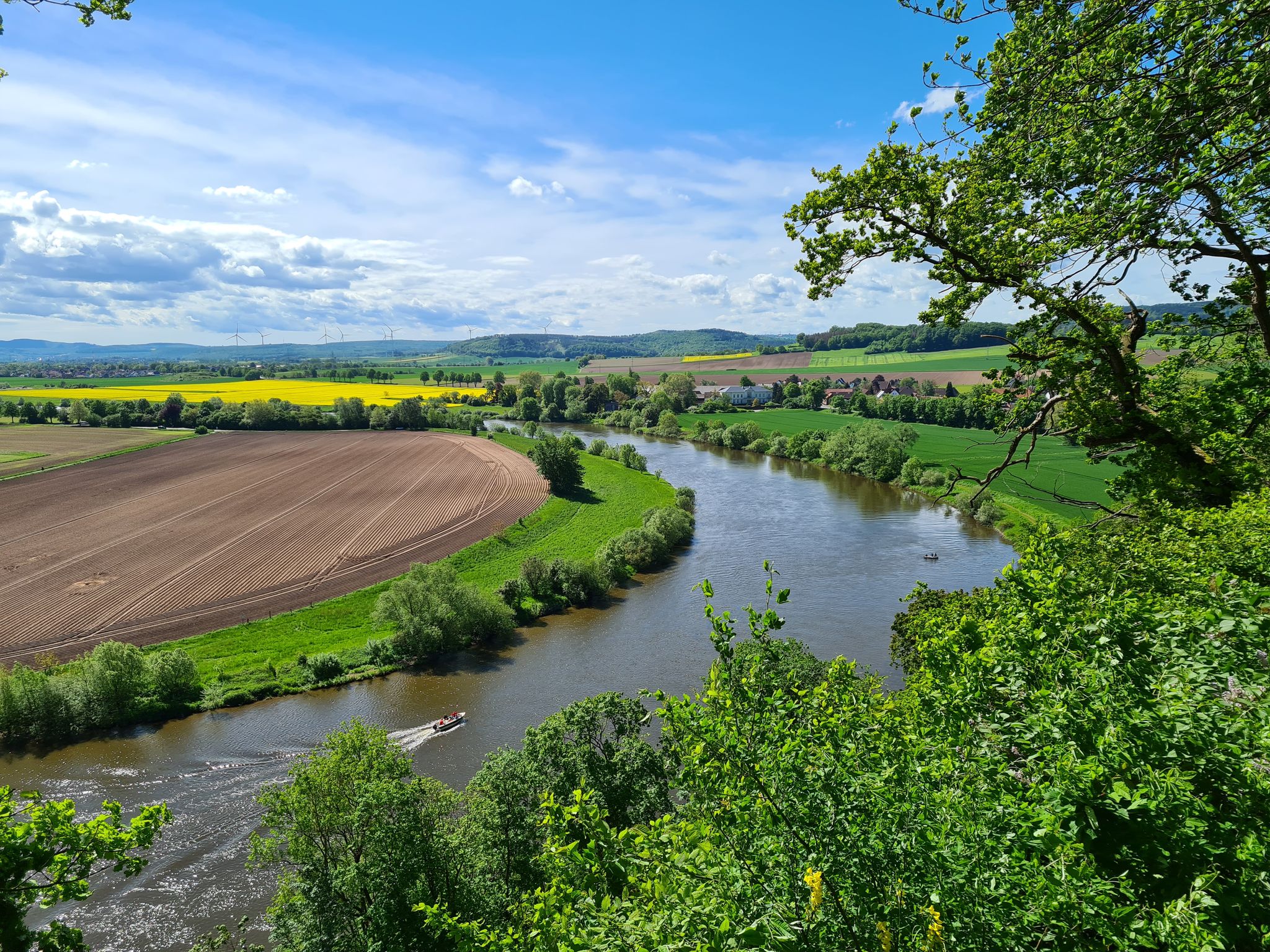
Loccum-Volkenroda pilgrim's way – From monastery to monastery
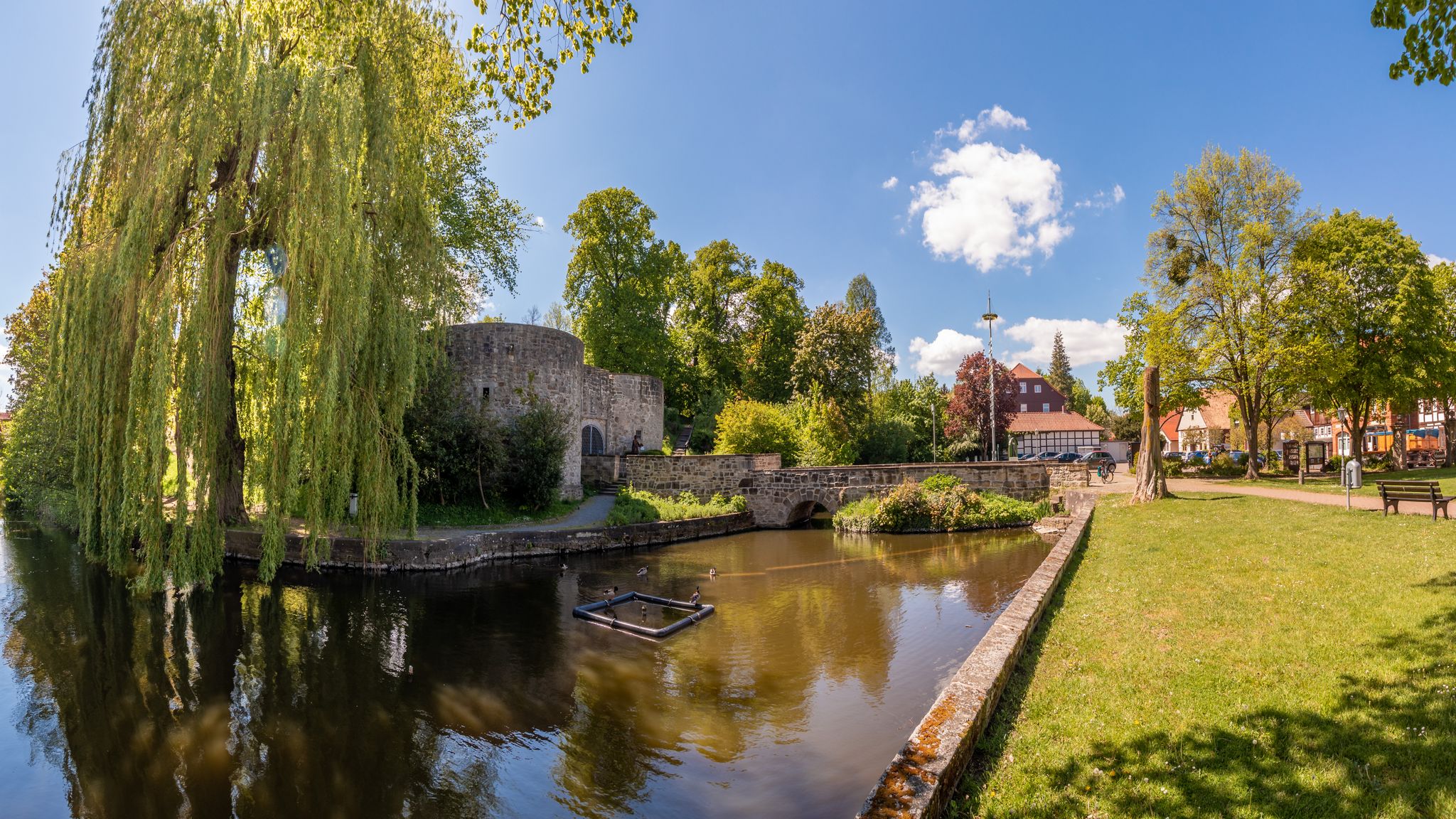
Berlin-Hameln Cycle Route – From West to East
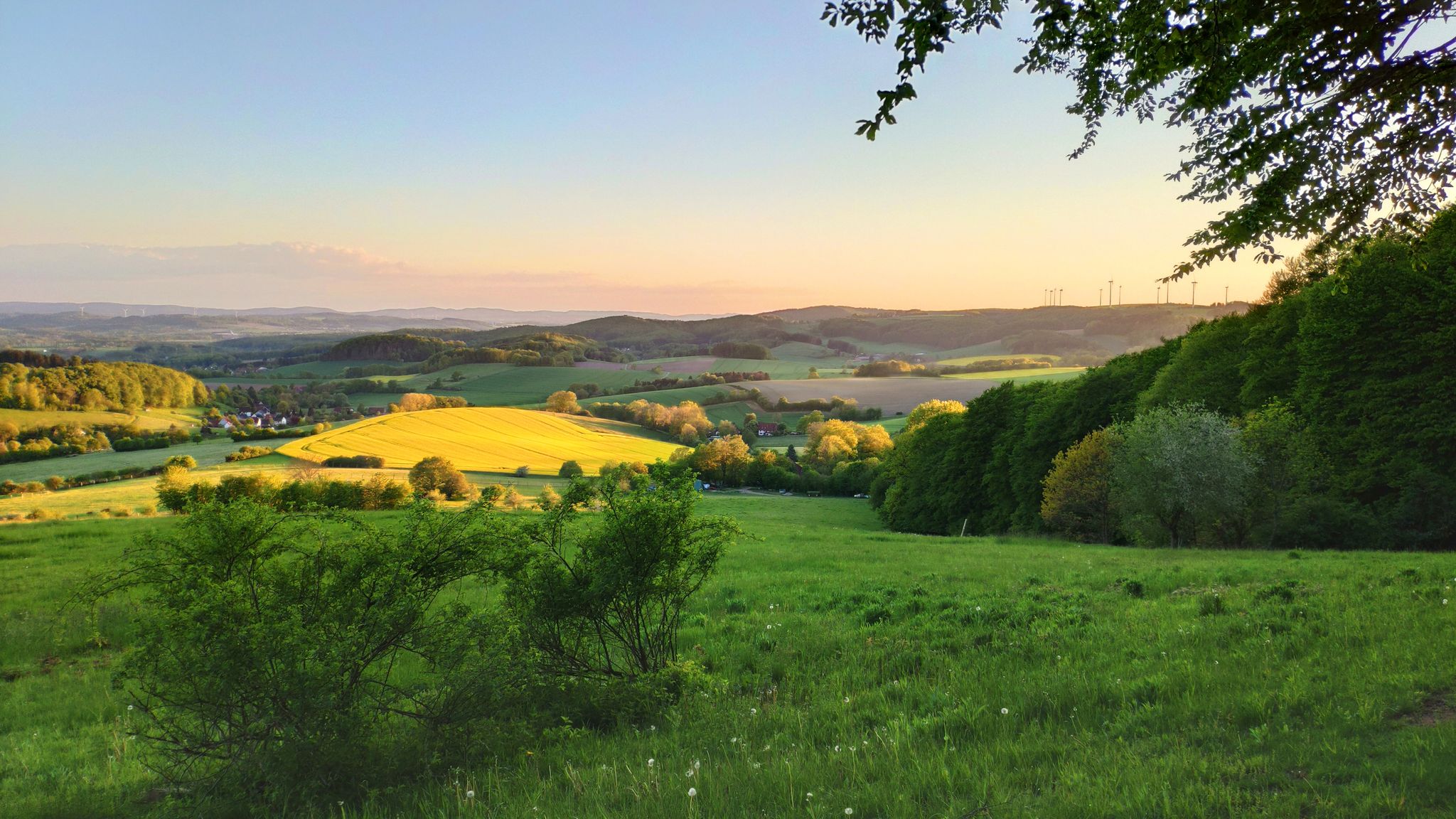
Hansa Trail in 6 stages – Hills and fun in Germany's Lipper Bergland
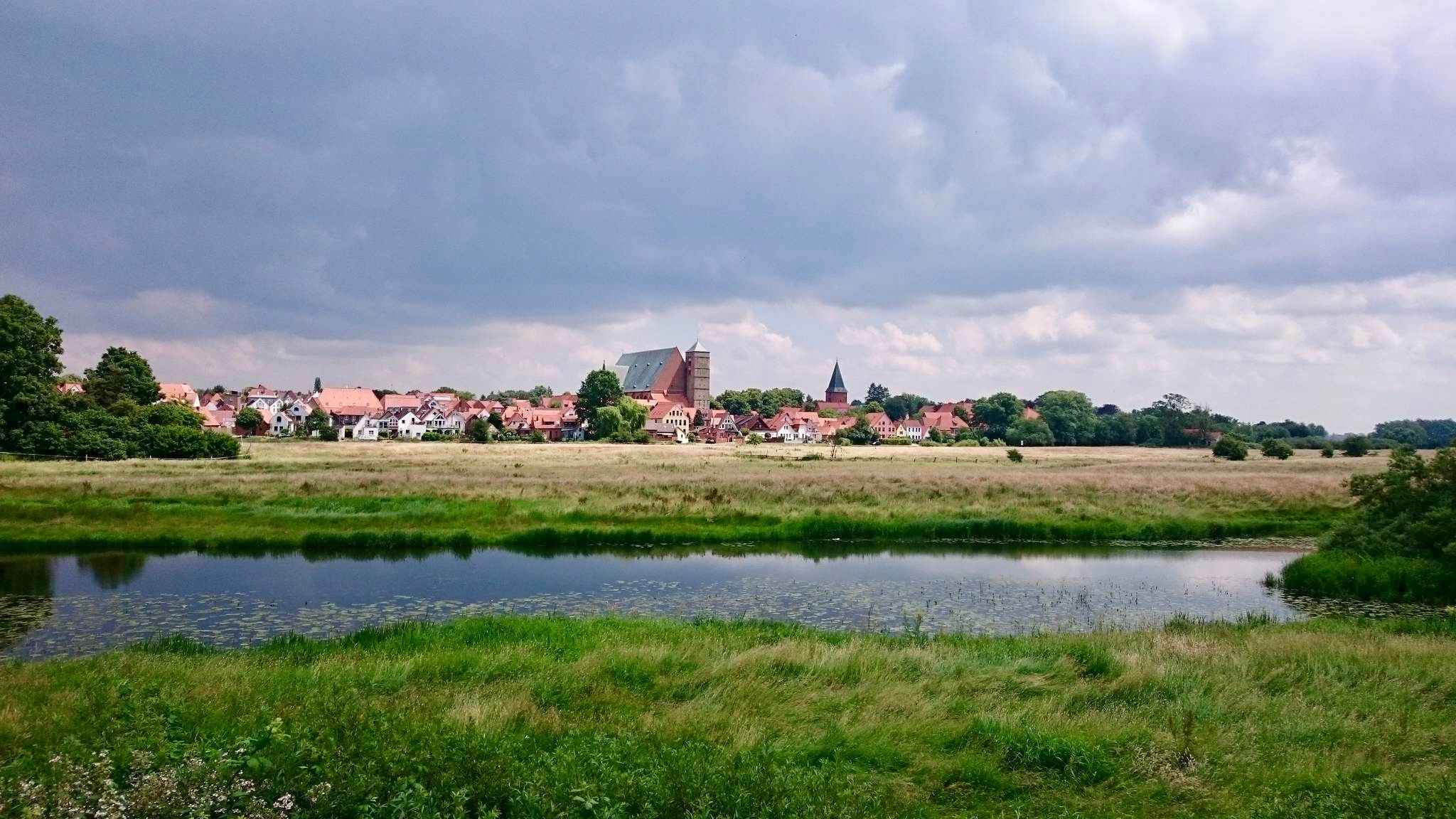
The Weser Cycle Path
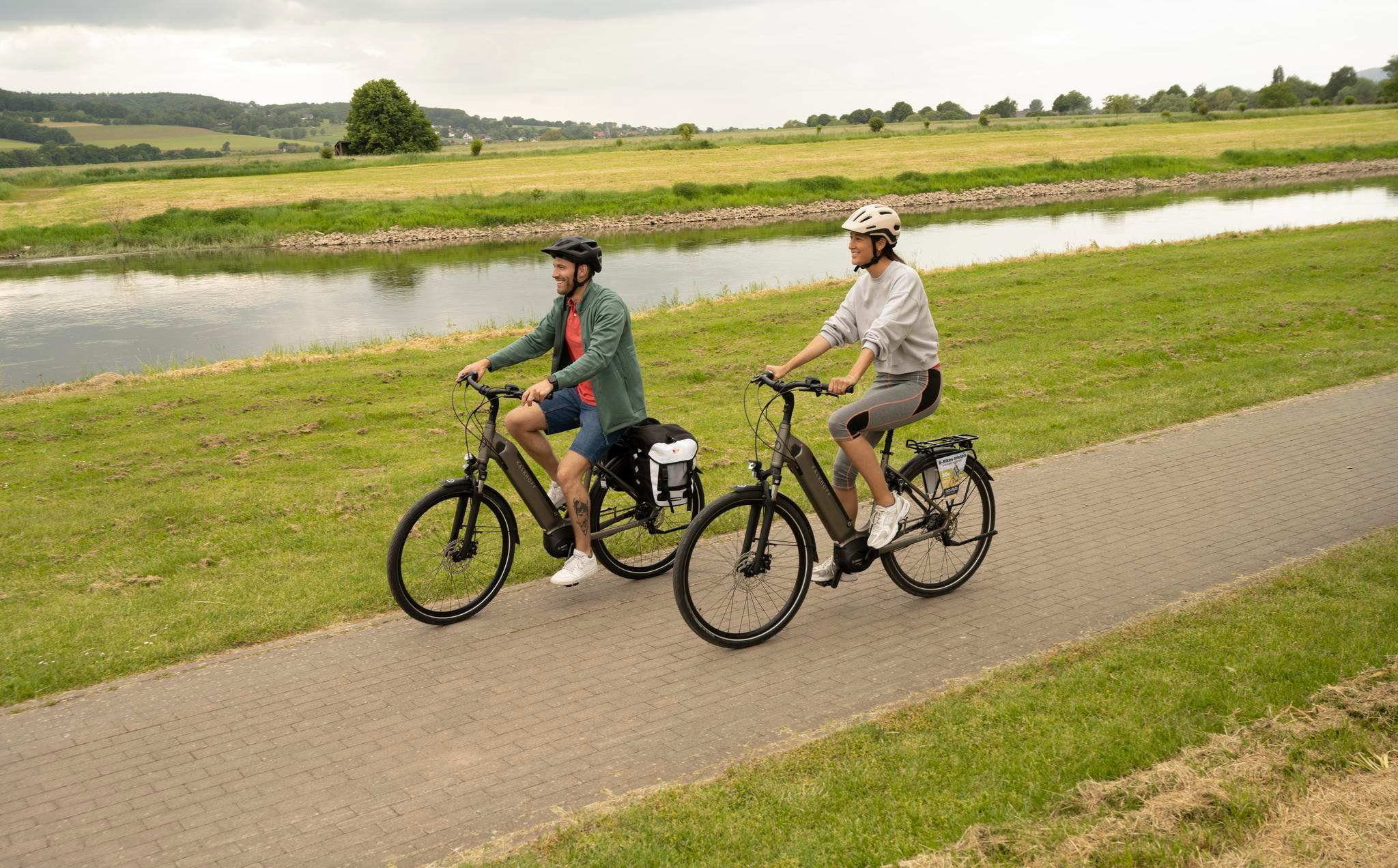
Relaxed rides in the Weser Uplands – E-bike routes with spectacular views
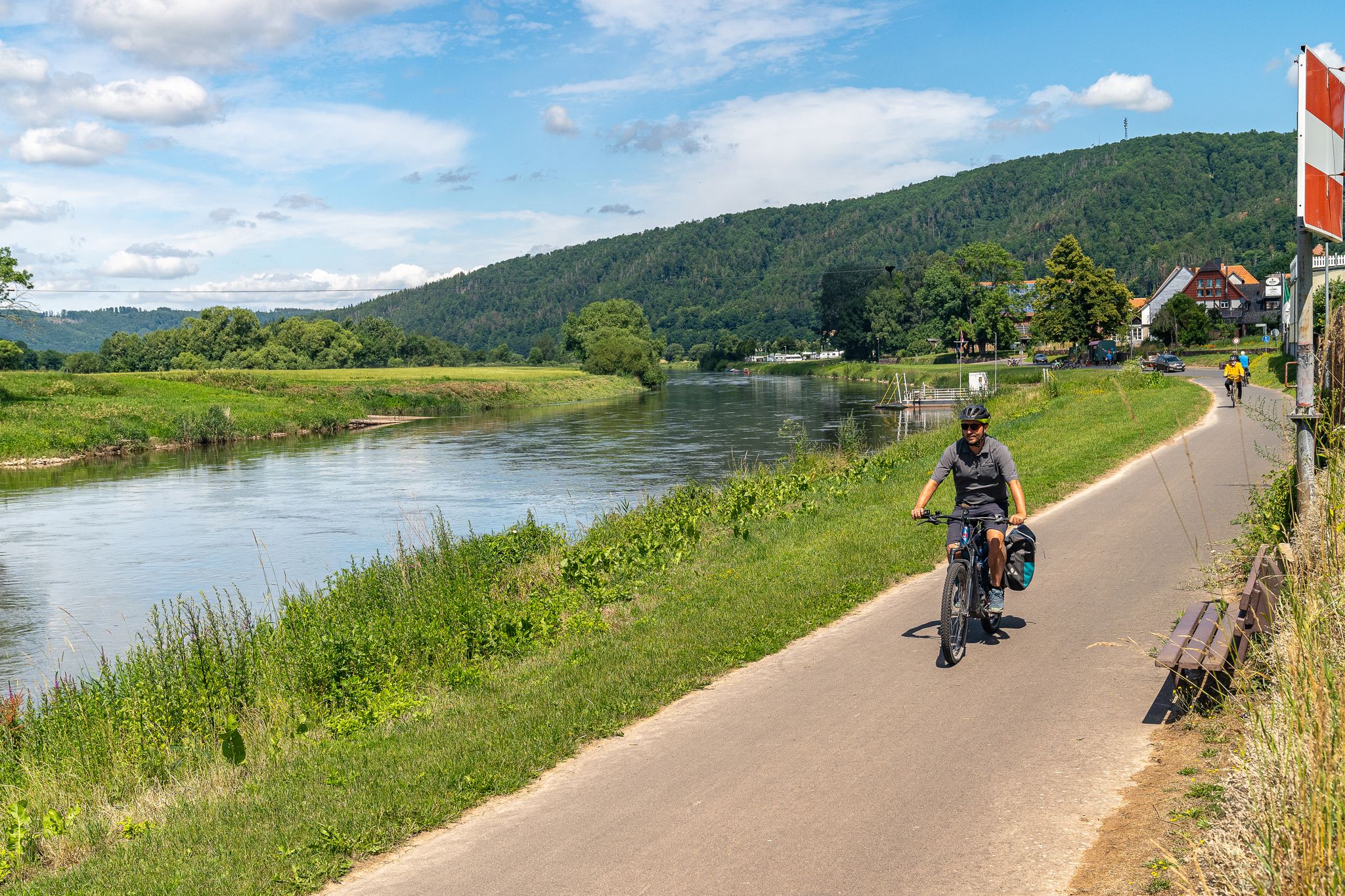
Freedom and pure cycling pleasure – Bike & Camp in the Weser Uplands

The National Natural Landscapes in Niedersachsen
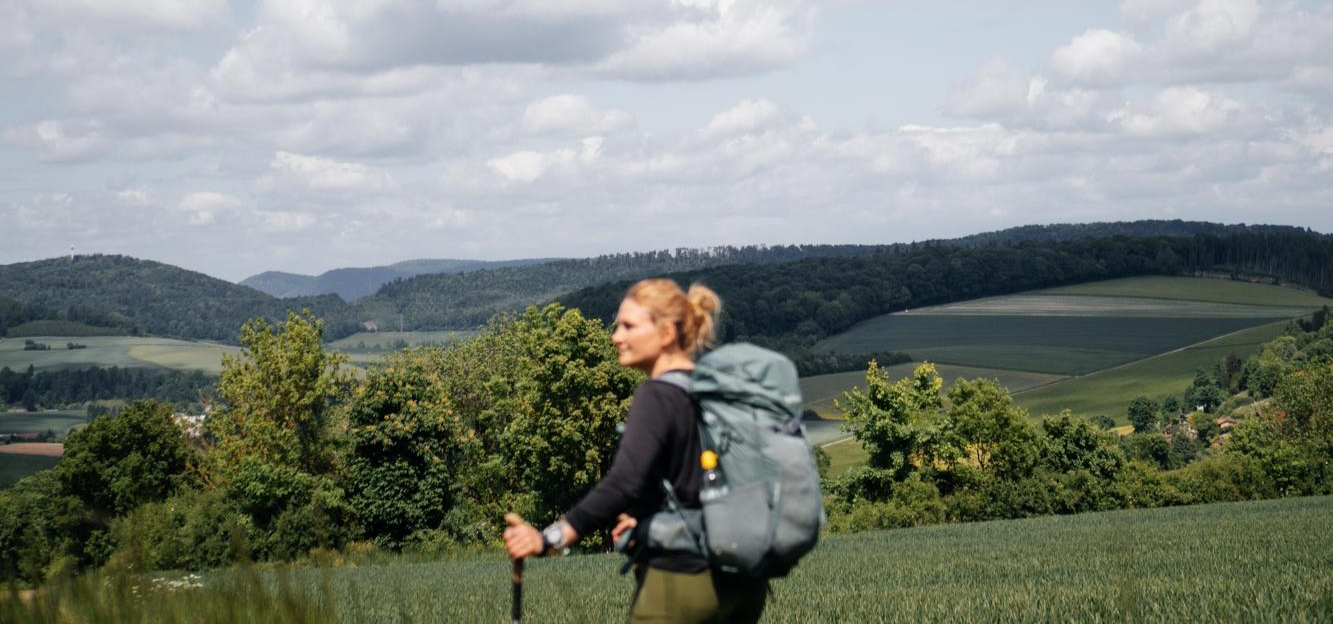
Ith-Hils-Weg with Fräulein Draußen
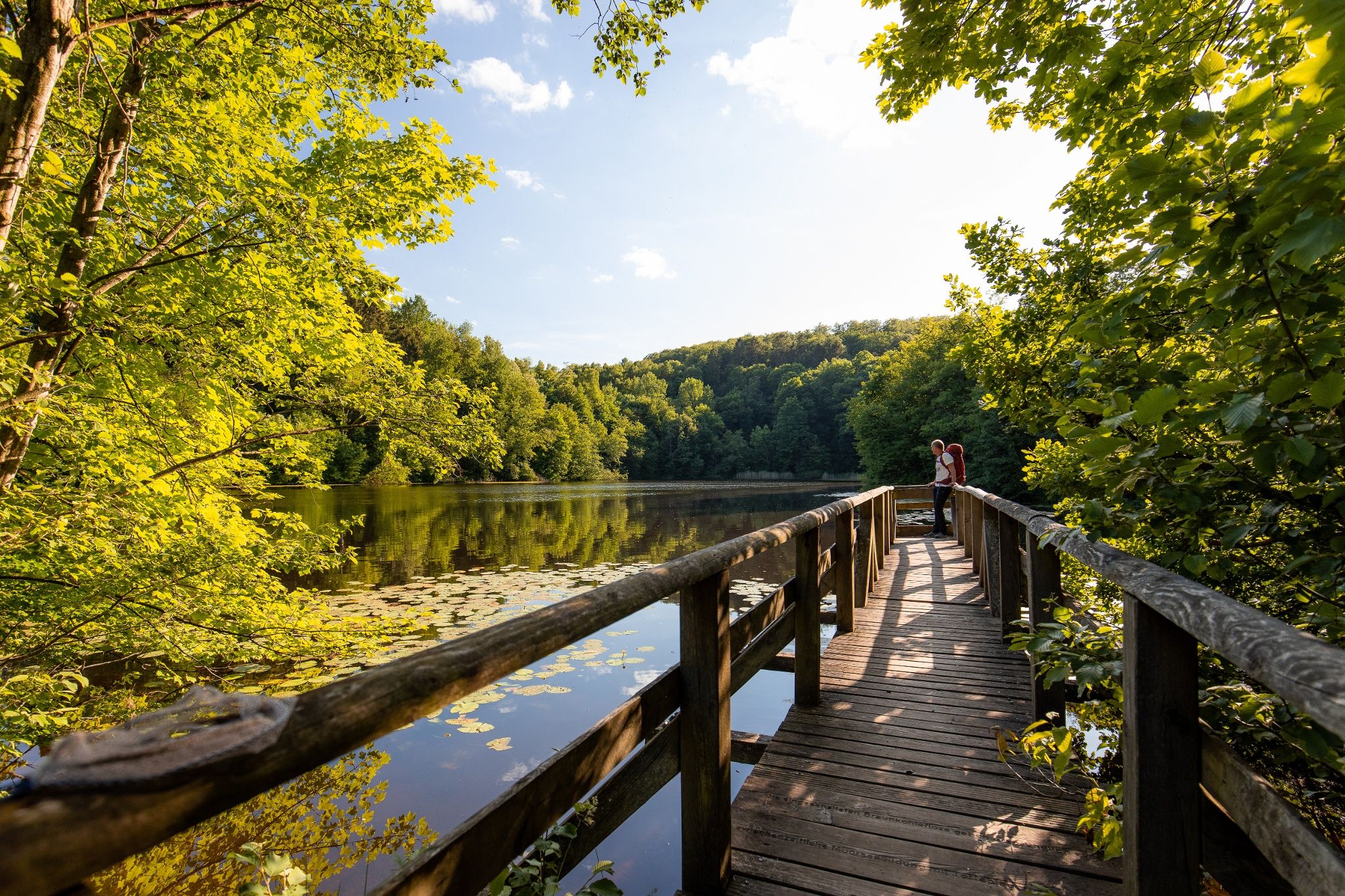
Time in the countryside – recharge your batteries in the Weserbergland

Nature, culture & cycling fun – top 10 Tours in the Weser Uplands
Other adventures in Hameln-Pyrmont


Tips from the Community

From the outside, it's hard to believe that there are several castle tunnels here and that they are also free to visit. Have fun discovering.
1
0

Beautiful facility to linger
0
0

The Haze Cave is unique in Germany. It is located on the site of a former quarry where red sandstone was extracted in the 17th century. Quarry workers noticed a "haze" at a certain depth that caused people to faint. Dead birds were repeatedly found in the pit. Well doctor Dr. Johann Philipp Seip came to Pyrmont in 1712 and investigated the phenomenon. He suspected it was sulfur vapor. Carbon dioxide (CO2) was only discovered a few years later as atmospheric acid. The metal half-shells symbolize the numerous springs in Bad Pyrmont.
1
0

Tunnel entrance directly on the path
0
0
Almost overgrown quarry, worth the little detour
0
0


The quarry is very impressive. It is part of the cave tour.
0
0

In summer you have to look for the entrance because the plants are very tall then.
0
0
Frequently Asked Questions
What makes the caves in Hameln-Pyrmont unique?
The Hameln-Pyrmont region offers distinct cave experiences. It is home to Schillat Cave, recognized as Germany's northernmost stalactite cave, featuring sparkling crystals and a 'Märchenwald' (fairy tale forest). Additionally, the Dunsthöhle Bad Pyrmont is unique for its historical connection to early scientific understanding of carbon dioxide emissions.
Can families visit the caves in Hameln-Pyrmont?
Yes, several caves in the region are family-friendly. Schillat Cave offers an educational and visually impressive experience with guided tours, suitable for children. The Dunsthöhle Bad Pyrmont also provides an interesting historical and natural phenomenon that can engage families. The Hüttenstollen Visitor Mine and Museum is another family-friendly option, offering insights into historical mining.
What is the historical significance of the Dunsthöhle Bad Pyrmont?
The Dunsthöhle Bad Pyrmont holds significant historical and scientific interest. It's unique in Germany for its natural carbon dioxide emissions, which were observed by quarry workers in the 17th century and later investigated in 1712. It offers a glimpse into the early understanding of natural gas phenomena.
Are there caves suitable for nature enthusiasts interested in wildlife?
Yes, the Cliffs and Bat Caves in the Kleiner Deister area are ideal for nature enthusiasts. These natural rock formations serve as important habitats for bats and other wildlife, offering an opportunity to observe local fauna in their natural environment. This area provides a more natural and less developed caving experience.
Is the Schillat Cave accessible for visitors with mobility needs?
Yes, Schillat Cave is noted as wheelchair accessible, making it suitable for visitors with mobility needs to experience Germany's northernmost stalactite cave.
What kind of guided tours are available for the caves?
The Schillat Cave can only be visited as part of a guided tour, which provides detailed information about its geological features and history. The Hüttenstollen Visitor Mine and Museum also offers guided tours that delve into the history of coal mining and geology.
What outdoor activities can I combine with a visit to the caves?
The Hameln-Pyrmont region offers various outdoor activities. You can explore numerous hiking trails, including those around the Schillat Cave like the 'Höllenbachtal Forest Path' or 'Schaumburg' routes. For more hiking options, see the Waterfall hikes in Hameln-Pyrmont or Easy hikes in Hameln-Pyrmont guides. Road cycling is also popular, with routes like 'Old Harbor, Rinteln – Old Weser Bridge' available; find more in the Road Cycling Routes in Hameln-Pyrmont guide.
Are there other historical underground sites to explore besides natural caves?
Yes, in addition to natural caves, you can visit the Hüttenstollen Visitor Mine and Museum in Osterwald. This site offers insights into the region's mining history, showcasing the working conditions of miners and the geology of the area. Another interesting historical underground passage is the Old Tunnel at Kukesburg, which provides an adventurous exploration opportunity.
What is the best time of year to visit the caves in Hameln-Pyrmont?
Many caves and visitor mines in the region, such as Schillat Cave and the Hüttenstollen Visitor Mine, typically operate from April to October. It's advisable to check specific opening times before planning your visit, especially for guided tours. Natural cave areas like the Cliffs and Bat Caves in Kleiner Deister are generally accessible year-round, though conditions may vary with weather.
Are dogs allowed in the caves or on nearby trails?
Dog policies vary. While dogs are generally not permitted inside developed show caves like Schillat Cave or the Hüttenstollen Visitor Mine, they are often welcome on hiking trails in the surrounding natural areas, such as those near the Cliffs and Bat Caves in Kleiner Deister. Always check local regulations or specific venue rules before bringing your dog.
Where can I find accommodation or places to eat near the caves?
Near Schillat Cave, you'll find a café and beer garden at the 'Huthaus'. The town of Bad Pyrmont, where the Dunsthöhle is located, offers various accommodation options, cafes, and pubs. For areas like Kleiner Deister, which are more natural, you might need to look for amenities in nearby villages or towns.
How can I reach the Schillat Cave by public transport?
While specific public transport routes can change, the Schillat Cave is located near Hessisch Oldendorf. It's recommended to check local bus schedules or regional transport websites for the most current information on connections to the cave or nearby towns, as direct access might be limited.
What should I know about visiting the Cliffs and Bat Caves in Kleiner Deister?
The Cliffs and Bat Caves in the Kleiner Deister offer a more natural and less developed experience. These are important habitats for bats, so visitors should respect the wildlife and their environment. Access is generally open to nature enthusiasts and hikers, but it's important to stay on marked trails and avoid disturbing the cave inhabitants, especially during sensitive periods like hibernation.
Most popular routes in Hameln-Pyrmont
Most popular attractions in Hameln-Pyrmont

Get inspired with the komoot mobile app


Didn’t find what you were looking for?
Discover more caves in Hameln-Pyrmont region by region:
Explore more
Extend your search for the best caves by checking out these guides of the top ones in Hameln-Pyrmont:
