Top 6 Castles around Lumnezia
Best castles around Lumnezia are found in this picturesque valley region within the Swiss canton of the Grisons. The area features notable historical structures, including residential towers and former castles integrated into other buildings. These sites offer glimpses into the region's medieval past and showcase unique architectural elements. Lumnezia provides a setting for exploring historical landmarks amidst a natural landscape.
Best castles around Lumnezia
- The most popular castles is Jörgenberg Castle Ruins, a castle and historical site. This area is noted for its good rest stops and is always worth the climb.
- Another must-see spot is Kropfenstein Castle Ruins (Casti Grotta), a castle accessible via a steep, narrow path secured by railings. The complex dates from the early 14th century, with the inner wall and parts of the roof formed by overhanging rock.
- Visitors also love DEAD ENDS & dolci Route: Blenio Valley, a trail that includes the remains of Castello di Serravalle. This section allows for a slow exploration through the ruins of the ancient castle.
- Lumnezia is known for its castle ruins, residential towers, and historical sites. Visitors can explore various types of historical structures, from well-preserved medieval towers to integrated castle elements within churches.
- The castles around Lumnezia are appreciated by the komoot community, with 80 upvotes and 116 photos shared by visitors.
Last updated: May 16, 2026
Kropfenstein Castle Ruins (Casti Grotta)
Highlight • Castle
According to dendrochronological investigations, the complex dates from the beginning of the 14th century; a year of 1312 is mentioned. There is no evidence of a previous building.
The inner wall and parts of the roof are formed by the overhanging rock. The beam bearings of the earlier access are still recognizable today. The complex is entered through a low entrance gate. A square window and a shooting hatch are embedded in the wall above the gate. The eastern part of the complex is a narrow tube about 1.5 to 2 m wide and, due to the cramped conditions, probably only served as storage and for defense. The south wall has broken several times and has been adapted to the natural course of the rock face. There are several slit windows for exposure as well as square windows with openings of approx. 70 by 50 cm.
The living quarters were in the western part of the complex, six meters wide. Remains of transverse walls, beam holes, windows with seating niches, a cloakroom in the west wall and a heap on the second floor reveal the earlier division. A relief found in the ruin showing a man with a short coat is in the Rhaetian Museum; a copy is exhibited in the Waltensburg local museum. The interior of the building wing is divided by two transverse walls, the foundations of which are still preserved. Some of the wooden beams that were still there were sawn off, which suggests that the beams that can still be used are planned to be demolished and removed. The most suitable roof is probably a pent roof attached backwards to the rock.
Translated by Google •
Tip by

Jörgenberg Castle Ruins
Highlight • Castle
Translated by Google •
Tip by

Sign up now to discover places like this
Get recommendations on the best single tracks, peaks, & plenty of other exciting outdoor places.
Sign up for free
DEAD ENDS & dolci Route: Blenio Valley
Highlight (Segment) • Castle
We will send you sightseeing at the remains of Castello di Serravalle. A short but very impressive section to slow down and push / carry your bike through the ruins of the ancient castle.
The parcours is mandatory but can be ridden in direction of your choice!
Tip by

Turn-off to the Schiedberg Ruin
Highlight • Historical Site
Translated by Google •
Tip by

Jörgenberg Castle (Casti Munt Sogn Gieri), Waltensburg/Vuorz
Highlight • Castle
Translated by Google •
Tip by

Sign up for free to discover even more castles around Lumnezia.
Sign up for free
Already have an account?
Start today with a free account
Your next adventure awaits.
Login or Signup
Popular around Lumnezia
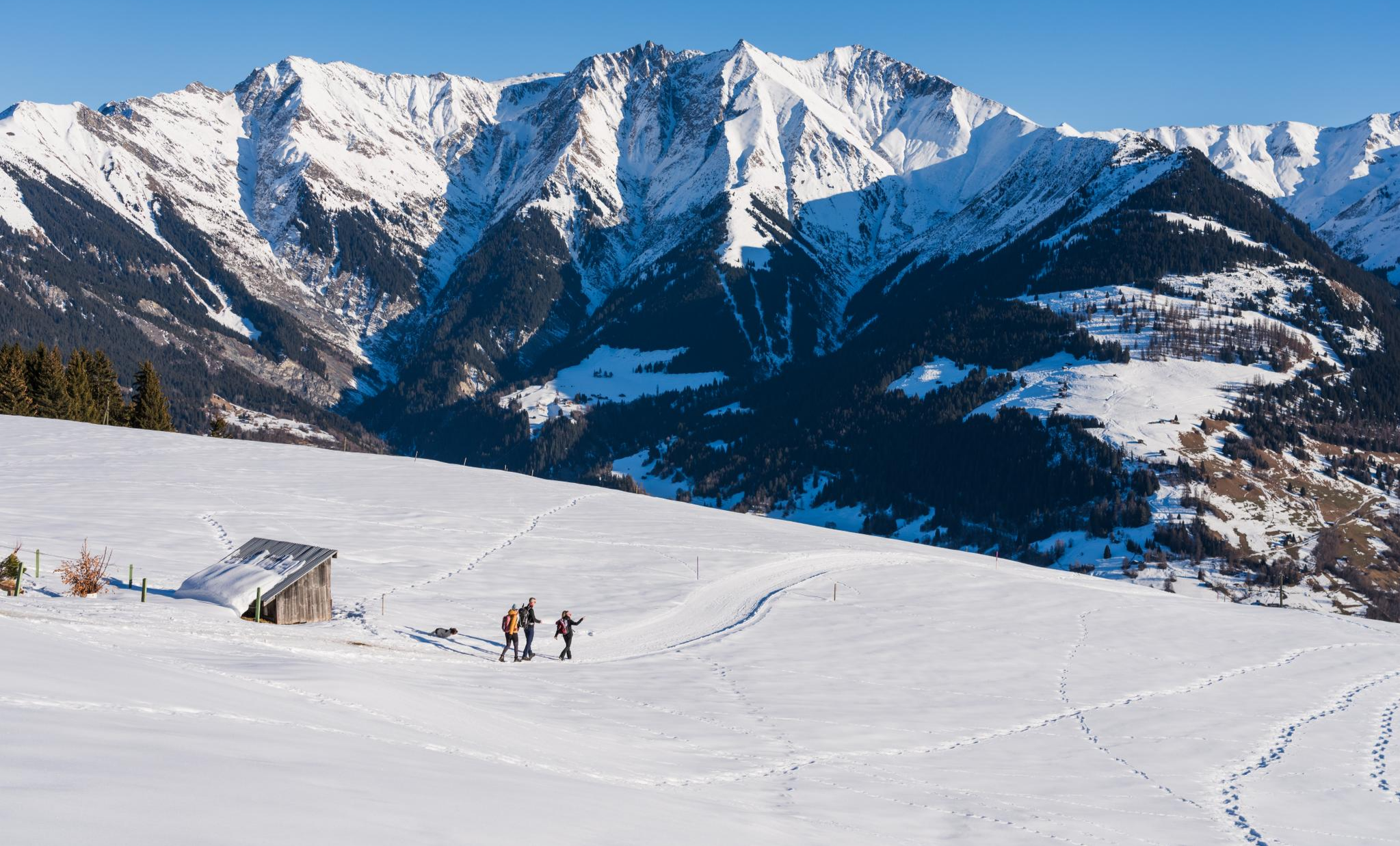
Winter Magic in the Surselva – peace, space and pure nature
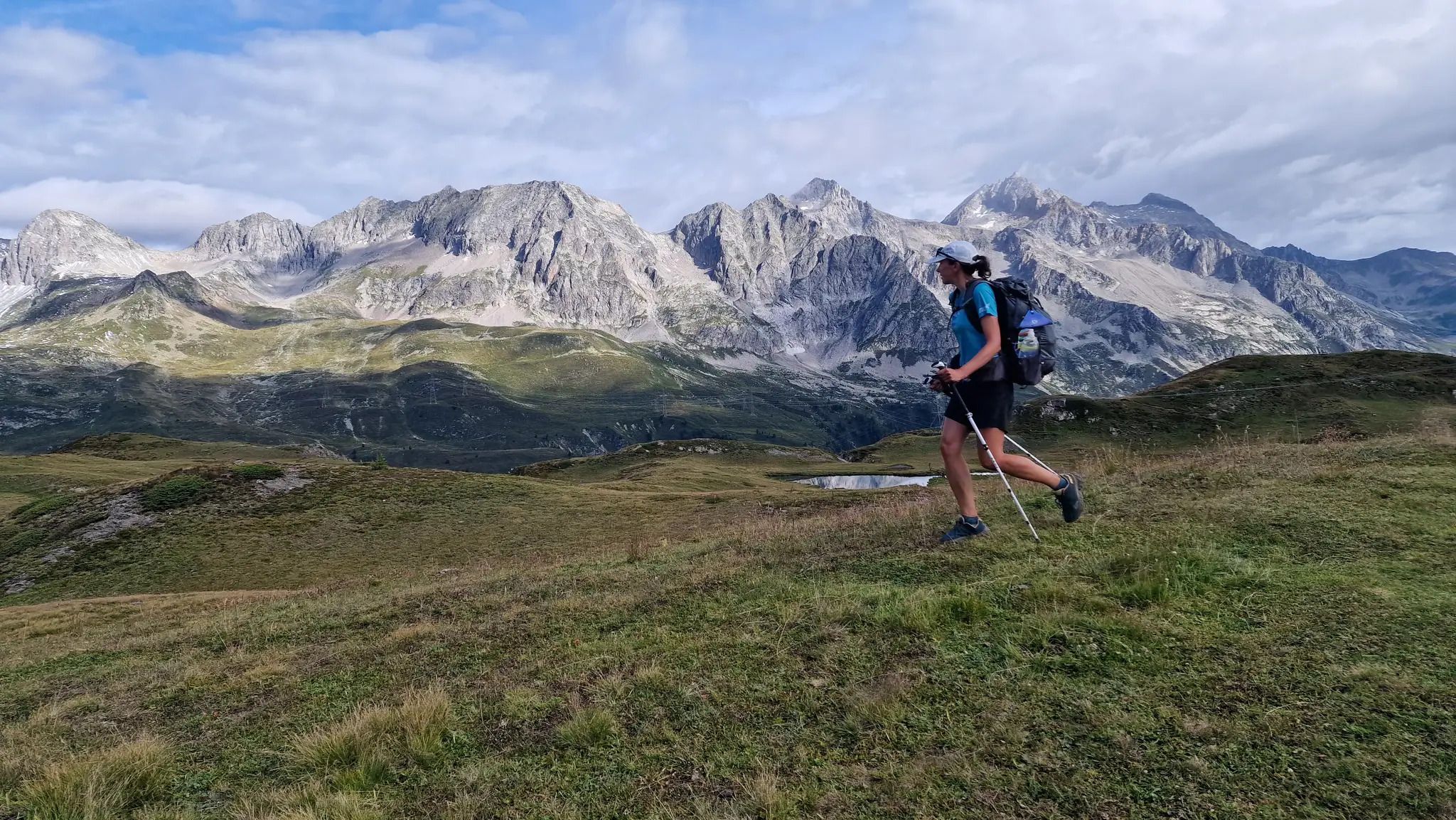
Alpine Passes Trail – hiking 700km across Switzerland
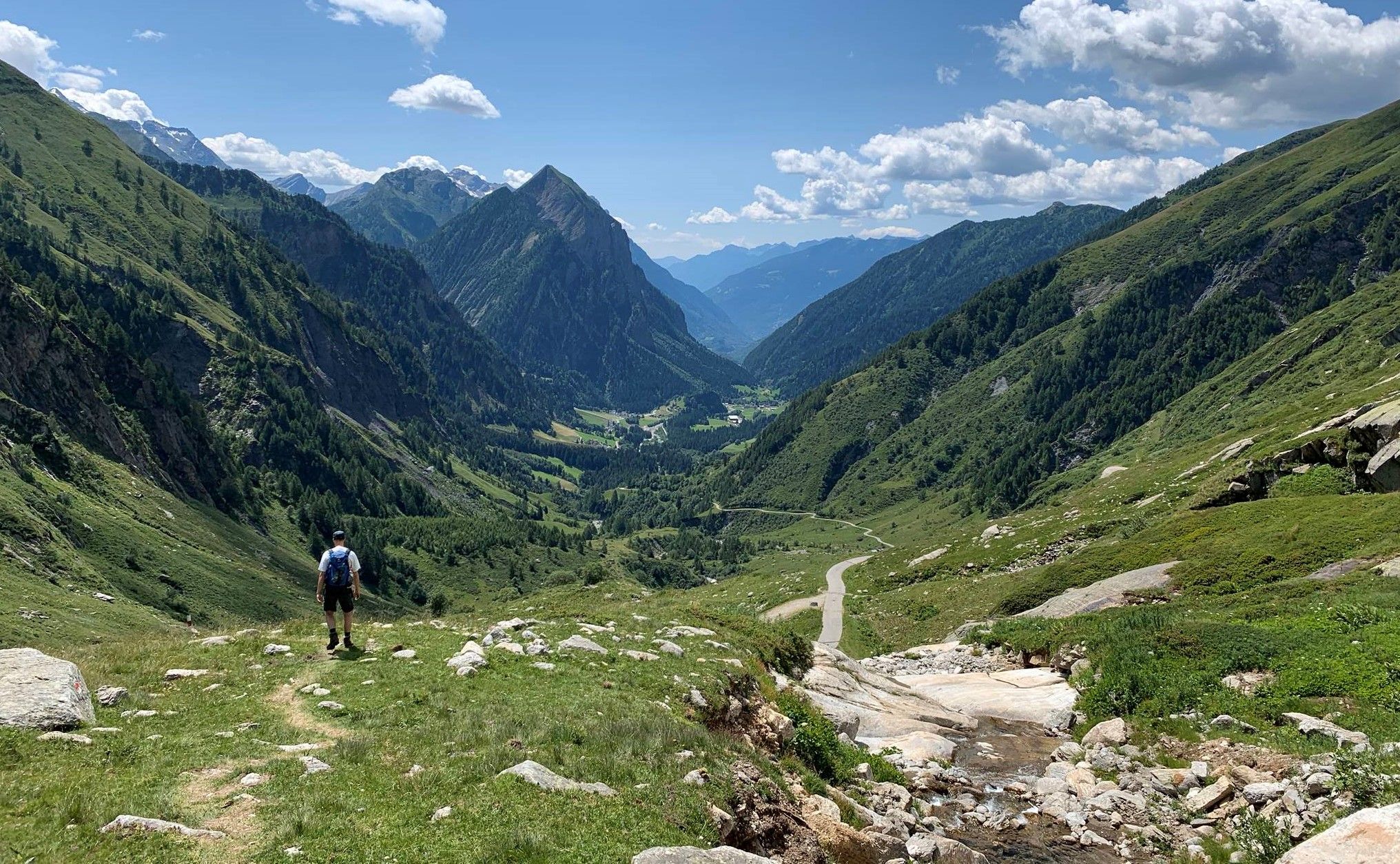
Alpine Passes Trail in Switzerland – 34 stages of pure mountain fun
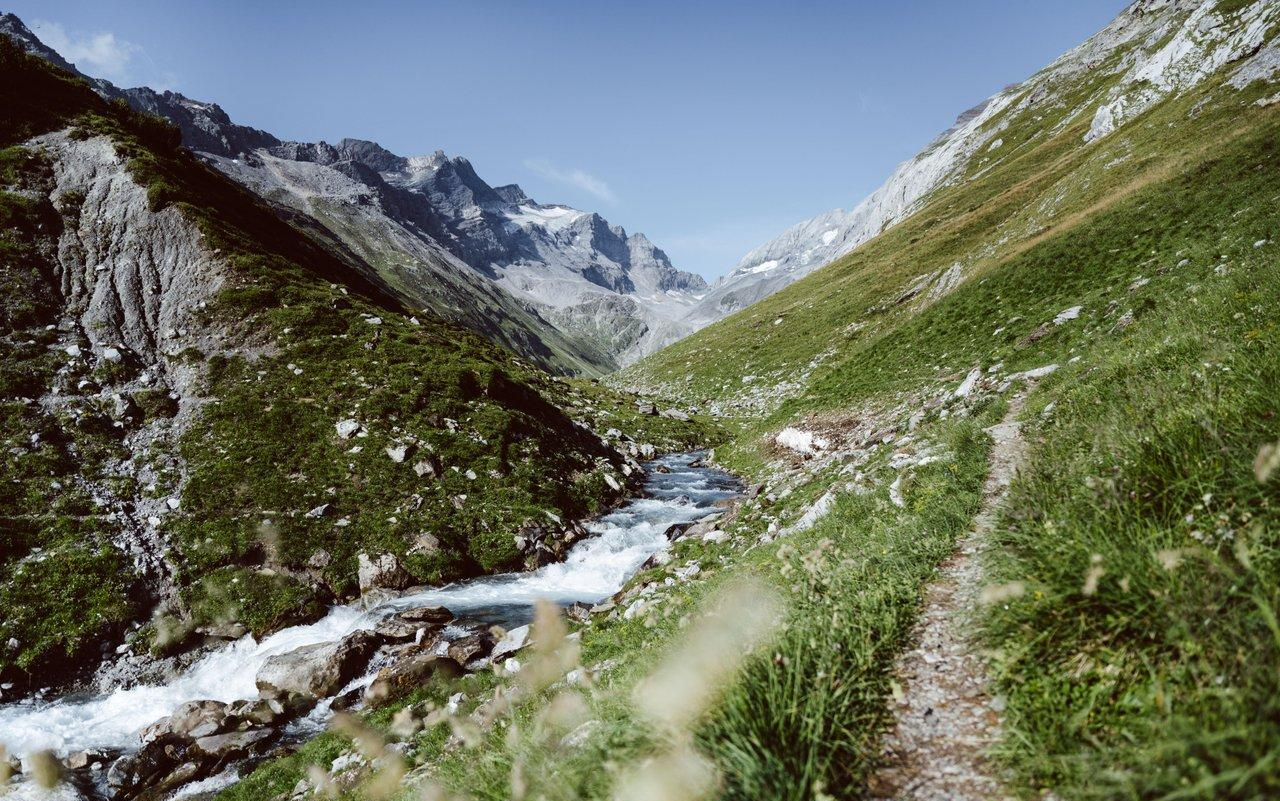
Relax and enjoy – hiking highlights of the Surselva
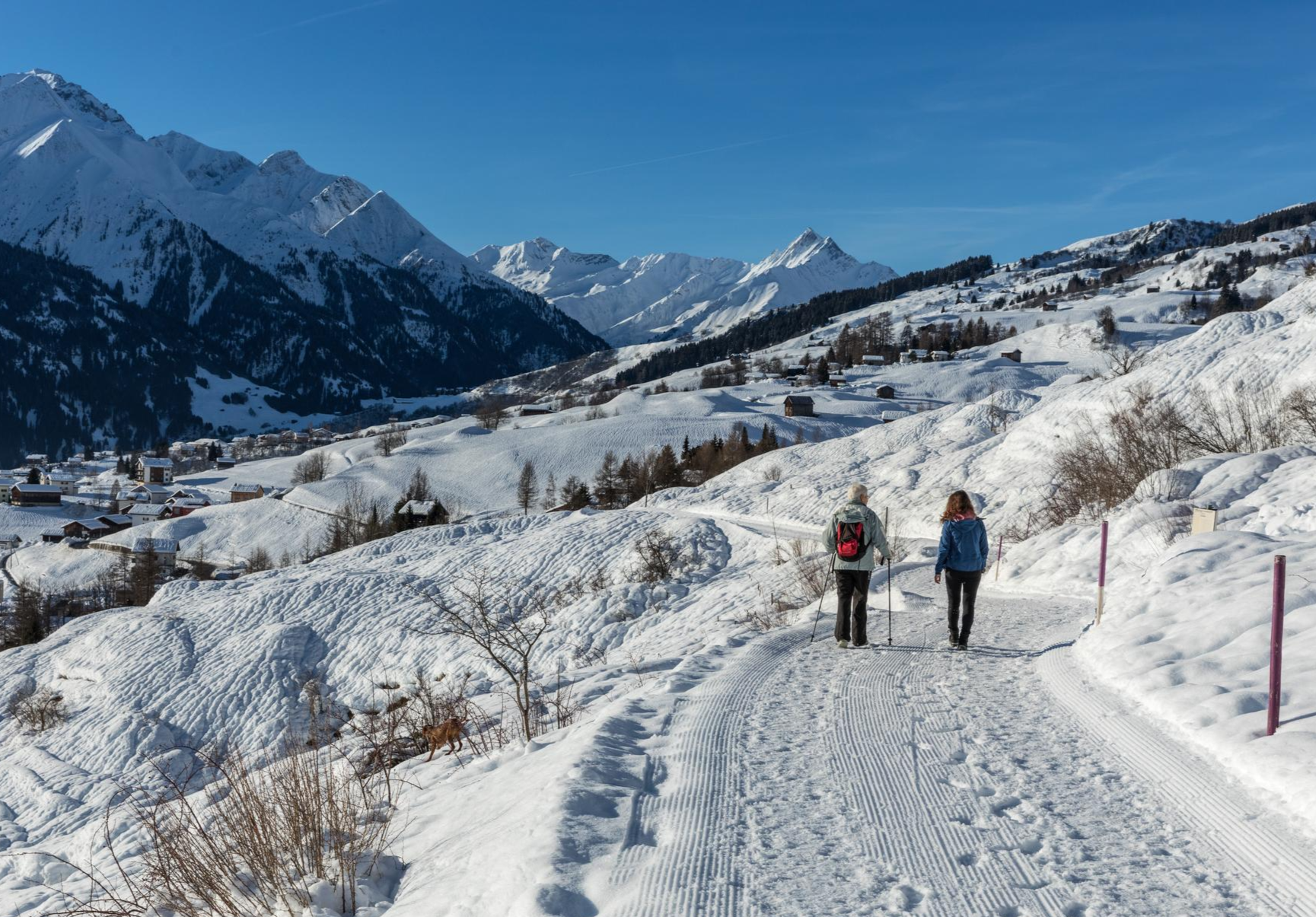
A winter mountain paradise – discover the Surselva
Hiking around Lumnezia
MTB Trails around Lumnezia
Road Cycling Routes around Lumnezia
Cycling around Lumnezia
Gravel biking around Lumnezia
Other adventures around Lumnezia


Tips from the Community

The Schiedberg ruins are located above the former Val Casti landfill
0
0

Here a short path branches off up to the Schiedberg ruins. The detour is worthwhile not only because of the old walls, but also because of the wonderful view.
1
0

The Jörgenberg ruins are the largest castle complex in Surselva.
0
0

Very special ruin, built like a swallow's nest on the rock - the short detour from the wide path onto a narrow, well-secured path is very worthwhile.
0
0

Located directly on the rock face
0
0

Kropfenstein/Casti Grotta, Waltensburg. It is a grotto castle that is difficult to access in a south-facing location. Access is from the east via a narrow ledge around a ledge. Today it is widened and secured by railings, but would leave the bike up there.
0
0

The small path down to the castle ruins doesn't do much with the bike, I would definitely leave the bike up on the gravel road and walk the two or three minutes.
1
0
Worth seeing facility, about 700 years old. There is no direct documentary evidence of the castle or its builders. Kropfenstein, however, is one of the few grotto castles that were not built in a dark hole as a refuge in times of need, but served as a residence for a respected family, which among other things provided bailiffs and magistrates. Possibly the von Kropfenstein family of lower nobility based in Luven (Maschieras) built or acquired the Kropfenstein Castle or named themselves after it, while a branch of this family continued to reside in Luven. On November 28 or 29, 1328, during a procession in Rueun, a Jocobus de Strotznstein was killed. Whether this was an early owner of Kropfenstein or an as yet unidentified Stotznstein Castle in the Waltensburg area is uncertain. A Bürklin von Cropfenstein is mentioned in 1335, who worked several times as a judge, and in 1396 Albrecht von Kropfenstein, episcopal judge in Ilanz. His name will be mentioned several times in the years to come. 1401 Florin von Kropfenstein is mentioned. In 1433 Clara von Kropfenstein sold some goods to a donate from Kadunau. In the same year and again in 1437 Junker Hans von Kropfenstein is mentioned, who was nicknamed "Muschieras", which in turn indicates a connection to Luven. Close relationships with the barons of Rhäzüns can be proven. A feuding letter from Ulrich von Rhäzüns and Hans von Kropfenstein to the castellan of Freudenberg has been preserved from May 3, 1437. The best-known Kropfensteiner was Marquart von Kropfenstein, who was a judge of the Gray League in 1438/39 and 1442/43. Junker Jörg von Kropfenstein is mentioned in 1473, who at that time attached his seal to a contract of sale from a Waltensburger. Towards the end of the 15th century, perhaps with Junker Jörg, the von Kropfenstein family must have died out and the castle began to crumble.
1
0
Frequently Asked Questions
What types of historical structures can I explore in Lumnezia?
Lumnezia offers a variety of historical structures, from well-preserved medieval residential towers like Chisti da Lumerins and Casaulta in Lumbrein, to castle ruins such as Jörgenberg Castle Ruins, and even former castle towers integrated into churches, like the Church of S. Luregn/St. Lorenz in Suraua. These sites provide a tangible connection to the region's medieval past.
Are there any well-preserved medieval residential towers in Lumnezia?
Yes, Lumnezia is home to two notable late medieval residential towers in Lumbrein: Chisti da Lumerins and Casaulta. Chisti da Lumerins, built around 1316, is considered the emblem of the village and features impressive architecture and well-preserved medieval elements. Casaulta, dating from the early 14th century, also showcases well-preserved medieval architecture, including distinctive tuff stone elements and pointed-arch windows.
What makes Kropfenstein Castle Ruins unique?
Kropfenstein Castle Ruins (Casti Grotta) is unique because its inner wall and parts of the roof are formed by overhanging rock, making it a 'grotto castle'. Access is via a steep, narrow path that has been secured with railings, offering an adventurous experience and beautiful views. The complex dates from the early 14th century.
Can I visit a former castle that has been repurposed?
Yes, the Church of S. Luregn/St. Lorenz in Suraua incorporates the 12th-century tower of the former Castle Surcasti. This site showcases the transformation of a secular stronghold into a sacred space, offering a layered history. The church is situated on a 'castle hill' and is noted for its powerful energies. Access to the church, and thus the former castle tower, can be arranged by obtaining a key locally.
Are there hiking trails near the castles in Lumnezia?
Absolutely. Lumnezia offers numerous hiking opportunities. For example, the Jörgenberg Castle Ruins are noted for being worth the climb and offer good rest stops. You can find various hiking trails around the region, including routes like 'The Greina – one-day alpine bus route' or 'Punt d'Ours Suspension Bridge – View of the Glogn River loop from Degen'. Explore more options on the Hiking around Lumnezia guide.
What cycling routes are available near Lumnezia's historical sites?
For cyclists, Lumnezia provides several scenic routes. You can explore options like the 'Alp Nova – Cuolm Sura loop from Vella' or the 'Davos Munts Lake – Obertor Ilanz loop from Lumbrein'. These routes allow you to experience the region's natural beauty while being close to historical areas. Discover more cycling adventures in the Cycling around Lumnezia guide.
Are there any gravel biking opportunities around Lumnezia's castles?
Yes, gravel biking enthusiasts can find challenging and rewarding routes in the Lumnezia area. Consider the 'High Route Mundaun' or the 'Rein Anteriur – Vorderrhein loop from Ilanz/Glion' for an adventurous ride through diverse terrain. These routes offer a great way to combine outdoor activity with proximity to the region's historical landmarks. For more details, check the Gravel biking around Lumnezia guide.
What kind of views can I expect from the castle ruins?
Many of Lumnezia's castle ruins offer wonderful panoramic views of the surrounding valley and mountains. For instance, the Turn-off to the Schiedberg Ruin is recommended not just for its old walls but also for the splendid vistas. Similarly, visitors to Kropfenstein Castle Ruins often praise the beautiful views from the site.
What do visitors enjoy most about exploring castles in Lumnezia?
Visitors particularly enjoy the historical significance and the unique architectural elements of Lumnezia's castles and residential towers. The adventurous access to sites like Kropfenstein Castle Ruins and the rewarding climbs to viewpoints like Jörgenberg Castle Ruins are frequently highlighted. The opportunity to connect with the region's medieval past amidst a natural landscape is also a major draw.
Are there any castles accessible as part of a longer route?
Yes, the 'DEAD ENDS & dolci Route: Blenio Valley' includes the remains of Castello di Serravalle. This section allows for a slow exploration through the ruins of the ancient castle, offering a unique historical stop along a cycling route. It's a great way to combine a longer tour with a visit to a historical site.
What is the best time of year to visit Lumnezia's castles?
The best time to visit Lumnezia's castles is generally during the warmer months, from late spring to early autumn (May to October). During this period, the weather is more favorable for exploring the outdoor ruins and enjoying the surrounding hiking and cycling trails. Winter can offer a different, quieter experience, but some paths might be challenging due to snow and ice.
Are there any specific architectural features to look out for in Lumnezia's castles?
Yes, several castles and residential towers in Lumnezia feature distinctive architectural elements. Chisti da Lumerins, for example, is built from unusual tuff stone and has walls up to one meter thick, with a battlement walk. Casaulta also features tuff stone cornerstones and jambs for its double pointed-arch windows, offering a glimpse into medieval residential styles.
Most popular routes around Lumnezia
Most popular attractions around Lumnezia

Get inspired with the komoot mobile app


Explore more
Looking for the best castles somewhere else? Discover other guides around Lumnezia:
