Top 4 Caves around Porza
Best caves around Porza are located within the Lugano district of Ticino, Switzerland. This region features a diverse natural landscape, including mountainous terrain and proximity to Lake Lugano. While Porza is a small municipality, the surrounding Ticino canton offers access to various geological formations and historical cave sites. The area provides opportunities for exploring different types of underground environments.
Best caves around Porza
- The most popular caves is Cava Ronchetti Quarry, an other man-made site that was an ancient stone quarry where Caprino stones were extracted to build houses in Lugano. This historical site offers views of Lake Lugano.
- Another must-see spot is Buco della Noga Waterfall, a waterfall and natural monument. Visitors can enter the cave to admire the waterfall inside, which features freezing water.
- Visitors also love Büs de la Noga (Bear Cave), a cave and historical site. This cave, also known as Grotta dell'Orso, is the largest cavity in Valsolda and is notable for the discovery of numerous cave bear bones.
- Porza is known for historical quarries, natural caves, and waterfall caves. The region offers a variety of underground environments to explore, from paleontological sites to geological formations.
- The caves around Porza are appreciated by the komoot community, with more than 10 photos shared and over 10 upvotes.
Last updated: June 28, 2026
Cava Ronchetti Quarry
Highlight • Structure
The stones were transported with large boats to the river Cassarate on the opposite side of the lake.
Tip by

Buco della Noga Waterfall
Highlight • Waterfall
Translated by Google •
Tip by

Sign up now to discover places like this
Get recommendations on the best single tracks, peaks, & plenty of other exciting outdoor places.
Sign up for free
Büs de la Noga (Bear Cave)
Highlight • Cave
It measures about 50 meters in length, the width varies between 5 and 7 meters, for a maximum height of 7 meters.
The bottom, covered with soil, appears to have been moved by the excavations carried out in 1883 by Pompeo Castelfranco.
In search of traces of prehistoric man, he instead found a large quantity of bones of the Ursus spelaeus, the cave bear: these finds are now exhibited at the Cantonal Museum of Natural History in Lugano (CH).
Translated by Google •
Tip by

Grotta di Gai
Highlight • Cave
Translated by Google •
Tip by

Start today with a free account
Your next adventure awaits.
Login or Signup
Tips from the Community

A rather particular place...now difficult to reach due to the nettles and brambles that surround it and fallen trees that block the path
1
0

The Büs de la Noga, also called Grotta dell'Orso, is the largest cave in Valsolda. It measures about 50 meters in length, the width varies between 5 and 7 meters, for a maximum height of 7 meters. In search of traces of prehistoric man, a large quantity of bones of Ursus spelaeus, the cave bear, were found here.
0
0

The Büs de la Noga, also called Grotta dell'Orso, represents the largest cavity in Valsolda. It measures about 50 meters in length, the width varies between 5 and 7 meters, for a maximum height of 7 meters. The bottom, covered with soil, appears to have been moved by the excavations carried out in 1883 by Pompeo Castelfranco. In search of traces of prehistoric man, he instead found a large quantity of bones of the Ursus spelaeus, the cave bear: these finds are now exhibited at the Cantonal Museum of Natural History in Lugano (CH).
0
0

Following the path of the rocks he finds us in a fairly technical ups and downs that takes us to one of the wonders of the valsolda .. freezing water but it is worth entering the cave to admire the waterfall inside
0
0

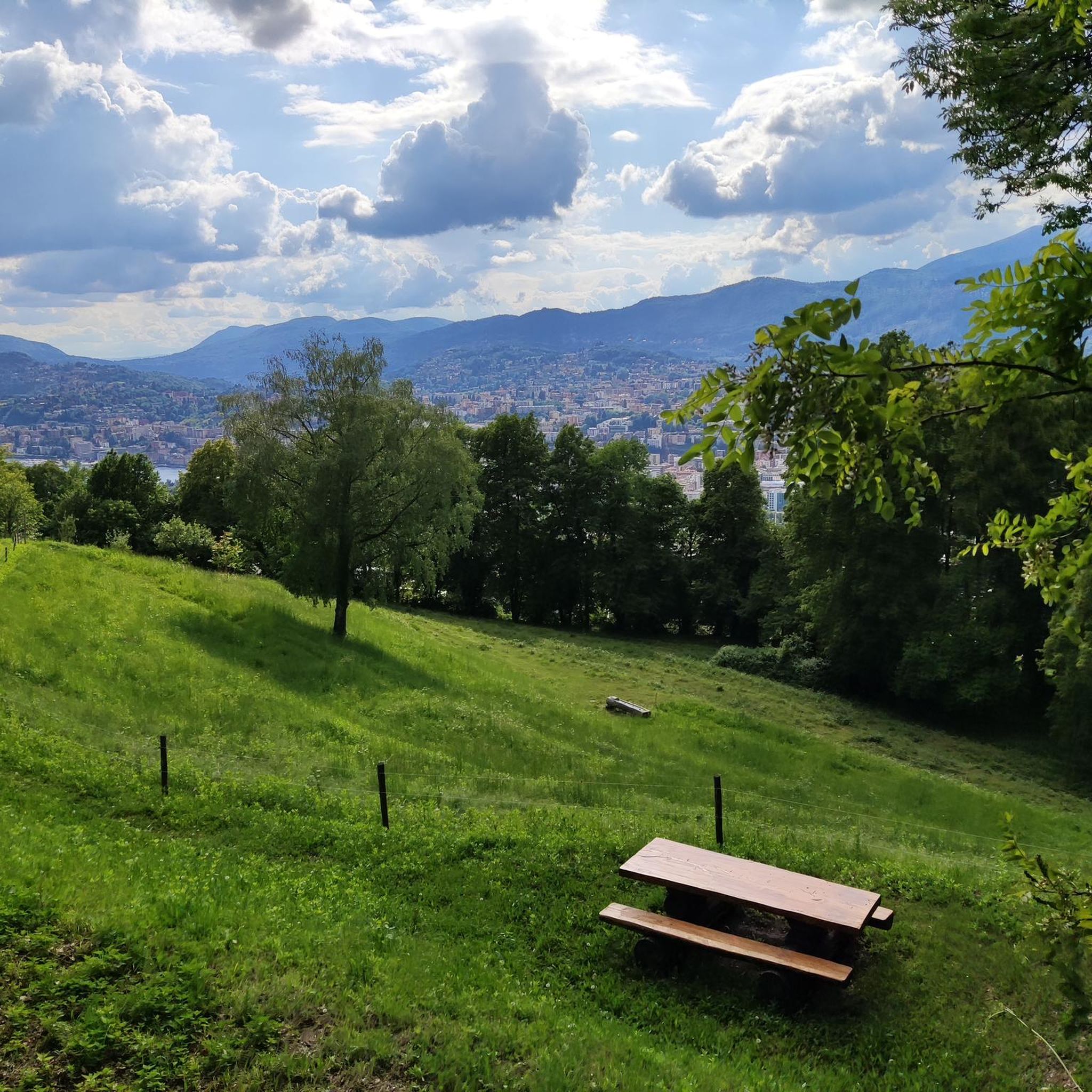
Former quarry with a great view of Lake Lugano.
2
0

This place is an ancient stone quarry. Here the stones of Caprino were extracted, a very hard stone used at that time to build Lugano's houses . The stones were transported with large boats to the river Cassarate on the opposite side of the lake.
1
0
Frequently Asked Questions
What are some unique caves and underground sites to explore near Porza?
Near Porza, you can explore a variety of unique underground sites. The Cava Ronchetti Quarry is a historical site where Caprino stones were extracted to build Lugano's houses. Another interesting spot is the Buco della Noga Waterfall, where you can enter a cave to admire the waterfall inside. For those interested in geology, the Sovaglia Cave (Böcc of Sovaglia) near Rovio offers a significant speleological experience with its karst formations and picturesque spring.
Are there any caves with historical or paleontological significance in the region?
Yes, the region boasts sites with significant historical and paleontological value. The Büs de la Noga (Bear Cave), also known as Grotta dell'Orso, is notable for the discovery of numerous cave bear (Ursus spelaeus) bones, with some finds exhibited at the Cantonal Museum of Natural History in Lugano. Additionally, the Grotta dei Pagani in the Blenio Valley features ancient defensive structures within caves, offering insights into medieval habitation and strategies.
What kind of geological features can I expect to see in the caves around Porza?
The caves in the wider Ticino region offer diverse geological features. You can find karst formations in caves like Sovaglia, and unique mineral formations such as huge crystals, including smoky quartz and iron roses, at the Cioss Prato Crystal Cave in Bedretto. Other sites feature underground waterfalls and lakes, as seen in the Buco della Noga Waterfall.
What is the best time of year to visit caves near Porza?
Caves generally maintain a consistent internal temperature year-round, making them a good option in various seasons. For example, the Bear's Cave on Monte Generoso has a consistent temperature of eight to ten degrees Celsius. However, access to some caves might be easier during warmer months (spring to autumn) when hiking trails leading to them are more accessible and weather conditions are milder for outdoor activities.
Are there family-friendly caves or activities suitable for children?
While specific 'family-friendly' tags aren't always present for every cave, sites like the Bear's Cave (Grotta dell'Orso) on Monte Generoso offer guided tours and augmented reality experiences that can be engaging for families, providing an educational look at prehistoric life. The St. Beatus Caves, though further afield, are known for their accessible pathways, illuminated formations, and a cave museum, making them very suitable for families.
What outdoor activities can I combine with a cave visit near Porza?
The region around Porza offers various outdoor activities that can be combined with cave exploration. You can find numerous cycling routes, such as the 'Morcote and Carona Loop' or 'Ascent to Monte Brè from Lugano', by exploring Cycling around Porza. For hikers, there are mountain hikes like the 'Monte San Salvatore loop' detailed in Mountain Hikes around Porza. Running trails are also available, including routes around Lake Lugano, as seen in Running Trails around Porza.
Are there any caves that are more challenging to access or require specific equipment?
Yes, some caves are more challenging. The Grotta di Gai is described as 'difficult to reach due to nettles and brambles' and fallen trees. The Sovaglia Cave, with its speleological interest and opportunities for diving, suggests a need for specialized equipment and experience. For serious caving, the Hölloch Cave, one of Europe's largest systems, offers multi-day expeditions requiring significant preparation and gear, though it is located outside Ticino.
What do visitors enjoy most about the caves in the Porza area?
Visitors appreciate the diverse experiences offered by the caves. For instance, the Cava Ronchetti Quarry is valued for its historical significance and great views of Lake Lugano. The Buco della Noga Waterfall is praised for the unique experience of admiring a waterfall inside a cave, despite the freezing water. The paleontological discoveries at Büs de la Noga (Bear Cave) also draw considerable interest.
Are there any caves with legends or folklore associated with them?
Yes, some caves in the broader region are steeped in local legends. The Grotta dei Pagani (Pagan's Cave) near Ruino hill is associated with local folklore, with stories suggesting that Hermann Hesse spent time meditating there. Further away, the St. Beatus Caves are famously linked to the legend of Saint Beatus battling a dragon within their depths.
Are there any caves known for unique mineral formations?
Yes, the Cioss Prato Crystal Cave in Bedretto is renowned for its unique mineral formations. This underground grotto showcases impressive crystals from the Gotthard region, including rare smoky quartz, iron roses, and radiant quartz from the Bedretto valley, offering a visually stunning geological experience.
What should I bring when visiting caves in the Porza region?
When visiting caves, it's generally advisable to bring appropriate footwear with good grip, as surfaces can be wet and uneven. A headlamp or flashlight is essential for unlit areas, even if a cave is partially illuminated. Layers of clothing are recommended, as cave temperatures are consistently cool. For more challenging caves or speleological sites, specialized gear like helmets, harnesses, and ropes may be necessary.
Are there any permits required for caving in the Porza area?
For casual visits to publicly accessible and managed caves, permits are typically not required, though entrance fees may apply. However, for exploring more challenging or protected speleological sites, especially those requiring specialized equipment or guided expeditions, permits or arrangements with local caving associations or guides might be necessary. Always check with local authorities or tour operators for specific requirements.
Most popular routes around Porza
Most popular attractions around Porza

Get inspired with the komoot mobile app


Explore more
Extend your search for the best caves by checking out these guides of the top ones around Porza:
