Top 4 Castles around Breil/Brigels
Best castles around Breil/Brigels are found in the Surselva region of the Swiss Alps, an area rich in medieval fortifications. While the village itself does not host grand, fully preserved castles, its vicinity offers several notable castle ruins and historical sites. These locations provide insights into the past and the strategic importance of the region. The Surselva region is known for its abundance of castles.
Best castles around Breil/Brigels
- The most popular castles is Jörgenberg Castle Ruins, a castle…
Last updated: October 1, 2026
Kropfenstein Castle Ruins (Casti Grotta)
Highlight • Castle
Translated by Google •
Tip by

Jörgenberg Castle Ruins
Highlight • Castle
Translated by Google •
Tip by

Sign up now to discover places like this
Get recommendations on the best single tracks, peaks, & plenty of other exciting outdoor places.
Jörgenberg Castle (Casti Munt Sogn Gieri), Waltensburg/Vuorz
Highlight • Castle
Translated by Google •
Tip by

Path to Kropfenstein Castle (Grotta Ruin)
Highlight (Segment) • Castle
Translated by Google •
Tip by
Ringgenberg Tower Ruin
Highlight • Castle
Translated by Google •
Tip by

Start today with a free account
Your next adventure awaits.
Popular around Breil/Brigels
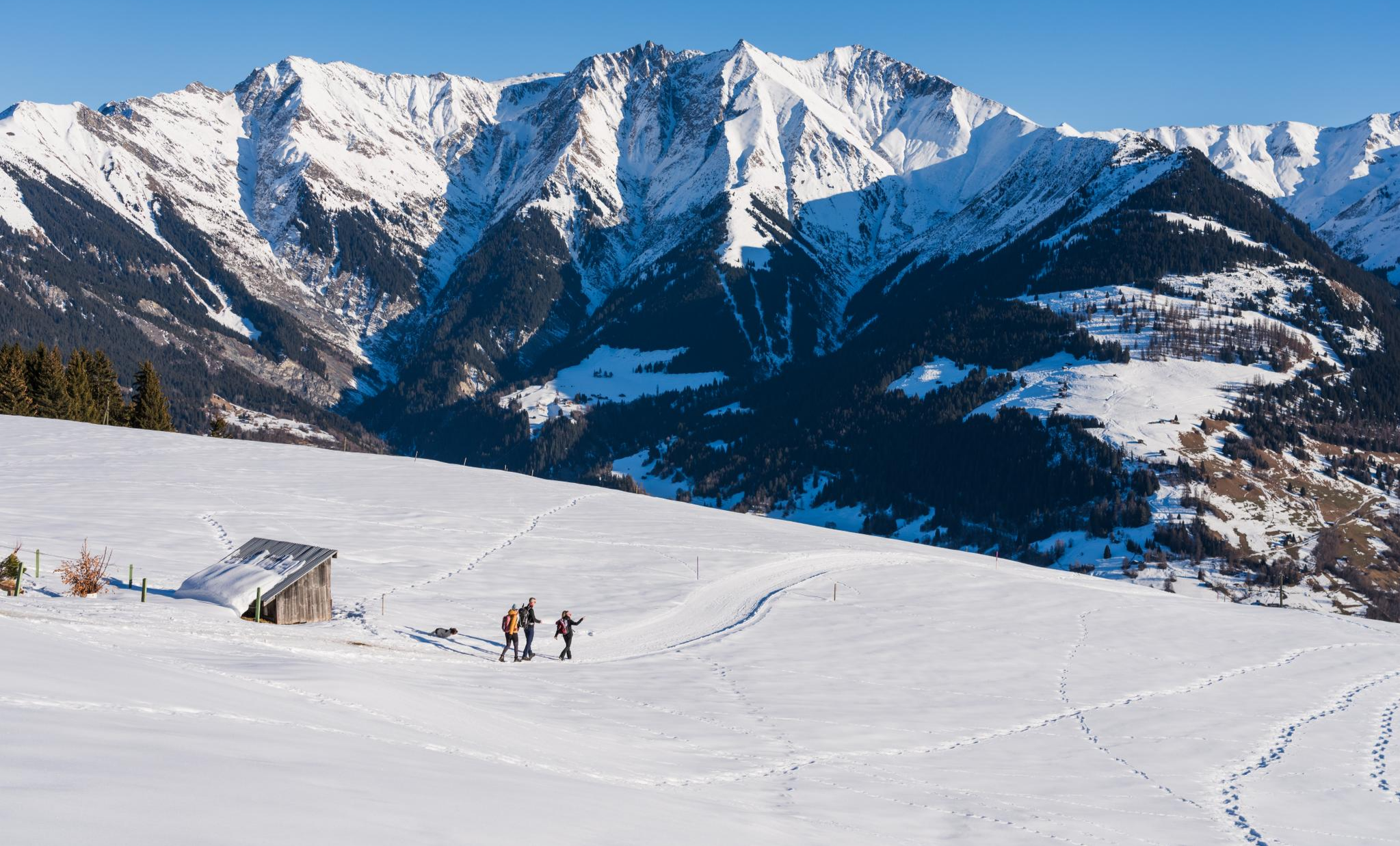
Winter Magic in the Surselva – peace, space and pure nature
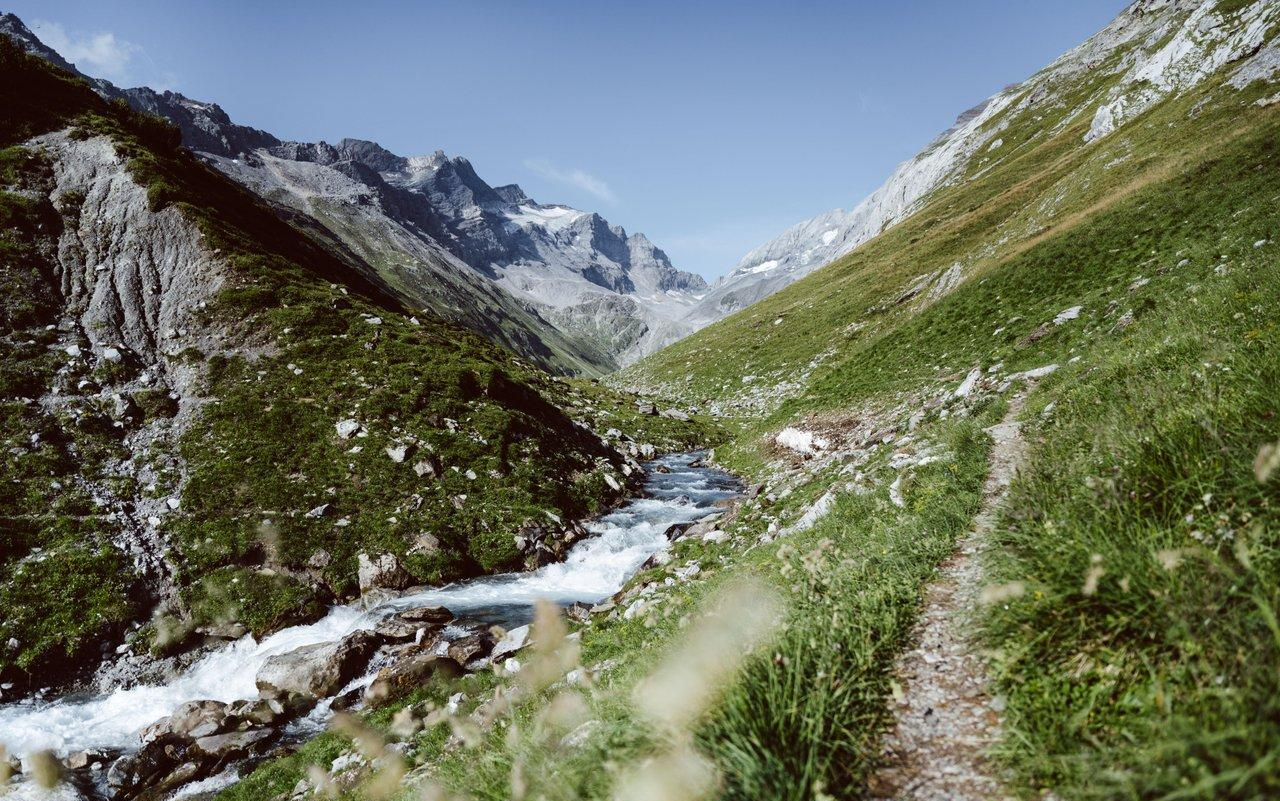
Relax and enjoy – hiking highlights of the Surselva
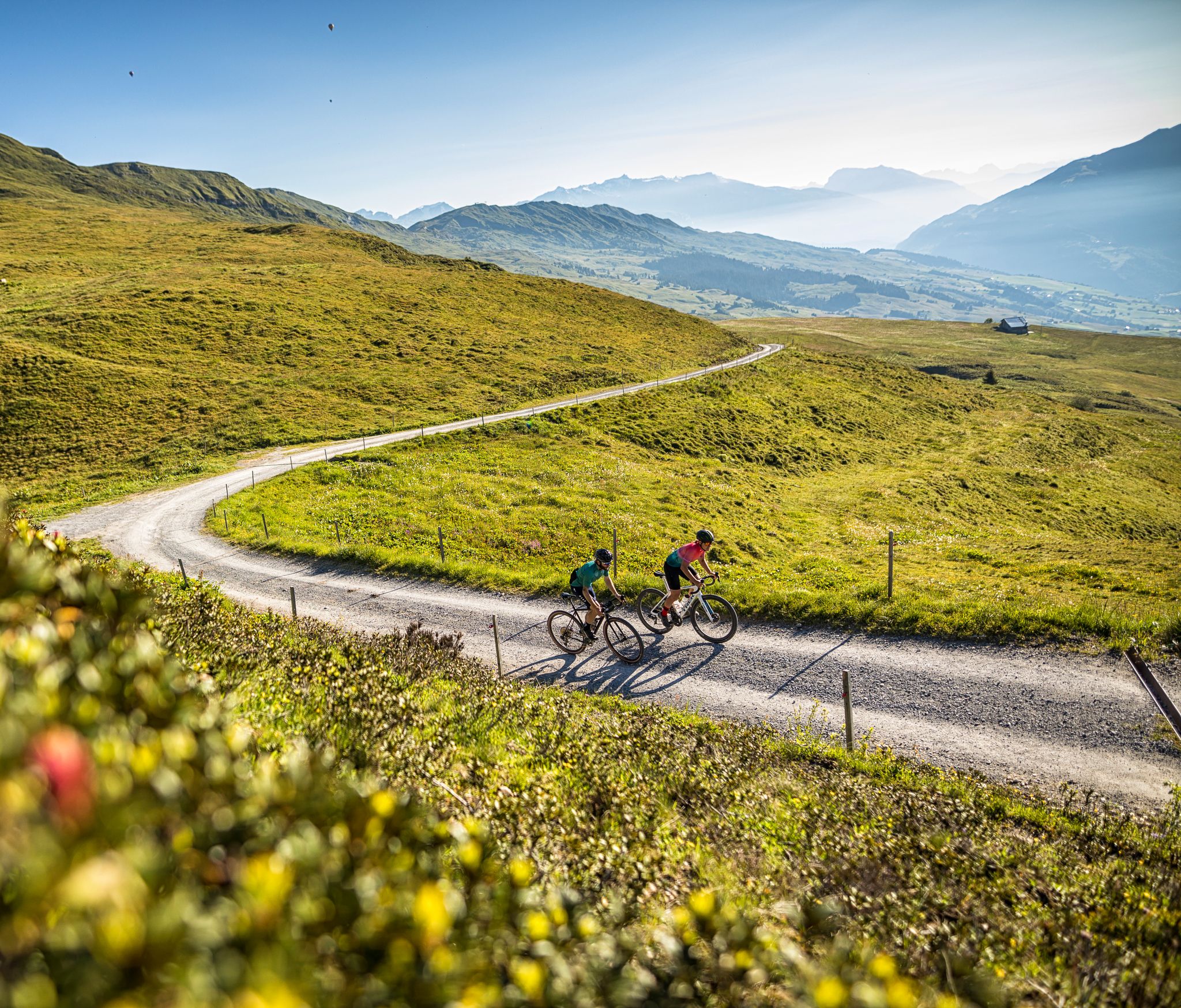
The six most beautiful gravel routes in Graubünden
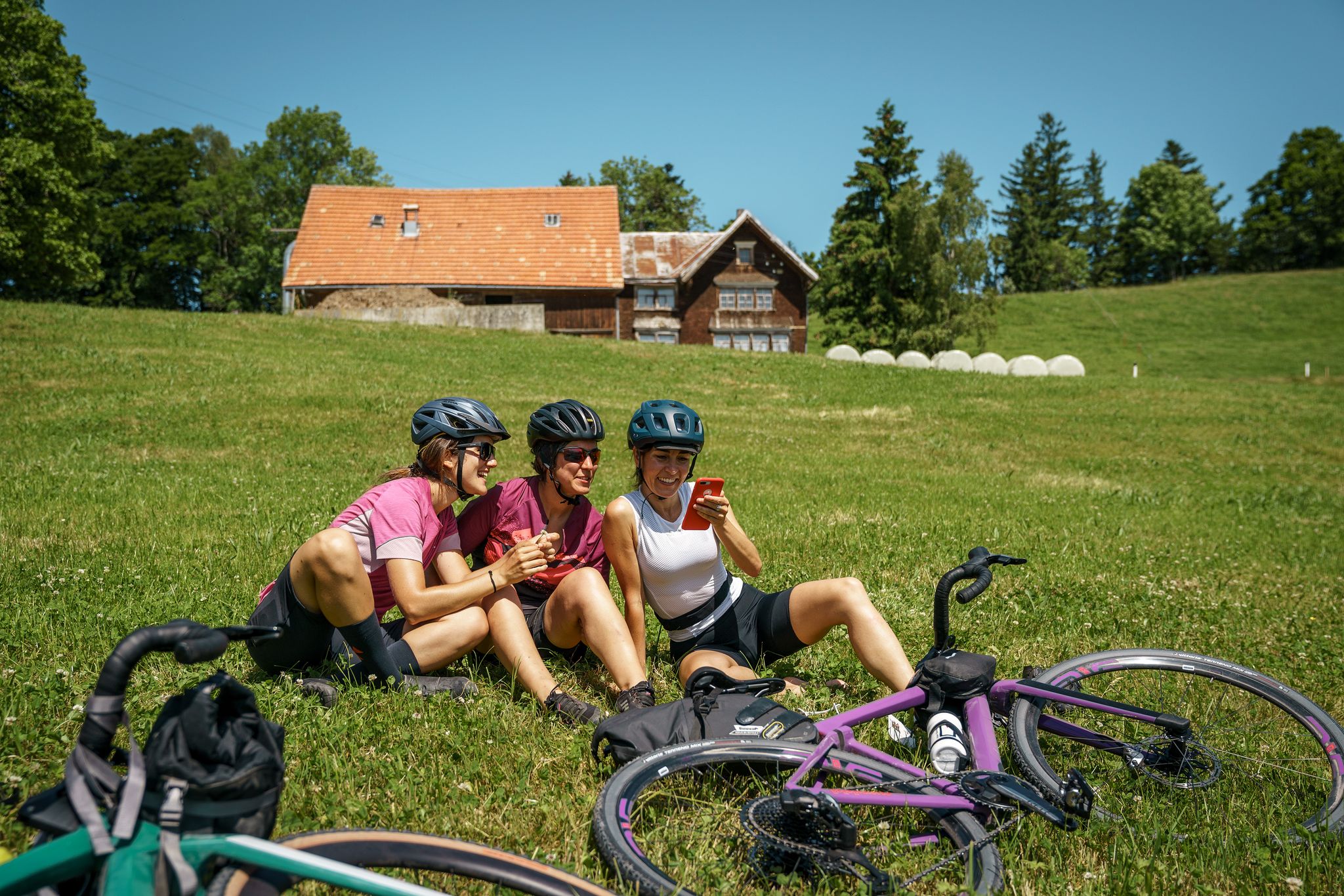
100% Women: essential Switzerland on a gravel bike
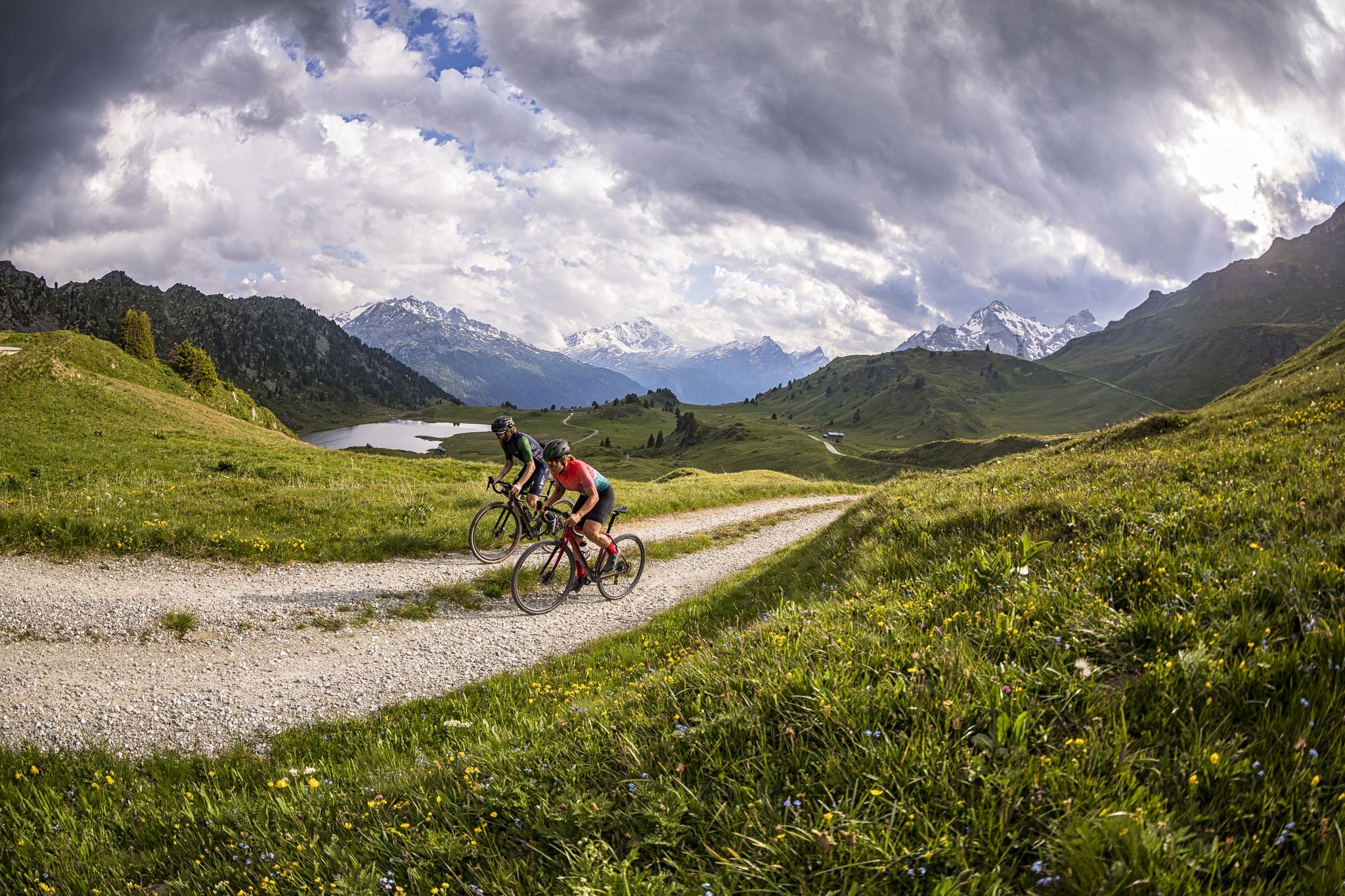
A gravel biking Menu for Switzerland’s Grisons
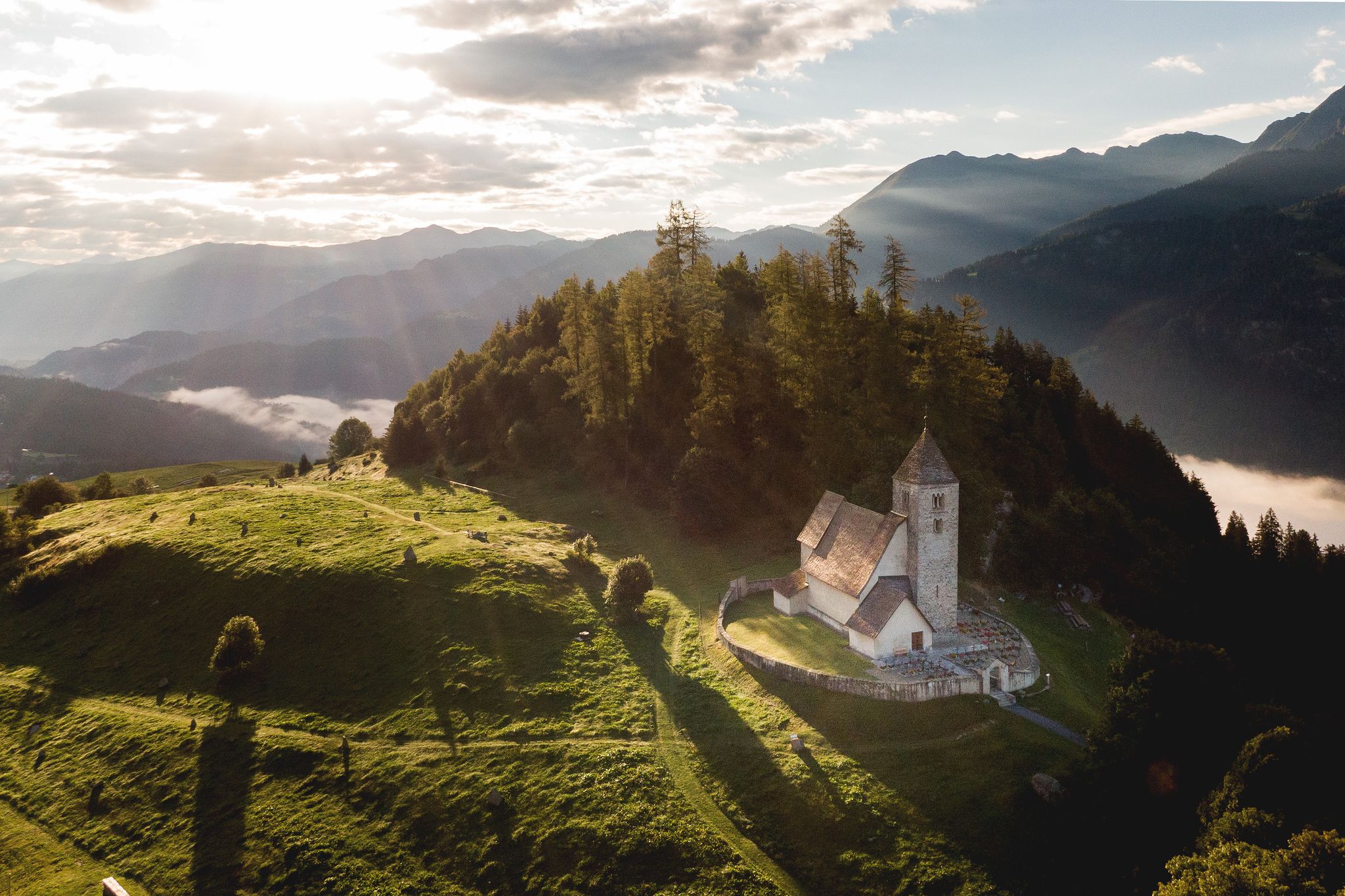
On ancient paths towards Santiago — the Way of St. James Graubünden
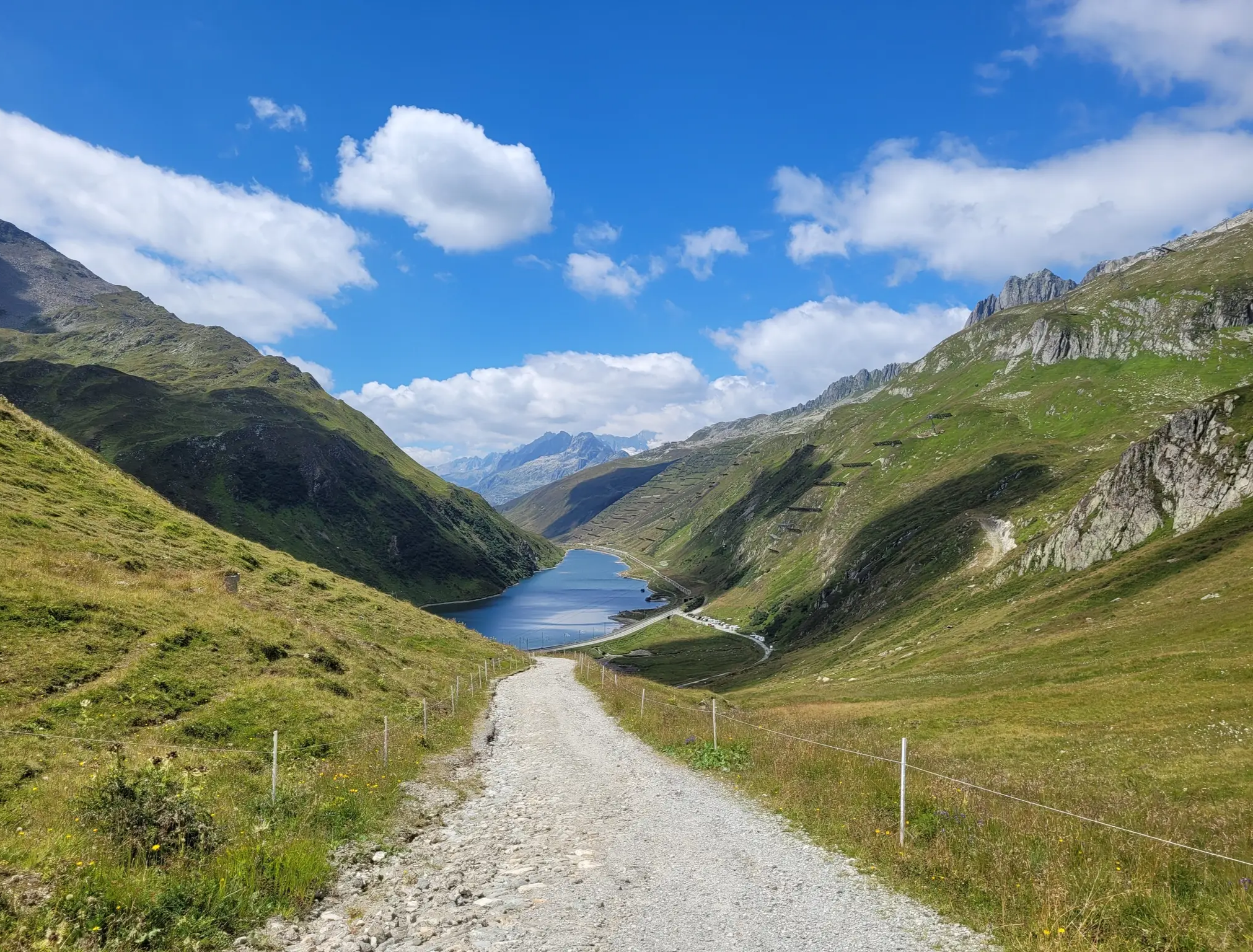
Senda Sursilvana – lungo il Giovane Reno tra natura e tradizione
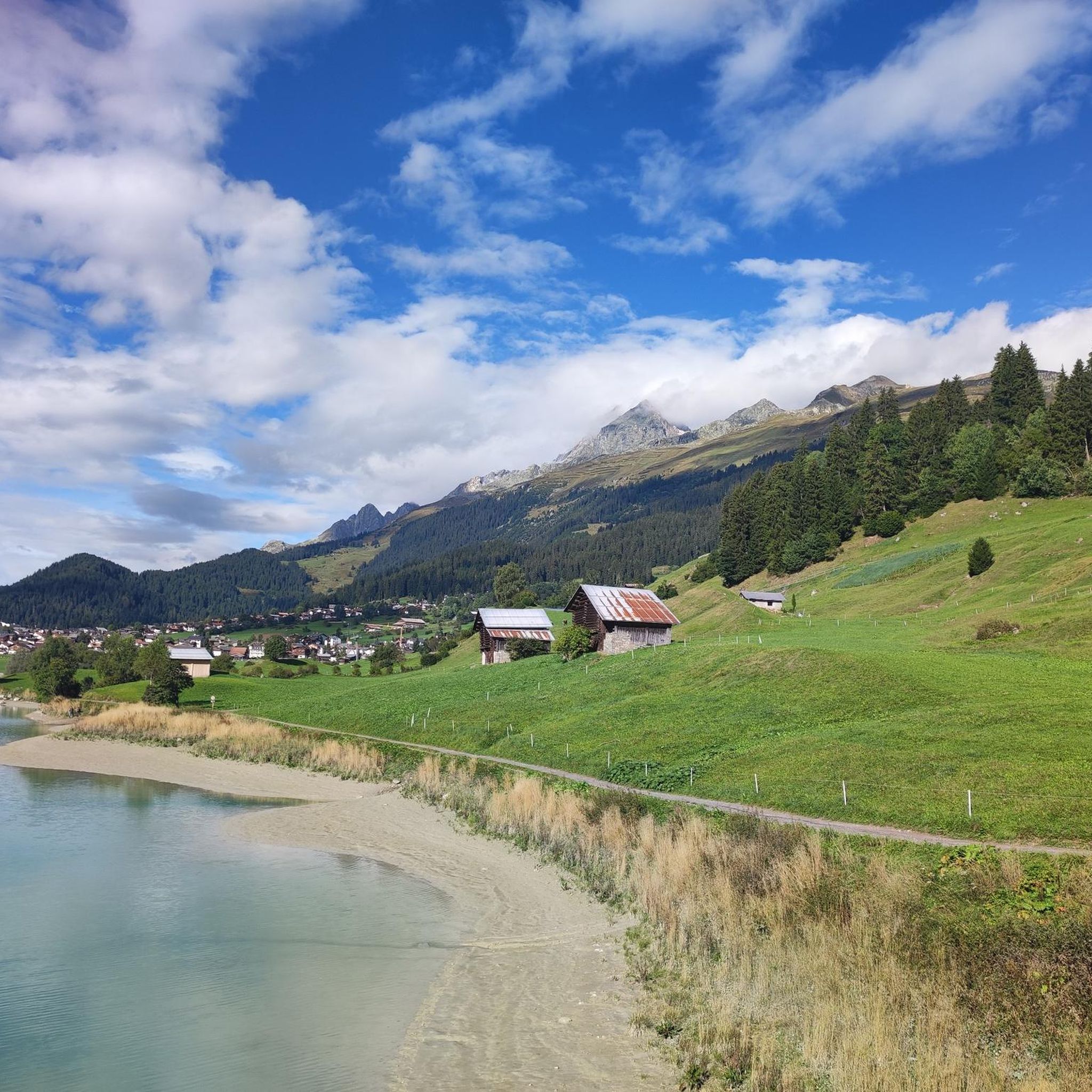
Hiking around Breil/Brigels
MTB Trails around Breil/Brigels
Gravel biking around Breil/Brigels
Other adventures around Breil/Brigels


Tips from the Community

The Jörgenberg castle ruins (Munt Sogn Gieri) are among the most impressive medieval castles in the Surselva. The extensive ruins with their two distinctive towers invite exploration and offer a fascinating insight into the region's history. Several barbecue areas are located on the castle grounds and in the immediate vicinity – ideal for a cozy break or a picnic. The beautiful location and historical atmosphere make the castle ruins a worthwhile destination for hikers, families, and history enthusiasts.
0
0
Kropfenstein Castle ruins are one of the most extraordinary castles in Surselva. It was built on a prominent rock ledge and seems to literally cling to the steep rock face. Access is via a rather narrow hiking trail that requires sure-footedness. Once at the ruins, the impressive remains of the walls and the spectacular view of the Rhine Gorge and the surrounding mountain landscape reward the short detour.
0
0
The Jörgenberg castle ruins (Munt Sogn Gieri) are among the most impressive medieval castle complexes in the Surselva region. The extensive ruins with their two distinctive towers invite exploration and offer a fascinating glimpse into the region's history. Several barbecue areas are located on the castle grounds and in the surrounding area – ideal for a pleasant break or a picnic. The beautiful location and historical atmosphere make the castle ruins a worthwhile excursion destination for hikers, families, and history enthusiasts.
0
0

The Jörgenberg ruins are the largest castle complex in Surselva.
0
0

Very special ruin, built like a swallow's nest on the rock - the short detour from the wide path onto a narrow, well-secured path is very worthwhile.
0
0

Located directly on the rock face
0
0

Kropfenstein/Casti Grotta, Waltensburg. It is a grotto castle that is difficult to access in a south-facing location. Access is from the east via a narrow ledge around a ledge. Today it is widened and secured by railings, but would leave the bike up there.
0
0
Kropfenstein/Casti Grotta, Waltensburg. It is a grotto castle that is difficult to access in a south-facing location. Access is from the east via a narrow ledge around a ledge. Today it is widened and secured by railings, but would leave the bike up there. The beam bearings of the former entrance are still recognizable. The castle is an elongated building wing, most of which is located under an overhanging rock screen
0
0
Frequently Asked Questions
What kind of castles can I expect to find near Breil/Brigels?
Near Breil/Brigels, you'll primarily find a rich collection of medieval castle ruins and historical sites. These range from imposing complexes like Jörgenberg Castle Ruins to unique cave castles such as Kropfenstein Castle Ruins (Casti Grotta), and even small fortress remains like those at Crest s. Sievi. The Surselva region is particularly known for its abundance of such historical fortifications.
Are there any particularly unique or dramatic castles to visit?
Yes, Kropfenstein Castle Ruins (Casti Grotta) is exceptionally unique. This 13th-century cave castle is perched dramatically on a vertical rock face, utilizing the overhanging rock as its inner wall and part of its roof. Its integration with the natural terrain makes it a captivating and memorable site to explore.
Which castles offer the best historical insights into the region?
Jörgenberg Castle Ruins is considered one of the oldest and most imposing castle complexes in the Surselva. It's a significant Swiss heritage site, offering a comprehensive look at medieval fortification and daily life, with remains of a main tower, palas walls, and a Romanesque bell tower. The site's history dates back to the 8th century as a fortified church.
What is the best time of year to visit the castles around Breil/Brigels?
The best time to visit is generally from late spring to early autumn (May to October). During these months, the weather is milder, paths are clear of snow, and the surrounding Alpine landscape is vibrant. Winter visits are possible for some sites, but access might be more challenging due to snow and ice, and some paths may be closed.
Are there hiking trails that lead to the castles?
Yes, many of the castle ruins are accessible via marked hiking paths. For instance, Jörgenberg Castle Ruins can be reached year-round via marked paths from Waltensburg/Vuorz. The path to Kropfenstein Castle Ruins (Casti Grotta) is steep but has been widened and secured with railings, offering an adventurous approach.
Can I find good viewpoints near the castles?
Absolutely. Many of the castle ruins are strategically located on prominent hills or rock formations, offering stunning panoramic views. Heidenberg Castle, for example, provides insights into ancient defensive strategies and offers great views over the Tavanasa area. Crest s. Sievi also provides panoramic views over Breil/Brigels and the Surselva valley.
What other outdoor activities can I do near the castles around Breil/Brigels?
The region offers a variety of outdoor activities. You can explore numerous cycling routes, including options for gravel biking and mountain biking. For example, you can find routes like 'Brigels Bella Vista' for gravel biking or 'Lag da Pigniu Dam – Lag da Breil / Brigels Lake loop' for mountain biking. For more details, check out the Gravel biking around Breil/Brigels or MTB Trails around Breil/Brigels guides.
Are the castle ruins around Breil/Brigels suitable for families with children?
Many of the castle ruins can be a fascinating experience for families, offering a chance to explore history in an engaging outdoor setting. The paths to sites like Jörgenberg Castle Ruins are generally accessible for walks. However, some sites, like Kropfenstein Castle Ruins (Casti Grotta), involve steep and narrow paths, which might be challenging for very young children or those with limited mobility.
Are the castles dog-friendly?
Generally, dogs are welcome on the hiking trails leading to the castle ruins, provided they are kept on a leash. As these are mostly outdoor ruins, there are typically no restrictions for dogs. Always ensure to clean up after your pet.
Are there any lesser-known or 'hidden gem' castles worth exploring?
Heidenberg Castle (Burgruine Heidenberg) is a more enigmatic site, with carefully constructed thick walls suggesting a very early origin (11th or 12th century) and a sense of mystery due to its undocumented past. Another significant, though less imposing, site is Crest s. Sievi, which holds the small fortress remains connected to the very origin of the village name 'Brigels'.
What should I wear when visiting the castle ruins?
Given the Alpine setting and the nature of exploring ruins, comfortable hiking shoes with good grip are essential. Dress in layers to adapt to changing mountain weather, and bring rain gear, even on sunny days. Sun protection (hat, sunglasses, sunscreen) is also advisable, especially at higher elevations or exposed sites.
Are there parking options available near the castle ruins?
Parking availability varies by site. For popular locations like Jörgenberg Castle Ruins, there are often designated parking areas in the nearby villages (e.g., Waltensburg/Vuorz) from which you can access the hiking trails. For more remote ruins, parking might be limited to roadside spots or small village lots, requiring a longer walk.
How long does it typically take to visit a castle ruin?
The duration of a visit can vary. For a site like Jörgenberg Castle Ruins, you might spend 1-2 hours exploring the extensive grounds and enjoying the views, plus hiking time to and from the site. Smaller ruins or those requiring more challenging hikes, like Kropfenstein Castle Ruins (Casti Grotta), might take longer due to the approach, but the exploration of the ruins themselves could be shorter.
Most popular routes around Breil/Brigels
Most popular attractions around Breil/Brigels

Get inspired with the komoot mobile app


Explore more
Looking for the best castles somewhere else? Discover other guides around Breil/Brigels:
