Top 15 Caves around Frenkendorf
Best caves around Frenkendorf are located within the Basel-Landschaft canton and surrounding Swiss regions. This area is characterized by its diverse natural landscape, featuring significant geological formations such as limestone caves and valleys like the Chaltbrunnental. The region holds archaeological importance, with sites showing evidence of prehistoric human activity. Many caves near Frenkendorf are integrated into hiking trails, offering insights into both natural history and ancient cultures.
Best caves around Frenkendorf
- The most popular caves is Ermitage Arlesheim Landscape Garden…
Last updated: June 28, 2026
Kaltbrunnental Gorge
Highlight • Gorge
Translated by Google •
Tip by

Chaltbrunnental Nature Reserve
Highlight • Gorge
There is also a karst educational trail through the valley, …
Translated by Google •
Tip by
Sign up now to discover places like this
Get recommendations on the best single tracks, peaks, & plenty of other exciting outdoor places.
Sign up for free
Ermitage Arlesheim Landscape Garden
Highlight • Natural Monument
Translated by Google •
Tip by

Schalberg Cave
Highlight • Cave
Translated by Google •
Tip by

Roniger Rock Cellar in Magden
Highlight • Cave
Translated by Google •
Tip by

Sign up for free to discover even more caves around Frenkendorf.
Sign up for free
Already have an account?
Start today with a free account
Your next adventure awaits.
Login or Signup
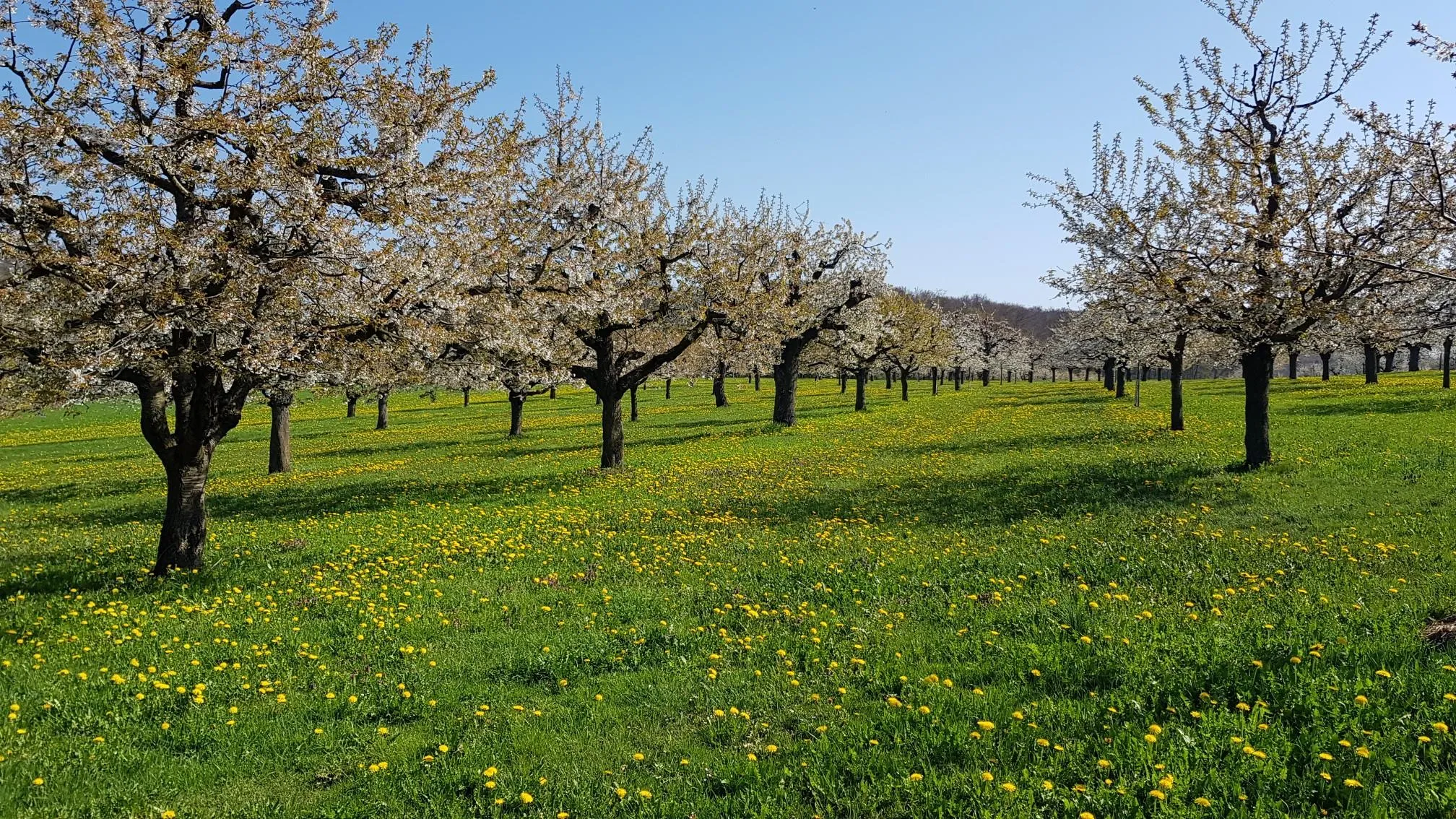
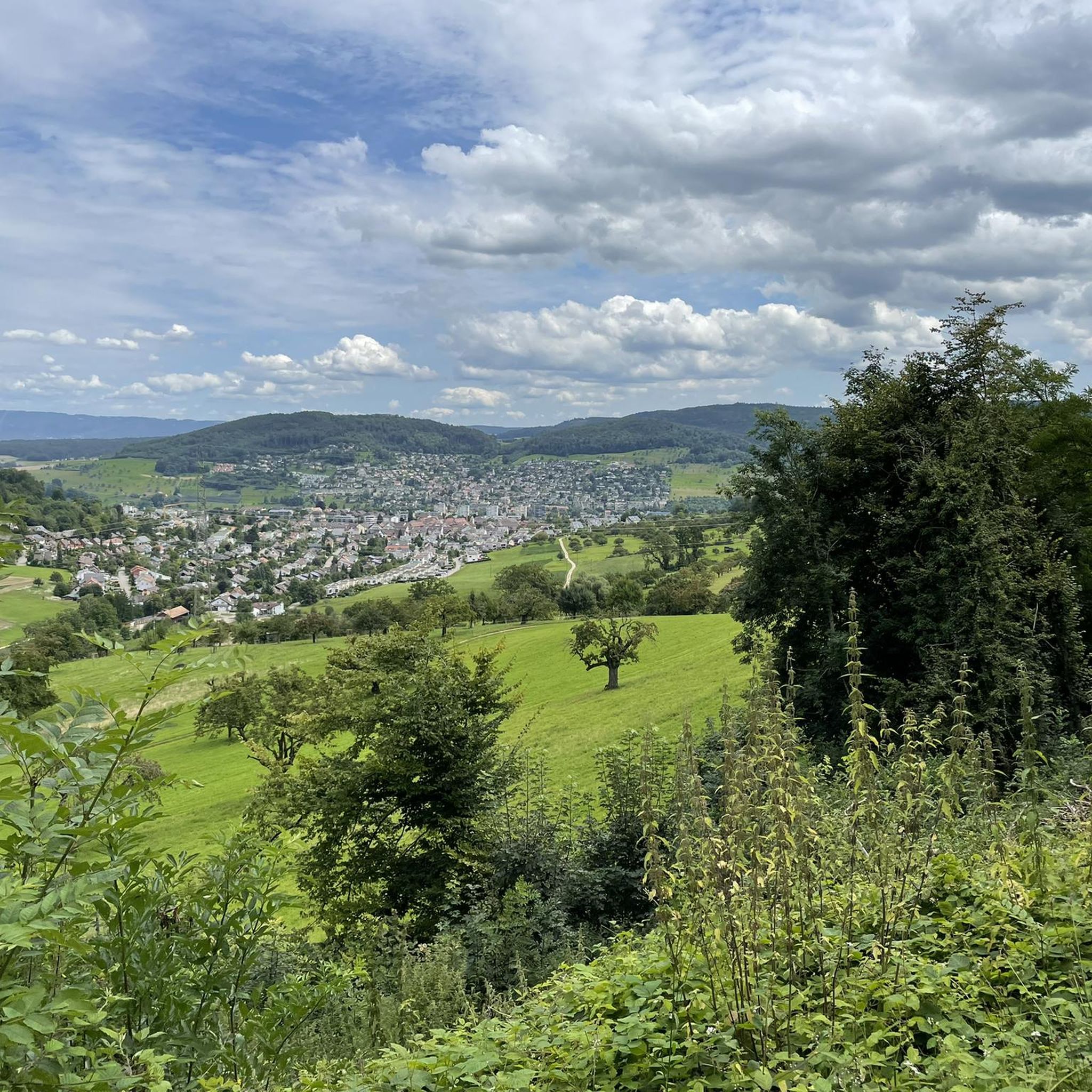
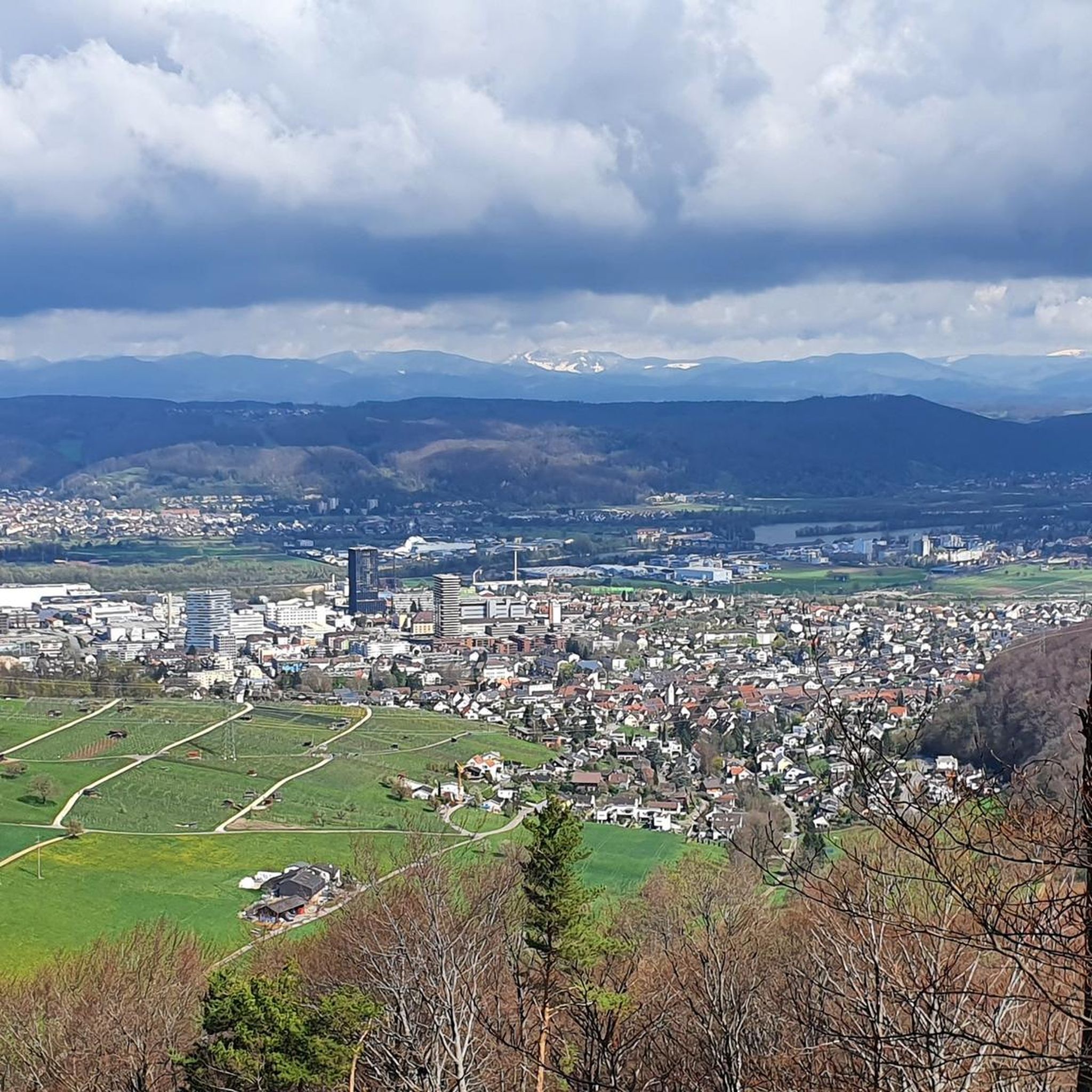
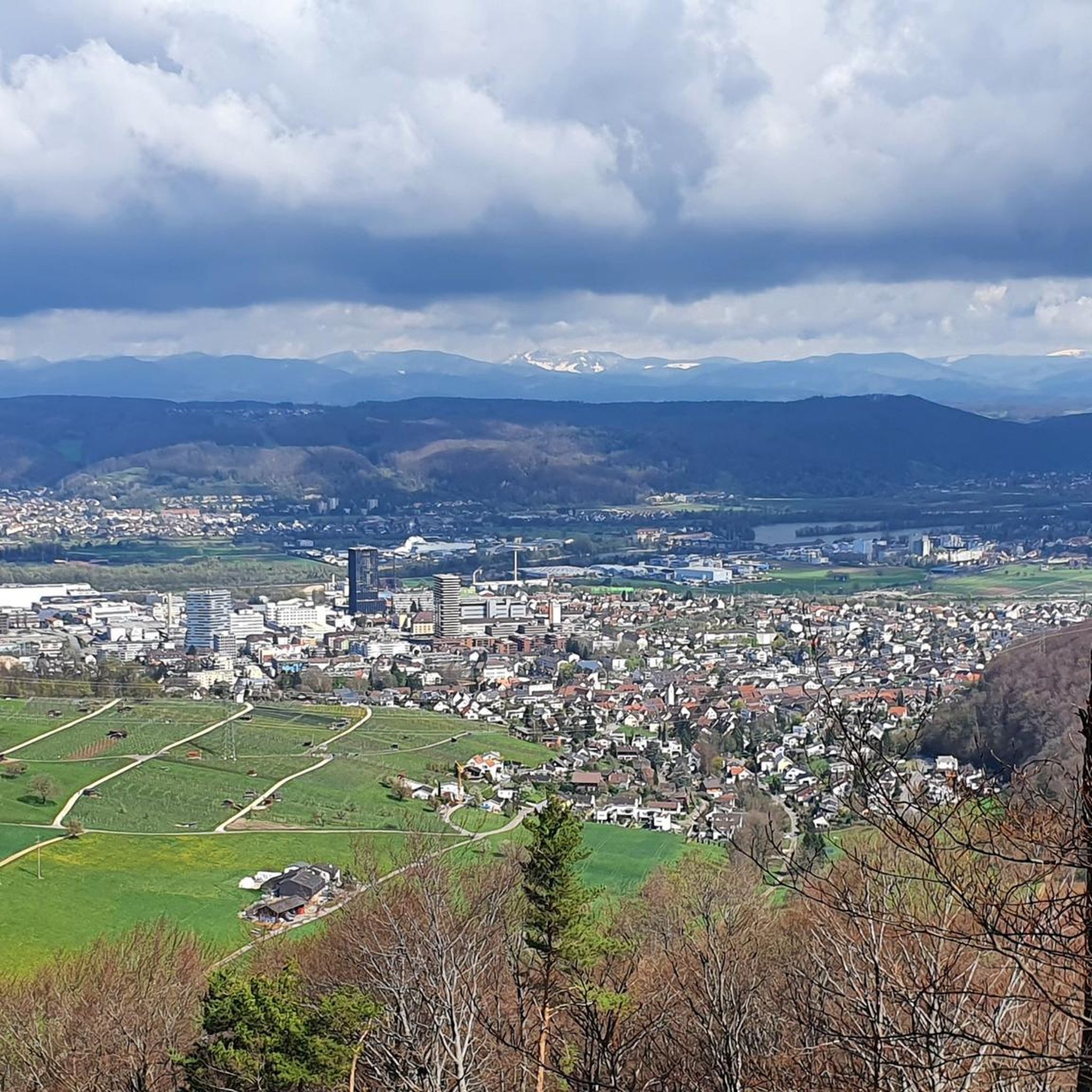
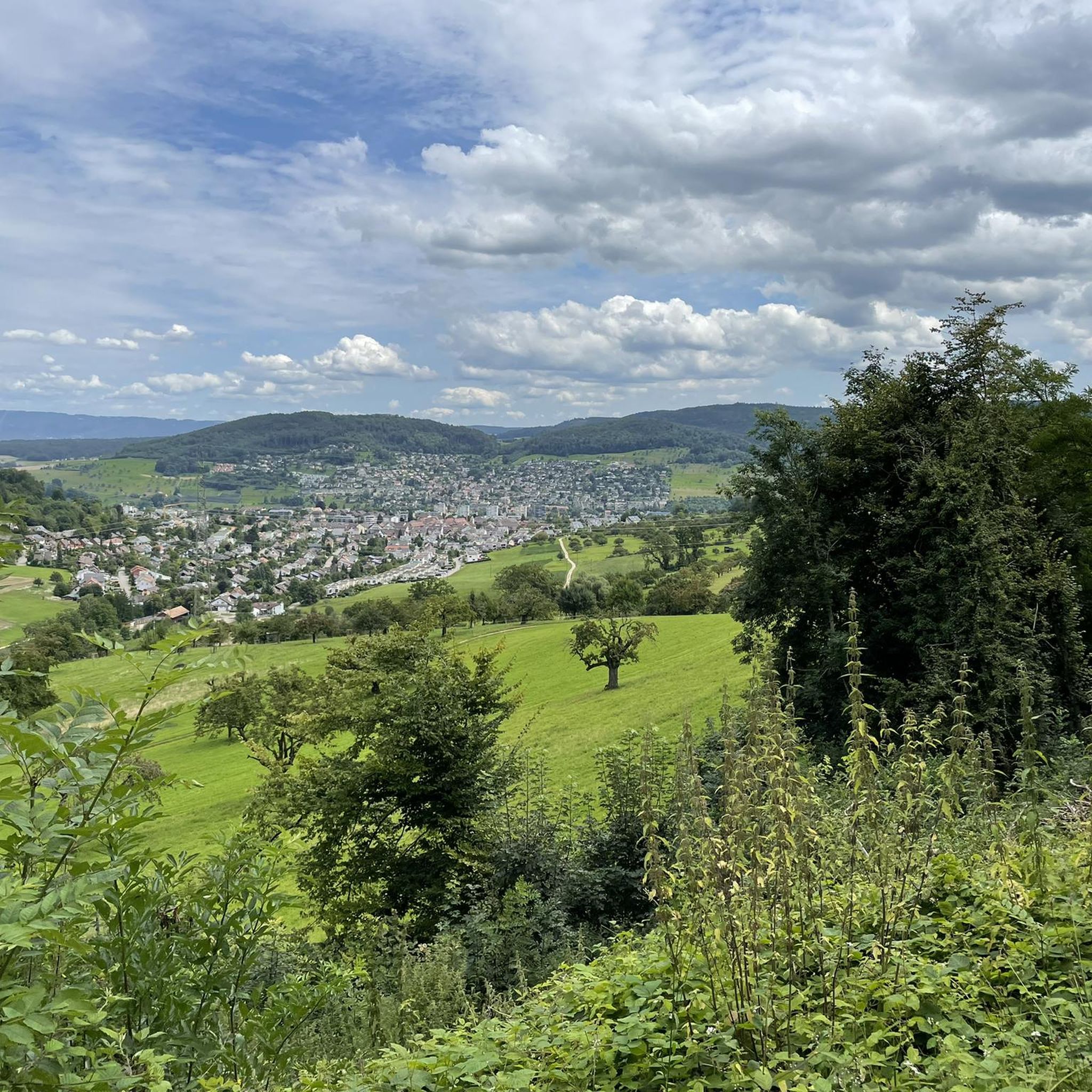

Other adventures around Frenkendorf

Tips from the Community

In addition to its scenic beauty, the Kaltbrunnental Valley is a great outdoor playground for families. The stream offers fun activities and children's canyoning, easy access to the water, and barbecue areas are available. A hot tip, especially in summer.
1
0


Already 12,000 years ago, gatherers and hunters used the protection of the caves in Chessiloch.
2
0

With a flashlight you can look inside pretty well.
0
0

The Ermitage is a large and lovingly designed green area from 1785, with three idyllic ponds, several romantic grottos, historical buildings, pretty walking paths between the shore and the edge of the forest and, on top of it all, the castle ruins of Bierseck Castle, as the crowning glory of the whole. It is a wonderful place for physical and mental relaxation, but those seeking peace and quiet should visit outside of the holidays or weekends. It is a real visitor magnet. Warning! The grottos can only be reached on foot and via steep stairs. The rest of the garden is mostly wheelchair accessible and suitable for pushchairs. There are no parking spaces directly at the Ermitage! Free entry!
0
0

Fine cookie. "Made with love".
1
0

The Hermitage in Arlesheim is a romantic landscape garden based on the English model. It is a place of silence, peace, contemplation, and for some even a place of strength. The meandering, playful paths make you want to discover the various nooks and crannies of the Hermitage. Here you can meet the hermit Brother Klaus or discover small cave entrances. The Hermitage also has a beautifully landscaped pond. The wooden footbridge that leads into the pond invites you to linger. The Hermitage has its charm in every season. It was opened in 1785. There is so much to say and learn about the Hermitage that it is worth taking part in one of the regular tours. Ask the Arlesheim Tourist Office or the "Friends of the Hermitage" association. Towards the end of the 18th century, the largest English garden in Switzerland was created on the Birseck castle hill. English gardens combine the natural landscape with artificial elements that are based on nature. Observation platforms, waterfalls, suspension bridges and hermits' cells were created, which were connected by winding paths. Even in ancient times, the area around the Ermitage was apparently a sacred landscape. Finds in the caves prove that this area was already inhabited in the Stone Age. "The sensitive people who live close to nature must have always noticed the high vibrations at the Ermitage, which is why it can be assumed that the hill with its caves has been the home of wise women and men for thousands of years." And even today, a secret hovers over the landscape. There are intense power spots right next to the grotto complex in the entrance area, at the rock overhang at the carousel square or on the square of the Temple Rustique. These are the power spots whose vibrations help to open the inner eyes. The Ermitage has become a true place of pilgrimage for many who know the importance of such places and appreciate their influence. Source: Pier Hänni, Magical Jura. Hikes to places of power from Schaffhausen, via Basel to the Neuenburg Jura, AT Verlag, Baden and Munich, pp. 76-80.
1
0
Several hermitages and small caves are located in this beautiful complex.
0
0
Frequently Asked Questions
What are some historically significant caves near Frenkendorf?
The region around Frenkendorf is rich in historical and archaeological cave sites. The Schalberg Cave, for instance, was used by humans during the Stone Age and Bronze Age, with findings including flint tools and human bones. The Kaltbrunnental Gorge also features caves where gatherers and hunters lived over 12,000 years ago. Further afield, the Kastel Cave in the Chaltbrunnental has evidence of Neanderthal habitation from around 40,000 years ago, along with later Homo sapiens artifacts.
Are there family-friendly caves or areas with caves around Frenkendorf?
Yes, several areas are suitable for families. The Chaltbrunnental Nature Reserve offers easy hikes through an interesting environment with many caves and a karst educational trail, perfect for children. The Ermitage Arlesheim Landscape Garden, recognized as the largest English landscaped garden in Switzerland, includes small caves, lakes, and Birseck Castle, providing a varied experience for all ages. The Kaltbrunnental Gorge also has easy, shaded hiking trails that are pleasant for families.
What kind of natural features can I expect to see in the caves and surrounding areas?
The caves and valleys near Frenkendorf showcase diverse natural features. The Bruderloch Cave, for example, is an impressive limestone cave system with three large chambers and unique formations. The Chaltbrunnental, home to caves like Kastel Cave, is known for its rugged forest, geological peculiarities, and a karst educational trail that explains phenomena like creeks that vanish and reappear. The Kaltbrunnental Gorge features impressive rock walls and a stream winding through the valley.
Which caves offer insights into prehistoric human activity?
For insights into prehistory, the Schalberg Cave is significant, with archaeological findings from the Stone Age and Bronze Age, including flint tools and human remains. The Kaltbrunnental Gorge contains caves that were utilized by gatherers and hunters over 12,000 years ago. The Kastel Cave in the Chaltbrunnental is particularly notable for evidence of Neanderthal habitation dating back 40,000 years, alongside later Homo sapiens discoveries like stone tools and jewelry.
What are the best times to visit the caves around Frenkendorf?
Many caves in the region, such as the Bruderloch Cave, maintain a constant temperature and are accessible year-round. However, the surrounding hiking trails and natural reserves like the Chaltbrunnental Nature Reserve and Kaltbrunnental Gorge are particularly pleasant during warmer months, as many paths are shaded by trees, offering a cool escape in summer. Always check specific cave access conditions, especially during winter.
Are there hiking trails associated with the caves near Frenkendorf?
Yes, many caves are integrated into hiking trails. The Chaltbrunnental Nature Reserve offers easy hikes with a karst educational trail that highlights the area's many caves. The Kaltbrunnental Gorge is known for its easy and pleasant hiking trails that lead past significant archaeological cave sites. For more hiking options, you can explore various routes in the region, including those found in the cycling guides around Frenkendorf, which often share paths with walking trails.
What should I wear or bring for exploring caves in this region?
For exploring caves like Bruderloch, proper lighting such as a headlamp or flashlight is highly recommended. Good footwear is essential, especially for caves like Schalberg Cave, where sure-footedness is advised due to narrow or winding passages. Some caves, such as parts of Kastel Cave or Ibach Cave in the Chaltbrunnental, may require crawling, so comfortable clothing that you don't mind getting dirty is advisable.
What makes the Chaltbrunnental area special for cave exploration?
The Chaltbrunnental is a unique valley known for its rugged forest, geological features, and significant archaeological importance. It hosts several caves, including the Kastel Cave, which has yielded evidence of Neanderthal and Homo sapiens habitation. The area also features other smaller caves like Ibach Cave and Heidenküche Cave. A karst educational trail provides insights into the valley's geological and archaeological peculiarities, making it ideal for hikers, nature lovers, and history enthusiasts.
Is there a cave near Frenkendorf that is particularly long or extensive?
While not directly in Frenkendorf, the Bruderloch Cave near Wenslingen in the Baselbiet region is one of the longest cave systems in the area, stretching almost 300 meters. It features three large chambers and one smaller one, with impressive limestone formations and a main hallway accessible by ladder.
What do visitors enjoy most about the caves and natural areas around Frenkendorf?
Visitors frequently appreciate the diverse natural landscape and the historical significance of the caves. Many enjoy the easy hiking trails through areas like the Kaltbrunnental Gorge and Chaltbrunnental Nature Reserve, especially their pleasant shade in summer. The unique blend of natural beauty, geological formations, and rich archaeological history, including prehistoric human artifacts, makes these sites particularly appealing.
Are there any man-made caves or cellars with historical significance in the region?
Yes, the Roniger Rock Cellar in Magden is a notable example. This vaulted cellar was built in the rock in 1868 by the Roniger family for their home brewery. It was crucial for beer production before the invention of ice machines, providing a consistently cool environment. The cellar, now repaired and preserved, offers a glimpse into historical brewing practices in the region.
Can I combine cave exploration with other outdoor activities near Frenkendorf?
Absolutely. The natural areas surrounding the caves are excellent for various outdoor activities. You can find numerous cycling routes, including easy, moderate, and difficult options for cycling, gravel biking, and road cycling around Frenkendorf. Many of these routes pass through scenic landscapes and near natural landmarks, allowing you to combine cave visits with a bike tour.
Most popular routes around Frenkendorf
Most popular attractions around Frenkendorf

Get inspired with the komoot mobile app


Explore more
Extend your search for the best caves by checking out these guides of the top ones around Frenkendorf:
