Top 12 Caves in Corfu
Best caves in Corfu are found both along its coastline and inland, offering diverse geological formations and historical significance. The island features numerous caves, many of which are steeped in local history and mythology. These natural formations range from sea caves carved by the Ionian Sea to land caves with archaeological importance. Exploring these sites provides insight into Corfu's natural landscape and past human activity.
Best caves in Corfu
- The most popular caves is Angelokastro Castle, a castle that features a small chapel beaten directly into the rock. This chapel, dating back to the 8th century, is located within the fortress structure.
- Another must-see spot is Rock-Cut Chapel, a religious building carved into the rock. This small chapel is still in use.
- Visitors also love Gardiki Cave, a cave that was inhabited by hunters and gatherers around 20,000 years ago. Archaeological finds from this 20-meter-long cave are displayed in a museum.
- Corfu is known for its sea caves and land caves. These include coastal grottoes and inland caverns, offering a variety of natural features to explore.
- The caves in Corfu are appreciated by the komoot community, with 235 upvotes and 355 photos shared by users.
Last updated: October 1, 2026
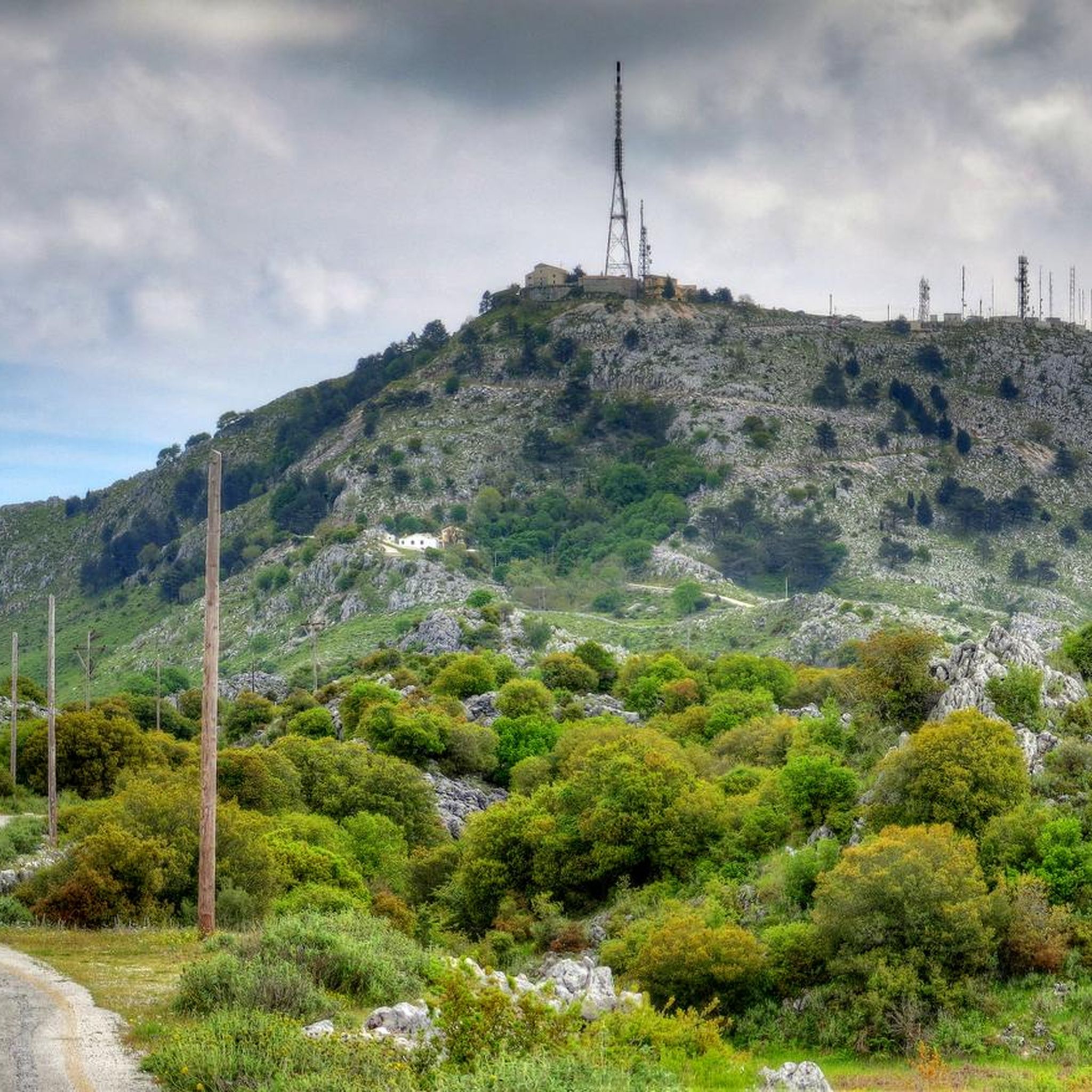
Angelokastro Castle
Highlight • Castle
A well-developed, small country road leads to a tavern below the castle rock. The prices there are perfectly fine, the food is delicious and you can take a break with a beautiful view of the castle and steep down to the sea on the large terrace.
The parking facilities are quite limited, a small parking lot, which is also Wendemmöglichkeit, can be found in front of the tavern. Now and then the place is approached by small excursion buses. There is definitely no crowds there and the road is wide enough to park the car on the side of the road.
From the tavern leads a paved path with stairs in about 10 minutes up to the castle. At the beginning of the path there is a guard house, which is occupied from Tuesday to Sunday from 9 to 15 and where 2 € admission is due. Outside these times (or if the guard is not there at the moment) the castle is freely accessible. "Closed" here means that a chain hangs at knee height above the path over which you can easily get in or out again.
From the castle rock you have a great view over the west coast of the island and the open sea. Of course you can watch the sunset up here as well.
Translated by Google •
Tip by

Cave Chapel of Saint Stylianos
Highlight • Religious Site
At the end of the trail you will find the litte chapel "Ágios Stylianós". It is devoted to the patron saint of children and especially locals a child of pilgrimage site.
Translated by Google •
Tip by

Sign up now to discover places like this
Get recommendations on the best single tracks, peaks, & plenty of other exciting outdoor places.
Gardiki Cave
Highlight • Cave
Translated by Google •
Tip by

La Grotta Beach & Cave
Highlight • Beach
Translated by Google •
Tip by

Vouvalomantria Beach and Sea Cave
Highlight • Beach
Translated by Google •
Tip by

Sign up for free to discover even more caves in Corfu.
Already have an account?
Start today with a free account
Your next adventure awaits.


Tips from the Community

Great bay with many possibilities, not for "mass tourists".
2
0

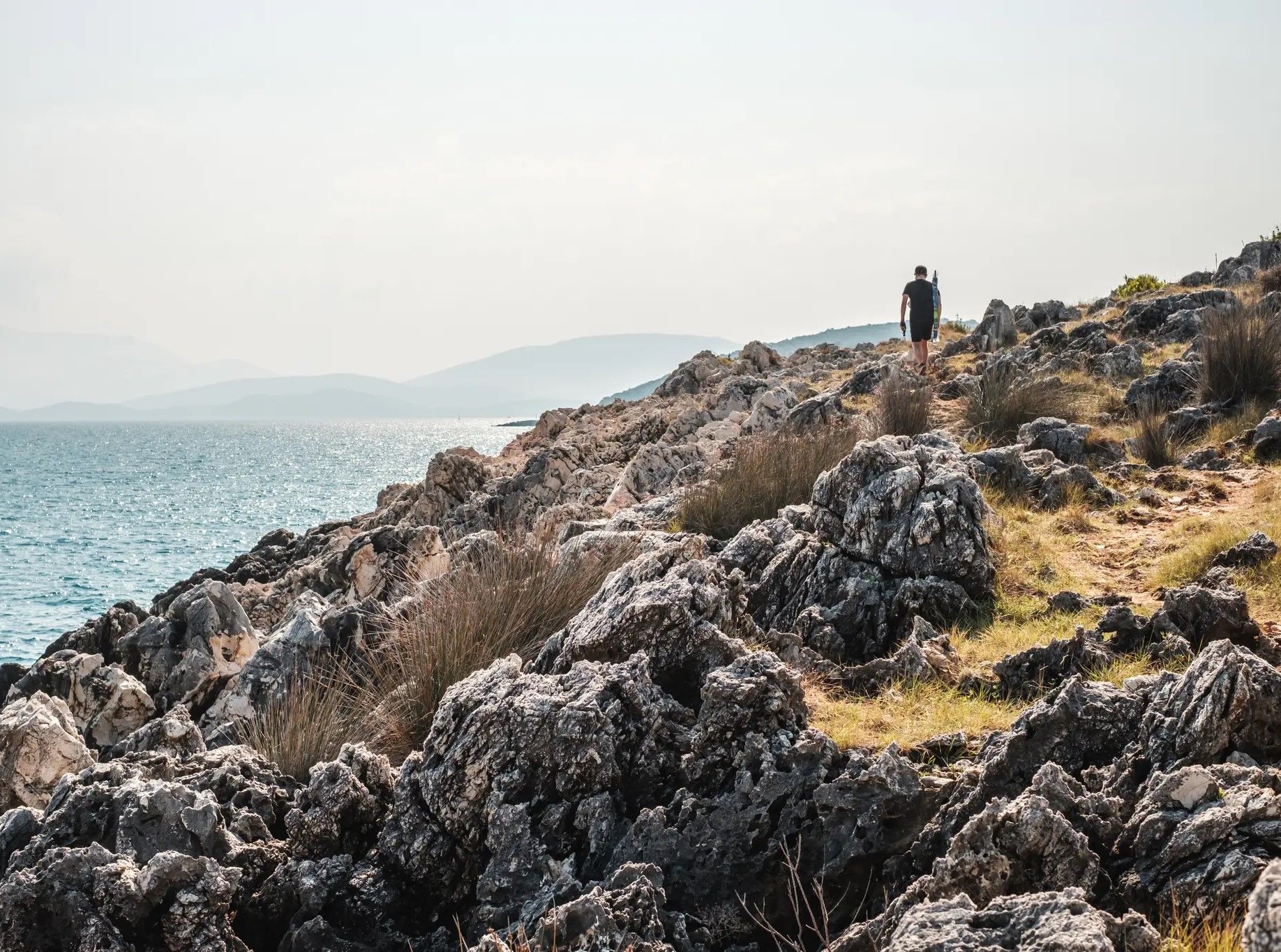
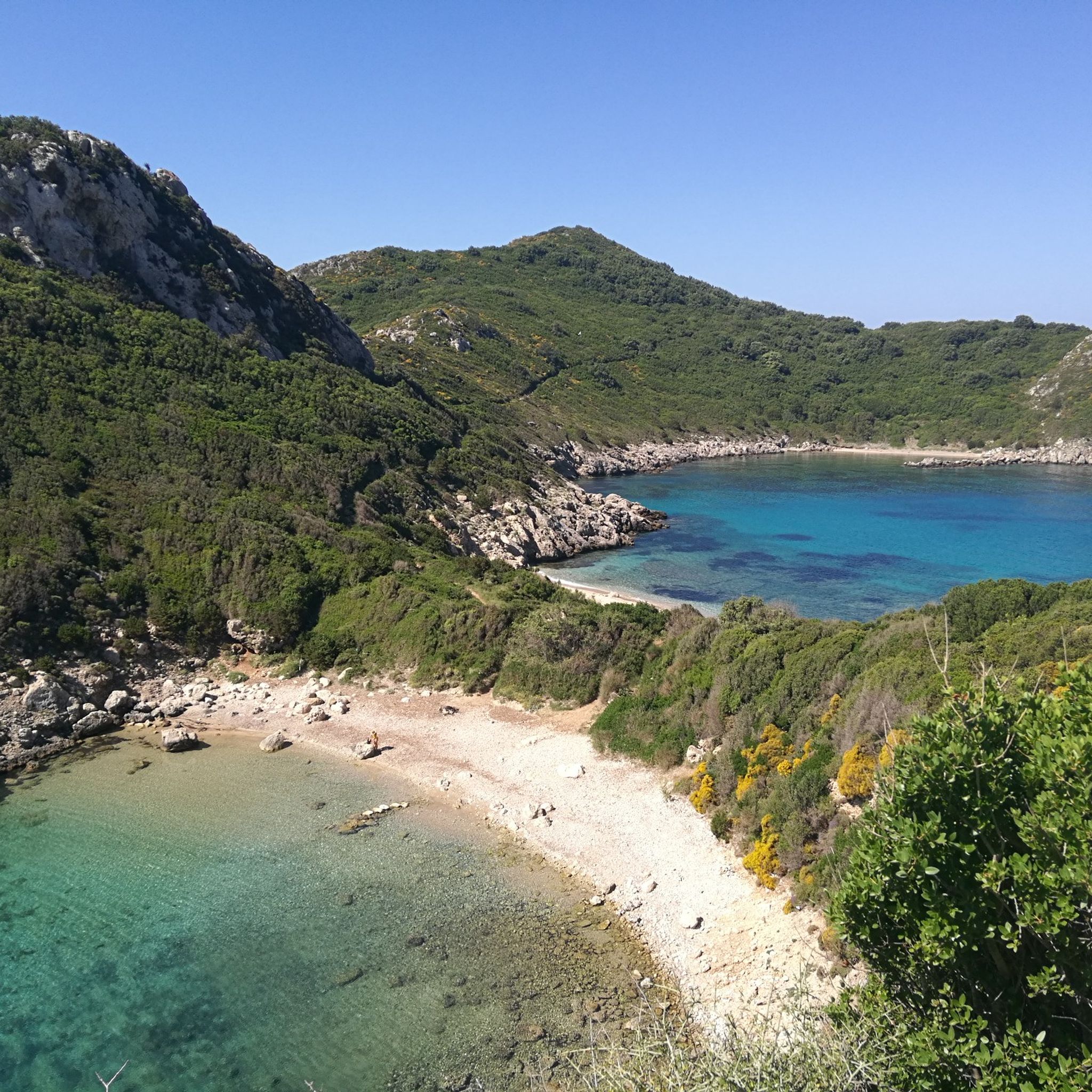
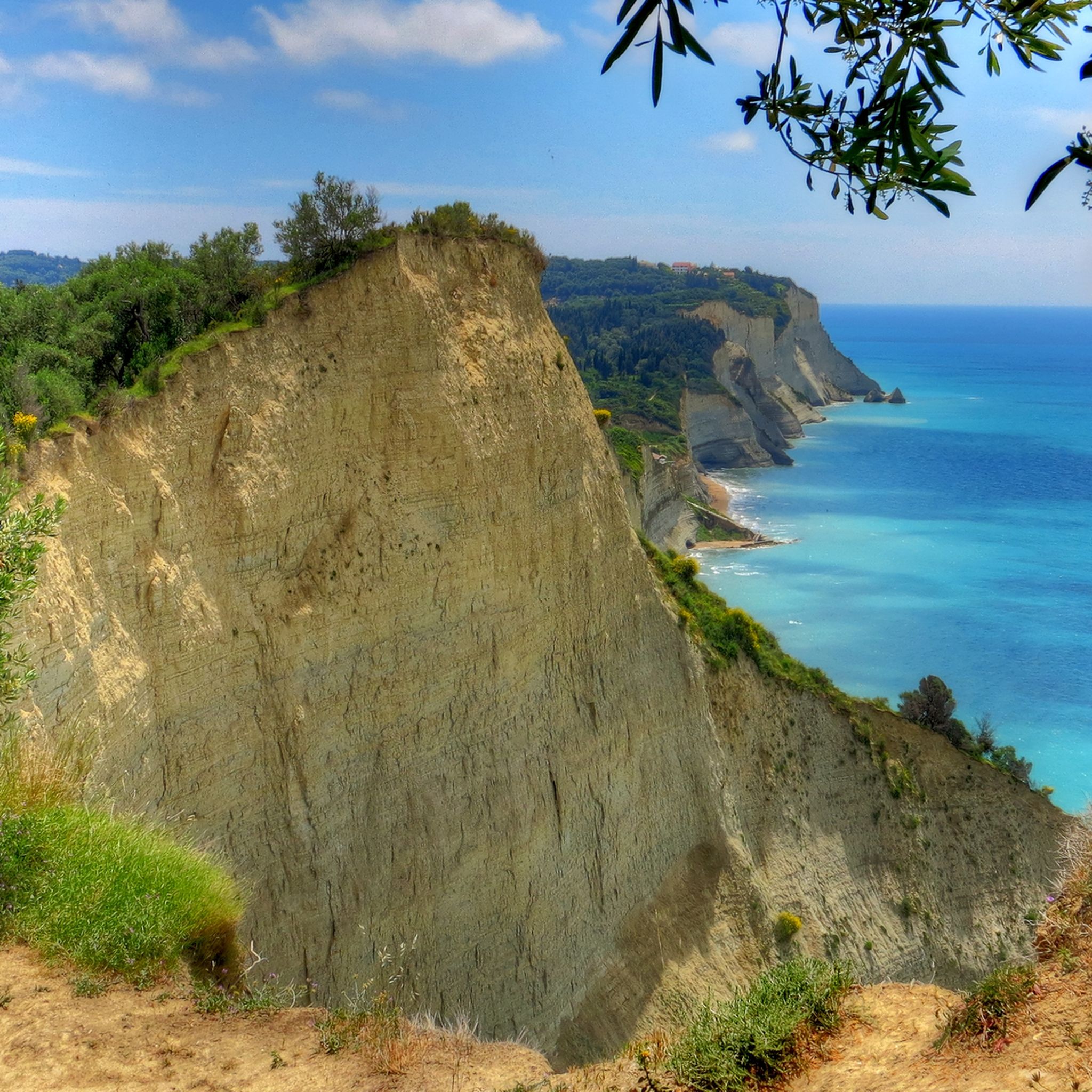
On the other side of St Barbara Beach is Vouvalomantria Beach. There is a narrow path through the forest or you can reach it over the rocks along the coast. The beach is quite small but has a small grotto. You can only reach it by water. You can reach it without swimming.
0
0

For 12 euros per person (as of June 2024) you can take a 3-grotto tour including a Blue Exe. Boat docking/departure point opposite the large car park below the monastery.
0
0

Steep climb, but a visit to the small pilgrimage site is definitely recommended.
1
0

Small chapel at the end of the hiking trail that we would never have discovered without Komoot. The small interior of the "cave chapel" is particularly lovingly designed and worth a visit. Many thanks to the person who created the highlight.
2
0


The chapel is still in use. No view of the surrounding area
2
0

Worthwhile! Really look and take pictures
1
0
Frequently Asked Questions
What types of caves can I explore in Corfu?
Corfu offers a diverse range of caves, including both stunning sea caves along its coastline and intriguing land caves scattered across the island. The sea caves, particularly around Paleokastritsa, are known for their crystal-clear waters and unique light effects, while land caves often hold historical, archaeological, or religious significance.
Are there any sea caves in Corfu known for unique natural phenomena?
Yes, the sea caves around Paleokastritsa feature several unique natural phenomena. The Blue Eye Cave is famous for an optical illusion where sunlight creates a glowing blue patch in the water. The Breathing Cave is an underwater cave with multiple chambers, suitable for experienced divers, known for its dynamic environment.
Which caves in Corfu have historical or archaeological significance?
Several caves in Corfu are rich in history. Gardiki Cave was inhabited by hunters and gatherers around 20,000 years ago, with archaeological finds displayed in a museum. Nianiiris Cave (Anastasis Cave) near Doukades served as a shelter during World War II. Additionally, Angelokastro Castle features a small chapel beaten directly into the rock, dating back to the 8th century.
Are there any caves in Corfu with religious significance?
Yes, Corfu has caves with religious importance. The Angelokastro Castle includes a rock-cut chapel within its fortress. The Cave Chapel of Saint Stylianos is a unique site with a tiny church nestled inside a cave, dedicated to the patron saint of children. There's also a Rock-Cut Chapel that is still in use today.
How can I best explore the sea caves around Paleokastritsa?
The sea caves around Paleokastritsa are best explored by boat. Numerous local boat tours are available, offering trips to famous spots like Nausicaa Cave, Agios Nikolaos Cave, and the Blue Eye Cave. These tours often provide opportunities for swimming, snorkeling, and enjoying the clear, turquoise waters.
Are there any easily accessible land caves in Corfu?
Klimatia Cave (Anthropograva cave), located near Klimatia village in the northern part of the island, is known for its easy accessibility. It features a 7-meter inclined passage leading to a domed section adorned with stalactites and stalagmites.
What should I know about visiting the Waterfall Cave in Kyprianades?
The Waterfall Cave in Kyprianades is a small but interesting cave that is primarily visible when the waterfall is dry, typically during the summer months. This seasonal visibility makes the view particularly rewarding for those who time their visit accordingly.
Are there facilities or amenities near the caves?
Some cave locations offer nearby amenities. For instance, near Angelokastro Castle, you'll find a tavern with food and views. La Grotta Beach & Cave also has a small bar where you can order drinks. For other caves, it's advisable to check local information or bring your own provisions.
What outdoor activities can I combine with a visit to Corfu's caves?
Corfu offers many outdoor activities that can complement a cave visit. You can find various waterfall hikes, running trails, and road cycling routes across the island. Many sea caves are also popular for snorkeling and diving, allowing you to explore the rich marine ecosystem.
Are there hiking trails near any of the caves?
Yes, there are hiking opportunities near some caves. For example, the Cave Chapel of Saint Stylianos is located at the end of a trail, offering a wonderful place to pause. You can also find various hiking routes in Corfu that might pass by or near other cave sites.
What do visitors particularly enjoy about Corfu's caves?
Visitors often highlight the stunning natural beauty, especially the crystal-clear turquoise waters and unique light effects in the sea caves. The blend of natural formations with ancient mythology and rich history also captivates many. The sense of discovery and the peaceful atmosphere in places like the Cave Chapel of Saint Stylianos are also frequently praised.
Are there any challenging caves for experienced explorers or divers?
Yes, for those seeking a challenge, the Nianiiris Cave (Anastasis Cave) near Doukades can be difficult to access due to thick vegetation and may require professional equipment. The Breathing Cave in Paleokastritsa is an underwater cave with multiple chambers, suitable for experienced divers due to its complexity.
Most popular routes in Corfu
Most popular attractions in Corfu

Get inspired with the komoot mobile app


Explore more
Extend your search for the best caves by checking out these guides of the top ones in Corfu:
