Top 14 Castles in Palermo
Castles in Palermo reflect the city's diverse history, showcasing Norman, Arab, Gothic, and Baroque influences. These structures, often serving as fortified residences, offer insight into Sicily's royal and aristocratic heritage. The region's historical significance is evident in its numerous ancient fortifications and palaces.
Best castles in Palermo
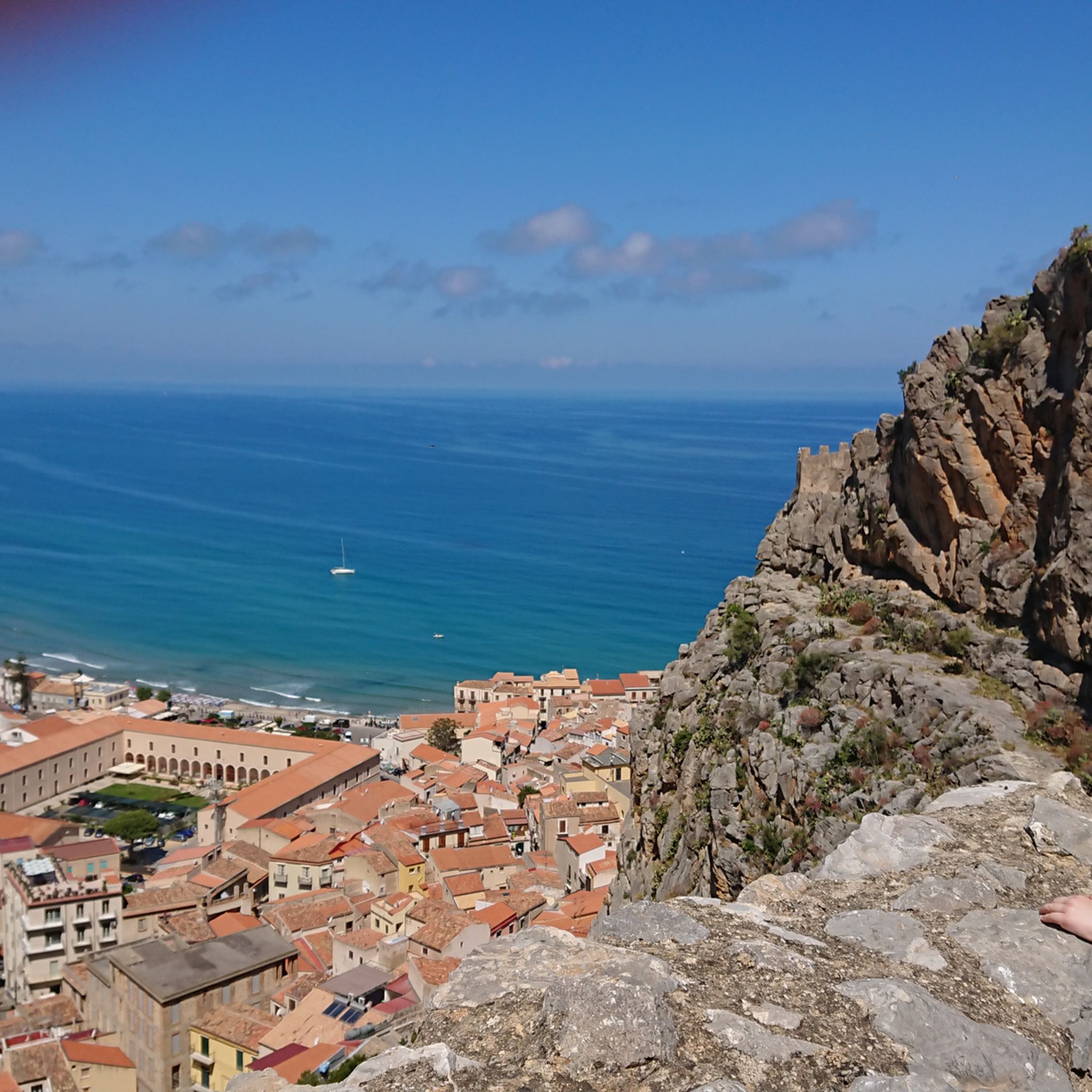
- The most popular castles is Rocca di Cefalù — Castle Ruins, a castle that offers challenging climbs and panoramic views. The climb is best done in the morning.
- Another must-see spot is Castelbuono Castle, a historical site commissioned by the Ventimiglia family. It houses the chapel di Sant'Anna and the Museo Civico with archaeological finds.
- Visitors also love Caccamo Castle, a defensive construction known as one of the largest and best preserved Norman castles in Sicily. It is considered one of the largest and best kept in Europe.
- Palermo is known for Norman, Arab-influenced, and Gothic castles. These structures offer a variety of architectural styles and historical narratives to explore.
- The castles in Palermo are appreciated by the komoot community, with more than 440 upvotes and 230 photos shared by visitors.
Last updated: August 21, 2026
Rocca di Cefalù — Castle Ruins
Highlight • Castle
Translated by Google •
Tip by

Castelbuono Castle
Highlight • Castle
Translated by Google •
Tip by

Sign up now to discover places like this
Get recommendations on the best single tracks, peaks, & plenty of other exciting outdoor places.
Sign up for free
Castronovo di Sicilia
Highlight • Settlement
Translated by Google •
Tip by

Caccamo Castle
Highlight • Castle
During a visit to the Castle, lunch or dinner at the A Castellana restaurant housed in the barns is highly recommended (typical Sicilian cuisine and excellent pizzas)
Translated by Google •
Tip by

Castello di Geraci Siculo
Highlight • Castle
Translated by Google •
Tip by

Entrance to Parco della Rocca
Highlight • Rest Area
The ticket is also required to leave the park.
Entry is €5 per person, as of April 2024.
The ticket is also required to leave the park.
Translated by Google •
Tip by

Count Federico Palace Museum
Highlight • Historical Site
Translated by Google •
Tip by

Tower of the Marquis of Geraci
Highlight • Monument
Translated by Google •
Tip by

View of Castello Utveggio and Monte Pellegrino from Palermo Cruise Terminal
Highlight • Viewpoint
Translated by Google •
Tip by

Pollina Castle and Old Town
Highlight • Castle
Pollina is a worthwhile detour for mountain bikers in the Madonie Mountains. The historic mountain village sits atop a rocky plateau and offers breathtaking views of the sea and mountains. The climb is challenging but scenically magnificent – ideal as the destination for a panoramic tour. A short break in the village itself is worthwhile: narrow streets, the old castle ruins with a lookout tower, and the open-air theater made of natural stone make Pollina a real highlight. Tip: You can sample local specialties like manna in the cafés before plunging into the exhilarating descent.
Translated by Google •
Tip by

Sign up for free to discover even more castles in Palermo.
Sign up for free
Already have an account?
Start today with a free account
Your next adventure awaits.
Login or Signup
Popular around Palermo
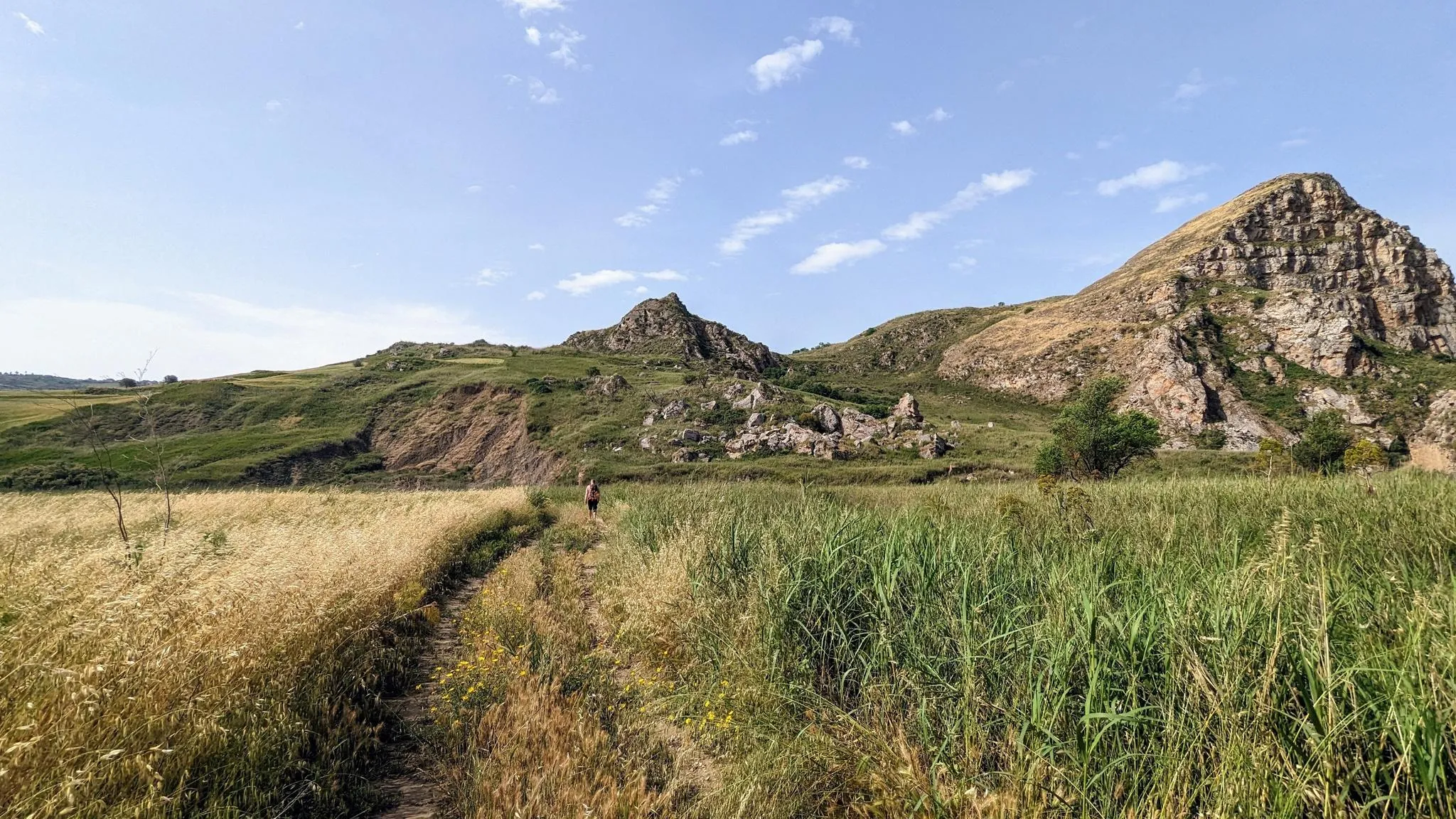
Magna Via Francigena – Sicily between the two seas
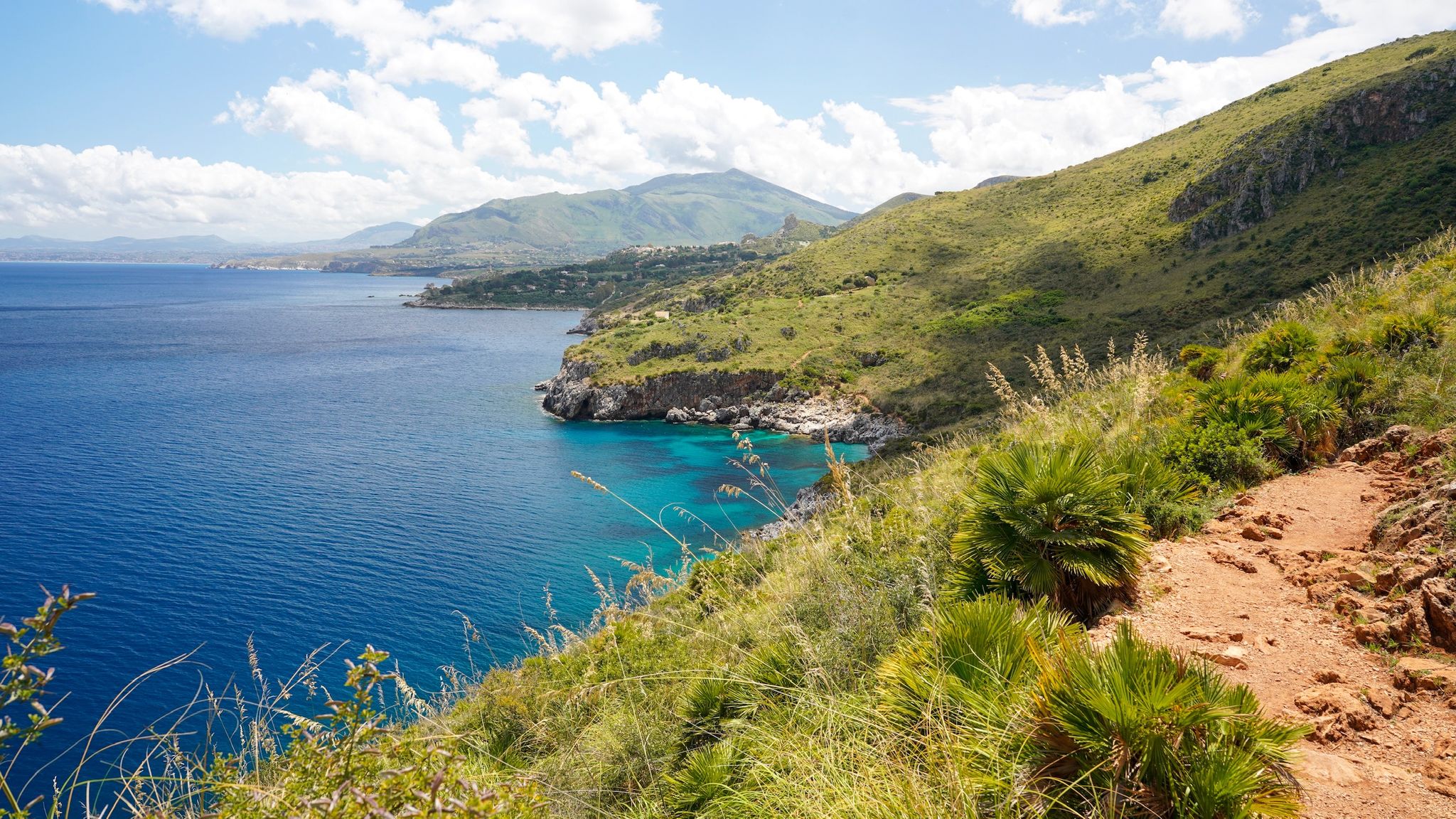
Sentiero Italia – Sicily's natural and artistic treasures
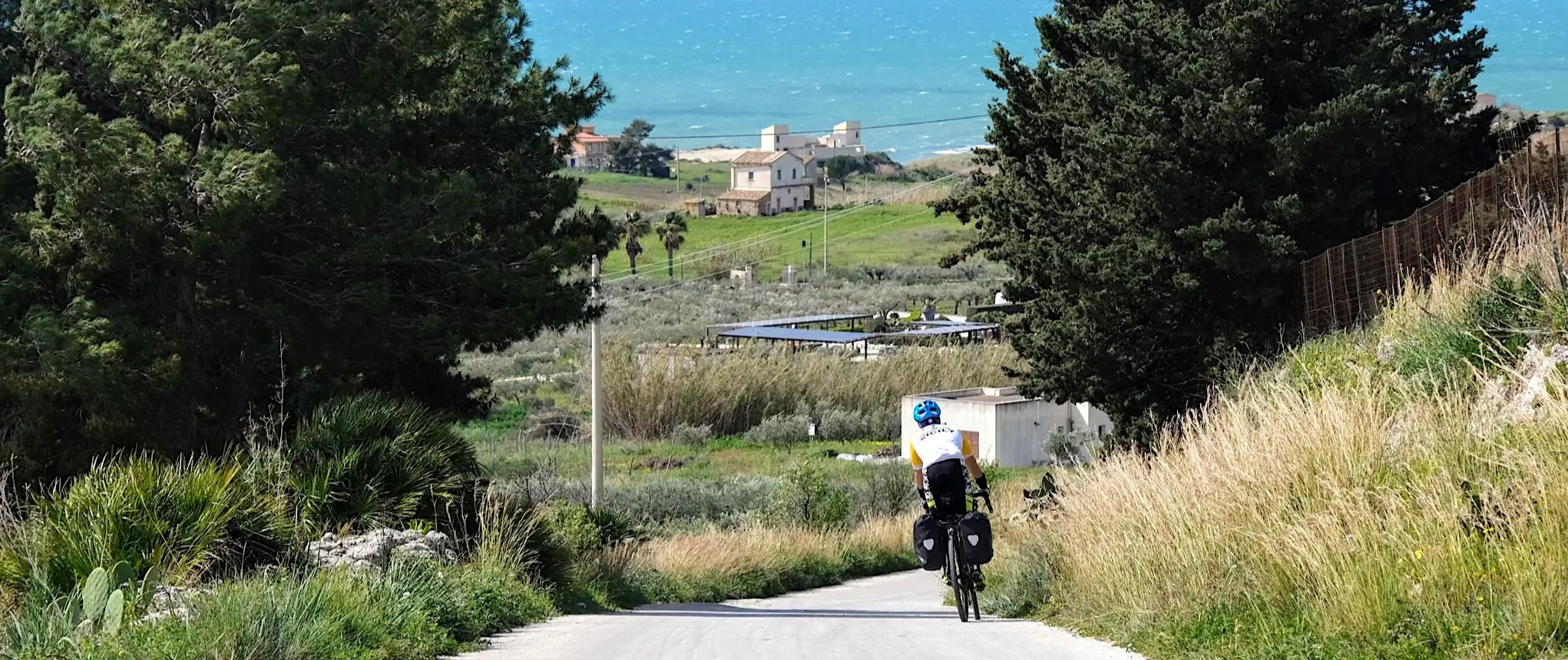
The complete tour of Sicily by road bike
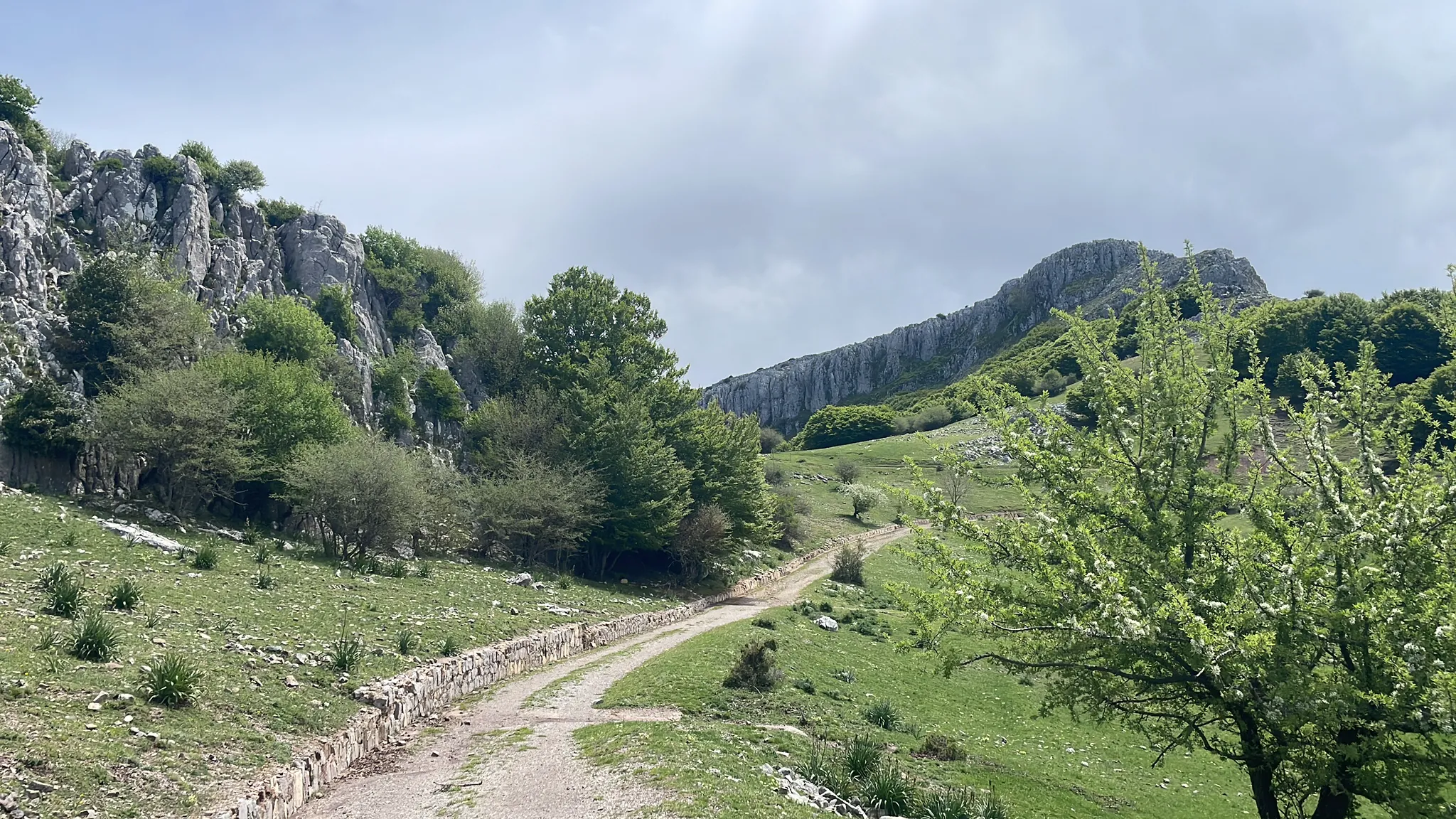
Etna and Madonie mountain bike parks – the Wild Heart of Sicily
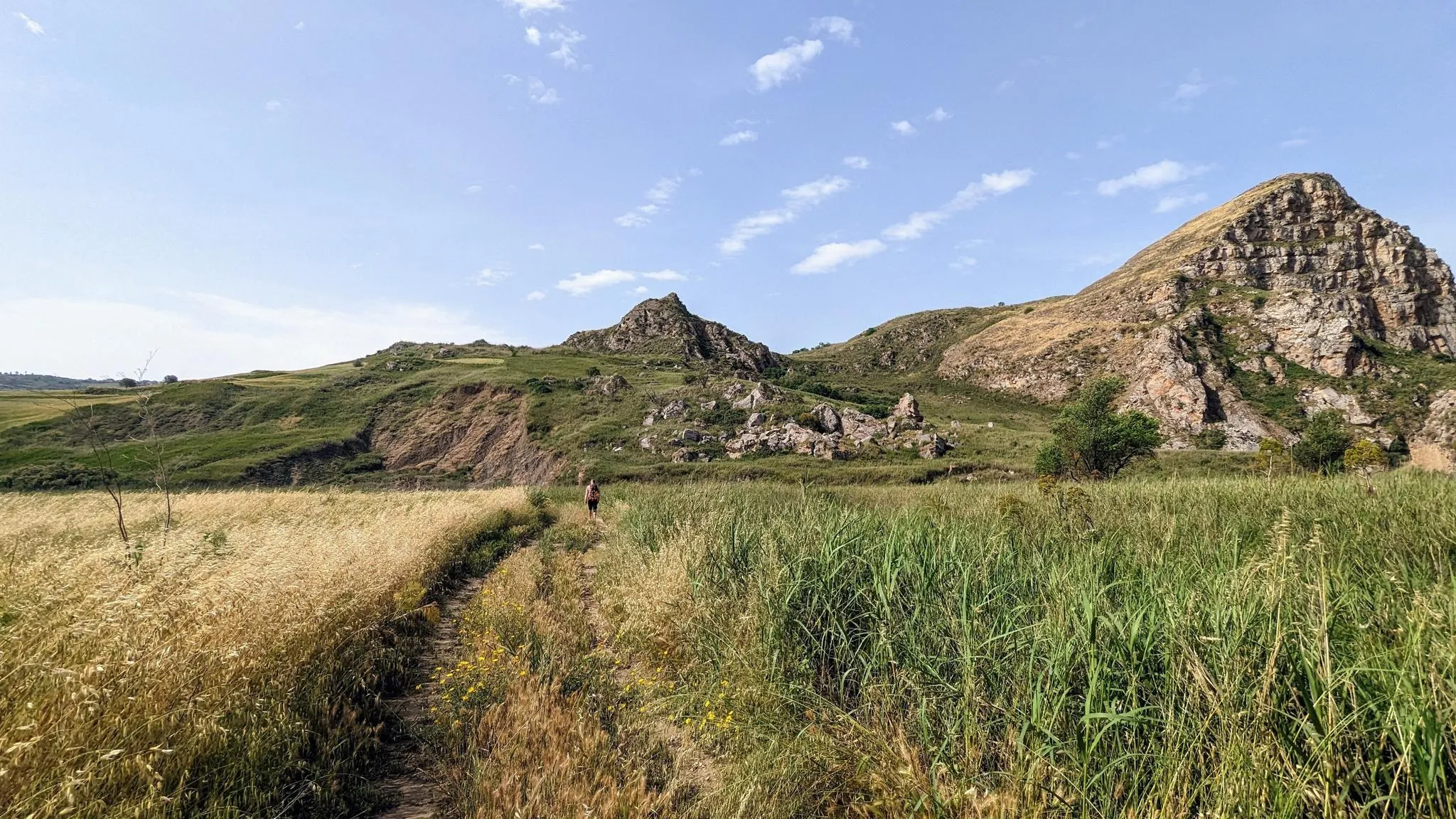
Magna Via Francigena – Palermo to Agrigento
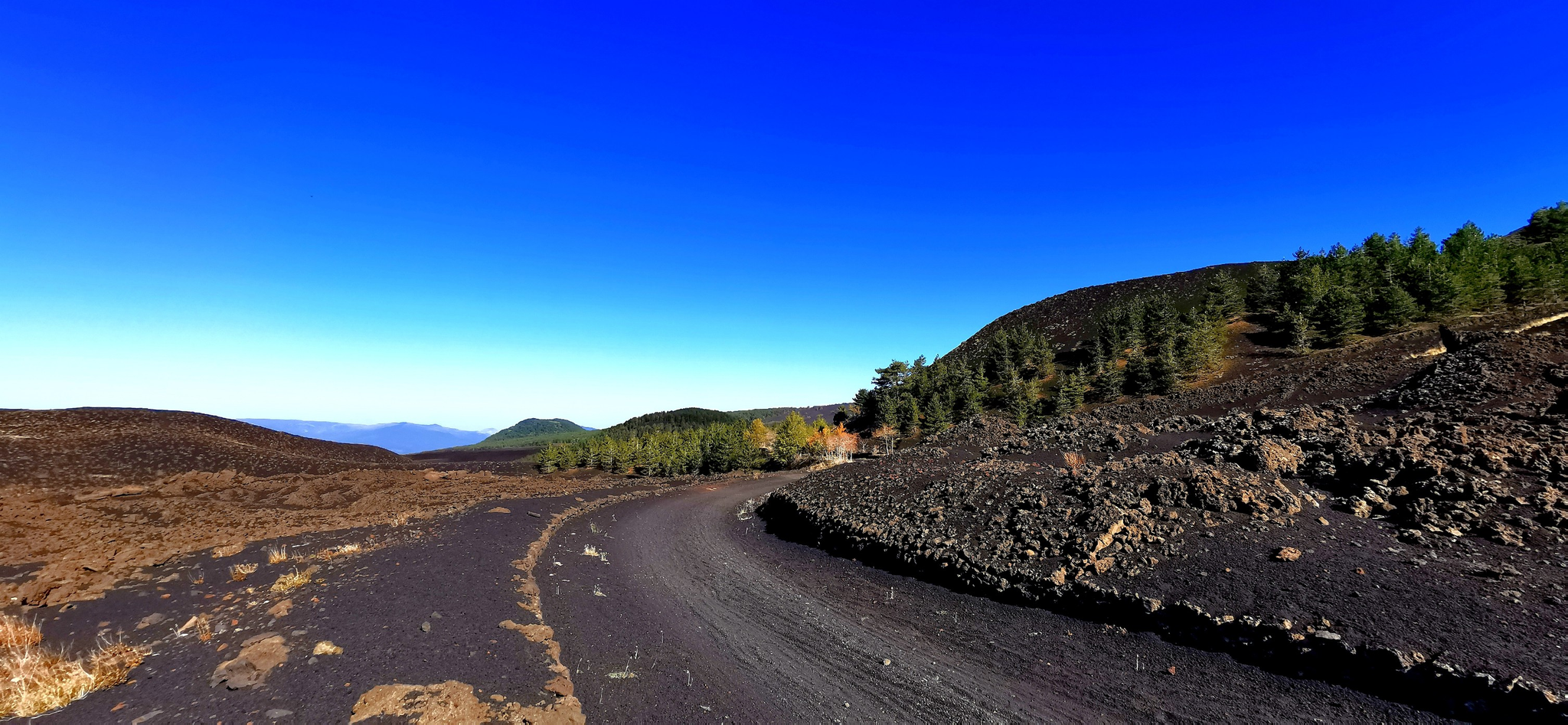
Volcanoes, forests and sea – Parchi della Sicilia cycling route by MTB
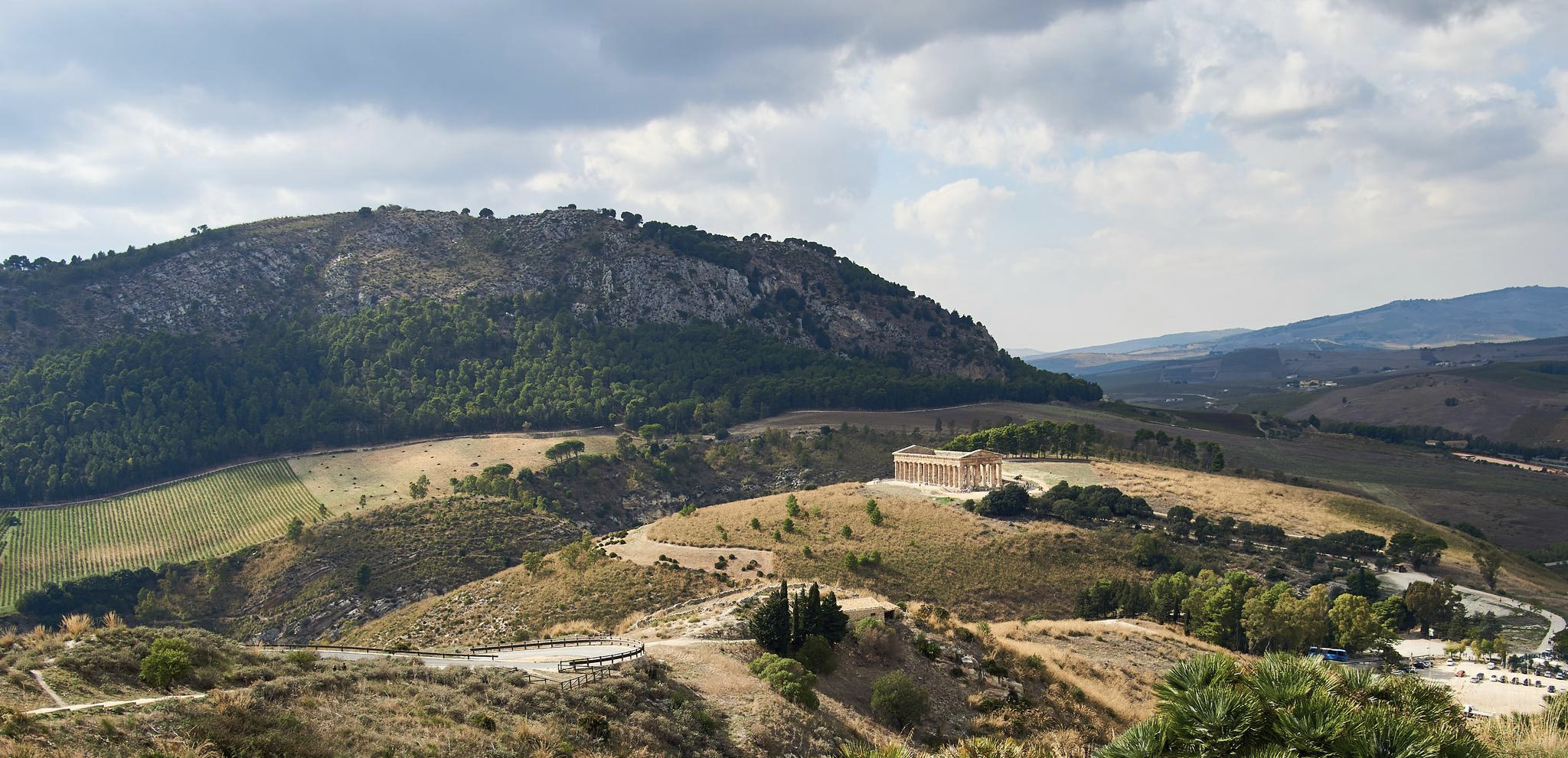
Western Sicily by bike – between flavours and traditions
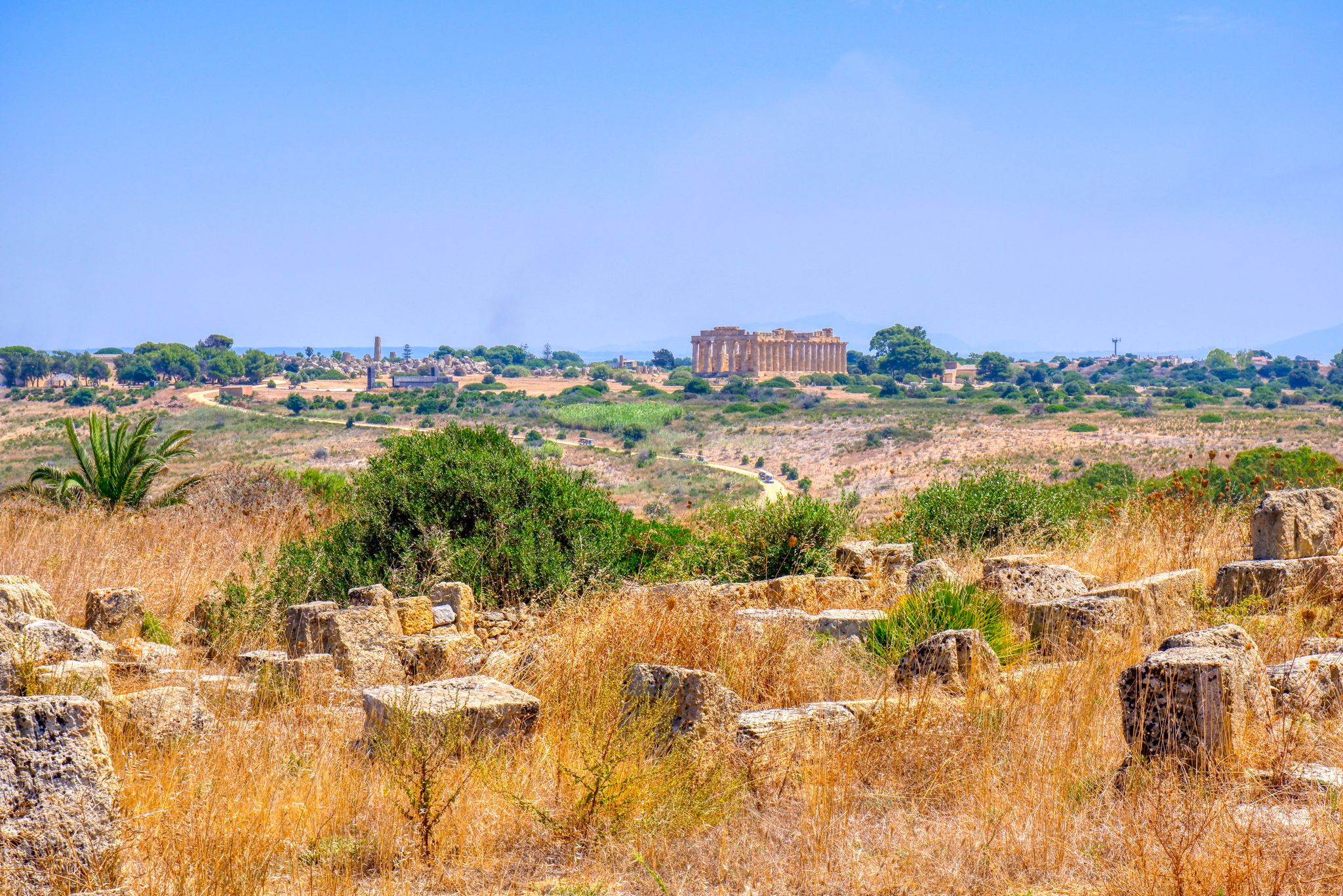
Between nature and history – Western Sicily by bike
From Cape Corsica to Syracuse — three Mediterranean islands
Hiking in Palermo
Other adventures in Palermo


Tips from the Community


Wonderful view Good footwear required
1
0

Castelbuono Castle, a symbol of this small town in the Palermo hinterland. And it couldn't be otherwise, given its grandeur and the glorious history that ties it to the very life of Castelbuono even today. The castle was commissioned by the Ventimiglia family, one of the richest and most noble families in Sicily, whose ties are not only to the castle, but to the very existence of the town of Castelbuono. There is little information about the origins of Castelbuono, but we know that in 1269, King Charles of Anjou confiscated the feudal state of Geraci from the Ventimiglia family, forcing the then head of the family, Alduino, to find new accommodation for the inhabitants of his village. The settlement was married to Ipsigro, an ancient Byzantine farmhouse, which once stood where the center of Castelbuono stands today. Source: https://cefalu.it/magazine/il-fascino-del-castello-dei-ventimiglia-a-castelbuono/
1
0

The Tower of the Marquis of Geraci was built in 1596 and served as a watchtower. It overlooks a rocky outcrop overlooking the Finale Ligure beach. The building now hosts temporary exhibitions.
1
0
Pollina – Mountain Biking Highlight in the Madonie Mountains Pollina is a worthwhile detour for mountain bikers in the Madonie Mountains. The historic mountain village sits atop a rocky plateau and offers breathtaking views of the sea and mountains. The climb is challenging but scenically magnificent – ideal as the destination for a panoramic tour. A short break in the village itself is worthwhile: narrow streets, the old castle ruins with a lookout tower, and the open-air theater made of natural stone make Pollina a real highlight. Tip: You can sample local specialties like manna in the cafés before plunging into the exhilarating descent.
0
0

Caccamo Castle is one of the largest and best kept in Europe
0
0

For footwear, I recommend sturdy shoes for the middle section (mostly steps and easy to walk on) and hiking boots for the very top (medium difficulty). Birkenstocks, etc., are for risk-takers who prefer a helicopter rescue in the event of an accident – experienced firsthand. €5, OK, maybe a bit excessive – but let's be honest, how much does a beer at the beach bar or the trip here cost? At least there's no trash on the trail. Wonderful views and magnificent flora (early April) are guaranteed. It's better to start early in the morning, otherwise it's a highway full of tourists.
1
0
Frequently Asked Questions
What architectural styles can I expect to see in Palermo's castles?
Palermo's castles and palaces showcase a rich blend of architectural styles, reflecting the city's diverse history. You'll find prominent Norman and Arab influences, particularly in structures like the Palazzo dei Normanni and Zisa Castle. Gothic and Baroque elements are also present in other historical residences, offering a fascinating journey through different eras.
What makes the Palazzo dei Normanni a must-visit in Palermo?
The Palazzo dei Normanni, also known as the Royal Palace of Palermo, is considered the oldest royal palace in Europe. Its origins trace back to the 9th century, and it served as the seat of power for various rulers. A major highlight is the stunning Cappella Palatina, a masterpiece of Byzantine art renowned for its intricate gold mosaics and carved wooden ceiling, showcasing a unique blend of Norman, Arab, and Byzantine styles.
What is unique about Castelbuono Castle?
Castelbuono Castle, located in the Palermo hinterland, was commissioned by the powerful Ventimiglia family starting in 1316. It houses the chapel of Sant'Anna, featuring 17th-century stucco work, and the Museo Civico with archaeological finds. This castle is a symbol of the town and offers a deep dive into the region's noble history.
What is the historical significance of Caccamo Castle?
Caccamo Castle is one of the largest and best-preserved Norman castles in Sicily, and indeed, in Europe. This defensive construction offers a glimpse into medieval military architecture and the strategic importance of the region. Visitors often praise its grandeur and historical depth.
What can I expect when visiting Zisa Castle?
Zisa Castle is a remarkable 12th-century palace that served as a summer residence for King William I, showcasing strong Arab influences within its Norman architecture. Its name, 'Al-Azizah,' means 'The Splendid.' The palace was designed to maximize mild breezes and was once part of an extensive royal park. It offers a unique insight into the luxurious lifestyle of Norman kings and the harmonious blend of Arab and Norman art.
What is the history of Palazzo Chiaramonte Steri?
The imposing 14th-century Palazzo Chiaramonte Steri has a rich and varied history. Originally the residence of Manfredi Chiaramonte, a prominent Sicilian figure, it is most notably remembered for serving as the seat of the Inquisition tribunal for nearly two centuries. Its Catalan Gothic architecture and controversial past make for a compelling and informative visit, especially with a knowledgeable guide.
Are there family-friendly castles in Palermo?
Yes, several castles in the Palermo region are considered family-friendly. Castelbuono Castle, Caccamo Castle, and the Count Federico Palace Museum are noted for being suitable for families. These sites often provide engaging historical experiences for all ages.
What is the best time of year to visit Palermo's castles?
The best time to visit Palermo's castles is generally during the spring (April-May) and autumn (September-October) months. The weather is typically mild and pleasant, making it ideal for exploring historical sites on foot. Summers can be very hot, while winters are cooler and can be rainy.
Are there options for outdoor activities near Palermo's castles?
Yes, the Palermo region offers various outdoor activities. You can find numerous hiking trails, such as those in Madonie Park or around Monte Pellegrino. For running enthusiasts, there are challenging trails like the Trail del Monte Pellegrino. Cyclists can explore routes like the 'Palermo between sea and gravel trails.' You can find more details on these activities in the Hiking in Palermo, Running Trails in Palermo, and Cycling in Palermo guides.
How long does it typically take to visit Zisa Castle?
A visit to Zisa Castle typically takes 1 to 2 hours, allowing enough time to explore its unique architecture, the museum exhibits, and appreciate the blend of Arab and Norman artistry. The duration can vary depending on your interest in the historical details and the pace of your exploration.
What are some lesser-known but historically significant castles in the Palermo region?
Beyond the major city palaces, the wider Palermo province holds other historically significant sites. Rocca di Cefalù — Castle Ruins offers challenging climbs and panoramic views. Castronovo di Sicilia, an inland town, boasts ancient origins and a Norman Castle. Castello di Geraci Siculo, though mostly ruins today, has a history spanning Greek-Byzantine, Muslim, and Norman periods.
What is Palazzo Abatellis known for?
Palazzo Abatellis is a stunning 15th-century palace that exemplifies exquisite Catalan Gothic architecture. Meticulously restored, it now houses the Galleria Regionale della Sicilia, an art museum with a remarkable collection of Renaissance paintings and woodwork. Art enthusiasts will find masterpieces like Antonello da Messina's renowned portrait, 'The Virgin of the Annunciation,' particularly interesting.
Most popular routes in Palermo
Most popular attractions in Palermo

Get inspired with the komoot mobile app


Didn’t find what you were looking for?
Explore Palermo’s best castles region by region:
Explore more
Looking for the best castles somewhere else? Discover other guides in Palermo:
