Top 9 Caves in Palencia
Caves in Palencia, a province in the Castile and León region of Spain, offer diverse underground exploration opportunities. The region is characterized by its natural landscapes, particularly the Montaña Palentina area, which features significant karst formations. These geological features have created numerous caves, some of which are accessible to the public. Palencia's caves include natural karstic formations and historical man-made underground structures.
Best caves in Palencia
- The most popular caves is Bodegas de Moratinos, an other man-made cave that…
Last updated: August 21, 2026
Bodegas de Moratinos
Highlight • Structure
Translated by Google •
Tip by

Pisuerga River Source (Cueva del Cobre)
Highlight • Cave
Translated by Google •
Tip by

Sign up now to discover places like this
Get recommendations on the best single tracks, peaks, & plenty of other exciting outdoor places.
Sign up for free
Horadada Tunnel
Highlight • Cave
Translated by Google •
Tip by
San Vicente Rock-Cut Church in Cervera de Pisuerga
Highlight • Religious Site
Translated by Google •
Tip by

Chozo Tonino Cave
Highlight • Cave
Translated by Google •
Tip by

Well of the Cueva de los Franceses
Highlight • Cave
Translated by Google •
Tip by

Cave of San Martín (Villarén de Valdivia)
Highlight • Cave
Translated by Google •
Tip by
Caves of the Old Gypsum Mines
Highlight (Segment) • Cave
Translated by Google •
Tip by

Ancient Gypsum Mines of Astudillo
Highlight • Cave
Translated by Google •
Tip by
Start today with a free account
Your next adventure awaits.
Login or Signup
Popular around Palencia
Camino Francés and Camino Finisterre – Cycling pilgrimages in Spain
Santiago de Compostela – A journey through northern Spain (10 days)
9 mountain biking routes in undiscovered Spain
TransCantabrica – Extreme mountain biking in northern Spain
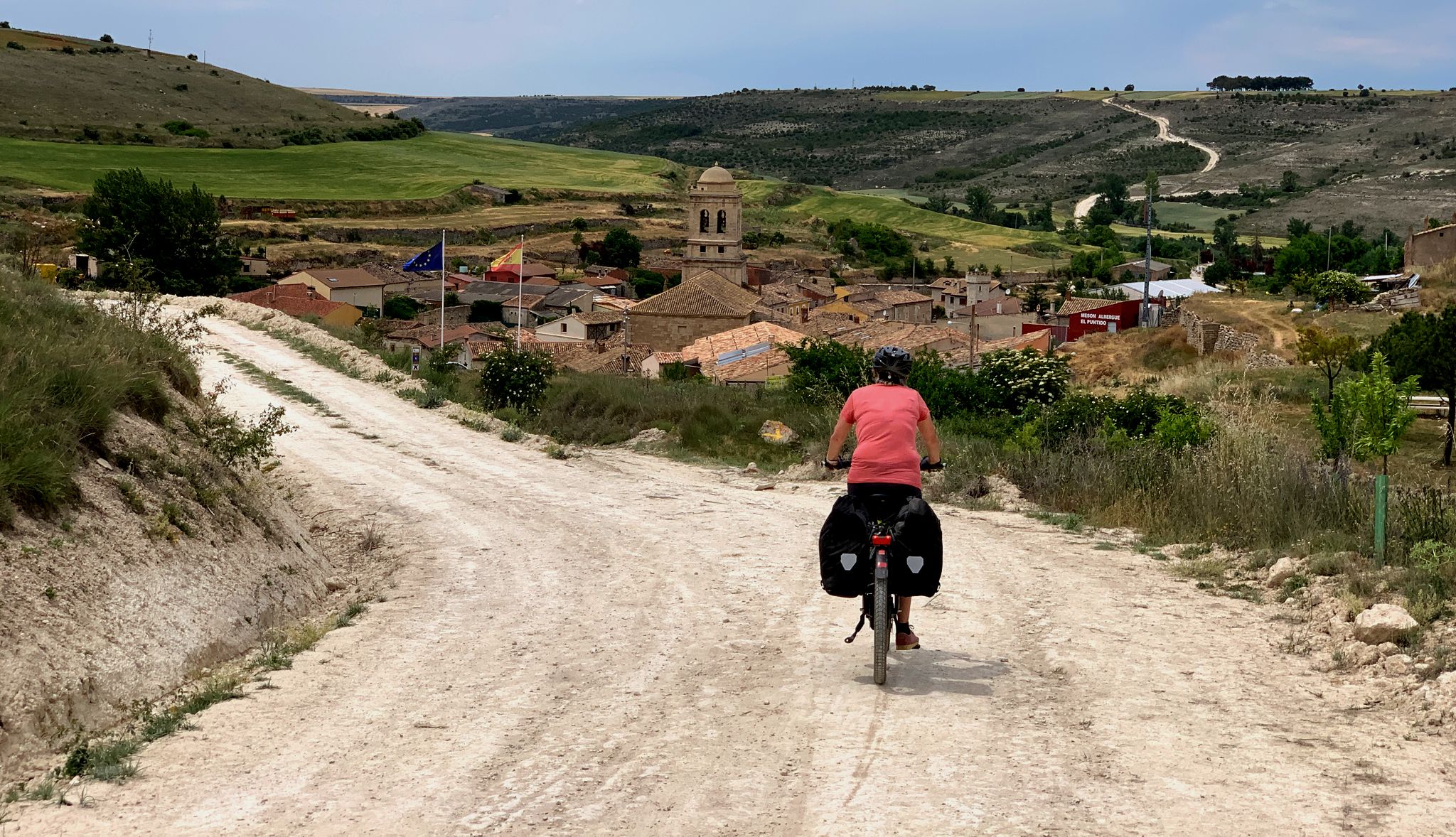
The Pilgrim Route — EuroVelo 3 through Spain
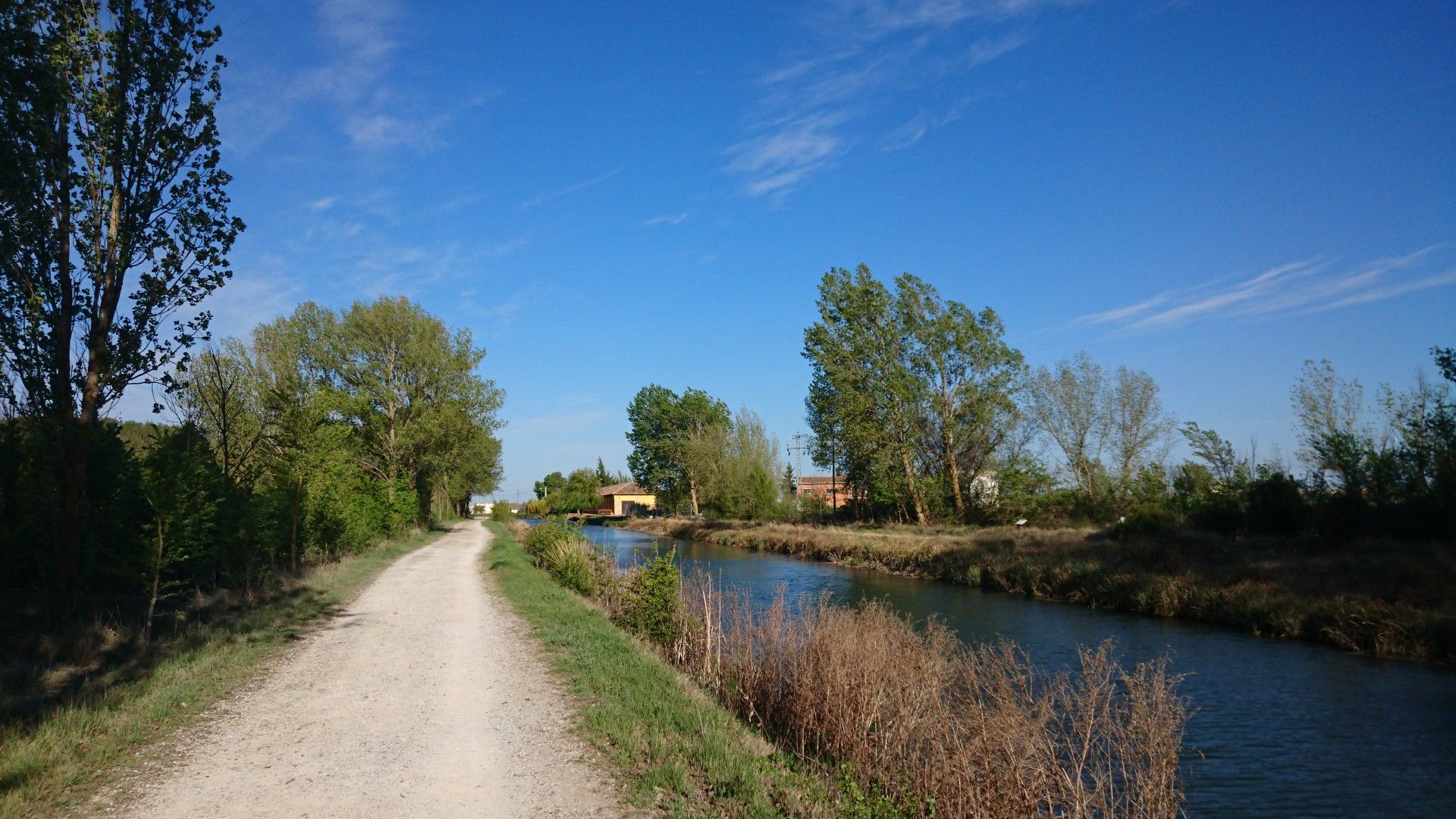
The history of civil engineering — the Castille Canal by bike
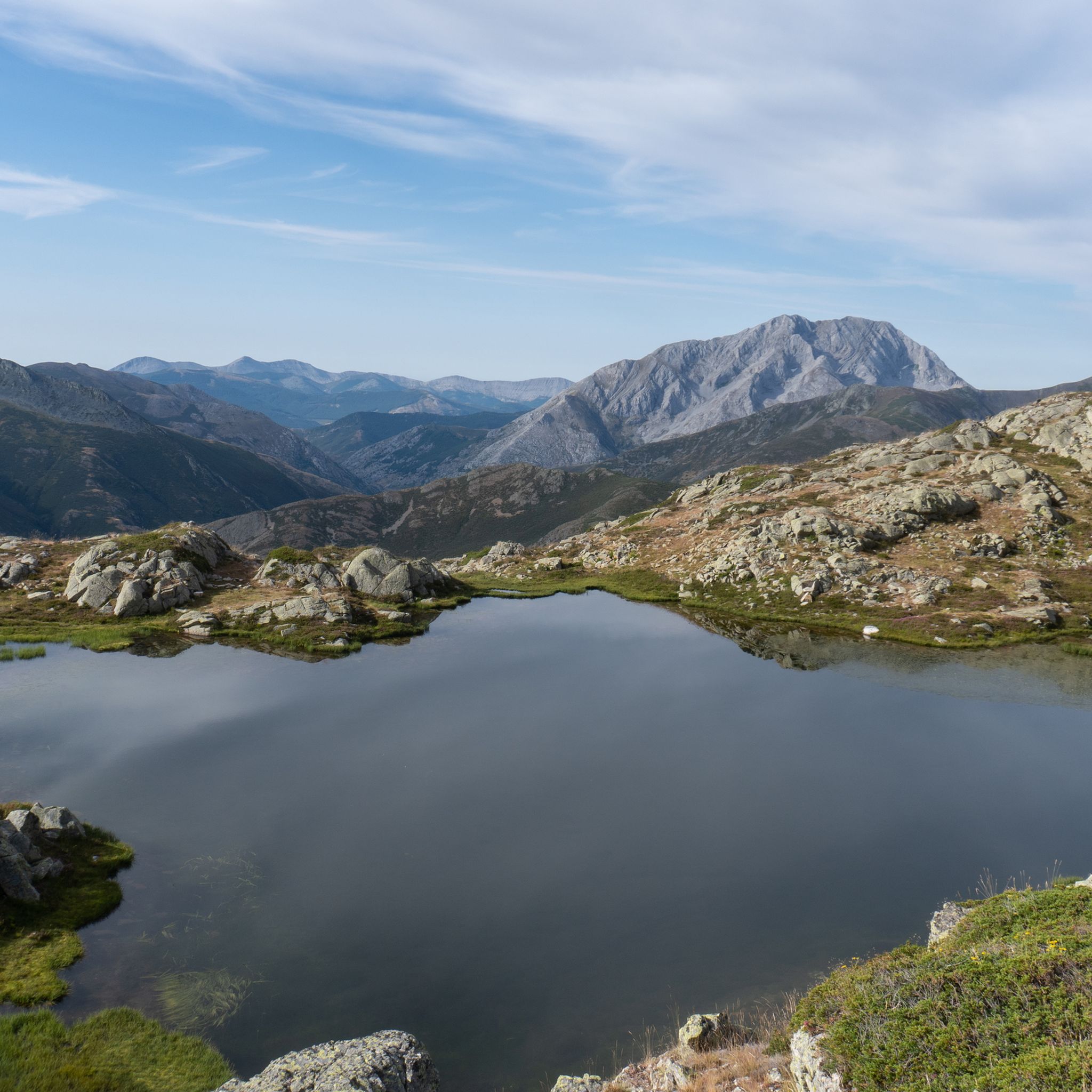
Hiking in Palencia
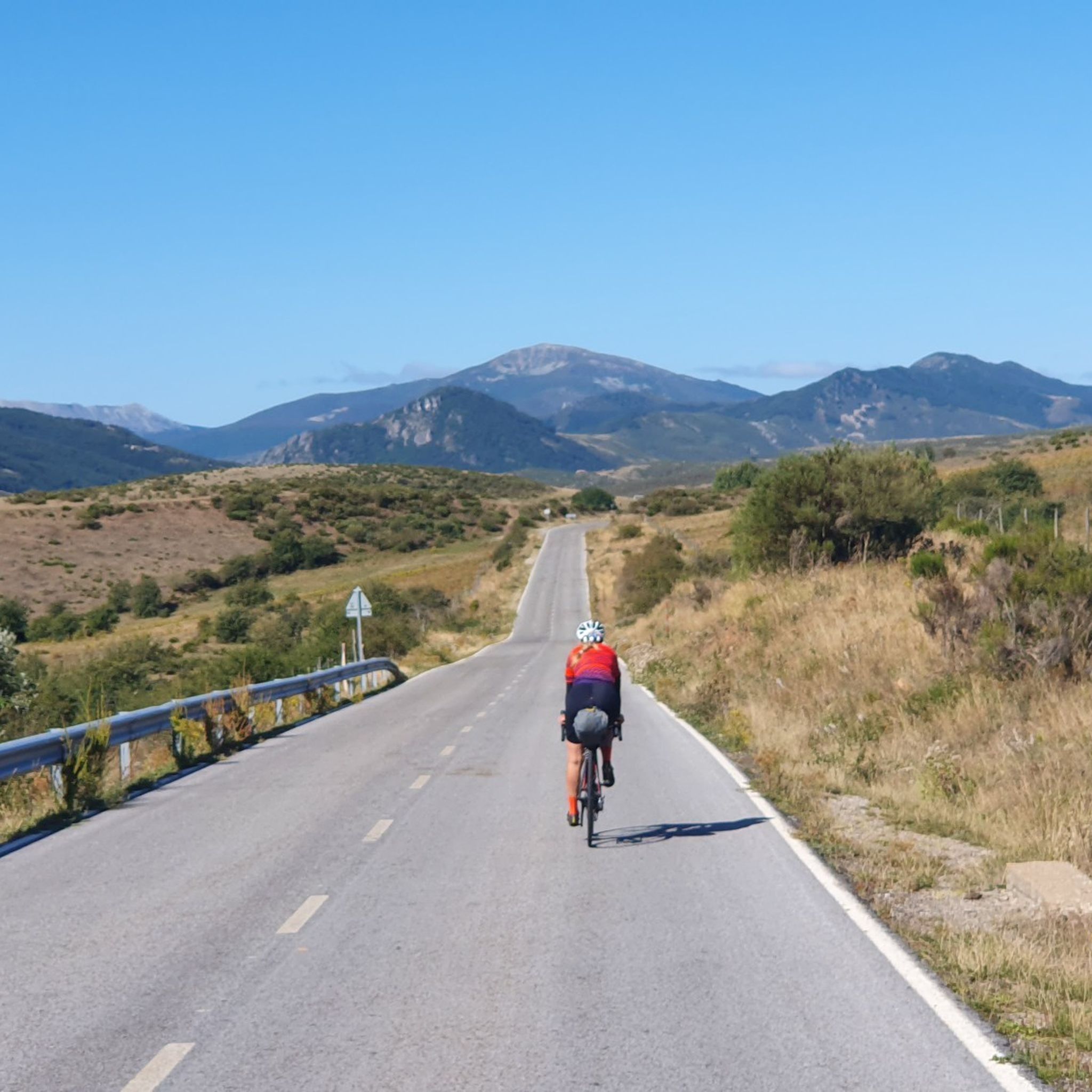
Road Cycling Routes in Palencia
MTB Trails in Palencia
Running Trails in Palencia
Other adventures in Palencia


Tips from the Community

A fairly technical trail that runs alongside the old plasterworks, some of which are still in good condition.
0
0
Ancient plasterworks, witnesses to the former occupation of the people of Astudillo, are now open for visits.
0
1

These mounds of earth are often seen. They are often used as storage space.
1
0

Directly on the Way of St. James you can see this earthen cave, which was dug for the storage of wine and food.
2
0
Moratinos is best known for its beautiful landscapes and its role as one of the stages on the Camino de Santiago. It offers a peaceful atmosphere and a number of historical attractions, including the Bodegas de Moratinos, a traditional Spanish restaurant.
2
0

The Pisuerga River rises in the province of Palencia, in the region of Castile and León, Spain. Its source is in the Covarrés glacial basin, between the Valdecebollas peak and the Sierra de Híjar, in a place known as Sel de la Fuente.
3
0

It is a natural sinkhole that leads to the cave with a protective wall on the surface.
2
0

These traditional wine and food stores under the hill look like they might have inspired Tolkien?
2
0
Frequently Asked Questions
What kind of natural formations can I expect to see in Palencia's caves?
Palencia's caves, particularly those formed by karst processes, feature impressive natural formations. In the Well of the Cueva de los Franceses, you can observe a natural sinkhole. The Cueva de los Franceses itself is known for its mantles, flows, stalagmites, and stalactites, all sculpted by water over centuries. Other caves like the Horadada Tunnel showcase remarkable natural monument features within canyons.
Are there any historical or man-made caves in Palencia?
Yes, Palencia features several historical and man-made underground structures. The Bodegas de Moratinos are ancient burrows dug into hills for storing food and making homemade wine, located directly on the Camino de Santiago. You can also explore the Caves of the Old Gypsum Mines and the Ancient Gypsum Mines of Astudillo, which are significant historical sites.
Which caves in Palencia are suitable for families?
The Cueva de los Franceses is the most accessible and family-friendly cave in Palencia, offering a well-maintained 500-meter guided route. Its modern visitor center, 'La Roca,' also hosts an exhibition about the cave and the Montaña Palentina area, making it an educational experience for all ages. The Bodegas de Moratinos are also considered family-friendly, offering a glimpse into historical food and wine storage methods.
What is the best time to visit caves in Palencia?
The Cueva de los Franceses is generally open to visitors throughout the year, though it's always advisable to check specific opening hours before your visit. For less accessible caves like Cueva de Guantes, which can flood, summer and autumn are often the best seasons to explore, provided you have appropriate gear.
Are there any caves related to rivers or water sources in Palencia?
Yes, the Pisuerga River Source (Cueva del Cobre) is a notable cave in Palencia. Historically considered the source of the Pisuerga River, this rocky cavity is 8.5 km long and can be explored internally. The Cueva del Agua, though not officially open to visitors, is also recognized for its two water outlets.
What outdoor activities can I do near the caves in Palencia?
The region around Palencia's caves offers various outdoor activities. You can find numerous hiking opportunities, including routes like the Tejeda de Tosande Trail or the Senda del Oso. For more options, explore hiking in Palencia. There are also road cycling routes available, such as the Montaña Palentina: Cervera and Guardo Loop, which you can find more about in road cycling routes in Palencia.
Are there any caves with archaeological significance in Palencia?
Yes, Cueva Corazón, located in the Cañón de la Horadada, is significant for its archaeological findings, as Neanderthal remains have been recovered there. While not generally open for public tourism, its historical importance is noteworthy.
Is there a cave in Palencia that is part of a UNESCO Global Geopark?
Yes, the Cueva de los Franceses is located within the protected Covalagua Valley and is part of the Las Loras UNESCO Global Geopark. This highlights its geological and natural importance within the region.
What is the historical background of the Cueva de los Franceses?
The Cueva de los Franceses derives its name from a historical event during the War of Independence around 1808. It is said that the bodies of French soldiers were deposited through an opening at the top of the cave during this period.
Are there any caves in Palencia that are currently being prepared for public access?
Yes, the Cueva de Agudín, situated near Cardaño de Abajo, is currently undergoing preparation for public access. Several levels and galleries are being examined for their future tourist potential, indicating that more caves may become accessible in Palencia in the future.
What do visitors enjoy most about the caves in Palencia?
Visitors appreciate the unique geological formations and historical insights offered by Palencia's caves. For instance, the Bodegas de Moratinos are valued for preserving ancient food and wine storage methods. The Pisuerga River Source (Cueva del Cobre) is enjoyed for its explorability and natural beauty, while the Horadada Tunnel surprises visitors with its impressive dimensions within the canyon.
Most popular routes in Palencia
Most popular attractions in Palencia

Get inspired with the komoot mobile app


Didn’t find what you were looking for?
Discover more caves in Palencia region by region:
Explore more
Extend your search for the best caves by checking out these guides of the top ones in Palencia:
