The 5 Most Amazing Peaks in Tasmania
Best mountain peaks in Tasmania offer a diverse and rugged mountainous landscape. Many of these mountains were formed from ancient volcanic activity and glaciation, contributing to their unique geological features. Tasmania's peaks provide a range of experiences, from accessible summits overlooking cities to remote, challenging climbs. The island state features a variety of terrain, including glacial cirques, alpine environments, and ancient rainforests.
Best mountain peaks in Tasmania
- The most popular mountain peaks is Marions Lookout, a viewpoint that offers…
Last updated: June 27, 2026
Marion's Lookout
Highlight • Viewpoint
Tip by

Cradle Mountain
Highlight • Summit
Tip by
Sign up now to discover places like this
Get recommendations on the best single tracks, peaks, & plenty of other exciting outdoor places.
Sign up for free
Hartz Peak
Highlight • Summit
And: Always check the weather forecast.
Translated by Google •
Tip by

Cathedral Rock
Highlight • Viewpoint
Tip by

Stanley Trig Point
Highlight • Summit
Tip by
Mount Amos Track
Highlight (Segment) • Trail
Tip by
Organ Pipes Track
Highlight (Segment) • Viewpoint
Tip by
Knocklofty Summit
Highlight • Summit
Tip by
Mount Roland Summit
Highlight • Summit
Tip by

Hartz Peak Track
Highlight (Segment) • Trail
Tip by
Sign up for free to discover even more peaks in Tasmania.
Sign up for free
Already have an account?
Start today with a free account
Your next adventure awaits.
Login or Signup

Other adventures in Tasmania

Tips from the Community

Stanley Trig Point is a hard to miss marker, a large metal tripod, and is a high point along The Nut Summit Circuit. There is also a sign indicating the elevation of 145 meters.
1
0

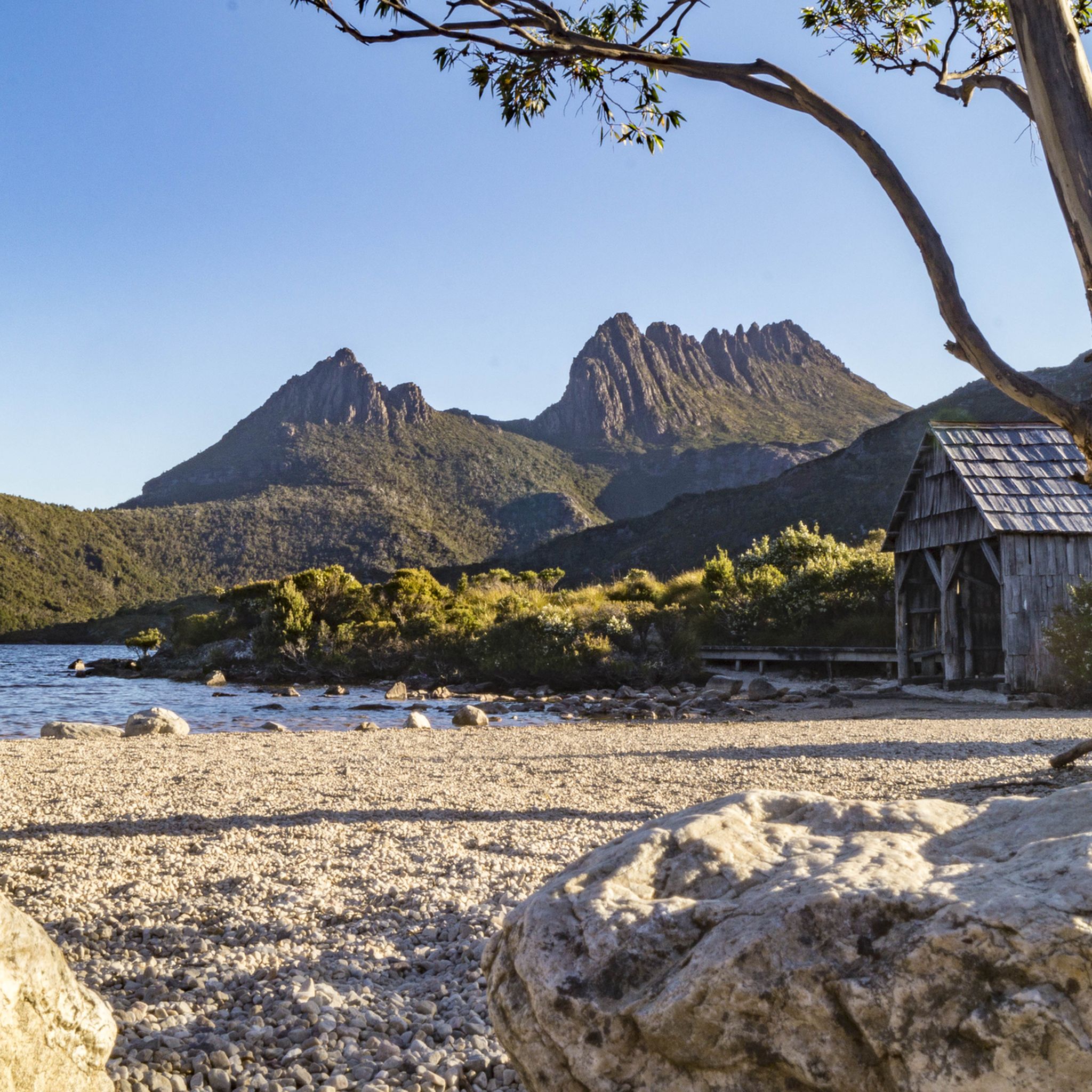
Cradle Mountain is a steep, jagged dolerite peak in Tasmania’s alpine north, where you climb through rocky terrain, subalpine forest, and exposed ridgelines with breathtaking views over Dove Lake and the surrounding peaks. The summit route is a demanding full-day walk that includes sustained uphill sections and scrambling over large boulders, requiring good fitness and careful footing rather than technical climbing gear. Reaching the summit is suitable only for very experienced bushwalkers, and the weather in the area can change rapidly from clear to cold, wet, or even snowy conditions, so you should be prepared for full alpine conditions on short notice.
0
0
Knocklofty Summit is the highest point in the reserve at 375 metres, and is a peaceful spot to pause after a lovely walk through the open eucalypt forest. The summit sits within native bushland, and though the views are limited from here, you can catch glimpses of kunanyi / Mount Wellington through the trees. You’re likely to see wallabies and other native wildlife while you’re here, making it a great place to enjoy the quiet scenery before heading back along the track.
0
0
Organ Pipes Track in Wellington Park is a popular, well-maintained path that becomes rockier as it winds beneath the dolerite cliffs of kunanyi/Mount Wellington. The surface is mostly compacted dirt, but there are sections with loose stones and exposed rock, which can make the footing uneven in places, so keep aware of your footing in the rockier areas where the surface may be rough. Along the way, there are impressive views over Hobart and the Derwent estuary, with the towering rock formations as a constant backdrop.
0
0
Marion’s Lookout sits high above Dove Lake, with sweeping panoramic views of Cradle Mountain, Crater Lake, and the surrounding alpine plateau. Situated on a rocky outcrop, it offers a dramatic perspective of the jagged peaks and glacially carved landscape below. On clear days, it’s one of the park’s most impressive vantage points, perfect for photos and taking in the scenery.
0
0
Cathedral Rock has a fantastic viewpoint, and the final 400 meters of this hike are steep. From the summit, there are open views of the surrounding mountains and Southern Tasmania. Right before the summit, the track emerges from the forests. The footing is more rocky, so be careful. This sub-alpine summit at 880 meters is exposed, so bring a raincoat and warm clothes.
0
0

The final approach to the summit requires some scrambling but it's nothing too intense, and the panoramic views from the top make it worth the effort.
0
0
This track climbs steadily through alpine heath and past small glacial tarns, leading onto exposed dolerite ridges. Though not long, the ascent is steep and demanding, with sections that require care in poor weather. The track climbs steadily over rocky ground and includes sections of boardwalk before reaching the 1,255-metre summit. From the top, expansive views extend across the Southwest Wilderness and, in clear weather, toward the Southern Ocean, making the climb both challenging and memorable.
0
0
Frequently Asked Questions
Which mountain peaks in Tasmania are most popular for hiking?
Among Tasmania's popular peaks for hiking, Cradle Mountain is an iconic choice, known for its challenging summit walk and views of Dove Lake. Hartz Peak offers a rewarding 3-5 hour return walk with panoramic views of Lake Hartz and the south-west wilderness. For stunning vistas of the Cradle Mountain area, Marions Lookout is a highly-rated viewpoint.
What are some of the most challenging mountain climbs in Tasmania?
Tasmania offers several challenging climbs for experienced hikers. Federation Peak is renowned as Australia's most challenging mountain, located in the remote south-west wilderness with very rough tracks. Frenchman's Cap, in Franklin-Gordon Wild Rivers National Park, requires a multi-day trek (3-5 days) through varied landscapes and is considered more difficult than the Overland Track. The summit of Cradle Mountain also involves scrambling over boulders and cliffs.
Which mountain peaks in Tasmania are easily accessible or family-friendly?
For accessibility, kunanyi / Mount Wellington, overlooking Hobart, allows visitors to drive directly to its summit for panoramic views and offers various trails for bushwalking. Hartz Peak in Hartz Mountains National Park is also accessible via a rewarding 3-5 hour return walk, suitable for those looking for a moderate day hike. Near Cradle Mountain, the Dove Lake Circuit is an easy, family-friendly option.
Are there any mountains in Tasmania suitable for skiing?
Yes, Legges Tor, the second highest point in Tasmania, is situated on the Ben Lomond massif, which is known for being Tasmania's primary downhill skiing area. During winter, it offers opportunities for snow sports.
What natural features can I expect to see around Tasmania's mountain peaks?
Tasmania's mountain peaks showcase diverse natural features. You can find deeply carved glacial cirques around Mount Ossa and Cradle Mountain. Frenchman's Cap is surrounded by ancient rainforests and pristine lakes. Hartz Mountains National Park, home to Hartz Peak, features waterfalls, glacial lakes, and alpine moors, with stunning red wildflowers in spring. The Hazards in Freycinet National Park are striking pink granite peaks.
What outdoor activities can I do near these mountain peaks?
Beyond hiking, Tasmania's mountain regions offer a range of outdoor activities. Near kunanyi / Mount Wellington, you can enjoy mountain biking, horse riding, abseiling, and rock climbing. The Ben Lomond area, where Legges Tor is located, is popular for downhill skiing in winter. For other activities, you can explore easy hikes, running trails, and gravel biking routes across Tasmania.
What is the best time to visit Tasmania's mountain peaks?
The best time to visit Tasmania's mountain peaks generally depends on the activity. For hiking and trekking, the warmer months from late spring to early autumn (November to April) offer more stable weather conditions and longer daylight hours. However, some peaks like kunanyi / Mount Wellington offer snow play in winter, and the Ben Lomond massif is a winter destination for skiing. Always check local weather forecasts, especially for alpine areas, as conditions can change rapidly.
Are there any specific permits required for hiking certain mountain peaks in Tasmania?
Many of Tasmania's mountain peaks are located within National Parks, which typically require a Parks Pass for entry. For multi-day treks like the Overland Track (which includes access to Mount Ossa) or the challenging journey to Frenchman's Cap, specific booking and permit systems are often in place due to their popularity and remote nature. It's advisable to check the Tasmania Parks and Wildlife Service website for the latest permit requirements before your trip.
What do visitors enjoy most about the mountain peaks in Tasmania?
Visitors frequently highlight the breathtaking panoramic views from summits like Marions Lookout and Hartz Peak. The unique geological features, such as the distinctive shape of Cradle Mountain and the pink granite of The Hazards, are also highly appreciated. Many enjoy the sense of accomplishment from challenging climbs and the immersion in pristine alpine environments and ancient rainforests.
Where can I find accommodation or amenities near Tasmania's mountain peaks?
Accommodation and amenities vary by location. Near Cradle Mountain and Lake St Clair National Park, there are various lodges, cabins, and camping options. For peaks near Hobart, such as kunanyi / Mount Wellington, the city itself offers a wide range of accommodation, cafes, and pubs. Remote peaks like Federation Peak and Frenchman's Cap have very limited or no amenities nearby, requiring hikers to be self-sufficient and plan accordingly for multi-day expeditions.
Can I bring my dog on trails to Tasmania's mountain peaks?
Generally, dogs are not permitted on trails within Tasmania's National Parks, which include many of the prominent mountain peaks like Cradle Mountain, Mount Ossa, Hartz Peak, and Frenchman's Cap. This restriction is in place to protect native wildlife and fragile ecosystems. Always check specific park regulations before planning your visit with a pet.
Most popular routes in Tasmania
Most popular attractions in Tasmania

Get inspired with the komoot mobile app


Didn’t find what you were looking for?
Discover Tasmania’s best peaks and summits by region:
Explore more
See even more amazing summits in Tasmania with these guides:
