Top 8 Caves around Kirchbrak
Caves around Kirchbrak are situated within the Solling-Vogler region, which is part of the larger Weserbergland area. This region exhibits karst topography, characterized by landscapes formed from the dissolution of soluble rocks such as limestone. The geological conditions, including the presence of limestone, are suitable for cave development. Caves in this area are generally smaller, providing opportunities for geological exploration and natural history observation.
Best caves around Kirchbrak
- The most popular caves is Rothestein Cave, a cave that extends…
Last updated: April 29, 2026
Rothestein Cave
Highlight • Cave
Translated by Google •
Tip by

Witches' Kitchen (Thüster Berg)
Highlight • Natural Monument
Source: mystic-culture.de/kultplatz/kanstein/detail/detail_09.html
Translated by Google •
Tip by

Sign up now to discover places like this
Get recommendations on the best single tracks, peaks, & plenty of other exciting outdoor places.
Sign up for free
Bear Cave (Ith)
Highlight • Cave
Translated by Google •
Tip by

Eulenweg Trail (Ith Nature Park)
Highlight • Trail
Translated by Google •
Tip by

Nasenstein Cave
Highlight • Cave
Translated by Google •
Tip by

Sign up for free to discover even more caves around Kirchbrak.
Sign up for free
Already have an account?
Start today with a free account
Your next adventure awaits.
Login or Signup
Popular around Kirchbrak
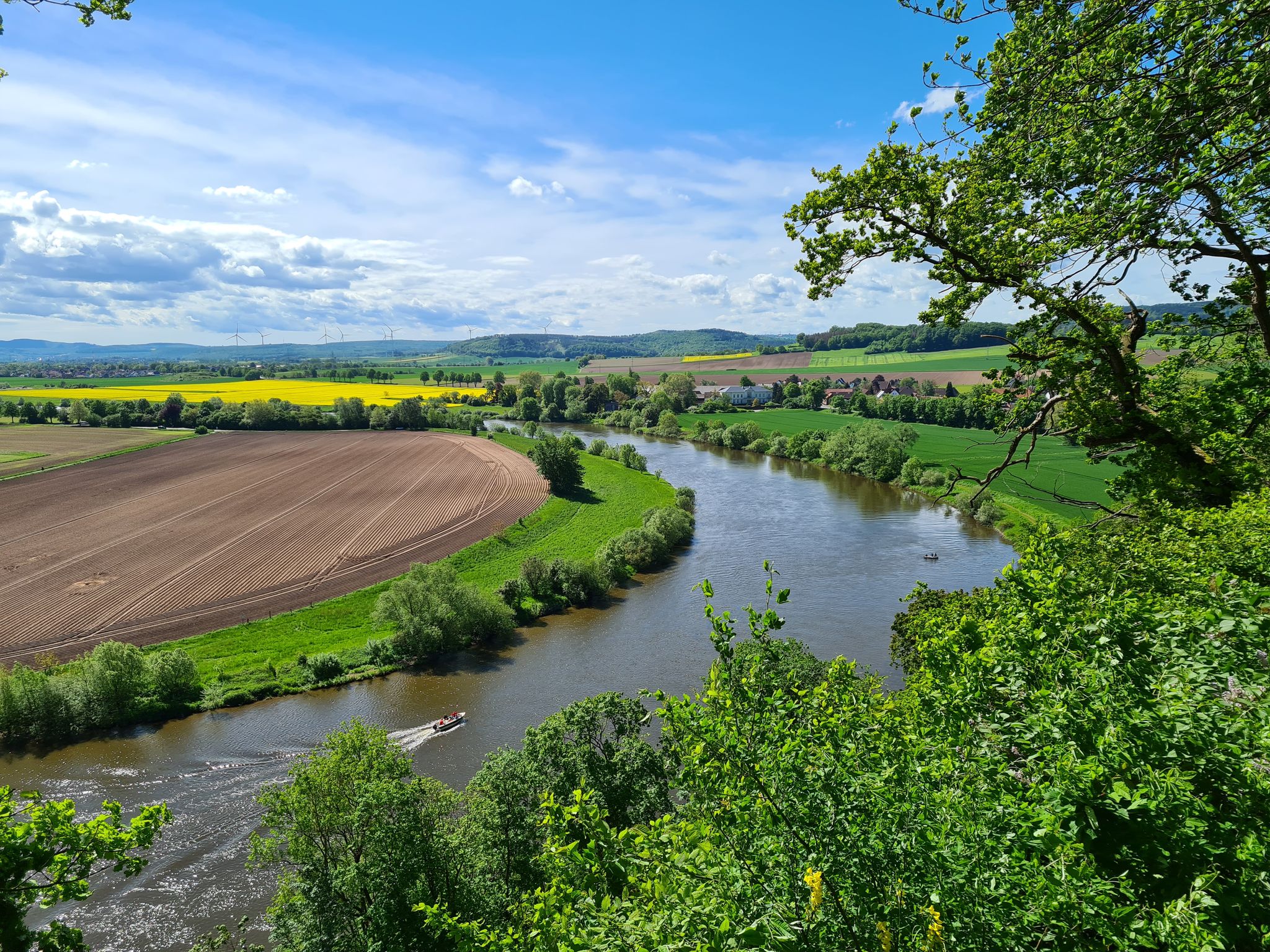
Loccum-Volkenroda pilgrim's way – From monastery to monastery
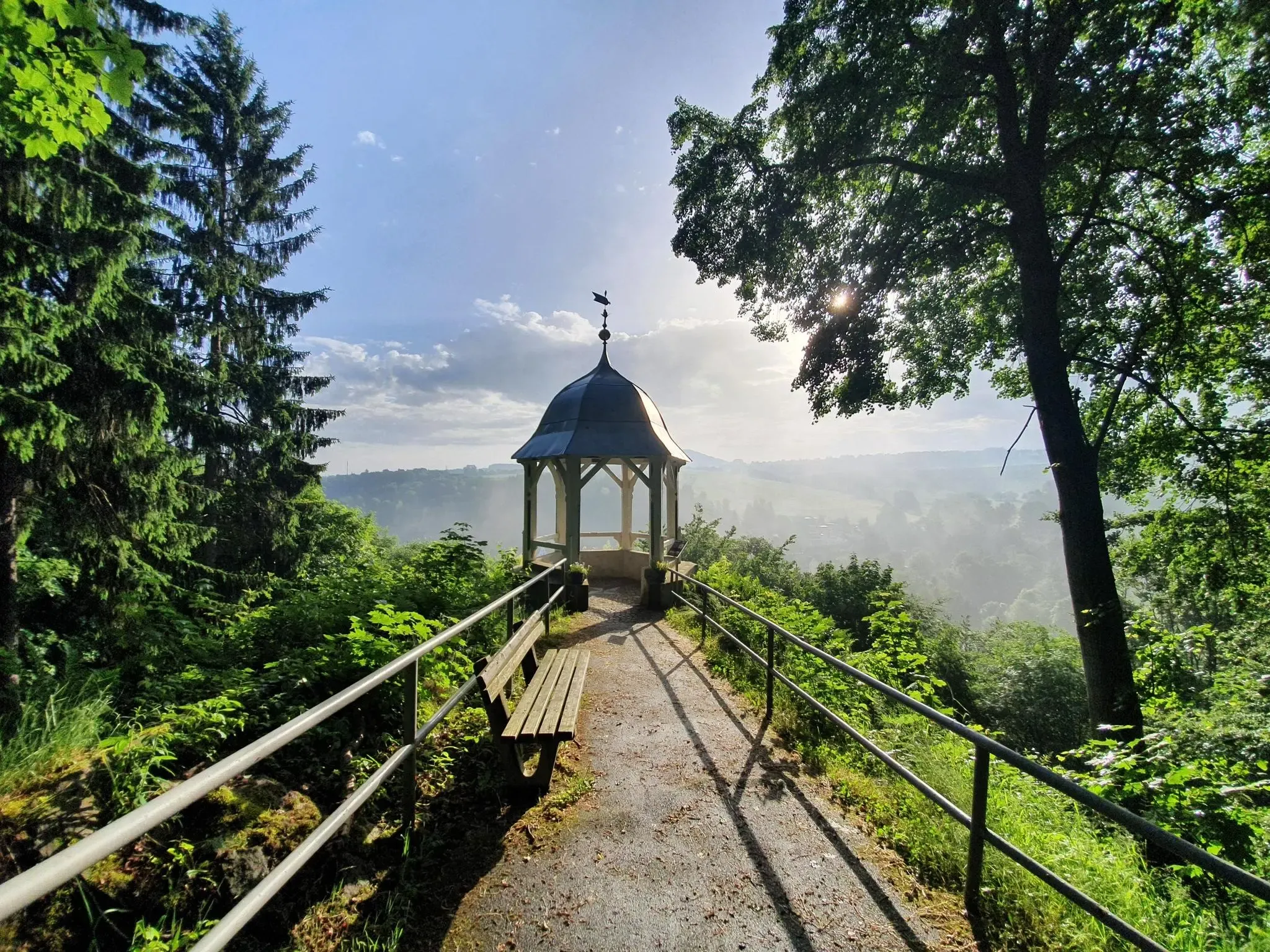
#GoFurther – discover the views of Germany!
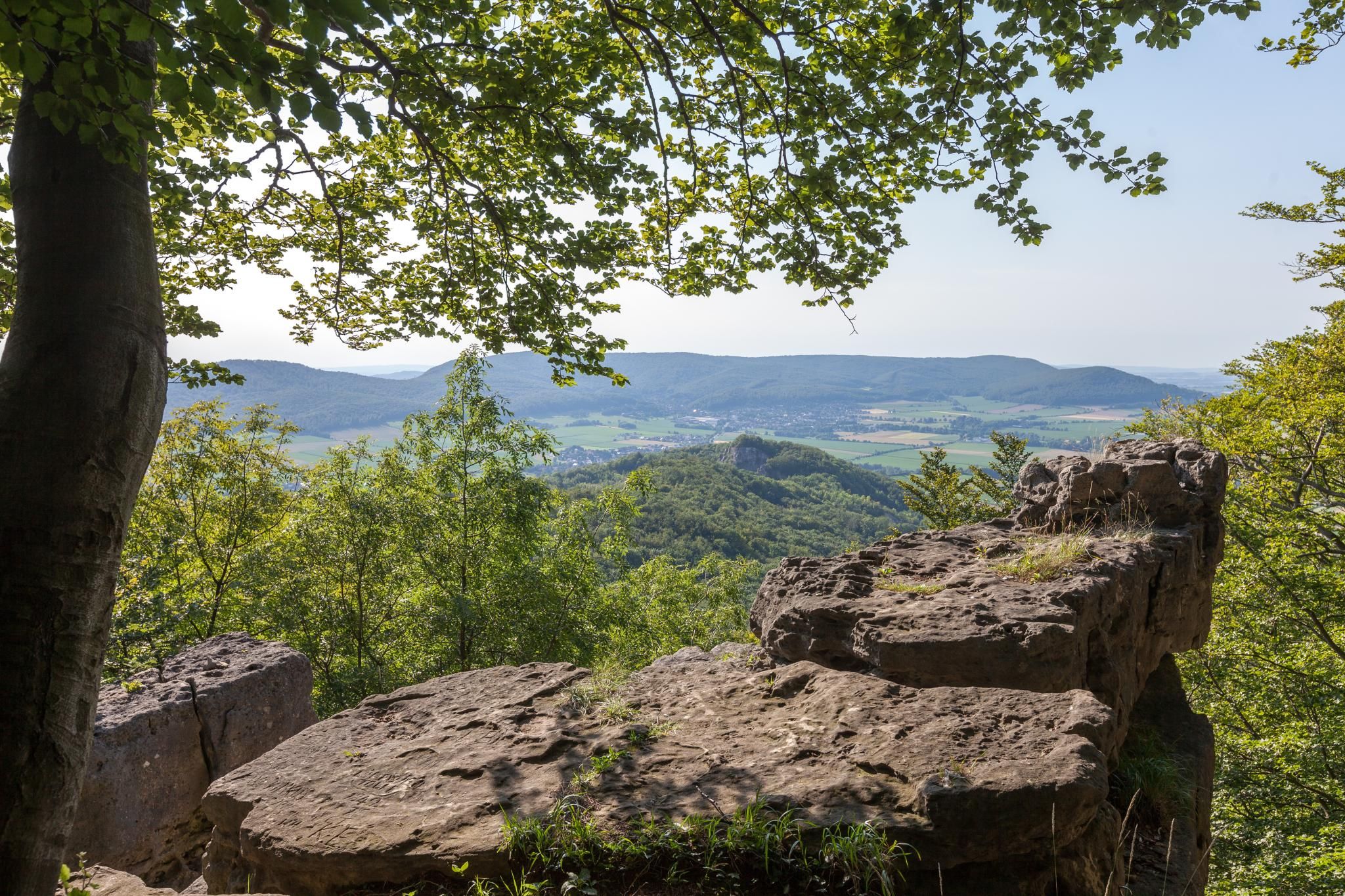
High up on cliffs and viewpoints in the Weserbergland region
Qualitätstouren in der Wilden Heimat
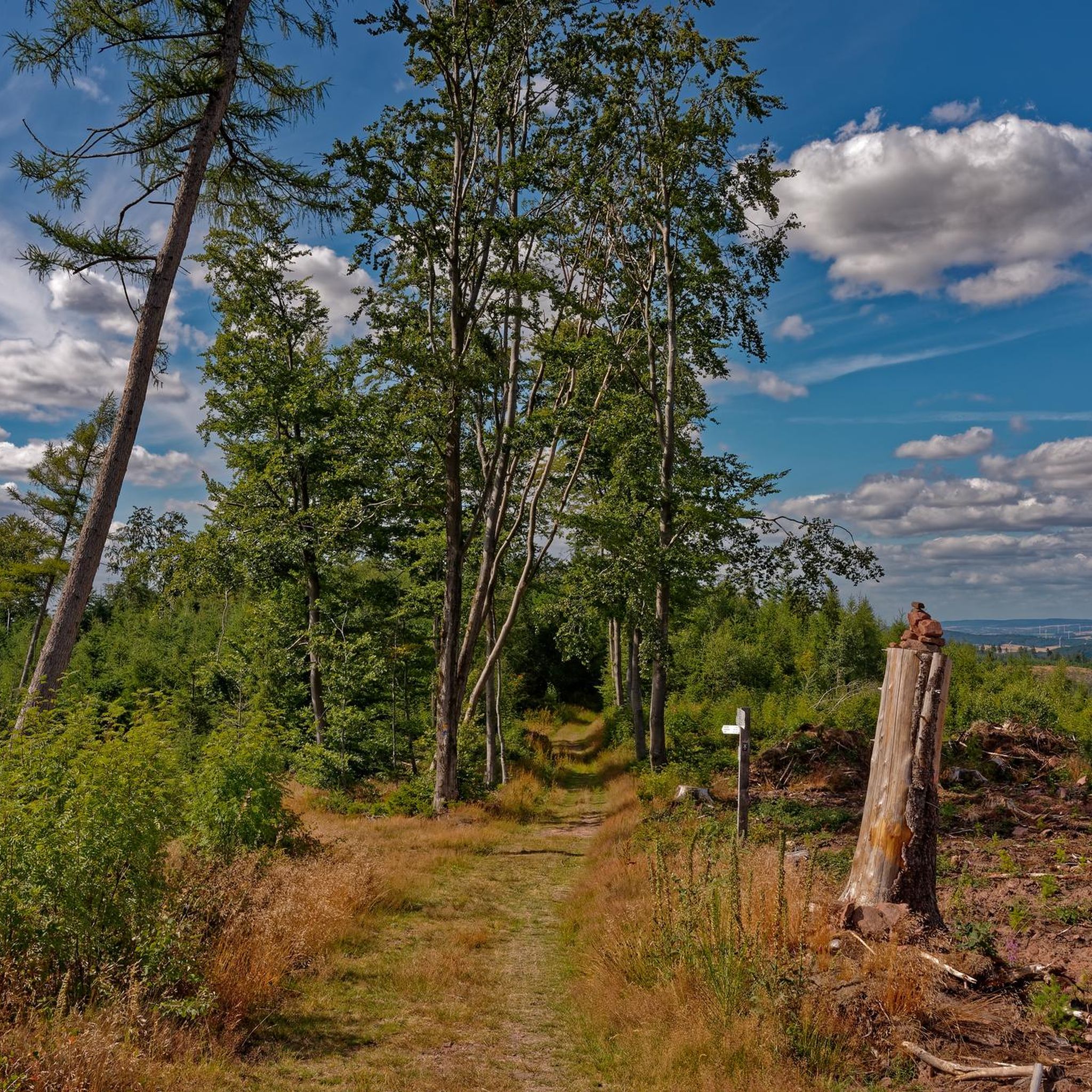
Hiking around Kirchbrak
Road Cycling Routes around Kirchbrak
MTB Trails around Kirchbrak
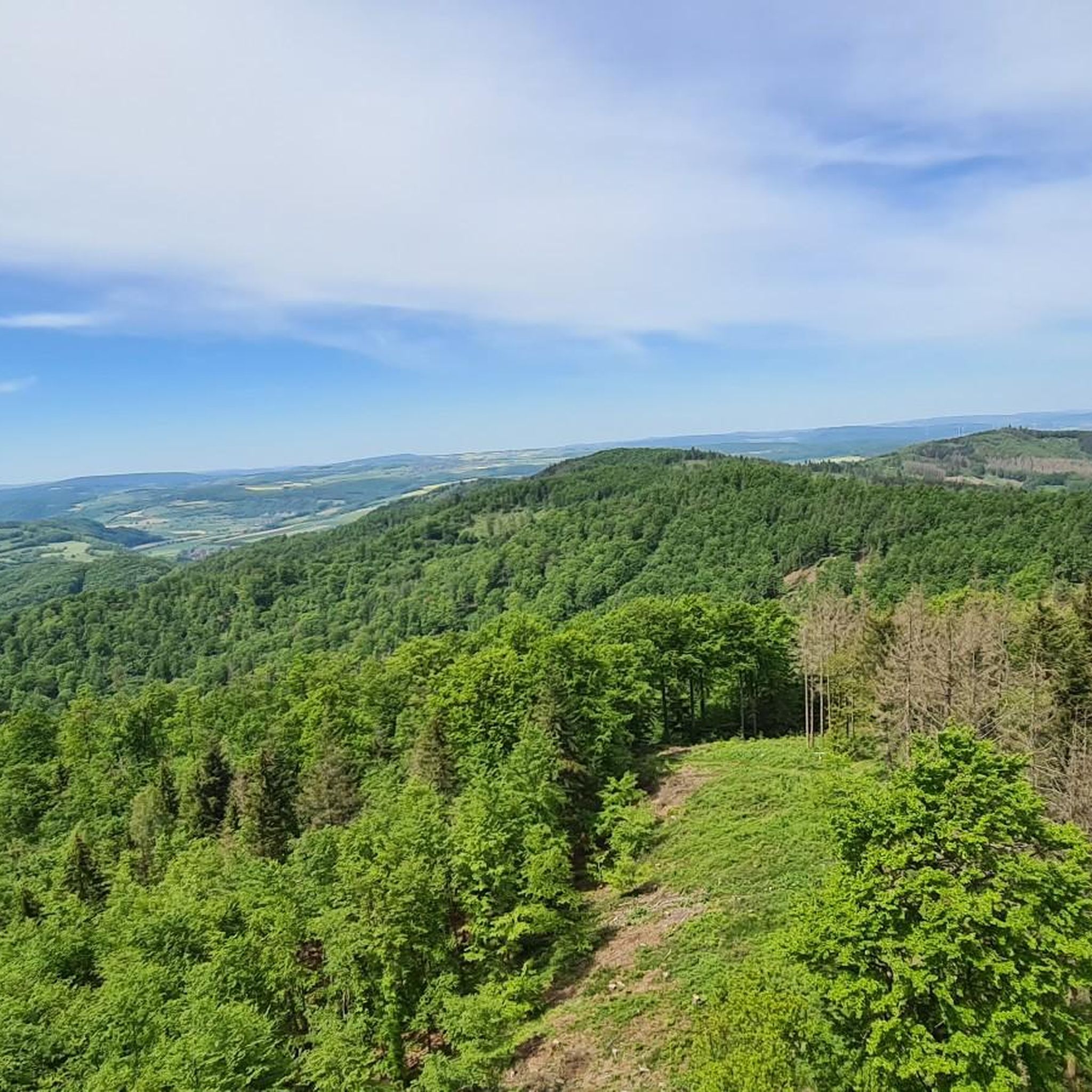
Cycling around Kirchbrak
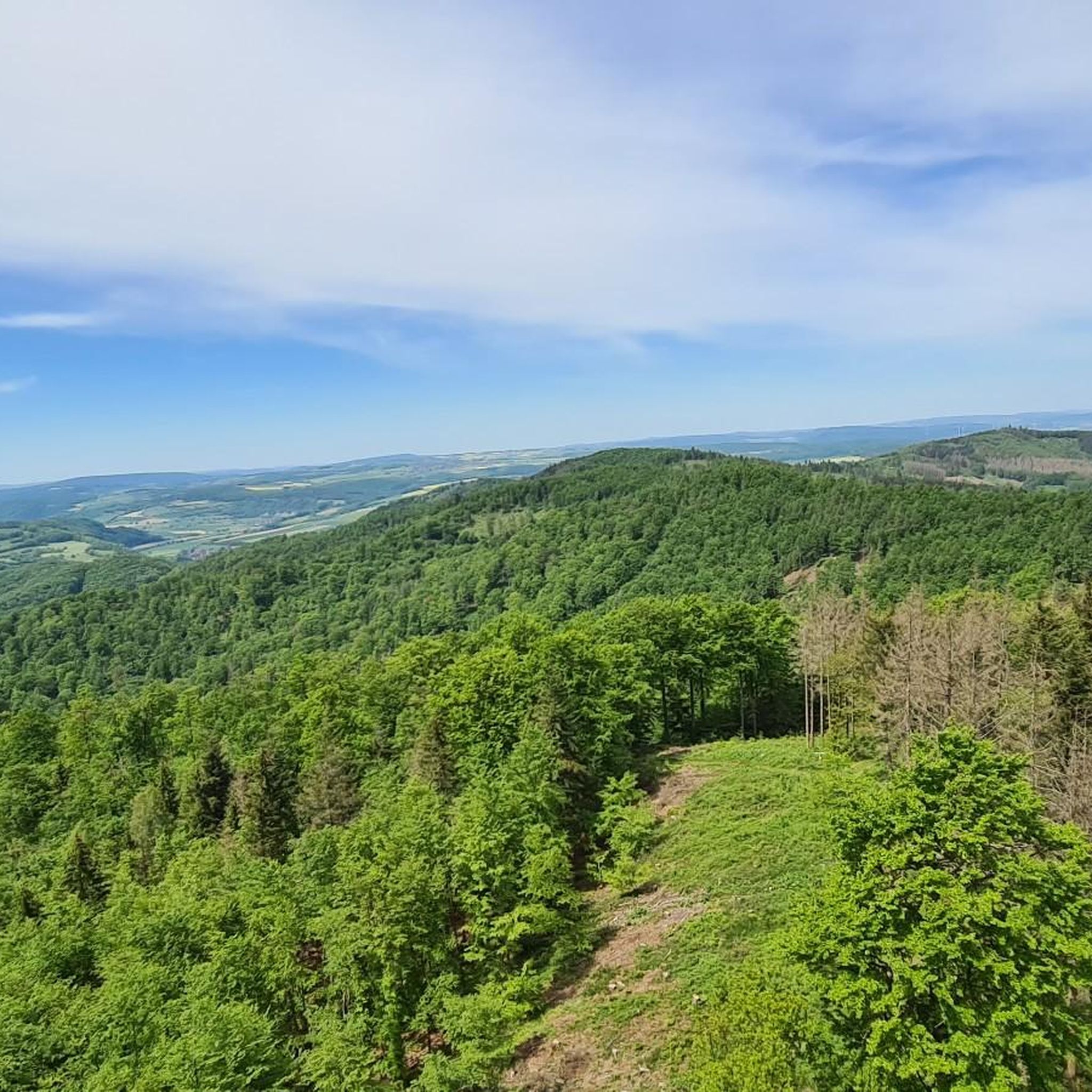
Running Trails around Kirchbrak
Gravel biking around Kirchbrak
Other adventures around Kirchbrak


Tips from the Community

The Bear Cave is blocked off by a gate, and there's not much to see. However, the path along the cave is a good alternative to the paved road across the Ithwiesen.
0
0

A cave, approximately 10 meters deep, closed off with a gate, accessible only with climbing gear. We didn't see or hear any bears 🐻 Here's how to get in: https://www.youtube.com/watch?v=Zvk36fNa-i0
0
0

The Rothestein Cave is a special highlight here. It's open from April to September. The climb is probably not suitable for everyone. Maybe I'm too tall for it. 😅
5
0
The story of the Rothestein Cave is interesting and exciting!
5
0

In the past, you could descend into the cave and there was a cave book at the very bottom.
0
0


You can briefly visit these cliffs on the way to the Lönturm. I find the place interesting for a few pictures.
3
0

Frequently Asked Questions
What types of caves can I expect to find around Kirchbrak?
The caves around Kirchbrak are primarily formed in limestone due to the region's karst topography. They are generally smaller, offering opportunities for geological exploration and observing natural rock formations. While not large show caves, they provide unique natural experiences.
Are there any caves with historical significance in the area?
Yes, the Rothestein Cave is known for its historical significance. Archaeological finds, including shards of pots, bones, and bronze tools, suggest that cult sacrificial rituals took place here during the Bronze Age.
Which caves are suitable for families with children?
The Scharfoldendorfer and Holzener Cliffs offer beautiful rock formations and exciting caves that are suitable for families to explore. This area is marked as family-friendly and provides a great outdoor experience.
When is the best time to visit the caves around Kirchbrak?
The Rothestein Cave is accessible to visitors from April 1st to September 30th. Other caves, like Nasenstein Cave and Children’s Cave, have restricted access from February to July due to peregrine falcon breeding. Generally, spring to early autumn is ideal for visiting.
Do I need special equipment to explore the caves?
For caves like Rothestein Cave, it is recommended to bring good flashlights and wear non-slip shoes due to its approximately 30-meter depth and potentially uneven terrain. Sure-footedness is also an advantage.
Are there any caves that are currently inaccessible or restricted?
Yes, the Bear Cave (Ith) is currently blocked by a grid, preventing direct entry, though its entrance area can still be observed. Additionally, access to Nasenstein Cave and Children’s Cave is restricted from February to July for peregrine falcon breeding.
Can I find hiking trails that incorporate caves in the Kirchbrak area?
Many caves around Kirchbrak are integrated into hiking trails. For example, the Eulenweg Trail (Ith Nature Park) is a challenging route that includes a cave. These trails often require sure-footedness, and some can be risky in winter conditions.
What kind of wildlife might I encounter near the caves?
The caves serve as important habitats for wildlife. For instance, Rothestein Cave is a bat wintering site, which is why it's closed during colder months. Peregrine falcons also breed near Nasenstein Cave and Children’s Cave.
What outdoor activities can I do near the caves around Kirchbrak?
Beyond exploring caves, the region offers various outdoor activities. You can find numerous MTB Trails, Road Cycling Routes, and Gravel Biking options in the vicinity of Kirchbrak.
What do visitors enjoy most about the caves around Kirchbrak?
Visitors appreciate the natural beauty and the sense of discovery these smaller, natural caves offer. The community has shared over 600 photos and given more than 400 upvotes, highlighting the unique geological features and the adventurous feeling of exploration.
Are there any larger, publicly accessible show caves in the broader Weserbergland region?
While the caves directly around Kirchbrak are generally smaller, the broader Weserbergland region does feature larger, publicly accessible show caves like the Schillat-Höhle. These are not located in Kirchbrak itself but offer impressive stalactite and stalagmite formations.
Is the area around Kirchbrak known for any specific geological features related to caves?
Yes, Kirchbrak is situated within the Solling-Vogler region, part of the Weserbergland, which is known for its karst topography. This means the landscape is formed by the dissolution of soluble rocks like limestone, leading to features such as caves, sinkholes, and underground water systems. An old limestone quarry near Osterbrak further indicates suitable conditions for cave development.
Most popular routes around Kirchbrak
Most popular attractions around Kirchbrak

Get inspired with the komoot mobile app


Explore more
Extend your search for the best caves by checking out these guides of the top ones around Kirchbrak:
