Top 11 Castles around Wennigsen (Deister)
Castles around Wennigsen (Deister) and the surrounding Deister region offer a glimpse into medieval history through various historical sites. The area features castle ruins, a well-preserved monastery, and other significant architectural remnants. This region provides diverse terrain for exploration, integrating historical sites with natural landscapes. Visitors can explore ancient fortifications and historical buildings within a natural setting.
Best castles around Wennigsen (Deister)
- The most popular castles is Springe Hunting Lodge, a historical site that today serves as a forestry…
Last updated: June 27, 2026
Springe Hunting Lodge
Highlight • Historical Site
Translated by Google •
Tip by

Hallermund Castle Ruins
Highlight • Castle
Translated by Google •
Tip by

Sign up now to discover places like this
Get recommendations on the best single tracks, peaks, & plenty of other exciting outdoor places.
Sign up for free
Hülsede Water Castle
Highlight • Castle
Translated by Google •
Tip by

Heisterburg Ruins
Highlight • Historical Site
Translated by Google •
Tip by

Wichtringhausen Manor
Highlight • Historical Site
Translated by Google •
Tip by

Sign up for free to discover even more castles around Wennigsen (Deister).
Sign up for free
Already have an account?
Start today with a free account
Your next adventure awaits.
Login or Signup
Popular around Wennigsen (Deister)
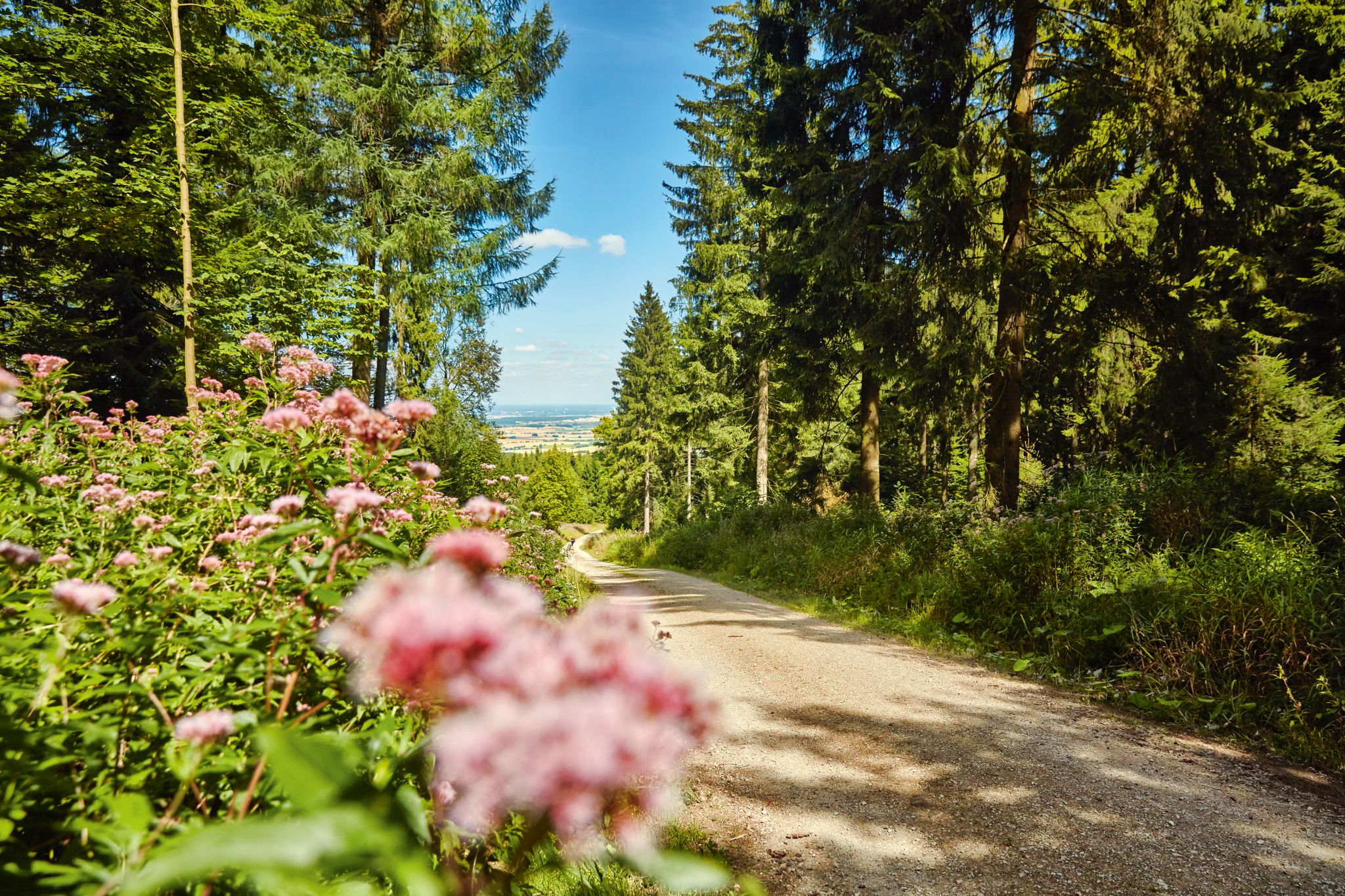
Hanover trails – hiking between Steinhuder Meer and Deister
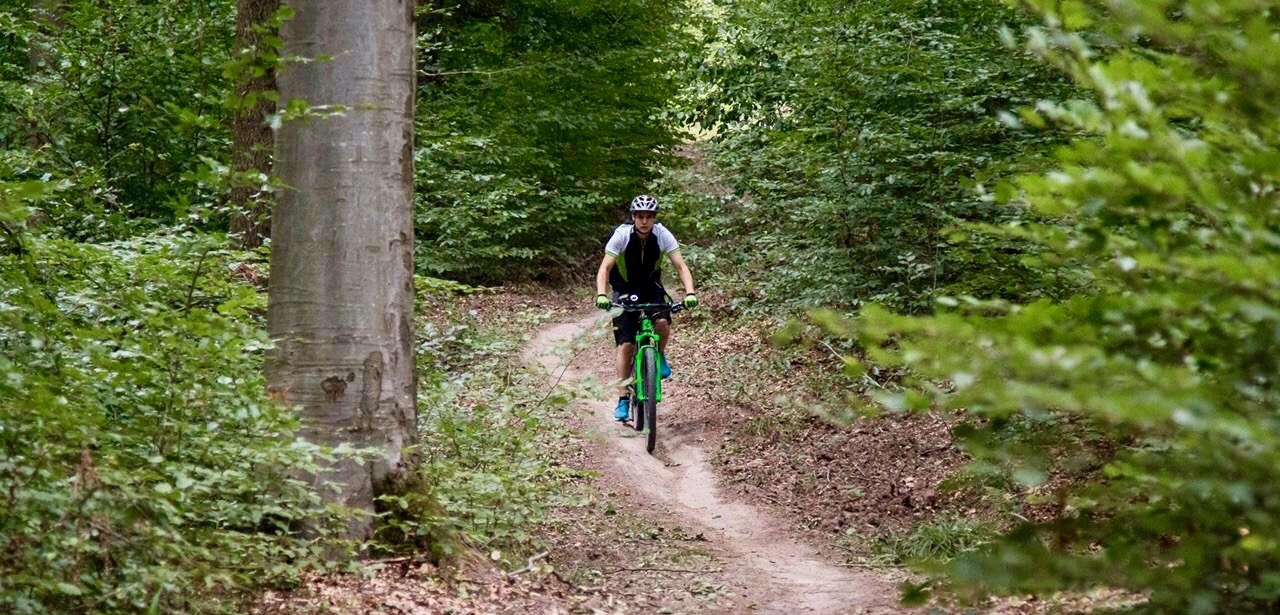
33 MTB trails through German forests
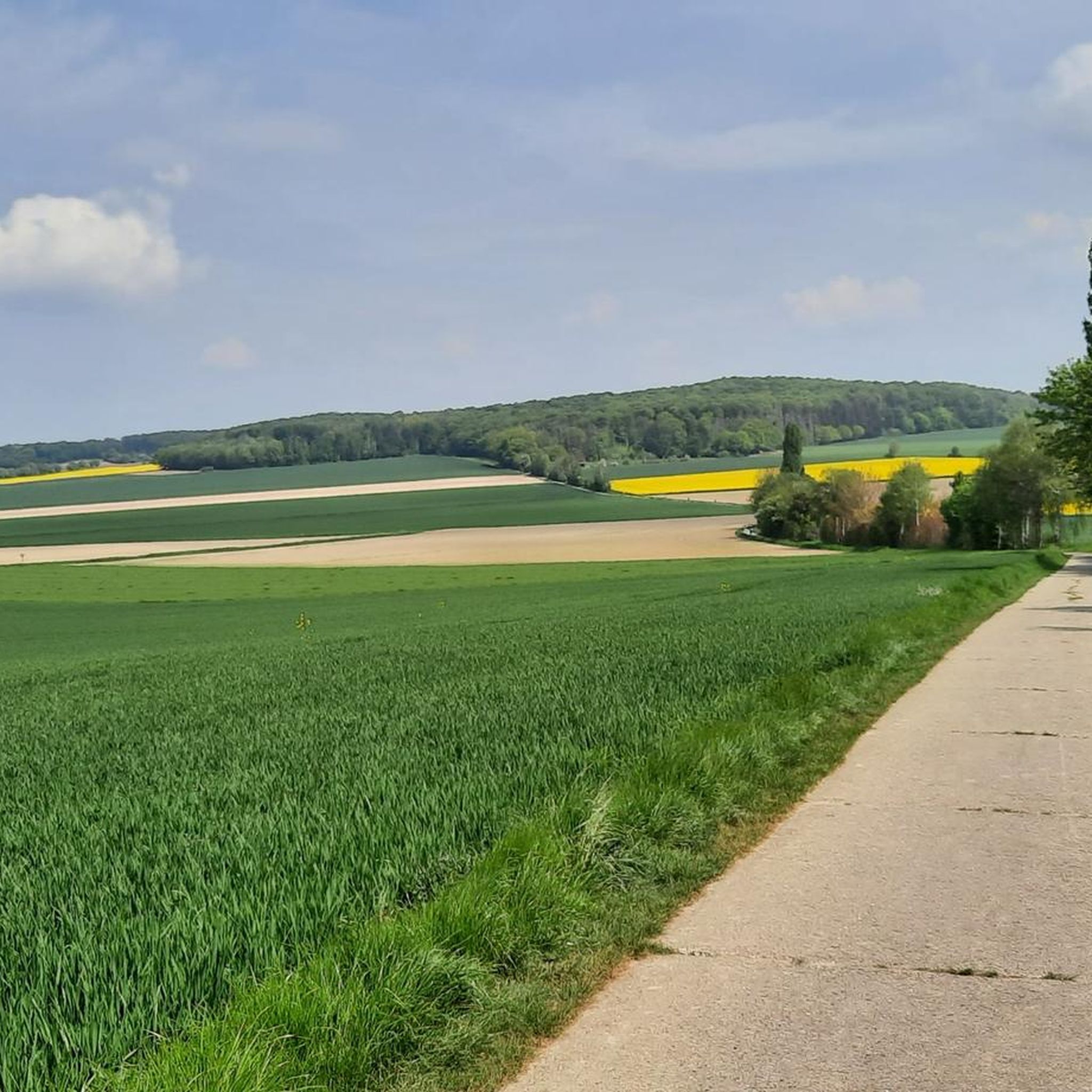
Hiking around Wennigsen (Deister)
MTB Trails around Wennigsen (Deister)
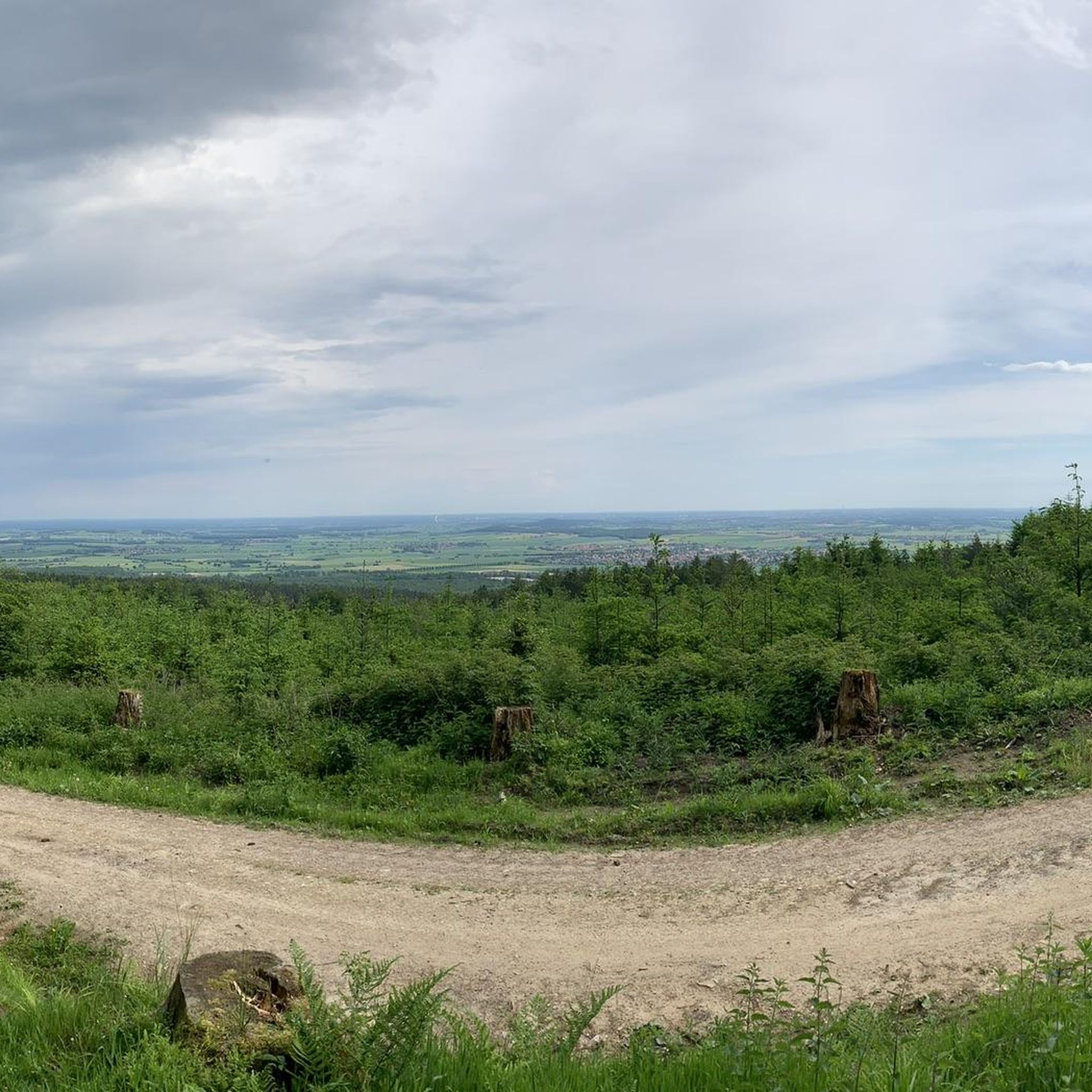
Cycling around Wennigsen (Deister)
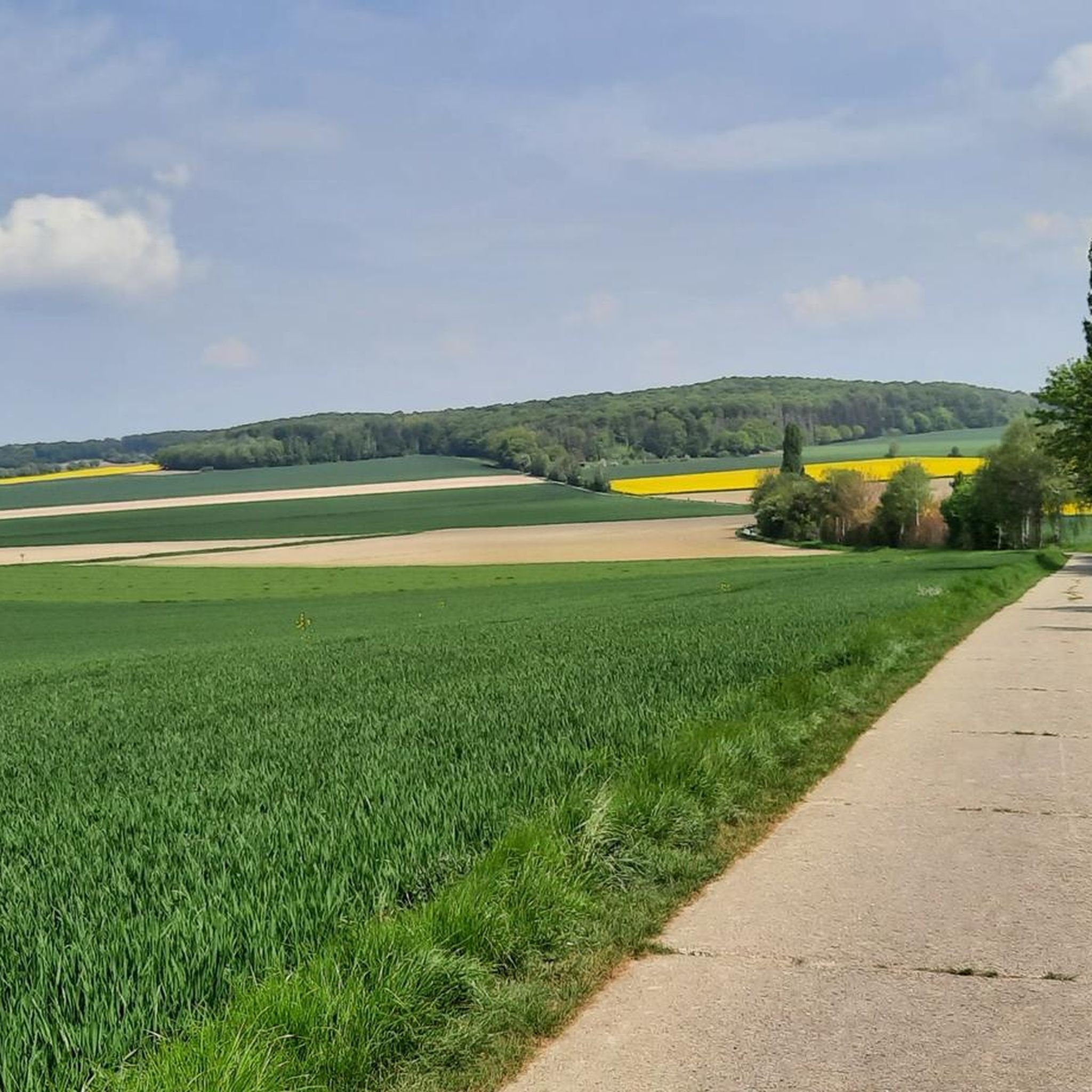
Road Cycling Routes around Wennigsen (Deister)
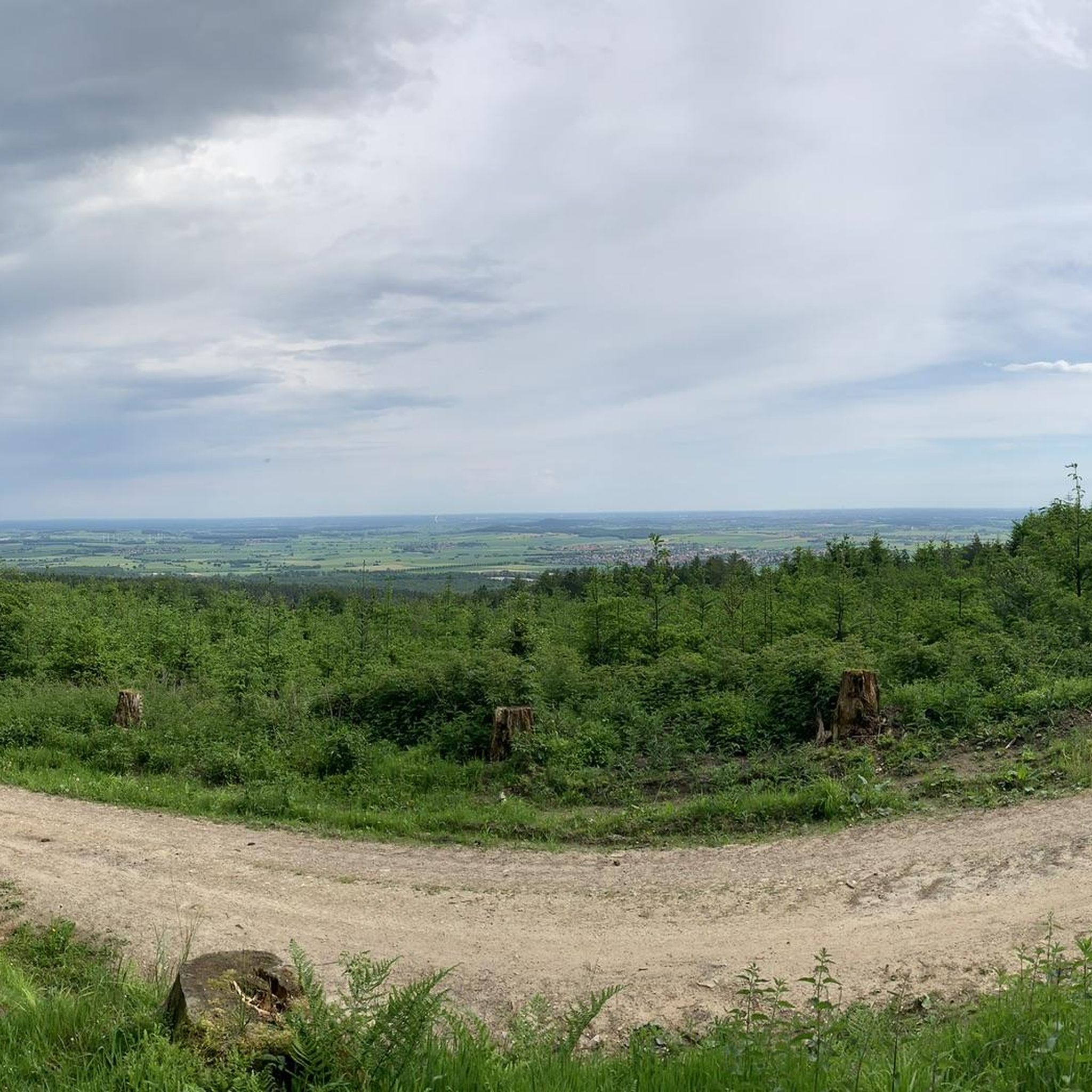
Running Trails around Wennigsen (Deister)

Gravel biking around Wennigsen (Deister)
Other adventures around Wennigsen (Deister)


Tips from the Community

The later manor emerged from one or more farms. The two-story manor house is striking, surrounded by a wide moat and accessible via three bridges. The basement and ground floor are made of quarry stone masonry - largely unplastered - while the high upper floor is a half-timbered building with plastered compartments. The building was probably built in the 16th century. As a half-timbered building, it is one of the older manor houses in the Calenberger Land. Beginning of the 17th century. The (first) renovations have been carried out, which is indicated by a bay window on the east side designed in the Renaissance style with "1611" as the year of construction. In 1866, further renovations were carried out in the neo-Gothic style, with parts of the external masonry being massively replaced and the stone stair tower, a gallery, a bay window and a turret being added. The manor includes a spacious park with old trees. The avenue that begins behind the park and leads to the Munzeler Mark forest is remarkable. The manor goes back to property owned by the Counts of Schaumburg, who gave it out as a fiefdom. This was associated with a seat in the knight's curia of the Calenberg state estates (state parliament) and exemption from the sovereign's service obligations. In 1743 Georg Reinhard Langwerth v. Simmern, ancestor of the current owners, the manor. Source: https://www.barsinghausen.de/portal/seiten/wichtringhausen-903000177-20002.html
1
0
The castle of the Counts of Hallermund was first mentioned around 1189, although they only owned a small dominion of 55km². They did not enjoy their castle for long, Ludolf and Wilbrand pledged it to the bishop of Hildesheim. Later it became the property of the Guelphs, was temporarily owned by the Count of Spiegelberg and was part of all sorts of disputes, feuds and robberies. It was probably finally demolished around 1435, which explains why there is really not a single small wall left here. Only depressions and funnels on the edge indicate the cellar and building. Source: https://www.weserleinebergland.de/burg-hallermund/
4
0
The moated castle shell de, near Hanover, located in the valley between Deister and Süntel, was built between 1529 and 1548 as a four-winged complex. It is a typical example of an early Renaissance building in the Weser area. The outstanding art-historical value of the castle lies in the original structure of the 16th century. The moated castle and the courtyard buildings are listed buildings and have been extensively restored over the past thirty years. The entire facility and the associated agriculture have been family-owned for over 400 years. Source: https://schloss-huelsede.de/das-schloss/
3
0

I almost cycled past it. Unforgivable if you overlook such a sight. https://rittergut-wichtringhausen.de/
6
0

The castle is private, but you can visit some parts of the courtyard and take some pictures. At the entrance you will find a nice information table.
3
0

The laying of the foundation stone for the moated castle Hülsede took place in the early 16th century. With its four-leaf structure, it is a typical example of Weser Renaissance palaces. Today, the picturesque castle can be rented for events or weddings. A part of the castle courtyard can be visited independently. More information: https://schloss-huelsede.de/
2
1
The Heisterburg or Hoysburg auf dem Deister is a fortification that was built in the 10th to 11th centuries as a royal court near Feggendorf (district of Lauenau) in Lower Saxony. The Heisterburg on the Deister is one of the Franconian courts, which were initially considered to be Roman castles and only later turned out to be a royal court. The berm (a flat area between ramparts and ditches) was 2-2½ m wider at the Heisterburg than in Roman camps and forts, even if the defense (with ramparts, ditches, towers or gates) is reminiscent of that of a Limes fort. In addition, a rectangular defensive tower was found in the south-west corner of the courtyard, which jumped inward, but was not completely excavated. Source: https://mittelalter.fandom.com/de/wiki/Heisterburg
3
0

With the explanation on the display board and the illustrations, you can understand the elevations in the area and get an impression of the size of the ramparts. Further information is available at Wikipedia https://de.wikipedia.org/wiki/Heisterburg.
3
0
Frequently Asked Questions
What types of historical sites can I explore around Wennigsen (Deister)?
The region offers a diverse range of historical sites, including well-preserved structures like Springe Hunting Lodge and Hülsede Water Castle, as well as ancient fortifications such as the Hallermund Castle Ruins and Heisterburg Ruins. You can also visit Kloster Wennigsen, a historical monastery with defensive architectural elements.
Are there any well-preserved castles or manors to visit in the area?
Yes, you can visit Springe Hunting Lodge, which now serves as a forestry office, museum, and hunter teaching center. Another notable site is Hülsede Water Castle, a picturesque moated castle built in the Weser Renaissance style. Wichtringhausen Manor also offers a glimpse into the region's historical architecture.
What are the most significant castle ruins in the Deister region?
The Heisterburg Ruins are a significant 11th-century 'Wallburg' that served as a refuge. The Bennigser Castle Ruins, dating back to the 10th century, feature remains of an early medieval ring wall system. Additionally, the Hallermund Castle Ruins, first mentioned in 1189, represent the former center of power for the county Hallermund.
Can I visit Kloster Wennigsen, and what makes it special?
Kloster Wennigsen is a significant historical site with defensive architectural elements, including a Roman military tower from around 1150. Founded as a collegiate church, it now functions as a spiritual center. Visitors can take guided tours, explore the almost 800-year-old church with its late Gothic ceiling paintings, and enjoy the serene garden and labyrinth. You can find more information at visit-hannover.com.
Are there family-friendly castle sites or activities in the area?
Yes, several sites are suitable for families. Springe Hunting Lodge is family-friendly and offers a museum. Hülsede Water Castle allows independent visits to parts of its courtyard. Exploring the castle ruins like Heisterburg Ruins can also be an engaging historical adventure for families, often combined with easy hikes.
What outdoor activities can I combine with visiting castles in the Deister region?
The Deister region is excellent for combining historical exploration with outdoor activities. You can find numerous hiking and running trails, as well as gravel biking routes. For example, the Bennigser Castle ruins are situated along an MTB route. You can explore various easy hikes, running trails, or gravel biking routes that pass by or near these historical sites.
Are there hiking trails near the castle ruins?
Yes, the castle ruins are often integrated into the natural landscape, making them ideal for hikers. The Heisterburg Ruins are a popular spot for history enthusiasts and hikers. The Bennigser Castle ruins are also accessible via hiking and mountain biking routes. Many hiking trails around Wennigsen (Deister) offer opportunities to discover these historical sites.
What natural features or viewpoints can I expect to see near the castles?
Many castle ruins, like the Hallermund Castle Ruins and Heisterburg Ruins, are located within forested areas or on ridges, offering scenic views of the surrounding Deister hills. The region's diverse terrain provides natural settings for exploration, often with viewpoints along the trails.
What is the best time of year to visit the castles and ruins?
The Deister region is beautiful year-round. Spring and autumn offer pleasant temperatures for hiking and exploring the outdoor ruins, with vibrant foliage in autumn. Summer is also great for combining visits with other outdoor activities. Even winter walks can be charming, offering a different perspective of the historical sites.
Are there options for food and drink near the castles?
Yes, some sites offer facilities. Springe Hunting Lodge features a coffee garden and game meat sales. Wichtringhausen Manor has a wine tasting room and sales. Additionally, you can find cafes, pubs, and restaurants in Wennigsen (Deister) and nearby towns, often conveniently located near popular hiking trailheads.
What do visitors enjoy most about the castles and historical sites in this region?
Visitors appreciate the blend of history and nature. They enjoy the opportunity to explore ancient fortifications and well-preserved historical buildings within a natural setting. The picturesque architecture of places like Hülsede Water Castle and the historical significance of sites like Kloster Wennigsen are frequently highlighted. Many also enjoy the coffee gardens and unique offerings at places like Springe Hunting Lodge.
Most popular routes around Wennigsen (Deister)
Most popular attractions around Wennigsen (Deister)

Get inspired with the komoot mobile app


Explore more
Looking for the best castles somewhere else? Discover other guides around Wennigsen (Deister):
