Top 4 Castles around Rothenklempenow
Castles around Rothenklempenow offer a glimpse into the rich history of the Mecklenburg-Vorpommern region. This area, characterized by its historical significance and natural landscapes, provides a backdrop for exploring various fortifications and palaces. Visitors can discover sites ranging from medieval border strongholds to renovated manor houses. The region's proximity to the Oder-Neisse bike path also makes it accessible for those combining historical exploration with outdoor activities.
Best castles around Rothenklempenow
- The most popular castles is Stolec Palace (Palace in Stolec)…
Last updated: August 21, 2026
Löcknitz Castle
Highlight • Castle
Translated by Google •
Tip by

Stolec Palace (Palace in Stolec)
Highlight • Castle
Translated by Google •
Tip by

Sign up now to discover places like this
Get recommendations on the best single tracks, peaks, & plenty of other exciting outdoor places.
Sign up for free
Rothenklempenow Castle
Highlight • Castle
More information: de.wikipedia.org/wiki/Rothenklempenow#Sehensw%C3%BCrdigkeiten,_Kultur_und_Bildung
Translated by Google •
Tip by

Krugsdorf Castle
Highlight • Castle
The church is a half-timbered building with a three-sided east end and a western …
Translated by Google •
Tip by

Schloss Bröllin
Highlight • Castle
Translated by Google •
Tip by

Sign up for free to discover even more castles around Rothenklempenow.
Sign up for free
Already have an account?
Start today with a free account
Your next adventure awaits.
Login or Signup
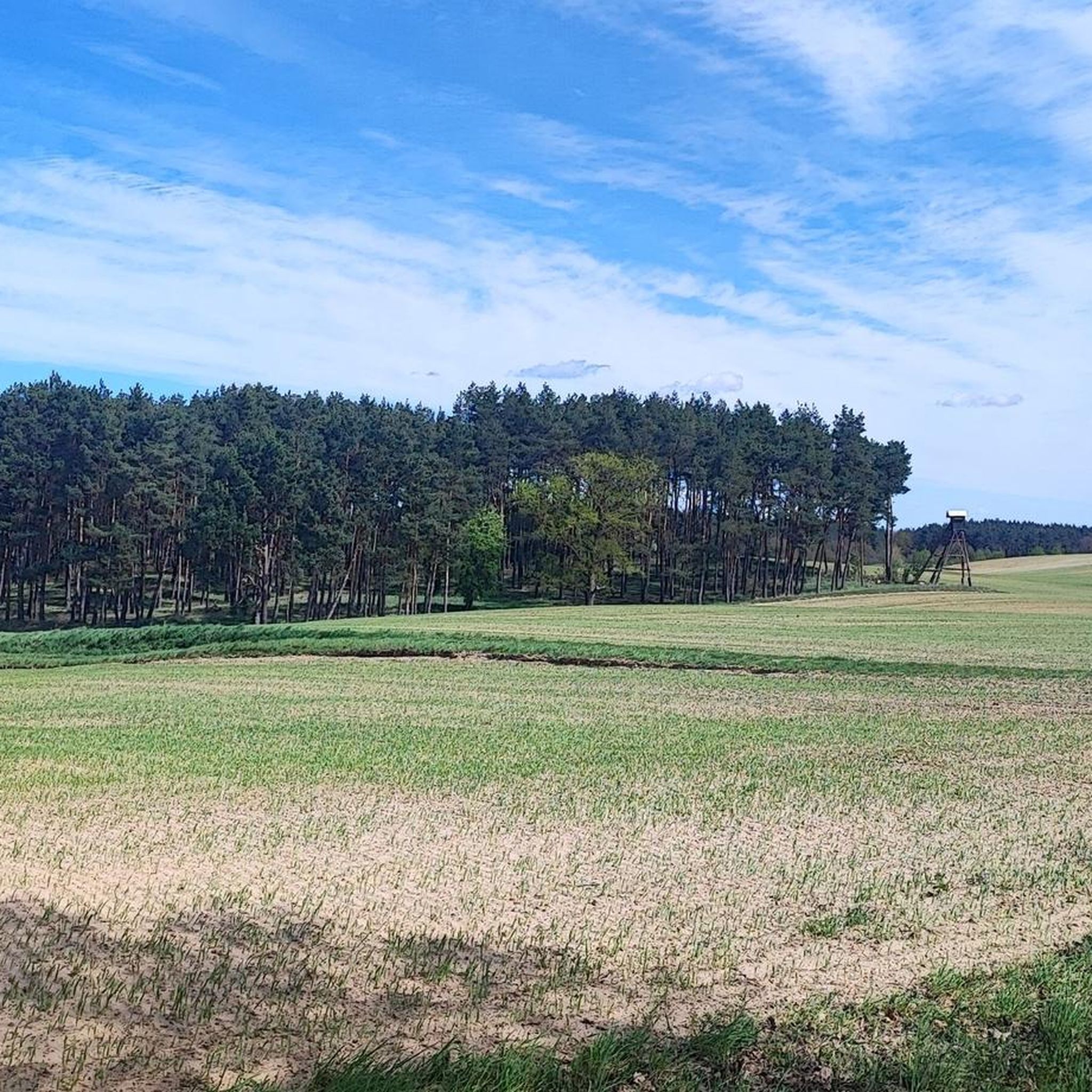
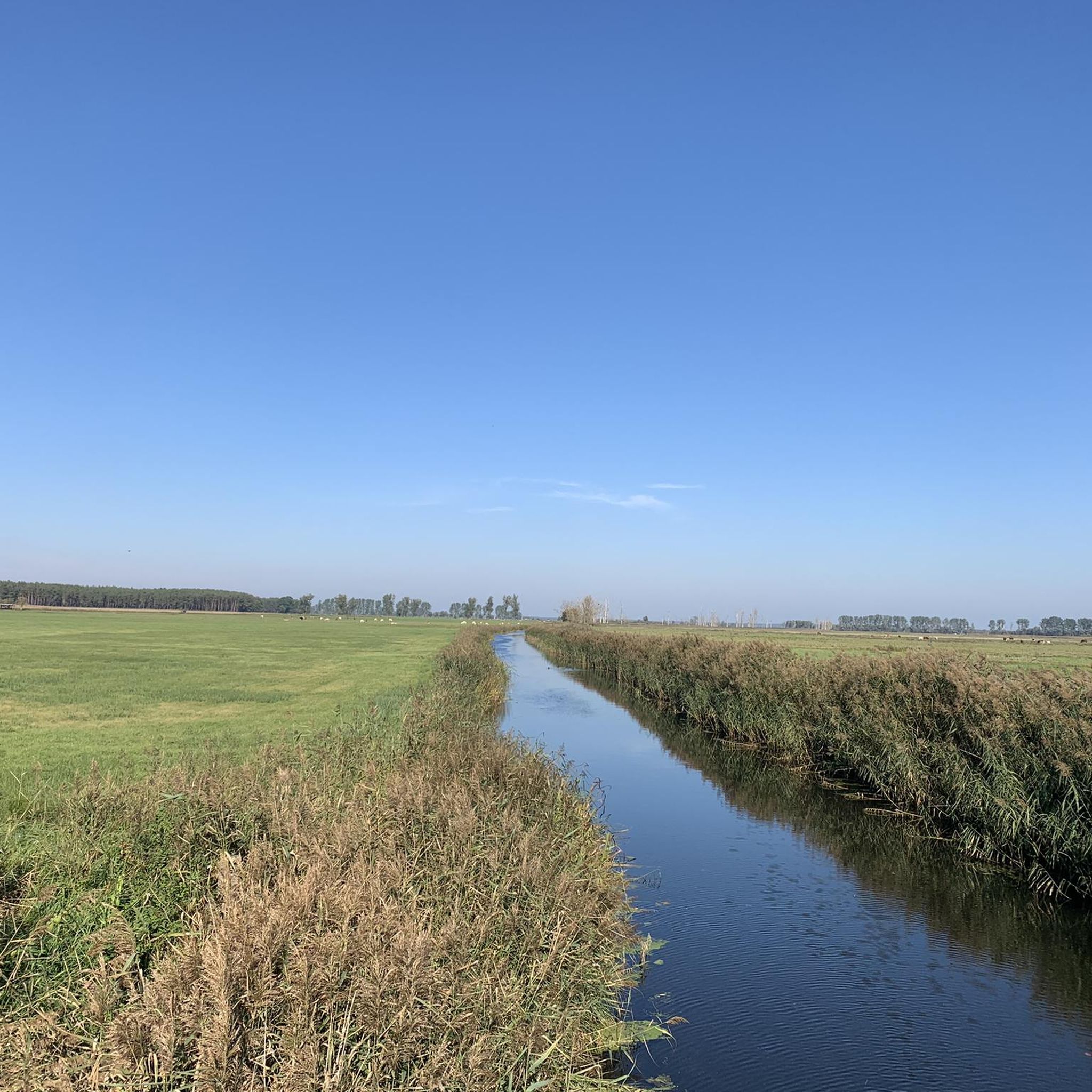
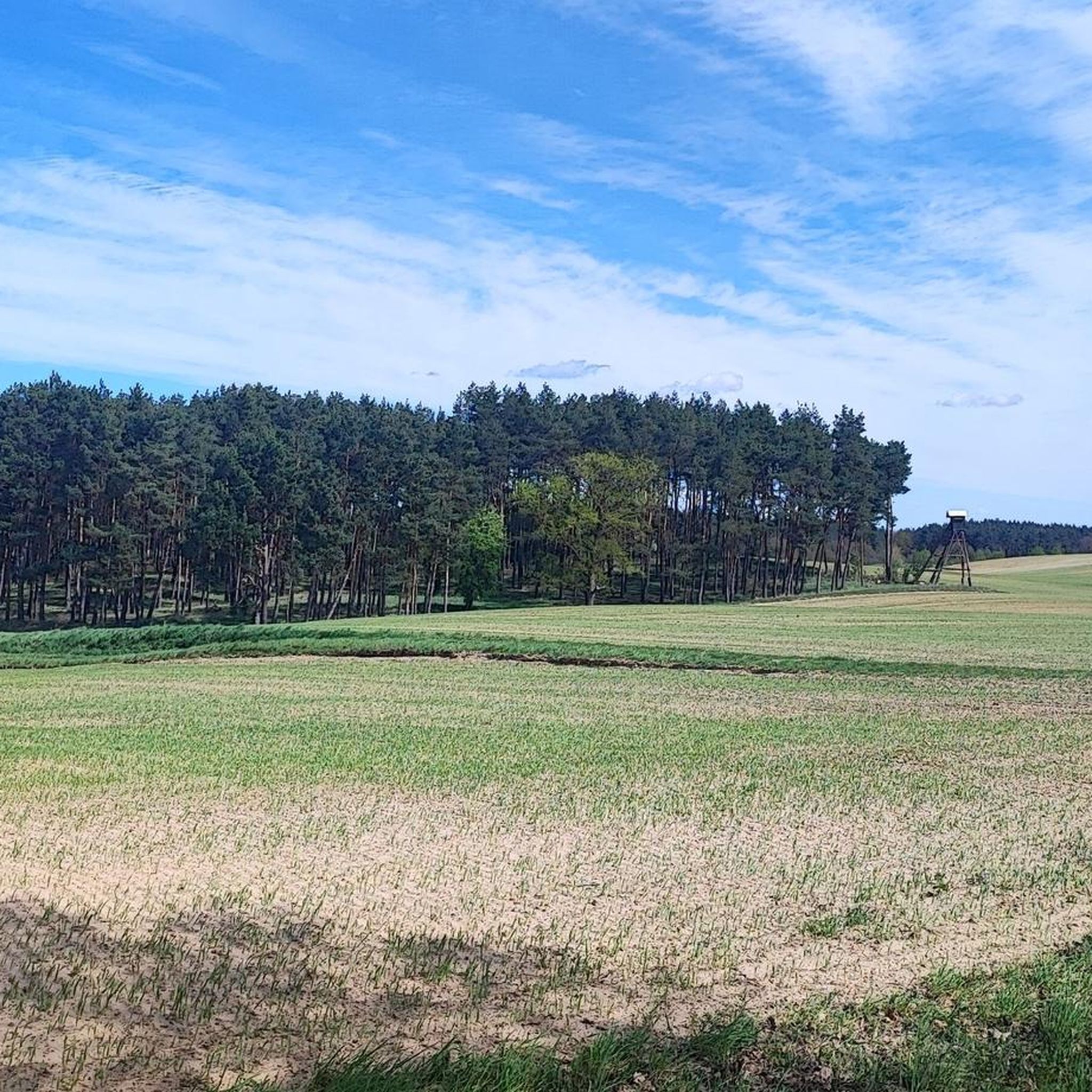
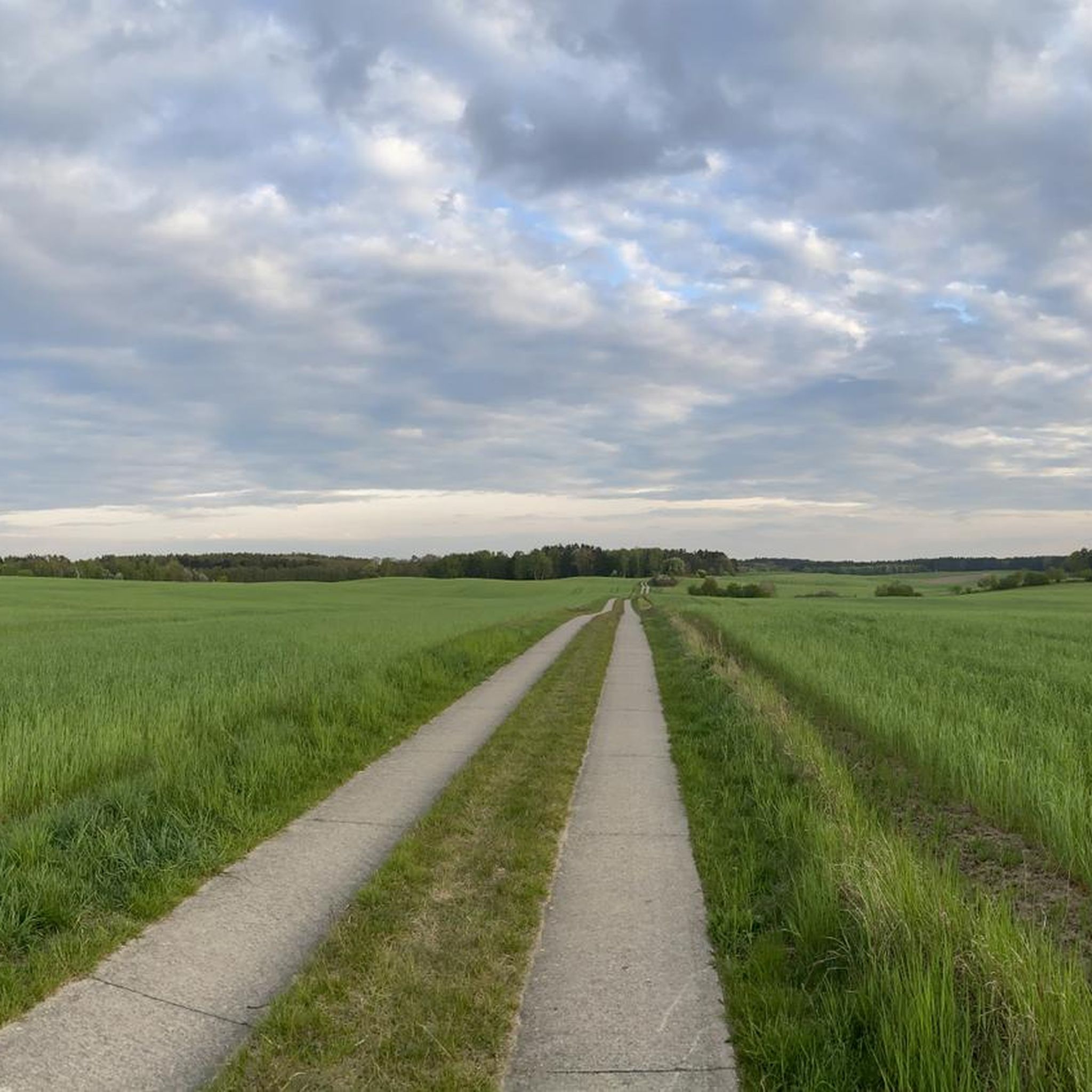
Tips from the Community

A small palace hidden in a quiet village, just behind the church. Today it houses a hotel, and the former estate is surrounded by a vast park and a golf course. More of an elegant country residence than a castle in the common sense of the word.
0
0

The manor house is relatively inconspicuous, but its deep red color makes it visible from afar. It is located in an elongated rectangular estate with farm buildings and a baroque landscape park (with old trees and a fieldstone wall).
0
0


great facility with park. worth a visit
0
0
Everything has already been said by the previous speakers, I hope that one day you can visit it
1
0

The history of the town dates back to the Middle Ages. To this day, you can admire the church from 1738 and the farm, which includes a half-timbered family estate built in 1761 and 19th-century buildings of a distillery, a steam mill, a cowshed, two barns, a stable, a sheepfold and a stable for carriage horses. The farm buildings were built of both stone and baked brick.
1
0
The history of the city dates back to 1127, when the Slavs built a defensive stronghold in the Randow River valley. The first mention of a defensive structure in Löcknitz dates back to 1212, and in 1242 a bridge was built in place of the ford. For years, the border between Pomerania and Brandenburg running through here justifies the fortified character of the town. Once Löcknitz belonged to the Pomeranian princes, once to the Branderburgians. In the book Medieval Castles of Western Pomerania, Zbigniew Radacki wrote that the stronghold belonged to the bishops of Kamień. In 1280, a document on the division of the Kołobrzeg land was signed in the "castrum Lokenitz". In 1390, Bishop Filip von Rehberg renounced the castle to the princes of Szczecin, who gave it to the Wusses, knights from Lębork, "hus civitas i terra Lockenitze" for 3,000 marks towards the debt. Around 1400, the stronghold received a brick form, and in 1479 it came into the possession of the Schulenburg family. Then the place was rebuilt many times, in the mid-16th century it was converted into a Renaissance-style manor house. It lost its strategic importance in 1720 after the annexation of Brandenburg and Pomerania to Prussia.
2
0
The first mention of the town comes from the 13th century, when it belonged to the von Blankenburg family. Until 1521, the village was called Blankenburg. In 1554, the last owner of the estate - Amus von Blankenburg - sold it to Frederick von Ramin, the owner of Dobra Szczecińska. At that time, the village was given a new name - Stolzenburg, which means "lofty castle" During the Thirty Years' War, the village was deserted and the existing manor house was destroyed. Thanks to the von Ramin family, in 1662 the settlement of Glashütte was established near Stolec, with the oldest glassworks in Pomerania. In the years 1721–1727, Jürgen Bernard von Ramin, starosta of the Randow district, founded a new palace and established a park. In the years 1731–1735, a church was built, funded by the owner of the village. In 1872, the property became the property of a company of merchants, and then in 1888, after the bankruptcy of the company, it was taken over by a bank from Lübeck to cover the debts. In the first years of the 20th century, the estate was owned by Szczecin merchants. In 1900, a metal fence with an impressive neo-baroque gate with wrought-iron, richly decorated wings was built on the side of the road, partially preserved to this day. In 1939, the village had 440 inhabitants. After World War II, the palace was the headquarters of the Border Protection Forces, and then of the Border Guard. In the village there is a two-story palace, built in the style of baroque classicism, covered with a mansard roof. Nothing has survived from the former interior. A linden and chestnut alley leads to the palace. Around the palace there is a naturalistic park from the 19th century, in which there are, among others, wejmutka, hornbeams, blue and silver spruces, lindens, elms and yews. In the church cemetery there is a baroque monument with the image of Jürgen von Ramin. The estate covers 13 hectares of land.
1
0
Frequently Asked Questions
Which castles are recommended for a visit near Rothenklempenow?
While Rothenklempenow itself is a small municipality, the surrounding Mecklenburg-Vorpommern region offers several notable castles. We recommend exploring Löcknitz Castle, Church and Soviet War Cemetery for its historical significance and scenic location, Krugsdorf Castle, which now operates as a hotel and golf resort, and Schloss Bröllin, an International Center for Artistic Research. Additionally, the well-preserved 13th-century Klempenow Castle, located a bit further, offers cultural programs and tower views.
Are there any family-friendly castles to visit in the area?
Yes, Krugsdorf Castle is categorized as family-friendly, offering a hotel and golf resort experience. Klempenow Castle also hosts children's activities and cultural programs, making it a good option for families.
What kind of historical sites can I explore besides castles?
Beyond the castles, the region is rich in history. Löcknitz Castle, Church and Soviet War Cemetery combines a historical castle complex with a church and a Soviet War Cemetery. The broader area also features sites like Ueckermünde Castle, which has served as the town hall since 1780, and Ludwigsburg Palace, one of the last existing Renaissance buildings of the Pomeranian dukes.
What outdoor activities can I do near these castles?
The area around Rothenklempenow and its castles is excellent for outdoor activities. You can find numerous routes for gravel biking, running, and hiking. For example, there are easy to moderate hiking trails around Lake Löcknitz, and the Oder-Neisse bike path passes by Löcknitz Castle. You can explore more options on the hiking guide or running trails guide for Rothenklempenow.
Are there hiking trails around the castles?
Yes, there are several hiking opportunities. For instance, near Löcknitz Castle, you can find easy hiking loops around Lake Löcknitz. The broader region offers various trails, including those in the nearby Stettiner Haff Nature Park. For detailed routes, refer to the Hiking around Rothenklempenow guide.
What is the best time of year to visit the castles in this region?
The spring and summer months (April to September) are generally ideal for visiting the castles and enjoying the surrounding nature, as the weather is pleasant for outdoor activities and cultural events. Autumn also offers beautiful scenery with changing foliage. Some castles, like Klempenow Castle, host cultural programs throughout the year, so checking their specific event calendars is recommended.
Are there any castles that are less crowded or off the beaten path?
While popular sites like Schwerin Castle attract many visitors, castles such as Schloss Bröllin, which functions as an artistic research center, or Ludwigsburg Palace, might offer a more tranquil experience compared to larger, more tourist-focused destinations. Klempenow Castle, while well-known, provides a unique cultural atmosphere that can feel less like a typical tourist attraction.
What are the options for parking and public transport to reach these castles?
Parking availability varies by castle. For example, Krugsdorf Castle, as a hotel and golf resort, likely offers dedicated parking. For Klempenow Castle, visitor parking is available. Public transport options in this rural region can be limited, so driving is often the most convenient way to reach many sites. It's advisable to check specific castle websites or local transport schedules for the most up-to-date information.
Can I find cafes or accommodation near the castles?
Yes, several castles offer amenities. Krugsdorf Castle operates as a hotel and golf resort with dining options. Klempenow Castle features a café and a small shop. In the vicinity of Löcknitz Castle, you can find places to eat in the village of Löcknitz. For broader accommodation, cafes, and pubs, exploring the nearby towns and villages is recommended.
What natural features can be seen around the castles?
The castles in the Rothenklempenow area are often set amidst beautiful natural landscapes. Löcknitz Castle is part of a scenic section on the Oder-Neisse bike path, offering views of the surrounding area. Stolec Palace is located on Grenzensee (Lake Grenz). Klempenow Castle provides picturesque views from its tower of the surrounding glacial valleys. The region is also close to the Stettiner Haff Nature Park, offering diverse natural environments.
Are there any castles that are particularly unique in the region?
Yes, Klempenow Castle stands out as the only preserved lowland castle in Mecklenburg-Vorpommern, making it architecturally unique. Schloss Bröllin is also unique for its transformation into an International Center for Artistic Research, hosting workshops and performances in its historic buildings.
What do visitors enjoy most about the castles around Rothenklempenow?
Visitors appreciate the rich history and diverse architecture of the castles, ranging from medieval fortifications to neo-baroque estates. The scenic locations, often near lakes or within natural landscapes, are also highly valued. For instance, Löcknitz Castle is noted for its very worth-seeing castle and church, and its integration into the scenic Oder-Neisse bike path.
Most popular routes around Rothenklempenow
Most popular attractions around Rothenklempenow

Get inspired with the komoot mobile app


Explore more
Looking for the best castles somewhere else? Discover other guides around Rothenklempenow:
