Top 15 Caves around Weisenheim am Sand
Best caves around Weisenheim am Sand are primarily found in the surrounding region, as the municipality itself does not feature natural cave formations. Weisenheim am Sand is located in the Bad Dürkheim district, characterized by its position in the Palatinate wine region. The area offers a landscape of vineyards and hills, providing a setting for various outdoor activities. While direct cave access within the town is limited, historical and natural cave-like structures are accessible nearby.
Best caves around Weisenheim am…
Last updated: May 15, 2026
Kaiser-Wilhelm-Höhe Viewpoint
Highlight • Viewpoint
Translated by Google •
Tip by

Dragon’s Cave at Drachenfels
Highlight • Cave
Translated by Google •
Tip by

Sign up now to discover places like this
Get recommendations on the best single tracks, peaks, & plenty of other exciting outdoor places.
Sign up for free
Hohler Fels Cave (Freischärler Hideout)
Highlight • Cave
Translated by Google •
Tip by

Stairway to the Drachenhöhle (Dragon's Cave)
Highlight • Cave
Translated by Google •
Tip by

Lightning tubes of Battenberg
Highlight • Cave
"Water that had dissolved iron-containing substances penetrated the …
Translated by Google •
Tip by
Sign up for free to discover even more caves around Weisenheim am Sand.
Sign up for free
Already have an account?
Start today with a free account
Your next adventure awaits.
Login or Signup

Tips from the Community

The little detour is definitely worth it
1
0

Small Staircase, Big Cave
0
0

Definitely worth it. Great big cave. If you're lucky you'll see the dragon. 🙂
0
0

After the stairs, you follow a narrow path secured with a railing to the rock shelter. Interesting to look at.
1
0

This is where the rebels hid in 1848... today it serves as a shelter at best
1
0

The Hohle Fels, occasionally also called Hohler Felsen, in the forest area of the Palatinate town of Deidesheim is a room-sized rock cave that was once used as a temporary residence by people - according to traces of work on the walls. Wikipedia
2
0

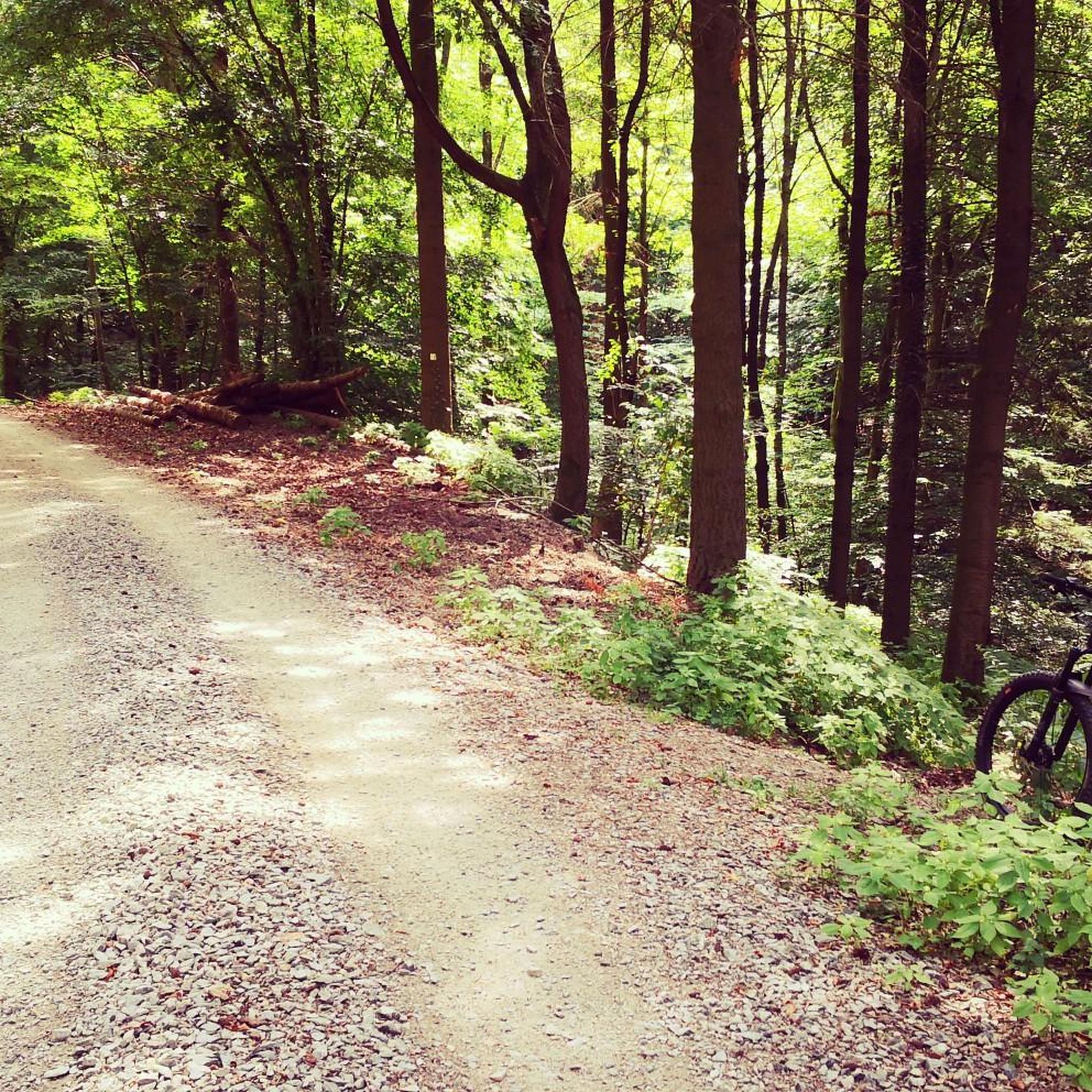
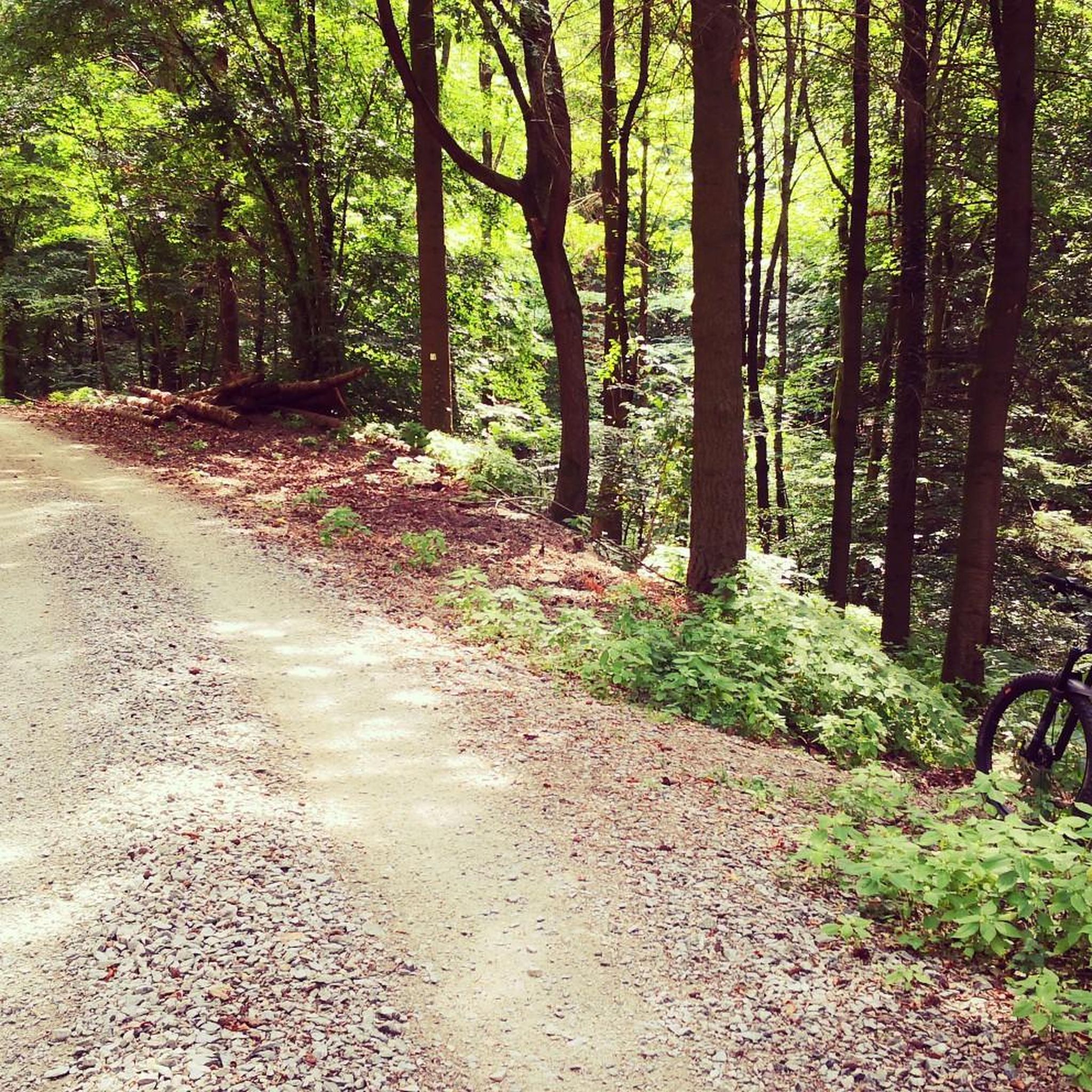
The bike ends here 🚲
0
1

The lightning tubes are a natural monument in the form of a mineralogical phenomenon in the sandstone wall below the Battenberg castle ruins. The 'lightning tubes' were given their name because the people who lived here initially attributed their formation to lightning strikes. Source: https://www.tourenplaner-rheinland-pfalz.de/de/punkt/felsen/blitzroehren-battenberg/49764939/
2
0
Frequently Asked Questions
What kind of 'caves' can I expect to find around Weisenheim am Sand?
Weisenheim am Sand itself does not feature deep natural cave formations. Instead, you'll find a variety of cave-like structures, including natural rock shelters, historical hideouts, and embedded protective caves within viewpoints. These offer unique experiences, blending historical exploration with scenic views.
Are there any historical caves or hideouts in the area?
Yes, the region features several historical sites. For example, the Hohler Fels Cave (Freischärler Hideout) is known as a place where Deidesheim volunteers hid in 1848, offering a glimpse into local revolutionary history. Another historical site is the Bismarck Cave, an alcove with a seating group and a plaque honoring Chancellor Bismarck.
What are some popular cave-related viewpoints near Weisenheim am Sand?
The Kaiser-Wilhelm-Höhe Viewpoint is a popular spot. Built in 1888, it features a protective cave embedded within its tower-like structure and offers expansive views of the Limburg and the Rhine plain. The Bismarck Cave also provides a nice view of the grapevines and the Rhine plain.
Is there a 'Dragon's Cave' near Weisenheim am Sand?
Yes, you can visit the Dragon’s Cave at Drachenfels. According to local legend, the Lindwurm from the Nibelungen saga once lived here. This natural formation was made accessible in 1873 and offers an intriguing historical and mythical experience. Be aware that access can be narrow, so sure-footedness is advised.
Are the caves around Weisenheim am Sand suitable for families?
Many of the cave-like attractions, especially those combined with viewpoints or historical sites, can be family-friendly. For instance, the Bismarck Cave is categorized as family-friendly. When visiting the Dragon’s Cave at Drachenfels, parents should be mindful of the narrow access and ensure children are supervised due to safety railings.
What outdoor activities can I do near these cave sites?
The region around Weisenheim am Sand is excellent for various outdoor activities. You can find numerous cycling routes, including easy vineyard loops like the 'Bad Dürkheim Graduation Tower – Vineyard loop' or the 'Eckbach Mill Trail loop'. For road cycling, there are routes like the 'Ascent of the Kalmit loop'. Running enthusiasts can explore trails such as the 'View of Bad Dürkheim loop'. You can find more details on these activities in the Cycling around Weisenheim am Sand, Road Cycling Routes around Weisenheim am Sand, and Running Trails around Weisenheim am Sand guides.
What do visitors enjoy most about the cave-related sites in this region?
Visitors frequently highlight the stunning views, especially from sites like the Kaiser-Wilhelm-Höhe Viewpoint. The historical significance of places like the Hohler Fels Cave (Freischärler Hideout) and the mythical allure of the Dragon’s Cave at Drachenfels are also highly appreciated. The combination of natural beauty, history, and accessible trails makes these spots popular.
Are there any specific geological features to look out for?
While not deep karst caves, the sites often feature interesting rock formations and natural shelters. The Dragon’s Cave at Drachenfels is a natural formation, and the various rock shelters and embedded caves showcase the local geology of the Palatinate region, which is characterized by sandstone and other sedimentary rocks.
What is the best time of year to visit the cave-related sites around Weisenheim am Sand?
The cave-related sites, being mostly accessible rock shelters or viewpoints, can be visited year-round. Spring and autumn offer pleasant temperatures for hiking and exploring the surrounding vineyards and forests. Summer is also popular, though it can be warmer. Winter visits can be beautiful, especially if there's snow, but some paths might be slippery.
Are there any guided tours available for these caves?
The cave-like structures mentioned, such as the Kaiser-Wilhelm-Höhe Viewpoint and the Dragon’s Cave at Drachenfels, are generally self-explorable and do not require guided tours. They are often part of hiking trails, allowing visitors to explore at their own pace.
What should I wear when visiting these sites?
Since many of these sites are integrated into hiking trails and involve outdoor exploration, comfortable walking shoes or hiking boots are recommended. Dress in layers suitable for the weather, as viewpoints can be exposed to wind. A torch might be useful for exploring deeper into some of the rock shelters, even if they are not extensive.
Most popular routes around Weisenheim am Sand
Most popular attractions around Weisenheim am Sand

Get inspired with the komoot mobile app


Explore more
Extend your search for the best caves by checking out these guides of the top ones around Weisenheim am Sand:
