Top 9 Castles around Hoppstädten-Weiersbach
Castles around Hoppstädten-Weiersbach are found in the surrounding Nahe Valley, a region known for its natural landscapes and historical sites. While the municipality of Hoppstädten-Weiersbach itself does not feature standing castles, the broader area offers several notable castle ruins and historical structures. These sites provide insights into the region's past, often situated along popular hiking routes. The area is characterized by its scenic environment, making it suitable for exploring historical landmarks.
Best castles around Hoppstädten-Weiersbach
- The most popular castles is…
Last updated: June 27, 2026
Frauenburg Castle Ruins
Highlight • Castle
Translated by Google •
Tip by

Ruins of the Burghaus in the Valley at Frauenberg
Highlight • Historical Site
The "Burghaus im Tal zu Frauenberg", located directly on the Ellenbach, was mentioned in many documents. In 1347, Gottfried von Spohnheim, the youngest son of Countess Loretta von Sponheim-Starkenburg …
Translated by Google •
Tip by

Sign up now to discover places like this
Get recommendations on the best single tracks, peaks, & plenty of other exciting outdoor places.
Sign up for free
Veldenz Castle (Nohfelden)
Highlight • Castle
Translated by Google •
Tip by

Nohfelden Castle Ruins
Highlight • Castle
The tower of the castle is freely accessible from April to October.
Every year in April there is a great medieval market around the castle.
Translated by Google •
Tip by

Birkenfeld Castle Observation Tower
Highlight • Castle
Translated by Google •
Tip by
Sign up for free to discover even more castles around Hoppstädten-Weiersbach.
Sign up for free
Already have an account?
Start today with a free account
Your next adventure awaits.
Login or Signup
Popular around Hoppstädten-Weiersbach
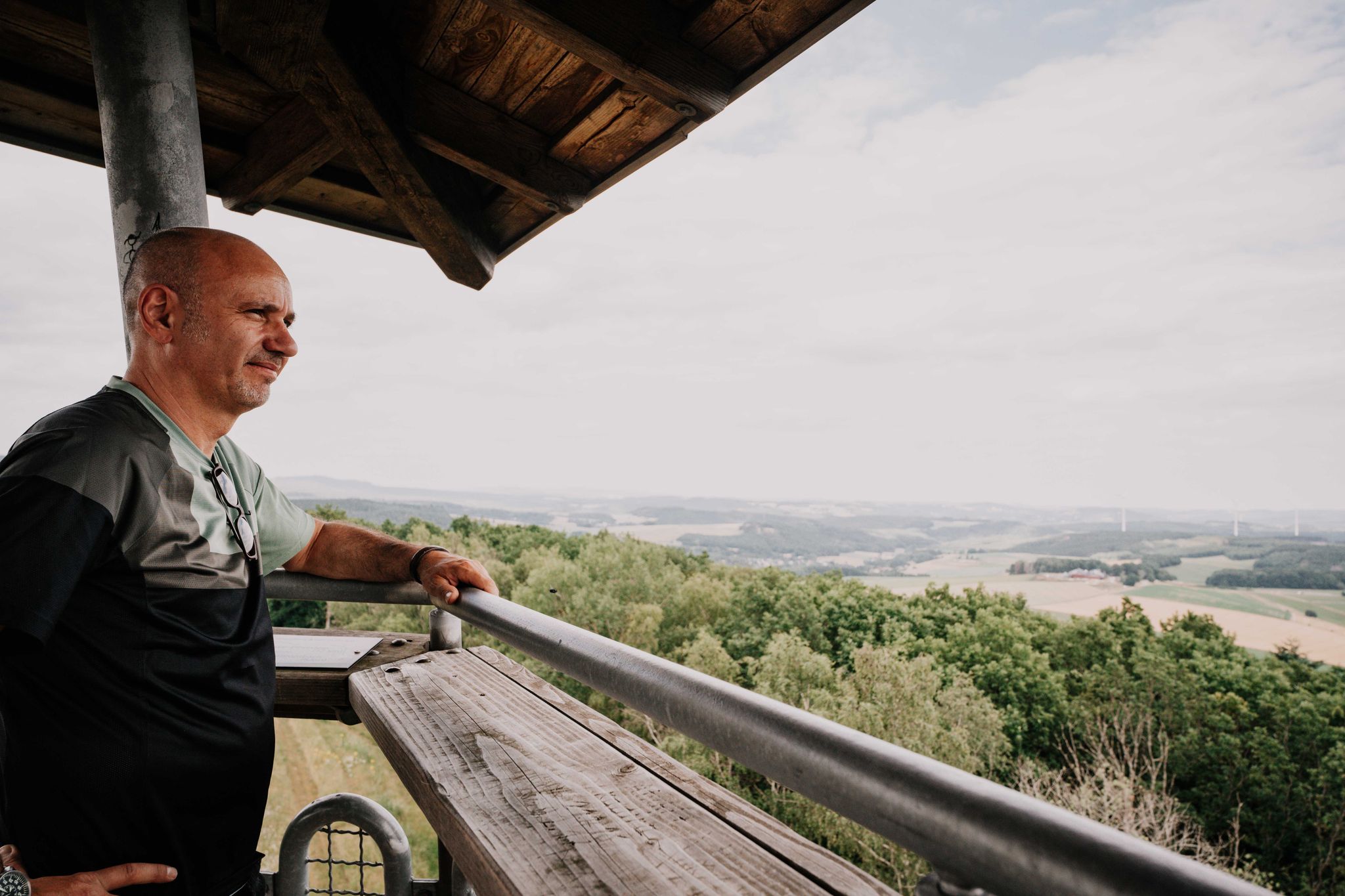
Genussradeln zwischen Bostalsee und dem Nationalpark Hunsrück-Hochwald
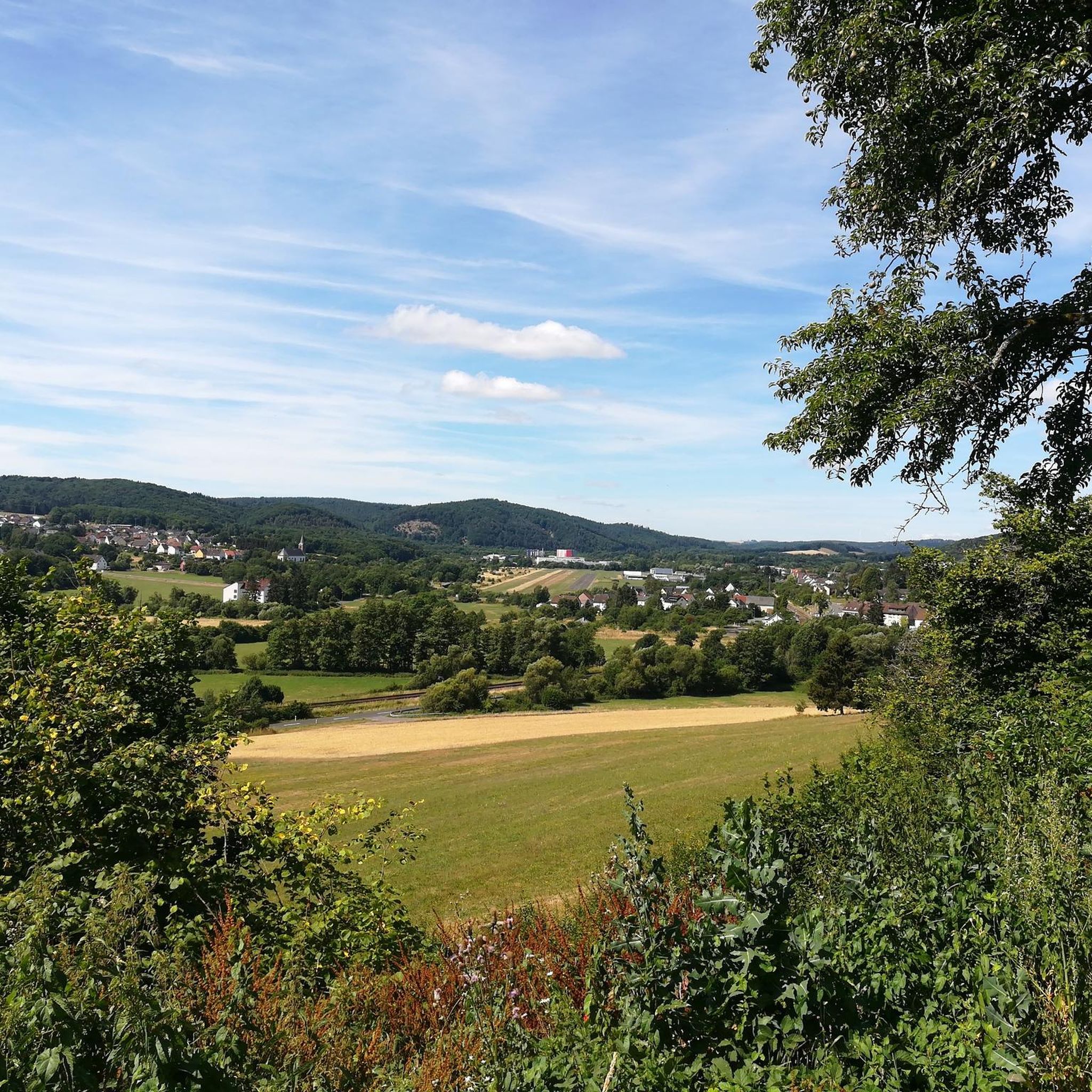
Hiking around Hoppstädten-Weiersbach
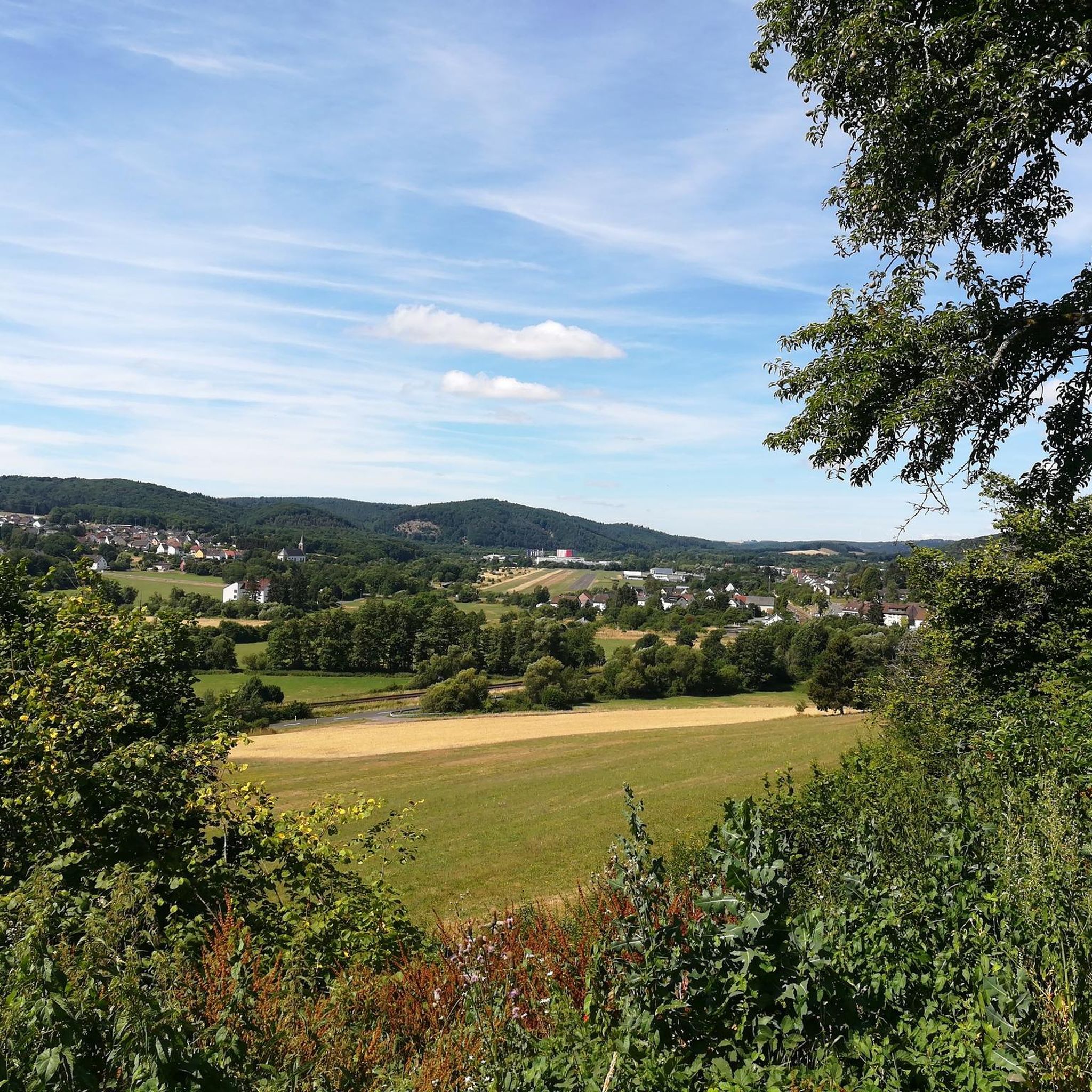
Cycling around Hoppstädten-Weiersbach
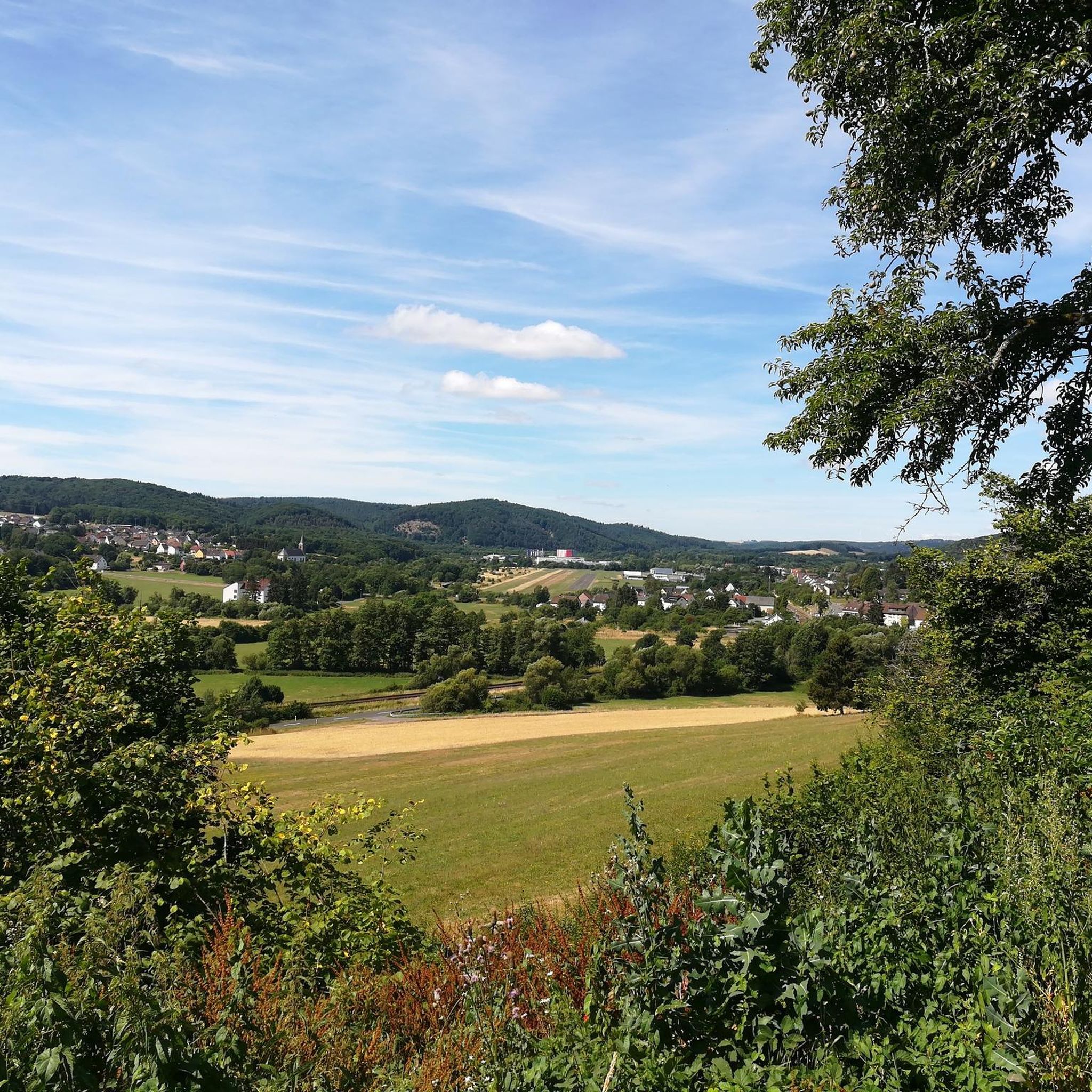
Running Trails around Hoppstädten-Weiersbach
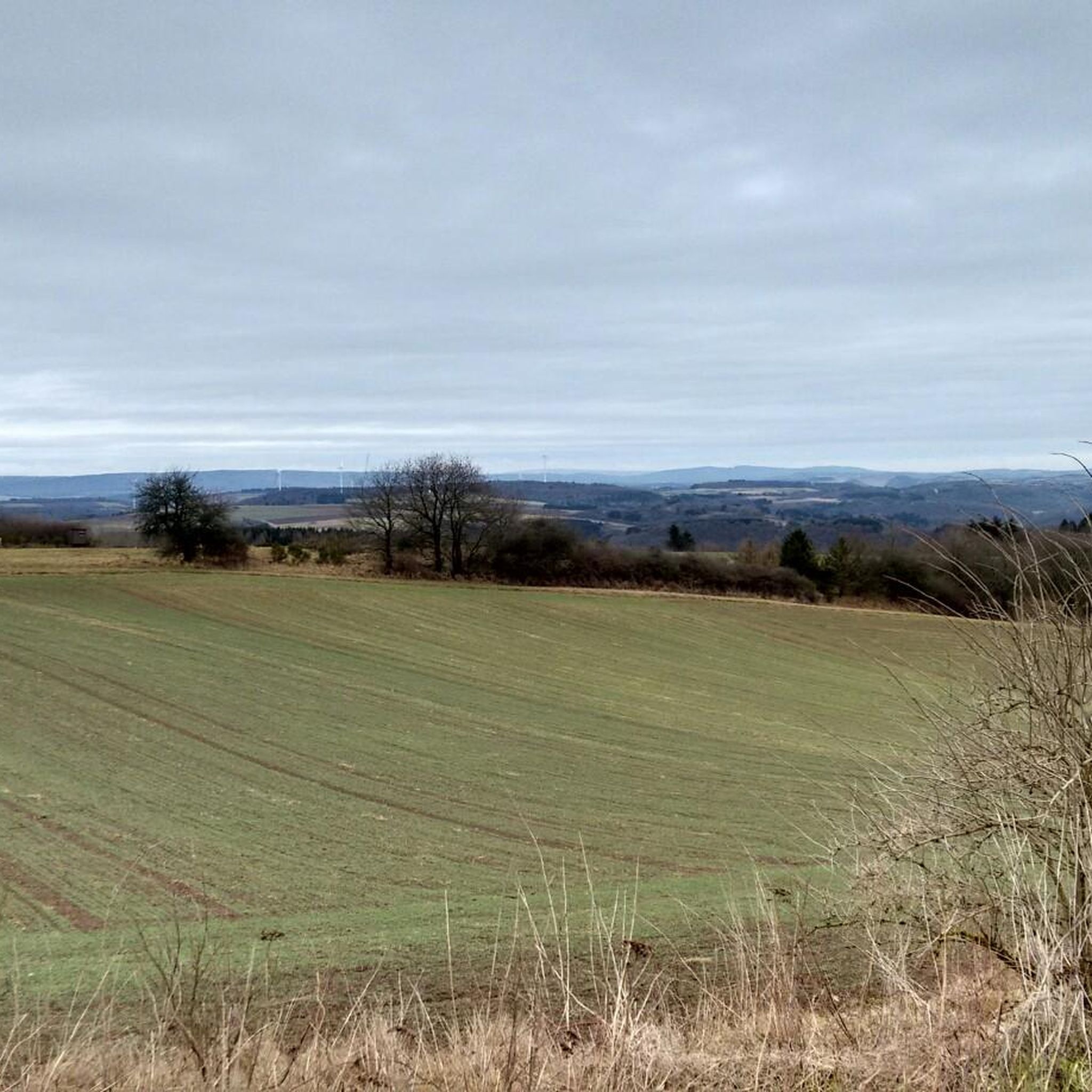
Road Cycling Routes around Hoppstädten-Weiersbach
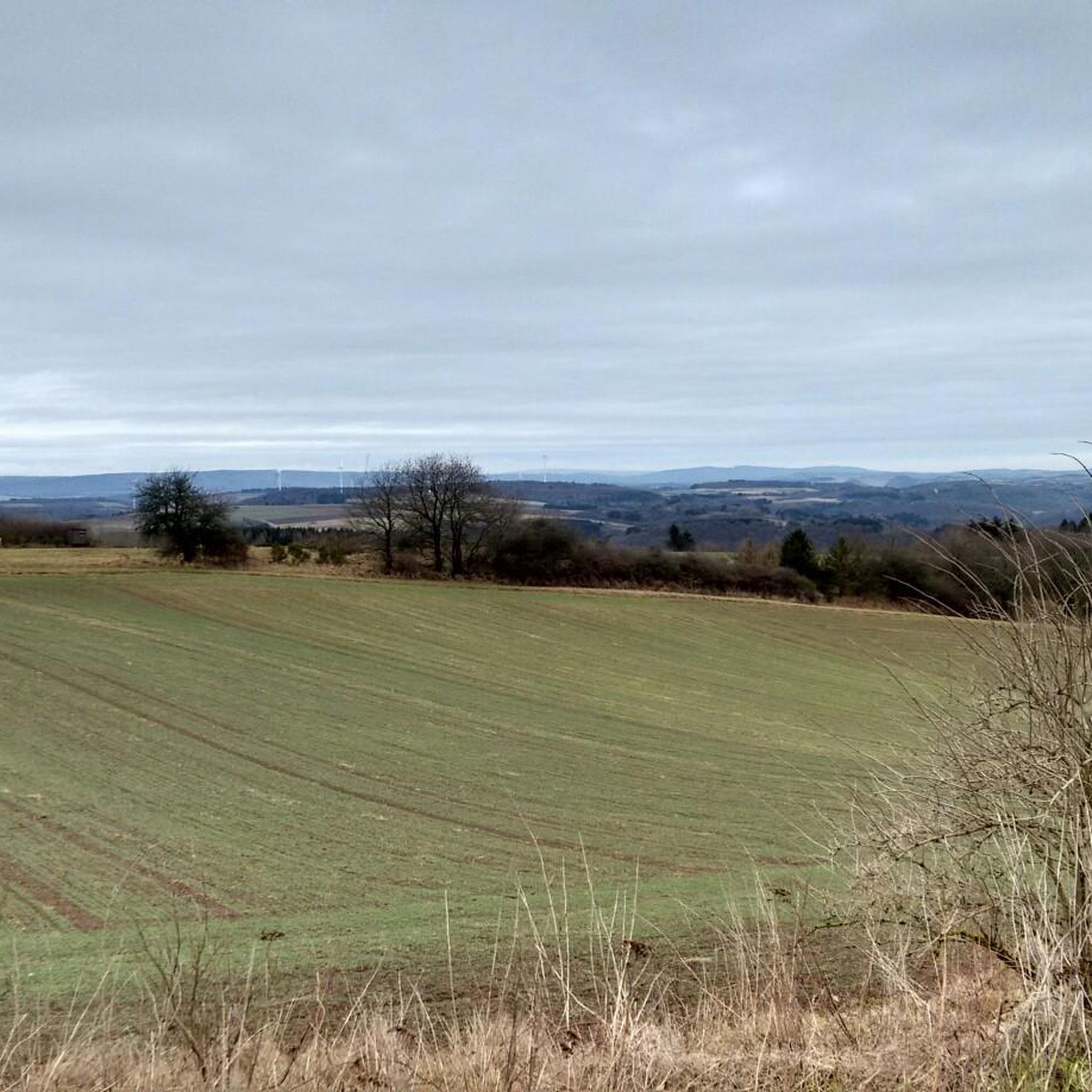
MTB Trails around Hoppstädten-Weiersbach
Gravel biking around Hoppstädten-Weiersbach
Other adventures around Hoppstädten-Weiersbach

Tips from the Community

The castle ruins are located in the center of Nohfelden, with a beautiful castle courtyard and an elevator up to the castle ruins.
0
0

Birkenfeld Castle was first documented in 1293 as a Sponheim property. At the end of the 16th century, Duke Charles expanded it into a princely palace in the Renaissance style. Count Palatine Charles founded the Wittelsbach branch of the Dukes of Palatinate-Zweibrücken-Birkenfeld, who became Electors of Bavaria in 1799 (and Kings from 1806). With the French invasion, the castle was declared French national property and auctioned in Trier in 1807. The complex could no longer be maintained by private hands and thus fell into disrepair. Parts of the outer walls and tower stumps, one of which was converted into an observation tower, as well as the former guesthouse with the gatehouse of the castle entrance, remain. Source: https://kulturland.rlp.de/datenbanken/einrichtungen/einrichtung/burgruine-birkenfeld
0
0

Last remains of the foundation walls. Nice photo opportunity.
0
0

A very nice photo opportunity
1
0

Beautiful castle ruins, there is a beautiful view from the watchtower.
2
0

Interesting castle. In the immediate vicinity is also a butcher's shop/inn and the Bruunen for resting.
1
0

From here you have a great view
0
0

The namesake of the castle and the village of Frauenberg is one of the most colorful female figures of the Middle Ages and proof that women have always played a decisive role in shaping our country's history. Loretta came from the Salm family of counts, wealthy in the Vosges Mountains near Strasbourg, which also maintains dynastic connections in the Luxembourg and Hunsrück regions to this day. In early 1315, not yet 20 years old, she married the much older Count Henry II of Sponheim Starkenburg. Henry died in 1323, and Loretta moved with her three sons to Starkenburg Castle near Trarbach. Loretta was now responsible for managing the county's affairs as guardian of her son, John III, who was probably only eight years old. This castle protruded like a thorn into the Electorate of Trier and threatened to endanger the possessions along the Moselle and around Koblenz. Archbishop Baldwin ruled in Trier. As an elector and brother of an emperor, he was one of the most powerful men in the empire and now considered the time had come to expand his holdings by occupying Sponheim's estates against a supposedly weak woman. Source: https://frauenberg-nahe.de/infos/geschichte/loretta/
2
0
Frequently Asked Questions
Are there any castles directly within Hoppstädten-Weiersbach?
No, Hoppstädten-Weiersbach itself does not feature standing castles. Historical records indicate a castle named Werdenstein once existed but was completely dismantled by the early 19th century. For castle experiences, you'll need to explore the surrounding Nahe Valley region.
Which are the most notable castle ruins to visit near Hoppstädten-Weiersbach?
The most popular is Frauenburg Castle Ruins, a 13th-century castle extensively restored between 2013 and 2015. Another significant site is Veldenz Castle (Nohfelden), offering a 20-meter high keep with views of the Nahe valley. You can also visit the Ruins of the Burghaus in the Valley at Frauenberg, a historical site mentioned in medieval documents.
What kind of historical insights do these castles offer?
The castles and ruins around Hoppstädten-Weiersbach, such as Frauenburg Castle Ruins, provide glimpses into the region's medieval history, with structures dating back to the 13th and 14th centuries. Frauenburg, for instance, was built to secure the Nahe crossing and served as a widow's residence for Countess Loretta of Sponheim, a notable figure of the 14th century.
Are there any castles with good viewpoints near Hoppstädten-Weiersbach?
Yes, Veldenz Castle (Nohfelden) features a 20-meter high keep that offers a great view of the Nahe valley. Additionally, the Birkenfeld Castle Observation Tower provides a wonderful view over Birkenfeld and the surrounding high forest.
What outdoor activities can I do near these castles?
The area around Hoppstädten-Weiersbach is excellent for outdoor activities. You can find numerous cycling routes, such as the 'Rail Trail Sankt Wendeler Land' or 'Old Birkenfeld Railway Station' loops, which are detailed in the Cycling around Hoppstädten-Weiersbach guide. There are also road cycling and mountain biking trails available, often passing by historical sites and natural landscapes.
Are there family-friendly options for visiting castles in the area?
Yes, several castle sites are suitable for families. Frauenburg Castle Ruins is categorized as family-friendly and offers an engaging historical experience. Exploring ruins can be an adventure for children, and many sites are integrated into hiking trails that are enjoyable for all ages.
Can I bring my dog to the castle ruins?
While specific dog policies for each ruin's interior or museum are not detailed, generally, dogs are welcome on leashes on outdoor trails and around the exterior of most castle ruins in the region. It's always advisable to check local signage upon arrival for any specific restrictions.
What is the best time of year to visit the castles around Hoppstädten-Weiersbach?
The spring and autumn months typically offer the most pleasant weather for exploring the castle ruins and hiking trails in the Nahe Valley. The mild temperatures and vibrant natural scenery make for an ideal visit. Summer can also be good, but be prepared for warmer days, especially if hiking.
Are there any other significant castles in the broader Rhineland-Palatinate region worth knowing about?
While not within Hoppstädten-Weiersbach itself, the broader Rhineland-Palatinate region is renowned for its castles. For example, over 60 castles line the Romantic Rhine, and nearby Idar-Oberstein features Schloss Oberstein. These offer a wider perspective on the region's rich castle heritage.
What do visitors enjoy most about the castles and ruins in this area?
Visitors appreciate the blend of history and nature. The extensively restored Frauenburg Castle Ruins are a highlight, as is the impressive 20-meter high keep of Veldenz Castle (Nohfelden) with its panoramic views. The historical context, combined with scenic hiking opportunities, makes these sites particularly appealing.
Are there cafes or pubs near the castle ruins?
While specific cafes or pubs directly adjacent to every ruin are not guaranteed, the villages and towns surrounding these historical sites, such as Nohfelden or Birkenfeld, typically offer dining options. It's recommended to check local listings for amenities in the nearest village to your chosen castle ruin.
How can I reach these castle ruins using public transport?
Public transport options to the immediate vicinity of all castle ruins can be limited. However, larger towns like Birkenfeld or Kusel, which are more accessible by bus, can serve as starting points. From there, you might need to consider local taxis or longer walks to reach the specific castle sites. Planning your route in advance is recommended.
Most popular routes around Hoppstädten-Weiersbach
Most popular attractions around Hoppstädten-Weiersbach

Get inspired with the komoot mobile app


Explore more
Looking for the best castles somewhere else? Discover other guides around Hoppstädten-Weiersbach:
