Top 13 Caves around Gelenberg
Best caves around Gelenberg are found within the Vulkaneifel district, a region shaped by its volcanic history in Rhineland-Palatinate, Germany. This geological activity has created a diverse range of subterranean sites, from natural rock formations to historical mining tunnels. The area offers a blend of natural beauty and insights into past human activity. Gelenberg serves as a convenient base for exploring these unique underground landscapes.
Best caves around Gelenberg
- The most popular caves is Caves and natural rock arch on…
Last updated: June 27, 2026
Rock overhang with wooden cross below the Dreimühlen ruin
Highlight • Cave
Translated by Google •
Tip by

Arnulphus Chapel (Heiligenhäuschen) near Walsdorf and Zilsdorf
Highlight • Religious Site
Translated by Google •
Tip by

Sign up now to discover places like this
Get recommendations on the best single tracks, peaks, & plenty of other exciting outdoor places.
Sign up for free
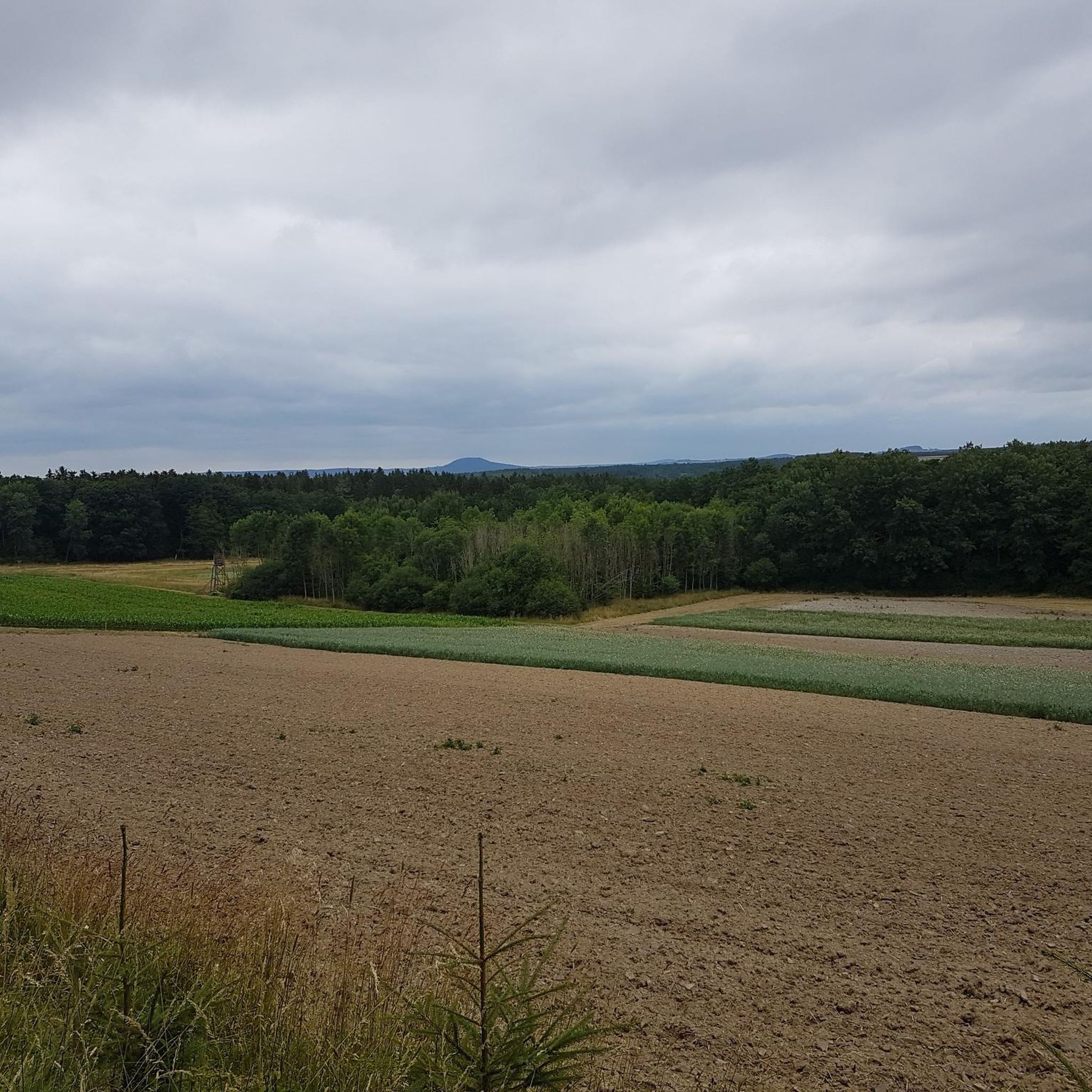
Caves and natural rock arch on the Ernstberg summit
Highlight • Cave
Translated by Google •
Tip by

Martins Cave
Highlight • Cave
Translated by Google •
Tip by

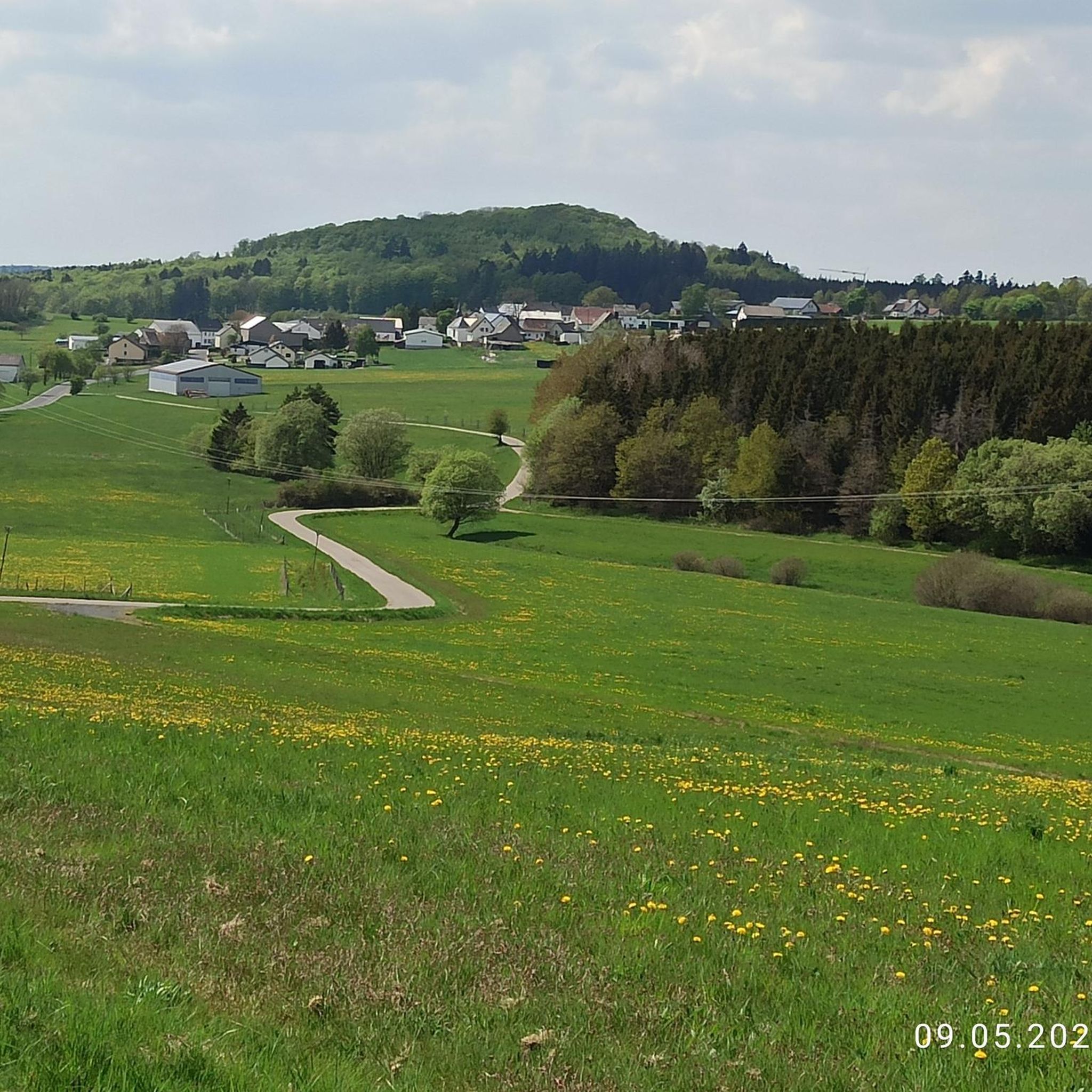
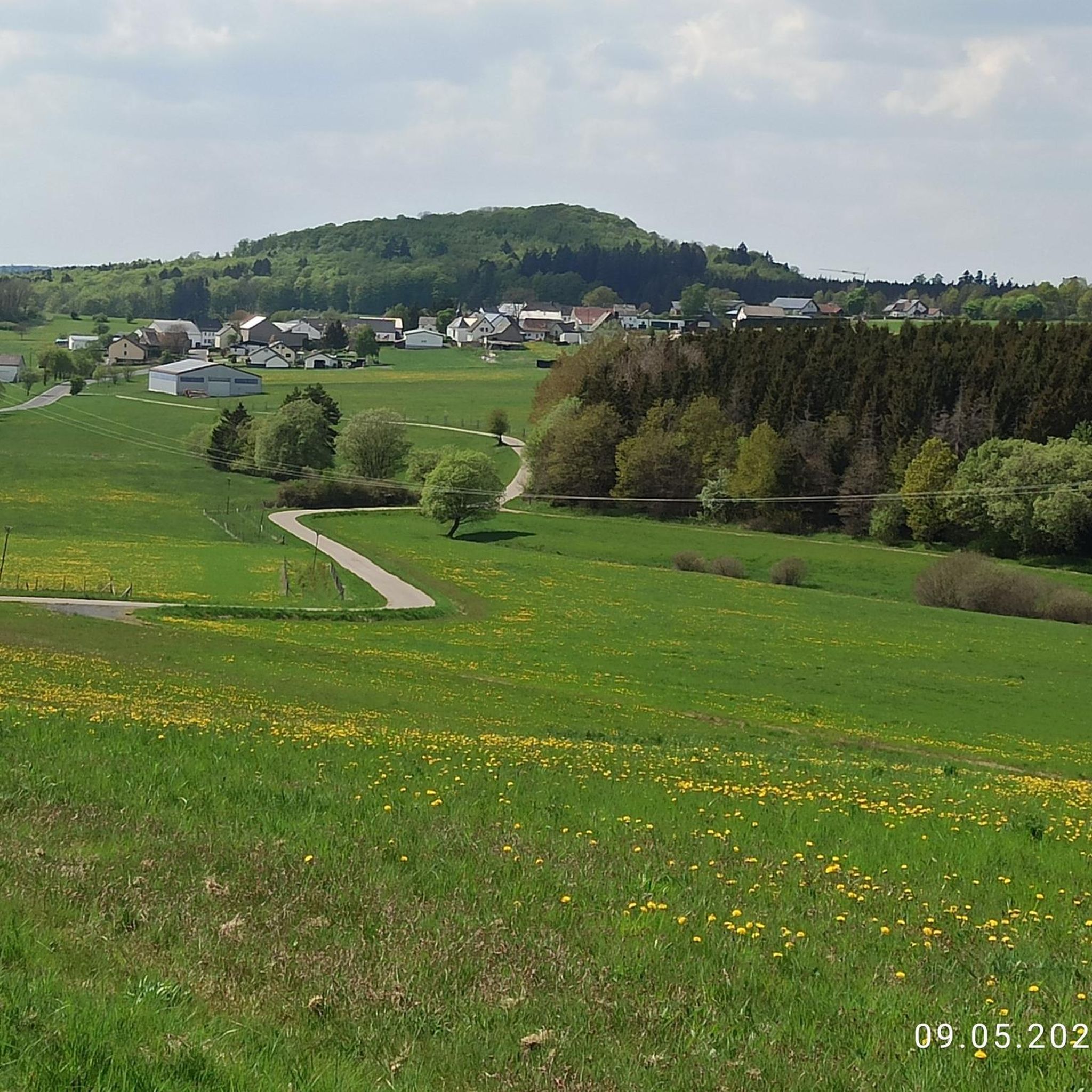
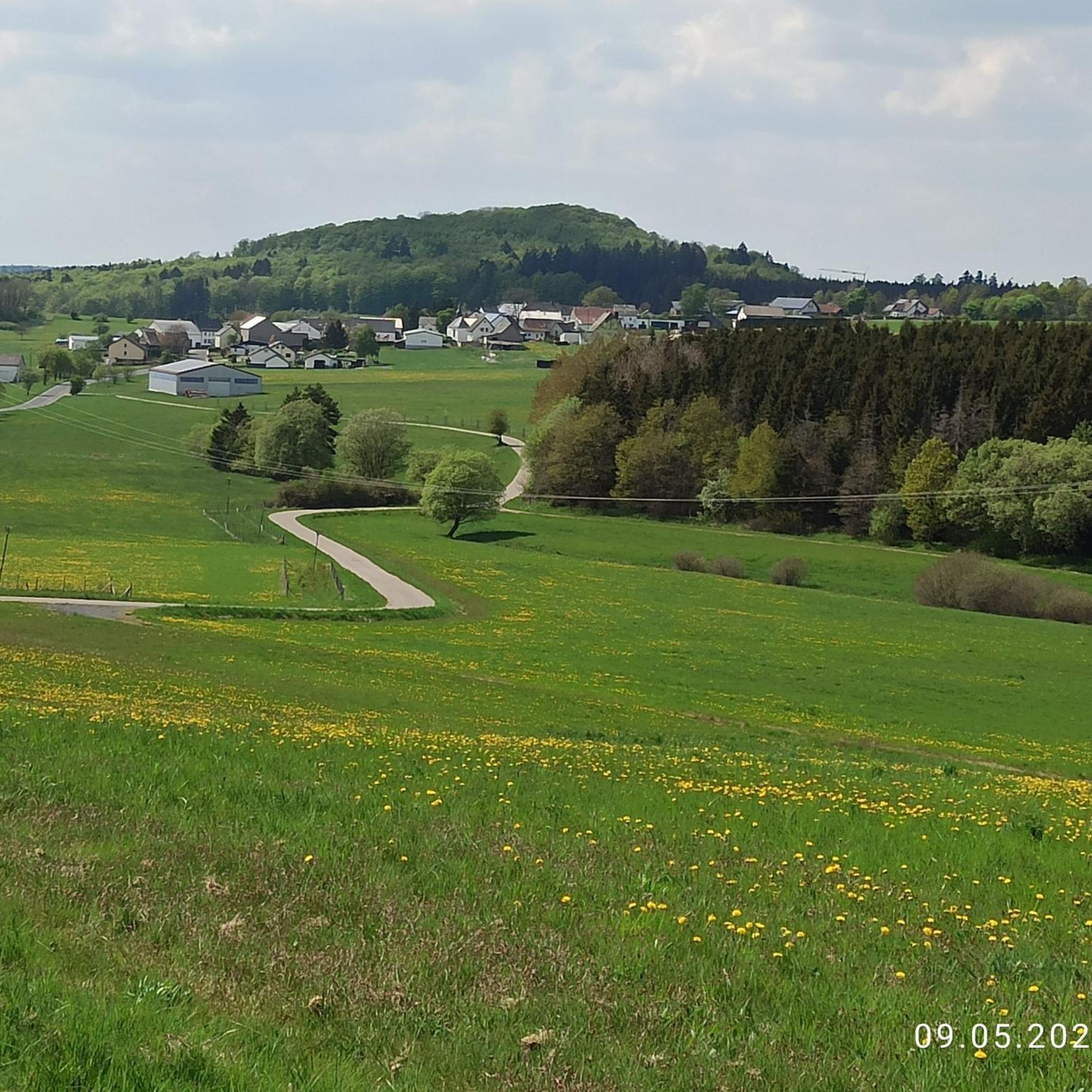
Tunnel Entrance to the Volcano Crater
Highlight • Volcano
Showing Translation
Tip by

Sign up for free to discover even more caves around Gelenberg.
Sign up for free
Already have an account?
Start today with a free account
Your next adventure awaits.
Login or Signup


Other adventures around Gelenberg

Tips from the Community

A little north of the two villages of Walsdorf and Zilsdorf is a highlight that every visitor to the Eifel with at least a little geological interest should have on their wish list: The Arensberg volcano. Since this is created separately (and unfortunately, multiple times in the komoot system), here is only the access, a tunnel of non-natural origin. A covered passage has been created to protect visitors from possible falling rocks.
2
0

The caves can be explored with the help of a flashlight.
2
0
Very beautiful and well-kept Marian grotto.
2
0

This access to the volcano is well worth seeing.
1
1
At these heights, millstones were once quarried from the basalt rock.
4
0

A beautiful passage into the interior of the volcano. Especially since your eyes have to get used to the lighting conditions. You walk into this tunnel almost blind. There's something mystical about it.
1
0

The passage leads into the volcanic crater.
1
0

This cave is located at the top of the Ernstberg
3
0
Frequently Asked Questions
What types of caves can I explore around Gelenberg?
The Vulkaneifel district, where Gelenberg is located, offers a diverse range of subterranean sites. You can find natural rock formations like the Martins Cave and the Borussia Cave, as well as historical sites such as former millstone quarries like the Caves and natural rock arch on the Ernstberg summit, and even old mine tunnels like the Bergkrone Mine Tunnel.
Are there any caves with historical or archaeological significance near Gelenberg?
Yes, the region is rich in history. The Millstone Cave at Nerother Kopf showcases medieval millstone extraction, with unfinished blanks still visible. The Buchenloch Cave in Gerolstein is known for its archaeological importance, having been used by Neanderthals. Similarly, the Kakushöhle near Mechernich has evidence of Neanderthal habitation dating back tens of thousands of years, and the Genovevahöhle near Kordel holds archaeological finds from the Paleolithic to Roman periods.
Which caves are suitable for families with children?
Many caves in the region offer an engaging experience for families. The Borussia Cave is noted for its adventurous feel, making it exciting for younger explorers. The Birresborn Ice Caves are also a refreshing experience, especially on warm days, and are part of a circular hiking trail suitable for families. The Kakushöhle, with its large accessible passages and legends, can also be a fun and educational visit.
What should I wear and bring when visiting caves in the Gelenberg area?
Sturdy footwear is highly recommended for exploring the uneven terrain inside and around the caves. A flashlight or headlamp is essential for many of the caves, as they are unlit. For some caves, like the Buchenlochhöhle, a ladder is involved, and for others, a helmet might be advisable. Always check specific recommendations for each cave before your visit.
Are there any caves that maintain cold temperatures or have ice formations?
Yes, the Birresborn Ice Caves (Eishöhlen Birresborn) are famous for maintaining consistently cold temperatures, typically between -1°C and +4°C. This can lead to impressive ice formations persisting well into the summer months, offering a unique experience.
What is the best time of year to visit the caves around Gelenberg?
Most caves are accessible during the warmer months, typically from spring to autumn. For instance, the Birresborn Ice Caves can be explored from April to October. Some caves, like the Buchenloch Cave, are open year-round. However, it's important to note that some caves, particularly the Birresborn Ice Caves, may have seasonal closures during winter to protect bat habitats. Always check current accessibility before planning your trip.
Can I find natural rock shelters or overhangs in the area?
Yes, the region features interesting natural rock formations. The Rock overhang with wooden cross below the Dreimühlen ruin is a notable example, formed by karstification, offering a unique shelter and a wooden cross within the rock.
Are there hiking trails that incorporate cave visits near Gelenberg?
Absolutely. The Birresborn Ice Caves are part of the Geo-Rundweg Birresborner Eishöhlen, a circular hiking trail. The Genovevahöhle near Kordel is accessible via popular routes like the Römerpfad (Roman path) and Eifelsteig hiking trails, offering picturesque approaches through the Butzerbach valley. Many other caves are located within scenic wooded areas, making them excellent destinations for hikers.
What outdoor activities can I combine with a visit to the caves?
The Gelenberg area is excellent for various outdoor activities. You can find numerous running trails, gravel biking routes, and cycling paths throughout the Vulkaneifel region. Many of these routes pass by or near the caves, allowing you to combine subterranean exploration with active outdoor pursuits.
Are there any caves that require special equipment or guided tours?
While many caves are accessible for self-exploration with a flashlight, some, like the Buchenloch Cave, require a ladder for access. Guided tours are often available for sites like the Birresborn Ice Caves, which can enhance the experience with expert insights. For the Bergkrone Mine Tunnel, the entrance is currently closed for safety reasons.
What geological features are prominent in the caves around Gelenberg?
The caves in this region are largely shaped by the Vulkaneifel's volcanic history. You'll encounter caves formed in basalt rock, such as those on the Ernstberg summit and the Birresborn Ice Caves, which were originally millstone quarries. Other caves, like the Buchenlochhöhle, are natural formations sculpted by groundwater over millions of years, while the Genovevahöhle is carved into sandstone.
What do visitors particularly enjoy about the caves near Gelenberg?
Visitors appreciate the blend of natural beauty and historical insights. The adventurous feel of caves like the Borussia Cave, the serene atmosphere of the prayer site in Martins Cave, and the unique geological formations like the natural bridge at the Caves and natural rock arch on the Ernstberg summit are frequently highlighted. The historical significance of former mining sites and archaeological finds also draws considerable interest.
Most popular routes around Gelenberg
Most popular attractions around Gelenberg

Get inspired with the komoot mobile app


Explore more
Extend your search for the best caves by checking out these guides of the top ones around Gelenberg:
