Top 5 Caves around Horperath
Best caves around Horperath are found within the Vulkaneifel region of Germany, an area known for its volcanic and karst cave systems. This geological landscape offers a variety of underground experiences, from historical mining tunnels to natural formations. The region's caves provide insights into both human industrial history and natural geological processes. Visitors can explore sites shaped by ancient volcanic activity and centuries of human interaction with the landscape.
Best caves around Horperath
- The most popular caves is Matthias-Josef Stollen…
Last updated: September 30, 2026
Bergkrone Mine Tunnel
Highlight • Structure
Translated by Google •
Tip by

Heinzelmännchen Cave
Highlight • Cave
Translated by Google •
Tip by

Sign up now to discover places like this
Get recommendations on the best single tracks, peaks, & plenty of other exciting outdoor places.
Juliusstollen and Kaulenmännchen Sculpture
Highlight • Historical Site
Translated by Google •
Tip by

Matthias-Josef Stollen Slate Mine
Highlight • Historical Site
Translated by Google •
Tip by

Julius-Stollen Slate Mine
Highlight • Structure
Translated by Google •
Tip by

Sign up for free to discover even more caves around Horperath.
Already have an account?
Start today with a free account
Your next adventure awaits.
Tips from the Community

The name Julius for this adit was chosen in memory of a foreman who worked here for many decades. The entrance to the Julius adit - closed for safety reasons (!) - is located here in direct proximity to a seating area and a memorial stone illustrating the legend of the mythical "Kaulenmännchen".
0
0

Luckily I had my flashlight with me so I could shine further inside 😀
0
0

surprising sight when walking the theme path in our direction
0
0

The whole thing is worth seeing and you can also take a break and relax here
0
0

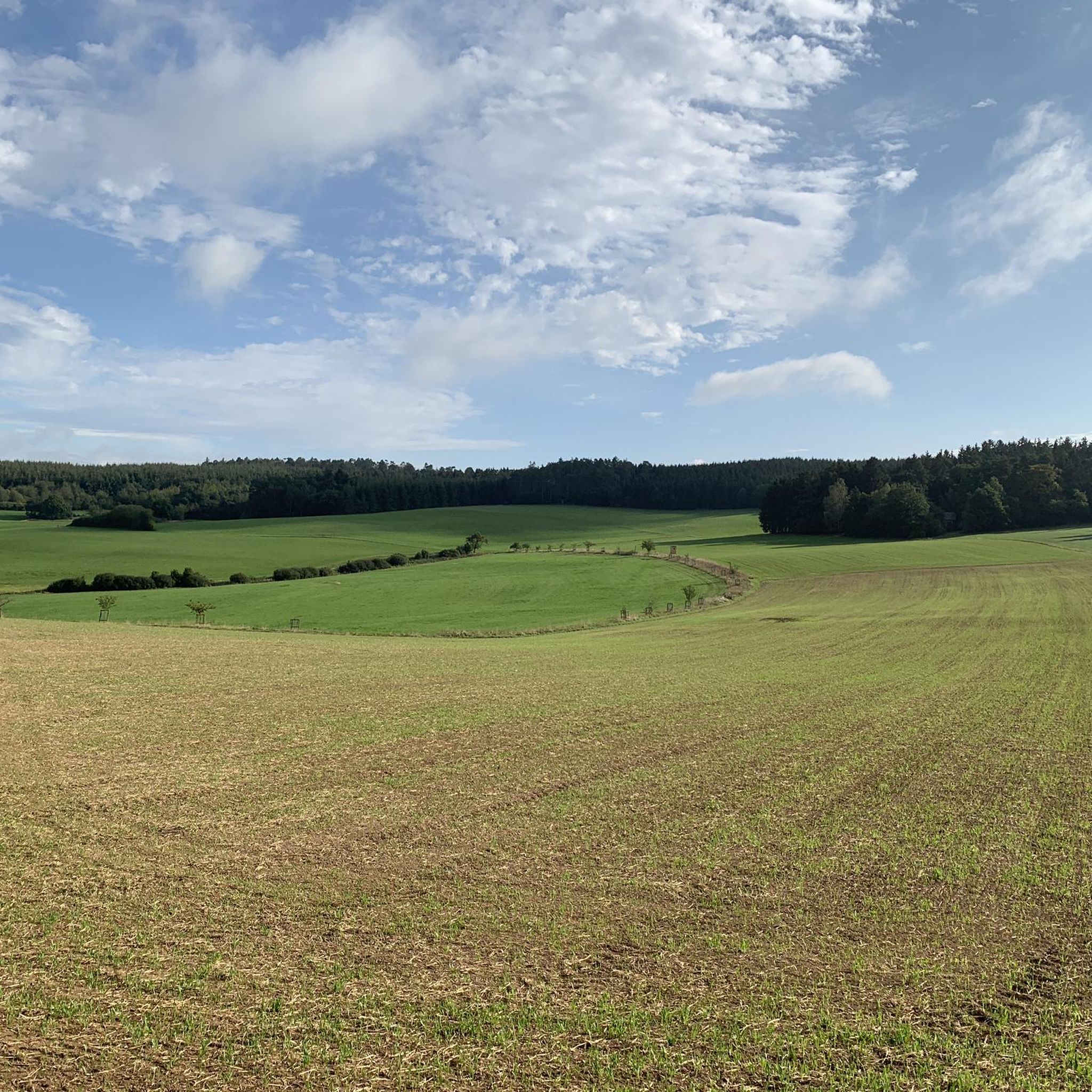
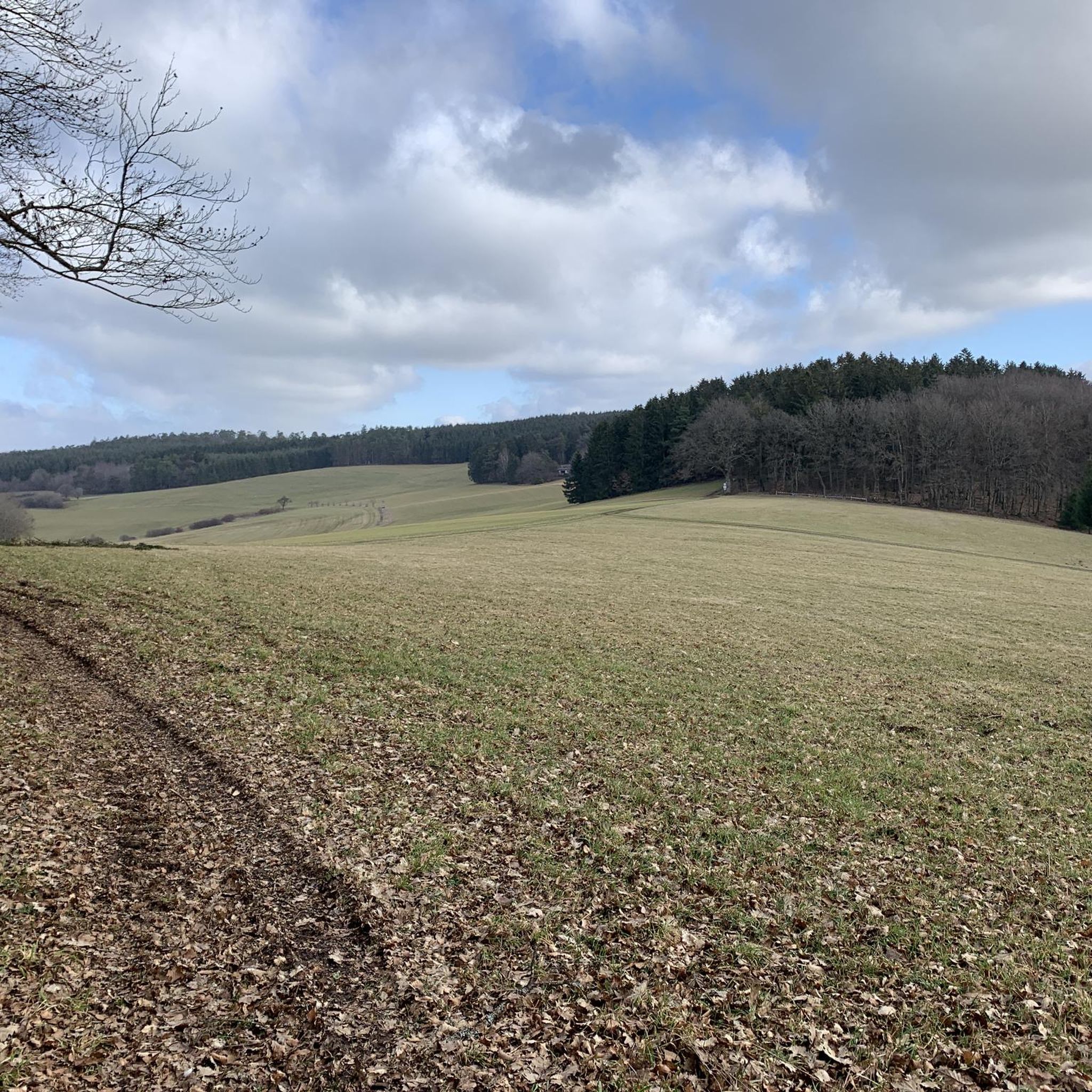
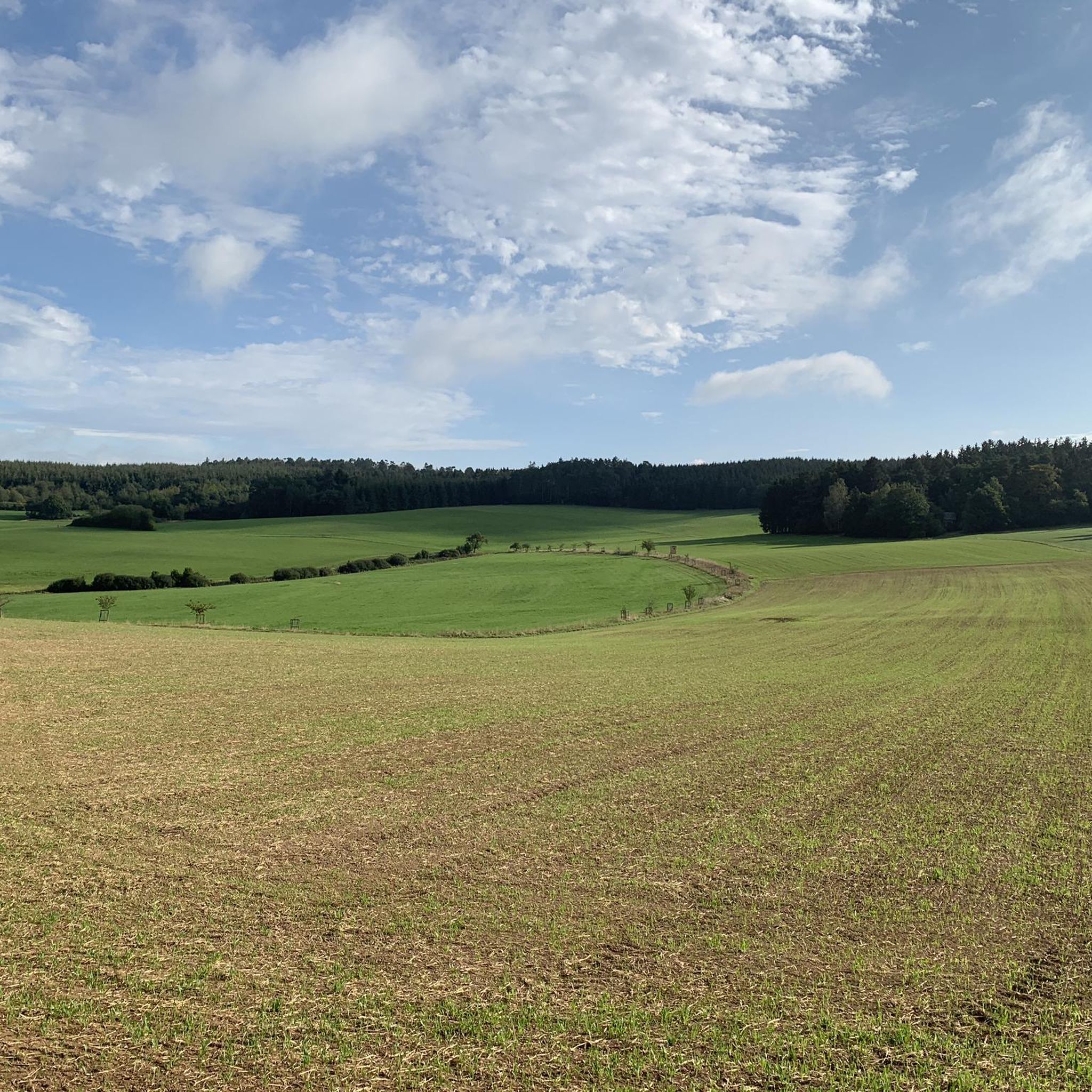
Always beautiful. No matter what time of year
0
0

The benches look very funny and are absolutely comfortable! If you look over your feet, it goes quite downhill ☺️
0
0

Typical for the region
0
0

Inconspicuous, but worth the journey!
1
1
Frequently Asked Questions
What types of caves can I explore near Horperath?
The Vulkaneifel region near Horperath offers a diverse range of underground experiences. You can find historical mine tunnels, natural karst caves, and former millstone caves. These sites showcase both ancient volcanic activity and centuries of human interaction with the landscape, from mining to storage.
Are there any historical mining caves to visit in the area?
Yes, the region is rich in mining history. You can visit the Matthias-Josef Stollen Slate Mine, an interesting historical site with a shelter made entirely of quarry stone. Another notable site is the Bergkrone Mine Tunnel, a former pit where barite was mined for over 100 years. The Juliusstollen and Kaulenmännchen Sculpture also offers a glimpse into historical mining, allowing visitors to enter the tunnels for a few meters.
Where can I find natural karst caves with archaeological significance?
The Buchenloch Cave in the Gerolstein Dolomites is a natural karst cave with significant archaeological importance. It features calcite sinter and stalactite formations, and archaeological findings indicate it was inhabited by humans, including Neanderthals, around 30,000 years ago. It's freely accessible year-round via a ladder.
Are there any 'ice caves' near Horperath?
Yes, the region features several 'ice caves' known for their consistently low temperatures. The Mühlsteinhöhlen (Millstone Caves) at Rother Kopf near Gerolstein are former millstone mines that maintain an average temperature of about 6 degrees Celsius. Similarly, the Birresborner Eishöhlen (Birresborn Ice Caves) are artificial millstone caves where icicles can persist into summer due to temperatures between -1°C and +4°C. These are also crucial winter quarters for bats.
What should I wear when exploring caves in the Vulkaneifel region?
When exploring caves in this region, it is generally recommended to wear warm clothing due to the consistently low temperatures, even in summer. Sturdy shoes are essential for navigating uneven terrain, and bringing a flashlight is highly advisable for better visibility inside the caves.
Can I visit the Lavakeller in Mendig?
Yes, the Lavakeller (Lava Cellars) in Mendig are extensive underground cellars, representing the world's largest former basalt lava mine. They were later repurposed as fermentation and storage cellars for breweries. Guided tours are available, providing insights into both the mining history and brewing heritage. An elevator provides easy access for visitors.
Are there family-friendly caves or activities suitable for children?
The Matthias-Josef Stollen Slate Mine is listed as family-friendly and offers an interesting historical place with a shelter. While specific child-focused activities aren't detailed for all caves, the historical and geological aspects of many sites can be engaging for families. Always check specific cave access requirements for younger children.
What kind of outdoor activities can I combine with a cave visit near Horperath?
The area around Horperath offers various outdoor activities. You can find numerous hiking trails, such as the 'View of the Jungferweiher – Ulmener Maar Tunnel loop' or the 'Mosbruch Pond – View from Hochkelberg loop'. For cycling enthusiasts, there are options for gravel biking and touring, including routes like the 'Monreal Historic Old Town – Johannes Bridge in Monreal loop'. You can find more details on these activities in the Hiking around Horperath, Gravel biking around Horperath, and Cycling around Horperath guides.
Are permits required to visit caves in the Vulkaneifel region?
For publicly accessible natural caves like the Buchenloch Cave, permits are generally not required. However, some caves, particularly those that serve as bat habitats like the Birresborner Eishöhlen, may have seasonal closures (typically October 1st to March 31st) to protect the animals. For guided tours in commercial sites like the Lavakeller, tickets or reservations are usually necessary.
What is the best time of year to visit the caves?
Many caves, especially the natural ones, can be visited year-round. However, for 'ice caves' like the Birresborner Eishöhlen, winter and spring might offer the most impressive ice formations, though they are closed during bat hibernation (October to March). The consistently cool temperatures inside most caves make them a pleasant escape during warmer months. Always check specific opening times and seasonal restrictions, especially for bat protection periods.
Are there any caves that are important for wildlife?
Yes, the Birresborner Eishöhlen (Birresborn Ice Caves) are crucial winter quarters for numerous bats and are typically closed to visitors during the bat protection period (October 1st to March 31st). The Buchenloch Cave also provides a habitat for bats, particularly during winter hibernation.
What unique geological features can be observed in the caves near Horperath?
The caves in the Vulkaneifel region showcase fascinating geological features. The Mühlsteinhöhlen are formed from porous volcanic rock, while the Lavakeller are extensive cellars dug into a cooled lava flow. Natural karst caves like the Buchenloch Cave feature calcite sinter and stalactite formations, demonstrating the erosive power of groundwater over millions of years.
Most popular routes around Horperath
Most popular attractions around Horperath

Get inspired with the komoot mobile app


Explore more
Extend your search for the best caves by checking out these guides of the top ones around Horperath:
