Top 14 Gorges around Galenberg
Best canyons around Galenberg are found within the geologically dynamic Eifel region, an area shaped by volcanic activity. This landscape features deep valleys and gorges, particularly notable in the nearby Brohltal. These formations provide experiences akin to traditional canyons, showcasing the erosive power of water and volcanic geology. The area offers diverse natural features for exploration.
Best canyons around Galenberg
- The most popular canyons is Marxe Lay (former quarry), a former quarry that features 12-meter high basalt walls. This…
Last updated: April 28, 2026
Waterfall in the Wolfsschlucht
Highlight • Waterfall
Translated by Google •
Tip by

Wolf Gorge Waterfall and Trass Cliffs
Highlight (Segment) • Gorge
Translated by Google •
Tip by

Sign up now to discover places like this
Get recommendations on the best single tracks, peaks, & plenty of other exciting outdoor places.
Sign up for free
Wolfsschlucht Gorge and Tönissteiner Bach Waterfall
Highlight • Gorge
Translated by Google •
Tip by

Marxe Lay (former quarry)
Highlight • Structure
Translated by Google •
Tip by

Pönterbach Valley
Highlight (Segment) • Gorge
Translated by Google •
Tip by

Sign up for free to discover even more gorges around Galenberg.
Sign up for free
Already have an account?
Start today with a free account
Your next adventure awaits.
Login or Signup
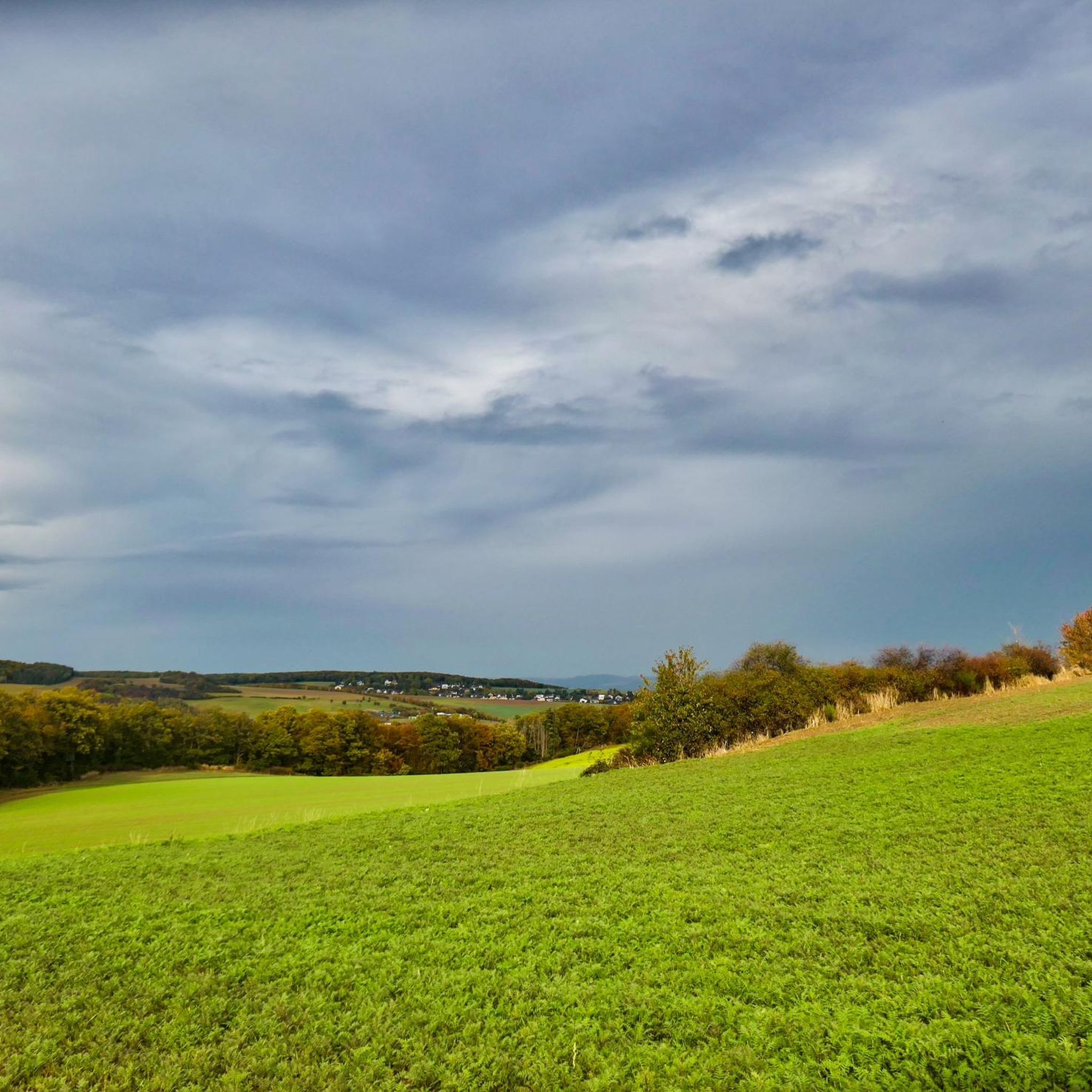
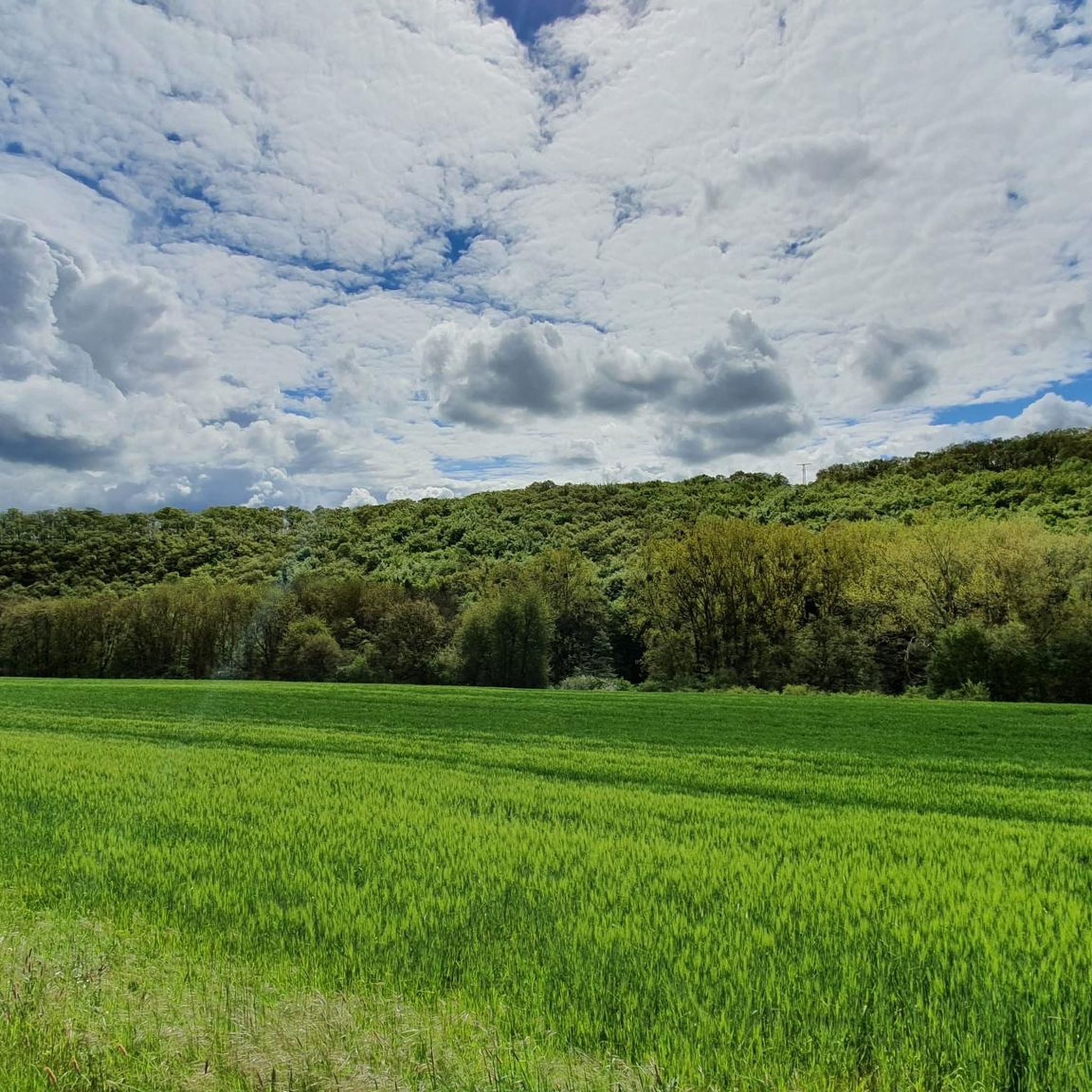
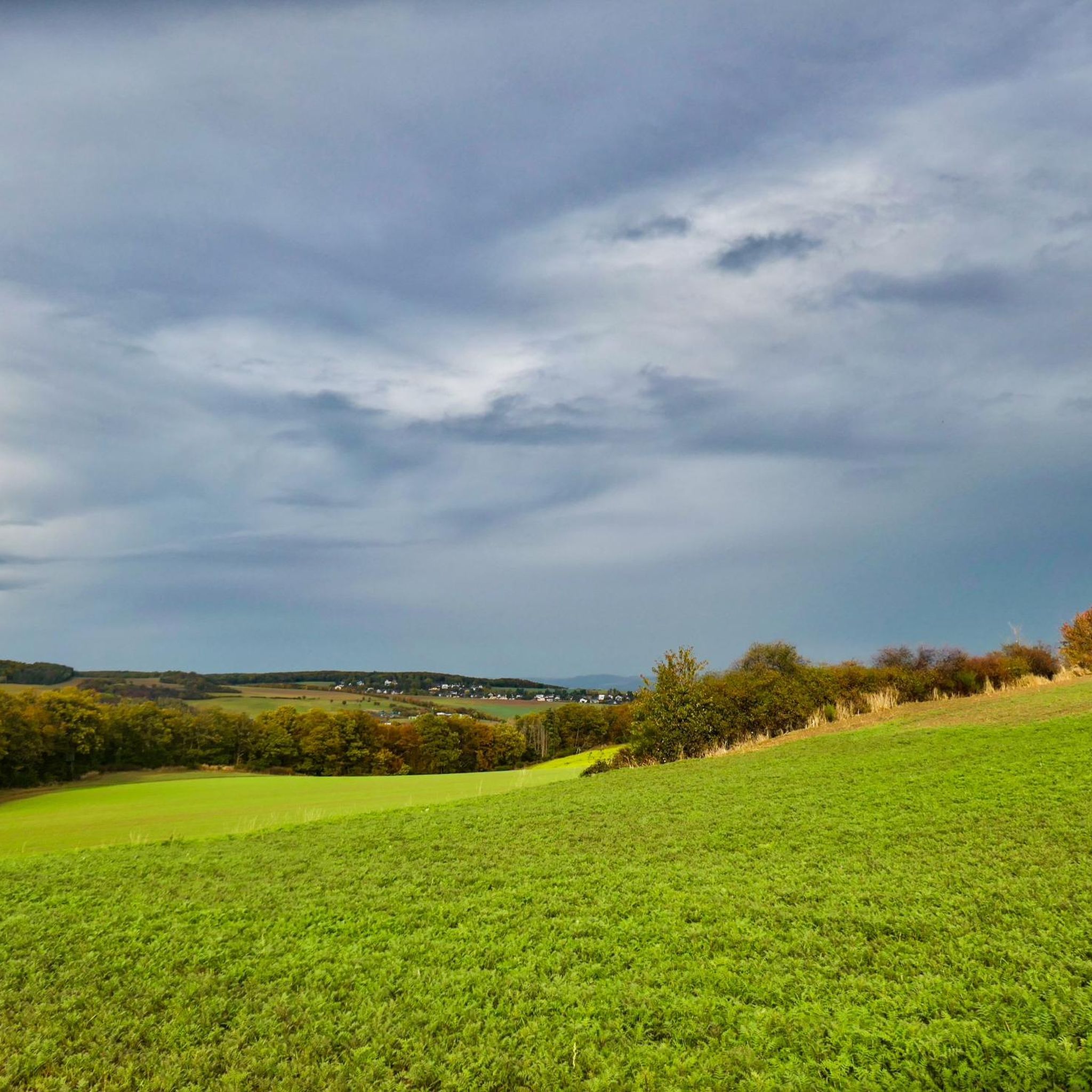
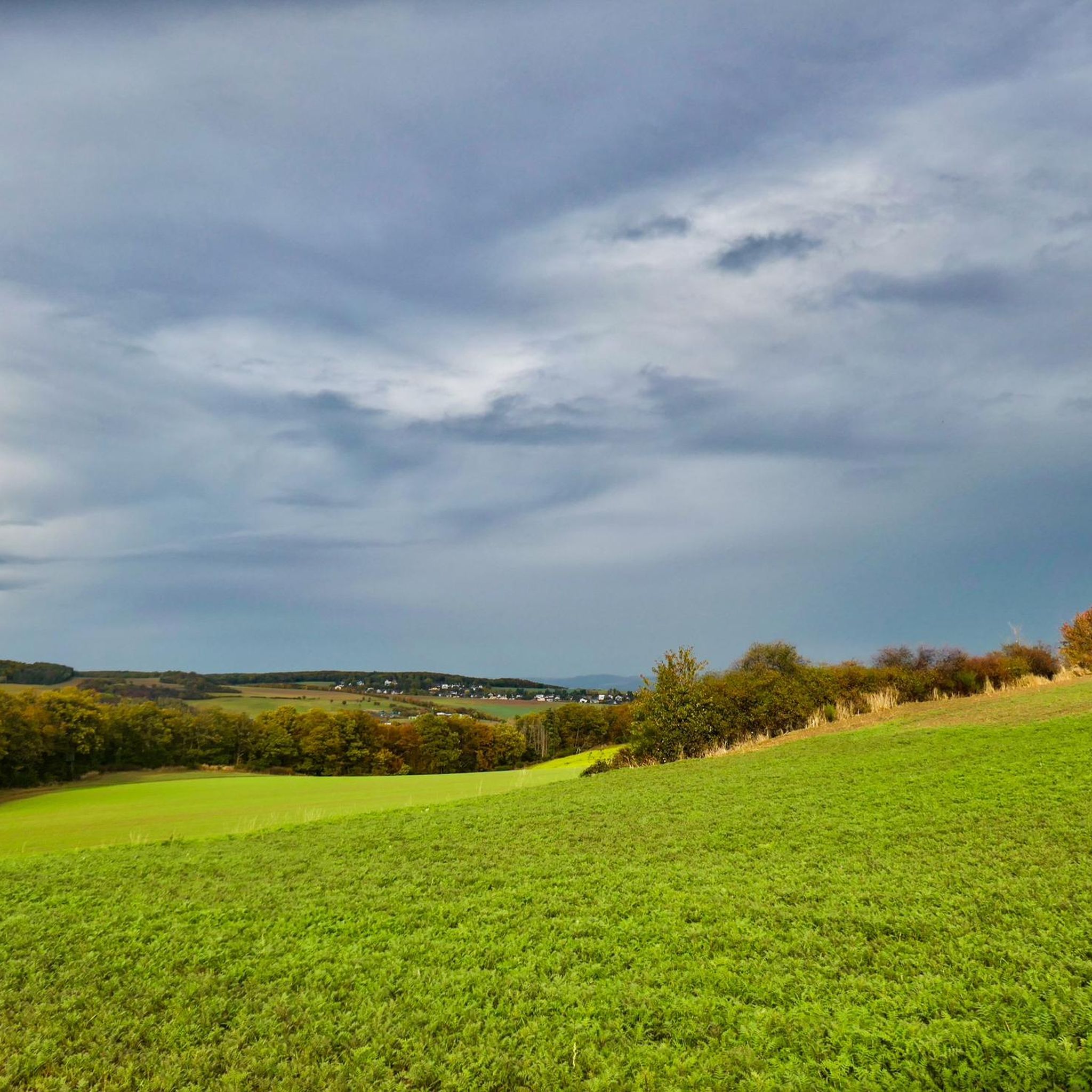
Tips from the Community

A wildly romantic stream valley. Especially in spring, the valley glows white with blooming wild garlic.
7
0

Enjoy the beautiful nature along the babbling 🌊brook on the 🧡Dream Path🚸. Here, every stressed soul can find peace - a changing picture in every season 🌿 🍂 🍁 🍃 🎨🖌.
3
0

Beautiful forest path through the valley of the Pönterbach...
5
1

A very well-maintained hiking trail, always in the shade of the trees. The route is great to walk and offers varied impressions.
5
1

Imposing former quarry with a spectacular gorge-like entrance, at the same time a rustic spot for a picnic, seating with a table - highly recommended!
10
1

You pass this idyllic stream valley on the cave and gorge trail.
7
1
Beautiful forest path also the valley of the Pönterbach
9
2

The Marxe Lay is a basalt quarry that belonged to the Marx family. The walls of the quarry are 12 meters high. At the very top you can see the remains of a crane house.
11
0
Frequently Asked Questions
What kind of natural formations can I expect to see in the gorges around Galenberg?
The region around Galenberg, part of the volcanic Eifel, features dramatic landscapes shaped by ancient volcanic activity and water erosion. You can explore deep valleys, incised stream beds, impressive rock formations, and unique volcanic rock structures. Highlights include the 12-meter high basalt walls of Marxe Lay (former quarry) and the fascinating trass caves near Burgbrohl.
Are there any waterfalls in the gorges near Galenberg?
Yes, the area is home to picturesque waterfalls within its deeply incised gorges. A notable example is the Waterfall in the Wolfsschlucht, where you can experience a jungle-like atmosphere amidst impressive rock formations. Another significant waterfall can be found at the Wolf Gorge Waterfall and Trass Cliffs, offering a beautiful path through a wild landscape.
What is the Wolfsschlucht Gorge like, and is it suitable for families?
The Wolfsschlucht Gorge and Tönissteiner Bach Waterfall offers a wild and romantic natural experience with great rock formations, a jungle atmosphere, and bubbling springs. It is considered family-friendly, providing a lot to discover for all ages.
Can I explore volcanic caves in the Galenberg area?
Yes, you can explore volcanic caves, particularly the Trass Caves near Burgbrohl. These accessible caves are formed from trass, a unique volcanic rock, offering a direct experience of the region's volcanic origins. They are often part of trails that also feature challenging climbs and views of cooled lava formations like the Devil's Bone.
What kind of hiking opportunities are available near the gorges?
The gorges around Galenberg are integrated into popular hiking trails, allowing visitors to immerse themselves in the region's geological and historical landscape. You can find varied routes, from easy walks to more challenging climbs, often featuring unique natural features like waterfalls, rock formations, and volcanic caves. For more hiking options, explore the Hiking around Galenberg guide.
Are there any challenging trails for experienced hikers?
Yes, some trails in the area, particularly those incorporating volcanic features, can be challenging. For instance, after the Trass Caves, the Volcano and Panorama Trail includes a challenging climb, with some sections secured with ropes. For more demanding routes, refer to the Mountain Hikes around Galenberg guide.
What is the best time of year to visit the gorges around Galenberg?
The gorges and trails are generally enjoyable during spring, summer, and autumn. During the week, especially in the morning, popular spots like the Wolfsschlucht tend to be less crowded, offering a more serene experience. Weekends, particularly in good weather, can see higher visitor numbers.
What do visitors enjoy most about the gorges and canyons near Galenberg?
Visitors frequently praise the unique natural beauty and the mystical, exciting atmosphere of the area. The jungle-like feel of the Wolfsschlucht, the impressive rock formations, and the opportunity to explore volcanic geology are often highlighted. The Marxe Lay (former quarry), with its 12-meter high basalt walls, is particularly noted for its mystical appeal.
Are the trails in the gorges dog-friendly?
Many natural trails in the Eifel region are generally dog-friendly, but it's always advisable to keep dogs on a leash, especially in sensitive natural areas, near wildlife, or on crowded paths. Some sections, particularly those with challenging climbs or narrow passages, might be less suitable for all dogs.
Are there other outdoor activities besides hiking near Galenberg's gorges?
Beyond hiking, the region offers various outdoor activities. You can find gravel biking routes, with options ranging from easy to difficult, as detailed in the Gravel biking around Galenberg guide. The diverse landscape provides opportunities for different types of exploration.
Do I need permits to visit the gorges or caves?
Generally, no special permits are required for accessing the natural gorges and trails around Galenberg. However, for specific guided tours into the Trass Caves or other managed sites, it's always best to check with local visitor centers or official websites for any entry requirements or fees.
What is the geological significance of the Galenberg region?
Galenberg is situated in the Volcanic Eifel, a region renowned for its volcanic origins. The dramatic landscapes, including the deep valleys and gorges, are a direct result of this geological history. Features like trass caves, formed from volcanic ash, and basalt formations, such as those at Marxe Lay, provide tangible evidence of the area's fiery past and the erosive power of water over millennia.
Most popular routes around Galenberg
Most popular attractions around Galenberg

Get inspired with the komoot mobile app


Explore more
Already discovered everything in this region? See additional gorges around Galenberg for your next adventure:
