Top 7 Castles around Kammeltal
Castles around Kammeltal offer insights into the region's history and architecture. Kammeltal, a municipality in Bavaria, Germany, is situated amidst the Swabian-Bavarian plateau, with views extending to the Jura hills. The area is characterized by its proximity to the Günz and Danube rivers, providing a historical landscape for exploration. These sites reflect centuries of regional development and cultural significance.
Best castles around Kammeltal
- The most popular castles is Hürben Water Castle, a man-made monument that was built on massive wooden piles in the 15th century. This moated castle was constructed to prevent sinking into the soft ground, a design feature that has allowed it to stand since 1474.
- Another must-see spot is Margrave's Palace, Günzburg, a castle complex that serves as the only surviving Habsburg residence in Germany. Visitors can observe architectural elements from various periods, including its reconstruction in the 16th century and Baroque renovations.
- Visitors also love Neuburg Castle, a castle elevated above the market town of Neuburg an der Kammel. This complex, rebuilt in the Renaissance style around 1658, determines the townscape with its main building, chapel, and gate tower.
- Kammeltal is known for various types of castles, including water castles, historical residences, and academic conference centers. The region offers a range of historical sites to explore, from medieval origins to structures adapted for modern use.
- The castles around Kammeltal are appreciated by the komoot community, with more than 40 upvotes and 20 photos shared by visitors.
Last updated: May 14, 2026
Harthausen Castle
Highlight • Castle
Source Wikipedia
Translated by Google •
Tip by

Hürben Water Castle
Highlight • Monument
Translated by Google •
Tip by

Sign up now to discover places like this
Get recommendations on the best single tracks, peaks, & plenty of other exciting outdoor places.
Sign up for free
Margrave's Palace, Günzburg
Highlight • Castle
From 1609 to 1618, the city became the residence of Margrave Karl von Burgau, a strict Catholic and son of Ferdinand II in Tyrol, governor of Upper Austria. Karl and his wife Sybille had no children, so Günzburg fell back to the main Habsburg line. Both were buried in the Capuchin monastery founded by Karl in 1616. Severely damaged in a fire in 1703, the castle was rebuilt in the Baroque style by the master builder Valerian Brenner. In 1769/70, the castle was renovated by Joseph Dossenberger the Younger.
Source: Wikipedia
Translated by Google •
Tip by

Science Center Schloss Reisensburg
Highlight • Castle
As a conference and retreat at Ulm University, it promotes
scientific cooperation at regional, national and international level
cooperation between university and non-university institutions
the transfer of knowledge in basic, advanced and advanced training
the dialogue between science, business, politics and administration
uni-ulm.de/einrichtungen/reisensburg
Translated by Google •
Tip by

Neuburg Castle
Highlight • Castle
Translated by Google •
Tip by

Sign up for free to discover even more castles around Kammeltal.
Sign up for free
Already have an account?
Start today with a free account
Your next adventure awaits.
Login or Signup
Other adventures around Kammeltal

Tips from the Community

A moated castle on dry land? Until the 16th century, the Kammel River flowed directly past this spot. Surrounded by a pond and marshy terrain, Hürben Castle once stood like an island. To prevent the building from sinking into the soft ground, it was built on massive wooden piles in the 15th century. The walls, which widen towards the bottom, also stabilize the structure. That the construction has stood since 1474 is truly remarkable. Today, the castle houses the Swabia District's advisory center for folk music.
0
0

The Margrave's Palace is a three-winged palace complex located in the center of Günzburg, featuring architectural elements from various periods. The Italian architect Alberto Lucchese oversaw the palace's reconstruction from 1577 to 1586 for Archduke Ferdinand II of Tyrol, costing 132,000 guilders. The palace remains the only surviving Habsburg residence in Germany and represents centuries of Austrian influence in Bavaria. The south wing of the palace houses a local history museum, while other areas serve as offices for the tax administration. Restoration work, completed in 2022, revitalized the facade of the south wing and preserved historical features while adapting it to modern requirements. Source: https://de.aroundus.com/p/7138487-markgrafenschloss-gunzburg
1
0
Settlement on the castle grounds dates back to the Bronze Age. An older hillfort, in which the Reisensburg Castle stands, was first mentioned in the 10th century as Castello Risinesburc. The stone castle, first indirectly mentioned in 1266 by Bruno nobilis de Risenspurch, an imperial ministerial, controlled a river crossing. In 1295, the Reisensburg Castle came into the possession of the Margraves of Burgau, but after their extinction in 1301, it fell to the Habsburgs, who pawned it thereafter. In 1457, it passed as a fief to the knight Hans vom Stain of Ronsberg, and from him to his grandson Melchior, who expanded the Reisensburg lordship. In 1633, the Swedes set fire to the castle, which at that time belonged to the Tanner von Tann family. The Giel von Gielsberg family followed in 1660, and the Barons von Eyb in 1763. They sold the Reisensburg Castle to the Barons von Riedheim in 1852. After a change of ownership in 1920, the University of Ulm acquired the castle in 1966. Since then, the Reisensburg has housed a meeting and conference center, which was transferred to a foundation of the University of Ulm in 1997. Source: https://hdbg.eu/burgen/detail/burgschloss-reisensburg/19
2
0

Today, the Hürben Water Castle houses the Swabia District Folk Music Advisory Center. It also houses a gallery, open since 2018, showcasing artwork and exhibitions. The newly designed grounds at Hürben Water Castle were officially opened in 2019, with water from the new fountain system playing a key role.
1
0

Built around 1450, renovated from 1972 to 1977. A four-story structure with two side wings, corner bay windows, and gables. A south wing with a late Gothic core dating from around 1450, the original north wing with four round corner towers, and arched sheds.
1
0

Not far from the Hürben moated castle is the Hürben Synagogue Square. The memorial commemorates the deportation and murder of 14 Krumbach Jews in 1942.
1
0

A predecessor of the castle was built in 1452. Around 1577-1586, a new building was constructed for Archduke Ferdinand II of Tyrol by the Italian architect Alberto Lucchese. Several town houses had to be bought for this. The names of the sellers have been preserved: Kaspar Kündig, Hans Gering and Jakob Böringer. The construction of the castle cost a total of 132,000 guilders. The neighboring lords asked the Innsbruck court chamber for free building materials "in honor of His Serene Highness". All the construction workers' invoices have been preserved. The castle complex forms a monumental focal point in the urban structure in the southwest corner of the city, which is complemented in the northwest by another dominant accent in the form of the pre-baroque complex of the former Franciscan monastery and its church. From 1609 to 1618, the city became the residence of Margrave Karl von Burgau, a strict Catholic and son of Ferdinand II in Tyrol, governor of Upper Austria. Karl and his wife Sybille had no children, so Günzburg fell back to the main Habsburg line. Both were buried in the Capuchin monastery founded by Karl in 1616. Severely damaged in a fire in 1703, the castle was rebuilt in the Baroque style by the master builder Valerian Brenner. In 1769/70, the castle was renovated by Joseph Dossenberger the Younger. Source: Wikipedia
4
0

The Margrave Castle of Günzburg, together with the former court church of Ss. Trinitatis and today's town hall, forms a monumental focal point in the urban structure of the Bavarian town of Günzburg. The castle is the only Habsburg residence that is located in Germany today. The building is now largely used as a tax office. https://de.wikipedia.org/wiki/Markgrafenschloss_Guenzburg
3
0
Frequently Asked Questions
What makes the castles around Kammeltal unique?
The castles in the Kammeltal area showcase a diverse history, from medieval origins to structures adapted for modern use. You'll find unique examples like Hürben Water Castle, built on massive wooden piles to prevent sinking, and the Margrave's Palace in Günzburg, which stands as the only surviving Habsburg residence in Germany.
What historical significance do the castles in the Kammeltal area hold?
These castles reflect centuries of regional development and cultural significance. For instance, the Margrave's Palace in Günzburg was constructed for Archduke Ferdinand II of Tyrol and later became a residence for Margrave Karl von Burgau, a son of Ferdinand II, highlighting the Habsburg influence in Bavaria. Schloss Reisensburg has origins dating back to the 10th century, with a preserved Roman tower built into its structure.
Are there any family-friendly castles to visit near Kammeltal?
Yes, Hürben Water Castle is considered family-friendly. While detailed visitor information for all castles is limited, the historical settings and surrounding areas often provide pleasant environments for family outings. Additionally, the Autenrieder Brewery Inn and Beer Garden, located near some castles, is also family-friendly and offers a nice resting point with food.
What can I expect to see at Science Center Schloss Reisensburg?
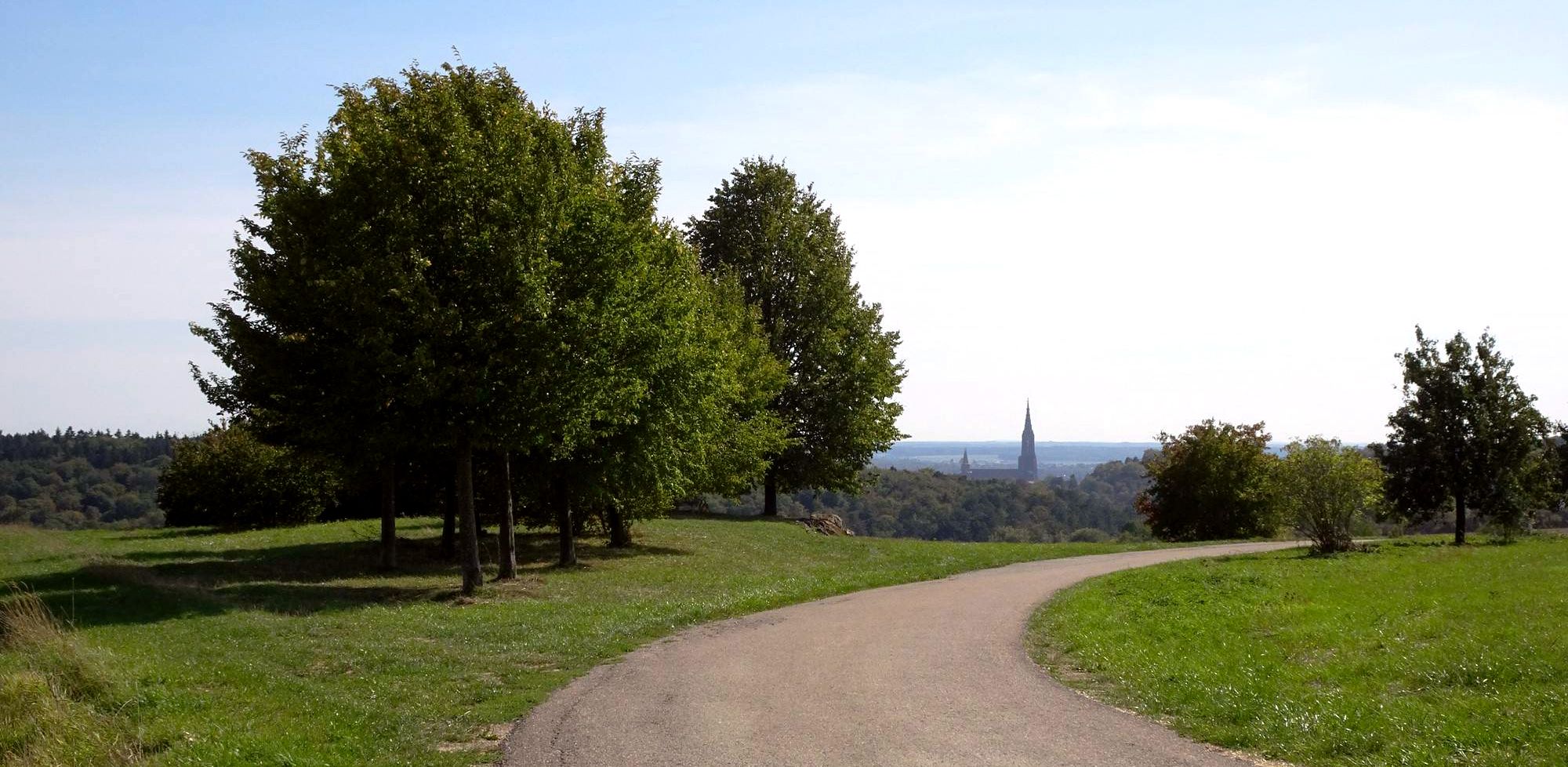
Science Center Schloss Reisensburg, located near Günzburg, blends historical ambiance with modern functionality. While primarily a conference center for the University of Ulm, it features a small museum in its tower accessible to guests. From the tower, you can enjoy picturesque views of the Jura hills, the Swabian-Bavarian plateau, Günzburg, and the Günz and Danube rivers.
What is the history of Neuburg Castle on the Kammel?
Neuburg Castle, elevated above the market town of Neuburg an der Kammel, was originally built between 1562 and 1567. After suffering significant damage during the Thirty Years' War, it was rebuilt in the Renaissance style around 1658. The complex, featuring a main building, chapel, and gate tower, now houses a restaurant and significantly shapes the townscape.
What is special about Hürben Water Castle?
Hürben Water Castle is a unique moated castle built in the 15th century on massive wooden piles to prevent it from sinking into the soft, marshy ground. This remarkable construction has allowed it to stand since 1474. Today, it houses the Swabia District's advisory center for folk music.
Are there hiking opportunities near the castles in Kammeltal?
Yes, the Kammeltal area offers various hiking opportunities. You can find routes like the 'Wayside Cross with Seating – Unterholz Trail MTB loop from Goldbach' or the 'Stubenweiher Limbach – Stuben Pond loop from Wettenhausen Abbey'. For more details and route options, explore the Hiking around Kammeltal guide.
What other outdoor activities can I do near the castles?
Beyond hiking, you can enjoy running and gravel biking in the Kammeltal region. There are running trails such as the 'Running loop from Burgau' and gravel biking routes like the 'Kammel Cycle Path – Silver Lake loop from Taubried'. Check out the Running Trails around Kammeltal and Gravel biking around Kammeltal guides for more options.
What do visitors say about Hürben Water Castle?
Visitors appreciate Hürben Water Castle for its well-maintained appearance and unique construction. While some find it a pleasant sight, others note that it might not warrant a special trip solely for the castle itself. Nearby, you can also find the Hürben Synagogue Square, a memorial commemorating historical events.
What is the best time of year to visit the castles around Kammeltal?
While there's no specific data for castles, the Kammeltal region, being in Bavaria, generally offers pleasant conditions for exploring historical sites and outdoor activities from spring through early autumn (April to October). During these months, the weather is typically mild, making it ideal for walking around castle grounds and enjoying the surrounding landscapes.
Are there dining options available at or near the castles?
Yes, Neuburg Castle on the Kammel has been used as a restaurant since 1998, offering a unique dining experience in a historical setting. Additionally, the Autenrieder Brewery Inn and Beer Garden is a popular spot nearby, known for its delicious food and large beer garden.
Are there viewpoints overlooking the castles or the Kammeltal region?
Yes, from the tower of Science Center Schloss Reisensburg, visitors can enjoy extensive views of the Jura hills, the Swabian-Bavarian plateau, Günzburg, and the Günz and Danube rivers. Neuburg Castle is also elevated above its market town, offering commanding views of the surrounding area.
Most popular routes around Kammeltal
Most popular attractions around Kammeltal

Get inspired with the komoot mobile app


Explore more
Looking for the best castles somewhere else? Discover other guides around Kammeltal:
