Top 7 Gorges around Walluf
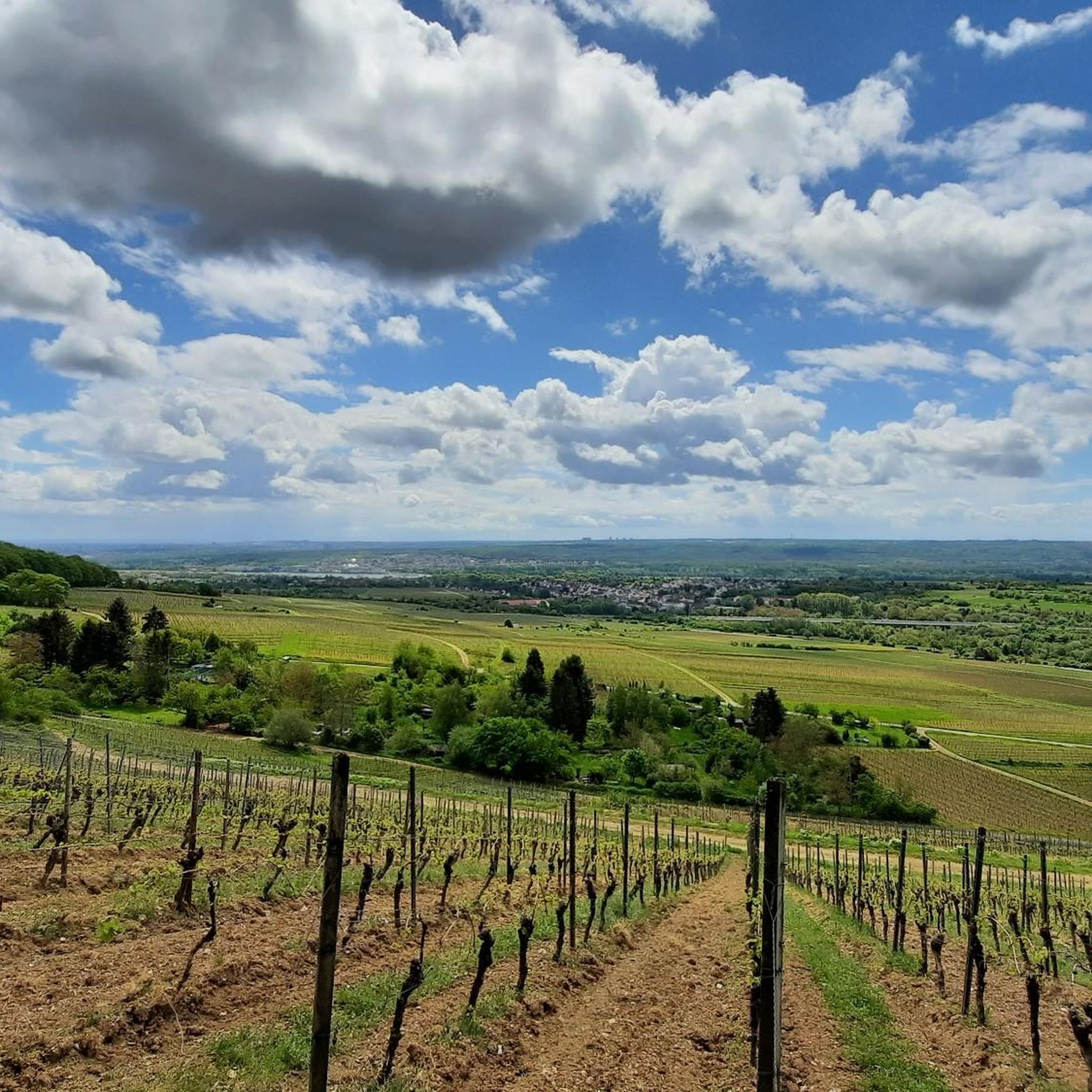
Canyons around Walluf are primarily characterized by the region's riverine environment and vineyard-covered hillsides, rather than deep geological gorges. Walluf, situated in Germany's Rheingau region, features a landscape shaped by the Rhine River and its tributaries. The area offers a variety of natural features, including valleys and hollow ways, which are locally referred to as gorges or canyons. These features provide opportunities for exploration within a landscape known for its viticulture and scenic trails.
Best canyons around Walluf
- The most…
Last updated: September 30, 2026
Kesselbach Valley
Highlight • Gorge
Translated by Google •
Tip by

Hollow path in the Hangflächen nature reserve
Highlight (Segment) • Gorge
Translated by Google •
Tip by

Sign up now to discover places like this
Get recommendations on the best single tracks, peaks, & plenty of other exciting outdoor places.
Weilburger Valley
Highlight (Segment) • Gorge
Translated by Google •
Tip by

Sülzbach Valley
Highlight (Segment) • Gorge
The beautiful valley of the Sülzbach can be navigated on this section. The path quality …
Translated by Google •
Tip by

Wisper Valley near Fischbach
Highlight • Gorge
Translated by Google •
Tip by

Sign up for free to discover even more gorges around Walluf.
Already have an account?
Start today with a free account
Your next adventure awaits.
Other adventures around Walluf

Tips from the Community

The Hangflächen nature reserve features impressive hollow ways that have been carved deep into the soft soil over many years by rain and cart traffic. Today, these shady paths, some several meters deep, lead through a diverse landscape of dry grasslands, sandy soils, and orchards amidst the hilly landscape of Rhenish Hesse.
0
0

The valley along the Sülzbach is very attractive. The path is sometimes a bit rough, sometimes borderline with a trekking bike. Ideal with MTB or cross bike.
1
0

These ravines have a loess soil, up to 15 meters of sand has been deposited here.
0
0

A ravine is a path that has cut up to 10 meters deep into the surrounding terrain through centuries of use by carts and cattle as well as rainwater runoff. Wikipedia
1
0
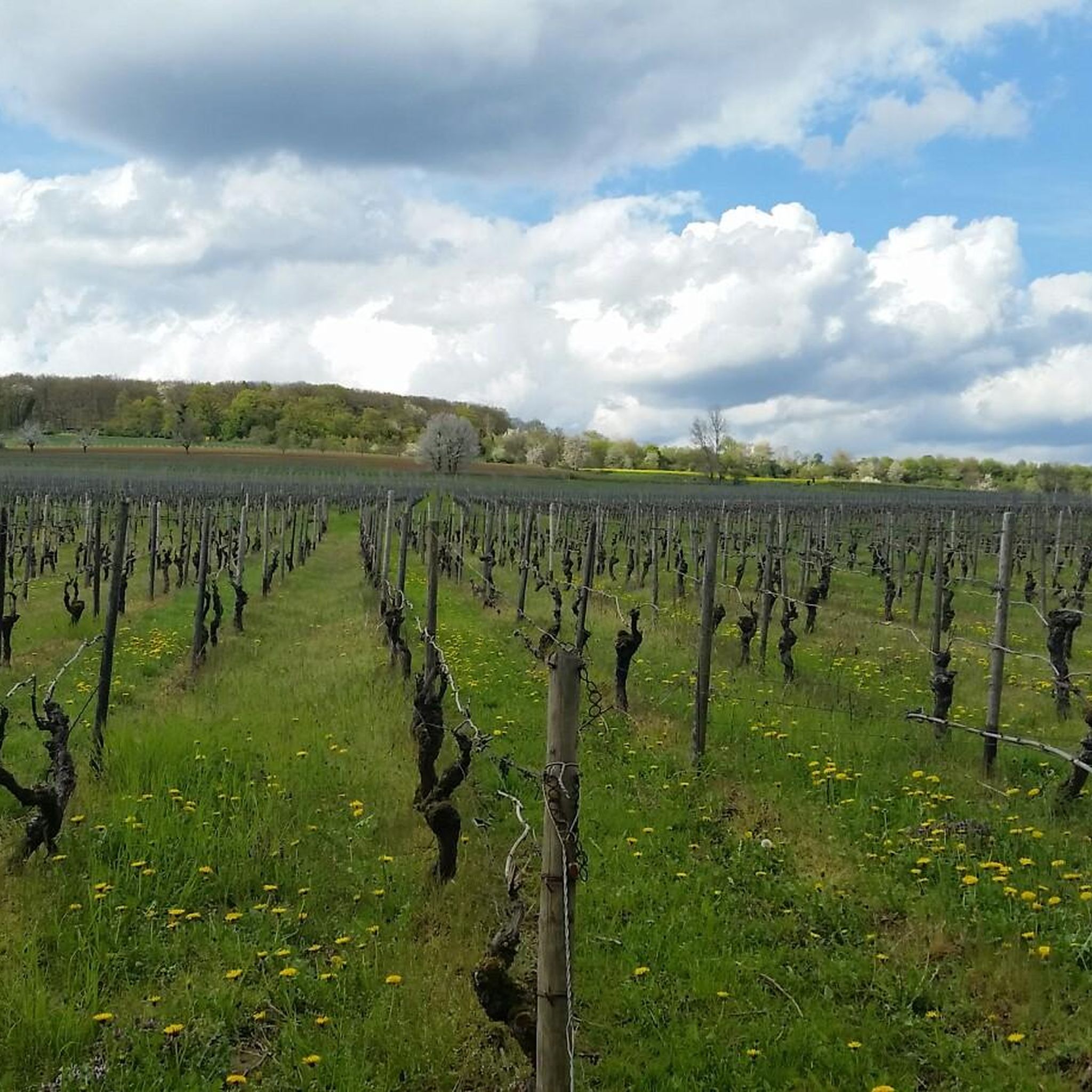
Very nice little valley that the Kesselbach has dug here.
1
0
The Kesselbach rises west of the Platte im Taunus on the southern edge of Taunusstein, north of the Wehener Wand, which is named after the district of Wehen. It initially flows in a southwesterly direction, but changes its direction to the southeast to the southeast of the Iron Hand and shortly after entering the area of the Hessian state capital of Wiesbaden Landscape conservation area in the city of Wiesbaden. Along the stream are the ponds of the local fish farm, whose main building is designated as a cultural monument. (Wikipedia)
1
0
The Sülzbach has its source northwest of Rauenthal and flows into the Rhine near Eltville. The beautiful valley of the Sülzbach can be navigated on this section. The path quality is quite demanding, as it is rocky and more suitable for MTB than for road bikes.
1
0

Beautiful quiet place far away from any engine noise
2
0
Frequently Asked Questions
What kind of
The
Which are some of the most notable valleys or
Among the most appreciated are the Weilburger Valley, known for its relaxing landscape, and the Sülzbachtal Valley, which offers a viewpoint and forest, easily accessible from the Rausch car park. Another popular spot is the Kesselbach Valley, carved by the Kesselbach stream, featuring fish ponds and part of a landscape conservation area.
Are there family-friendly trails or
Yes, several areas around Walluf are suitable for families. The Weilburger Valley and Sülzbachtal Valley are both considered family-friendly, offering pleasant landscapes and opportunities for wildlife observation. The Kesselbach Valley, with its fish ponds, also provides an engaging experience for families.
What natural features can I expect to see in the valleys and hollow ways around Walluf?
You can expect to see a diverse range of natural features. These include dense forests, scenic viewpoints overlooking the Rhine and vineyards, and the Walluf stream itself. The region is characterized by its riverine environment and vineyard-covered hillsides. You might also encounter unique geological formations like the deep hollow ways, which are paths carved into the terrain over centuries.
What is the best time of year to visit the valleys and hollow ways around Walluf?
The best time to visit is generally from spring through autumn. During these seasons, the weather is pleasant for outdoor activities, the vineyards are lush, and the natural landscapes are vibrant. Spring brings blooming flora, while autumn offers beautiful fall foliage and the grape harvest season.
Are dogs allowed on the trails in the
Yes, many hiking trails and paths through the valleys and hollow ways around Walluf are dog-friendly. It's generally recommended to keep dogs on a leash, especially in nature reserves or areas with wildlife, and to be mindful of other hikers and vineyard workers.
What outdoor activities can I do near these valleys and hollow ways?
Beyond exploring the valleys, Walluf offers a variety of outdoor activities. You can find numerous running trails, such as the moderate Schierstein Harbour – Schierstein Harbor loop. Cycling is also popular, with options like the easy Biebrich Palace – Schierstein Harbour loop. For those interested in gravel biking, there are routes like the moderate Vollrads Castle – Rhein Riverside Path Near B42 loop.
Where can I find parking when visiting the valleys and hollow ways?
Parking is often available at key access points. For example, the Sülzbachtal Valley is easily accessible from the Rausch car park. For other areas, it's advisable to look for designated parking areas near trailheads or in the villages surrounding Walluf.
Are there any viewpoints offering scenic vistas of the Rhine Valley near Walluf's
Yes, the region is known for its scenic views. While exploring the valleys and hollow ways, you'll often find elevated spots or clearings that provide stunning panoramas of the Rhine River, the surrounding vineyards, and the rolling hills of the Rheingau. The Sülzbachtal Valley itself features a viewpoint.
Are there cafes or restaurants with outdoor seating near the trails?
Walluf and its surrounding villages offer various cafes and restaurants, many of which provide outdoor seating. These establishments are often found along the Rhine promenade or nestled within the charming village centers, perfect for a break after exploring the trails.
What is the terrain and difficulty level of hiking in Walluf's valleys and hollow ways?
The terrain varies but generally consists of well-maintained paths through forests, vineyards, and along streams. While some hollow ways can be deep and shaded, the trails are typically considered moderate and suitable for leisurely hikes. Significant elevation changes are present in some areas due to the hilly landscape, but extreme difficulties are uncommon for general exploration.
Do I need a special permit to hike the trails around Walluf's valleys?
No, generally you do not need a special permit to hike the public trails and paths through the valleys and hollow ways around Walluf. Access to these natural areas is typically open to the public for recreational use.
What makes the hollow ways in Walluf unique?
The hollow ways around Walluf are unique because they are deep paths carved into the soft soil over centuries by rain and continuous use from carts and cattle. These impressive formations, some several meters deep, offer shady and atmospheric routes through the diverse landscape of dry grasslands, sandy soils, and orchards, providing a glimpse into the region's historical land use.
Most popular attractions around Walluf

Get inspired with the komoot mobile app


