Top 9 Caves around Seewald
Best caves around Seewald are primarily found in the surrounding Baden-Württemberg region and the Black Forest, offering diverse geological formations and historical significance. Seewald itself is a municipality in the northern Black Forest, characterized by its forested landscapes and valleys. The area provides opportunities for exploring former mining sites and natural underground formations. These locations offer insights into the region's geological and industrial past.
Best caves around Seewald
- The most popular caves is Lower Sophia Mine, a historical site…
Last updated: September 30, 2026
Lower Sophia Mine
Highlight • Historical Site
Translated by Google •
Tip by

Holy Three Kings Silver Mine
Highlight • Historical Site
Translated by Google •
Tip by

Sign up now to discover places like this
Get recommendations on the best single tracks, peaks, & plenty of other exciting outdoor places.
Dorothea Exploration Tunnel (Grube Dorothea)
Highlight • Cave
Showing Translation
Tip by

Bat Cellar
Highlight • Cave
Translated by Google •
Tip by

Old Mine Tunnel
Highlight • Structure
Maybe it has something to do with the tunnels, pipes, etc. of the Schwarzenbach dam.
Translated by Google •
Tip by

Sign up for free to discover even more caves around Seewald.
Already have an account?
Start today with a free account
Your next adventure awaits.
Popular around Seewald
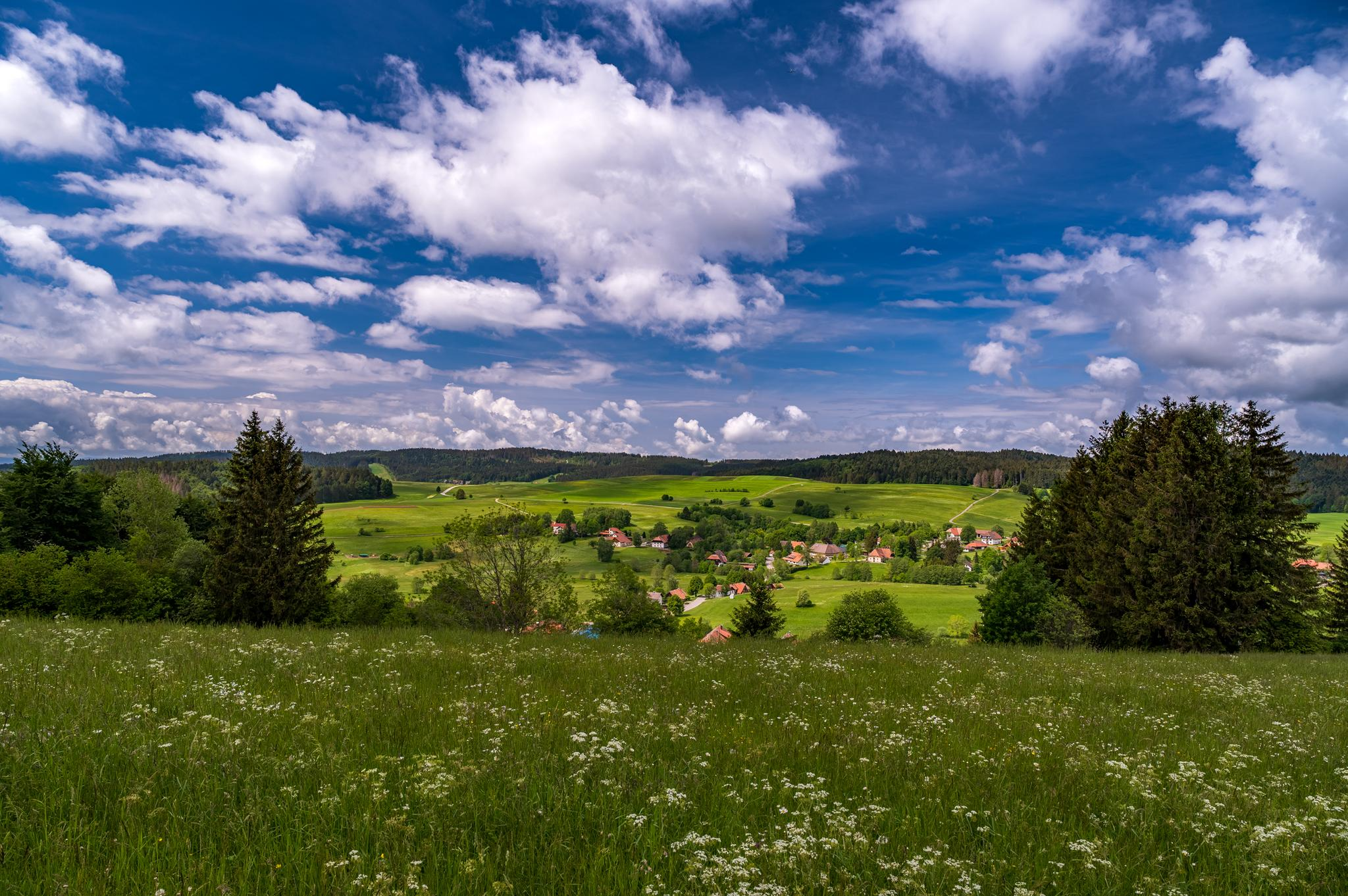
Village getaways in the Black Forest – small towns, great hiking
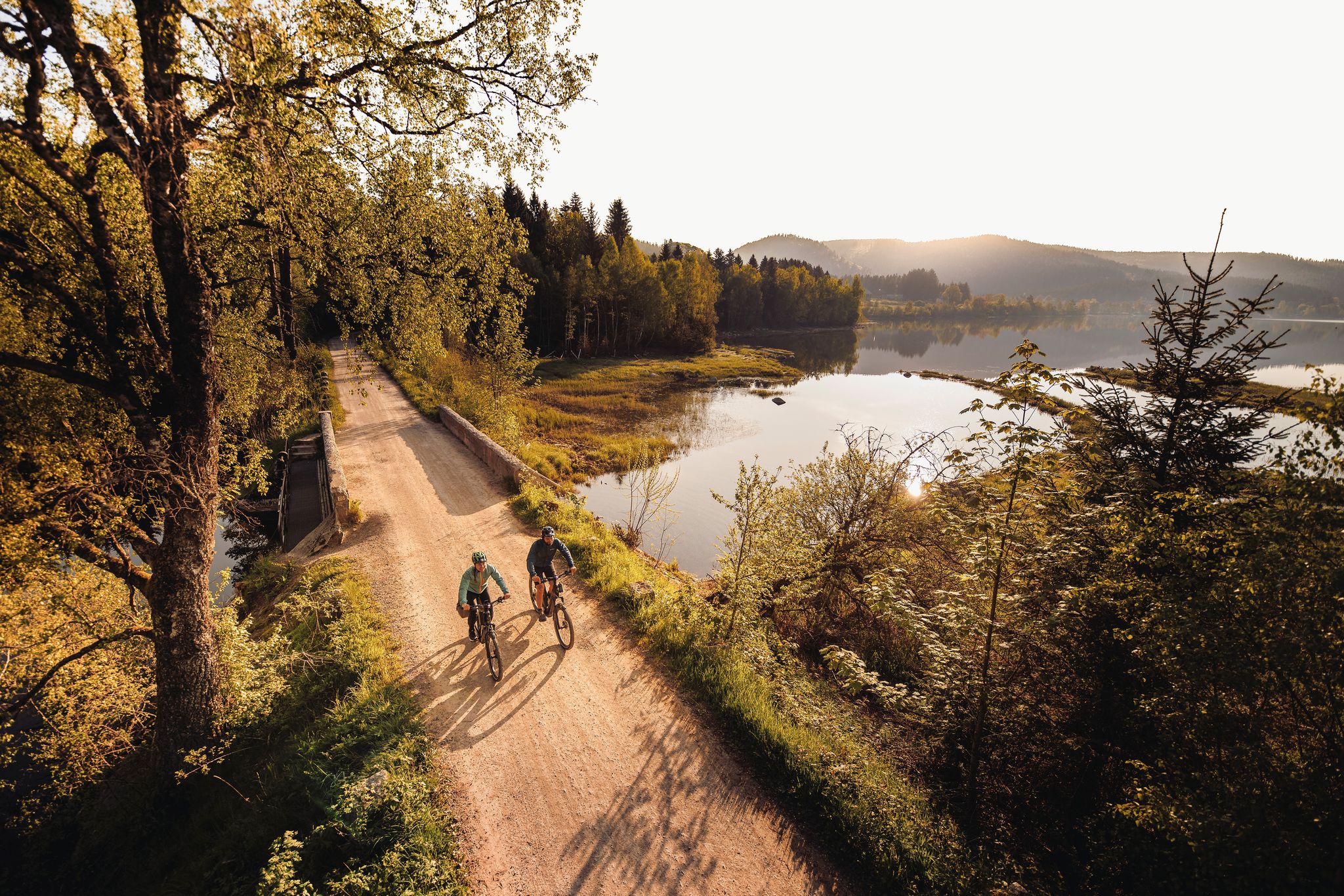
By the water – along the rivers and lakes of the Black Forest
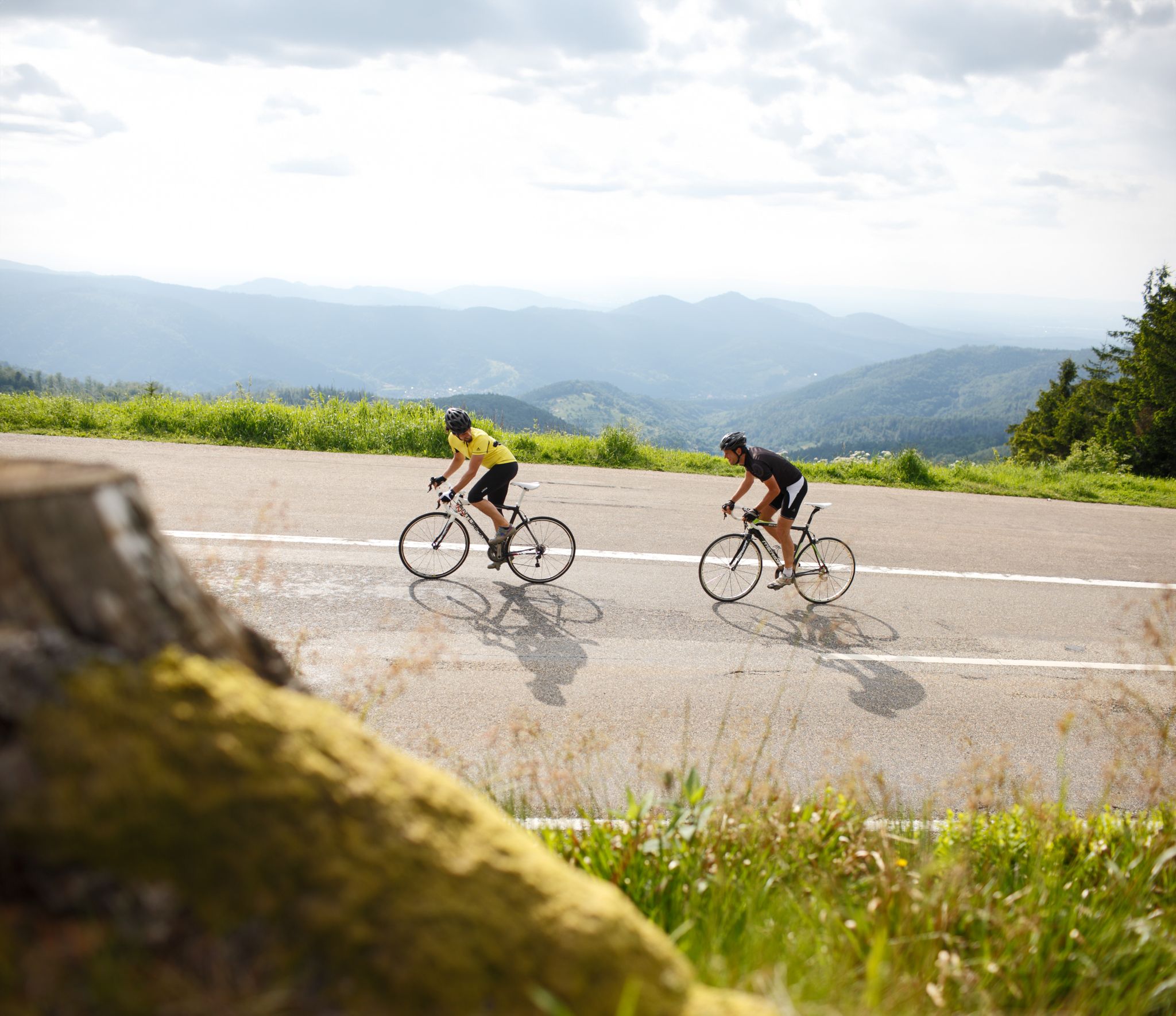
Experience the south of Germany on the Future Racing Bike Pros’ routes
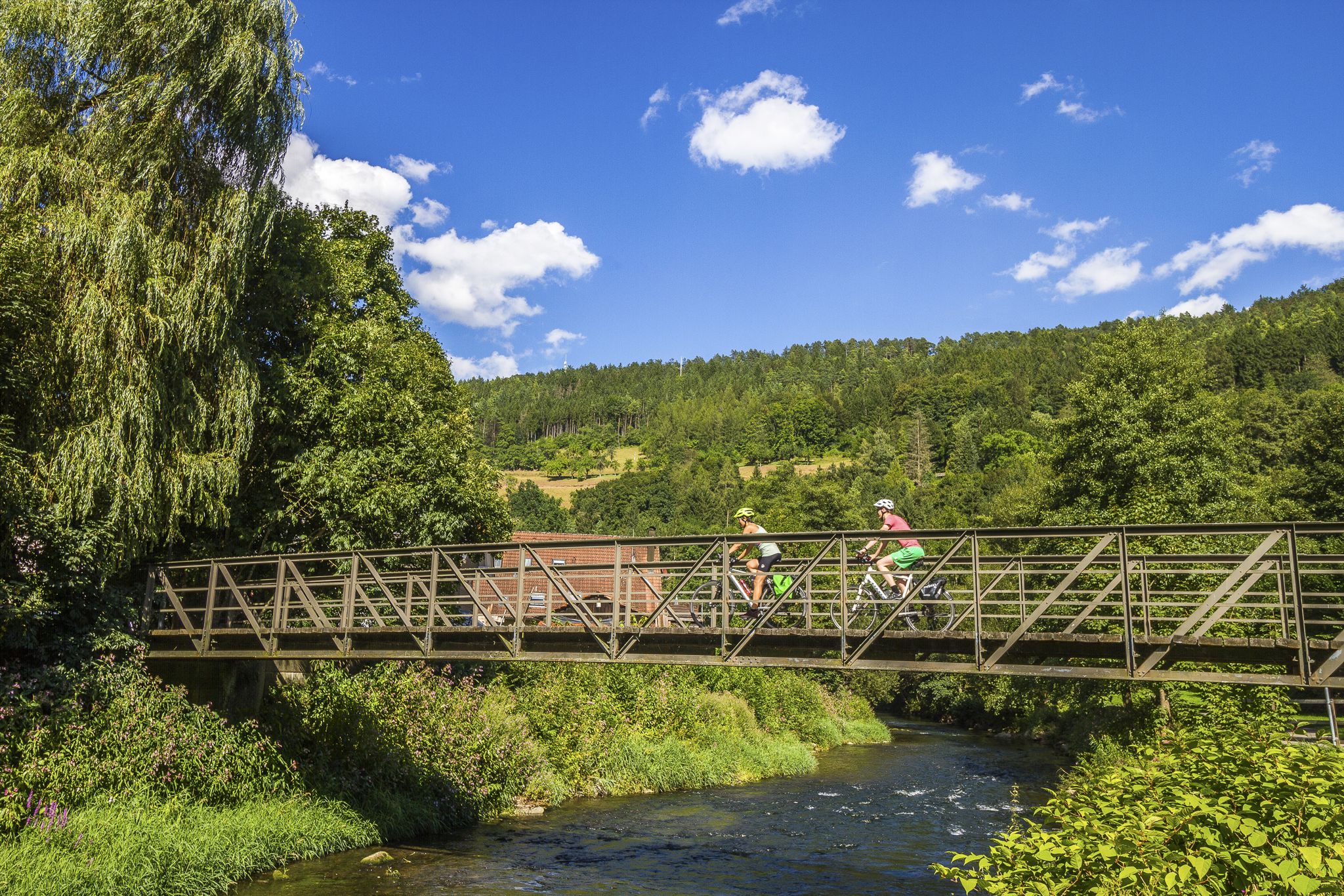
Biking the Black Forest: Our Favorite Long-Distance Rides
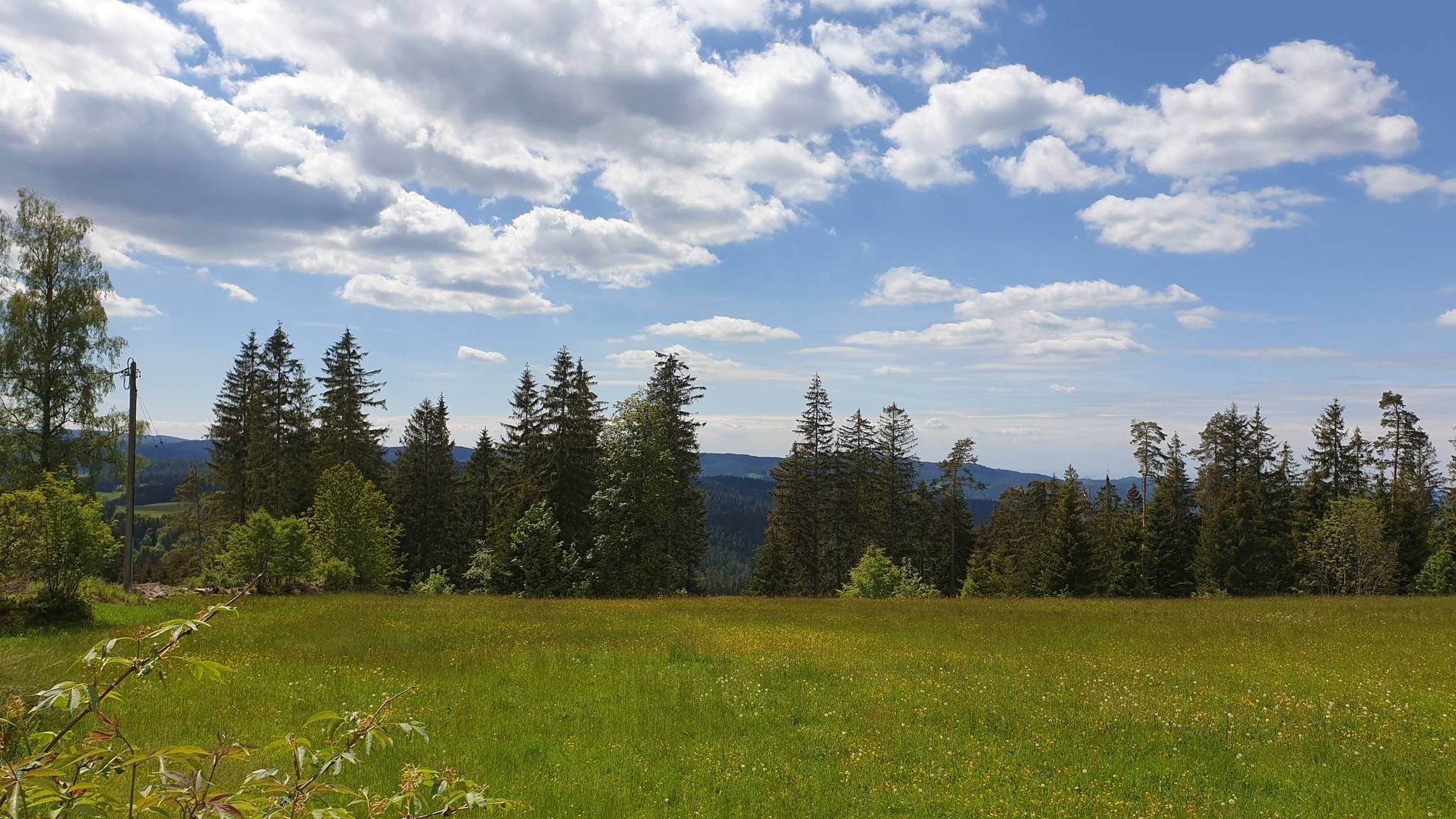
The Mittelweg of the Black Forest Association
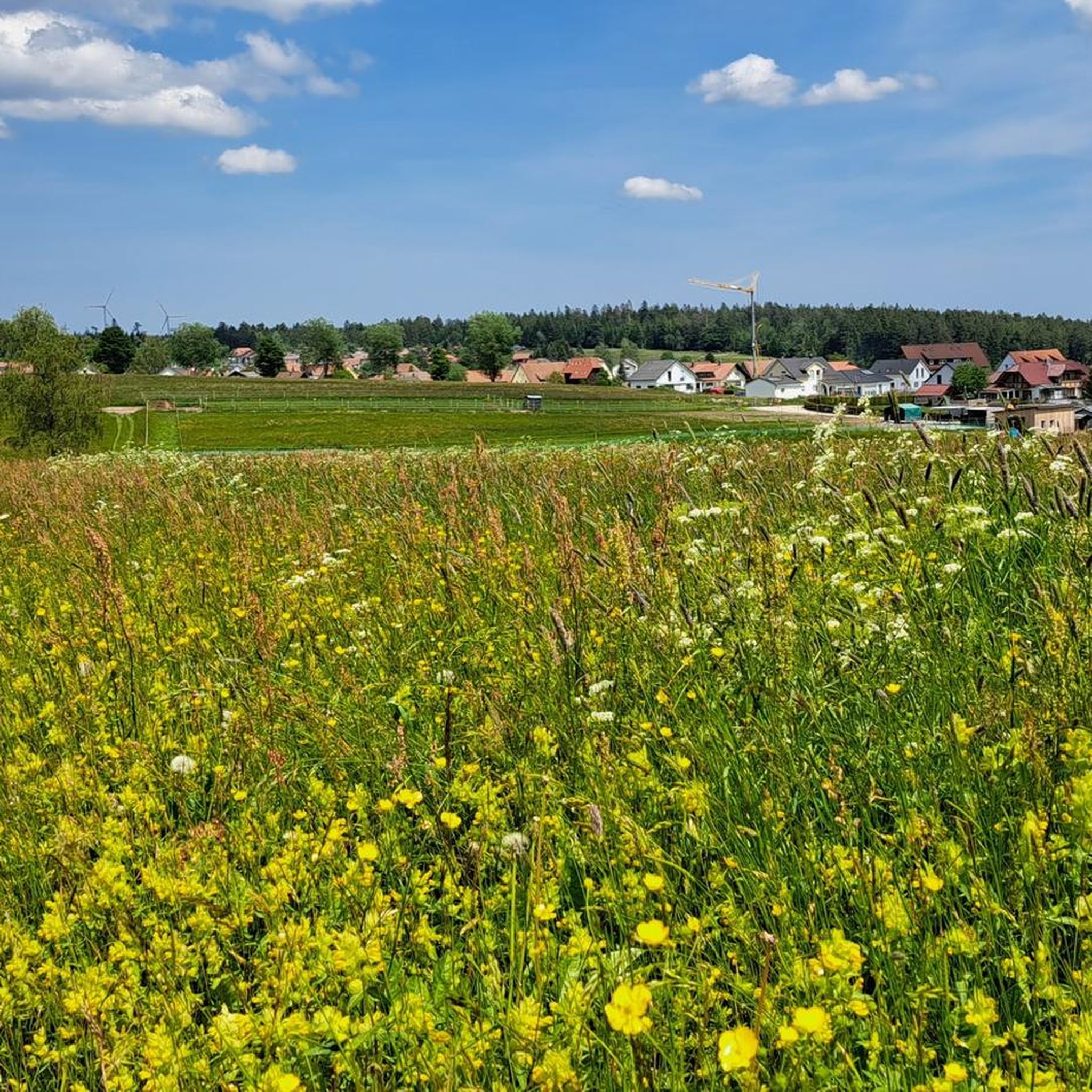
Hiking around Seewald
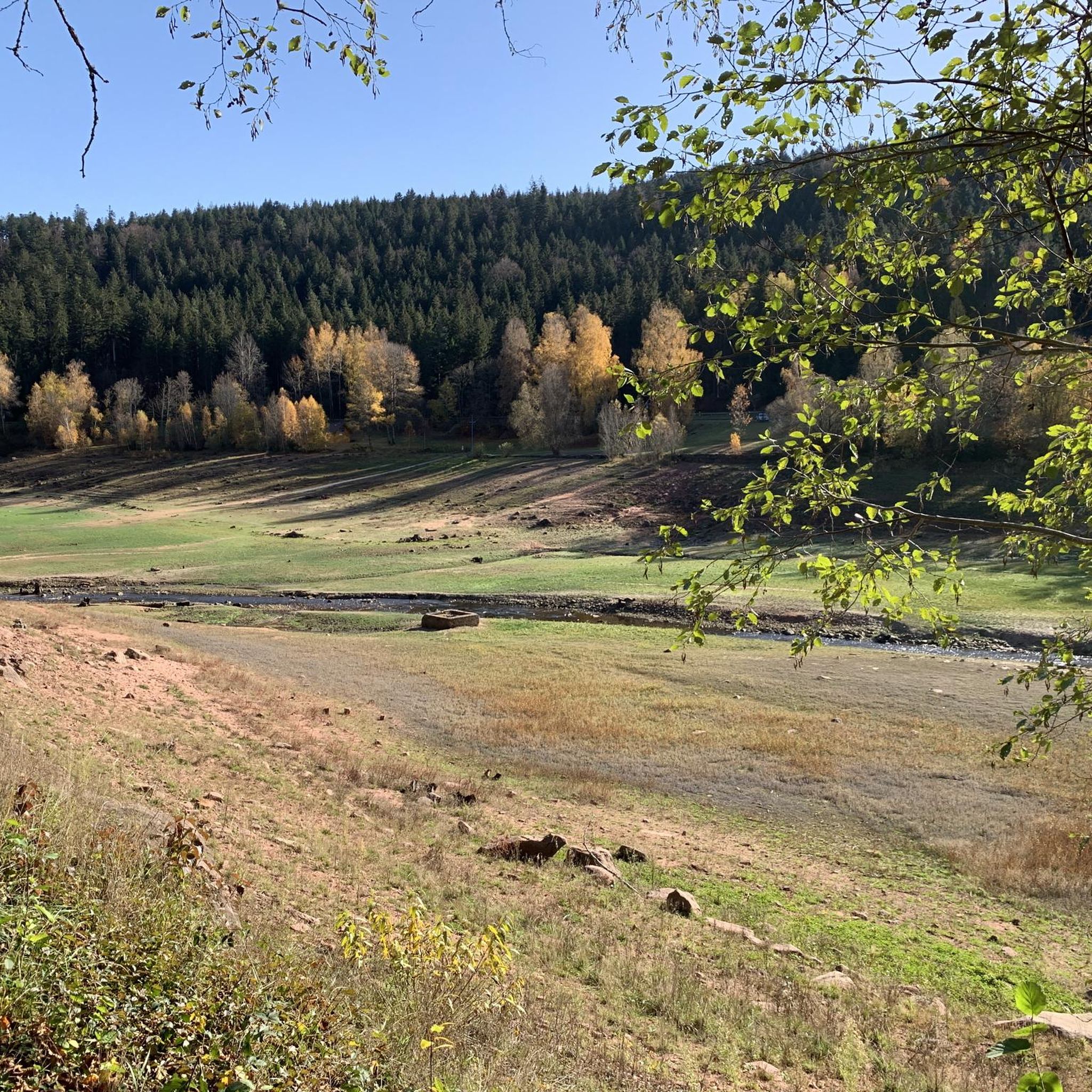
Road Cycling Routes around Seewald
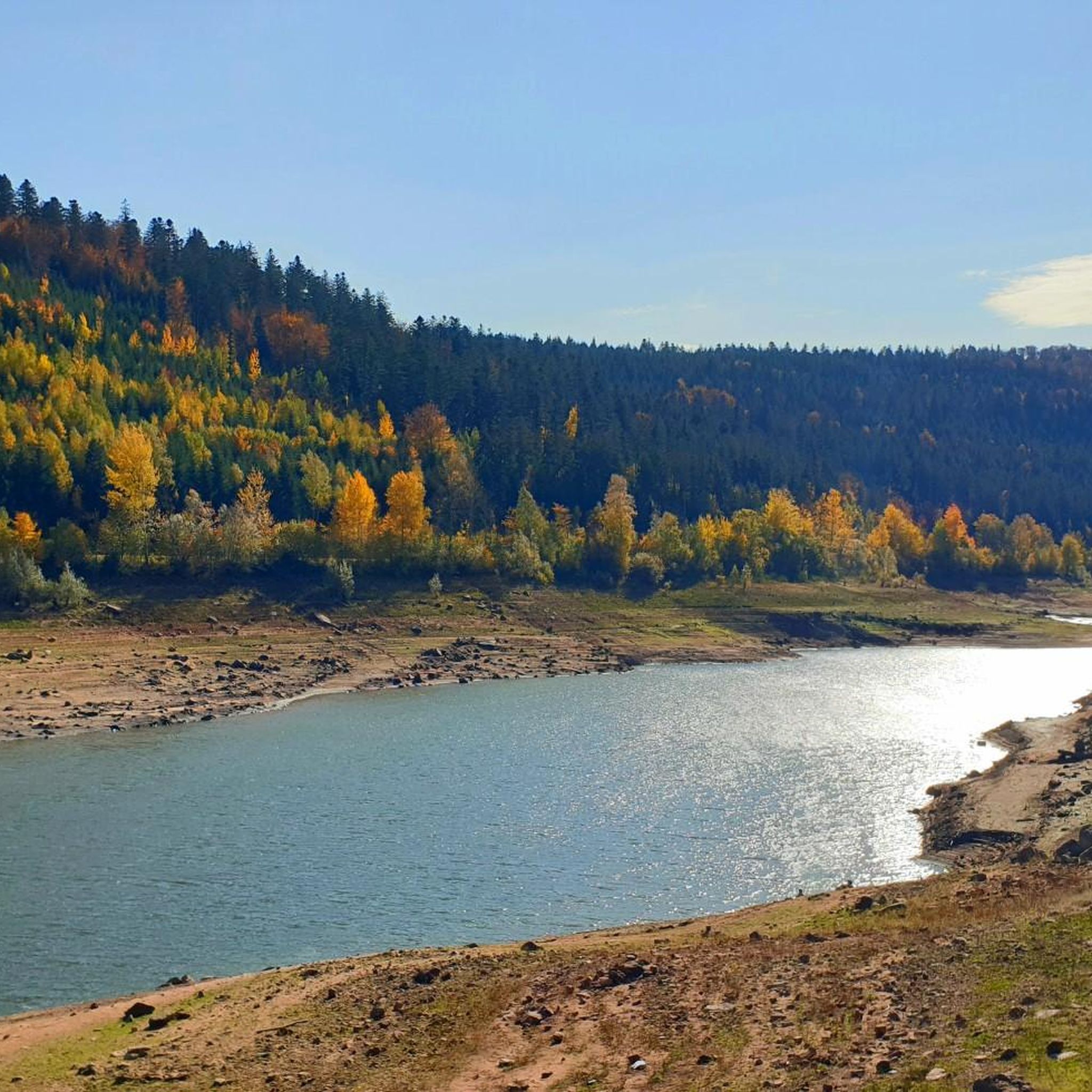
Cycling around Seewald
MTB Trails around Seewald
Running Trails around Seewald
Other adventures around Seewald


Tips from the Community

former exploration mine from the 16th century
3
0
The Untere Sophia mine is one of the few in the Forbachtal whose entrance is not backfilled today.
3
0

The Dorothea mine was created as an exploratory tunnel in 1988. The main aim was to find barite. However, this is not economically viable as it is too heavily interspersed with iron and manganese ores. During the construction of the tunnel, remains of the old Dorothea mine, which was already mentioned in 1536, were also found. The operation of the exploratory tunnel was discontinued as early as 1992. Between 2007 and 2009, further investigations took place, but these activities have now been completely discontinued.
3
0

The Sophia Untere mine is one of the few in the Forbach Valley whose entrance is not backfilled today. Cobalt was mined there - which was unique in the Northern Black Forest. The mine is first mentioned in 1593, it was probably in operation until 1757, after which it was closed down and backfilled. The entrance to the mine was only rediscovered around 1995. Guided tours are possible on request. https://www.nationalparkregion-schwarzwald.de/poi/baiersbronn-friedrichstal-grube-sophia
5
0

The "Untere Sophia" mine is one of the oldest mines in the area. It is already marked on a map by Georg Gadner from 1593. At that time, however, the tunnel was still called "St. Johannis am Friesenberg."
10
0

So much history right on your own doorstep
3
2

A very nice idea. Studs for bats. 🦇
1
0

Cobalt was mined there - which was unique in the northern Black Forest. The mine was first mentioned in 1593 and was probably in operation until 1757, after which it was shut down and filled in. It was only around 1995 that the entrance to the pit was rediscovered.
6
0
Frequently Asked Questions
What types of caves can I explore near Seewald?
The Seewald region offers a variety of underground sites, including historical mining sites, exploration tunnels, and natural caves. You can find former cobalt mines like the Lower Sophia Mine, exploration tunnels such as the Dorothea Exploration Tunnel, and natural formations like the Bat Cellar, which now houses bats.
Are there any family-friendly caves in the Seewald region?
Yes, several caves are suitable for families. The Lower Sophia Mine is listed as family-friendly, offering guided tours upon request. The Bat Cellar, where bats reside in a former rock cellar, is also considered family-friendly, with easy forest roads nearby for exploration. Further afield, the Erdmannshöhle in Hasel is well-lit and safely accessible, making it suitable for a wide range of visitors.
What historical significance do the caves around Seewald have?
Many caves in the region are former mining sites with rich histories. The Lower Sophia Mine, for instance, was first mentioned in 1593 and was unique for mining cobalt in the Northern Black Forest. The Dorothea Exploration Tunnel revealed remnants of the old Dorothea mine, first mentioned in 1536. The Holy Three Kings Silver Mine was an exploratory tunnel for silver and copper. Historically, the Schiller Cave in the Swabian Alb also served as an escape cave during various wars.
Can I take a guided tour in any of the caves near Seewald?
Yes, guided tours are available at some locations. For example, guided tours of the Lower Sophia Mine can be arranged upon request. Further away, the Bärenhöhle and Nebelhöhle in the Swabian Alb also offer guided tours.
Are there any caves with impressive geological formations in the region?
Absolutely. The Erdmannshöhle in Hasel, approximately 20 km east of Lörrach, is a stalactite or flowstone cave known for its impressive formations. It features one of Germany's largest stalactites, recorded in the Guinness Book of Records, measuring over 4 meters in height and 2 meters in thickness, estimated to be about 135,000 years old. The Bärenhöhle also boasts beautiful stalactites and stalagmites.
What is the best time of year to visit caves near Seewald?
Many caves in the region are open year-round, but some have seasonal closures. For example, the Schiller Cave and the Bärenhöhle close from November 1st to May 15th and November to March, respectively, to protect hibernating bats. It's always advisable to check specific opening times for the cave you plan to visit.
What unique cave experiences can I find in the broader Baden-Württemberg region?
Beyond Seewald, the Baden-Württemberg region offers unique cave experiences. The Wimsener Cave is Germany's only 'active' water cave navigable by boat, providing a distinctive adventure for all ages. The Sonnenbühl Fog Cave offers a self-guided exploration with smaller side paths, evoking a sense of discovery.
What should I wear when exploring caves in the Seewald area?
Caves can be cool and damp, even in summer. Sturdy footwear is highly recommended, especially in caves like the Sonnenbühl Fog Cave where paths can be slippery. Layers of clothing are also advisable to adjust to temperature changes underground.
What outdoor activities can I do near the caves around Seewald?
The forested landscapes and valleys around Seewald offer numerous outdoor activities. You can find excellent opportunities for mountain hikes, MTB trails, and cycling routes. Many caves, like the Wimsener Cave, are also surrounded by natural landscapes ideal for hiking.
Are there any caves near Seewald that are important for wildlife?
Yes, some caves serve as crucial habitats for wildlife, particularly bats. The Bat Cellar is a former rock cellar now inhabited by bats. The Schiller Cave and the Bärenhöhle are known as hibernation sites for bats, leading to their seasonal closures to protect these animals.
What do visitors enjoy most about the caves around Seewald?
Visitors appreciate the historical insights and unique geological formations. The komoot community has shared over 120 photos and given more than 230 upvotes, highlighting the appeal of these underground wonders. Many enjoy the opportunity to explore former mining sites and natural formations, with guided tours adding to the experience.
Are there any caves near Seewald that are difficult to access or require special permits?
Most accessible caves in the region are well-maintained for visitors. However, some, like the Old Mine Tunnel, are closed and cannot be entered. For self-guided exploration in places like the Sonnenbühl Fog Cave, sturdy footwear is advised due to potentially slippery paths and low ceiling heights. Specific permits are generally not required for public visitor caves, but guided tours often require prior booking.
Most popular routes around Seewald
Most popular attractions around Seewald

Get inspired with the komoot mobile app


Explore more
Extend your search for the best caves by checking out these guides of the top ones around Seewald:
