Top 18 Caves around Pillig
Caves around Pillig are primarily found within the Eifel region, known for its volcanic past and historical mining activities. The landscape features geological formations and evidence of human industrial history. The area offers opportunities to explore both natural and man-made subterranean structures. These sites provide insights into the region's geology and past resource extraction.
Best caves around Pillig
- The most popular caves is Waterwheel at the Margareta Slate Mine water tunnel, a man_made_monument that offers insights into mining in…
Last updated: May 14, 2026
Old Slate Mine Tunnel
Highlight • Cave
Translated by Google •
Tip by

Waterwheel at the Margareta Slate Mine water tunnel
Highlight • Monument
Translated by Google •
Tip by

Sign up now to discover places like this
Get recommendations on the best single tracks, peaks, & plenty of other exciting outdoor places.
Sign up for free
Fuchsloch Slate Mine Entrance
Highlight • Cave
Translated by Google •
Tip by
Small cave on the Felsensteig
Highlight • Cave
Translated by Google •
Tip by

Theresia Mine Tunnel
Highlight • Cave
Translated by Google •
Tip by

Sign up for free to discover even more caves around Pillig.
Sign up for free
Already have an account?
Start today with a free account
Your next adventure awaits.
Login or Signup
Popular around Pillig
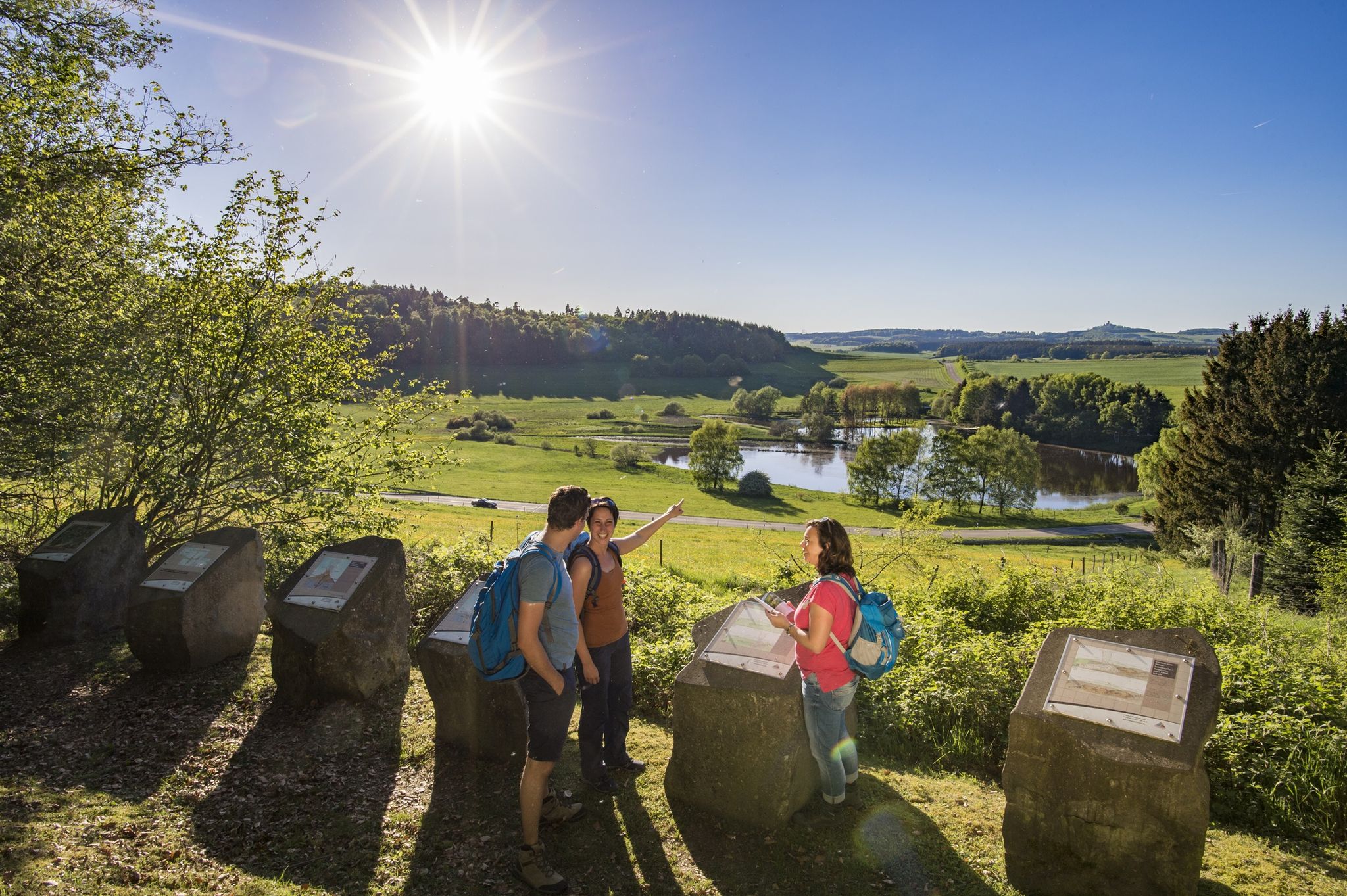
Traumpfade – dreamy, varied hiking trails in Rhein-Mosel-Eifel-Land
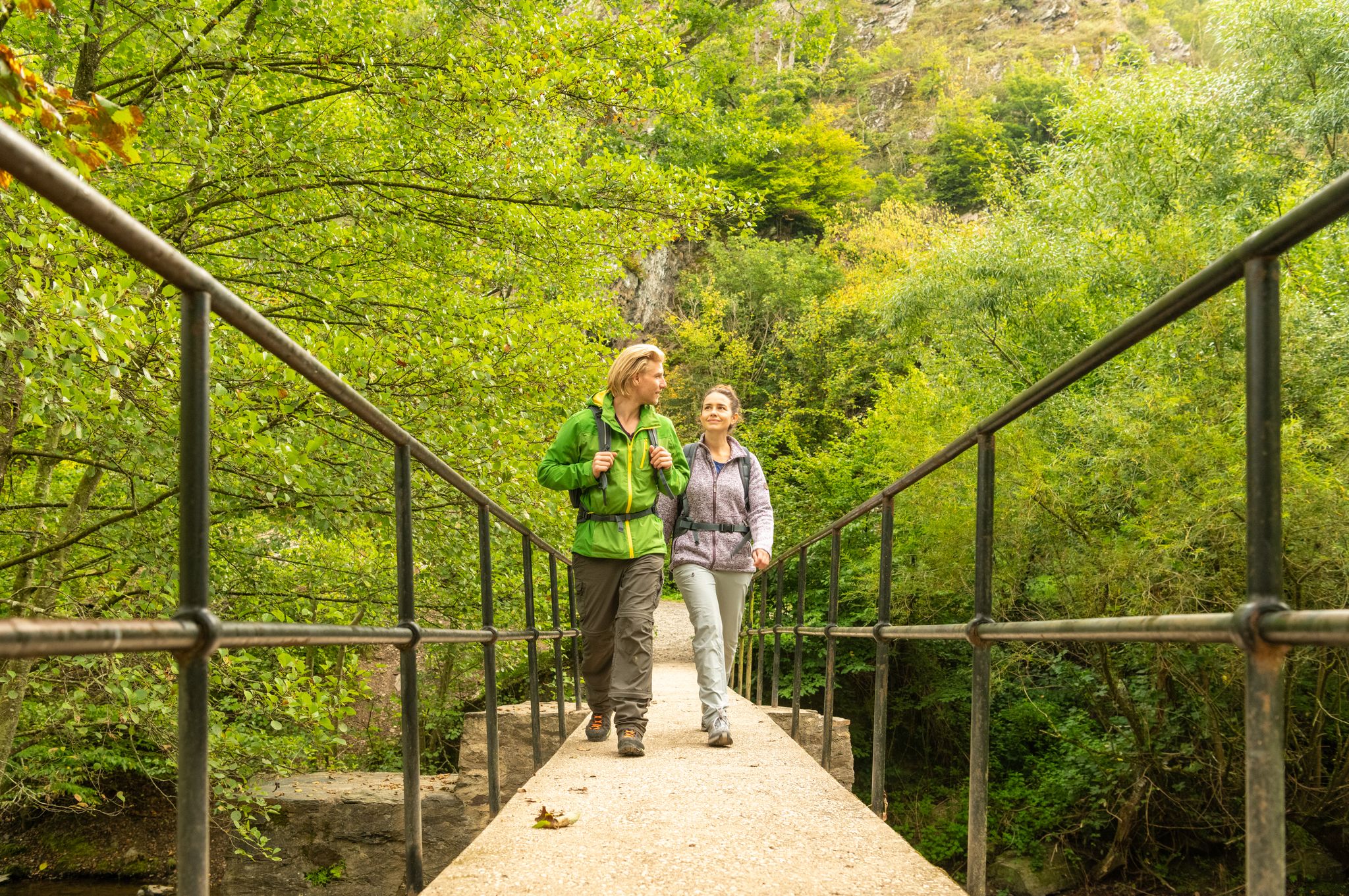
Moselsteig Partner Trails – nature, culture and views
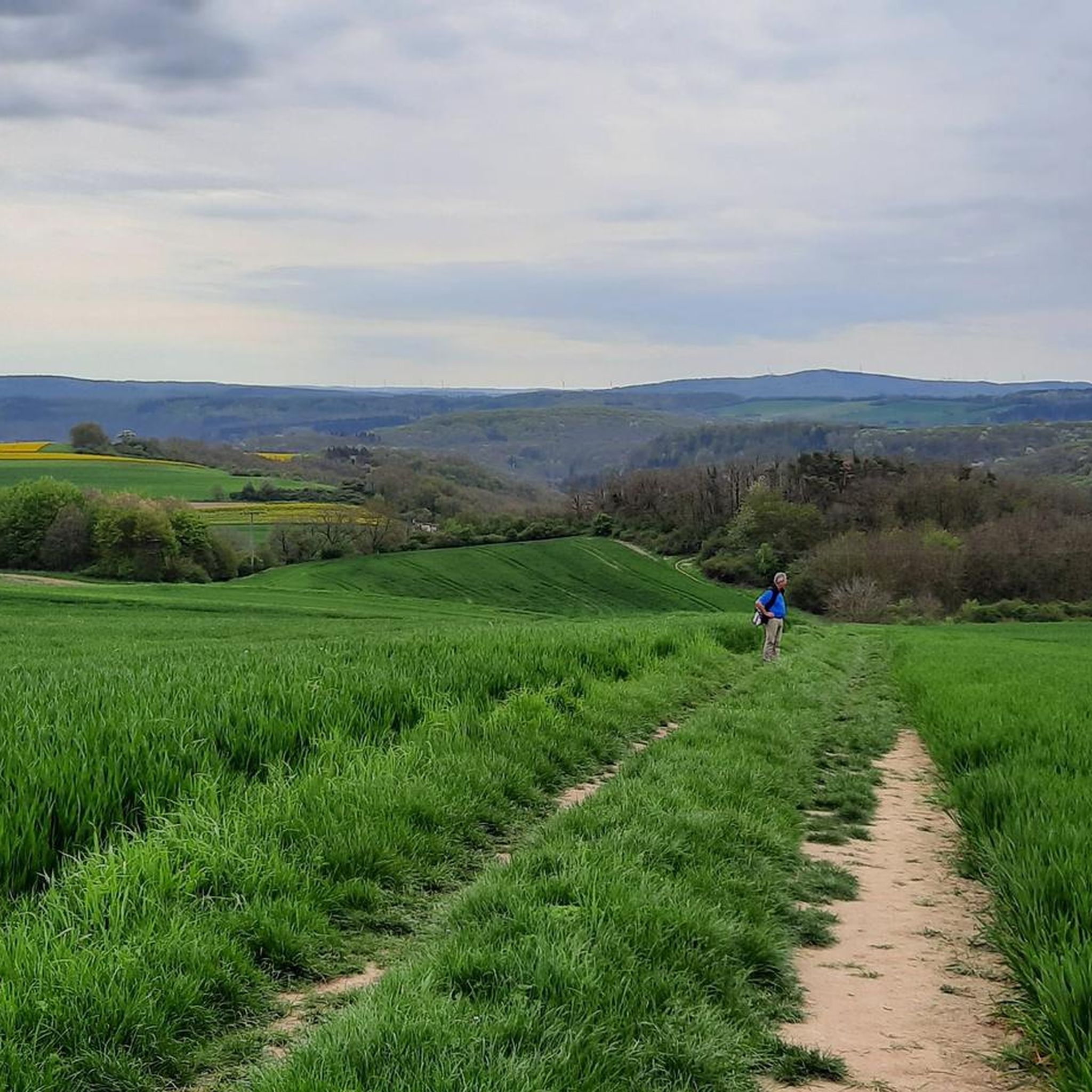
Hiking around Pillig
Road Cycling Routes around Pillig
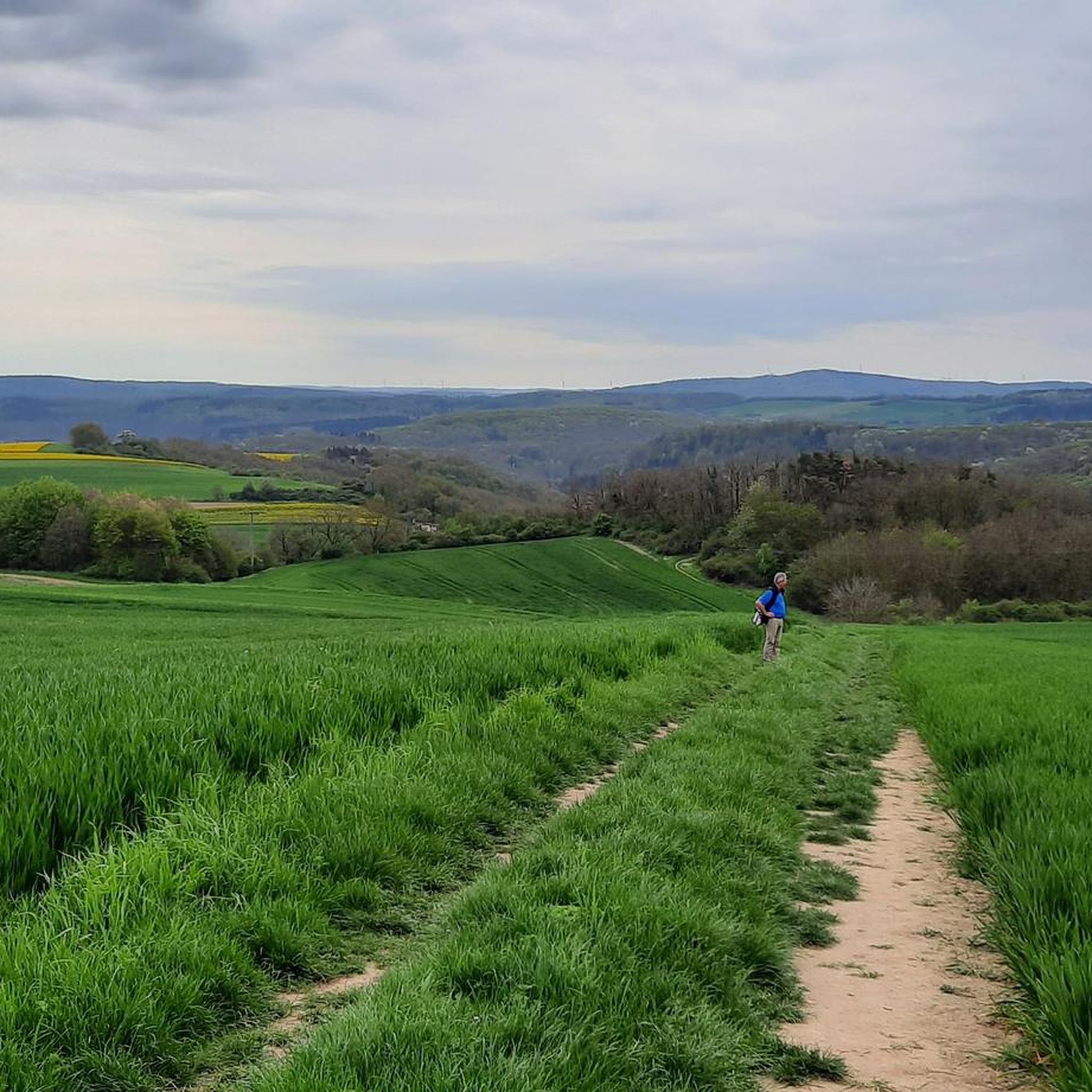
Cycling around Pillig
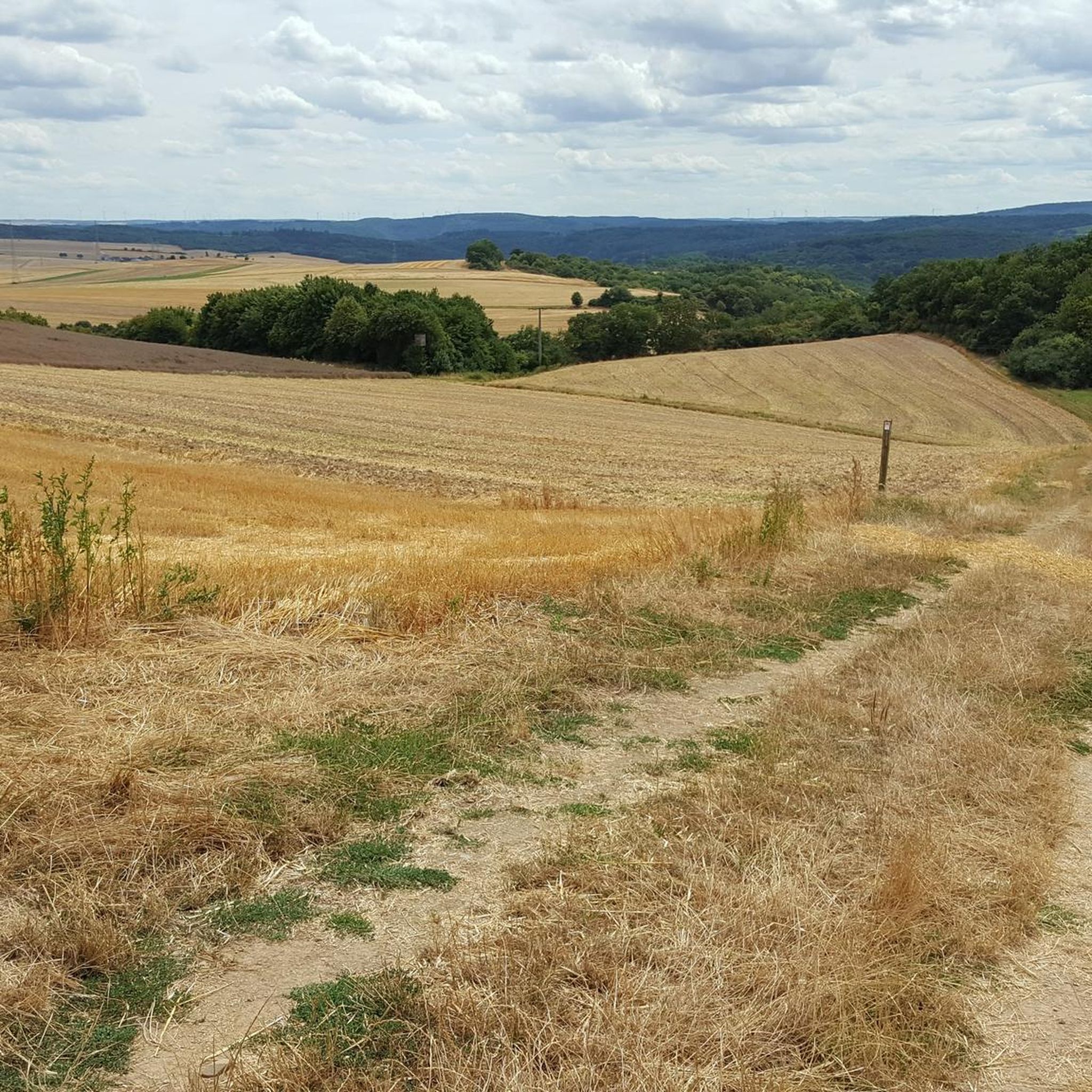
MTB Trails around Pillig
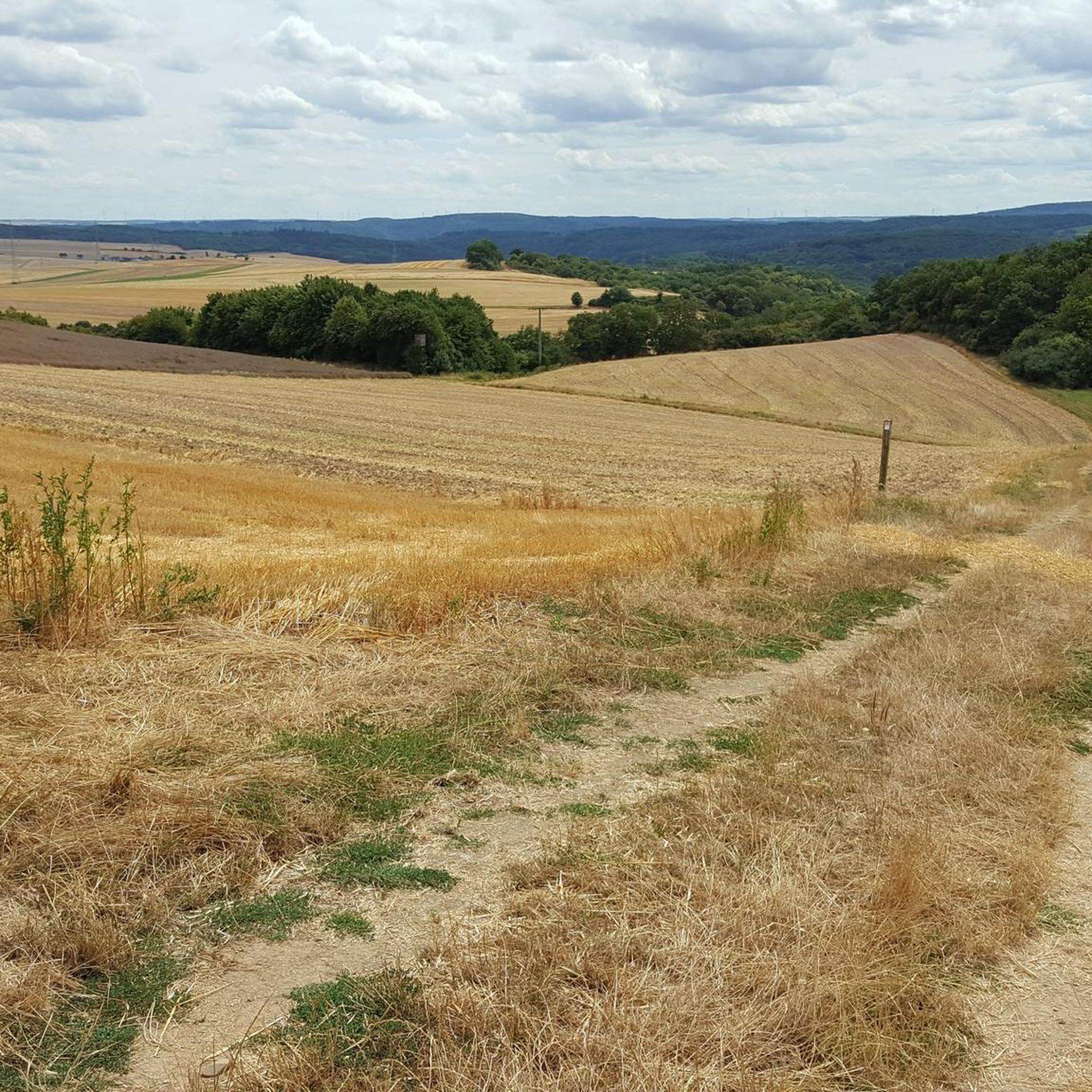
Running Trails around Pillig
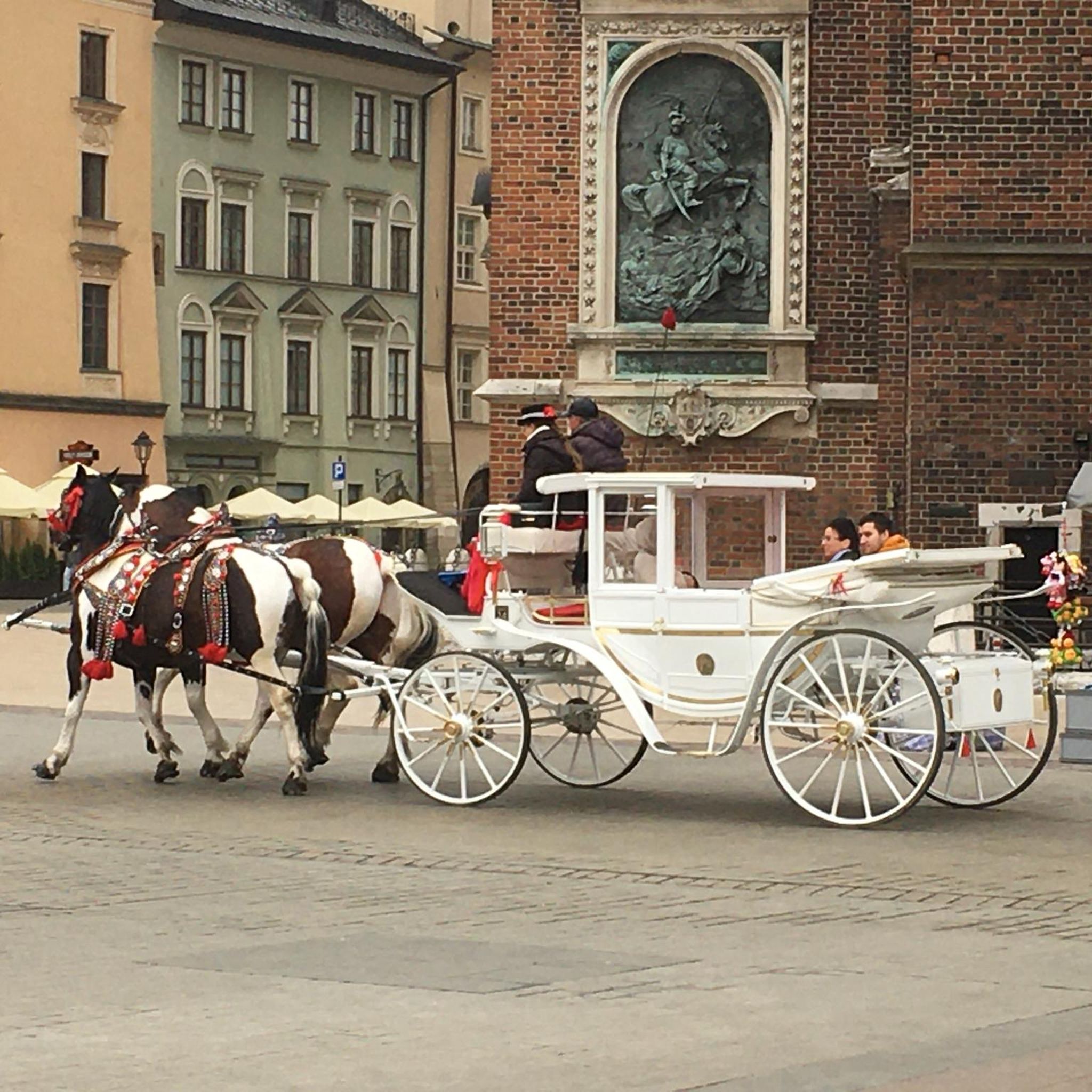
Gravel biking around Pillig
Mountain Hikes around Pillig


Tips from the Community

A photogenic relic of an old mill is this water wheel on a tributary of the Nette.
0
0
It is hard to imagine the working conditions of the miners who went into the mountain to laboriously mine the slate.
0
0

The mine path begins with Jupp, the miner carved out of wood, who is a symbol of the miners from Morshausen who mined ore in the lower Theresia mine from 1859 to 1886. The ores were brought to St. Goarshausen-Fellen for smelting. From the Theresia ore mine, the mouth hole of the lowest tunnel at Baybach level near the colliery house, which was built in 1860 for 12 miners and miners, has been preserved and one at the spoil heap level. The various tunnels extended from 250 meters to 20 meters into the mountain and were 10 to 15 meters wide.
1
0

Climbing in is worth it
1
0

With the two Mosel slate mines Katzenberg (Mayen) and Margareta (Polch) of the company I. B. Rathscheck Söhne KG, Moselschieferbergwerke, the largest slate production in Central Europe was located near Mayen in this region with - according to their own statements - a market share of 80%. The Margareta mine near Polch-Nettesürsch was in operation until 1996. It was accessed with a 485 m long conveyor ramp in the form of a helix, which enabled truck transport from underground. Source: Wikipedia
3
0
The Fox Hole is a tunnel entrance to a tunnel between Trimbs and Hausen.
1
0
The water tunnel of the Margaretha mine of the Rathscheck mining company in Nettesürsch was driven into the mountain up to the shaft in 1925. The water is channeled into the Nette. The 220-meter-deep Margaretha mine has had a conveyor shaft since around 1900 and was closed in 1986. From 1992 to 1996 it was operated with a serpentine tunnel as a slate conveyor ramp, which could be used to load lorries with slate.
4
0

It looks great when you see how the slate was mined.
2
0
Frequently Asked Questions
What types of caves can I explore in the Eifel region around Pillig?
The Eifel region offers a diverse range of subterranean experiences. You can explore ancient natural caves with archaeological significance, such as the Kakushöhle and Buchenloch Cave, which show evidence of Neanderthal habitation. There are also unique man-made structures like the Birresborner Mühlsteinhöhlen, formed by centuries of basalt extraction, and the impressive Lava Cellars in Mendig, which were historically used for beer storage. Additionally, the immediate vicinity of Pillig features historical slate mine tunnels, including the Waterwheel at the Margareta Slate Mine water tunnel and the Fuchsloch Slate Mine Entrance, alongside smaller natural formations like the Small cave on the Felsensteig.
Are there any caves with historical or archaeological significance near Pillig?
Yes, the Eifel region is rich in historical caves. The Kakushöhle near Mechernich is one of Europe's most significant prehistoric sites, with evidence of Neanderthal hunter-gatherers dating back 80,000 years. Similarly, the Buchenloch Cave near Gerolstein also shows signs of Neanderthal use. Closer to Pillig, the slate mine tunnels, such as the Old Slate Mine Tunnel and the Theresia Mine Tunnel, offer insights into the region's industrial past and slate mining heritage.
Which caves are suitable for families with children?
For families, the Waterwheel at the Margareta Slate Mine water tunnel offers an interesting look into mining history with an old mill wheel. The Small cave on the Felsensteig is also noted as being particularly interesting for children and provides a manageable resting spot. The Kakushöhle is freely accessible and its vast natural alcove can be an exciting exploration for nature-loving families.
What are the Birresborner Eishöhlen and Mühlsteinhöhlen known for?
The Birresborner Eishöhlen (Ice Caves) and Mühlsteinhöhlen (Millstone Caves) in the Gerolstein region are unique for their blend of natural geology and human industrial history. They were largely formed by centuries of basalt extraction for millstones. These caves are known for collecting cold winter air, which can lead to impressive icicle formations in colder months, earning some the name 'ice caves'. They maintain a consistent temperature of about 6 degrees Celsius, offering a fascinating glimpse into both the arduous work of stonemasons and natural refrigeration.
Can I take a guided tour of any caves in the area?
Yes, the Lava Cellars in Mendig offer guided tours. These impressive underground halls, formed by cooled volcanic rock and centuries of basalt mining, provide an "unforgettable aha experience" into this unique subterranean world and its historical significance for local brewing. The Vulkan Brewery above the cellars still utilizes this natural cold storage today.
What should I wear or bring when exploring caves in the Eifel region?
Given the consistent chill in many caves, especially the Birresborner Eishöhlen and Mühlsteinhöhlen which average about 6 degrees Celsius, it's advisable to bring warm clothing. Sturdy shoes are recommended for navigating uneven terrain. A flashlight is also highly recommended for exploring the darker sections of some freely accessible caves and mine tunnels.
Are there hiking trails associated with the caves around Pillig?
Many caves in the Eifel region are integrated into hiking routes. The Kakushöhle, for instance, is an ideal destination for hikers on trails like the Eifel loop. The Fuchsloch Slate Mine Entrance is found along the Nette-Schieferpfad, and the Small cave on the Felsensteig is a resting spot along the Felsensteig trail. For more hiking opportunities, you can explore various running trails around Pillig, which often pass by natural landmarks.
What other outdoor activities can I do near the caves around Pillig?
Beyond cave exploration, the area around Pillig offers a variety of outdoor activities. You can find numerous road cycling routes and mountain biking trails. The region's diverse landscape is perfect for exploring on two wheels, with options ranging from easy to difficult. Additionally, there are many running trails for those who prefer to explore on foot.
What is the best time to visit the caves in the Eifel region?
Many caves, such as the Buchenloch Cave, are open year-round. However, some caves, particularly the Birresborner Eishöhlen, are known for impressive icicle formations in colder months, making winter an interesting time to visit if you're prepared for the cold. Some caves may be temporarily closed in winter to protect hibernating bats, so it's always a good idea to check local information before planning your trip. Spring, summer, and autumn offer pleasant conditions for combining cave visits with hiking and other outdoor activities.
Are there any accessibility considerations for caves near Pillig?
Accessibility varies greatly between different cave sites. Natural caves like the Kakushöhle are freely accessible, but may involve uneven terrain. Man-made mine tunnels and some natural caves can be narrow or require descending, as noted for the Fuchsloch Slate Mine Entrance which mentions a narrow hiking trail with a 'gentle alpine touch' and a sign stating 'Only for experienced'. Guided tours, such as those at the Lava Cellars in Mendig, typically provide more structured access. It's best to research specific cave sites for detailed accessibility information.
What do visitors enjoy most about the caves around Pillig?
Visitors appreciate the unique blend of natural geological formations and rich human history. The opportunity to explore ancient sites with evidence of Neanderthals, delve into historical slate mines, or witness the fascinating industrial heritage of the millstone caves and lava cellars is highly valued. The consistent coolness inside the caves, especially during warmer months, also provides a refreshing experience. Many find the combination of subterranean exploration with surrounding hiking trails particularly appealing.
Are there any specific safety warnings for exploring the mine tunnels?
Yes, some of the older mine tunnels, like the Old Slate Mine Tunnel, are noted as being potentially dangerous, especially if attempting to mine slate. The Fuchsloch Slate Mine Entrance is described as having a narrow hiking trail with a 'gentle alpine touch' and a sign indicating it's 'Only for experienced' visitors. Many mine tunnels are also closed by bars to protect hibernating bats and for safety reasons. Always exercise caution, respect warning signs, and consider guided tours for more complex underground explorations.
Most popular routes around Pillig
Most popular attractions around Pillig

Get inspired with the komoot mobile app


Explore more
Extend your search for the best caves by checking out these guides of the top ones around Pillig:
