Top 7 Caves around Niederahr
Caves around Niederahr are not prominent within the town's immediate vicinity, which is known for its rolling hills and forests in the Westerwald region. However, the nearby Eifel region offers a diverse range of caves, many formed by volcanic activity or historical mining. These sites provide opportunities to explore geological formations and historical underground worlds. The area serves as a gateway to exploring the broader geological landscape of the Eifel.
Best caves around Niederahr
- The most popular caves is Marian…
Last updated: September 30, 2026
Wolf Cave
Highlight • Cave
Translated by Google •
Tip by

Marian Grotto Heilberscheid
Highlight • Religious Site
Translated by Google •
Tip by

Sign up now to discover places like this
Get recommendations on the best single tracks, peaks, & plenty of other exciting outdoor places.
Bat Cave (Nassau Conservation Area)
Highlight • Cave
Translated by Google •
Tip by

Old Slate Mine (Bat Tunnel)
Highlight • Cave
Translated by Google •
Tip by

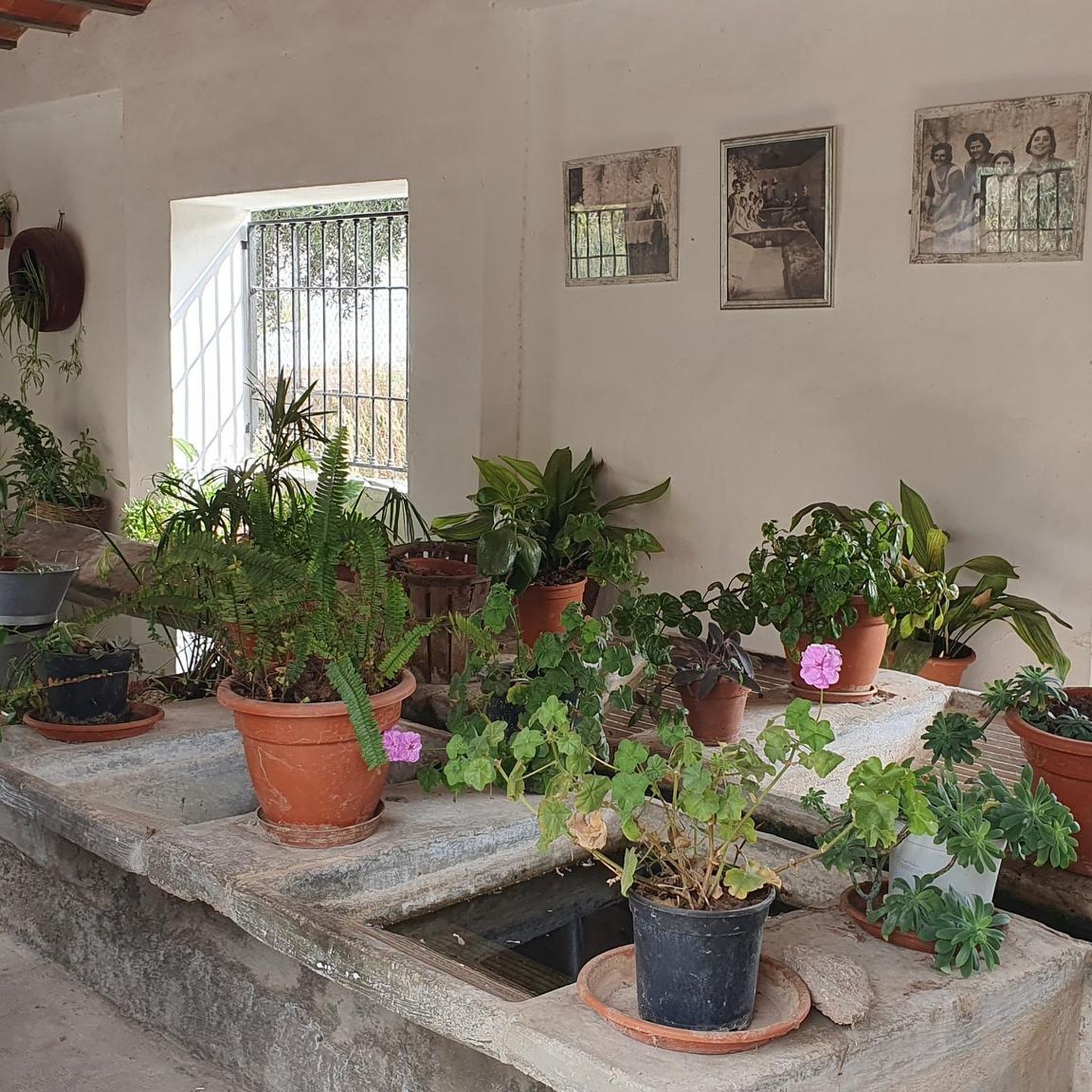
Wild Women’s House
Highlight • Natural Monument
Showing Translation
Tip by

Start today with a free account
Your next adventure awaits.
Tips from the Community

There is also a Wildweiberhäuschen in Kölbingen. It is located above the village, northeast towards the Geisenwald on the circular hiking trail from Kölbingen. As folk legend tells, the "Wilden Weiber" (wild women) were often seen sitting here. They would comb their long golden hair and sing beautiful songs. They were fond of all good and diligent people and helped them wherever they could. Evil and lazy people, on the other hand, were punished by the "Wilden Weibern" and they played many pranks on them. They stole laundry items laid out to bleach, often roamed the village at night, causing a hellish noise. They teased and taunted people wherever they could. When the mines and quarries brought much unrest to their homes, they were seen less and less often, retreated deeper into the rocks, and finally disappeared completely.
0
0

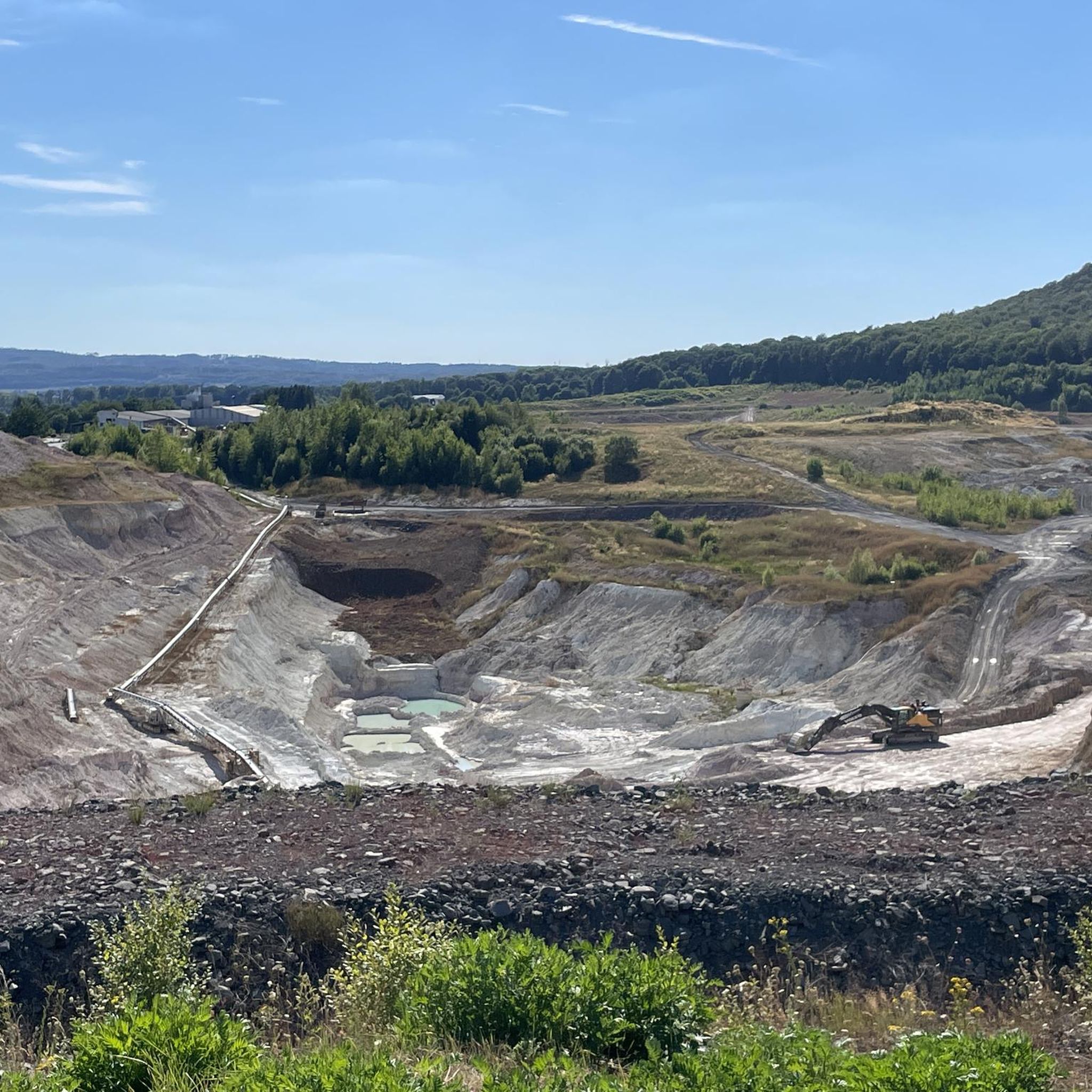
One of several small caves in the area. Not accessible.
0
0

The grotto was inaugurated in 1954. Until the end of the 1960s, a procession to the grotto took place every year on May 1st and August 15th. Beautifully designed and inviting place. There is more information about the history on the board on site. Definitely worth a visit!
1
0
There has been a Mariengrotte here since 1954. Chaplain Böß had the idea for this in 1953. A procession to the grotto takes place here every year on the Assumption Day. Nice and neat :-)
1
0

... just beautiful
0
0

The Mariengrotte in Heilberscheid, directly accessible from the street
2
0

Today bats live in the tunnel
0
0
please leave the cave and the animals in peace
0
0
Frequently Asked Questions
What types of caves can I explore near Niederahr?
While prominent natural caves are not directly in Niederahr, the nearby Eifel region offers a diverse range. You can find caves formed by volcanic activity, such as the Trass Caves in Brohl-Lützing, historical mining tunnels like the Birresborn Ice Caves or the Millstone Caves, and prehistoric rock caves like the Buchenloch Cave, which was used by Neanderthals. The immediate vicinity of Niederahr also features sites like the Marian Grotto Heilberscheid, a religious building, and the man-made Wolf Cave.
Are there any family-friendly caves to visit?
Yes, the Marian Grotto Heilberscheid is considered family-friendly and offers a beautifully designed, inviting place with historical significance. For a broader experience, some caves in the Eifel region, like the Buchenloch Cave, are generally accessible and can be interesting for families, though specific accessibility for very young children might vary.
What historical or archaeological significance do the caves near Niederahr have?
The Eifel region, close to Niederahr, is rich in historical caves. The Trass Caves in Brohl-Lützing were mined by Romans for construction and later by the Dutch. The Birresborn Ice Caves and Millstone Caves are remnants of basalt mining for millstones. The Buchenloch Cave in Gerolstein and the Kakushöhle near Mechernich are prehistoric rock caves notably used by Neanderthals, offering insights into ancient human history.
Can I see bats in any of the caves?
Yes, the Bat Cave (Nassau Conservation Area) is a natural monument known for its resident bats. Visitors are advised to respect their natural habitat and not disturb them. Similarly, the Old Slate Mine (Bat Tunnel) is now home to bats.
What should I wear or bring when exploring caves in the region?
For caves like the Trass Caves, a flashlight is essential due to deep, dark passages. For the Birresborn Ice Caves, sturdy shoes, a flashlight, and a helmet are recommended, especially as some sections can be low and dark. Generally, wear comfortable clothing suitable for cooler, potentially damp conditions, and always bring a reliable light source.
Are there any caves that are freely accessible?
The Birresborn Ice Caves in the Gerolsteiner Land are freely accessible, though some parts may be temporarily closed in winter to protect hibernating bats. The Buchenloch Cave in Gerolstein is also open year-round. Always check local conditions before visiting.
What are the geological features of the caves in the Eifel region?
The Eifel region's caves showcase diverse geological formations. The Trass Caves are formed from volcanic trass. The Birresborn Ice Caves and Millstone Caves are a result of basalt mining, offering deep insights into the volcanic Eifel. The Buchenloch Cave was formed by groundwater dissolving rock over millions of years, and the Kakushöhle is an impressive limestone rock formation.
What outdoor activities can I combine with a cave visit near Niederahr?
Niederahr is a great starting point for various outdoor activities. You can find numerous hiking trails, including routes like 'Esther clay pit – View of the Anna Clay Pit loop' or 'Malberg Chapel – Fortified site on the Malberg loop'. For cycling, options include 'View of Montabaurer Höhe – View of Malberg loop'. Explore more routes on the Hiking around Niederahr or Cycling around Niederahr guides.
Are there any caves that are man-made or have been adapted by humans?
Yes, the Wolf Cave near Niederahr is a man-made cave that is constantly being rebuilt. The Old Slate Mine (Bat Tunnel) is another example of a man-made historical site that has been adapted, now serving as a bat habitat. The Trass Caves and Millstone Caves in the Eifel region are also examples of caves significantly altered or created by historical mining activities.
What is the best time of year to visit caves near Niederahr?
Many caves, like the Buchenloch Cave, are open year-round. However, for caves that host bats, such as the Birresborn Ice Caves, some sections might be temporarily closed during winter to protect hibernating bat populations. Always check specific cave opening times and conditions, especially during colder months, if you plan to visit a bat habitat.
Are there any less conspicuous or 'hidden' cave-like features in the area?
Yes, for those who enjoy discovering smaller, less obvious spots, the Small Gated Cave in Nassau Conservation Area is an inconspicuous tunnel that can be easily missed if you're not looking carefully. These smaller features often offer a unique sense of discovery.
Most popular routes around Niederahr
Most popular attractions around Niederahr

Get inspired with the komoot mobile app


Explore more
Extend your search for the best caves by checking out these guides of the top ones around Niederahr:
