Top 7 Caves around Weyerbusch
Caves around Weyerbusch offer a glimpse into the region's geological and historical landscape. Located in the Westerwald, Weyerbusch is surrounded by an area known for its varied natural features and historical mining activities. The landscape includes ancient forests and valleys, providing a setting for both natural and man-made subterranean structures. These sites reflect the area's past, from early human settlement to industrial heritage.
Best caves around Weyerbusch
- The most popular caves is Lammerichskaule Mine Tunnel, a historical site that…
Last updated: April 28, 2026
Lourdes Grotto
Highlight • Religious Site
Translated by Google •
Tip by

Alvenslebenstollen
Highlight • Historical Site
Translated by Google •
Tip by

Sign up now to discover places like this
Get recommendations on the best single tracks, peaks, & plenty of other exciting outdoor places.
Sign up for free
Erbach Trail and Pawnee Bat Tunnel
Highlight (Segment) • Trail
Translated by Google •
Tip by

The Gold Hole and the Boller-Mosch
Highlight • Cave
around the year 1750 were up to mischief.
Allegedly a ghost who hits trees with a club and screams mosch, …
Translated by Google •
Tip by

Lammerichskaule Mine Tunnel
Highlight • Historical Site
Translated by Google •
Tip by

Sign up for free to discover even more caves around Weyerbusch.
Sign up for free
Already have an account?
Start today with a free account
Your next adventure awaits.
Login or Signup
Popular around Weyerbusch
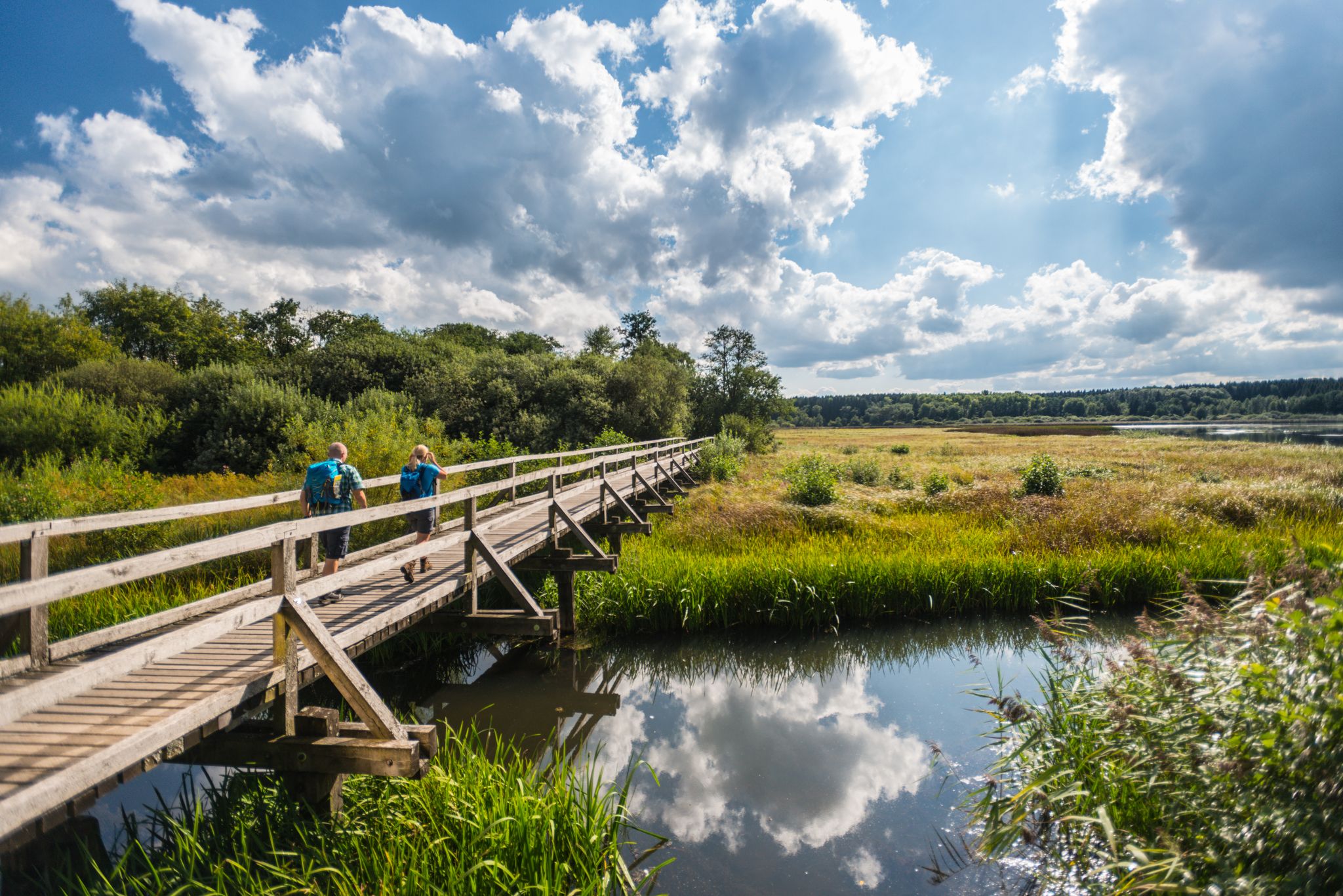
More than just forests – 16 stages on the WesterwaldSteig
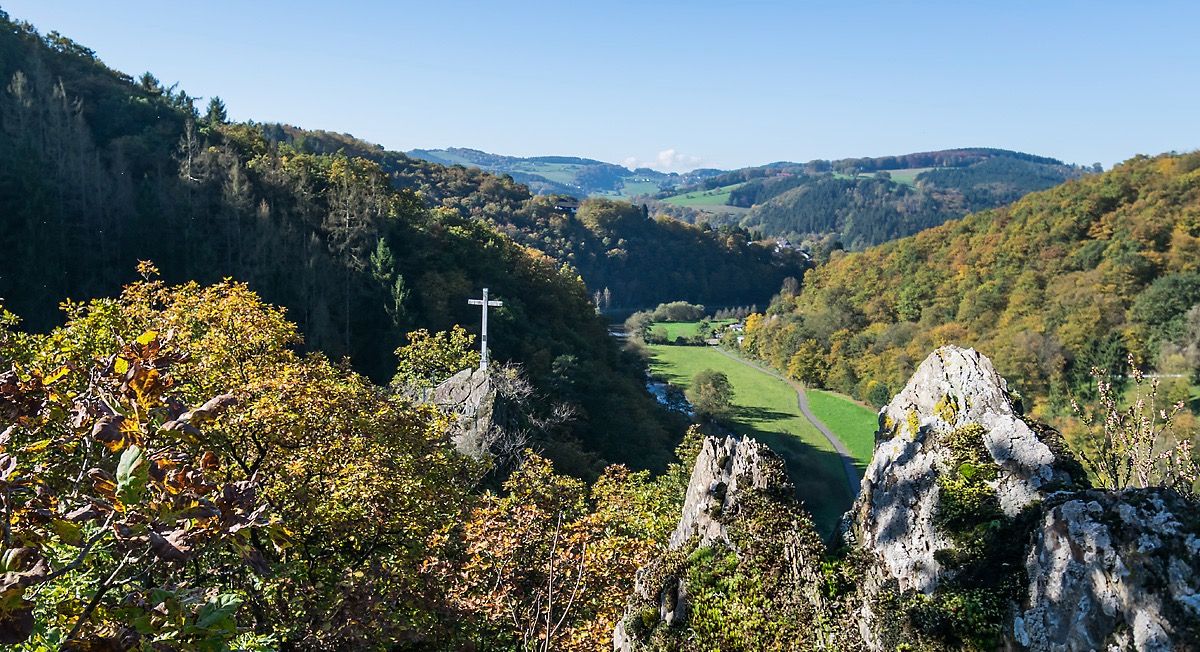
Hiking in the beautiful Westerwald – 9 superb circular routes
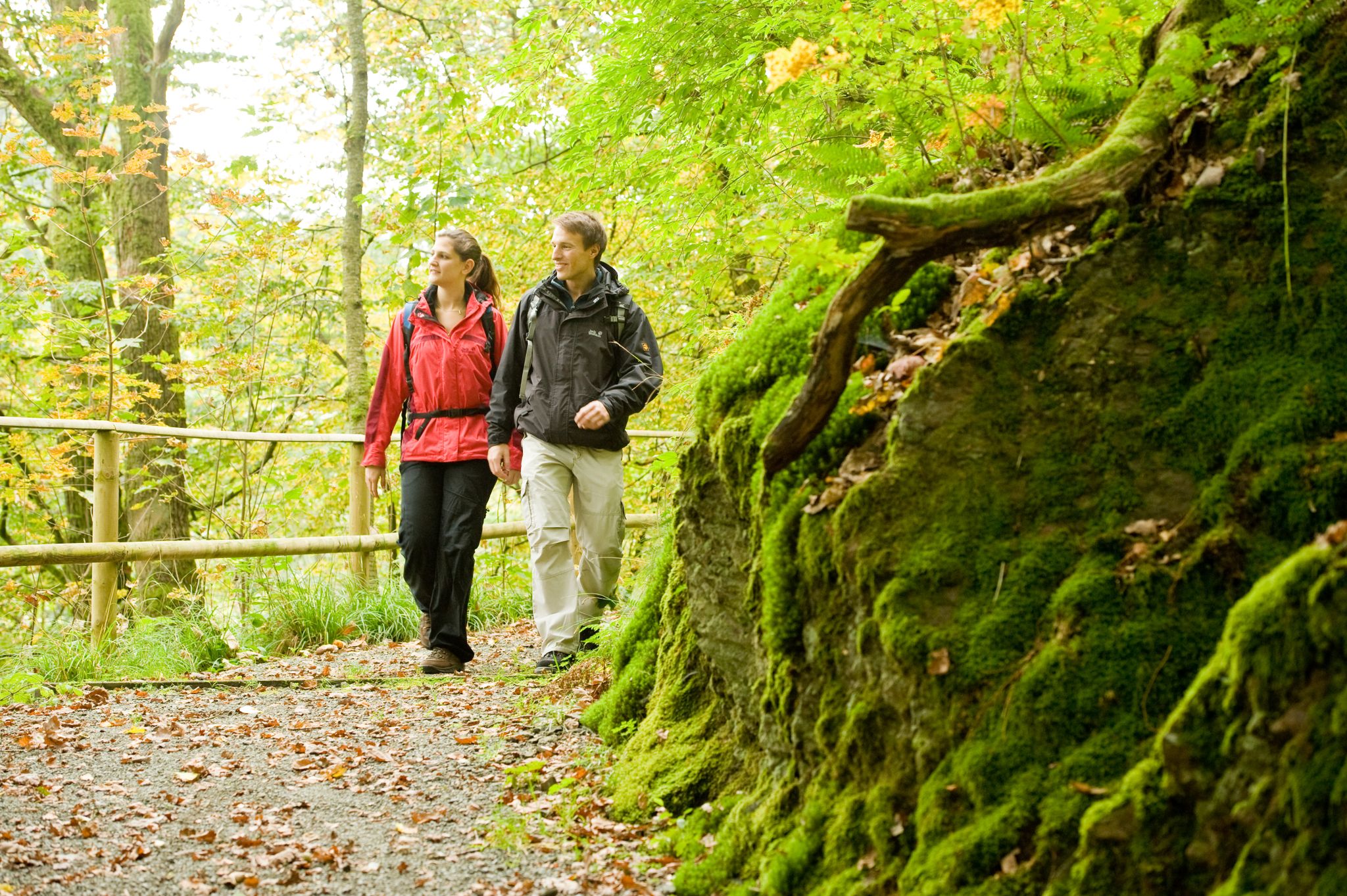
Hike the WesterwaldSteig in Germany’s Westerwald-Sieg Region
More than just forests – 16 stages on the WesterwaldSteig
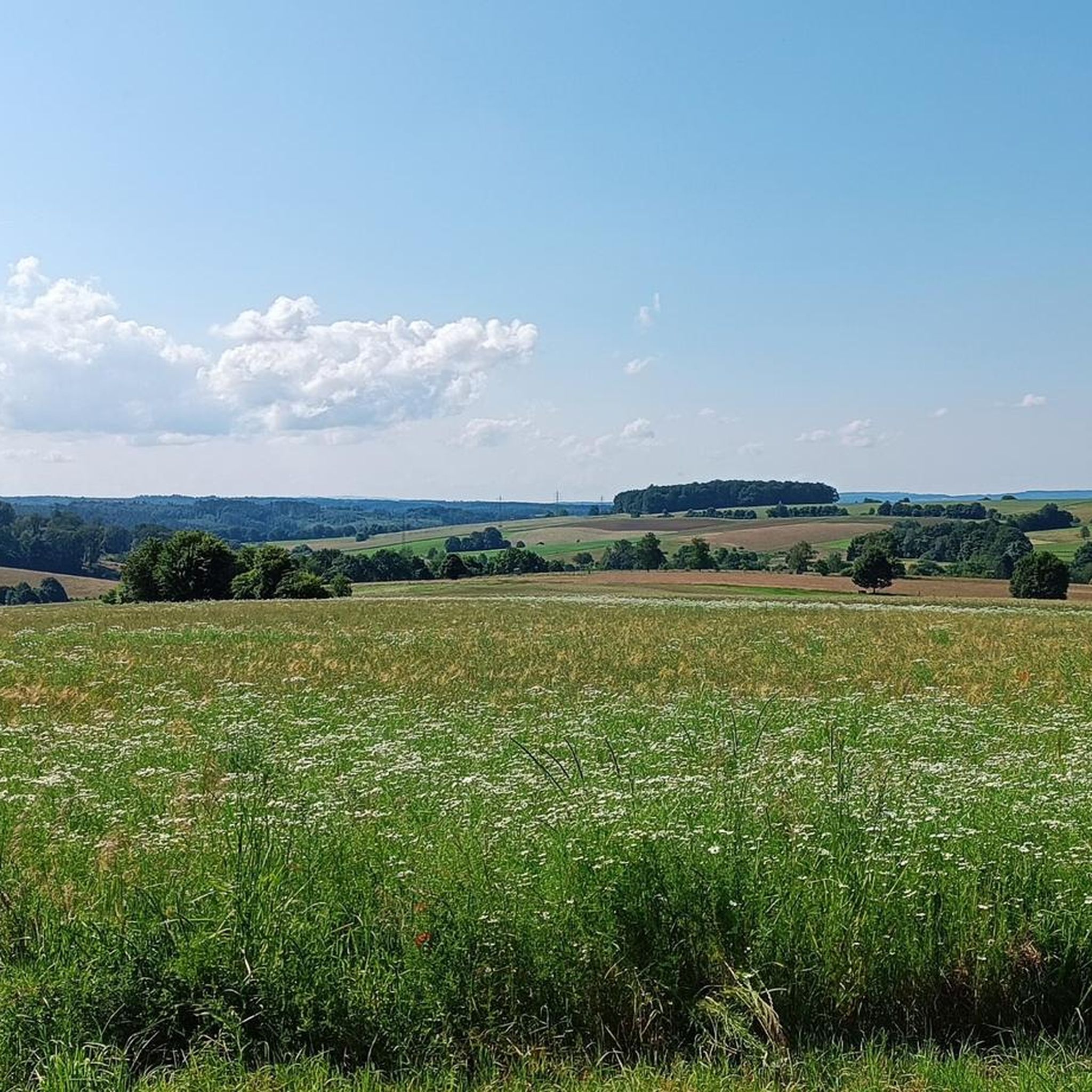
Hiking around Weyerbusch
Cycling around Weyerbusch
Road Cycling Routes around Weyerbusch
MTB Trails around Weyerbusch
Gravel biking around Weyerbusch
Running Trails around Weyerbusch
Other adventures around Weyerbusch


Tips from the Community


Possibility of rest and view of the tunnel and the castle
1
0

The tunnel addresses the history of mining. The last time I visited the tunnel, there were lots of small bats living there. The history is also explained in detail on site.
0
0

This grotto is located near the monastery.
3
0

"The Lourdes Grotto in Marienthal is a religious site located behind the pilgrimage church. It is open to visitors 24 hours a day, seven days a week. This grotto is a replica of the famous Lourdes Grotto in France, known as the site of Marian apparitions. In Marienthal, the grotto serves as a place of devotion, prayer and pilgrimage for believers from the region and beyond. Visitors come here to find solace, meditate and explore their spiritual needs. The atmosphere is often one of silence and devotion, while visitors have the opportunity to light candles and say prayers. The Lourdes Grotto of Marienthal is not only a place of faith, but also a place of rest and retreat for people of all backgrounds seeking spiritual fulfillment. " https://www.wallfahrtskirche-marienthal.de/ueber-uns/
2
0

The Mother of God depicted and venerated here is the one from Lourdes. This well-known Marian pilgrimage site is located in the French Pyrenees and is visited by many people every year, including many sick people who hope for healing. The devotional image of the Mother of God has become widespread - not only in France - and Lourdes chapels and grottos have been built by believers everywhere. The church memorial day "Our Lady of Lourdes" is on February 11th, this is the anniversary of the Marian apparition (1858), when the Mother of God appeared to 14-year-old Bernadette Soubirous in a rock grotto very close to Lourdes. Bernadette later became a nun and died at the age of just 35. On December 8th (the Feast of the Immaculate Conception of Mary) 1933, she was canonized by Pope Pius XI. The commemoration of the Madonna of Lourdes is also World Day of the Sick.
12
0

Frequently Asked Questions
What types of caves can I explore around Weyerbusch?
The Weyerbusch area offers a diverse range of subterranean experiences. You can find historical mine tunnels like the Lammerichskaule Mine Tunnel and Alvenslebenstollen, natural caves such as The Gold Hole and the Boller-Mosch, and even religious grottoes like the Lourdes Grotto.
Are there any caves with historical significance near Weyerbusch?
Yes, the region is rich in historical sites. The Lammerichskaule Mine Tunnel, dating back to 1850, and the Alvenslebenstollen, a legacy of the Louise mine constructed between 1835 and 1864, are prime examples of the area's mining heritage. Additionally, The Gold Hole and the Boller-Mosch is a natural cave with local folklore and historical events tied to it.
Can I visit the Alvenslebenstollen mine tunnel?
The Alvenslebenstollen is a historical mine tunnel that can be viewed by appointment. Visitors can access approximately 400 meters of the gallery. For specific arrangements, you can contact the Tourist information of VG Flammersfeld.
Are there family-friendly cave experiences around Weyerbusch?
Yes, the Erbach Trail and Pawnee Bat Tunnel is considered family-friendly. It features a bat gallery and is part of a pleasant trail, making it suitable for visitors of all ages.
What is the Lourdes Grotto near Weyerbusch?
The Lourdes Grotto is a religious site near Weyerbusch. It is not a natural cave but a place of devotion featuring a depiction of the Mother of God, similar to the famous Marian pilgrimage site in Lourdes, France. It's a serene spot often visited for contemplation and is located near a monastery with a Way of the Cross.
Are there hiking trails associated with the caves around Weyerbusch?
Yes, some caves are integrated into hiking routes. For instance, the Lammerichskaule Mine Tunnel is located along the ore hiking trail, where information boards provide details about its history. You can find more hiking opportunities in the area by exploring the Hiking around Weyerbusch guide.
What other outdoor activities can I do near the caves in Weyerbusch?
Beyond exploring caves, the Weyerbusch region offers various outdoor activities. You can find numerous routes for hiking, mountain biking, and gravel biking. These guides provide detailed information on routes suitable for different skill levels.
What is the Kakushöhle and is it near Weyerbusch?
The Kakushöhle (Kakus Caves) is a significant natural cave system with traces of human settlement dating back to 80,000 B.C., including Neanderthal artifacts. While not immediately in Weyerbusch, it's a notable site in the broader regional context, located between Eiserfey and Weyer. It can be explored via the Eifel loop trail and offers insights into ancient history and local folklore. More information can be found at nordeifel-tourismus.de.
Are there any caves around Weyerbusch that are known for unique natural features?
While many sites are historical, The Gold Hole and the Boller-Mosch is a natural cave located in the Mehrbachtal, offering a glimpse into the region's natural rock formations and geological landscape.
What do visitors generally appreciate about the caves around Weyerbusch?
Visitors often appreciate the blend of historical significance and natural beauty. The well-preserved mine tunnels offer a journey into the region's industrial past, while natural caves and grottoes provide serene and contemplative spaces. The presence of information boards and well-maintained trails also enhances the visitor experience.
Do I need a permit or special equipment for caving in Weyerbusch?
For general exploration of accessible sites like the Lammerichskaule Mine Tunnel or the Erbach Trail and Pawnee Bat Tunnel, no special permit or equipment is typically required. However, for specific historical mine tunnels like the Alvenslebenstollen, visits are by appointment, suggesting guided access. Always check with local tourist information for any specific requirements for less accessible areas.
Most popular routes around Weyerbusch
Most popular attractions around Weyerbusch

Get inspired with the komoot mobile app


Explore more
Extend your search for the best caves by checking out these guides of the top ones around Weyerbusch:
