Top 10 Caves around Krunkel
Best caves around Krunkel are found in a region characterized by its historical slate mining and natural landscapes, including parts of the Naturpark Rhein-Westerwald. The area features a variety of underground formations, from former mining tunnels to natural caves. These sites offer insights into geological processes and the region's industrial past. Many of these underground structures now serve as important habitats for local wildlife.
Best caves around Krunkel
- The most popular caves is Laubach Valley Slate Mines, a cave…
Last updated: August 20, 2026
Laubach Valley Slate Mines
Highlight • Cave
Translated by Google •
Tip by

Alvenslebenstollen
Highlight • Historical Site
Translated by Google •
Tip by

Sign up now to discover places like this
Get recommendations on the best single tracks, peaks, & plenty of other exciting outdoor places.
Sign up for free
The Gold Hole and the Boller-Mosch
Highlight • Cave
around the year 1750 were up to mischief.
Allegedly a ghost who hits trees with a club and screams mosch, …
Translated by Google •
Tip by

Translated by Google •
Tip by

Lammerichskaule Mine Tunnel
Highlight • Historical Site
Translated by Google •
Tip by

Sign up for free to discover even more caves around Krunkel.
Sign up for free
Already have an account?
Start today with a free account
Your next adventure awaits.
Login or Signup
Tips from the Community

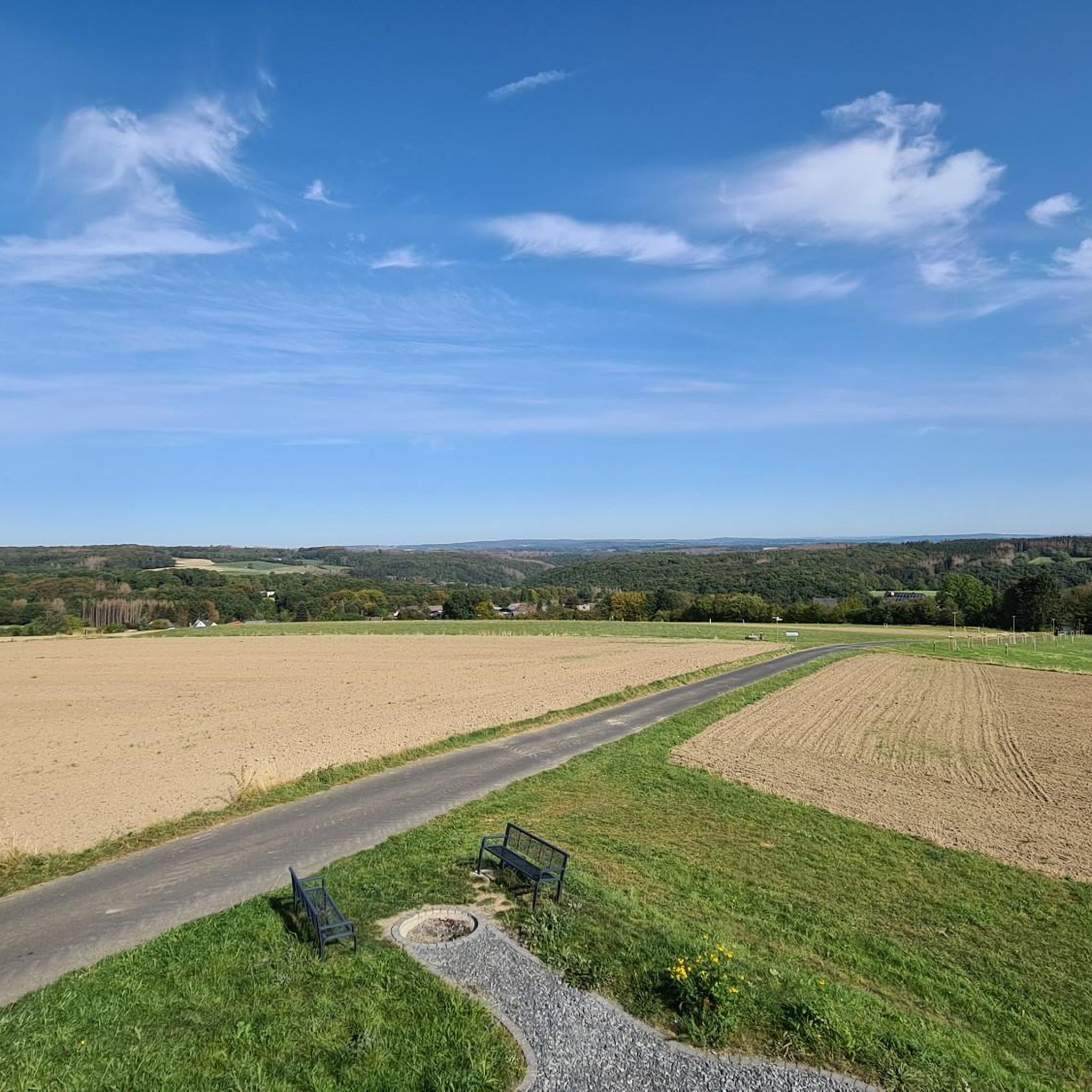
Possibility of rest and view of the tunnel and the castle
1
0

The tunnel addresses the history of mining. The last time I visited the tunnel, there were lots of small bats living there. The history is also explained in detail on site.
0
0

Unfortunately I didn't have time to visit the tunnel.
0
0


Unfortunately, the tunnel cannot be visited
1
0

The tunnel was a legacy of the Louise mine and can be viewed by appointment. There is also a rest area.
0
0

You can take a look through the grille into the Alvensleben tunnel and find out more about the history of mining on site on the information board.
1
0
Frequently Asked Questions
What types of caves can I explore around Krunkel?
The Krunkel region features a mix of former mining tunnels and natural cave formations. These include historical slate mines, such as the Laubach Valley Slate Mines, and significant historical tunnels like Alvenslebenstollen, which showcase the area's geological and industrial past.
Are there any caves around Krunkel that are open to visitors?
Yes, the Alvenslebenstollen, a historical mine tunnel, can be viewed by appointment. This 1546-meter long tunnel offers insights into 19th-century mining engineering. Other sites, like the Laubach Valley Slate Mines, are primarily protected as bat habitats and are not openly accessible to the public.
What historical significance do the caves around Krunkel hold?
Many caves in the Krunkel area are former slate mines, reflecting the region's rich industrial history. Sites like the Laubach Valley Slate Mines were once vital for extracting valuable slate. The Alvenslebenstollen is a testament to historical mining engineering, constructed between 1835 and 1864. Additionally, The Gold Hole and the Boller-Mosch is associated with local folklore and offers a glimpse into the region's past.
Are there family-friendly cave experiences in Krunkel?
The Alvenslebenstollen is categorized as family-friendly and can be visited by appointment, offering an educational experience about historical mining. While other caves are protected for wildlife, this historical tunnel provides an accessible option for families.
What natural features can I observe in the caves around Krunkel?
The caves around Krunkel, particularly the former mining tunnels, serve as important habitats for local wildlife. The Laubach Valley Slate Mines and the Old Slate Mine Entrance (Bat Protection) are crucial winter quarters for various endangered bat species, including bearded bats, water bats, pipistrelle bats, and large mouse-eared bats. The Sealed Cave in Naturpark Rhein-Westerwald also provides a good roosting place for bats.
What outdoor activities can I combine with a visit to the caves?
The Krunkel area offers various outdoor activities. You can find numerous hiking trails, such as the 'Krunkel Deep Drilling – Krunkel Panorama View loop', or explore road cycling routes like the 'Sayntal – Isenburg Castle Ruins loop'. For more options, check out the hiking guide, road cycling guide, and running trails guide around Krunkel.
Are there hiking trails that lead to or near the caves?
Yes, the region around Krunkel, including parts of the Naturpark Rhein-Westerwald, has hiking trails where you might encounter old tunnel entrances and cave formations. For example, the 'Krunkel Deep Drilling – Otto Tunnel loop' is a moderate hike. You can find more hiking options in the Hiking around Krunkel guide.
What do visitors appreciate most about the caves around Krunkel?
Visitors appreciate the unique blend of geological interest and historical significance. The former slate mines and tunnels offer insights into the region's industrial past and serve as important habitats for endangered bats. The community has shared over 130 photos and given more than 300 upvotes, highlighting the appeal of these underground formations.
Can I visit the caves during winter?
Many of the former mining tunnels, such as the Laubach Valley Slate Mines and the Old Slate Mine Entrance (Bat Protection), are secured by bars and closed to human access, especially during winter, as they serve as crucial winter quarters for bats. For specific visiting information on accessible sites like the Alvenslebenstollen, it's best to inquire about appointments.
Are there any hidden or less-known caves in the Krunkel area?
While many sites are well-documented, the region's landscape, particularly within the Naturpark Rhein-Westerwald, holds numerous old tunnel accesses and cave formations. Some, like the Sealed Cave in Naturpark Rhein-Westerwald, might be easily overlooked but offer interesting glimpses into the underground world, often serving as bat roosts.
What should I know about permits or access restrictions for caving in Krunkel?
Access to many of the former mining tunnels and natural caves in Krunkel is restricted, primarily to protect endangered bat species. Sites like the Laubach Valley Slate Mines are secured with grilles. For the Alvenslebenstollen, viewing is possible by appointment, indicating that organized access is required. It's advisable to check with local tourist information or the specific site for current access rules and any necessary permits.
Most popular routes around Krunkel
Most popular attractions around Krunkel

Get inspired with the komoot mobile app


Explore more
Extend your search for the best caves by checking out these guides of the top ones around Krunkel:
