Top 3 Caves around Markgröningen
Best caves around Markgröningen are found in a region known for its medieval old town and half-timbered houses, offering natural and historical underground features. The area's geology includes karst landscapes, which are formed by the dissolution of soluble rocks, leading to various cave formations. These sites provide opportunities for exploring local geology and natural landscapes. The vicinity offers informal natural sites suitable for those interested in hiking and natural exploration.
Best caves around Markgröningen
- The most popular caves is Hauerlöcher…
Last updated: June 26, 2026
Hauerlöcher Cliff
Highlight • Natural Monument
Translated by Google •
Tip by

Former Vogtei Großsachsenheim
Highlight • Historical Site
Translated by Google •
Tip by
Sign up now to discover places like this
Get recommendations on the best single tracks, peaks, & plenty of other exciting outdoor places.
Sign up for free
Staudenloch
Highlight • Cave
Translated by Google •
Tip by

Karst Caves
Highlight • Cave
Translated by Google •
Tip by
Cave above the Glems
Highlight • Cave
Showing Translation
Tip by
Start today with a free account
Your next adventure awaits.
Login or Signup
Tips from the Community

Entrance to the approximately 30 x 10 m vaulted cellar of the Sachsenheim bailiwick, which was managed by the master cooper. The Württemberg coat of arms with the year 1614 is visible in the archway. There was an underground passageway connecting it to the bailiwick opposite, the present-day rectory.
4
0

The hole looks rather inconspicuous and isn't secured, but it's best not to enter.
1
0

Impressive rock face with many mysterious little caves
3
0
Rest area with seating, as well as information and a view of the Hauerhöhlen.
13
1

An exciting rock face that you can only partially see from the path
2
0

Monumental half-timbered house with an interesting history
2
1
Important facilities in the center of the old town
2
3

Here is the entrance to the 30 x 10 meter vaulted cellar of the Bailiwick of Großsachsenheim.
2
0
Frequently Asked Questions
What is the typical difficulty level for exploring caves around Markgröningen?
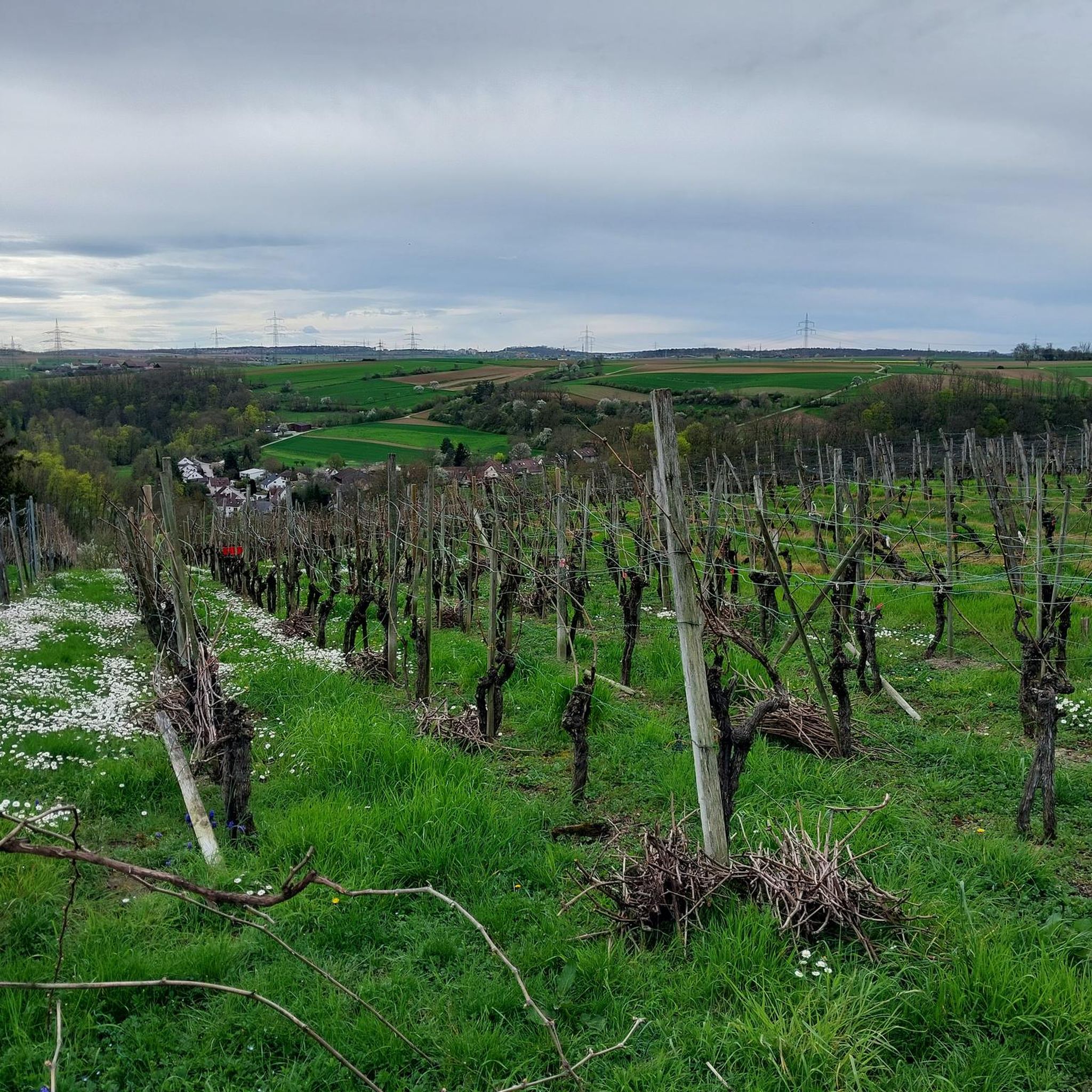
The caves and rock formations in the Markgröningen area are generally more informal natural sites, often requiring some hiking to reach. For instance, the Cave above the Glems involves a somewhat adventurous descent over old vineyards. Many of these sites are suitable for those who enjoy hiking and exploring natural landscapes, with an intermediate difficulty level for the approach.
Are there family-friendly caves to visit near Markgröningen?
While many of the natural cave formations are more adventurous, some nearby highlights are marked as family-friendly. For example, the Hauerlöcher Cliff is a natural monument that offers a rest area and information, making it suitable for families. The Former Vogtei Großsachsenheim, with its historic vaulted cellar, is also listed as family-friendly.
What unique geological features can I expect to see in the caves around Markgröningen?
The Markgröningen area features Karst Caves, indicating a landscape formed by the dissolution of soluble rocks like limestone. This geological process creates unique formations such as caves and sinkholes. While these are often less developed than typical show caves, they offer a chance to witness natural geological processes. The Unterer Haldenrain Quarry also showcases rugged rock faces, providing insight into local geology.
Are there any historical sites related to caves in the Markgröningen area?
Yes, the Former Vogtei Großsachsenheim is a notable historical site. It features an entrance to an approximately 30 x 10 meter vaulted cellar, which was part of the Sachsenheim bailiwick and has a rich history dating back to the 15th century. This site offers a glimpse into the region's past alongside its natural features.
When is the best time to visit the caves in the Markgröningen area?
Given that many of the cave sites are natural and less developed, the best time to visit is typically during drier seasons, such as spring, summer, or early autumn. This ensures more comfortable hiking conditions to reach the sites and better visibility. Winter visits might be possible but could involve muddy or slippery paths, especially for sites like the Cave above the Glems which has an adventurous descent.
What outdoor activities can I combine with a visit to the caves?
The Markgröningen area is excellent for combining cave exploration with other outdoor activities. You can find numerous hiking trails, including dog-friendly hikes, and running trails. There are also traffic-free bike rides available, allowing you to explore the scenic landscapes around the cave locations.
Are guided tours available for the caves in this region?
The caves and rock formations around Markgröningen are primarily informal natural sites rather than developed tourist attractions. This means that formal guided tours are generally not available. Visitors typically explore these locations independently as part of a hike or nature walk.
What should I wear when exploring caves in the Markgröningen area?
Since many of these sites involve hiking and potentially adventurous descents, it's advisable to wear sturdy hiking shoes with good grip. Dress in layers suitable for outdoor activity, and consider bringing a headlamp or flashlight for exploring any darker sections of the caves. Gloves might also be useful for scrambling or navigating rough terrain.
Can I bring my dog to the caves around Markgröningen?
Many of the natural outdoor areas and hiking trails leading to the caves are dog-friendly. For example, you can find dog-friendly hikes around Markgröningen. However, always keep your dog on a leash and be mindful of other visitors and wildlife, especially in nature reserve areas like the Unterer Haldenrain Quarry.
Are there any hidden or less-known caves to explore?
The Cave above the Glems is described as somewhat hidden and requires an adventurous descent, suggesting it's a less frequented spot for those seeking discovery. The Staudenloch also has a mysterious reputation, with local stories about its depth, making it an intriguing, less-known natural feature.
Most popular routes around Markgröningen
Most popular attractions around Markgröningen

Get inspired with the komoot mobile app


Explore more
Extend your search for the best caves by checking out these guides of the top ones around Markgröningen:
