Top 20 Gorges around Bad Münstereifel
Best canyons around Bad Münstereifel are characterized by impressive gorges, valleys, and significant geological formations within the Eifel region. The area offers diverse natural landscapes, including ancient rock formations and rich ecosystems. These features provide opportunities for hiking and exploring the geological history of the region. Bad Münstereifel's surroundings are known for their natural beauty and varied terrain.
Best canyons around Bad Münstereifel
- The most popular canyons is Devil's Hole, a natural monument that is a significant geological feature with views of the Ahr valley. This site requires appropriate footwear and sure-footedness for exploration.
- Another must-see spot is Vischelbach Valley, a trail and gorge. This valley follows the Vischelbach, a short river, offering an idyllic experience within the Ahr Valley.
- Visitors also love Genfbach Valley, a gorge known for its natural stream and diverse plant life. This valley is recognized for its ecological importance and provides a setting for relaxing hikes.
- Bad Münstereifel is known for gorges, valleys, and natural monuments. The region offers a variety of natural formations to explore.
- The canyons around Bad Münstereifel are appreciated by the komoot community. Users have contributed more than 1900 photos and over 2500 upvotes for these locations.
Last updated: June 26, 2026
Devil's Hole
Highlight • Natural Monument
Translated by Google •
Tip by

Mountain trail at the Teufelsloch
Highlight (Segment) • Natural Monument
Tip: only hike there in dry weather, in wet weather the loose slate rubble could be slippery.
Translated by Google •
Tip by

Sign up now to discover places like this
Get recommendations on the best single tracks, peaks, & plenty of other exciting outdoor places.
Sign up for free
Rock Path Above Mayschoß
Highlight • Trail
From there you have wonderful views of the Ahr valley, Mayschoß and the Saffenburg castle ruins.
Translated by Google •
Tip by

Genfbach Valley
Highlight • Gorge
Translated by Google •
Tip by

Vischelbach Valley
Highlight • Trail
Translated by Google •
Tip by

Sign up for free to discover even more gorges around Bad Münstereifel.
Sign up for free
Already have an account?
Start today with a free account
Your next adventure awaits.
Login or Signup
Popular around Bad Münstereifel
Eifel National Park information centres and facilities
Hiking around Bad Münstereifel
Cycling around Bad Münstereifel
MTB Trails around Bad Münstereifel
Road Cycling Routes around Bad Münstereifel
Running Trails around Bad Münstereifel
Mountain Hikes around Bad Münstereifel

Gravel biking around Bad Münstereifel
Other adventures around Bad Münstereifel

Tips from the Community

Very good valley for hiking and cycling. The paths lead to all villages. You can reach Nettersheim, Blankenheim, Tondorf etc. from here without any problems. All paths are paved. Tar or gravel.
0
0

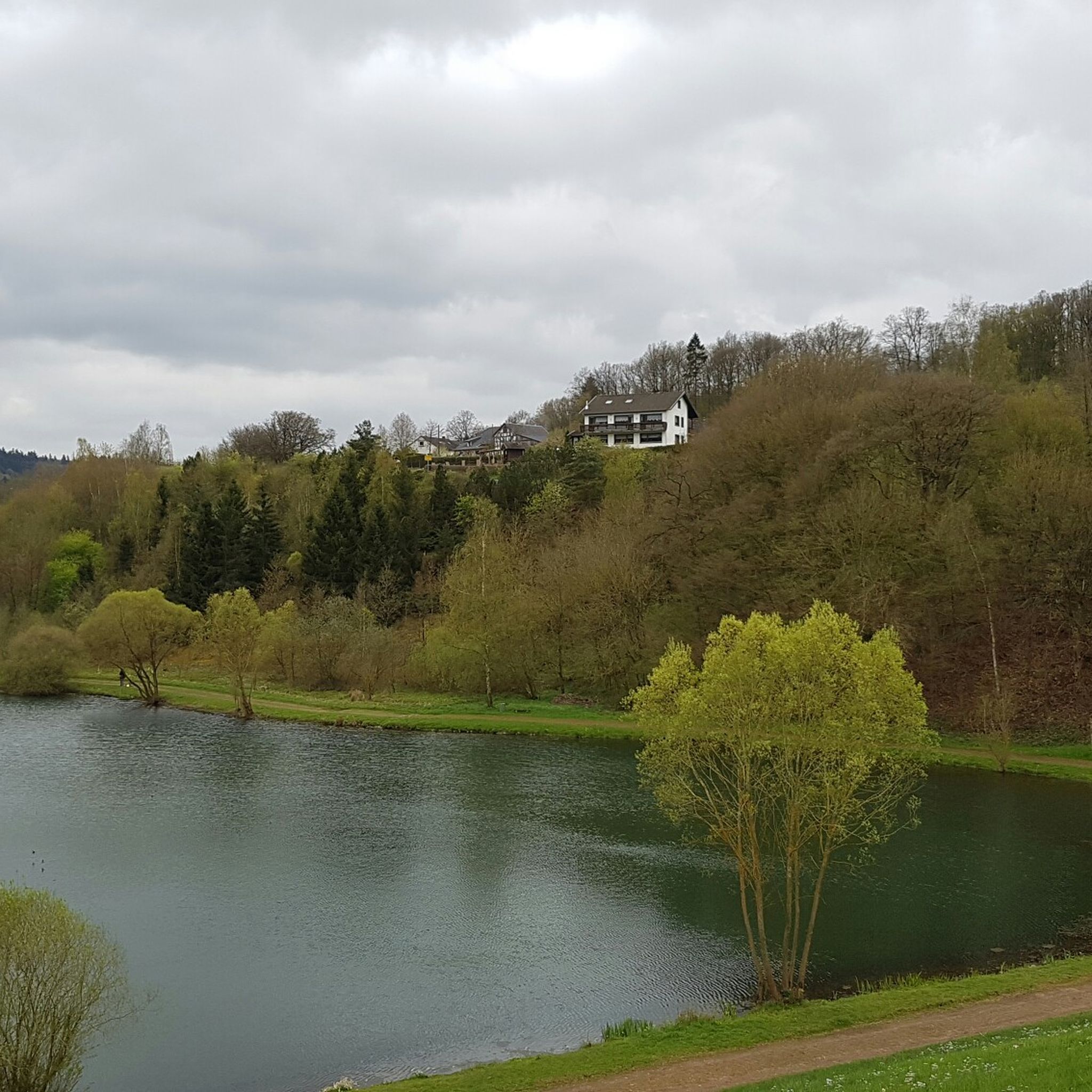
The Genfbach Valley is located in the Eifel region on the so-called Nettersheim-Marmagen Plateau and is a region of particular ecological importance. Its name comes from the Genfbach, a stream approximately ten kilometers long that rises above Blankenheim and meanders largely naturally through the landscape until it finally flows into the Urft River in Nettersheim. Large parts of the Genfbach Valley, particularly the section southeast of Nettersheim, are protected and designated as a protected area of European importance. This is due to the biotope and species diversity still typical of a low mountain range. It features species-rich wet meadows, near-natural stream floodplains, limestone marshes, and alder-ash forests. These habitats provide shelter for a rich variety of wildlife, including rare bird species such as the whinchat, kingfisher, and meadow pipit. Larger mammals such as the wildcat also use the valley as an important migration corridor. The botanical diversity is equally remarkable, with rare plants such as broad-leaved marsh orchid, devil's claw, and, in large numbers, wood cranesbill thriving in the colorful valley meadows. In the heart of the Genfbach Valley, approximately halfway between the source and mouth, lies the historic Ahe Chapel. Dedicated to Bishop Saint Servatius, the chapel was built around 1330. It is the only remaining building from the lost village of Ahe and boasts a long tradition as a place of pilgrimage. Inside the chapel is a 15th-century wooden statue of Saint Servatius. Every year on May 13, the saint's feast day, a procession takes place to the chapel. For hikers, the Genfbach Valley is accessible via several hiking trails, such as the Eifel Loop Ahe Chapel, offering a varied route through expansive meadows and picturesque forests.
0
0

The climb behind the Vischelbach valley is overgrown in the upper part. Here, you must look for an alternative.
0
0

A very beautiful, idyllic stream valley. This is the perfect place for a relaxing hike.
2
0

The devil once went to the Ahr valley and was so pleased with the land and its people, but especially the excellent red wine, that he forgot his way home. One day, while he was resting on the mountain opposite Are Castle, his grandmother approached him in the form of a beautiful girl. In the arms of the lovesick devil, she quickly changed back into the disgusting old woman he knew all too well. Angrily, he grabbed his grandmother and threw her back through the rock face into hell. This is how the Teufelsloch came into being, which can still be seen above Altenahr today.
20
0


An impressive extra to hike through. I always like it
6
0
Caution, the old comments before July 2021 should be treated with caution. Some of the paths along the Vischel towards the Ahr are still impassable due to the flood damage!!! This also applies to all cycle paths on the Ahr.
2
0
Frequently Asked Questions
What unique geological features can I explore in the valleys around Bad Münstereifel?
The region offers several impressive geological formations. For instance, the Eschweiler Tal features an ancient quarry where rocks formed 320 million years ago preserve traces of ancient plants and animals. You can also visit the Devil's Hole, a significant natural monument with a mythical origin story, offering great views of the Ahr valley. Another impressive formation is the Prümer Tor, a 12-meter high and 6-8 meter wide rock formation carved solely by water.
What kind of wildlife and plant life can I expect to see in the valleys near Bad Münstereifel?
The Genfbach Valley is particularly rich in biodiversity, featuring species-rich wet meadows, near-natural stream floodplains, and alder-ash forests. You might spot rare bird species like the whinchat, kingfisher, and meadow pipit, or even wildcats. Botanically, it's home to rare plants such as broad-leaved marsh orchid and devil's claw. The Schleidbach Valley, part of a nature reserve, is known for a variety of woodpecker species, red kites, and kingfishers.
Are there specific hiking trails that explore the gorges around Bad Münstereifel?
Yes, many trails lead through these natural formations. The Vischelbach Valley offers an idyllic trail along the Vischelbach stream, providing a relaxing experience within the Ahr Valley. For more hiking options, you can explore various routes in the area, including those found in the Easy hikes around Bad Münstereifel guide.
What outdoor activities are available near the gorges of Bad Münstereifel besides hiking?
Beyond hiking, the region around Bad Münstereifel offers excellent opportunities for cycling and gravel biking. You can find numerous routes in guides such as Cycling around Bad Münstereifel and Gravel biking around Bad Münstereifel. These guides feature diverse routes that allow you to explore the scenic landscapes on two wheels.
Are the valleys around Bad Münstereifel suitable for families with children?
Yes, several valleys are family-friendly. The Genfbach Valley is ideal for relaxing hikes with its natural stream and diverse plant life. Similarly, the Schleidbach Valley offers a pleasant experience for families, including a fallow deer garden where animals can be observed up close.
Are there any historical or cultural sites within the valleys near Bad Münstereifel?
The Genfbach Valley is home to the historic Ahe Chapel, built around 1330. This chapel is the sole remaining structure of the lost village of Ahe and has a long tradition as a pilgrimage site. Additionally, the legend of the Devil's Hole adds a touch of local folklore to the natural surroundings.
When is the best time of year to visit the gorges and valleys near Bad Münstereifel?
The valleys and gorges around Bad Münstereifel offer beauty throughout the year, with each season bringing a different charm. Spring is vibrant with blooming orchids and lush greenery, while autumn provides stunning foliage. The appearance of formations like the Eschweiler Tal quarry changes with varying light conditions and seasons, making it a rewarding visit at any time. For hiking, spring to early autumn generally offers the most pleasant weather.
What should I wear or bring for exploring the gorges and valleys?
Appropriate footwear is essential, especially for areas like the Devil's Hole, which requires sure-footedness. Sturdy hiking boots are recommended for most trails. Depending on the season, layers of clothing, rain gear, water, and snacks are advisable. Binoculars can enhance wildlife viewing in biodiverse areas like the Genfbach Valley.
Are there viewpoints offering scenic vistas of the valleys and surrounding Eifel region?
Yes, several spots provide excellent views. The Devil's Hole offers a great view of the Ahr valley and the Are castle. The Prümer Tor is situated on a scenic Ahrbogen, providing a picturesque setting. The Genfbach Valley also offers beautiful views, regardless of the weather, with its natural stream and diverse plant life.
Where can I find parking for the trails leading to these natural attractions?
While specific parking details for every trailhead are not provided, you can generally find parking options in or near Bad Münstereifel and at the starting points of popular hiking routes. For example, trails exploring the Eschweiler Tal often have parking available near the town center or designated trailheads. It's advisable to check local signage or online maps for specific parking areas before your visit.
Can I reach the valleys and gorges around Bad Münstereifel by public transport?
Public transport options are available to reach the Bad Münstereifel area, and some local bus routes may serve villages or trailheads near the valleys. However, access to more remote natural areas might require a combination of public transport and a walk. For detailed planning, it's best to consult local bus schedules and route maps for the Eifel region.
Most popular routes around Bad Münstereifel
Most popular attractions around Bad Münstereifel

Get inspired with the komoot mobile app


Explore more
Already discovered everything in this region? See additional gorges around Bad Münstereifel for your next adventure:
