Top 6 Castles around Sankt Stefan im Gailtal
Castles around Sankt Stefan im Gailtal offer a glimpse into the region's rich history and architectural heritage. This municipality in Carinthia, Austria, features 6 castles, ranging from well-preserved structures to ruins. The area's historical sites contribute to its cultural landscape, providing points of interest for exploration.
Best castles around Sankt Stefan im Gailtal
- The most popular castles is Khünburg Castle Ruins: Tower and View, a castle that offers views from its tower. It is accessible via a forest path,…
Last updated: June 26, 2026
Fort Hensel
Highlight • Historical Site
Translated by Google •
Tip by

Khünburg Castle Ruins: Tower and View
Highlight • Castle
Translated by Google •
Tip by

Sign up now to discover places like this
Get recommendations on the best single tracks, peaks, & plenty of other exciting outdoor places.
Sign up for free
Jägersteig to Khünburg Castle
Highlight (Segment) • Trail
Translated by Google •
Tip by
Lecherhof
Highlight • Restaurant
Translated by Google •
Tip by

Möderndorf
Highlight • Settlement
Translated by Google •
Tip by

Sign up for free to discover even more castles around Sankt Stefan im Gailtal.
Sign up for free
Already have an account?
Start today with a free account
Your next adventure awaits.
Login or Signup
Popular around Sankt Stefan im Gailtal
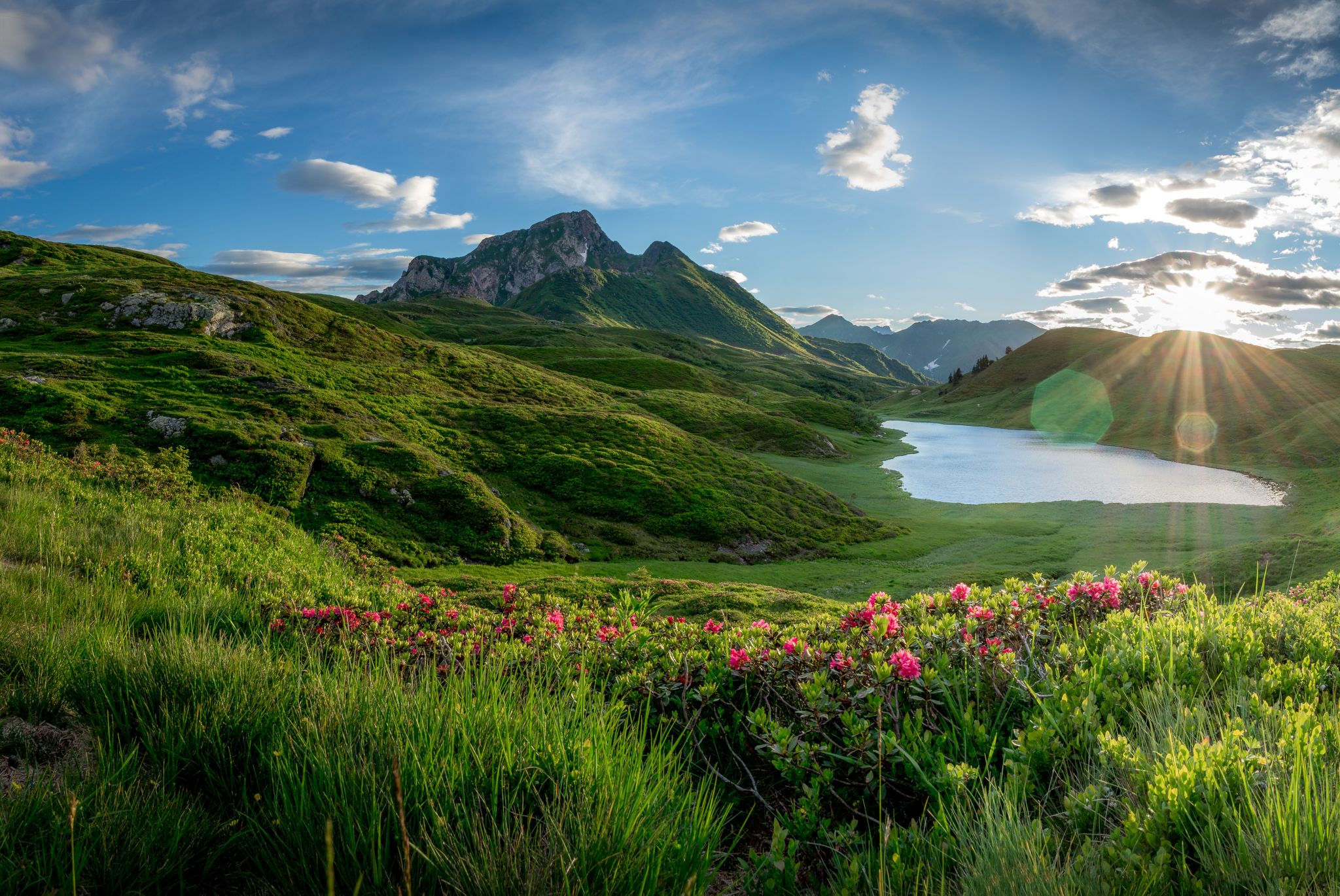
Southern Alpine Trail – Styrian vineyards and the Carnic Alps in Austria
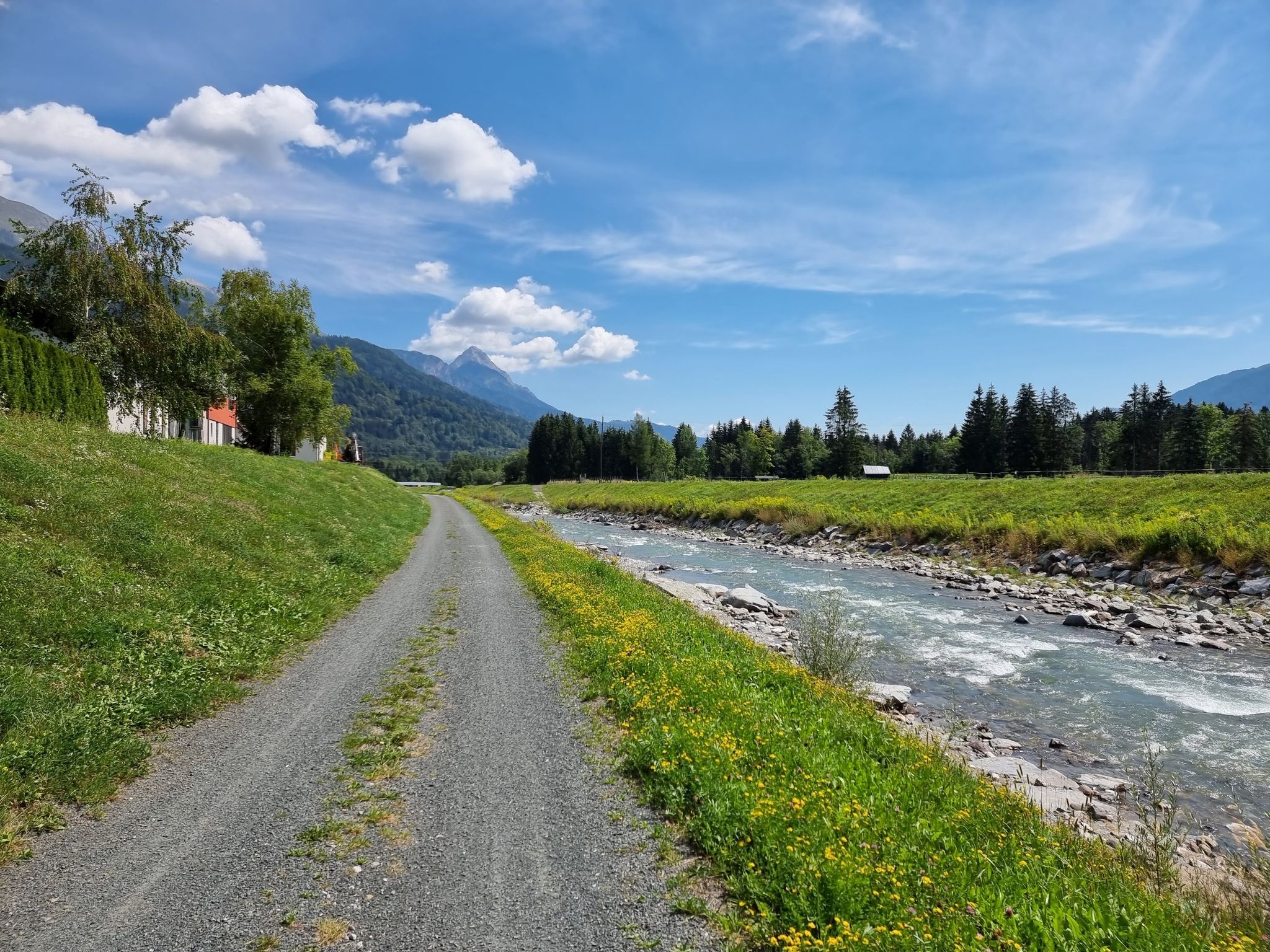
Discover Carinthia in two days on the Gailtal Cycle Path
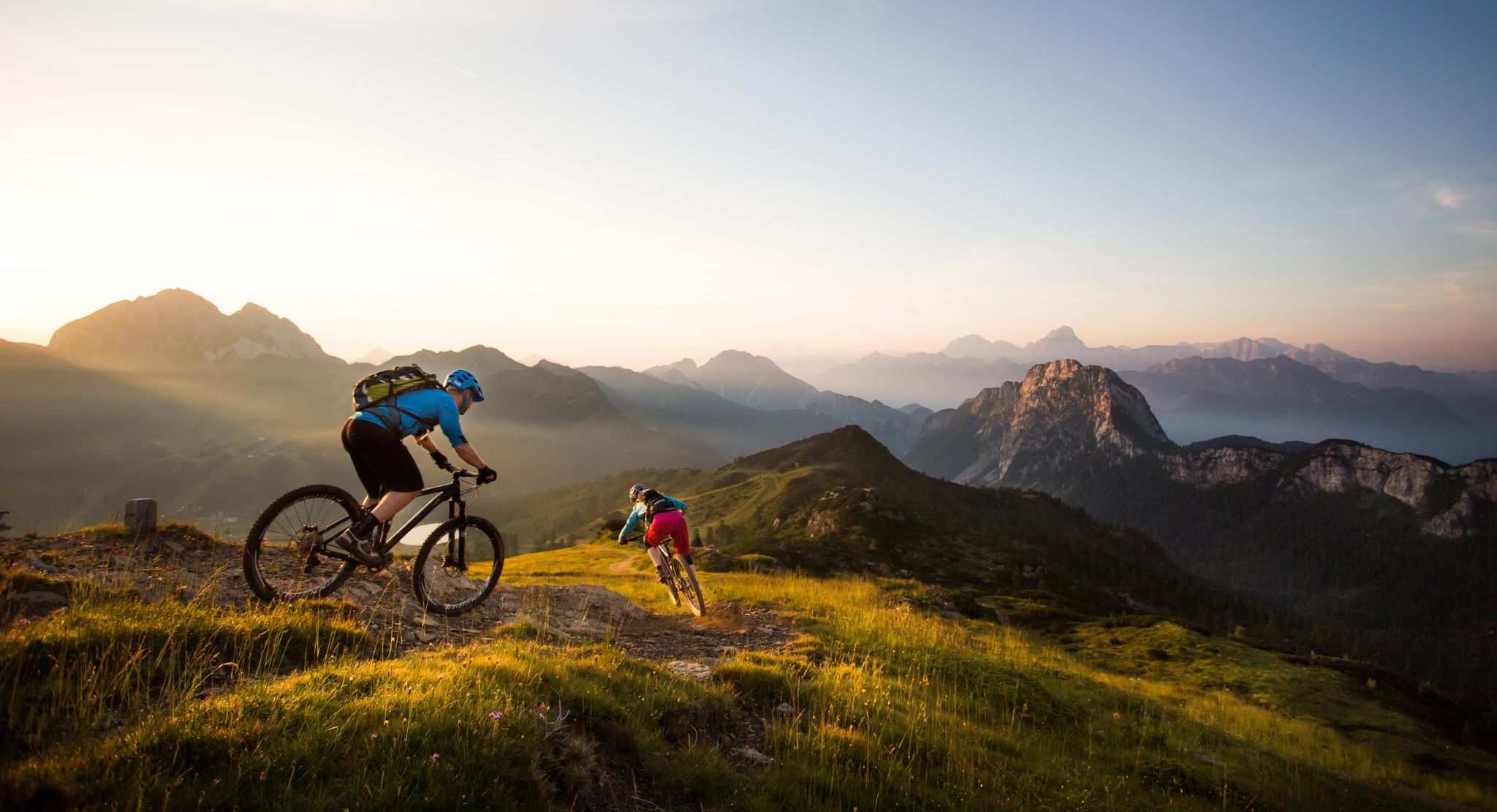
BIKEworld of Mountains & Lakes in Nassfeld-Pressegger Lake
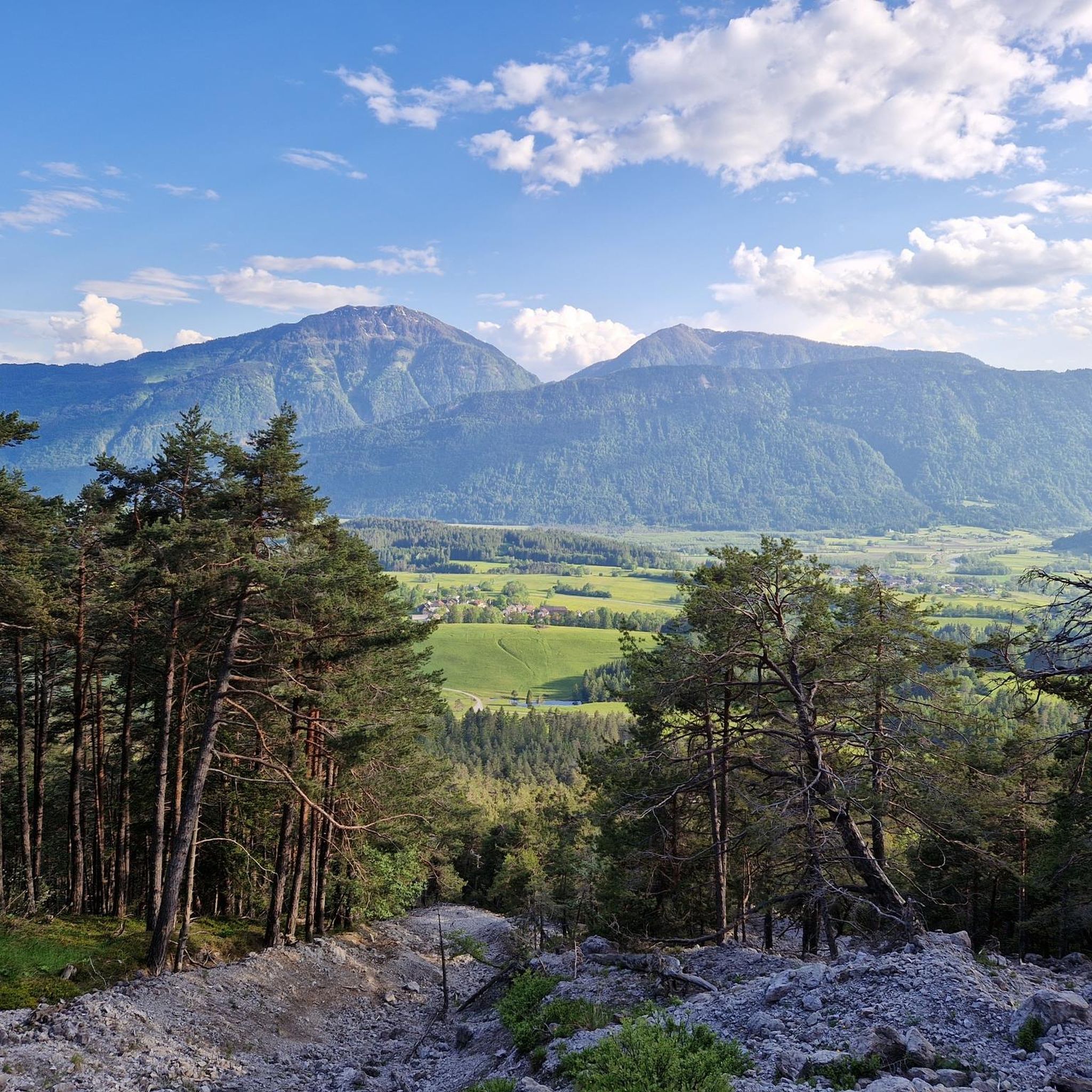
Hiking around Sankt Stefan im Gailtal
Road Cycling Routes around Sankt Stefan im Gailtal
Cycling around Sankt Stefan im Gailtal
Running Trails around Sankt Stefan im Gailtal
MTB Trails around Sankt Stefan im Gailtal
Mountain Hikes around Sankt Stefan im Gailtal
Gravel biking around Sankt Stefan im Gailtal
Other adventures around Sankt Stefan im Gailtal


Tips from the Community

Visit the "Treasure Chamber"; it's worth it. Among other things, you can find the original Gailtaler Speck.
0
0


Plant A with a howitzer battery and a roundabout (Upper Fortress) Armament: 4 machine guns in a battery Howitzer battery: 2 x 10 cm M 5 tank mortars Roundabout: 4 x 9 cm M 4 casemate cannons
0
0
Plant B (Lower Fortress) 4 x 12 cm M 80 minimal embrasure cannons in 2 Gruson tank turrets 4 x 12 cm M 80 minimal embrasure cannons in a Gruson tank battery
0
0

In the small town south of Hermagor you can visit Möderndorf Castle from the 15th century. Since 1983 you have found the Gailtal Local History Museum with its local history collection within the old walls Georg Essl. Not far from the castle is the late Gothic branch church of St. Martin.
1
0

You should also have a head for heights.
0
0

The Jägersteig was partly relocated by fallen trees in the summer of 2023, is very slippery when wet and is only recommended with hiking boots and downhill with poles.
0
0

Fort Hensel used to be one of the most important structures of the Austro-Hungarian defense system; it was built on the Tschalawài cape in 1809, near the village of Malborghetto. It was designed by engineer Captain Friedrich Hensel during the Napoleonic era, as French troops were moving back through the Friulian valleys to the northern border. The two armies clashed on May 15 of the same year and the fort was occupied by French troops for two years. At the end of the Napoleonic period, the fortress was restored in the middle of the warring century and again in 1884, when the Kingdom of Italy had to keep an eye on the border. The building was restored, modernized and converted into a major fortress capable of 18 guns and a 360-degree defense package. It was named Hensel for its attachment, died defending it in May 1809. It remained inactive for 30 years, then was reactivated during the Great War, garrisoning 21 officers and 567 soldiers. The fortress was formed by two buildings 50 meters apart: the first, higher up, would house a barracks, two howitzer batteries and a two-storey bastion with four guns, while the second building consisted of two towers connected by a battery with a total of eight guns. Being equipped with good guns and also accommodating lower caliber guns, Fort Hensel became one of the main targets of the Italian artillery from the tops of the Dogna Valley, along the former frontier. More than two thousand high-caliber shells were fired in the summer of 1915 alone, while about 4,500 shells were counted during the war, destroying the fortress in a heap of rubble. Today, among the dense growth of the cape, we can still see the ruins of such buildings. The visit starts from the small parking lot on the SS13 road, past the village of Malborghetto. The monument of the "Hensel Lion" is clearly visible on the rock face of the cape. If you climb all the way up you can see the gun emplacements, from where you can carefully descend and visit some of the tunnels and chambers. Triggered? Click through to https://www-turismofvg
3
0
Frequently Asked Questions
Which castles around Sankt Stefan im Gailtal can I visit?
While many historic castles in Sankt Stefan im Gailtal are privately owned and not open to the public, you can explore the ruins of Khünburg Castle Ruins: Tower and View. This site offers accessible paths and scenic views. Another significant historical site is Fort Hensel, an former Austro-Hungarian defense structure where you can explore ruins and tunnels.
Are there any family-friendly castles to visit in the area?
Yes, Khünburg Castle Ruins: Tower and View is considered family-friendly and can be easily reached via a forest path. The nearby Lecherhof, a restaurant with historical ties, is also family-friendly and offers a place to relax.
What historical significance do the castles of Sankt Stefan im Gailtal hold?
The castles in Sankt Stefan im Gailtal, such as Schloss Greifenstein, Schloss Bichlhof, Schloss Bodenhof, and Schloss Zossenegg, reflect centuries of regional history, often tied to prominent families like the Aichelburgs. While most are private, their architecture and stories offer a glimpse into the area's past. Fort Hensel, for instance, was a crucial Austro-Hungarian defense structure during the Napoleonic era and World War I.
Can I see Schloss Greifenstein, Schloss Bichlhof, Schloss Bodenhof, or Schloss Zossenegg?
Schloss Greifenstein, Schloss Bodenhof, and Schloss Zossenegg are not open for public visitation, though their exteriors can be viewed. Schloss Bichlhof is a protected monument with distinctive architecture, interesting to observe from the outside, but not typically open for interior tours.
Are there hiking trails to or near the castles?
Yes, you can take the Jägersteig to Khünburg Castle, which is a shortcut through the forest to the castle ruins. For more extensive outdoor activities, you can explore various running trails, gravel biking routes, and MTB trails around Sankt Stefan im Gailtal.
What kind of views can I expect from the castles?
From Khünburg Castle Ruins: Tower and View, you can enjoy panoramic views from its tower. Schloss Bichlhof, situated on a plateau, also offers interesting perspectives of the Gailtal valley from its exterior.
What do visitors particularly enjoy about the castles in Sankt Stefan im Gailtal?
Visitors appreciate the historical insights and the opportunity to explore ruins like Fort Hensel. The accessible forest path to Khünburg Castle Ruins, even in snow, is also a highlight for many, offering both history and nature.
Are there any places to eat near the castles?
Yes, Lecherhof is a restaurant and cafe with historical connections, offering a great place to eat and relax. It's known for its good food and welcoming atmosphere.
What is the best time of year to visit the castles in Sankt Stefan im Gailtal?
The castles and their surrounding areas can be enjoyed throughout the year. Spring and autumn offer pleasant weather for exploring the outdoor ruins and trails. Even in winter, sites like Khünburg Castle Ruins are accessible and offer a unique, snow-covered landscape.
Can I combine a castle visit with other outdoor activities?
Absolutely. The region around Sankt Stefan im Gailtal is ideal for combining historical exploration with outdoor adventures. You can find numerous running, gravel biking, and mountain biking routes that pass by or are close to historical sites and offer scenic views.
Are there any hidden gems among the castles in Sankt Stefan im Gailtal?
While not publicly accessible, the lesser-known Schloss Bichlhof, with its 18th-century architecture and elevated position, can be considered a hidden architectural gem to observe from the exterior, offering a glimpse into the region's heritage away from more frequented spots.
What kind of architectural styles can be seen in the castles of Sankt Stefan im Gailtal?
The castles showcase a range of architectural styles reflecting different historical periods. Schloss Greifenstein, for example, features a 16th-century basic form with corner turrets. Schloss Bichlhof has an 18th-century appearance with Baroque elements, while Schloss Bodenhof retains Late Gothic features alongside Baroque additions. These structures offer a diverse architectural journey through time.
Most popular routes around Sankt Stefan im Gailtal
Most popular attractions around Sankt Stefan im Gailtal

Get inspired with the komoot mobile app


Explore more
Looking for the best castles somewhere else? Discover other guides around Sankt Stefan im Gailtal:
