Top 10 Castles around Großmürbisch
Castles around Großmürbisch provide a historical exploration within the Burgenland region of Austria. While prominent castles are not located directly within Großmürbisch, the surrounding area features several historically significant structures. These include medieval fortifications, historical residences, and modern interpretations of castle architecture. The region offers a diverse landscape for discovering cultural landmarks.
Best castles around Großmürbisch
- The most popular castles is Güssing Castle, a castle that sits majestically on an extinct volcanic cone. It is the oldest castle in Burgenland, built in 1157, and offers a view of the surrounding area.
- Another must-see spot is Luising Manor, a neo-historicist castle building constructed around the year 2000. This residence offers an interesting modern interpretation of castle architecture.
- Visitors also love Rátót Castle, a prestigious castle that survived World War II almost unscathed. It was converted into a four-star hotel in 2003, blending history with modern accommodation.
- Großmürbisch is known for medieval castles, historical residences, and neo-historicist manors. The area offers a variety of castles to see and explore, from ancient fortifications to modern architectural interpretations.
- The castles around Großmürbisch are appreciated by the komoot community, with more than 50 upvotes and more than 250 photos shared.
Last updated: May 13, 2026
Güssing Castle
Highlight • Castle
Translated by Google •
Tip by

Kastell Batthyány Güssing
Highlight • Castle
Translated by Google •
Tip by
Sign up now to discover places like this
Get recommendations on the best single tracks, peaks, & plenty of other exciting outdoor places.
Sign up for free
Old Town Wall Remains at Güssing Castle
Highlight • Historical Site
Translated by Google •
Tip by
Rátót Castle
Highlight • Castle
His son, Kálmán, expanded the property into a prestigious castle and ran a model livestock farm ("Simmental breed").
The castle survived the Second World War almost unscathed. In the following years, the castle's extensive library was almost completely lost. For a time, the castle served as a cultural center, then a school. In 2003, it was converted into a hotel and has had four stars since 2011.
Translated by Google •
Tip by

Luising Manor
Highlight • Castle
Translated by Google •
Tip by

Sign up for free to discover even more castles around Großmürbisch.
Sign up for free
Already have an account?
Start today with a free account
Your next adventure awaits.
Login or Signup
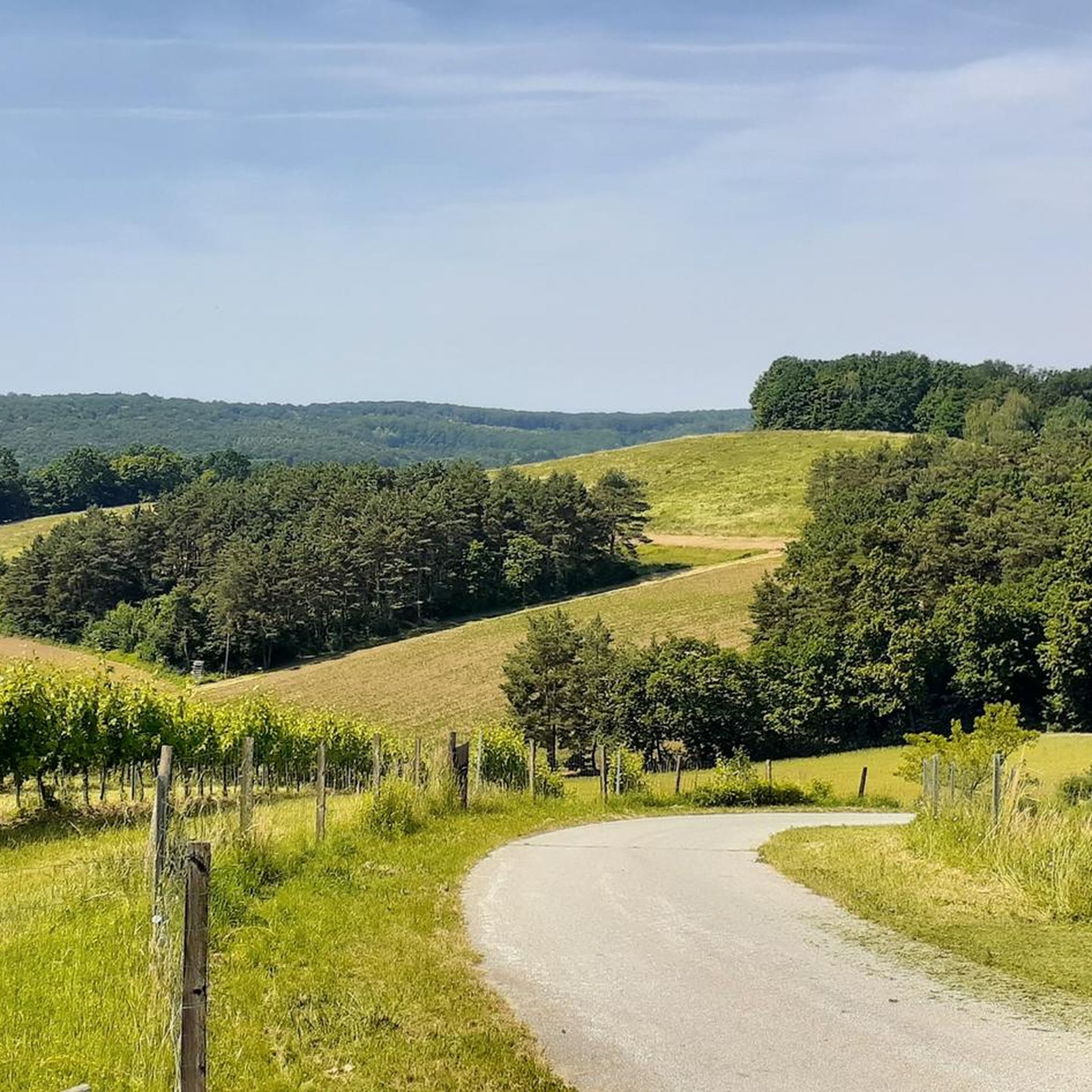
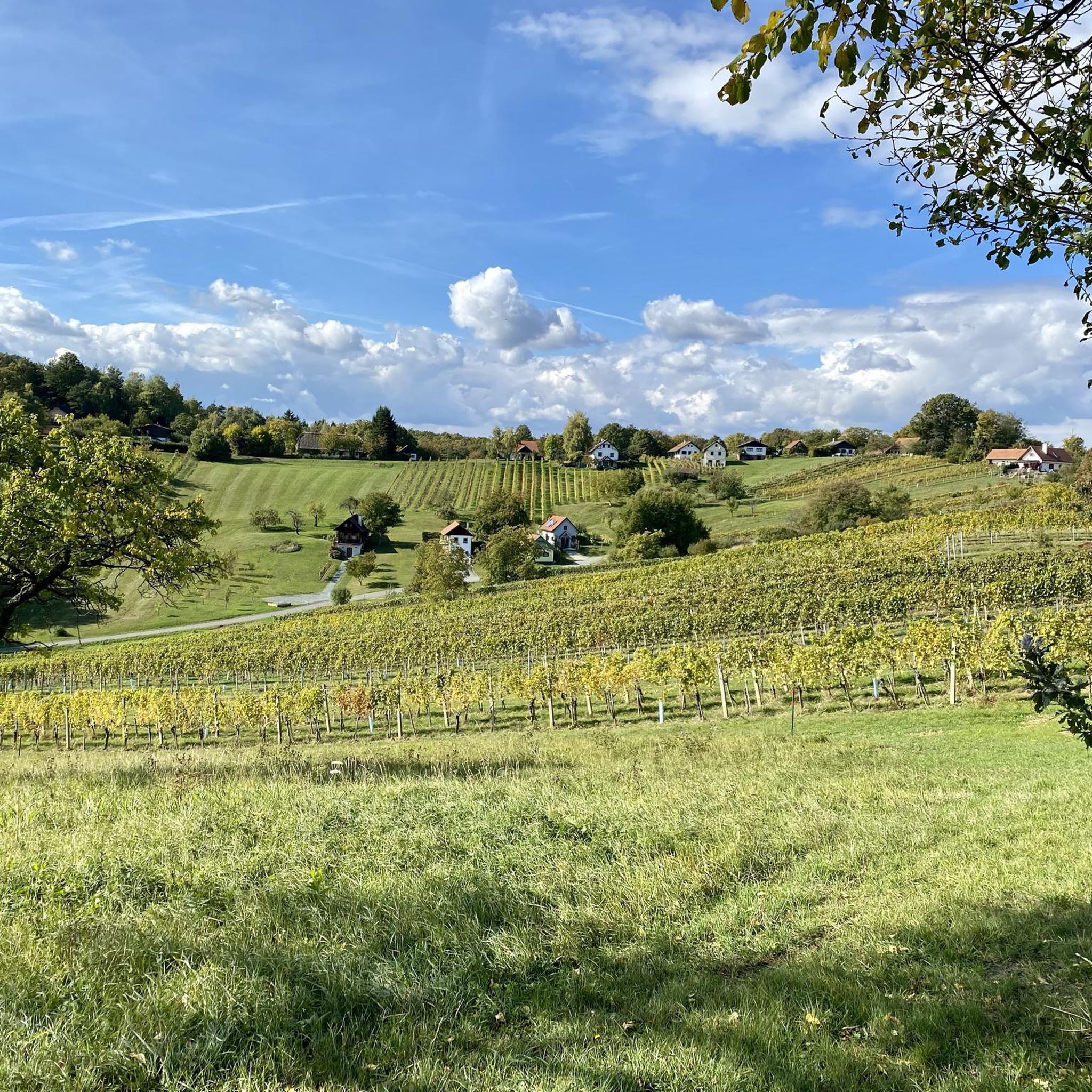
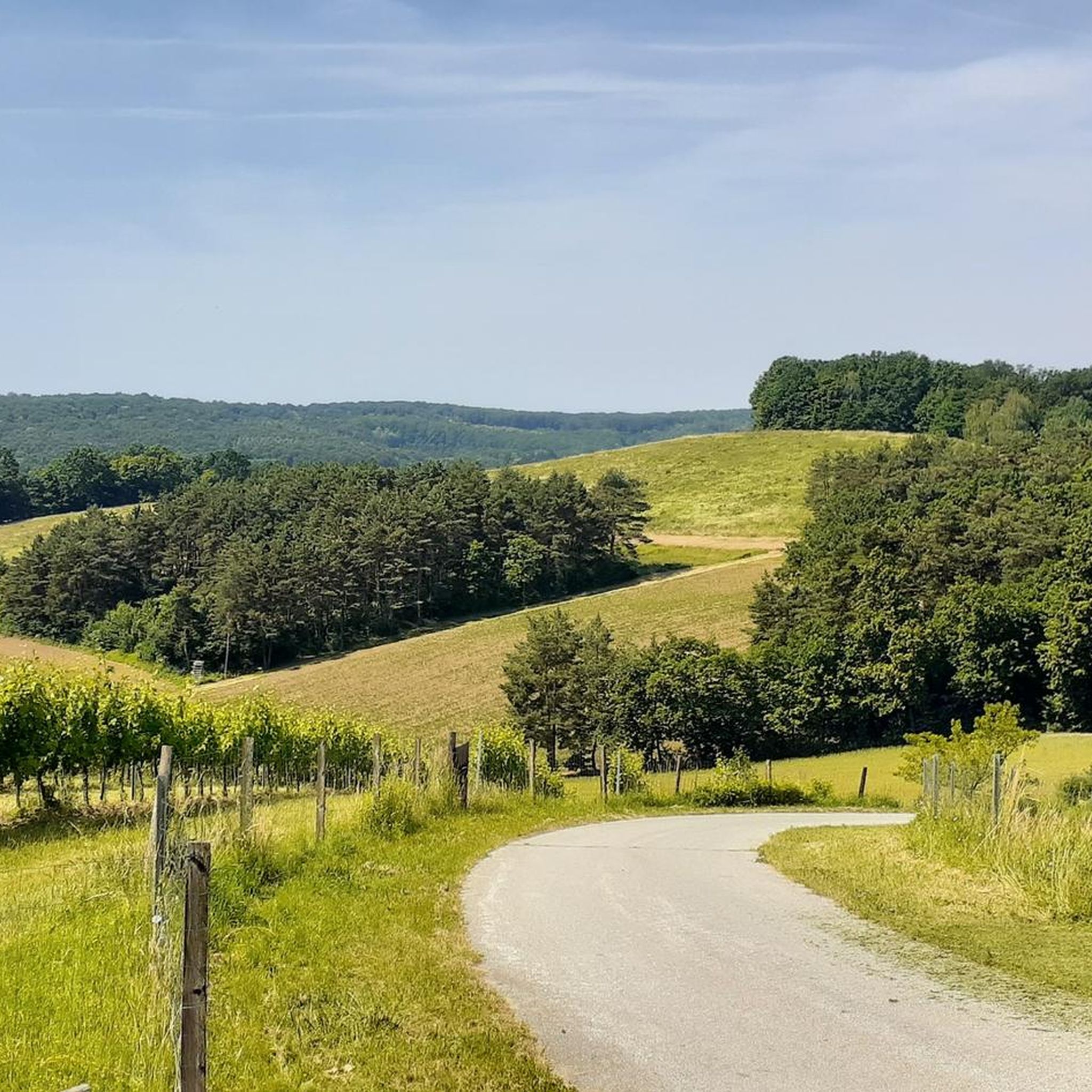
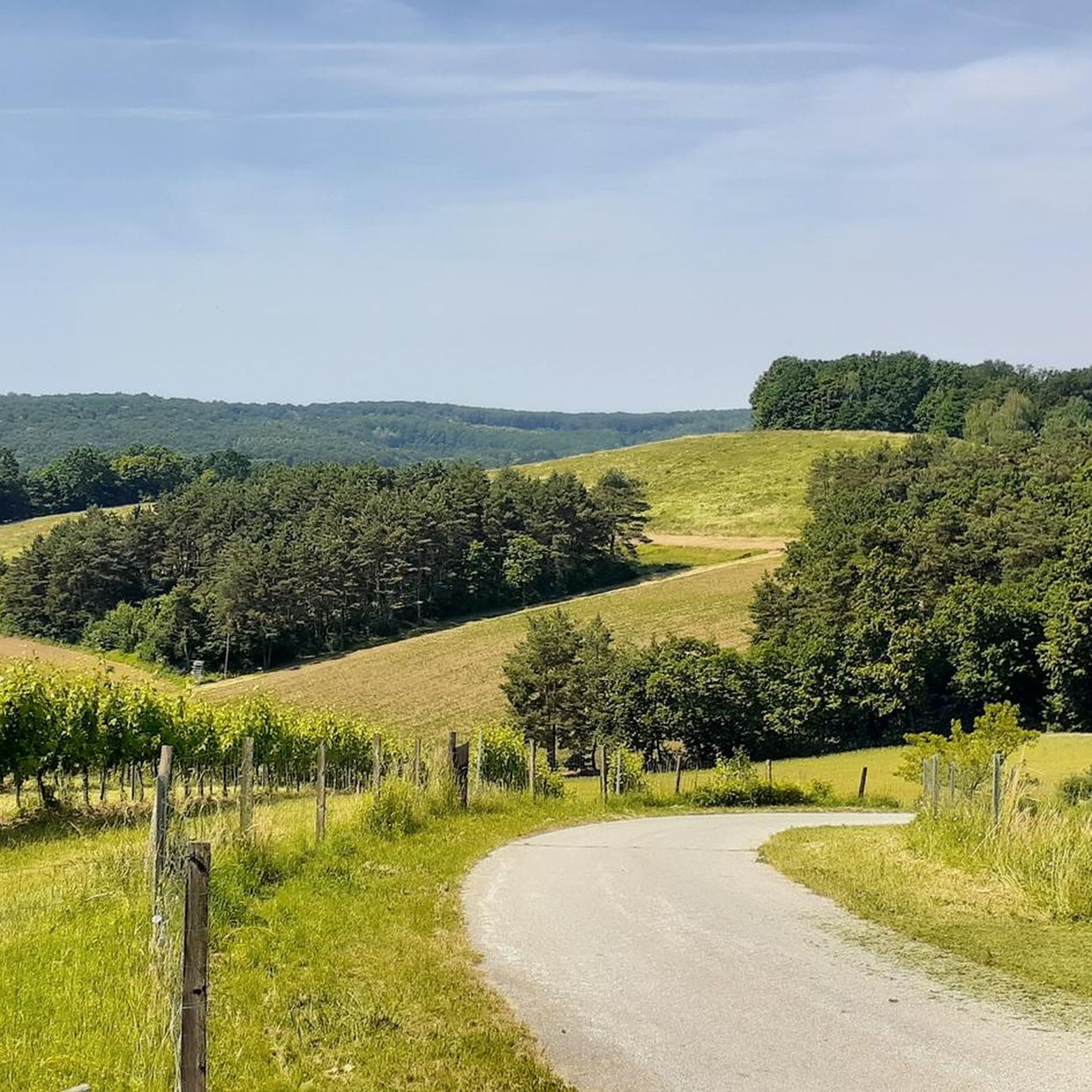
Tips from the Community


Rátót was originally a farm belonging to Gasztony and was first mentioned in 1428 as Rathodfolua. In 1865, József Széll purchased an estate here. His son, Kálmán, expanded the property into a prestigious castle and ran a model livestock farm ("Simmental breed"). The castle survived the Second World War almost unscathed. In the following years, the castle's extensive library was almost completely lost. For a time, the castle served as a cultural center, then a school. In 2003, it was converted into a hotel and has had four stars since 2011.
2
0

I love this castle! I am happy that it can be visited freely and there is less interference from posterity than in the case of other larger castles in the area. ... there will be good summer programs for sure and I will also award the creative exhibition... Wheelbarrows!😄👍
0
0

Rátót was originally a farm that belonged to Gasztony and was first mentioned in 1428 as Rathodfolua. In 1865, József Széll bought an estate here. His son Kálmán expanded the property into a representative castle and ran a model farm with livestock breeding (“Simmental breed”). The castle survived the Second World War almost unscathed. In the years that followed, the castle's extensive library was almost completely lost. The castle was temporarily a cultural center, then a school. In 2003 it was converted into a hotel and has had four stars since 2011.
0
0
On the northern edge of Luising is the residence of Alfons Mensdorff-Pouilly, an unusual example of a neo-historicist castle building built around the year 2000.
1
0

The castle is very interesting both inside and out - the restaurant was unfortunately closed although it should have been open - the exhibition itself was rather weak - the elevator is very pleasant - a nice trip
8
0
The Güssing Castle is a castle in the town of Güssing in the district of the same name in Burgenland. It is owned by the former noble Batthyány family and is a listed building. The castle, built in the 17th century, was formerly the seat of the Güssing district administration and is now used as a residential and office building.
5
0
The Batthyány Castle is a castle in the town of Güssing in the district of the same name in Burgenland. It is owned by the Batthyány family and is a listed building. Built in the 18th century as a replacement residence for the medieval Güssing Castle, which was considered inconvenient at the time, it is still used by the family for residential purposes today.
8
0
Frequently Asked Questions
What are the most popular castles to visit around Großmürbisch?
The region around Großmürbisch offers several notable castles. Among the most popular is Güssing Castle, the oldest castle in Burgenland, majestically situated on an extinct volcanic cone. Visitors also appreciate Rátót Castle, which blends history with modern accommodation as a four-star hotel, and Luising Manor, an interesting example of neo-historicist architecture.
Are there any family-friendly castles in the Großmürbisch region?
Yes, several castles in the area are suitable for families. Güssing Castle is considered family-friendly, offering an elevator for easy access and a restaurant. Rátót Castle is also listed as family-friendly, providing a historical experience within a hotel setting. Additionally, Lockenhaus Castle, though not in the immediate guide data, is known for its knight's games and bat-watching experiences, making it a great adventure for all ages.
What historical insights can I gain from visiting castles near Großmürbisch?
Visiting castles in the region offers a deep dive into history. Güssing Castle, built in 1157, is the oldest in Burgenland and showcases centuries of defensive architecture and aristocratic life. Rátót Castle provides a glimpse into 19th-century estate life and its transformation through WWII and into a modern hotel. Lockenhaus Castle, with its medieval origins, is steeped in legends and offers a rich narrative of knights and historical events.
Are there castles that offer accommodation or dining options?
Yes, some castles in the area provide these amenities. Rátót Castle has been converted into a four-star hotel, blending historical ambiance with modern comfort. Güssing Castle features a restaurant with a garden, perfect for enjoying the views. Lockenhaus Castle also offers a tavern and the unique opportunity to stay in exclusive castle rooms or the adjoining Castle Hotel.
What kind of architectural styles can I expect to see among the castles?
The castles around Großmürbisch showcase a range of architectural styles. You'll find classic medieval fortifications like Güssing Castle, which features fortress walls from the 16th and 17th centuries. The 18th-century Kastell Batthyány Güssing represents a more residential, Baroque-influenced style. For a modern take, Luising Manor is an interesting example of neo-historicist castle building constructed around the year 2000.
Can I find viewpoints or scenic spots at these castles?
Absolutely. Güssing Castle, perched on an extinct volcanic cone, offers wonderful panoramic views of the surrounding area. Its strategic location made it a weir, and today it provides visitors with picturesque vistas. The Old Town Wall Remains at Güssing Castle also provide a nice viewpoint.
Are there hiking opportunities near the castles around Großmürbisch?
Yes, there are several hiking trails in the vicinity of these historical sites. For example, you can find easy hikes like the 7.2 km 'Kastell Batthyány Güssing – Güssing Castle loop from Güssing' or the 4 km 'Güssing Castle – Güssing Castle loop from Güssing'. You can explore more options on the Easy hikes around Großmürbisch guide.
What other outdoor activities can I do near the castles?
Beyond hiking, the region offers opportunities for cycling and mountain biking. You can find various routes, such as the 'Pinkatal Wine Road – Heiligenbrunn Cellar District loop' for cycling or the 'Punitz Church – Heiligenbrunn loop' for mountain biking. Discover more routes in the Cycling around Großmürbisch and MTB Trails around Großmürbisch guides.
What do visitors particularly enjoy about the castles in this region?
Visitors frequently praise the historical atmosphere and the scenic beauty. For Güssing Castle, the 'aura' of the castle and the 'wonderful view of the surrounding area' are often highlighted. The convenience of an elevator for access is also appreciated. The blend of history and modern amenities, such as the hotel conversion at Rátót Castle, also receives positive feedback.
Is there a castle known for unique natural features or wildlife?
Yes, Lockenhaus Castle, a short drive from Großmürbisch, is notable for its unique natural feature. It hosts the nursery roost of one of Central Europe's largest Geoffroy's bat colonies. This offers visitors special bat-watching experiences, live cams, and guided tours, combining historical exploration with nature observation.
Are there any castles that survived World War II largely intact?
Yes, Rátót Castle is a notable example. It survived World War II almost unscathed, preserving its structure and historical integrity, although its extensive library was unfortunately lost in the years that followed.
What is the best time of year to visit castles in Burgenland?
While specific opening times vary, many castles, like Güssing Castle, typically open their museums and interiors to visitors from April to October. This period generally offers pleasant weather for exploring the grounds and enjoying outdoor activities. It's always a good idea to check individual castle websites for their most current operating hours.
Most popular attractions around Großmürbisch

Get inspired with the komoot mobile app


Explore more
Looking for the best castles somewhere else? Discover other guides around Großmürbisch:
