Top 19 Lakes in South Korea
Best lakes in South Korea present a diverse array of landscapes, including man-made reservoirs, natural crater lakes, and coastal lagoons. The country's rugged topography contributes to the variety of these bodies of water. Many lakes are integrated into national parks or urban green spaces, providing opportunities for recreational activities and scenic views. These locations serve as accessible destinations for outdoor exploration.
Best lakes in South Korea
- The most popular lakes include Baengnokdam Crater, Hallasan Summit, a crater lake located at the summit of Hallasan. Visitors can see the lake at the crater of Hallasan, which is accessible via hiking trails.
- Another must-see spot is Bukhangang Bicycle Path – Balgeun Square Certification Center, a cycle way that features many mountains along the route. This path is known for its scenic views and is a starting point for cycling adventures.
- Visitors also love Yeongnang Lake, a lake situated in northern Sokcho. A paved hiking trail approximately 7.8 kilometers long encompasses the lake, offering views of the nearby Seorak Mountain range.
- South Korea is known for its diverse range of lakes, including man-made reservoirs, natural crater lakes, and coastal lagoons. These bodies of water offer varied environments for exploration and recreation.
- The lakes in South Korea are appreciated by the komoot community, with more than 80 upvotes and 30 photos shared across various highlights.
Last updated: August 19, 2026
Baengnokdam Crater, Hallasan Summit
Highlight • Summit
Tip by

Bukhangang Bicycle Path – Balgeun Square Certification Center
Highlight • Cycleway
Tip by

Sign up now to discover places like this
Get recommendations on the best single tracks, peaks, & plenty of other exciting outdoor places.
Sign up for free
Majang Lake and Gisan Reservoir Descent
Highlight (Segment) • Lake
Tip by

Majang Lake Suspension Bridge
Highlight • Bridge
Translated by Google •
Tip by

Giheung Lake Cycling Path
Highlight (Segment) • Cycleway
Tip by

Yeongnang Lake
Highlight • Lake
Tip by

Gwanggyo Reservoir
Highlight • Lake
There is a bike path on the eastern shore BUT take care since both directions are located on the left hand side of the road they have reversed the normal priority so the right hand lane travels with oncoming traffic. Should you be making a longer stop there are lots more cafes and restaurants beyond and north of the reservoir. It’s possible to cycle all the way up to the trailhead for Gwanggyo San, but it’s really not worth it unless you are going to spend somer time beyond the reservoir for a pit stop, since the road is barred to all vehicles including bicycles before it gets exciting gradient wise.
Tip by
Cheongcho Lake
Highlight • Lake
Tip by
Dragon Falls
Highlight • Waterfall
Translated by Google •
Tip by

Yongyeon Pond
Highlight • Lake
There is a small, round island in the middle of the pond, which is a common feature of traditional Korean ponds. The moon's reflection in this pond is considered one of the most scenic sights of Hwaseong Fortress.
Tip by

Sign up for free to discover even more lakes in South Korea.
Sign up for free
Already have an account?
Start today with a free account
Your next adventure awaits.
Login or Signup

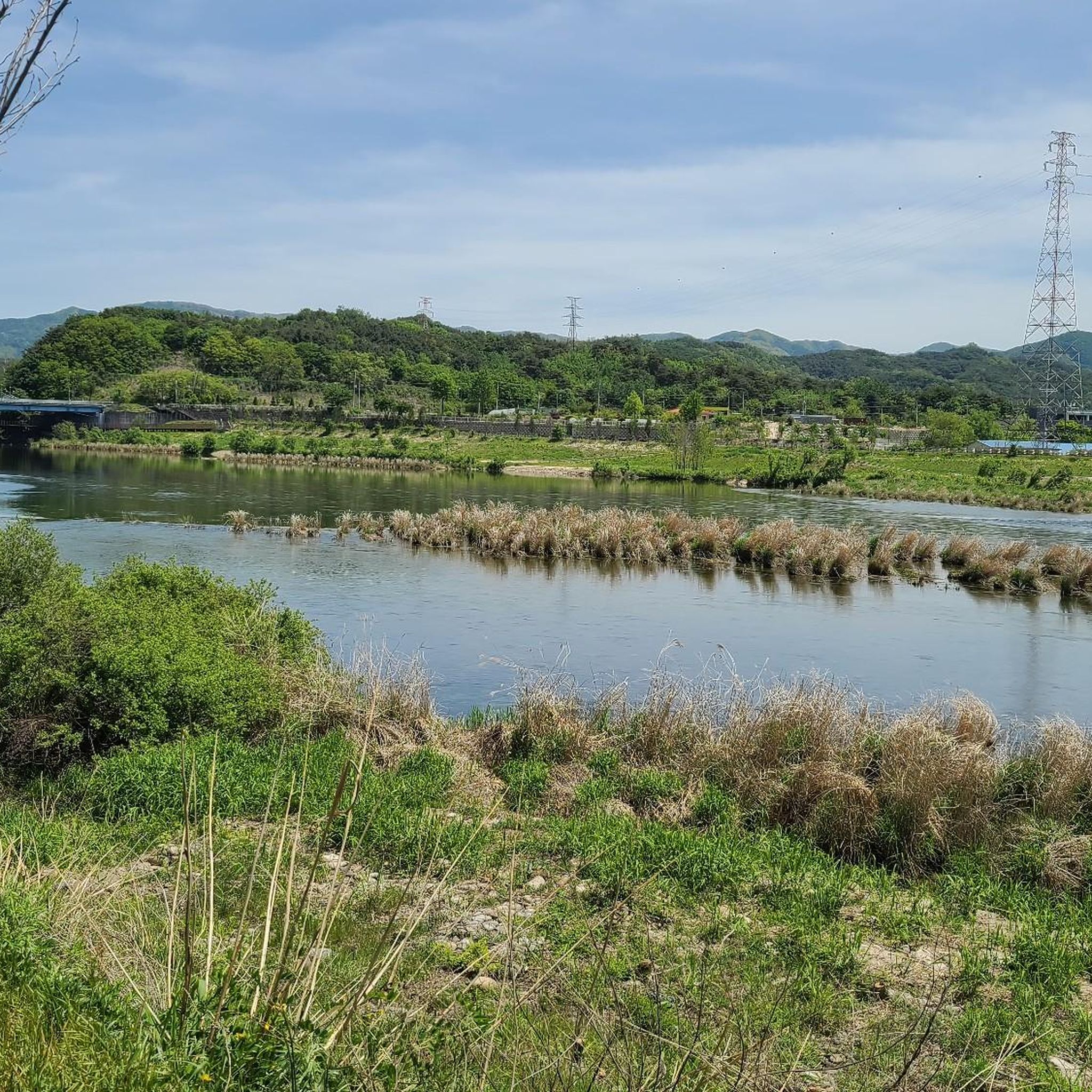
Tips from the Community

This pond is called "Yongyeon," meaning "pond where a dragon stays." The name comes from the rock under the Northeastern Corner Pavilion (Banghwasuryujeong) called Yongdubawi, meaning "dragon head rock." In Korea, there are a number of other ponds with the same name, each with its own legend related to dragons. There is a small, round island in the middle of the pond, which is a common feature of traditional Korean ponds. The moon's reflection in this pond is considered one of the most scenic sights of Hwaseong Fortress.
1
0
The word Dragon has a particular significance for the, museum,as Yongsan, the name of the area in which the museum is located, can be translated as "Dragon mountain. "The small landscape created by the Dragon Fall, the Dragon Pond, and the Dragon Bridge show a typical traditional garden design.
1
0

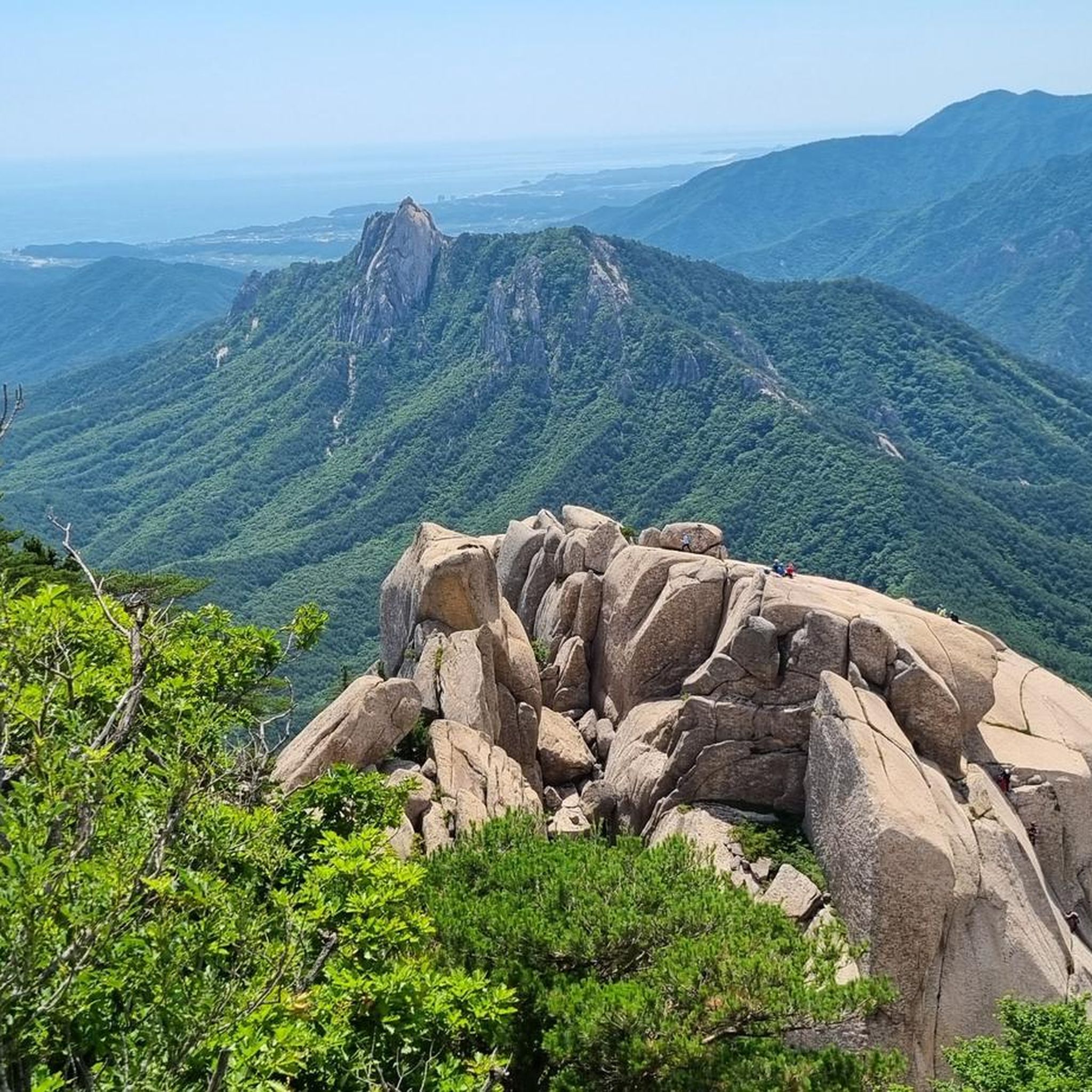
You can only see it when the weather is good. If it's windy and rainy, you can't see anything because of the clouds and fog.
0
0

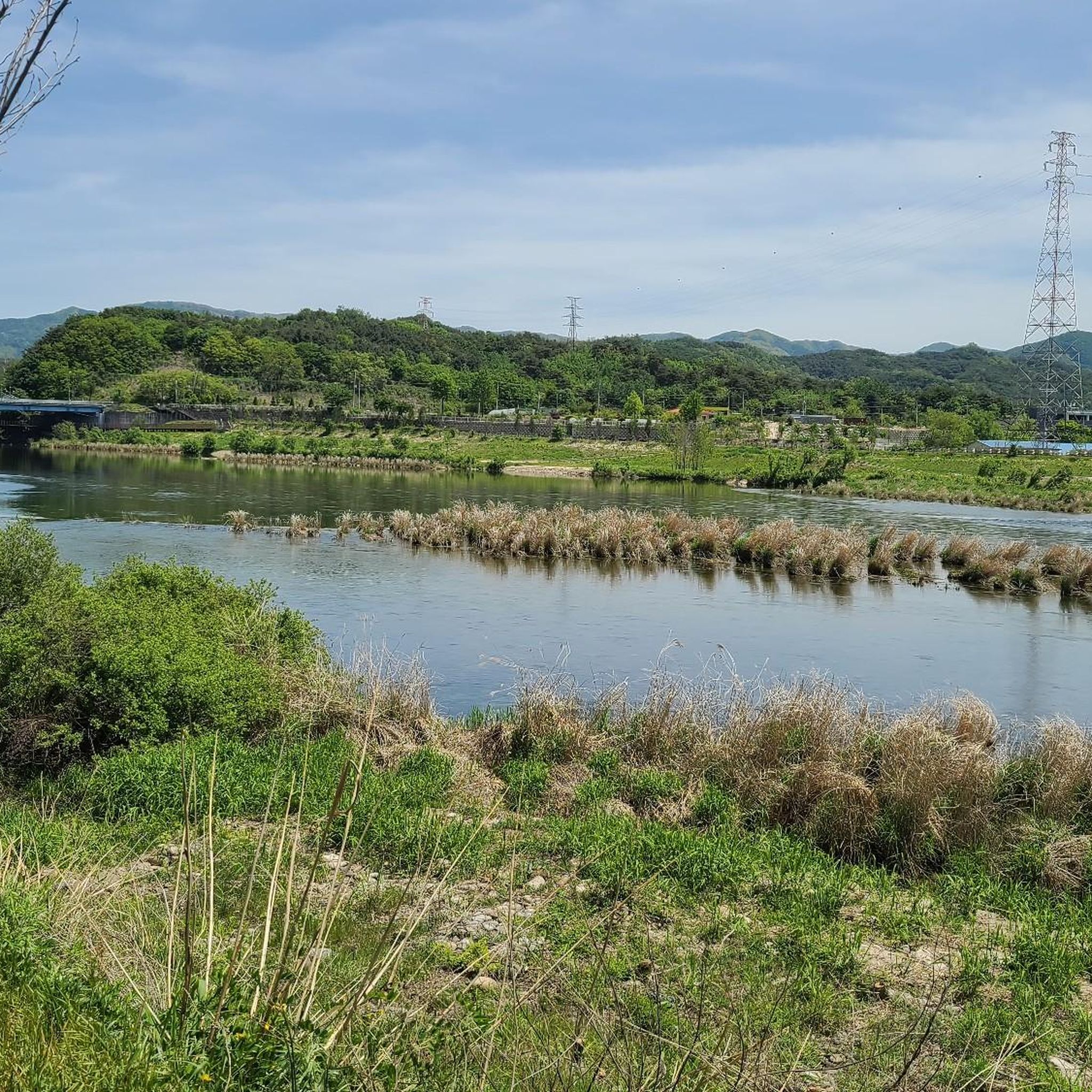
One of my favorite trails begins here: the Buhangang Bicycle Path, which features many mountains along the route. It's truly inspiring.
0
0

A reservation is required for the hiking tour.
0
0
Registration/reservation is mandatory.
0
0
A reservation is required.
0
0

A natural lake situated in the middle of Sokcho, serves as an intermediate stop of Cheongcho River on its way to the adjacent sea. There are two parks on the western and southern bank of the lake, as well as a pavilion in its northwest corner. Night view recommended: the pavilion, the trails in the parks, and the bridge over the estuary mouth have a nice light installation.
0
0
Frequently Asked Questions
What are some of the most popular lakes for visitors in South Korea?
South Korea offers many popular lakes. Majang Lake is known for its notable suspension bridge and cafes. Giheung Lake features a well-maintained 9.2-kilometer loop trail for walking or biking. Suseong Lake in Daegu is famous for its musical fountain and family-friendly park. Chungjuho Lake, the nation's largest, offers scenic cruises and views of national parks.
Are there family-friendly lakes in South Korea?
Yes, many lakes in South Korea are great for families. Suseong Lake in Daegu has a large musical fountain and an eco-friendly recreational park. Jinyang Lake offers a nearby zoo, a cypress forest, and various parks. Paldang Lake is close to Dasan Ecological Park, which has a hiking trail and heritage site. Seokchon Lake Park in Seoul is particularly beautiful during cherry blossom season and is located near Lotte World.
What kind of outdoor activities can I do near South Korea's lakes?
Many lakes offer excellent opportunities for outdoor activities. You can find numerous cycling paths, such as the Bukhangang Bicycle Path, which features scenic mountain views. The Giheung Lake Cycling Path is patched right on the lakeshore. For hiking, trails around lakes like Yeongnang Lake offer picturesque views. You can also explore various cycling routes and hiking trails throughout South Korea.
Which lakes are good for hiking or walking?
Several lakes offer great walking and hiking experiences. Yeongnang Lake has a paved 7.8-kilometer hiking trail with views of the Seorak Mountain range. Giheung Lake features a 9.2-kilometer loop trail suitable for walking or biking. Tangeum Lake has a well-lit lakeside walking track, perfect for strolls at any time. The Gwanggyo Reservoir offers a scenic 3.5 km Forest Trail along its western shore.
Are there any lakes with unique natural or historical features?
Yes, South Korea's lakes boast unique features. Baengnokdam Crater is a natural crater lake at the summit of Hallasan. Beopjusa Temple Lake is a natural lake located within Songnisan National Park, offering both cultural and natural attractions. Yongyeon Pond is another natural lake with historical significance.
What is the best time to visit South Korean lakes?
The best time to visit South Korean lakes often depends on the desired activity. Spring (April-May) is beautiful for cherry blossoms, especially around Seokchon Lake Park. Autumn (September-November) offers stunning fall foliage. Summer is popular for water activities, while winter can provide unique snowy landscapes, such as around Tangeum Lake.
Can I find cafes or amenities near the lakes?
Yes, many lakes are well-equipped with amenities. The Giheung Lake Cycling Path has plenty of cafes with nice lake views. Majang Lake also features cafes for admiring the views. Cheongcho Lake has two parks on its banks and beautiful light installations, making night visits particularly recommended.
Which lakes are known for their scenic viewpoints?
Many lakes offer stunning viewpoints. Paldang Lake provides picturesque views from the Paldang Observation Platform. From any point on Yeongnang Lake, you can enjoy views of the nearby Seorak Mountain range. Jinyang Lake is highly recommended for overnight stays to experience both sunset and sunrise views.
Are there any lakes suitable for cycling?
Absolutely. The Bukhangang Bicycle Path is a popular cycleway featuring many mountains along the route. The Giheung Lake Cycling Path is a well-maintained 9.2-kilometer loop trail perfect for biking. You can find more cycling routes throughout South Korea that often pass by or around lakes.
What kind of events or festivals are held at South Korean lakes?
Some lakes host notable events. Suseong Lake in Daegu is home to the annual Suseong Lake Festival, held on the last weekend of September, which is one of Daegu's biggest events. This lake also features South Korea's largest musical fountain with nightly shows from May to October.
Are there any lakes that are good for birdwatching or nature observation?
Lakes like Jinyang Lake, with its dense cypress forest, and Giheung Lake, featuring Maemisan Ecological Park, offer good opportunities for nature observation and potentially birdwatching. The tranquil environments of many lakes provide a peaceful respite for observing local flora and fauna.
How accessible are South Korean lakes by public transport or car?
Accessibility varies by lake. Many lakes, especially those near major cities like Paldang Lake (near Seoul) and Suseong Lake (in Daegu), are easily accessible by car and often by public transport. Larger lakes like Chungjuho Lake may require more planning for public transport, but often have good road access and parking facilities.
Most popular routes in South Korea
Most popular attractions in South Korea

Get inspired with the komoot mobile app


Didn’t find what you were looking for?
Find the best lakes in South Korea per region:
Explore more
Still not found your perfect lake in South Korea? Check out the guides of these regions to see even more beautiful places.
