Top 6 Gorges in South Korea
Canyons in South Korea feature diverse geological formations, from basalt gorges shaped by ancient volcanic activity to granite valleys with clear streams. The country's natural landscapes offer varied opportunities for exploration, including areas with impressive columnar joints and rugged terrain. These regions provide habitats for various flora and fauna, alongside significant geological and cultural sites. Visitors can explore a range of natural features across different national parks and protected areas.
Best canyons in South Korea
- The most popular canyons is…
Last updated: June 26, 2026
Bukhansan National Park
Highlight • Natural Monument
Translated by Google •
Tip by

View of Cheonbuldong Valley from Geumganggul Cave
Highlight • Viewpoint
Tip by

Sign up now to discover places like this
Get recommendations on the best single tracks, peaks, & plenty of other exciting outdoor places.
Sign up for free
Hanshin Waterfall
Highlight • Waterfall
Translated by Google •
Tip by

Andeok Valley
Highlight • Canyon
Tip by

Chatancheon Columnar Jointing Trail
Highlight (Segment) • Natural Monument
Translated by Google •
Tip by

Breach in the cliffs and bridge
Highlight • Gorge
Tip by

Start today with a free account
Your next adventure awaits.
Login or Signup

Tips from the Community

Beyond the 1275 peak, below the Noinbong peak, a small stream flows... spring water
0
0

Descending from a bamboo-lined trail, you reach this waterfall (upper part of Hanshin Valley). The water surges against the rocks, tumbling and tumbling, before entering a cavern below. Unlike many waterfalls in Hanshin Valley, this one is off-limits and not widely known, but its dynamic flow is a spectacular sight. The final stretch of the trail to the lower part of Hanshin Valley requires a rope descent down a steep, rocky path. The return to the main trail also requires a steep, slippery climb, making it dangerous immediately after rain.
0
0
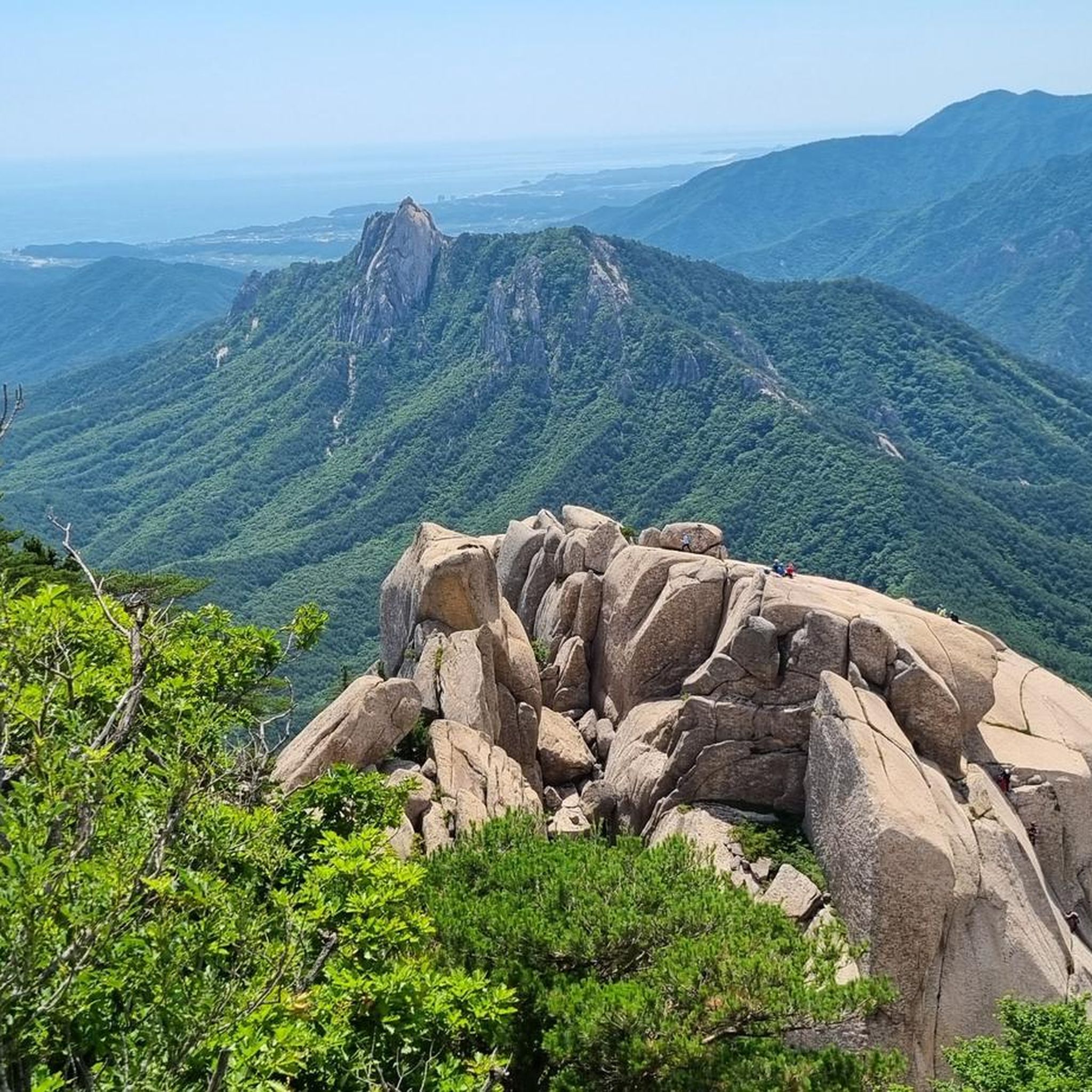
Although it is a short section, it is highly difficult as you have to climb steep iron stairs to get to Geungganggul Cave. However, the entrance to Geumganggul Cave is a viewpoint where you can see the Cheonbuldong Valley and the surrounding mountains at a glance.
0
0

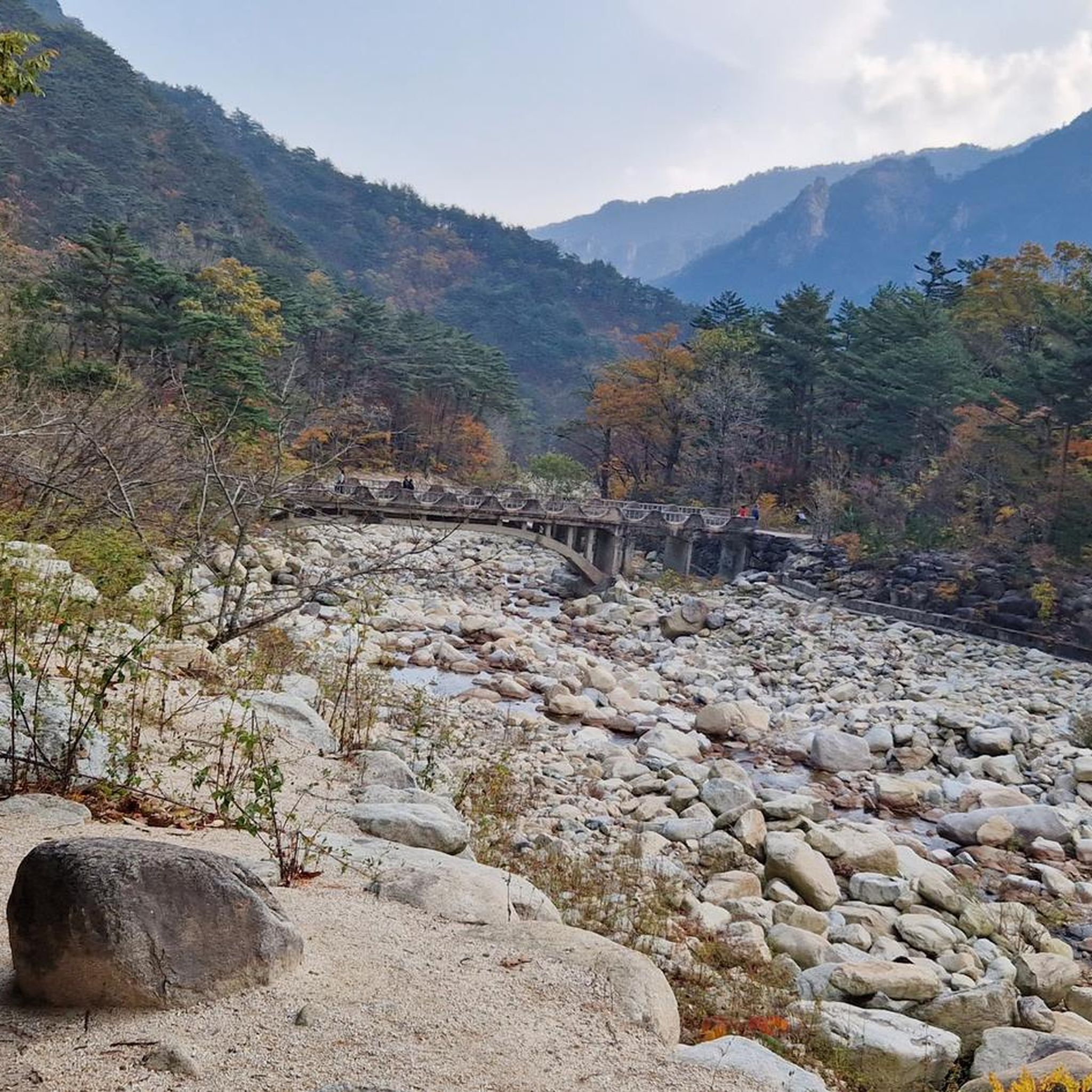
A bridge allows to see very well this impressive breach in the cliff. There is a détour existing if you don’t want to take the bridge.
1
0

Wonderful little temple built into the rock. Grandiose view.
0
0

Very good access witj wooden steps. Fabulous space to spend some time meditating or just chilling out.
0
0

short walk along an interesting small canyon formed by force of nature. pretty rocky but relaxing. lots of birds around. 80%of the path is man made, so easy peasy and recommendable for almost everyone
0
0

National parks are very rarely within a city, and yet Bukhansan Mountain was designated as a the 15th national park of Korea in 1983. With an area of 79.9㎢, it stretches over Seoul and Gyeonggi-do. Bukhansan National Park is divided into two areas with Uiryeong Pass in the middle: Bukhansan Mountain to the south from the pass, and Dobongsan Mountain to the north. The national park is like an ecological island because it’s totally surrounded by urban areas, but it still serves as green lungs for the urban environment. It’s a popular natural park for over 20 million residents within the vicinity. It’s accessible from anywhere in the Metropolitan area thanks to the great road system. With around five million visitors each year, it’s listed in the Guinness Book of World Records as the “Most Visited National Park per Unit Area”. However, having too many visitors has gradually weakened the ecosystem of Bukhansan Mountain. Therefore visitors are strongly recommended to voluntarily follow the regulations on the Rest-Year Sabbatical System, Restricted Access during the Mountain Fire Watch Period, Accidents on Narrow Trails, Dangerous Areas, and other access restriction. Bukhansan National Park has dozens of gorges and granite peaks with crystal clear streams flowing between them, creating a beautiful harmony between mountain and water. There are more than 1,300 species of flora and fauna. There are also many historical and cultural sites including Bukhansanseong Fortress with over 2,000 years of history, over 100 Buddhist temples and monk’s cells. In short, it’s a great place of learning in terms of ecology, culture, and history. https://english.knps.or.kr/Knp/Bukhansan/Intro/Introduction.aspx?MenuNum=1&Submenu=Npp
1
1
Frequently Asked Questions
What are some of the most notable canyons and gorges to visit in South Korea?
South Korea offers a variety of impressive canyons. The Bukhansan National Park, located near Seoul, features dozens of gorges and granite peaks, making it a major hiking and recreational area. The Hantan River Gorge, known as 'Korea's Grand Canyon,' is a UNESCO Global Geopark with unique basalt columnar joints and waterfalls. Muju Gucheon-dong Valley within Deogyusan National Park is famous for its '33 scenic points' and tranquil streams, while Seoraksan National Park boasts rugged terrain and deep valleys.
Are there any family-friendly canyons or valleys in South Korea?
Yes, several areas are suitable for families. Andeok Valley offers a short, relaxing walk along a rocky path, much of which is man-made for accessibility. Muju Gucheon-dong Valley in Deogyusan National Park has trails that are not overly steep, ideal for leisurely hikes with family. Many national parks, including Seoraksan and Naejangsan, also offer easier trails suitable for various fitness levels.
What kind of unique geological features can I expect to see in South Korean canyons?
South Korean canyons showcase diverse geological formations. The Hantan River Gorge is particularly notable for its basalt columnar joints, formed by ancient volcanic activity. You can also find granite gorges, such as those in Sogeumgang Valley within Odaesan National Park, and areas like Chatancheon Columnar Jointing Trail that highlight these unique rock structures.
What is the best time of year to visit the canyons in South Korea?
The best time to visit largely depends on your preferred experience. Spring (April-May) offers pleasant weather and blooming flora. Autumn (October-November) is particularly stunning, especially in places like Naejangsan National Park, where the canyons are adorned with vibrant fall foliage. Summer can be warm and humid but is ideal for water activities like canyoning in Jomurak Valley. Winter offers serene snowscapes, particularly in areas like Muju Gucheon-dong Valley, though some trails might be challenging due to snow and ice.
Are there opportunities for adventure sports like canyoning in South Korea?
Yes, for adventure seekers, Jomurak Valley in Gapyeong is a prime location for guided canyoning tours. These tours involve activities such as sliding, rappelling down waterfalls, swimming, and jumping, offering an exhilarating way to experience the natural landscape.
What historical or cultural sites can be found near South Korea's canyons?
Many canyon areas are rich in history and culture. Bukhansan National Park, for instance, contains historical sites like Bukhansanseong Fortress, with over 2,000 years of history, and more than 100 Buddhist temples and monk's cells. Muju Gucheon-dong Valley also holds historical significance, with Najetongmun having served as a border between ancient kingdoms.
What are the hiking difficulties like in South Korean canyons?
Hiking difficulties vary significantly. Areas like Bukhansan National Park offer a range of trails from easy to challenging. The path to View of Cheonbuldong Valley from Geumganggul Cave involves steep iron stairs, making it challenging despite being a short section. Some trails, like those leading to Hanshin Waterfall, can be very steep and slippery, especially after rain, requiring decent hiking equipment.
What outdoor activities can I do near the canyons in South Korea?
Beyond hiking and canyoning, the regions around South Korea's canyons offer various outdoor activities. You can find numerous road cycling routes, with options ranging from easy to moderate, such as those detailed in the Road Cycling Routes in South Korea guide. For mountain biking enthusiasts, there are challenging MTB trails available, as highlighted in the MTB Trails in South Korea guide. Mountaineering is also popular, with routes like those found in the Mountain Hikes in South Korea guide.
Are there any unique natural phenomena in South Korean canyons?
Yes, Juwangsan National Park features the unique Cheongsong Eoreumgol Valley, where ice forms in the summer when temperatures exceed 32 degrees Celsius and melts when temperatures drop. This unusual phenomenon adds to the geological intrigue of the region, which is also a UNESCO Global Geopark.
What do visitors enjoy most about the canyons in South Korea?
Visitors frequently praise the stunning natural beauty, from the panoramic views of valleys and mountains, such as those from Geumganggul Cave, to the dynamic flow of waterfalls like Hanshin Waterfall. The accessibility of some paths, like in Andeok Valley, makes them enjoyable for almost everyone. The combination of natural landscapes with cultural sites, as seen in Bukhansan National Park, also receives high appreciation.
How accessible are the canyons by public transport?
Many national parks and canyon areas are accessible by public transport, especially those near major cities. Bukhansan National Park, for example, is conveniently reachable by metro from Seoul, making it a popular choice for urban dwellers seeking a natural escape.
Can I find accommodation and amenities near the canyon regions?
Yes, most popular canyon regions and national parks in South Korea have nearby amenities. You can typically find accommodation options ranging from hotels to guesthouses, as well as cafes and pubs in the towns and villages surrounding these natural attractions, catering to visitors' needs.
Most popular routes in South Korea
Most popular attractions in South Korea

Get inspired with the komoot mobile app


Explore more
Already discovered everything in this region? See additional gorges in South Korea for your next adventure:
