Top 5 Lakes in the Philippines
Best lakes in the Philippines are integral to the archipelago's diverse natural landscape, featuring volcanic wonders and serene freshwater bodies. The country's geography includes numerous aquatic gems, many of which are surrounded by lush forests and mountains. These lakes offer a range of experiences, from geological exploration to cultural immersion. They also support local ecosystems and communities.
Best lakes in the Philippines
- The most popular lakes is Pinatubo Crater Lake, a lake that is a geological feature formed within…
Last updated: June 26, 2026
Pinatubo Crater Lake
Highlight • Lake
Translated by Google •
Tip by

View of Ambuklao Dam
Highlight • Viewpoint
Tip by

Sign up now to discover places like this
Get recommendations on the best single tracks, peaks, & plenty of other exciting outdoor places.
Sign up for free
View of Taal Lake
Highlight • Viewpoint
Tip by

Nipa Hut Village
Highlight • Mountain Hut
Kayaks and paddle boards for rent.
Possibility to order simple but tasty local food.
Tip by

Tagaytay Lakeview
Highlight • Lake
Tip by

Start today with a free account
Your next adventure awaits.
Login or Signup
Tips from the Community

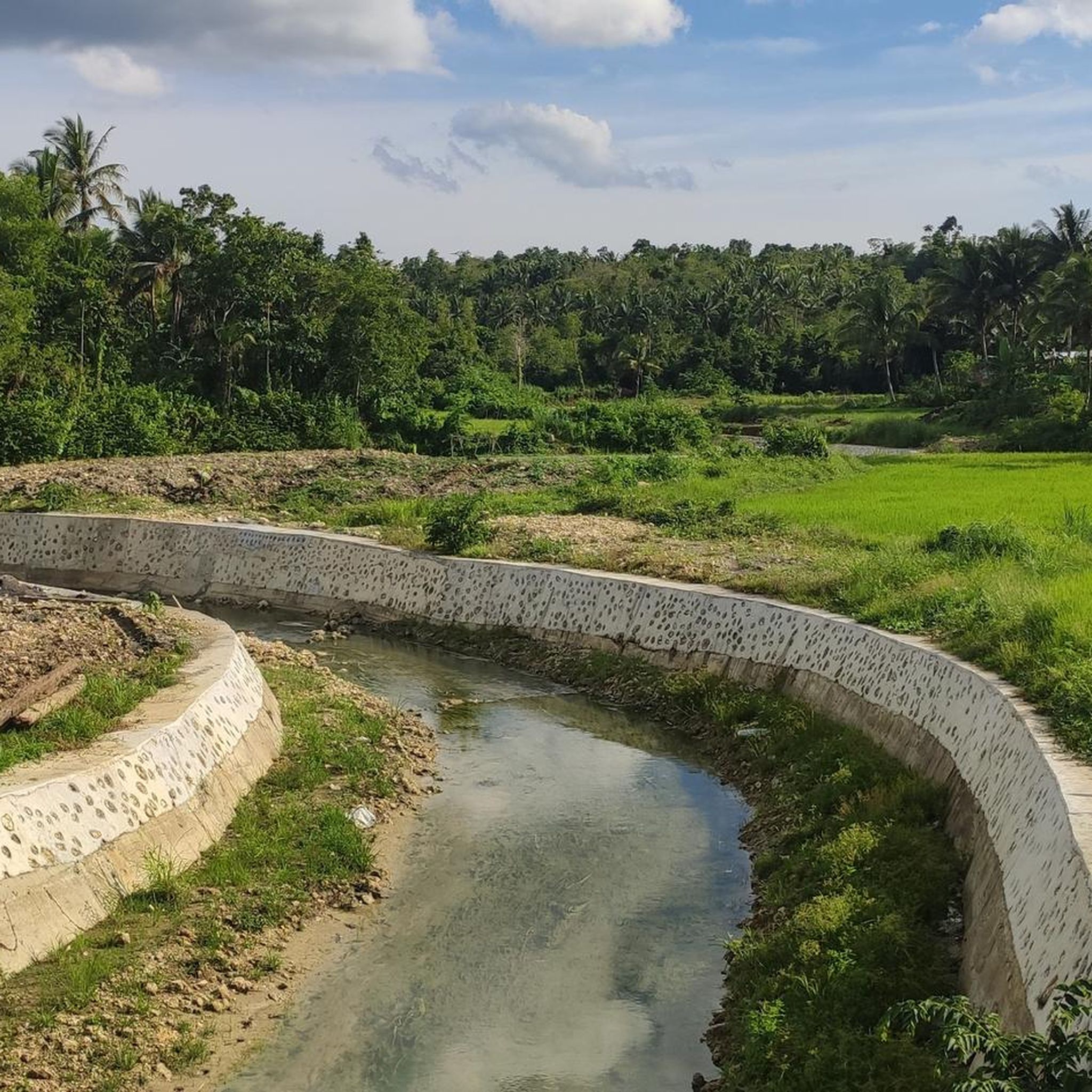
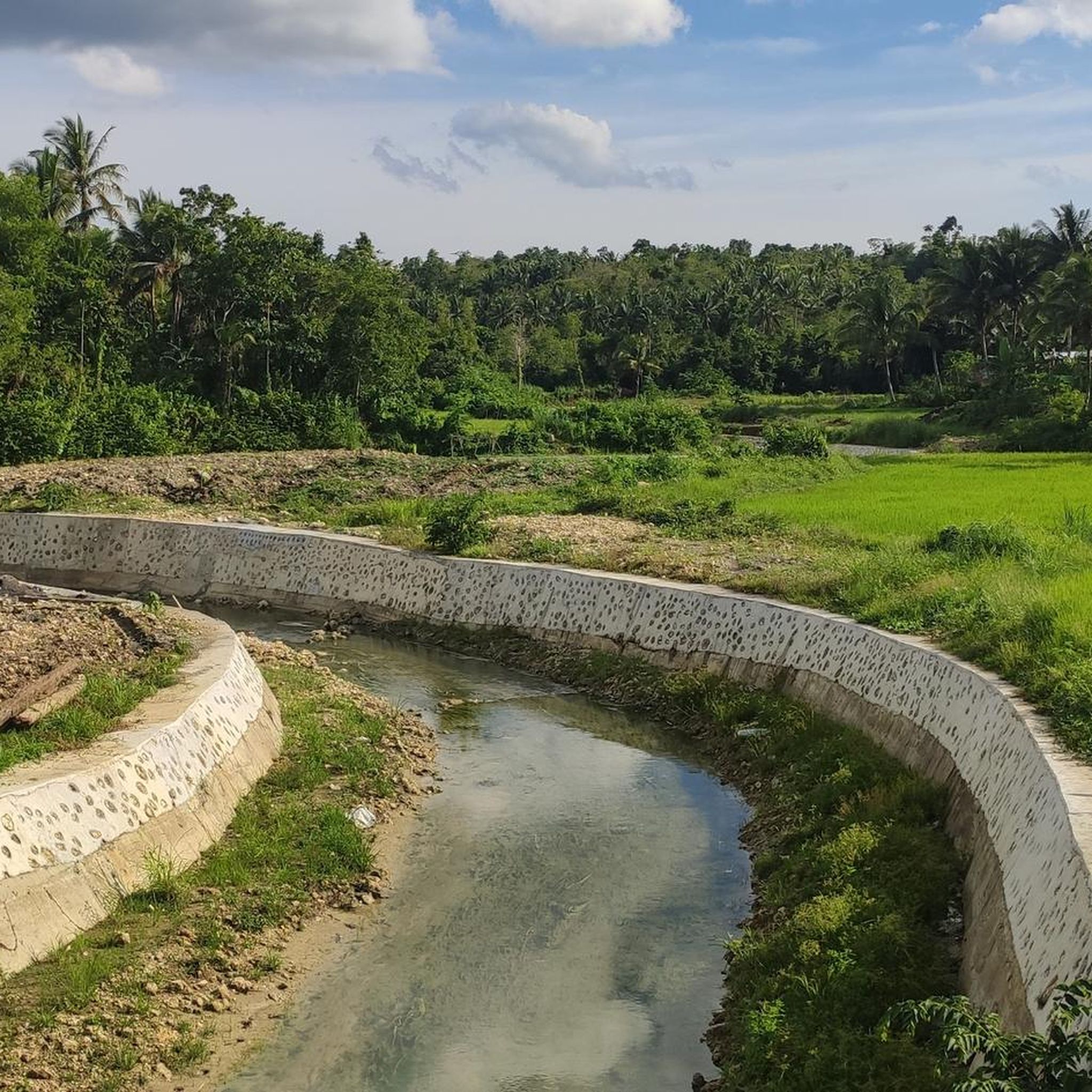
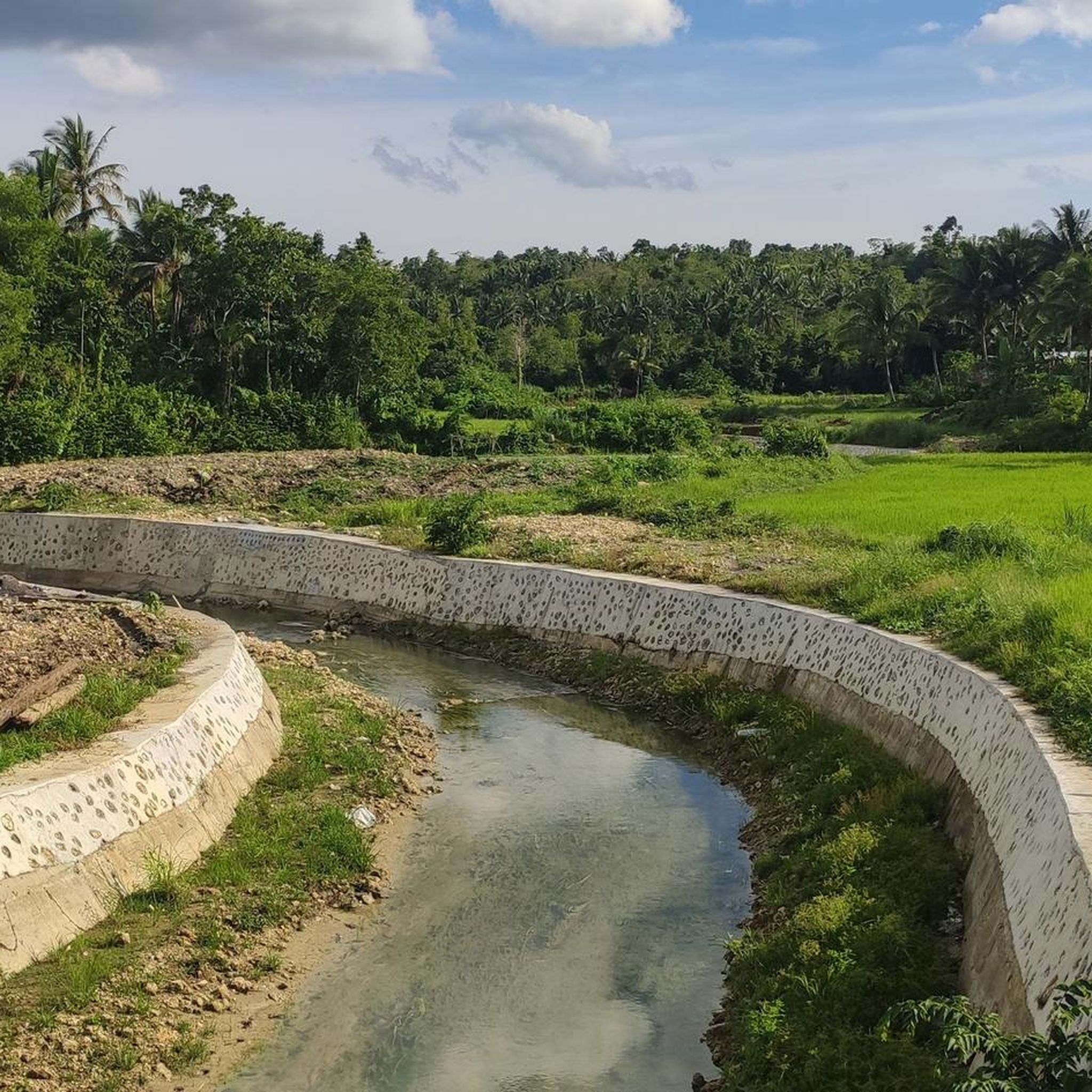
a tourist spot, there are huts for rent in the area for picnics, water is clear and accdg to loc safe for swimming
0
0
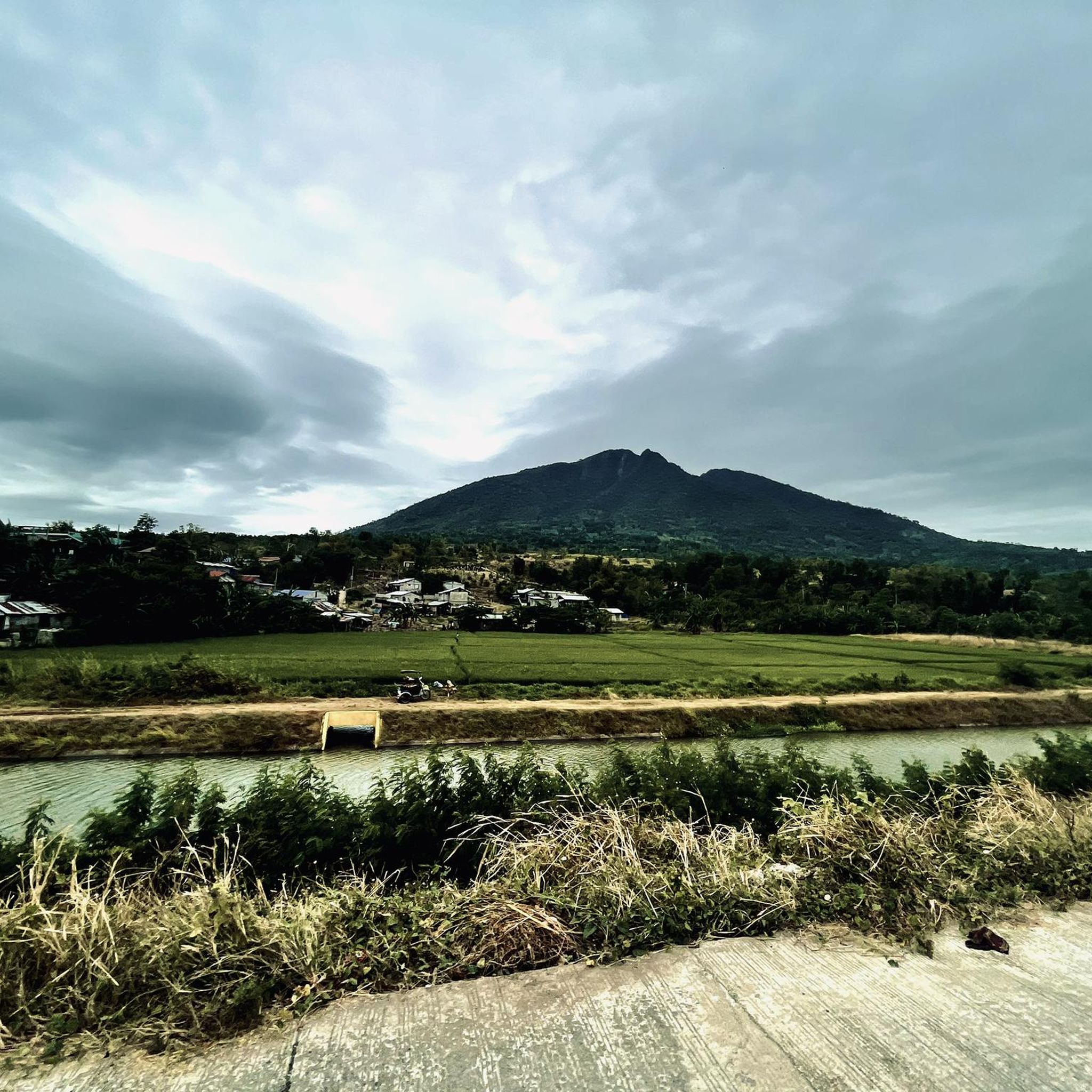
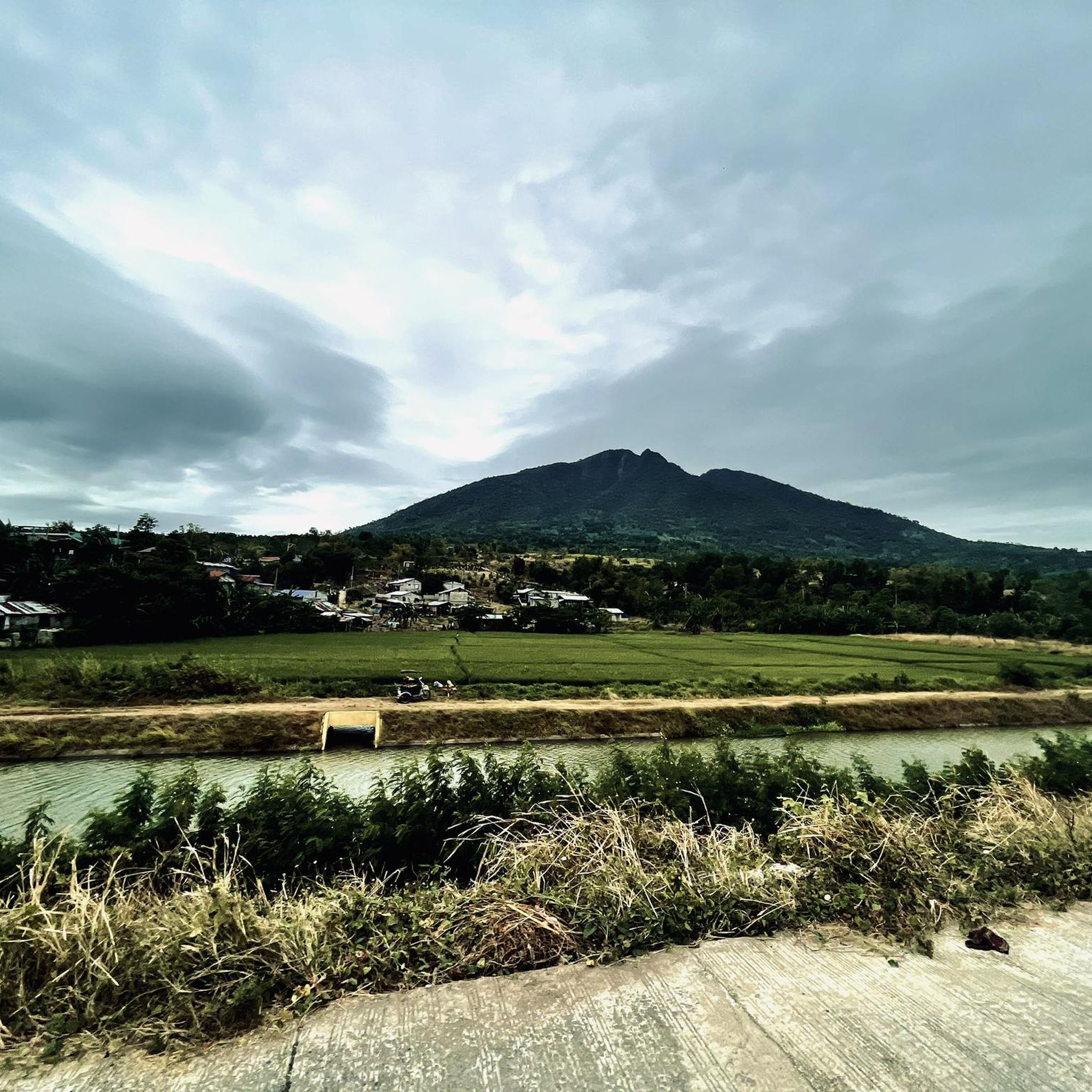
nice view of Taal Lake here relaxing view of nature.while doin the average 6% gradient
0
0


The climb was definitely worth it. The crater lake is stunning. It is inconceivable that this is an active volcano that last erupted in 1991. A tour here is certainly possible on your own, but it is much easier to get up here with a guide. I can recommend "CASA HERMOGINA - Mount Pinatubo Tours And Accommodation".
3
0

Ambuklao Dam is part of a hydroelectric facility in Brgy. Ambuclao, Bokod, Benguet province in the Philippines. With maximum water storage capacity of 327,170,000 cubic metres (265,240 acre⋅ft), the facility, which is located 36 km (22 mi) from Baguio city, can produce up to 105 megawatts of electricity to Luzon grid. The main source of water comes from the Agno River which originates from Mt. Data.
0
0

Perfect place where to relax a couple of days. Kayaks and paddle boards for rent. Possibility to order simple but tasty local food.
1
0
Frequently Asked Questions
What are some of the most scenic lakes in the Philippines?
The Philippines offers many picturesque lakes. Taal Lake in Batangas is famous for its 'volcano within a lake' phenomenon, offering breathtaking panoramic views, especially from Tagaytay Ridge. Kayangan Lake in Coron, Palawan, is renowned for its pristine turquoise waters nestled amidst towering limestone cliffs. Lake Apo in Bukidnon is celebrated for its tranquil atmosphere and crystal-clear waters, recognized as one of the cleanest inland waters in Northern Mindanao. Lake Bulusan in Sorsogon, at the foot of Mount Bulusan, also provides stunning rainforest views.
Are there opportunities for hiking around the lakes in the Philippines?
Yes, many lakes offer excellent hiking opportunities. For instance, you can hike to Pinatubo Crater Lake, a geological feature formed within an active volcano, known for its stunning clear waters. The surrounding national park of Lake Danao in Leyte also features walking trails. For more general hiking options, you can explore various routes in the region, such as those found in the Hiking in the Philippines guide.
Which lakes are suitable for family-friendly activities?
Several lakes in the Philippines are great for families. Lake Apo in Bukidnon is ideal for relaxation and leisurely activities like renting bamboo boats or floating cottages. Lake Danao in Leyte offers calm waters perfect for kayaking and boating, with picnic areas in its surrounding national park. The Nipa Hut Village near a lake provides a relaxing spot with kayaks and paddleboards for rent, and local food options.
What unique natural features can be found in the lakes of the Philippines?
The lakes in the Philippines boast diverse natural features. Taal Lake is a geological marvel with a 'volcano within a lake, within a volcano' and is home to endemic species like the freshwater sardine *Sardinella tawilis*. Barracuda Lake in Coron, Palawan, is a unique dive site known for its distinct thermoclines, where water temperature changes significantly with depth. Lake Sebu is an ecotourism gem with lush forests and is part of a system that includes seven waterfalls.
What is the best time to visit the lakes in the Philippines?
Generally, the dry season, from November to May, is the best time to visit the lakes in the Philippines. During these months, the weather is typically sunny with less rainfall, making outdoor activities like hiking, boating, and sightseeing more enjoyable. However, specific lakes like Lake Danao, situated 650 meters above sea level, offer a cooler climate year-round.
Are there cultural experiences to be had near the lakes?
Yes, some lakes are rich in cultural heritage. Lake Sebu in South Cotabato is home to the indigenous T'boli and Ubo tribes, whose traditions, like the intricate T'nalak tapestry, are central to the area. Visitors can immerse themselves in their culture and traditions. Laguna de Bay, as the largest freshwater lake, also plays a vital role in the lives of millions and supports local communities with rich culture and history.
Which lakes are known for their clean waters?
Several lakes in the Philippines are recognized for their exceptional water clarity. Kayangan Lake on Coron island is frequently cited as one of the cleanest lakes in the Philippines and even Asia. Lake Apo in Bukidnon has been recognized as the cleanest inland water in Northern Mindanao. Lake Holon in South Cotabato was also recognized as one of the cleanest inland bodies of water in the Philippines between 2003 and 2004.
Can I go swimming or kayaking in these lakes?
Yes, many lakes offer opportunities for swimming and kayaking. Kayangan Lake's pristine waters are exceptional for swimming and snorkeling. Lake Danao's calm and clear waters are perfect for kayaking and boating. Lake Bulusan also offers activities like boating and kayaking. Some areas, like Tagaytay Lakeview, have clear water that locals consider safe for swimming.
What kind of wildlife can I expect to see near the lakes?
The lakes and their surrounding areas are home to diverse wildlife. Taal Lake is known for endemic species like the freshwater sardine *Sardinella tawilis* and the sea snake *Hydrophis semperi*. Lake Danao's surrounding national park features diverse wildlife and is a haven for nature lovers and birdwatchers. Laguna de Bay also attracts birdwatchers and ecotourists due to its diverse aquatic life and numerous bird species.
Are there any hydroelectric facilities or dams associated with these lakes?
Yes, some lakes are part of significant hydroelectric facilities. The Ambuklao Dam, for example, is part of a hydroelectric facility in Benguet province, with a maximum water storage capacity of over 327 million cubic meters, generating electricity for the Luzon grid. Its main water source comes from the Agno River.
What should I pack for a trek to Lake Holon?
For a trek to Lake Holon, which is known for its tranquility and nature immersion, it's advisable to pack essentials for camping and trekking. This includes appropriate hiking footwear, comfortable clothing, sun protection, insect repellent, a first-aid kit, sufficient water, and snacks. If you plan to camp, bring your camping gear. Always check local weather conditions before your trip.
Are there any lakes near Manila suitable for weekend trips?
Yes, Laguna de Bay is the largest freshwater lake in the Philippines and is located near Metro Manila, making it a significant and accessible destination for weekend trips. It offers stunning sunset views and is a cultural and economic hub, providing a quick escape from the city.
Most popular routes in the Philippines
Most popular attractions in the Philippines

Get inspired with the komoot mobile app


Explore more
Still not found your perfect lake in the Philippines? Check out the guides of these regions to see even more beautiful places.
