Top 5 Caves around Sautens
Best caves around Sautens, located in the Ötztal Valley, serves as a starting point for various outdoor activities. The region is characterized by its alpine landscape and offers access to both natural formations and unique man-made subterranean structures. A notable feature is the extensive system of abandoned tunnels from an uncompleted World War II hydropower project near Amberg. This area provides a distinctive caving experience, blending historical exploration with physical adventure.
Best caves around Sautens
- The most popular caves is…
Last updated: June 26, 2026
Blue Grotto in Rosengarten Gorge
Highlight • Cave
Translated by Google •
Tip by

Old Mine Tunnel
Highlight • Cave
Sign up now to discover places like this
Get recommendations on the best single tracks, peaks, & plenty of other exciting outdoor places.
Sign up for free
Tschirgant Caves
Highlight • Cave
Translated by Google •
Tip by

Shelter cave
Highlight • Cave
Translated by Google •
Tip by

Start today with a free account
Your next adventure awaits.
Login or Signup
Popular around Sautens
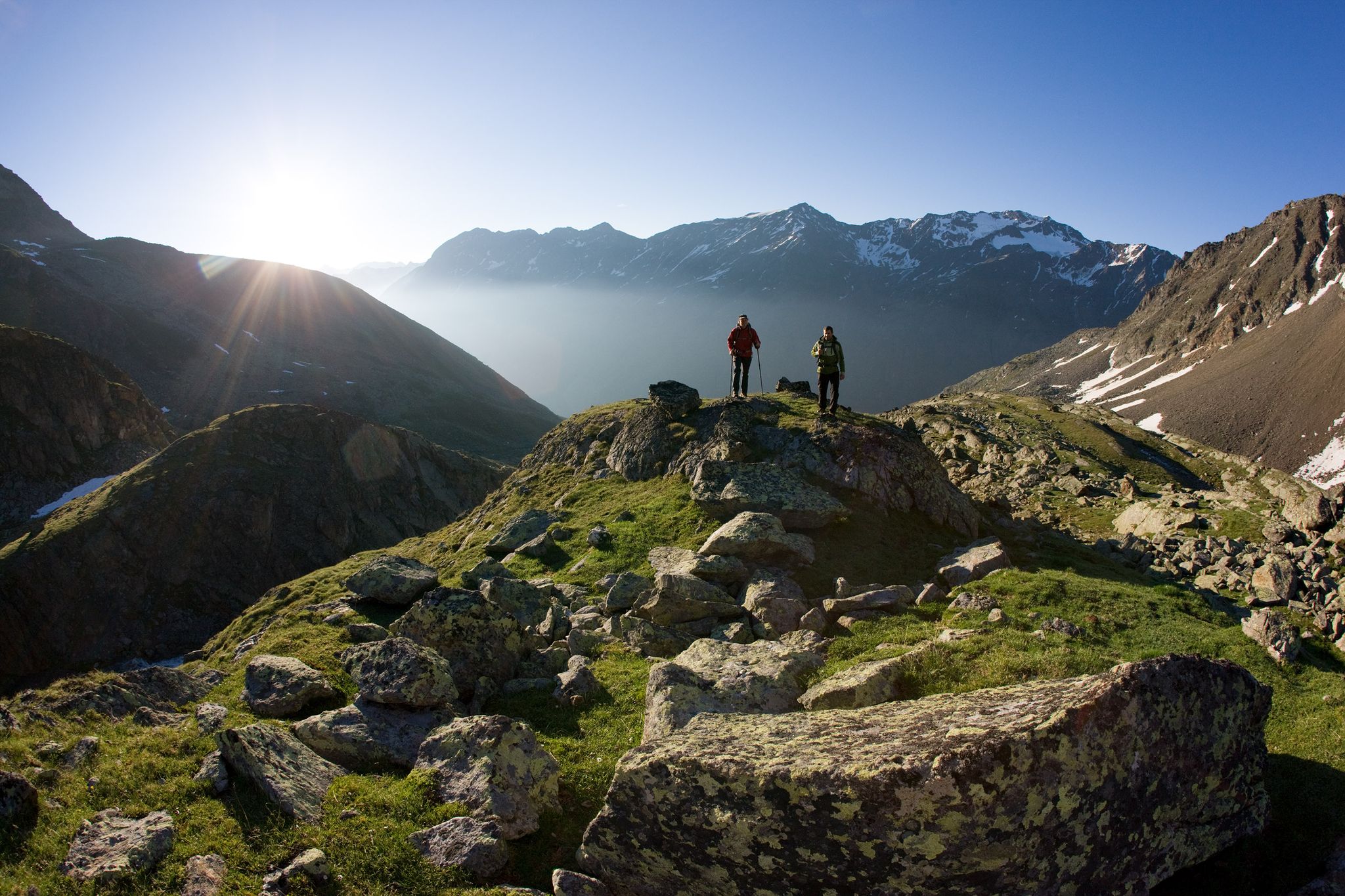
12 days hiking through the Tyrolean Alps – Ötztaler Urweg Trail
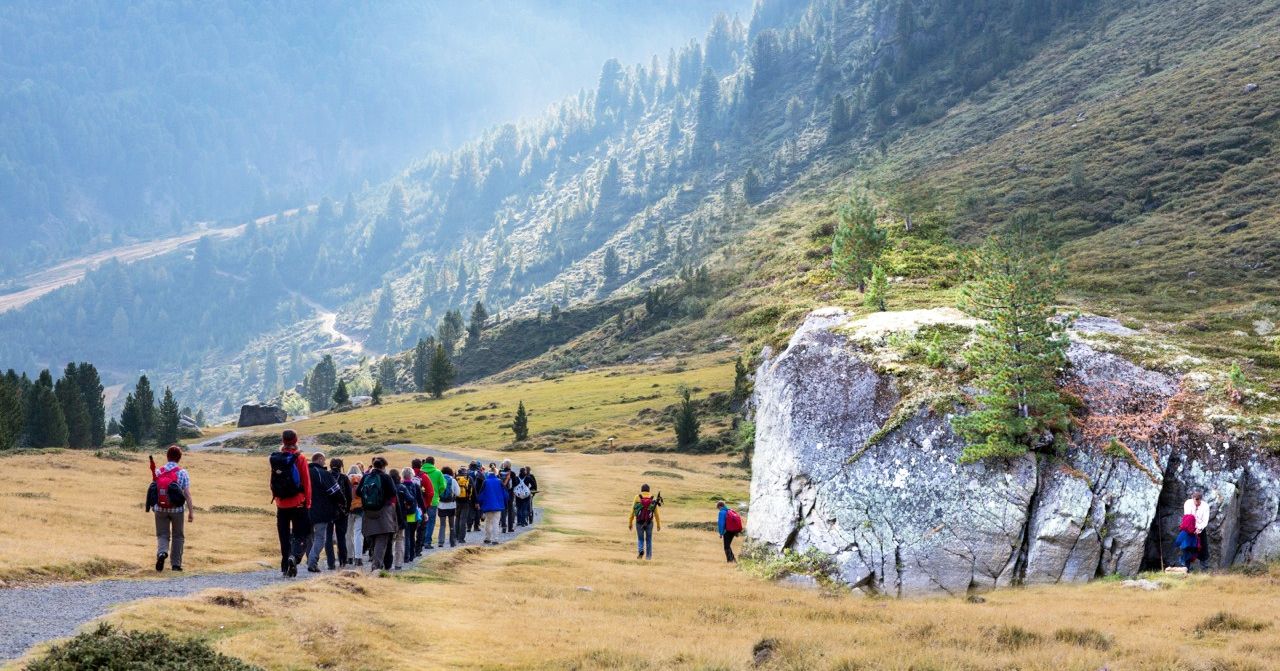
The 'hiking theater' Friedl and pleasure hiking in the Ötztal
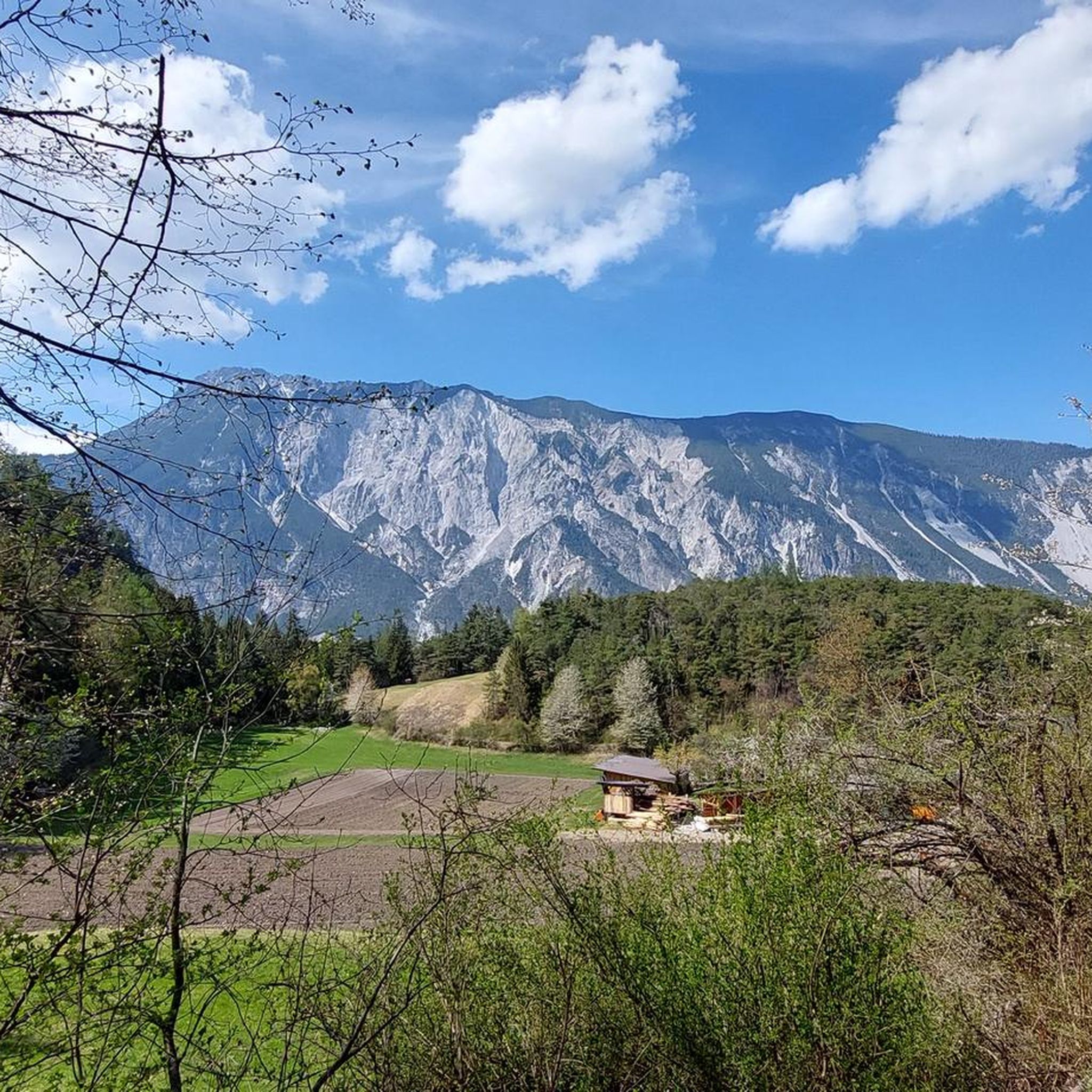
Road Cycling Routes around Sautens
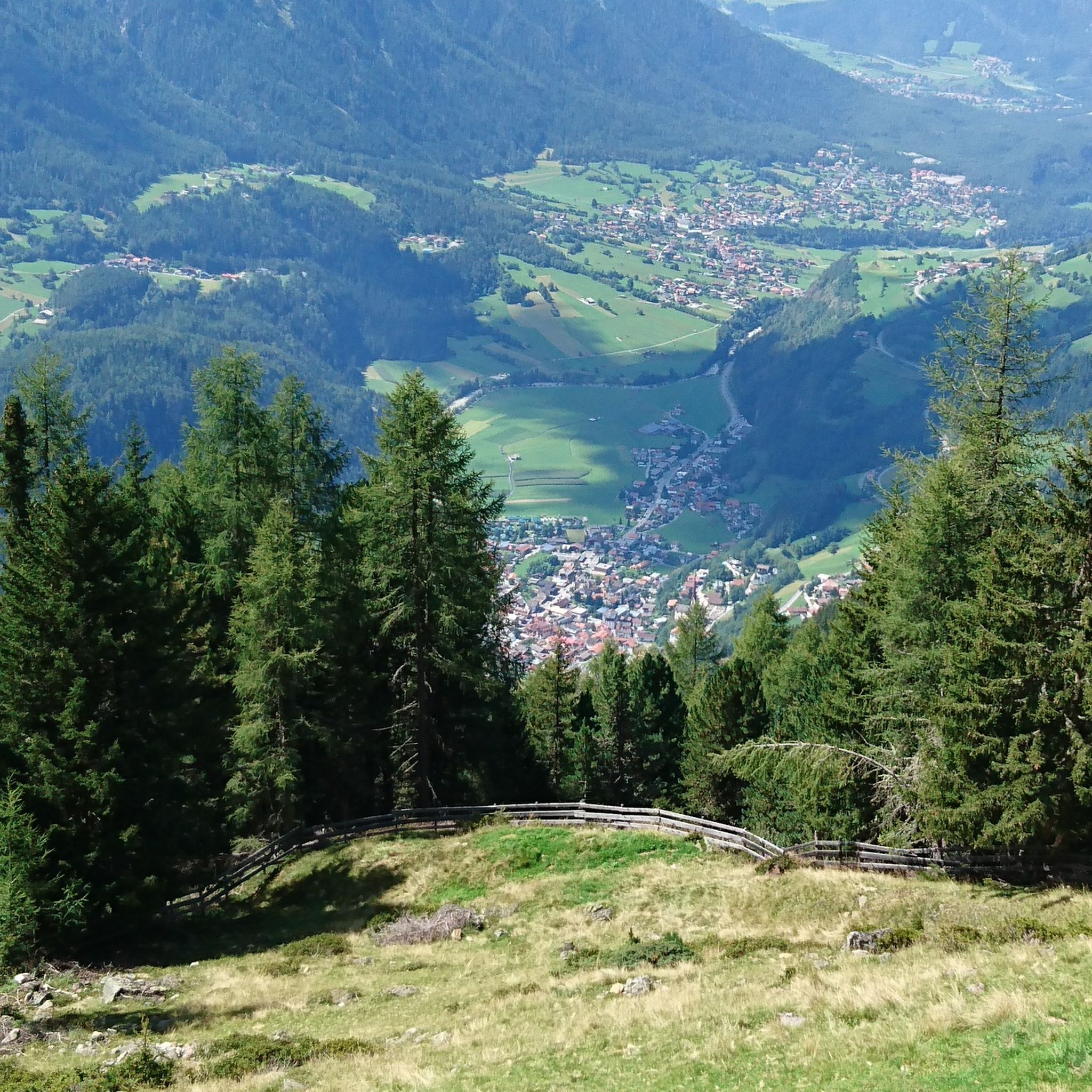
Hiking around Sautens
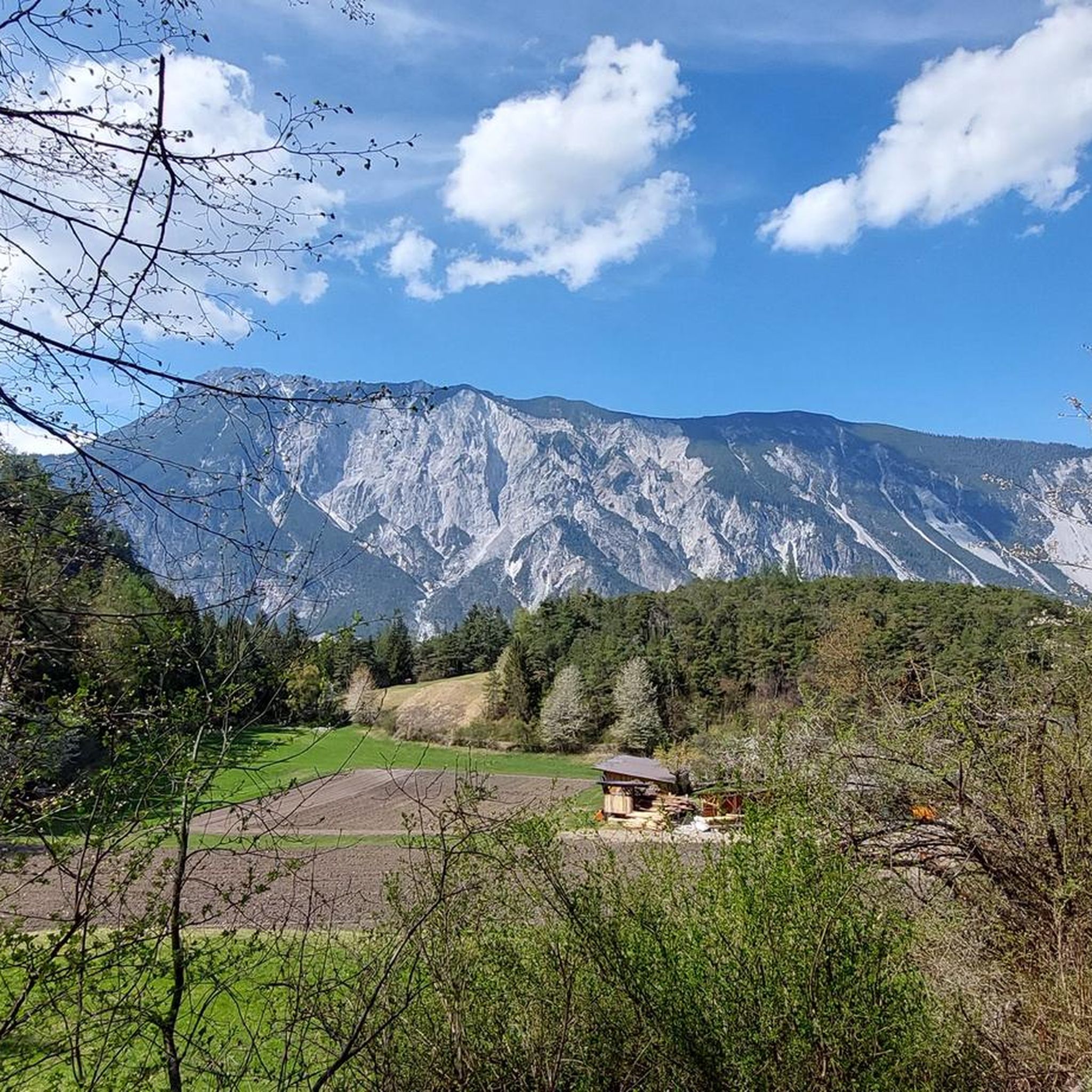
MTB Trails around Sautens
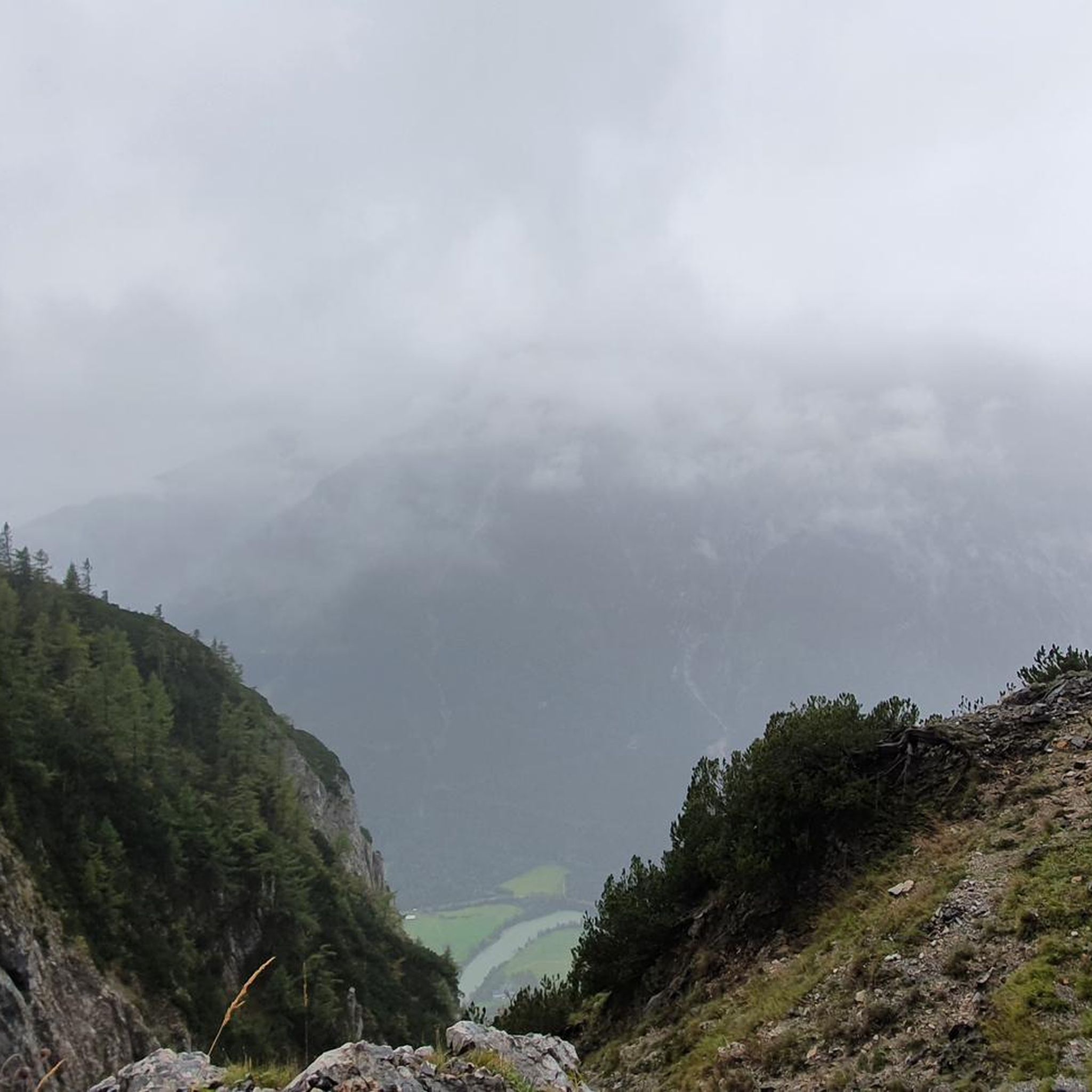
Gravel biking around Sautens
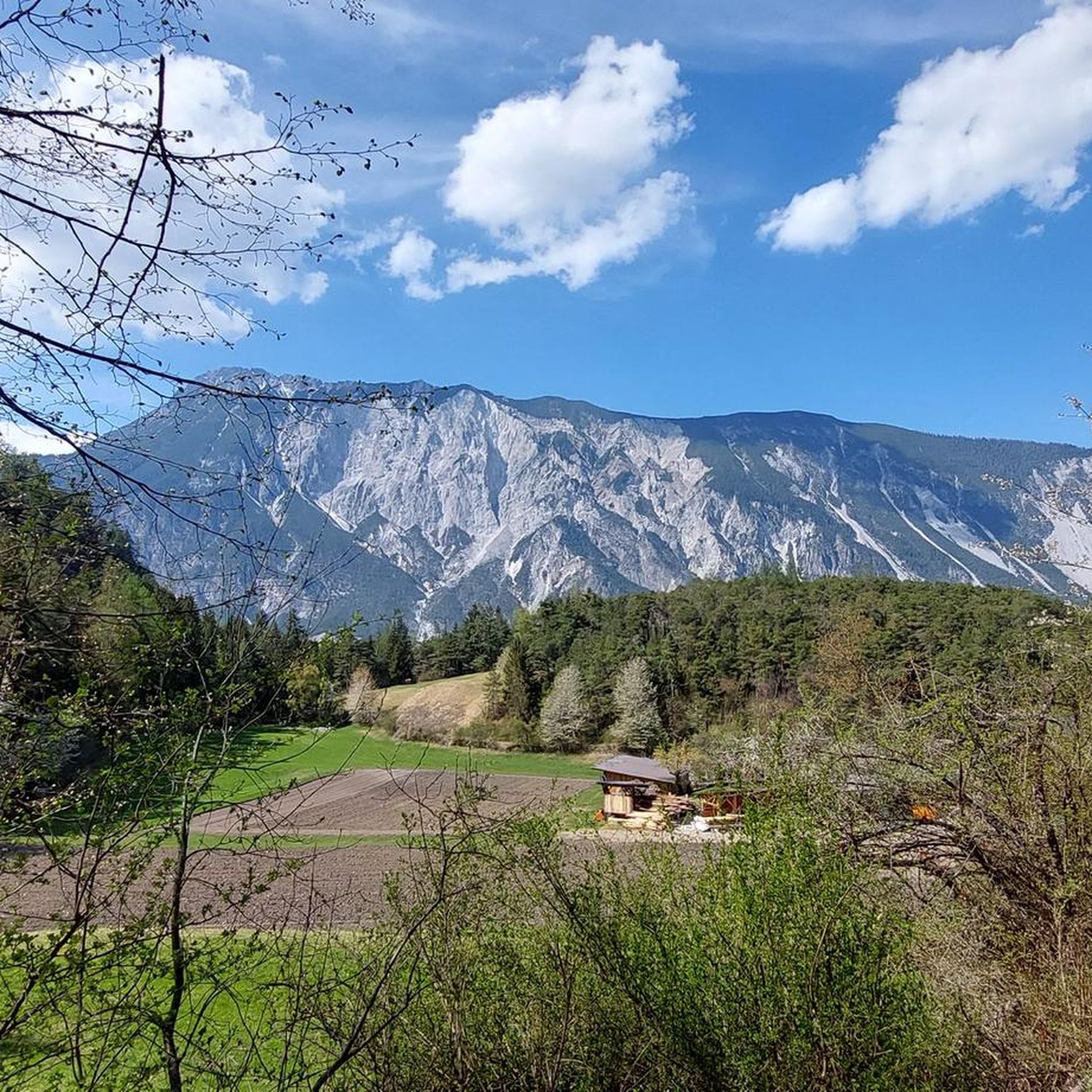
Cycling around Sautens
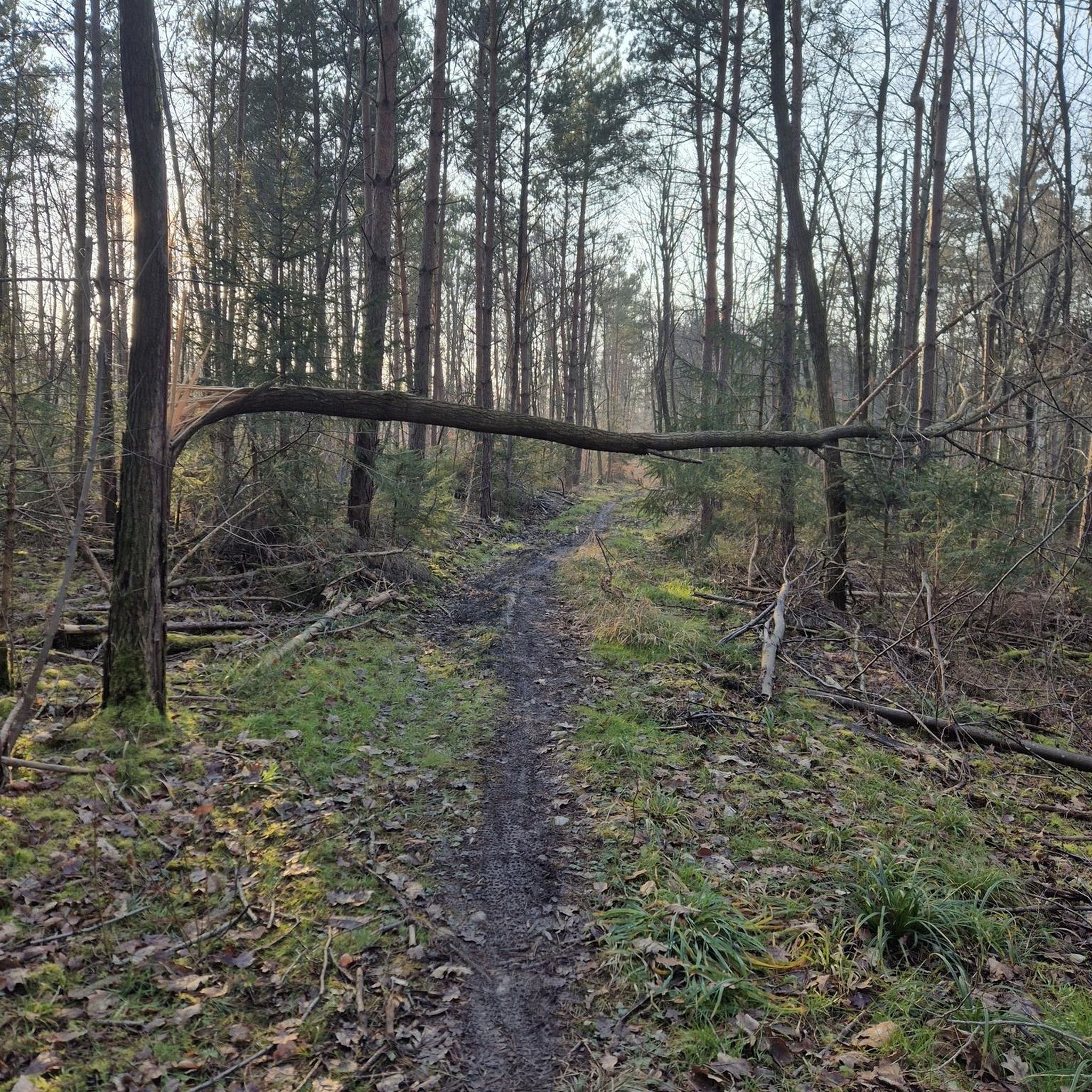
Mountain Hikes around Sautens
Running Trails around Sautens

Tips from the Community

The special thing about the Blue Grotto is the story of its creation: 2000 years ago, in Roman times, people were working diligently here and searching for silver-containing galena. The geologist Peter Gstrein suspects that the fire-setting method was already being used for mining in the first centuries after the birth of Christ; The rock's rock became brittle due to the heating and could therefore be chipped away more easily. This is how the Blue Grotto was created, which is probably unique in Tyrol. The blue grotto is located at the end of the Rosengartenschlucht just before the hiking trail arrives in Hoch-Imst. In the opposite direction from Hoch-Imst, the Blue Grotto can be reached in less than 10 minutes. Imst.at
5
0

On the way to the Karröster Alm, you will pass small caves on the wooded mountain slope of the Tschirgant. Don't forget the flashlight!
2
0

A little above the gorge - almost a bit hidden. Duck your head!
5
0

A cool little cave, with a partially low ceiling, which can only be passed through in the duck alley.
4
0

The route from the Neue Bielefelder Hütte to the Schweinfurter Hütte is very demanding and should only be started in very good and constant weather conditions. If you do have to seek protection, this cave would be suitable.
2
0

One of the most precious biotopes in Tyrol can be visited on the edge of Imst town center: the Rosengarten gorges. The Schinderbach excavates the mystical blue cave through the rocky ridges of the low mountain terraces Imster over a length of about 1.5 kilometers. The wooden paths, the rocky stairs and the small rocky tunnels always offer a new glimpse of the wonder that nature has accomplished in the Rosengarten gorges. The entrance to the gorge is also impressive, the houses were partly built in the rocks. The gorge is accessible from May to October, good shoes are necessary for the walk.
4
0

The Blue Grotto at the end of the Rosengarten Gorge, which goes back to Roman times is easily accessible for the whole family via the rocky, wild and romantic rose garden gorge. The special thing about the Blue Grotto is the history of its creation: Already 2000 years ago in Roman times people worked hard and searched for silver-containing galena. The geologist Peter Gstrein suspects that the fire-setting method was used as early as the first centuries after the birth of Christ; the stone of the rock became brittle as a result of the heating and could thus be chipped off more easily. This is how the Blue Grotto was created, which is probably unique of its kind in Tyrol. The way to the Blue Grotto is adventurous and wildly romantic; it leads directly through one of the most valuable biotopes in Tyrol, the Rosengartenschlucht. With hammer and chisel, the miners drove tunnels into the stone and created a man-high corridor that measures 35 meters. If you consider that around one centimeter of rock could be removed in one day, you can work out how long it took the miners to achieve such a length: a good three years. It was not until 1670, at the beginning of modern times, that blasting became common. You can find out more about the exact history of Imst Gorge every Monday with a free guided tour starting in Imst. Children's backpack carriers can be borrowed free of charge from the information offices in the Imst holiday region. https://www.tiscover.com/at/guide/5,de/objectId,SIG735680at/intern.html
5
0

A nice way to the grotto of Imst through the rose garden canyon. On an information board you learn how this grotto was created.
9
0
Frequently Asked Questions
What types of caves can I explore around Sautens?
Sautens offers a unique blend of historical man-made subterranean structures and natural rock formations. You can explore ancient mining sites like the Blue Grotto in Rosengarten Gorge, which dates back to Roman times, or delve into the abandoned tunnels of a WWII hydropower project, known as the Old Mine Tunnel. Natural caves such as the Tschirgant Caves are also accessible.
Are there guided tours available for the caves near Sautens?
Yes, guided tours are highly recommended and often necessary for exploring the more extensive systems, particularly the abandoned WWII hydropower tunnels near Amberg. These tours provide professional equipment, expert instruction, and insights into the history and features of the subterranean environment.
Are the caving experiences around Sautens suitable for beginners?
Yes, the caving experiences, especially within the abandoned WWII tunnel system, are organized to suit a range of abilities, from total beginners to experienced cavers. Guides provide all necessary equipment and instruction, ensuring a safe and memorable adventure.
What kind of activities can I expect during a caving tour?
Caving tours in the region, particularly in the Amberg Tunnel System, involve a variety of adventurous activities. These can include climbing, abseiling, sliding, and rappelling, with specific challenges like a 90-meter rappel or descending a 350-meter pressure shaft. Depending on weather conditions, you might also wade through knee-high water.
Are there family-friendly caving options near Sautens?
Yes, the Blue Grotto in Rosengarten Gorge is considered family-friendly and offers an exciting historical experience for children. Its unique creation method from Roman mining activities makes it an engaging visit.
What is the historical significance of the caves around Sautens?
The region's caves hold significant historical value. The Blue Grotto in Rosengarten Gorge was created 2000 years ago during Roman times through mining for silver-containing galena. The Old Mine Tunnel is part of an extensive labyrinth from an uncompleted World War II hydropower project, offering a tangible link to a hidden piece of Austrian Alps history and industrial ambition.
What should I bring when visiting the Tschirgant Caves?
The Tschirgant Caves are small natural caves found on a wooded mountain slope. Visitors should remember to bring a flashlight for exploration, as they are not illuminated.
What is the best time of year to explore caves near Sautens?
The abandoned WWII tunnel system can often be explored year-round, as the underground environment maintains a relatively stable temperature. However, specific tour availability might vary by season. For natural caves, warmer, drier months might offer more comfortable access, though the interior weather remains consistent.
What outdoor activities can I do near the caves around Sautens?
The region around Sautens is excellent for various outdoor activities. You can find numerous mountain hikes, including challenging routes like those near the Bielefelder Hut. There are also extensive options for road cycling and general cycling, with routes ranging from easy to difficult through the Ötztal Valley and surrounding areas.
Are there any challenging caving experiences in the area?
Yes, for those seeking a more demanding experience, the Shelter cave is categorized as challenging. Additionally, some guided tours into the abandoned WWII tunnel system offer advanced routes with significant rappels and descents, catering to more experienced cavers.
What makes the Blue Grotto in Rosengarten Gorge unique?
The Blue Grotto in Rosengarten Gorge is considered unique in Tyrol due to its historical creation method. It was formed 2000 years ago by Roman miners using the fire-setting method to extract silver-containing galena, making it a rare example of ancient mining techniques.
What can I expect to see inside the Old Mine Tunnel system?
Inside the Old Mine Tunnel, you can explore an extensive labyrinth of passages, some reaching depths of 350 meters. Guides often point out tools and artifacts left behind from its construction, providing an educational aspect to the historical exploration of this abandoned WWII hydropower project.
Most popular routes around Sautens
Most popular attractions around Sautens

Get inspired with the komoot mobile app


Explore more
Extend your search for the best caves by checking out these guides of the top ones around Sautens:
