Top 9 Caves around Bezirk Kirchdorf
Caves around Bezirk Kirchdorf are located in Upper Austria, a region characterized by diverse landscapes of rolling hills, dense forests, and clear waters. The area's limestone geology provides conditions for the development of impressive subterranean cavities. Bezirk Kirchdorf offers a variety of natural rock formations and accessible caves, making it a destination for those interested in geological features. The region's natural environment complements the exploration of these unique underground sites.
Best caves around Bezirk Kirchdorf
- The most popular caves is…
Last updated: June 26, 2026
Pießling Spring (karst spring)
Highlight • Natural Monument
Translated by Google •
Tip by

Teufelshöhlen Kremsmünster
Highlight • Cave
Translated by Google •
Tip by

Sign up now to discover places like this
Get recommendations on the best single tracks, peaks, & plenty of other exciting outdoor places.
Sign up for free
Snow Oven (Snow Cave)
Highlight • Cave
Translated by Google •
Tip by

Tempeltal Cave and Waterfall
Highlight (Segment) • Cave
Translated by Google •
Tip by

Shelter Cave at Brotfallscharte
Highlight • Cave
Translated by Google •
Tip by

Rock overhangs and small caves along the trail
Highlight • Cave
Translated by Google •
Tip by

Ice Chapel (Eiskapelle) in Nationalpark Kalkalpen
Highlight • Cave
In the spring, the meltwater seeps through the rock and freezes in the cave, which is still cold in winter. With rising temperatures in early summer, the magic is over.
Translated by Google •
Tip by

View benches at Schneeofen
Highlight (Segment) • Viewpoint
Translated by Google •
Tip by

Eiskapelle Cave
Highlight • Cave
The meltwater seeps through the rock in spring and freezes in the cave, which is still cold from winter. When temperatures rise in early …
Translated by Google •
Tip by
Teufelskirche Cave
Highlight • Cave
Translated by Google •
Tip by

Start today with a free account
Your next adventure awaits.
Login or Signup
Popular around Bezirk Kirchdorf
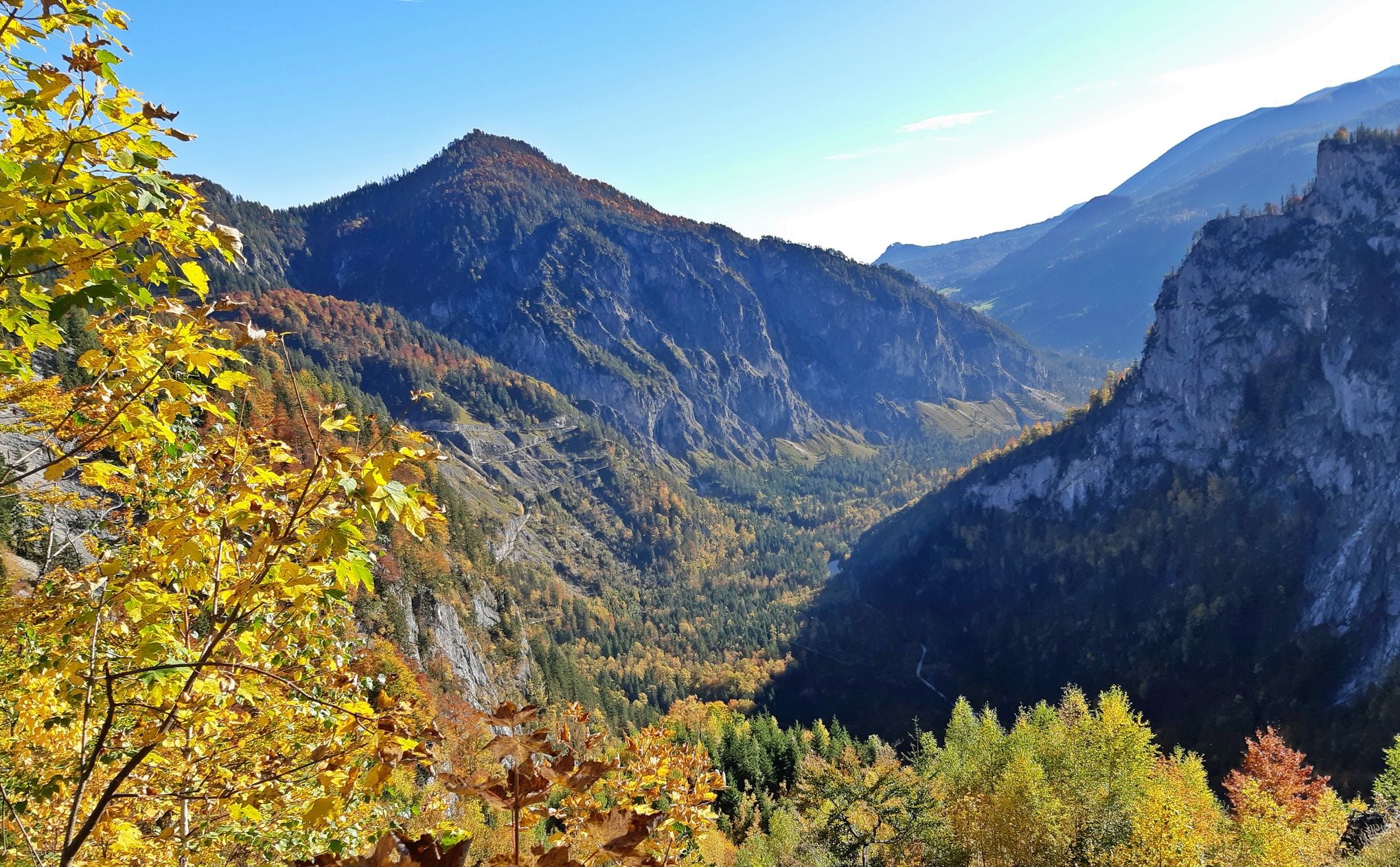
Salt Trail — On old paths through Upper Austria
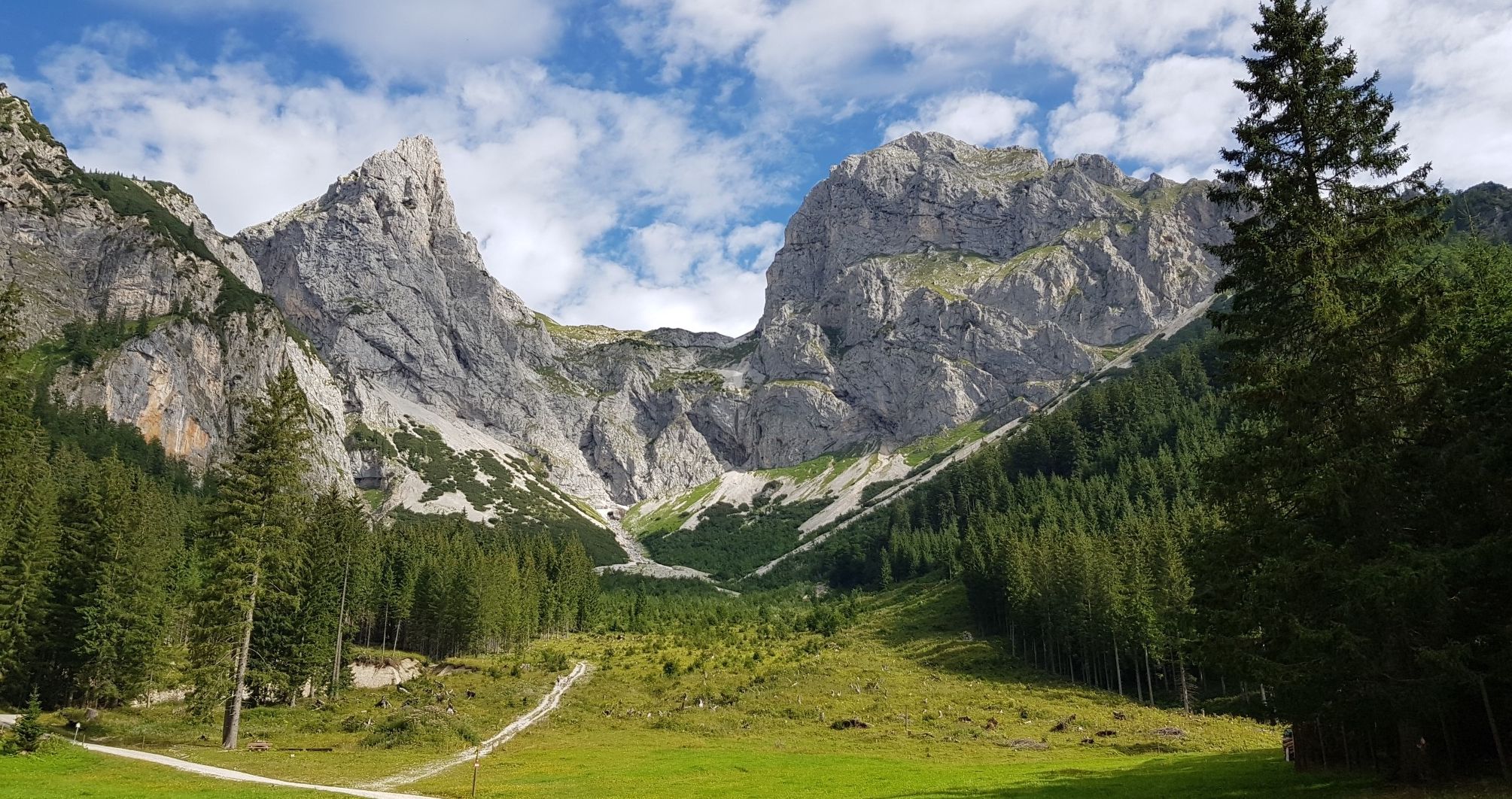
North Alpine Trail 01 – Hike across Austria in 49 days
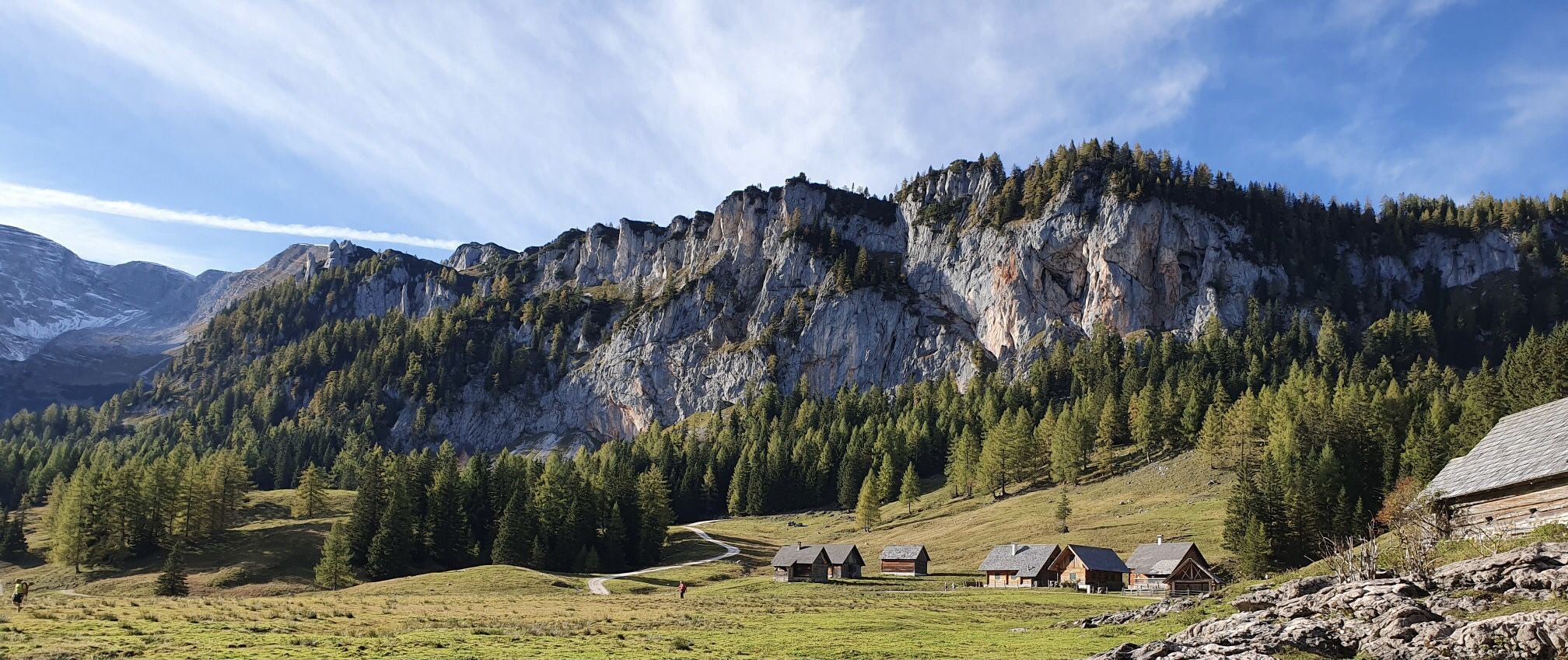
Austria's Kalkalpen Trail – Giant rocks & alpine meadows
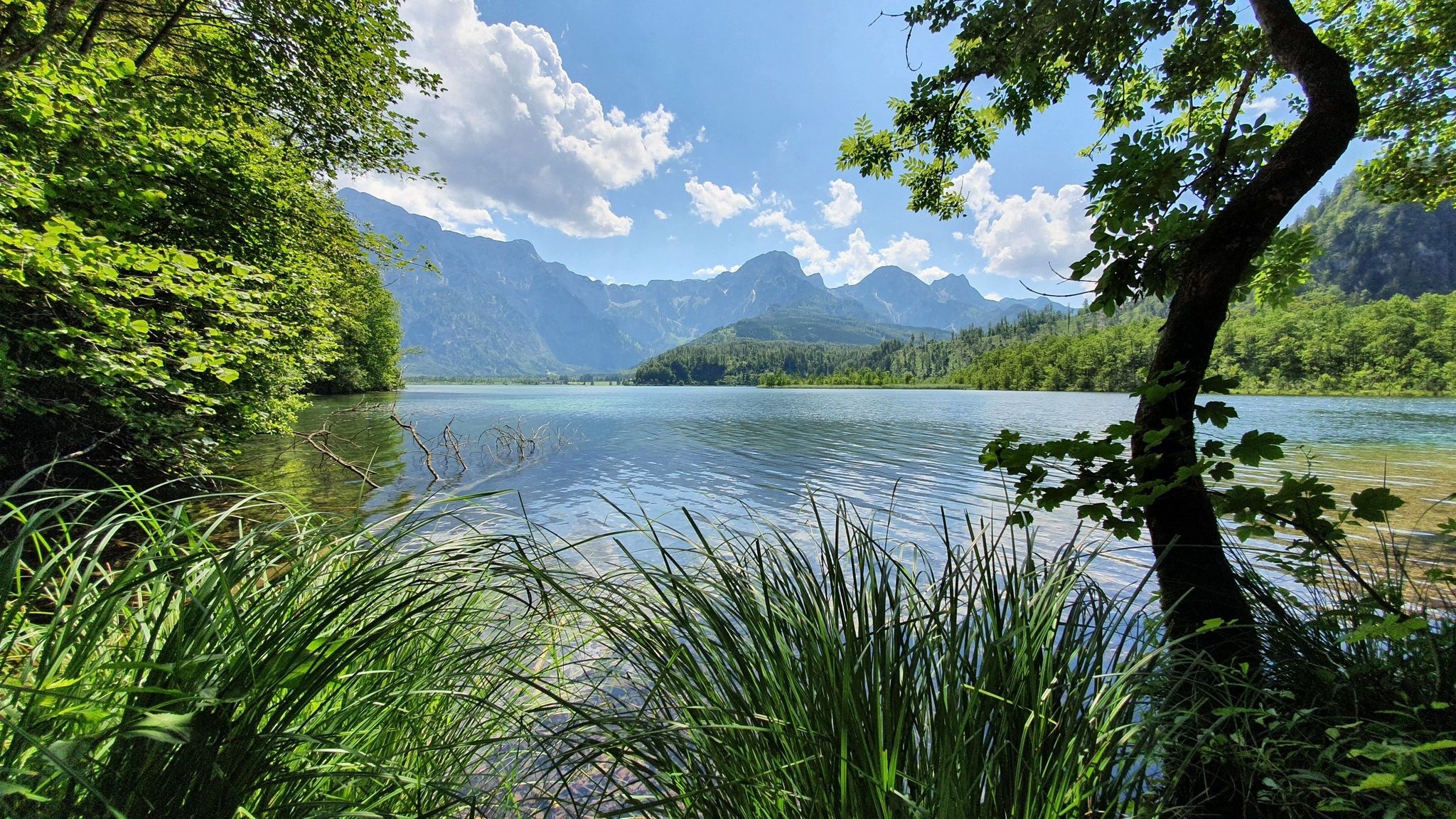
Voralpenweg 04 – From Vienna to Bad Reichenhall
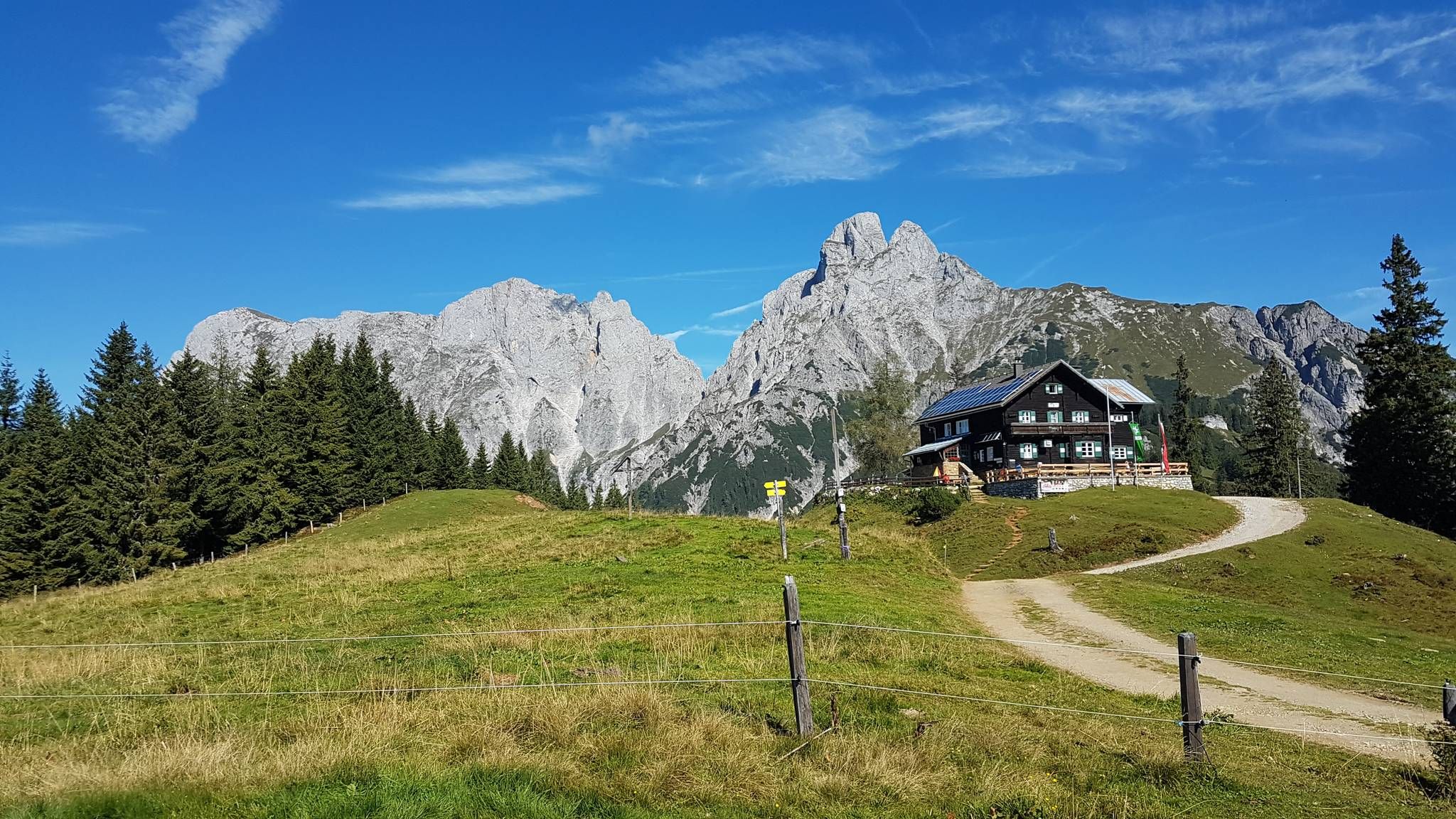
Gesäuse Hut Tour — Exploring the stunning Styria National Park
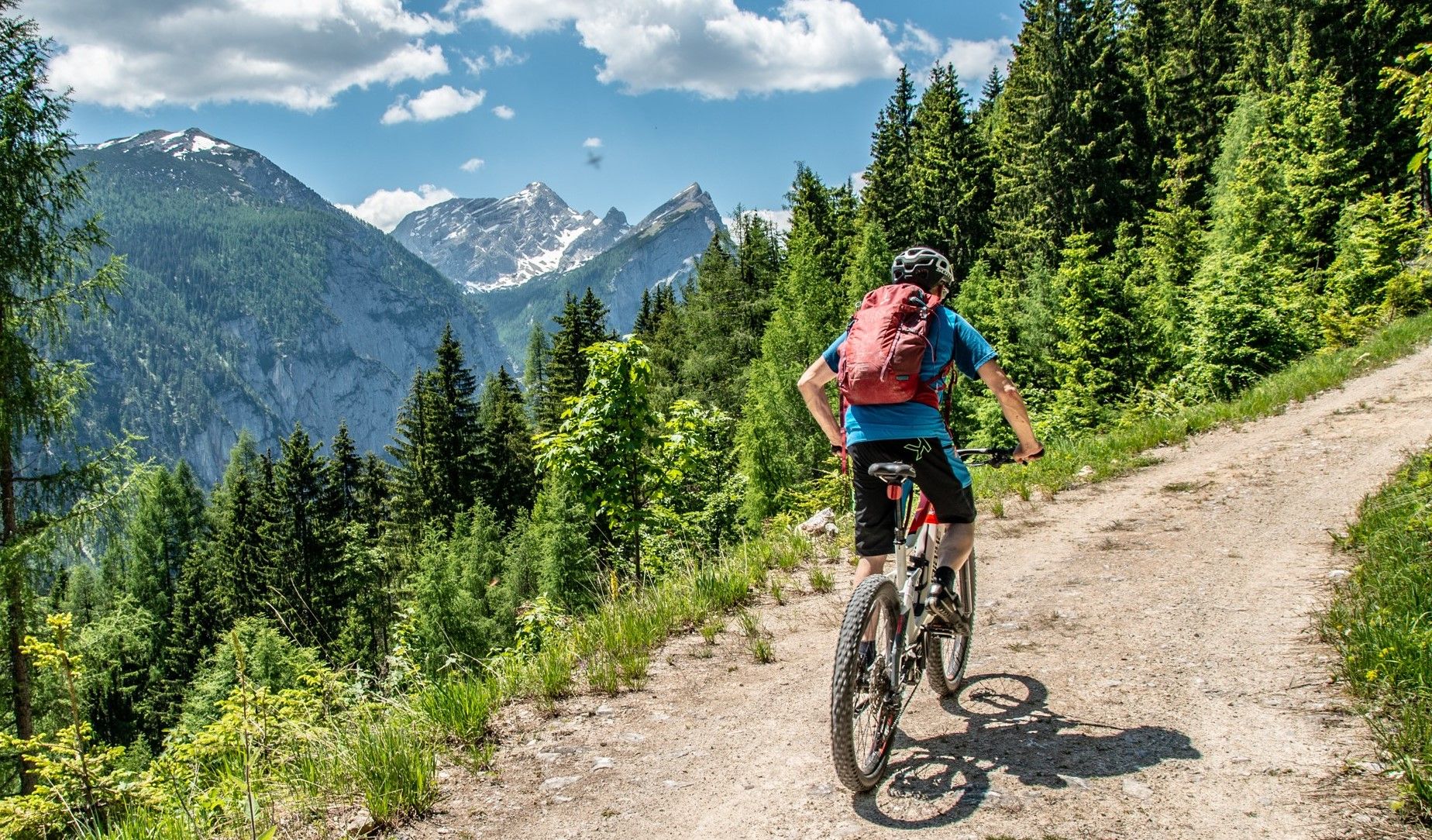
Trans National Park route — On the route through the Kalkalpen
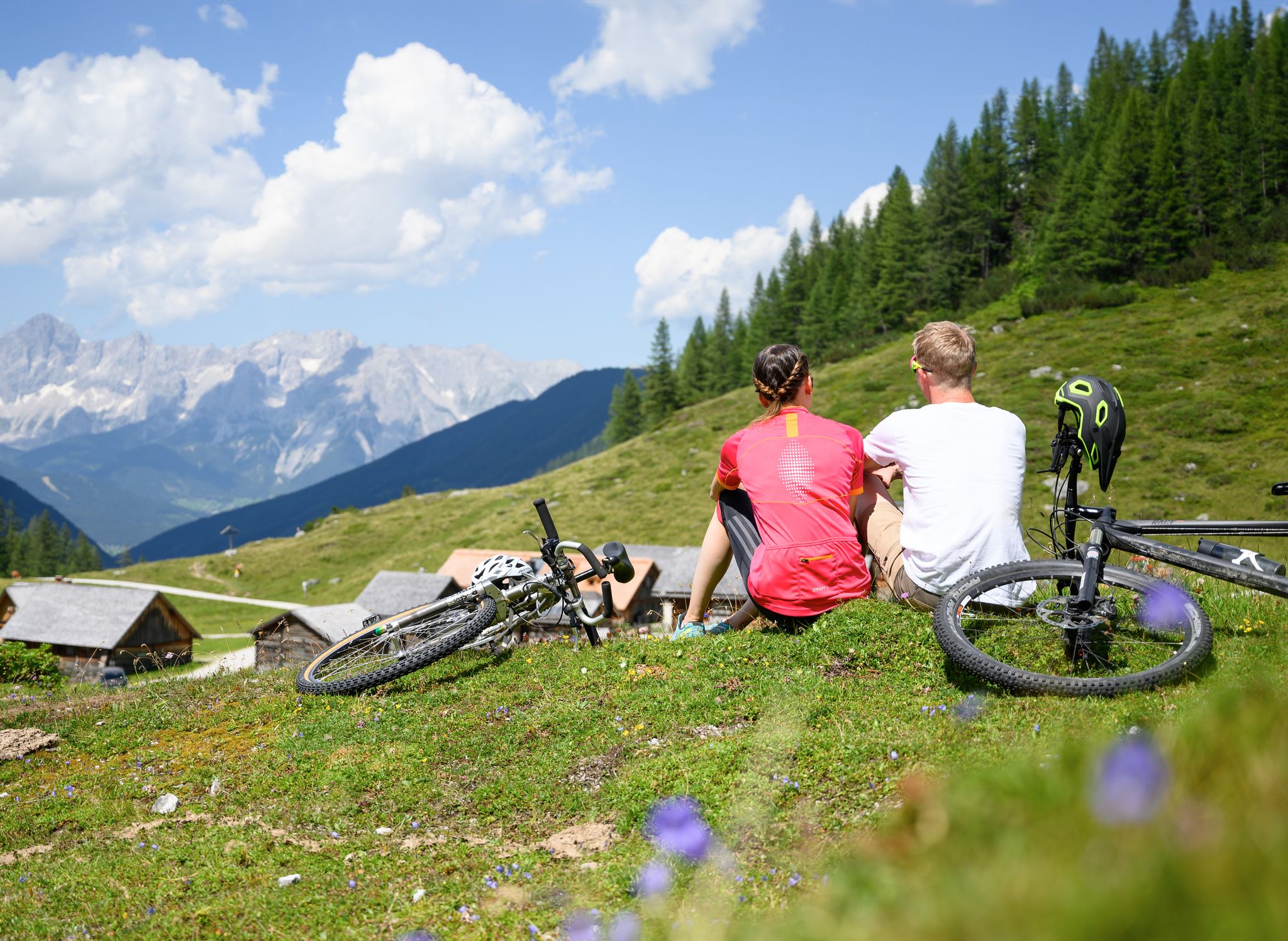
Magnificent mountain biking on Austria's alpine pastures
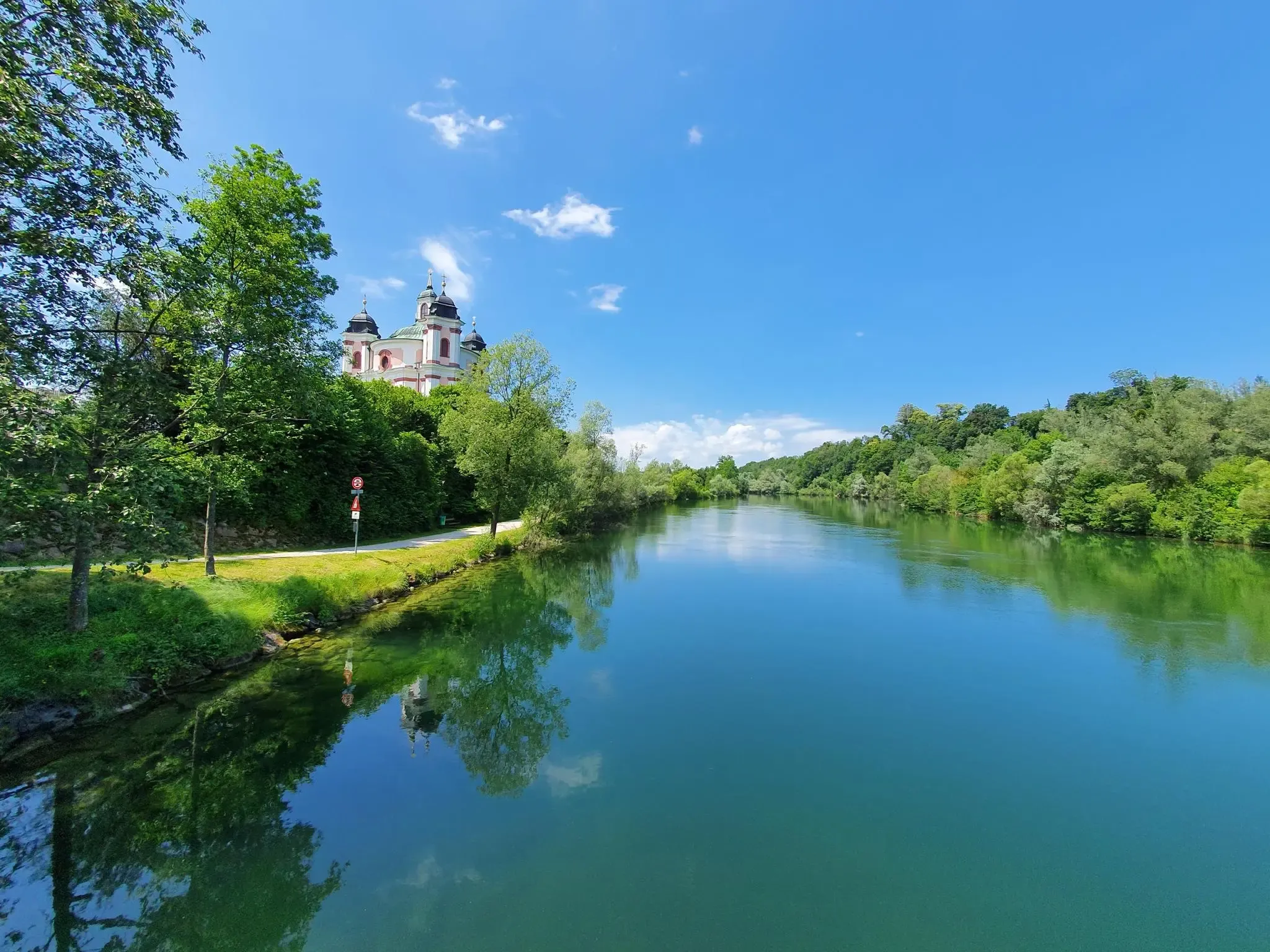
A heavenly Austrian hike – Benedict Pilgrimage Trail Traunviertel
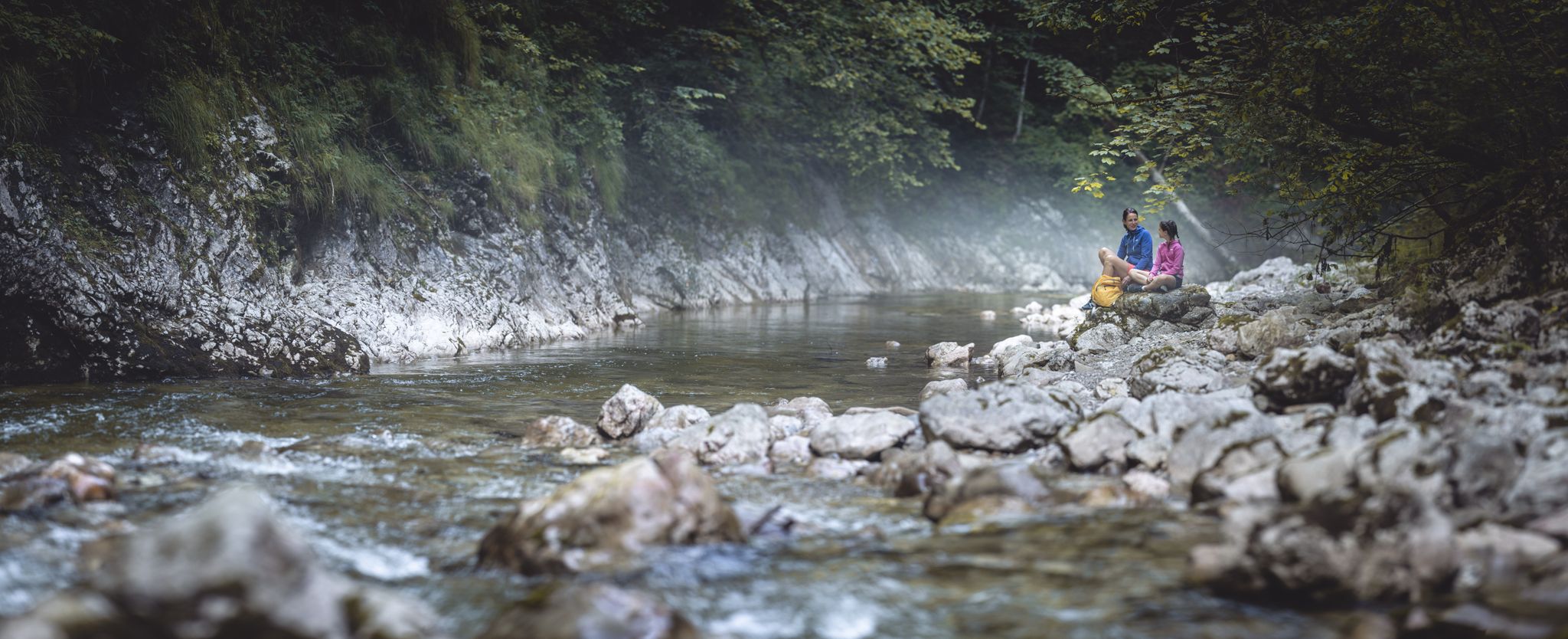
Discover the Kalkalpen National Park
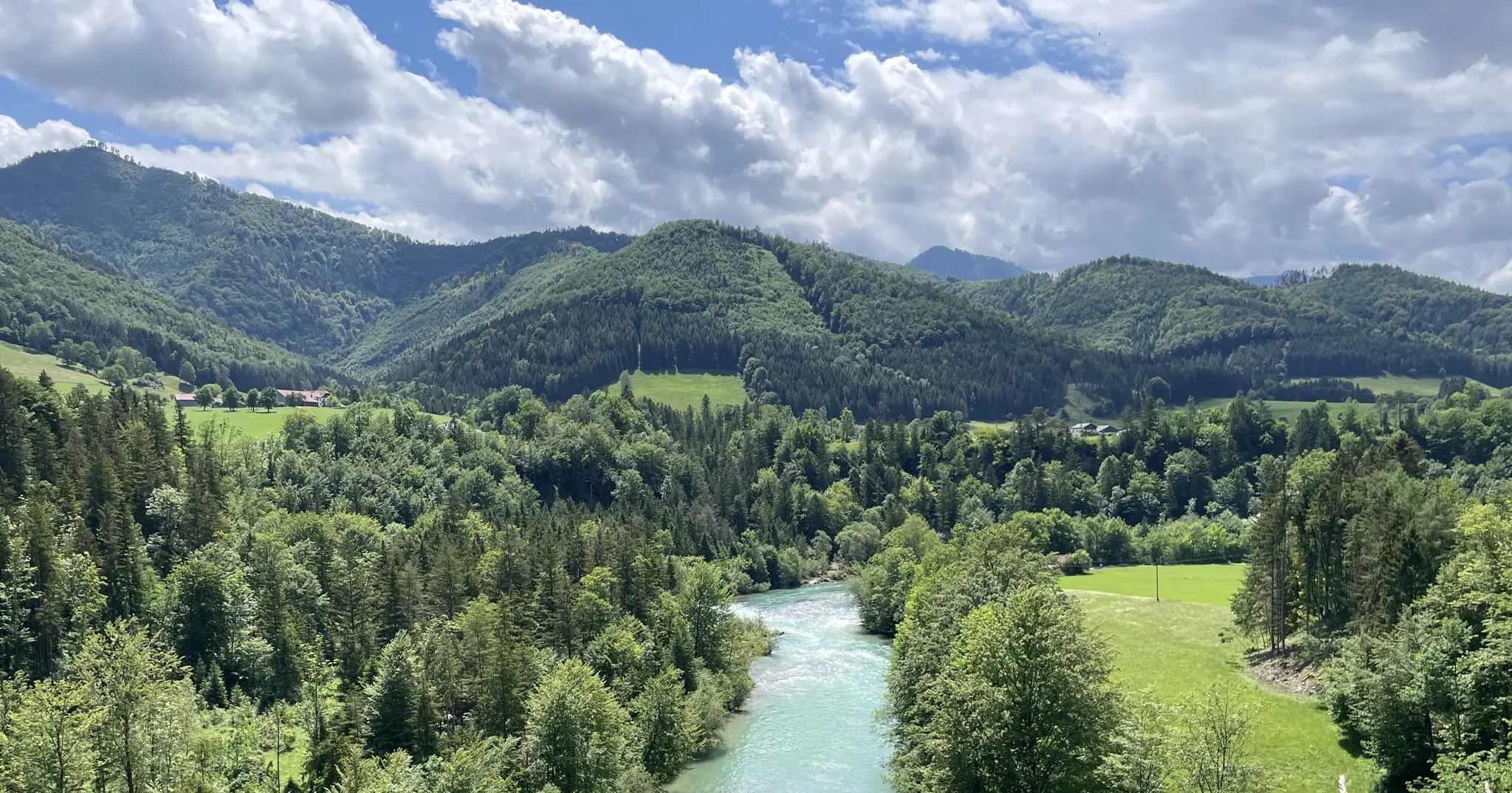
Turquoise water and green forests – the Steyrtal Bike Path
Other adventures around Bezirk Kirchdorf


Tips from the Community


Beauty limited for a limited time. The meltwater seeps through the rock in spring and freezes in the cave, which is still cold from winter. When temperatures rise in early summer, the magic is over. Be careful when descending to the cave in damp weather or when there is snow (or snow residue)!!! This path can be dangerous!
3
0

A beautiful valley. It's definitely nice and cool in summer. The cave is closed for security reasons.
3
2

Water droplets form the snow. Very beautiful!
2
0

This "snow hole" got its name because people used to melt snow there in large copper kettles to water the cows. Most alpine pastures in the Totes Gebirge (hence the name) don't have their own water sources, and the dairymaids used to help themselves by collecting rainwater in large tubs. In dry summers, they melted snow and used mountain pines as firewood. The last time snow was melted this way was in 1937. http://stodertalfreunde.blogspot.com/2013/06/schneeofen-auf-der-ho.html
0
0

A first class natural spectacle.
1
0
Temporary beauty. In the spring, the meltwater seeps through the rock and freezes in the cave, which is still cold in winter. With rising temperatures in early summer, the magic is over.
3
1
Frequently Asked Questions
Are there accessible caves in Bezirk Kirchdorf?
Yes, the Pießling Spring (karst spring) is a notable natural monument that is generally accessible. Additionally, the Klausgraben Cave, mentioned in regional research, is highlighted as a highly recommended accessible rock cave in the district, offering guided tours.
What unique natural features can I expect to see in the caves of Bezirk Kirchdorf?
The region's limestone geology has created impressive subterranean cavities. You can find features like stalactites and stalagmites in caves such as Klausgraben Cave. The Schwarzenbachtal Cave is known for its shimmering mineral walls and massive pillars of calcareous rock. Some caves, like Teufelshöhlen Kremsmünster, even feature ice formations in winter.
Are there family-friendly caves or activities suitable for children?
Yes, the Pießling Spring (karst spring) is categorized as family-friendly. The general exploration of natural rock formations and accessible caves in the region, such as the Klausgraben Cave, can be an ideal activity for families who enjoy nature.
What is the best time to visit the caves in Bezirk Kirchdorf?
Many caves in Bezirk Kirchdorf are enjoyable year-round. For caves like Teufelshöhlen Kremsmünster, winter offers unique ice formations, making it particularly worth seeing. However, the region's diverse landscape makes exploring these natural formations an ideal activity for nature lovers and outdoor enthusiasts during warmer months as well.
What outdoor activities can I combine with a visit to the caves?
Bezirk Kirchdorf offers a variety of outdoor activities. You can find excellent options for hiking, including trails like the Stoderer Dolomiten Trail or the Luchs Trail. For cycling enthusiasts, there are gravel biking routes such as the Hengstpass loop. Additionally, the region is popular for mountain hikes, with challenging routes like those around Hohe Nock.
Are there any caves with waterfalls in the area?
Yes, the Tempeltal Cave and Waterfall is a notable natural monument situated in a valley, offering a shaded and pleasant environment along the trail leading to both the cave and the waterfall.
Can I find smaller cave structures and rock overhangs along hiking trails?
Absolutely. The region features Rock overhangs and small caves along the trail, which offers a trail experience through a forest with various natural rock formations and smaller cave structures.
Are there any ice caves in Bezirk Kirchdorf?
Yes, the Ice Chapel (Eiskapelle) in Nationalpark Kalkalpen is a notable ice cave in the region. Another one is the Snow Oven (Snow Cave).
What is the Pießling Spring known for?
The Pießling Spring (karst spring) is a natural monument recognized as one of the strongest karst springs in Austria and the largest in Upper Austria. It's an impressive natural phenomenon.
Are there any caves that offer shelter or viewpoints?
Yes, the Shelter Cave at Brotfallscharte is a cave that also serves as a natural monument and offers a viewpoint. Additionally, near the Snow Oven (Snow Cave), you can find View benches at Schneeofen, which invite you to take a break with views towards Warscheneck.
What are the Teufelshöhlen Kremsmünster?
The Teufelshöhlen Kremsmünster, or Devil's Caves, are a natural monument known for their unique formations, including ice formations in winter. Local folklore also surrounds these caves, with tales of odd sightings and the devil's 'claws' in the rock.
Most popular routes around Bezirk Kirchdorf
Most popular attractions around Bezirk Kirchdorf

Get inspired with the komoot mobile app


Didn’t find what you were looking for?
Discover more caves around Bezirk Kirchdorf region by region:
Explore more
Extend your search for the best caves by checking out these guides of the top ones around Bezirk Kirchdorf:
