Top 6 Caves around Neustadt an der Weinstraße
Best caves around Neustadt an der Weinstraße are primarily found within the surrounding Palatinate Forest. This region features diverse natural formations, including fissure and detrital caves in Bunter Sandstone. These sites offer opportunities for hiking and exploring local natural history. The area is characterized by its forested hills and geological interest.
Best caves around Neustadt an der Weinstraße
- The most popular caves is Bruderhäuschen Cave, a natural monument that is a 5 meter wide rock shelter. This site features…
Last updated: June 26, 2026
Bürgermeisterstein Cave (Ritterstein No. 240)
Highlight • Cave
Translated by Google •
Tip by

Studerbildschacht Cave
Highlight • Cave
Translated by Google •
Tip by
Sign up now to discover places like this
Get recommendations on the best single tracks, peaks, & plenty of other exciting outdoor places.
Sign up for free
Heidenloch Cave
Highlight • Cave
⚠️ Sturdy shoes and ☠️ Don't underestimate the risk of falling!!!
Brother's Cottage is a hermitage, 19 meter long rubble cave
Heidenloch is a fissure cave
Translated by Google •
Tip by

Bruderhäuschen Cave
Highlight • Cave
Translated by Google •
Tip by

Inscriptions at Bürgermeisterhöhle
Highlight • Historical Site
Translated by Google •
Tip by
Start today with a free account
Your next adventure awaits.
Login or Signup
Popular around Neustadt an der Weinstraße
The German Wine Route through the Palatinate — Come here, walk away!
Pfälzer Weinsteig trail – 11 stages along forests and vinyards
#GoFurther – discover the views of Germany!
High up in the Palatinate - Around the highest of the Palatinate Forest

Bergmenschen – die 10. Staffel: Freundschaft, Bikes & Berge
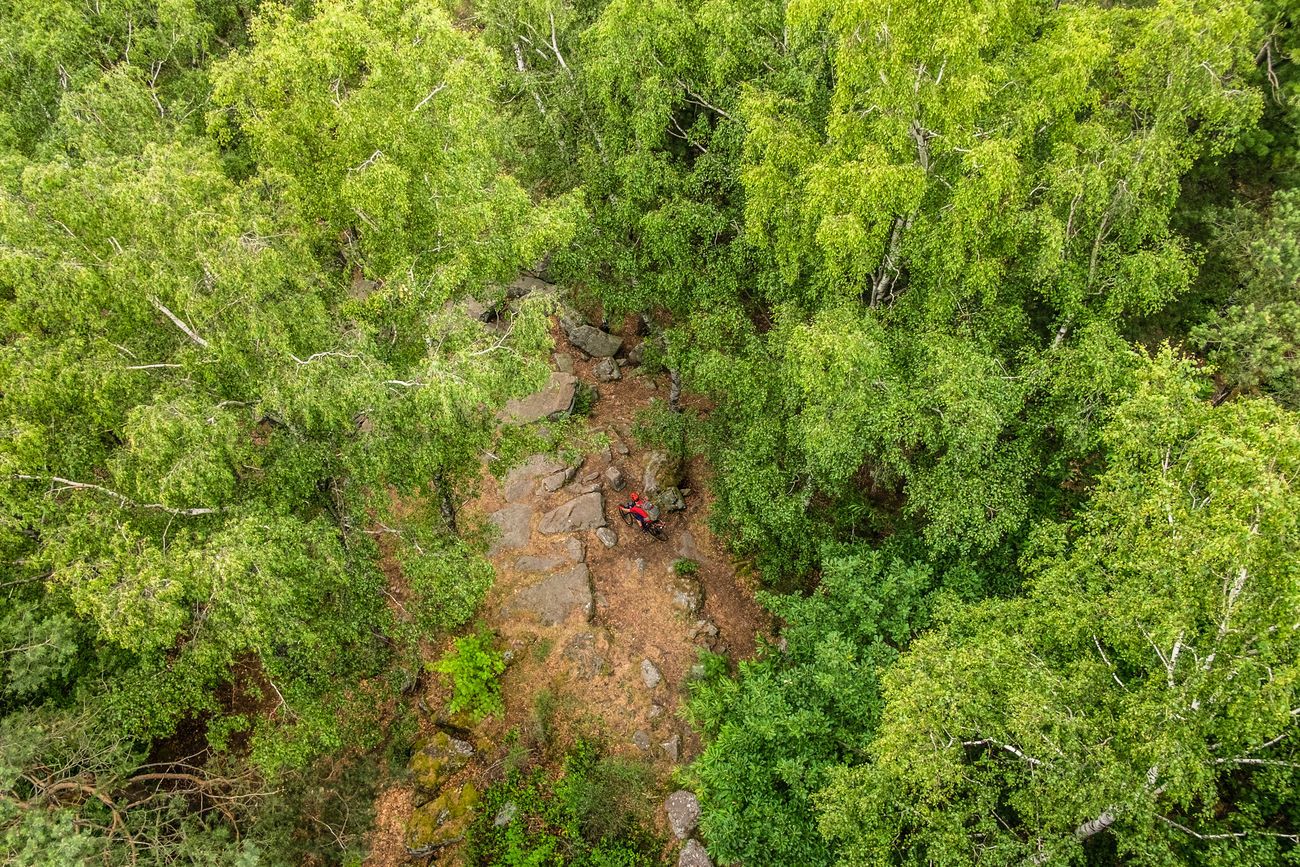
Pfälzerwald-Bikepacking: Four stages with the Gravelbike
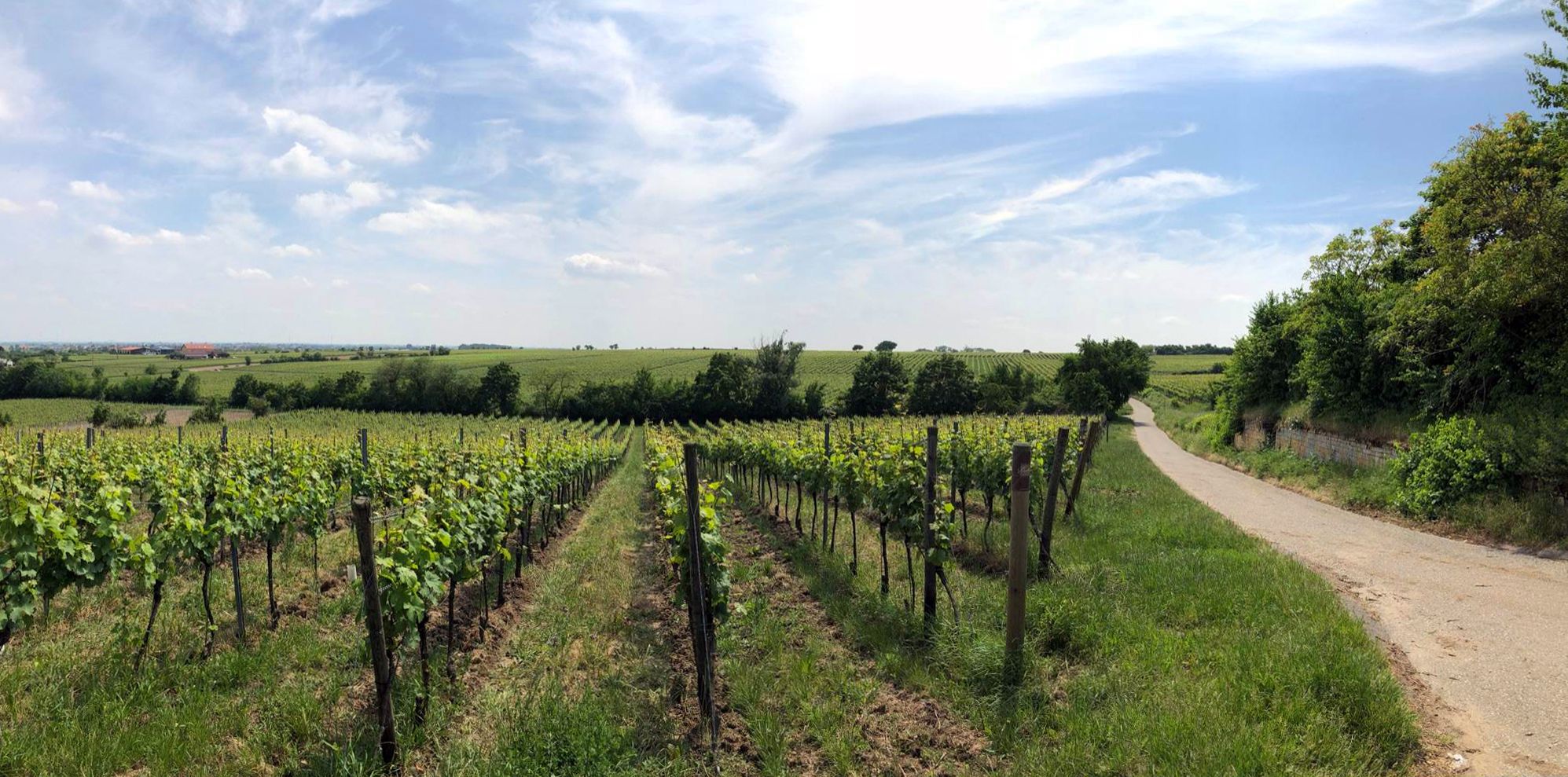
Explore the Palatinate region — German Wine Cycle Route
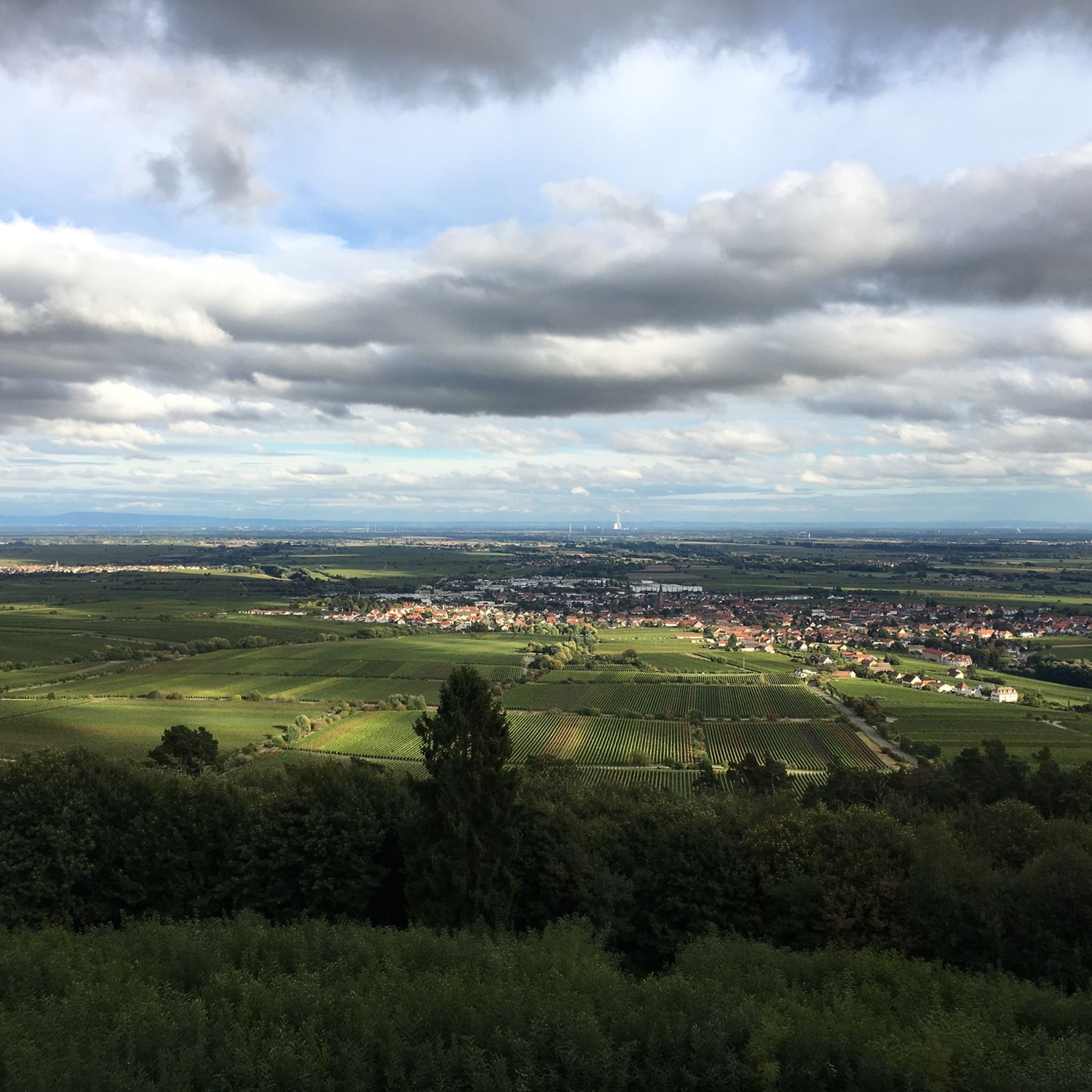
Hiking around Neustadt an der Weinstraße
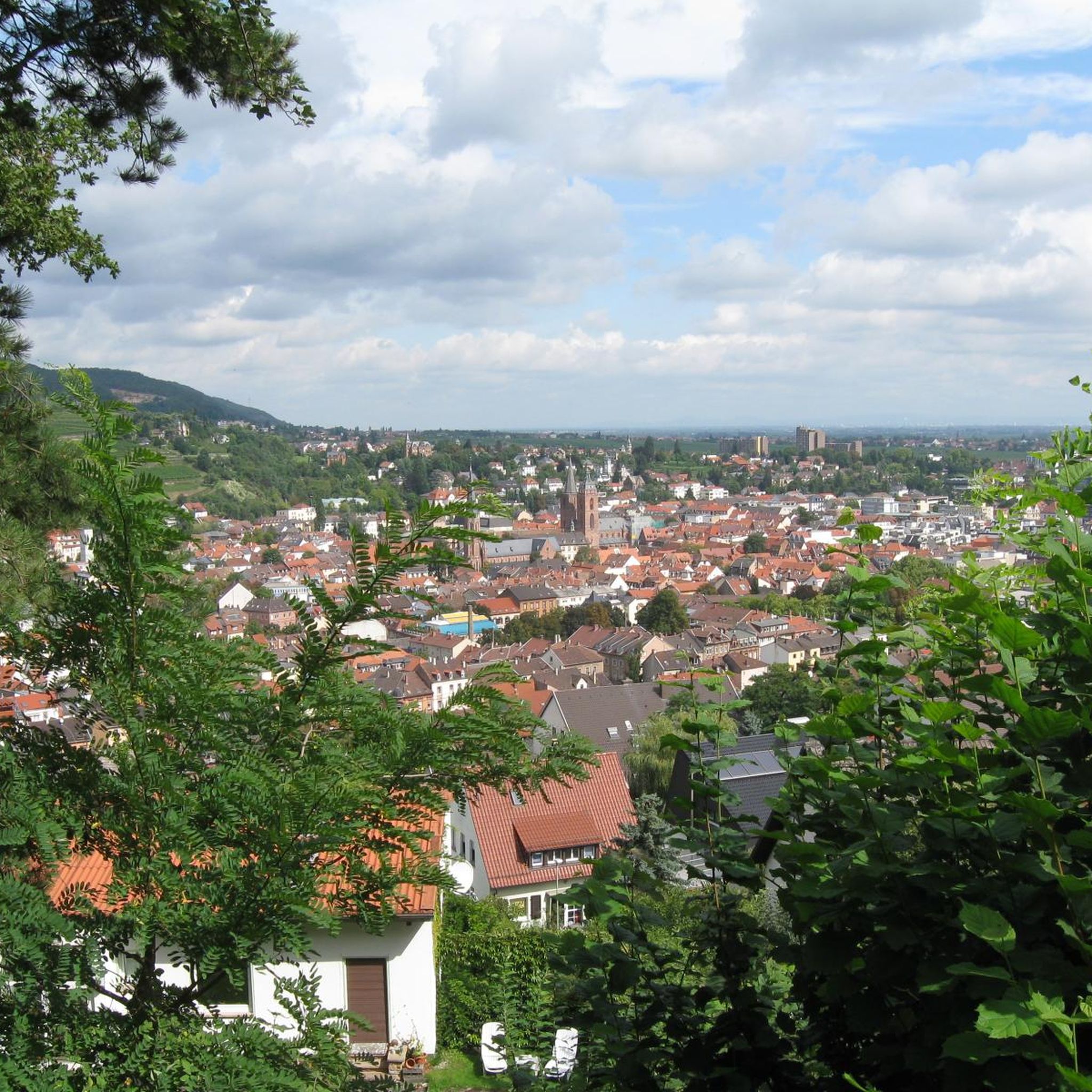
Cycling around Neustadt an der Weinstraße
MTB Trails around Neustadt an der Weinstraße
Other adventures around Neustadt an der Weinstraße


Tips from the Community

The Bruderhäuschen is difficult to reach, but still worth seeing. However, if you want to explore it, you have to make yourself small and maybe take a flashlight with you.
0
0

You can find a list of knight stones here: https://de.m.wikipedia.org/wiki/Liste_der_Rittersteine
0
0
You can find a list of knight stones here: https://de.m.wikipedia.org/wiki/Liste_der_Rittersteine
0
0
The shaft is not so good. It is dark and quite mystical.
0
0
You can't see much, but this shaft is still mystical, especially when you know that it goes 50m deep. This makes it one of the deepest.
0
0

This knight's stone no. 240 PWV describes a small cave below the Hohe Loog.
3
0

Here, right on the path on the side of the hill, stands one of the Palatinate Forest Association's over 300 knight's stones. Its arrow points to the top right at the "Mayor's Stone". This stone contains a "small cave, on whose rock walls over 100 house marks [= a kind of signature or name seal] were carved between 1602 and 1634." Source (partly quoted verbatim): "Knight's Stones in the Palatinate Forest" by Walter Eitelmann, self-published by the Palatinate Forest Association, Neustadt/Wstr.
2
0

One of the numerous knight stones of the Palatinate: https://de.wikipedia.org/wiki/Liste_der_Rittersteine
4
0
Frequently Asked Questions
What types of caves can I explore around Neustadt an der Weinstraße?
The region primarily features fissure caves, shaft caves, and rock shelters formed in Bunter Sandstone. These include the 42-meter-long Heidenloch Cave, a fissure cave, and the Studerbildschacht Cave, which is the deepest shaft cave in the area at 44 meters.
Are there any caves with historical significance in the region?
Yes, several caves have historical ties. The Heidenloch Cave has been the site of archaeological investigations, uncovering artifacts like a 13th/14th-century Palatinate silver coin and pottery. The Bruderhäuschen Cave, also known as Eremitage, is believed to have been a hermit's shelter, with carved seating niches and a cistern still visible.
What natural features or wildlife can I expect to see in these caves?
The caves are part of the scenic Palatinate Forest, offering geological interest with their fissure and detrital formations. The Heidenloch Cave is known to be home to several bat species and the cave spider, adding to its ecological value. Many are also designated natural monuments.
How challenging are the caves to access or explore?
Many of the caves, such as Heidenloch Cave and Studerbildschacht Cave, are described as challenging. They are natural and undeveloped, often requiring physical exertion, sturdy shoes, and caution due to steep entrances or narrow passages. Some, like the Heidenloch, can be difficult to find.
Are the caves around Neustadt an der Weinstraße suitable for families or beginners?
The natural and undeveloped nature of many caves, with challenging access and exploration, means they might not be ideal for very young children or absolute beginners. However, the Bruderhäuschen Cave, while adventurous, allows crawling underneath a large rock piece and features carved elements, which might be an interesting, albeit still challenging, option for older, adventurous families.
What should I wear or bring when visiting the caves?
Given the challenging and undeveloped nature of these caves, sturdy shoes are essential. For exploring inside, especially in places like Bruderhäuschen Cave, a flashlight is highly recommended. Be prepared for uneven terrain and potentially damp conditions.
Is there a best time of year to visit the caves in this region?
The caves are generally accessible year-round, but spring and autumn offer pleasant hiking conditions in the Palatinate Forest. During winter, some paths might be slippery, and specific cave inhabitants like bats might be hibernating, so checking local conditions is advisable. The Heidenloch Cave is home to bats, so consider their protection during certain seasons.
Can I combine a cave visit with hiking?
Absolutely. The caves are primarily destinations within the scenic Palatinate Forest, making them excellent points of interest for hikers. You can find numerous hiking routes in the area, such as those listed in the Mountain Hikes around Neustadt an der Weinstraße guide, which offer various difficulty levels.
What other outdoor activities are available near the caves?
Beyond hiking, the Palatinate Forest surrounding Neustadt an der Weinstraße offers diverse outdoor activities. You can explore gravel biking routes, with options ranging from easy to difficult, as detailed in the Gravel biking around Neustadt an der Weinstraße guide. There are also general cycling routes available, including easy and moderate tours, which you can find in the Cycling around Neustadt an der Weinstraße guide.
Which caves are designated as natural monuments?
Several caves in the area are protected as natural monuments due to their geological and ecological significance. These include the Bruderhäuschen Cave, Heidenloch Cave, and Studerbildschacht Cave. The Bürgermeisterstein Cave is also recognized as a natural monument.
What makes the <a href="https://www.komoot.com/highlight/200469" target="_blank" rel="noopener">Bruderhäuschen Cave</a> unique?
The Bruderhäuschen Cave is a 5-meter-wide rock shelter, believed to have been a hermit's dwelling. It features small walls, carved seating niches, and a cistern for rainwater, offering a glimpse into historical use. It's located on the southern slope of Königsberg, about a hundred meters above the Königsmühle.
What is special about the <a href="https://www.komoot.com/highlight/1205928" target="_blank" rel="noopener">Studerbildschacht Cave</a>?
The Studerbildschacht Cave is the deepest shaft cave in the region, reaching a depth of 44 meters. It was discovered accidentally in 1916 and is known for its unique tectonic conditions related to the Upper Rhine Graben. Its largest room is called the Pfälzer Halle, measuring 5 meters long, 3 meters high, and one meter wide.
What do visitors enjoy most about the caves around Neustadt an der Weinstraße?
Visitors appreciate the sense of adventure and exploration offered by these natural caves. They enjoy combining cave visits with hiking in the scenic Palatinate Forest and discovering the historical and geological significance of sites like the Heidenloch Cave and Bruderhäuschen Cave. The komoot community has upvoted the highlights over 230 times and shared more than 40 photos.
Most popular routes around Neustadt an der Weinstraße
Most popular attractions around Neustadt an der Weinstraße

Get inspired with the komoot mobile app


Explore more
Extend your search for the best caves by checking out these guides of the top ones around Neustadt an der Weinstraße:
