Top 14 Gorges around Königstein im Taunus
Best canyons around Königstein im Taunus offers a landscape characterized by picturesque valleys and gorge-like formations within the Taunus region. The area features natural beauty with streams, forests, and varied terrain. These natural features provide opportunities for hiking and experiencing the local environment. Königstein im Taunus is situated in a region known for its natural monuments and historical sites.
Best canyons around Königstein im Taunus
- The most popular canyons is Silberbach Valley, a gorge that features the Silberbach stream…
Last updated: June 26, 2026
Woog Valley
Highlight • Gorge
Translated by Google •
Tip by

Silberbach Valley
Highlight • Gorge
Translated by Google •
Tip by

Sign up now to discover places like this
Get recommendations on the best single tracks, peaks, & plenty of other exciting outdoor places.
Sign up for free
Medieval Glassworks at Emsbach Gorge
Highlight • Historical Site
taunuswelten.de/wandern/der-waldglasweg-bei-glashuetten
The name of the nearby village "Glashütten" also refers to this!
Translated by Google •
Tip by

Emsbach Gorge
Highlight • Gorge
de.wikipedia.org/wiki/Glash%C3%BCtte_an_der_Emsbachschlucht?oldformat=true
Translated by Google •
Tip by
Mainzer Hohle
Highlight • Gorge
Translated by Google •
Tip by

Sign up for free to discover even more gorges around Königstein im Taunus.
Sign up for free
Already have an account?
Start today with a free account
Your next adventure awaits.
Login or Signup
Popular around Königstein im Taunus
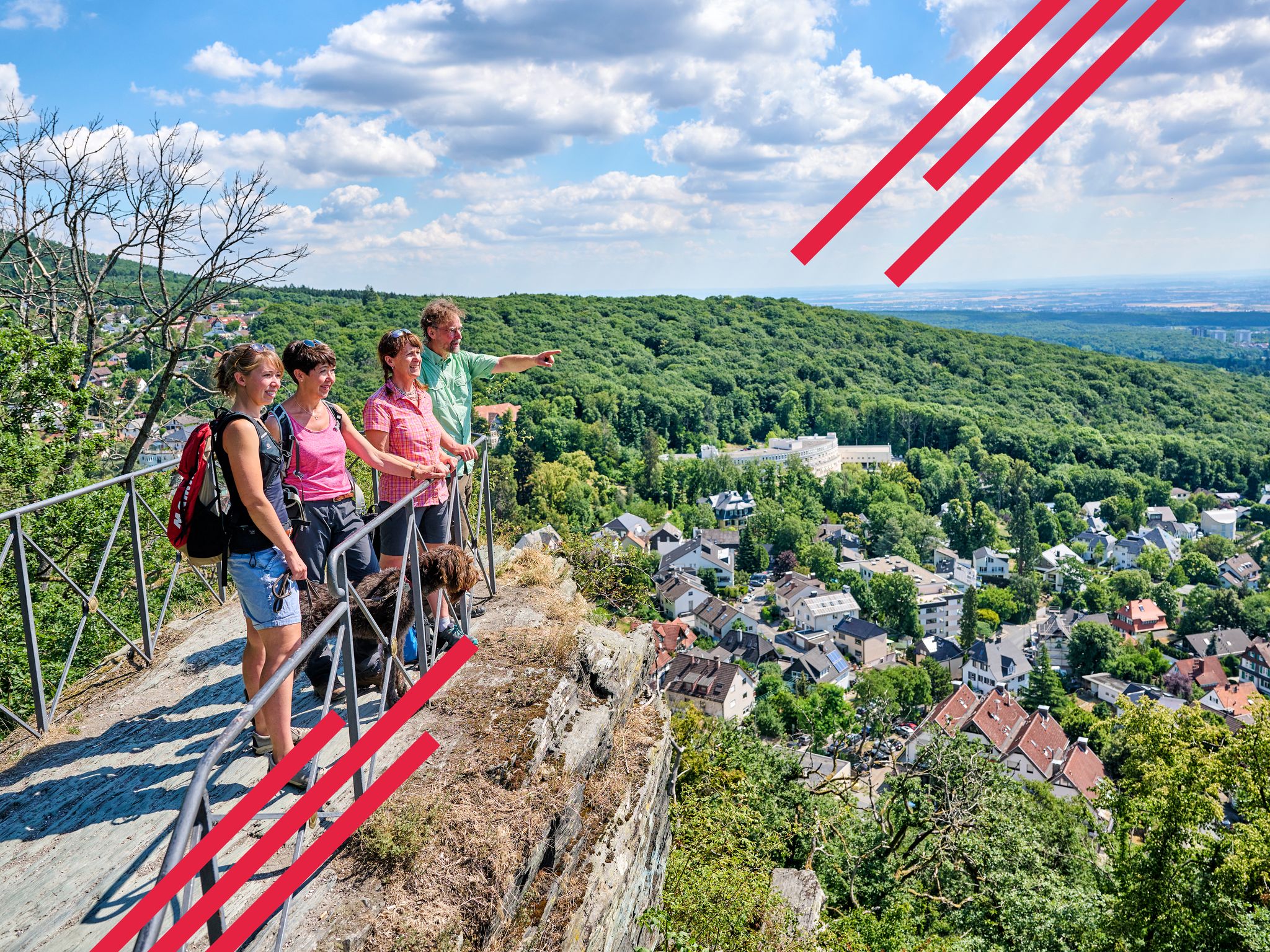
Delightfully scenic hiking in the Taunus range
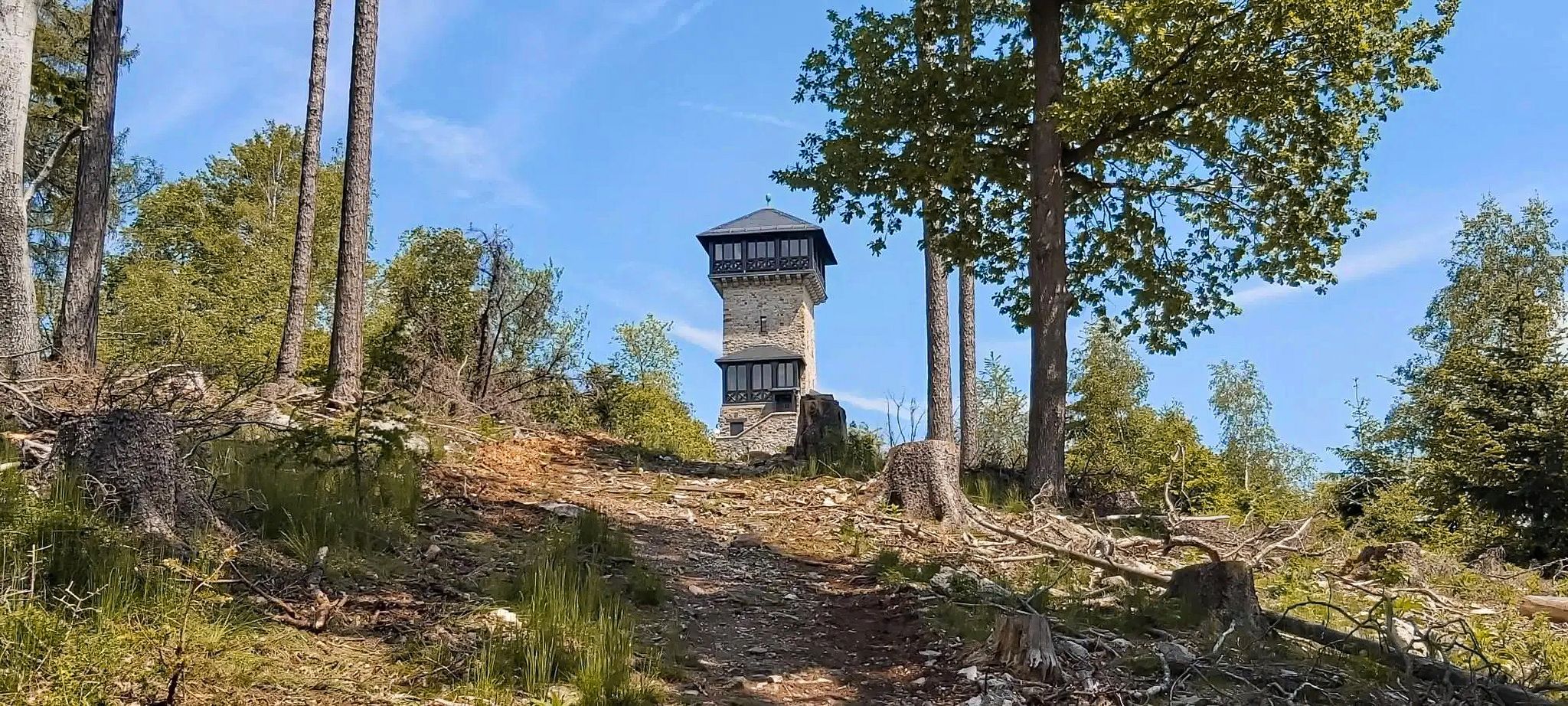
Autumn views: to the most beautiful vantage points in the RMV area
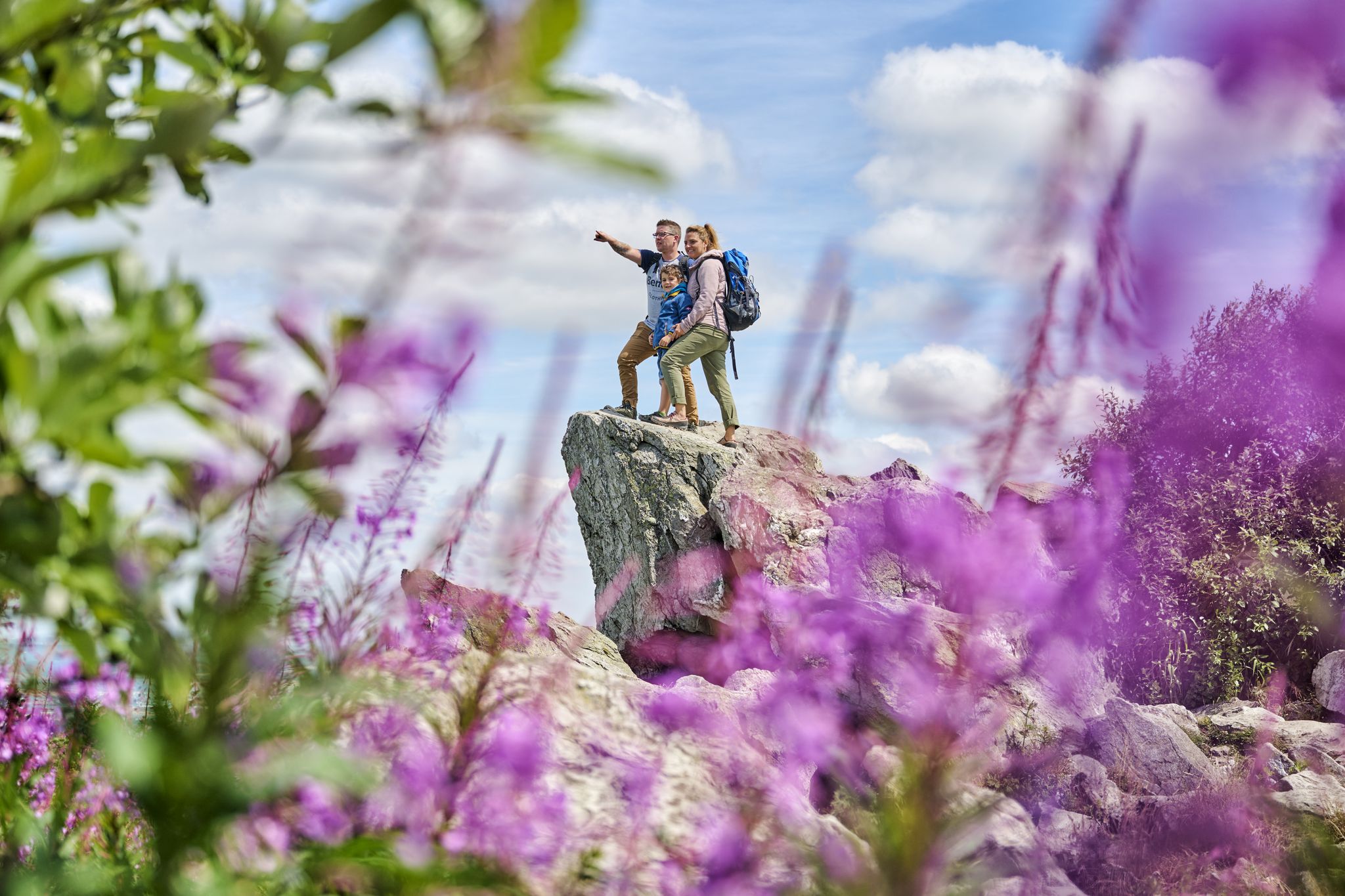
History, forest and gnomes – hiking in Germany’s Hochtaunus region
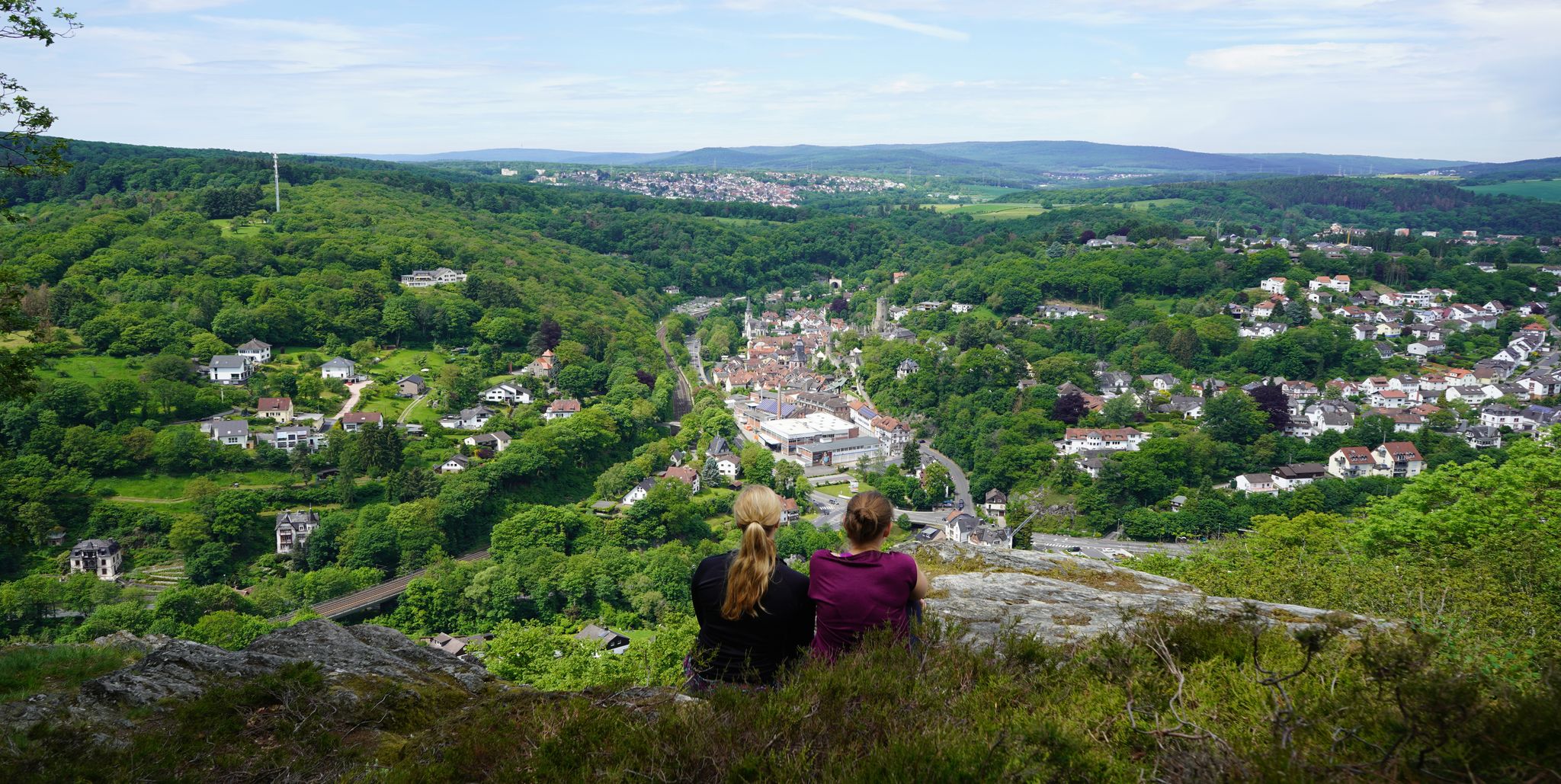
Exploring nature — hikes in Germany’s Taunus Mountains
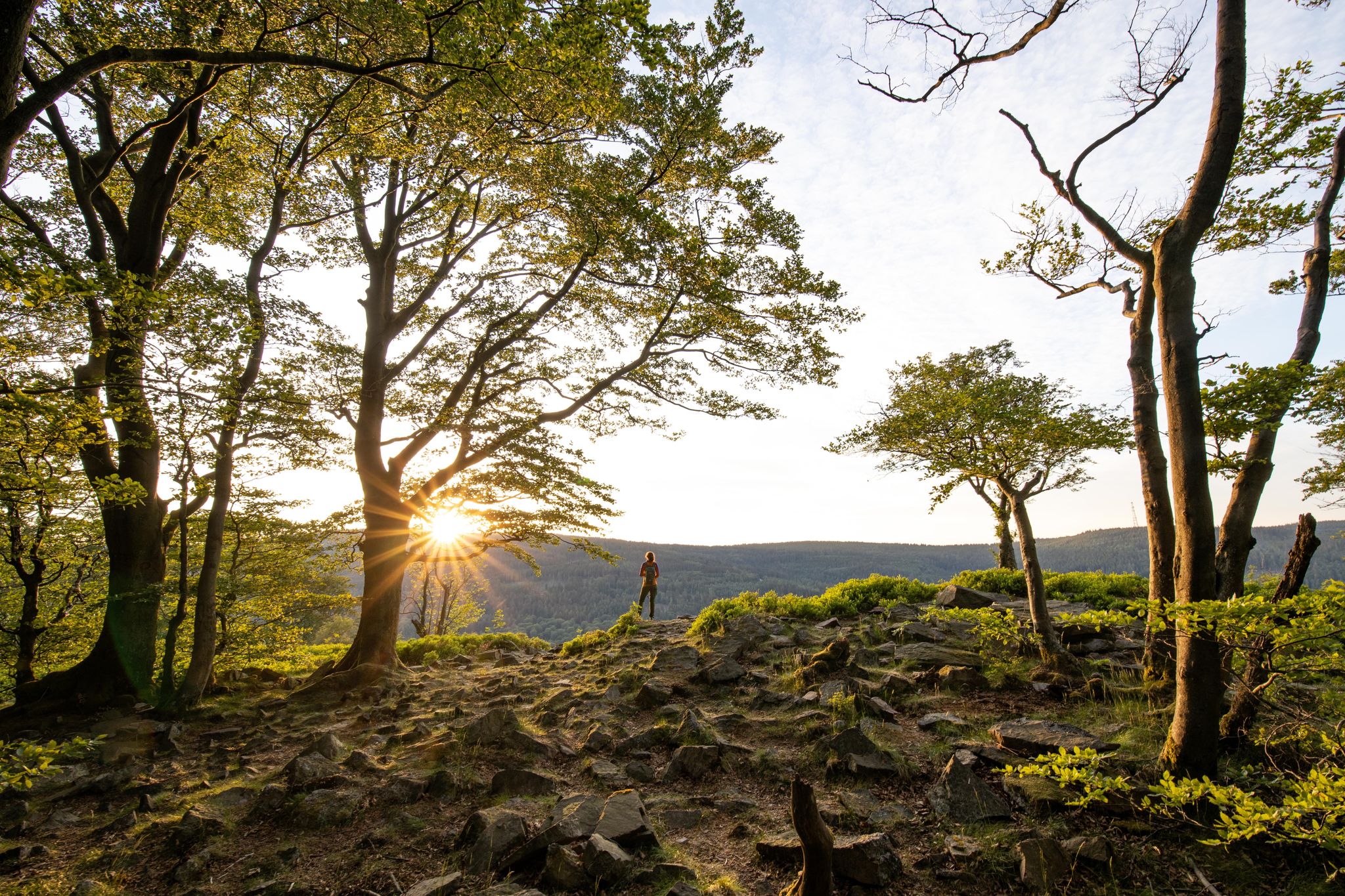
Deep valleys and airy heights – the most beautiful hikes in the Taunus in Germany
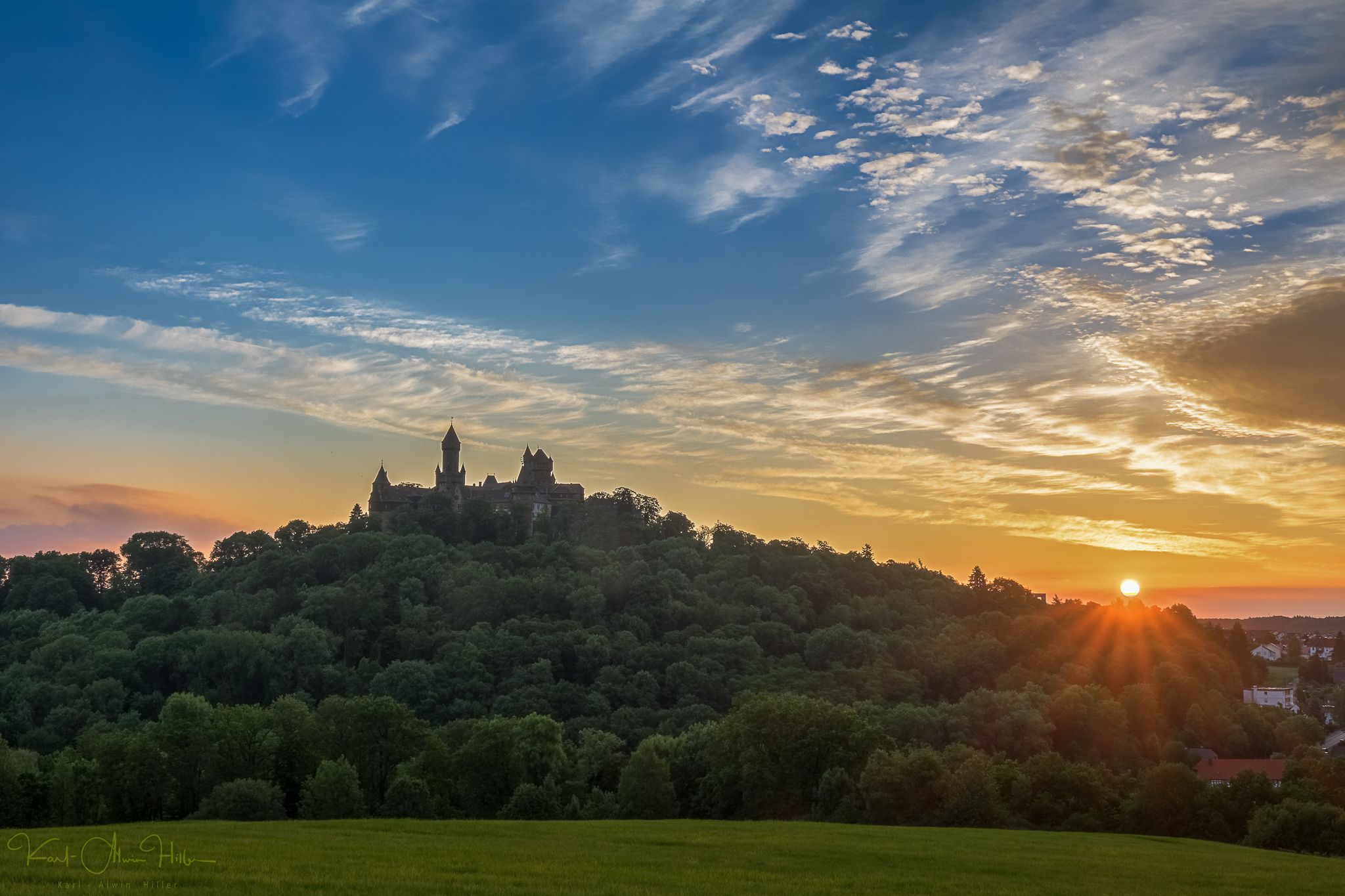
A journey through time – the most beautiful routes in the Taunus Nature Park
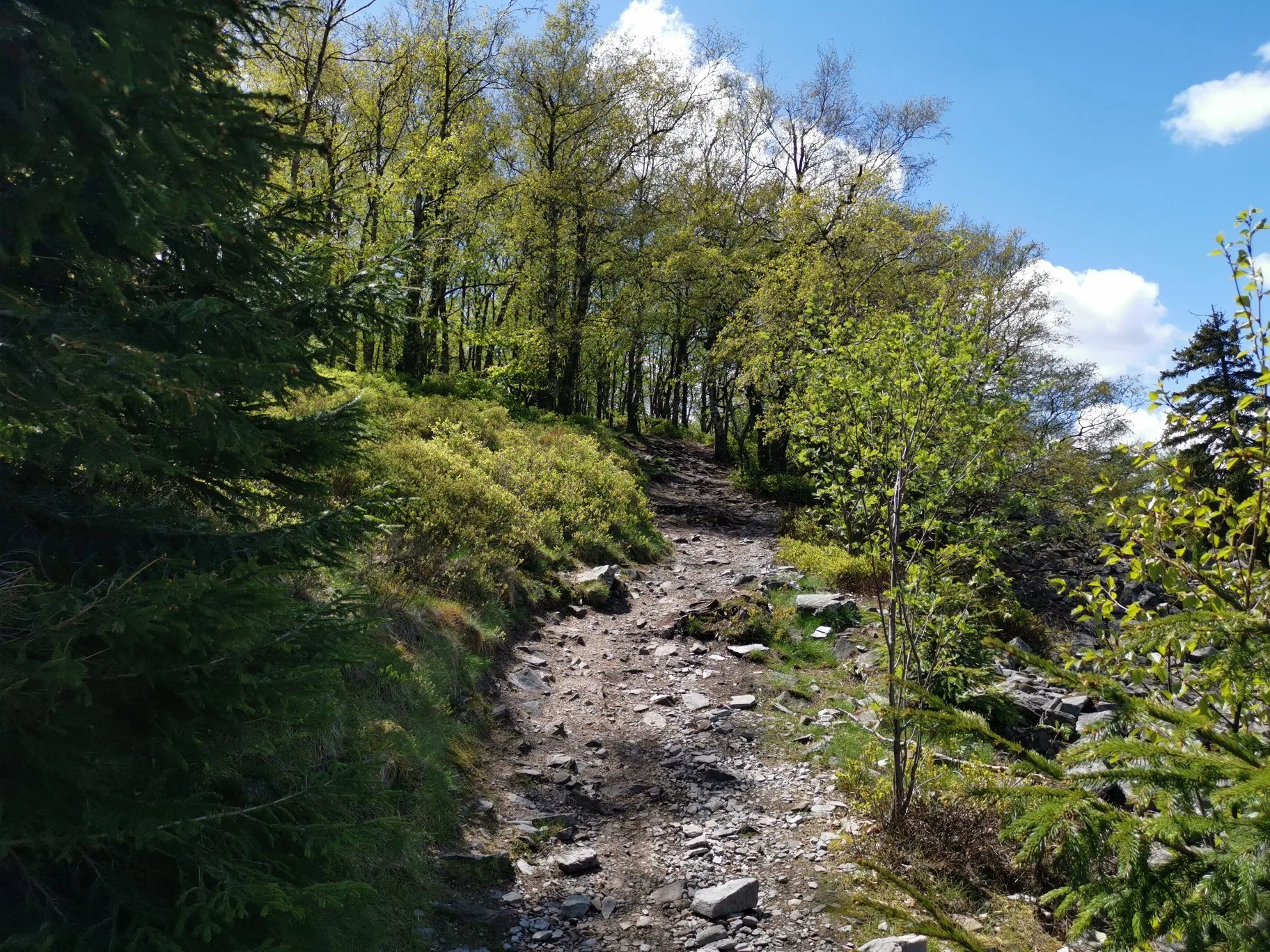
Autumn hikes around Frankfurt
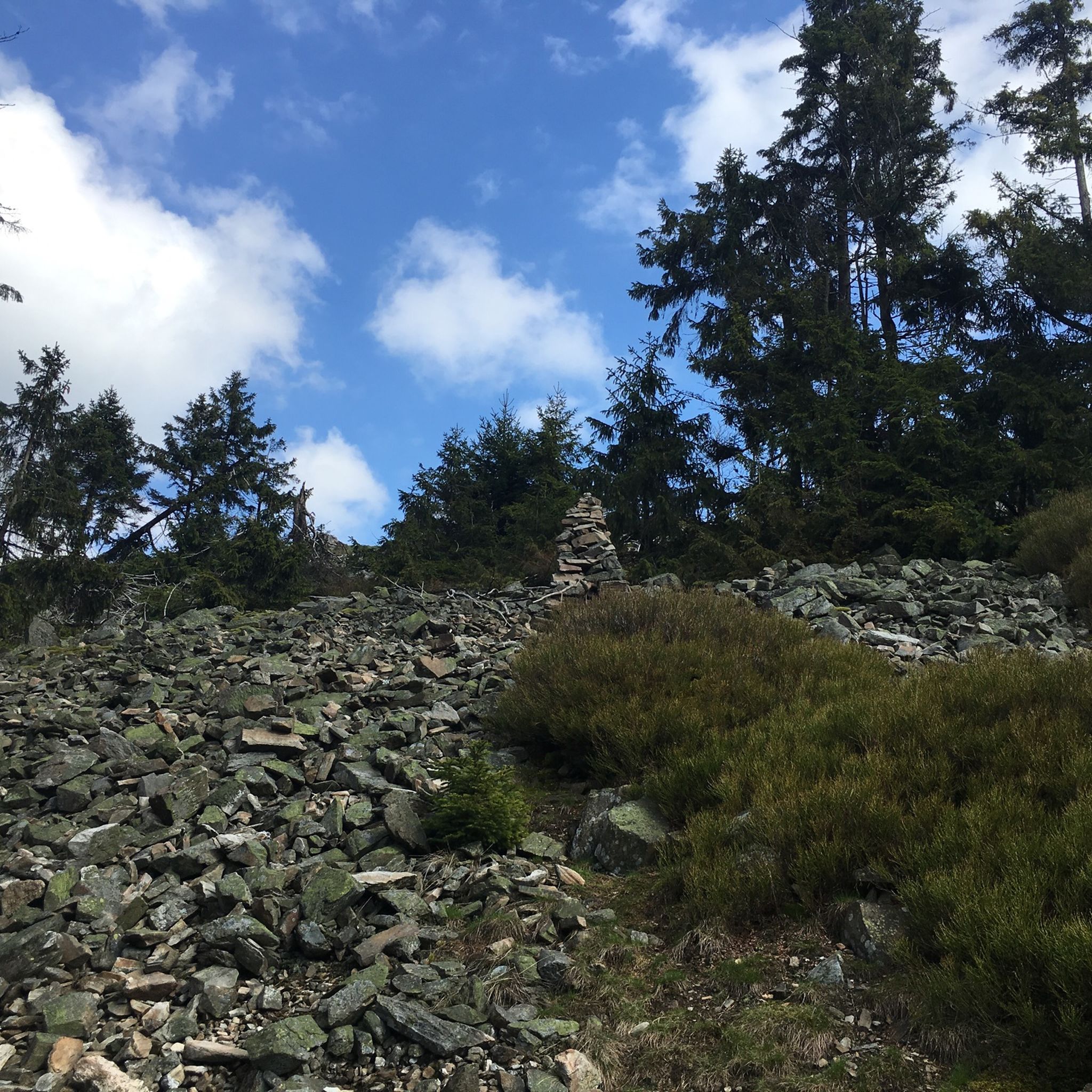
Hiking around Königstein im Taunus
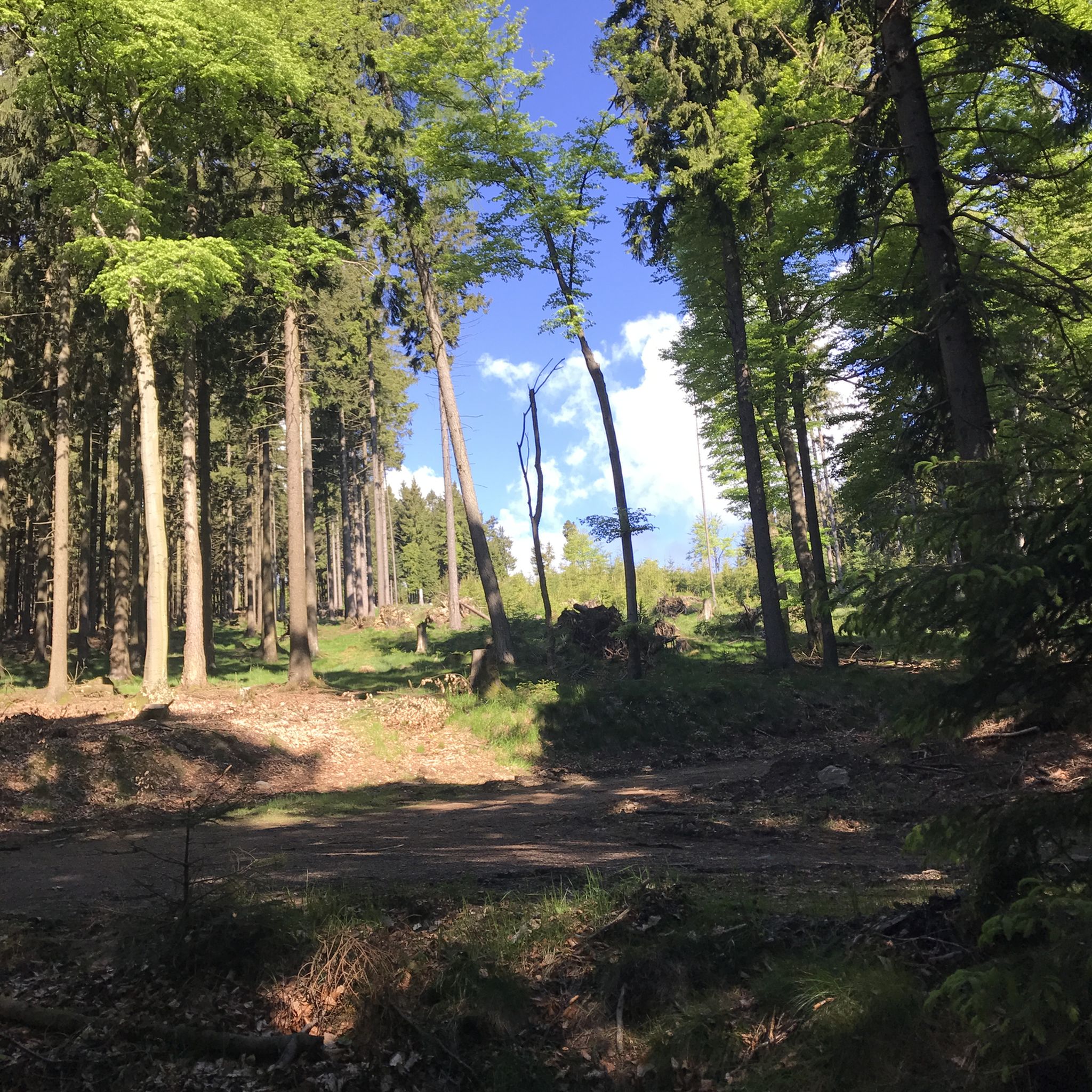
MTB Trails around Königstein im Taunus
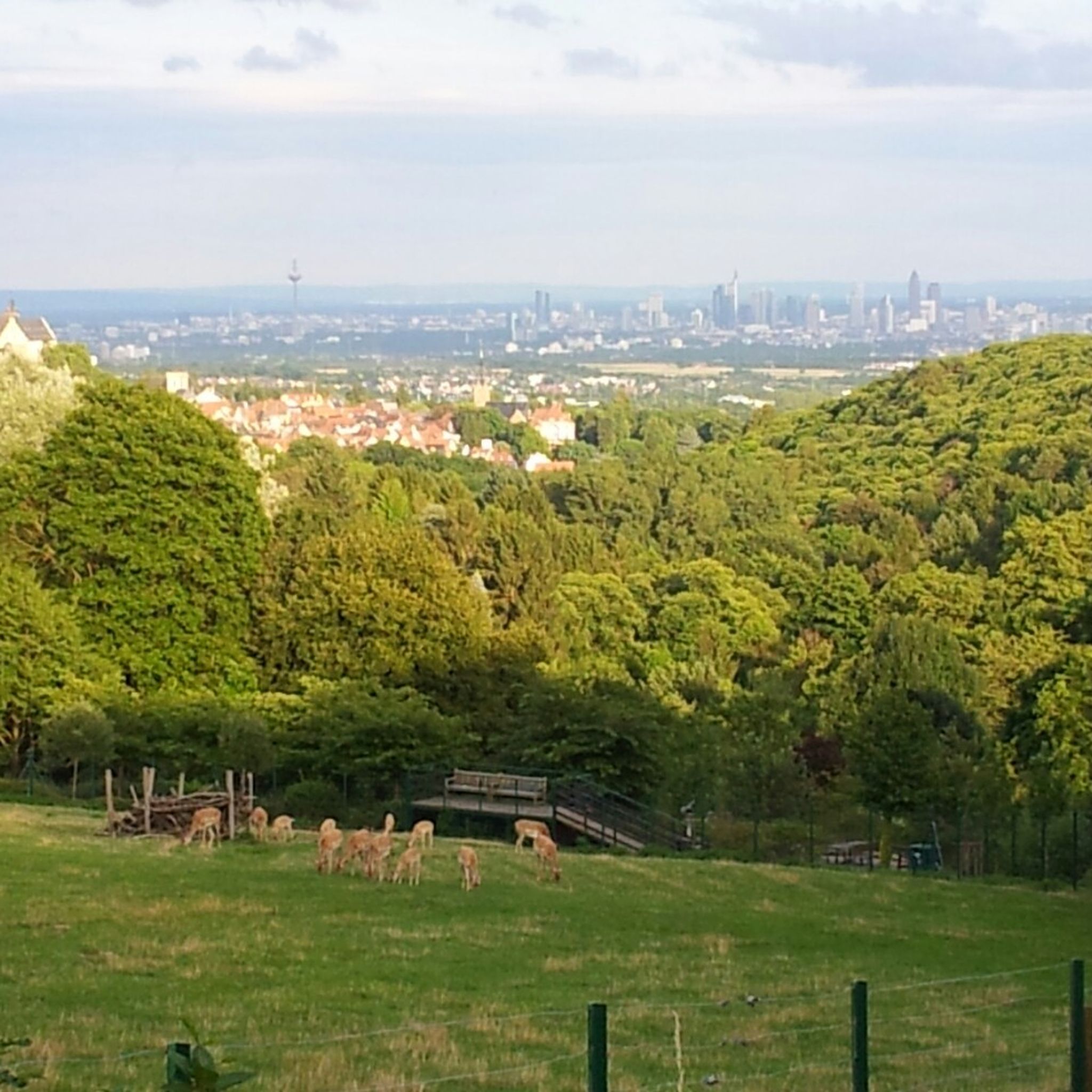
Cycling around Königstein im Taunus
Other adventures around Königstein im Taunus


Tips from the Community

Source & Course: The Silberbach stream rises in the High Taunus mountains near Schloßborn (municipality of Glashütten). From there, it flows southeast through the wooded Silberbach Valley. Mouth: It flows into the Schwarzbach stream, which in its upper reaches, up to its confluence with the Daisbach stream in Eppstein, is often still referred to as the Dattenbach. The mouth of the Schwarzbach lies between Glashütten-Schloßborn and Eppstein-Vockenhausen. Special Features: The Silberbach Valley is considered ecologically valuable and is managed by the BUND (Friends of the Earth Germany) Königstein-Glashütten branch. The name may historically suggest a stony streambed or former mining attempts. Recreation: A popular hiking trail is the Silberbach Loop, which leads from Dattenbach Valley, passing, among other things, the Atzelberg Tower.
8
1

TEXT ON THE GLASS SIGN AT STATION VII In the Hessenpark open-air museum in Neu-Anspach, the results of all archaeological excavations, other finds and vivid representations of glass production in the Taunus are on display in a permanent exhibition entitled "Forest Glassworks in the Taunus". In the community center of the Glashütten district and in the Schloßborn local history museum, there is a display case with plenty of material about the Taunus glassworks. (Source: https://www.gemeinde-glashuetten.de/leben-freizeit/leben/wandern-radfahren/waldglasweg/#accordion-1-6)
0
0
OLD GLASS FURNACES A glass panel with a subdued color - as if from the past - gives an impression of the cup design of the time. The main focus should be on the excavations. The glass panel also provides information about other exhibitions on the subject of glass in the Taunus: Hessenpark: www.hessenpark.de - there is a "glassmaker's barn" with a replica of a glass furnace, excellent explanations and many excavation pieces; glass display case with finds - visible from outside in the Glashütten town hall. (Source: https://www.gemeinde-glashuetten.de/leben-freizeit/leben/wandern-radfahren/waldglasweg/#accordion-1-6)
0
0

Located directly in the Emsbach valley, you can see the remains of the old stained glass windows. A more detailed description and a reconstruction can also be seen in Hessenpark.
2
1
Below the castle lies the tranquil Woogtal valley, where you can take wonderful walks and relax by the pond.
1
0

Very romantic path along the stream. However, there are currently a number of trees lying across the path.
2
0
A walk through the romantic Woogtal is always worth it. The short, steep climb to the castle is highly recommended, among other things. to enjoy the wonderful panoramic view from up there.
1
0

Where did Glashütten get its name from, from the glassworks in the area.
1
1
Frequently Asked Questions
What are some of the most scenic gorge-like areas to explore around Königstein im Taunus?
The region offers several picturesque valleys and gorge-like formations. Notable areas include the wild and romantic Romberg Gorge leading to the Billtal Waterfall, and the Silberbach Valley, known for its ecologically valuable stream. Other popular spots are the family-friendly Woog Valley and the original, protected Theiss Valley with its mix of forests and meadows. Further afield, the Maibacher Schweiz offers impressive basalt rock formations.
Are there family-friendly options for exploring the gorges around Königstein im Taunus?
Yes, several areas are well-suited for families. The Woog Valley is described as a pleasant, family-friendly environment perfect for walks. The Theiss Valley also offers a protected natural landscape that is enjoyable for families. The Romberg Gorge and Billtal Waterfall area provides an enchanted trail suitable for various fitness levels.
What kind of natural features can I expect to see in these valleys?
You'll encounter diverse natural features, including streams like the Silberbach and Theissbach, dense forests, and open meadows. The Billtal Waterfall features gentle cascades over moss-covered rocks. The Maibacher Schweiz, a bit further out, is known for its unique basalt rock formations. Many of these areas are recognized as natural monuments, offering rich biodiversity.
Are there historical sites within or near the gorges?
Yes, the region has historical significance. The Medieval Glassworks at Emsbach Gorge is a notable historical site, where a forest glass hut operated from the 15th century. The nearby village of Glashütten even takes its name from this history. The origins of the Billtal Waterfall area are also rumored to date back to Roman times, adding a layer of historical intrigue.
What is the best time of year to visit the gorges around Königstein im Taunus?
The gorges and valleys are beautiful year-round. Spring brings lush greenery and blooming flora, while autumn offers vibrant fall colors. Summer is ideal for longer hikes, and even winter can be magical with snow, though some paths might be slippery. For the Billtal Waterfall, visiting after rainfall ensures a more impressive flow.
Are there easy hiking trails suitable for beginners in these gorge areas?
Absolutely. Many of the trails through these valleys are suitable for beginners or those looking for a leisurely walk. The Woog Valley is particularly noted as a pleasant place for a walk. You can find more easy hiking options in the broader area by checking the Easy hikes around Königstein im Taunus guide.
Can I bring my dog on trails in the gorges?
Generally, dogs are welcome on trails in the natural areas around Königstein im Taunus, including the gorges. However, it's always recommended to keep them on a leash, especially in protected areas or near wildlife, and to clean up after them. Specific restrictions might apply in certain nature reserves, so look for local signage.
What outdoor activities are available near these gorges?
Beyond exploring the gorges themselves, the region is excellent for various outdoor activities. You can find numerous hiking trails, from easy strolls to more challenging routes, as detailed in the Hiking around Königstein im Taunus guide. There are also dedicated Running Trails around Königstein im Taunus, offering different distances and difficulty levels.
How can I get to the gorges using public transport?
Königstein im Taunus is accessible by public transport, primarily buses connecting to nearby train stations. From Königstein, local buses can take you closer to some of the trailheads for the gorges. For specific routes and schedules, it's best to consult local public transport websites or apps, as direct access to every gorge by bus might vary.
Where can I find parking for these trails?
Parking is generally available near the starting points of popular trails and attractions. For example, when visiting the Billtal Waterfall and Romberg Gorge, you can often find parking in Königstein im Taunus or designated spots closer to the trailheads. For the Maibacher Schweiz, parking areas are usually available near the Michelbachtal. Always look for official parking signs.
What do visitors particularly enjoy about the gorges in this region?
Visitors appreciate the serene and picturesque settings, perfect for relaxation and exploration. The Woog Valley is noted for being beautiful and inviting to linger. The Silberbach Valley offers a nice opportunity for a break along the stream. The combination of natural beauty, varied terrain, and historical elements makes for a rewarding experience.
Are there any less-known or 'hidden gem' gorges worth exploring?
While the main valleys are well-loved, the region is full of smaller, less-trafficked stream valleys that offer a sense of discovery. Exploring the various tributaries of the Schwarzbach or Theissbach can lead to charming, secluded spots. The Medieval Glassworks at Emsbach Gorge is described as a bit hidden but absolutely worth a detour for its historical significance and natural setting.
What are the typical hiking durations for trails in these gorges?
Hiking durations vary widely depending on the specific trail and your pace. Short walks through areas like the Woog Valley might take an hour or two. Longer loops, such as the Silberbach Loop or trails connecting multiple valleys, can range from 3 to 5 hours. You can find detailed route information, including distances and estimated times, in the various hiking guides for the region.
Most popular routes around Königstein im Taunus
Most popular attractions around Königstein im Taunus

Get inspired with the komoot mobile app


Explore more
Already discovered everything in this region? See additional gorges around Königstein im Taunus for your next adventure:
