Top 20 Caves around Kreuztal
Best caves around Kreuztal are primarily located within the surrounding Sauerland region, characterized by its diverse natural landscapes and historical mining heritage. While natural caves are not directly within Kreuztal, the area features various geological formations and former mining tunnels. These sites offer insights into both natural cave development and the region's industrial past. The region provides opportunities to explore different types of underground structures.
Best caves around Kreuztal
- The most popular caves is Mini Cave (Game Cellar) in Naturpark…
Last updated: June 26, 2026
Mini Cave (Game Cellar) in Naturpark Sauerland-Rothaargebirge
Highlight • Cave
Translated by Google •
Tip by

Theodora Mine and Hut
Highlight • Mountain Hut
Translated by Google •
Tip by

Sign up now to discover places like this
Get recommendations on the best single tracks, peaks, & plenty of other exciting outdoor places.
Sign up for free
Glücksanfang Mine (Station 15)
Highlight • Historical Site
Translated by Google •
Tip by
Marian Grotto Möllmicke
Highlight • Religious Site
Translated by Google •
Tip by

Hermannsglück Mine
Highlight • Historical Site
Translated by Google •
Tip by

Sign up for free to discover even more caves around Kreuztal.
Sign up for free
Already have an account?
Start today with a free account
Your next adventure awaits.
Login or Signup
Other adventures around Kreuztal

Tips from the Community

It was roughly at this spot that a long-time resident of Unglinghausen tried his luck on his own. The mine proved unprofitable. The reconstruction of the mine entrance and the entire design were carried out by volunteers from the Unglinghausen Citizens' Association and the Unglinghausen Forest Cooperative. Today, this area is a decorative section of the Unglinghausen themed trail, which runs approximately 50 meters further uphill.
0
0

Directly opposite this mini cave, a path to the right leads over a newly constructed footbridge to a small, hidden forester's house with a pond. This means that this cave was probably previously used as a game cellar. The cave was specially constructed, which can be clearly seen from the concrete ceiling.
0
0

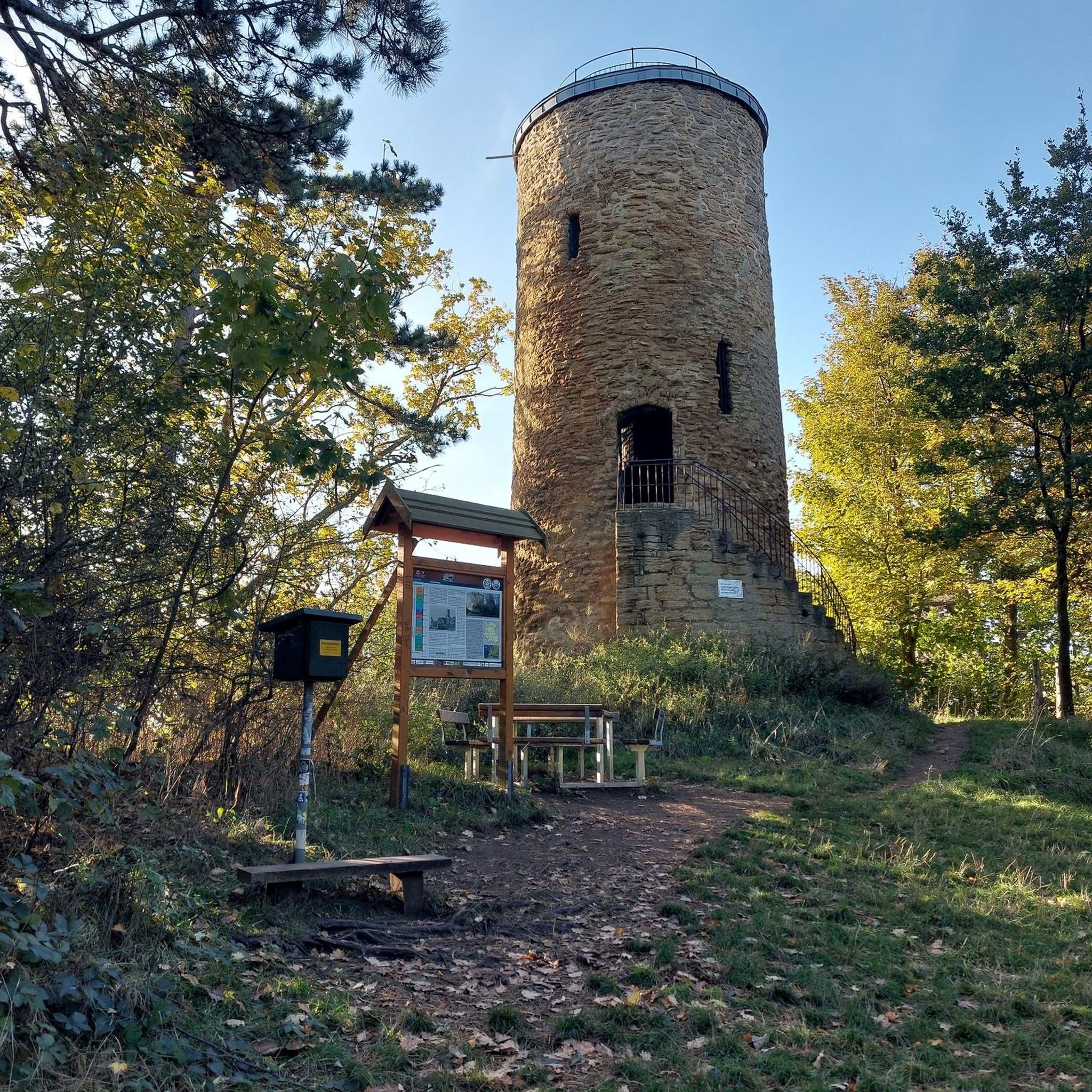
"... Station 15: “Glücksanfang upper tunnel” mine – In the upper tunnel of the “Glückanfang” mine, from 1722 onwards, in addition to iron, lead, silver, copper and zinc ores were mined in two 1 m thick and 80 m long corridors . Already before the middle of the 19th century, the Glücksbeginning mine “consolidated” with the Jungemann, whose name it also took..." https://www.wittgensteiner-wanderland.de/wp-content/uploads/2012/09/kindelsbergpfad.pdf
0
0
"... Station 21: “Theodora” mine and hut – One of the small mines on the Martinshardt, which was run by an independent union, was the “Theodora mine” in the Zitzenbachtal near Ferndorf. After 8 years of painstaking work, in When people looked in vain for ore, the tunnel was abandoned. 266 m of sections 2 m high and 1.20 m wide were excavated in vain and almost 600 cubic meters of rock were unearthed. The “Theodora” mine is now next to the Stahlberger Erbstollen the only still accessible pit in the Müsen area..." https://www.wittgensteiner-wanderland.de/wp-content/uploads/2012/09/kindelsbergpfad.pdf
0
0

@Andre, there was already a highlight here. The original is called mini cave.
2
0

The cave is freely accessible, but not particularly deep. It's only a few meters into here. A headlamp or flashlight is necessary for this. Directly opposite is a Great Cabin by a Small Pond. The hut is locked, but you can take a great break on the outside benches.
2
0
Perhaps earlier thought of "natural cooling" when hunting. But should someone really have done this job because of it ???
2
0

It looks like it was used as a storage cellar or something. In the rock you can still see two remains of the hinge, it looks as if there was a door in front of it.
2
0
Frequently Asked Questions
What types of underground sites can I explore around Kreuztal?
While natural caves are not directly within Kreuztal, the surrounding Sauerland region offers a variety of impressive show caves. Closer to Kreuztal, you can explore historical mine tunnels and grottoes, which provide insights into both natural geological formations and the region's rich mining heritage.
Are there any family-friendly caves or underground attractions near Kreuztal?
Yes, the Mini Cave (Game Cellar) in Naturpark Sauerland-Rothaargebirge is noted as being suitable for children. In the broader Sauerland region, the Atta Cave and Kluterthöhle offer guided tours that are generally suitable for families.
Where can I learn about the mining history of the Kreuztal area?
You can visit historical sites like Theodora Mine and Hut, which features a former mine tunnel with information boards detailing its past operation. Another significant site is Glücksanfang Mine (Station 15), where you can experience the history of miners and learn about the extraction of iron, lead, silver, copper, and zinc ores.
What are some of the most impressive natural caves in the broader Sauerland region?
The Sauerland region boasts several remarkable natural caves. The Atta Cave in Attendorn is renowned for its stunning stalactite and stalagmite formations. The Dechenhöhle in Iserlohn is another frequently visited stalactite cave, known for its varied formations. The Kluterthöhle in Ennepetal is one of Germany's largest caves, featuring underground lakes and a wealth of fossils.
Are there any caves with unique features or uses in the Sauerland region?
Yes, the Balver Höhle is known as the 'largest open cultural cave in Europe' and is used for concerts and theater performances due to its exceptional acoustics. The Atta Cave and Kluterthöhle both feature 'health grottoes' or 'climate caves' with air beneficial for respiratory issues.
What is the Marian Grotto Möllmicke?
The Marian Grotto Möllmicke is a religious building and natural monument located on the outskirts of Möllmicke. It's a beautifully landscaped area in front of a rock face, built by local villagers and used for devotions and as a popular starting point for community gatherings.
What outdoor activities can I do near the caves around Kreuztal?
The area around Kreuztal offers various outdoor activities. You can find numerous hiking trails, including routes like the Martinshardt Summit loop. There are also options for gravel biking and running trails, such as the Ferndorf Outdoor Pool loop.
What is the best time to visit the caves in the Sauerland region?
Caves generally maintain a constant cool temperature year-round, making them suitable for visits in any season. However, visiting during spring or autumn can offer pleasant weather for exploring the surrounding natural areas before or after your cave tour. Some caves, like Kluterthöhle, are also open in winter.
Are there any caves that offer a combination of nature and wildlife experiences?
Yes, the Bilsteinhöhle in Warstein is part of a unique triad that includes a wildlife park and a forest playground. This allows visitors to combine cave exploration with opportunities to observe local wildlife and enjoy outdoor recreation, offering a comprehensive nature experience.
What should I wear when visiting caves in the Kreuztal and Sauerland region?
Caves typically have a constant cool temperature, often around 9-10 degrees Celsius, regardless of the outside weather. It is advisable to wear warm clothing, such as a jacket or sweater, and comfortable, sturdy shoes with good grip, as paths inside can be damp or uneven.
Are there any historical mines besides Theodora and Glücksanfang?
Yes, the Hermannsglück Mine is another historical site in the Siegerland area, known as one of many mines in the region and part of the Uncle Cooks theme round trip. These sites highlight the extensive mining history that has shaped the landscape around Kreuztal.
Do any caves in the region have therapeutic benefits?
Yes, both the Atta Cave and the Kluterthöhle are recognized for their therapeutic properties. The Atta Cave features a 'health grotto' with remarkably clean air beneficial for respiratory issues, while the Kluterthöhle has been recognized as a 'climate cave' since 1954 due to its pure air and therapeutic effects.
Most popular routes around Kreuztal
Most popular attractions around Kreuztal

Get inspired with the komoot mobile app


Explore more
Extend your search for the best caves by checking out these guides of the top ones around Kreuztal:
