Top 14 Caves around Homburg
Best caves around Homburg include the Schlossberghöhlen, Europe's largest red sandstone cave system, located beneath the Hohenburg Castle ruins. These are man-made tunnels, originally mined for quartz sand and later used for defense and shelter. The region offers a mix of historical sites and natural rock formations. Visitors can explore geological features and learn about the area's past.
Best caves around Homburg
- The most popular caves is Schlossberg Caves (Schlossberghöhlen, Homburg), a cave that features Europe's largest red sandstone caves. Three floors are open to visitors, offering insights into their geological and historical significance.
- Another must-see spot is Elend Cave, a natural cave. This cave is freely accessible and extends about 30 meters into the mountain.
- Visitors also love Paleolithic Rock Shelter, a natural monument and historical site. This location is a dwelling place of Stone Age people, where hand axes, scrapers, and other tools were found.
- Homburg is known for man-made sandstone tunnels, natural rock shelters, and historical rock cellars. The variety of caves provides diverse experiences, from geological exploration to historical discovery.
- The caves around Homburg are appreciated by the komoot community, with 282 upvotes and 389 photos shared across various highlights.
Last updated: May 13, 2026
Schlossberg Caves (Schlossberghöhlen, Homburg)
Highlight • Cave
Translated by Google •
Tip by

Elend Cave
Highlight • Cave
Translated by Google •
Tip by

Sign up now to discover places like this
Get recommendations on the best single tracks, peaks, & plenty of other exciting outdoor places.
Sign up for free
Paleolithic Rock Shelter
Highlight • Cave
Translated by Google •
Tip by

Gallo-Roman Rock Cellar Ruins
Highlight • Historical Site
Showing Translation
Tip by

Schlangenhöhlen (Snake Caves)
Highlight • Cave
In the
Translated by Google •
Tip by

Sign up for free to discover even more caves around Homburg.
Sign up for free
Already have an account?
Start today with a free account
Your next adventure awaits.
Login or Signup
Popular around Homburg
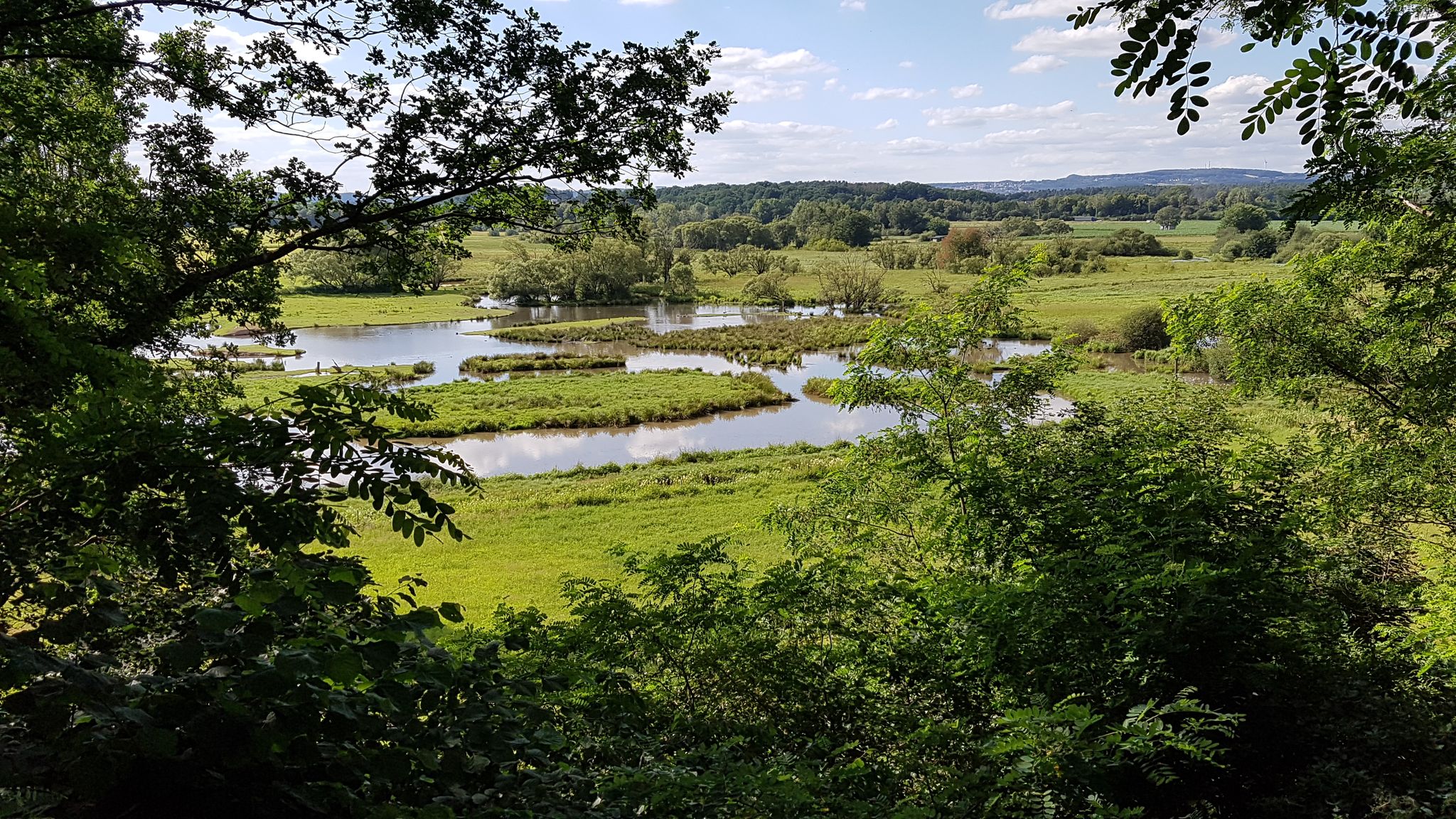
The National Natural Landscapes in Saarland
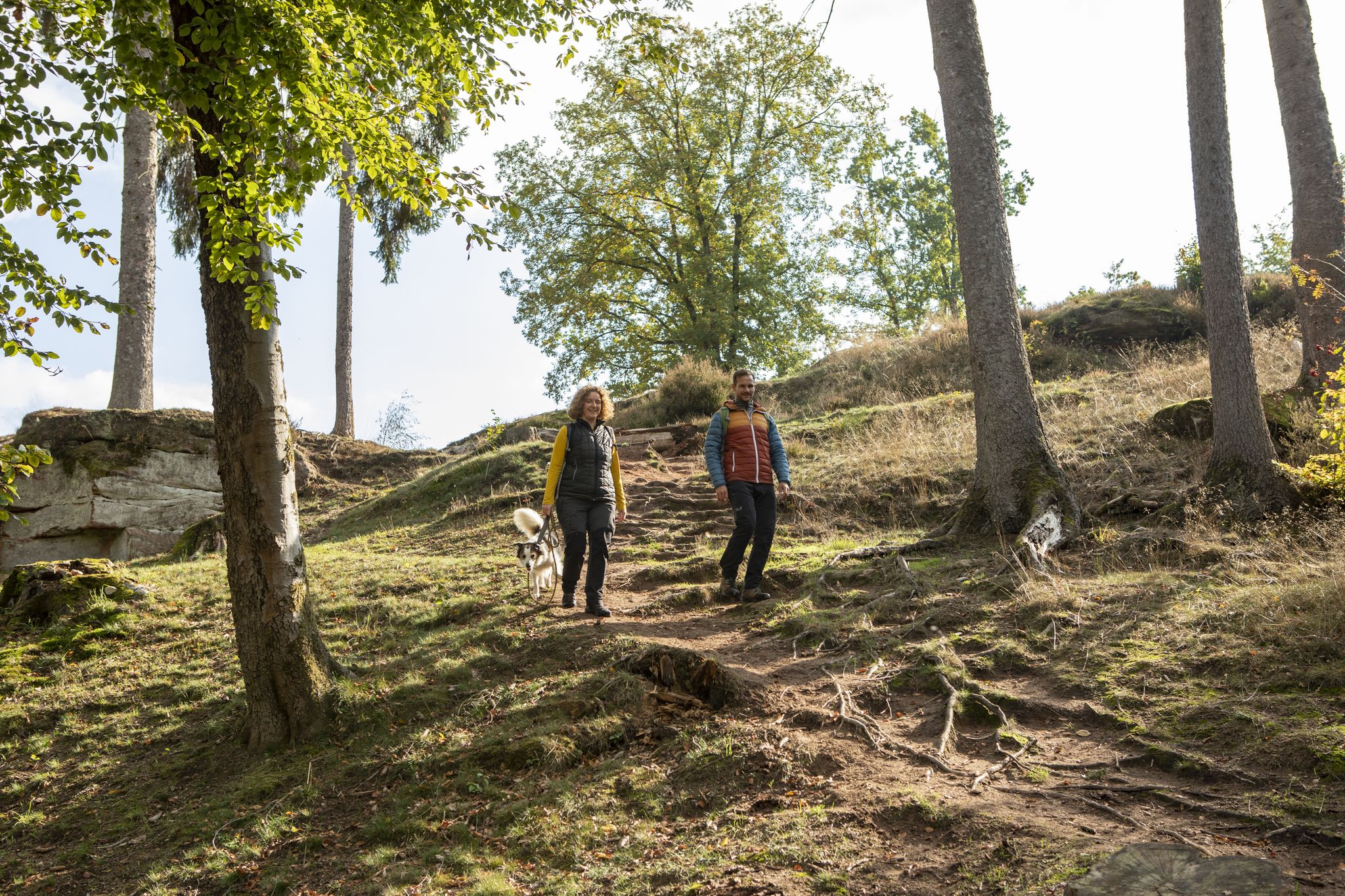
Excellent hiking in the Bliesgau Biosphere - On Premium trails
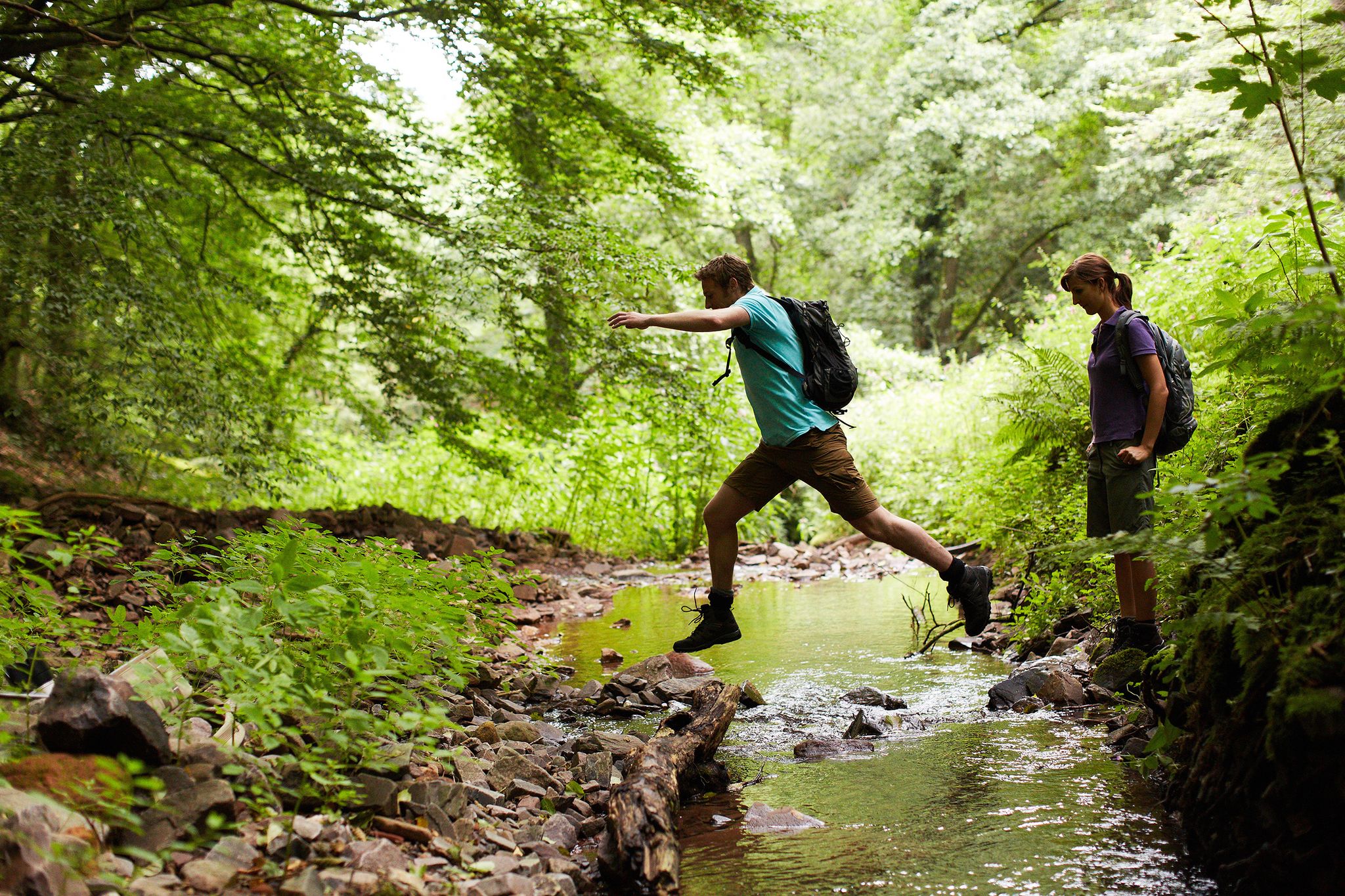
Countless trails, nature & history – hiking in Saarland
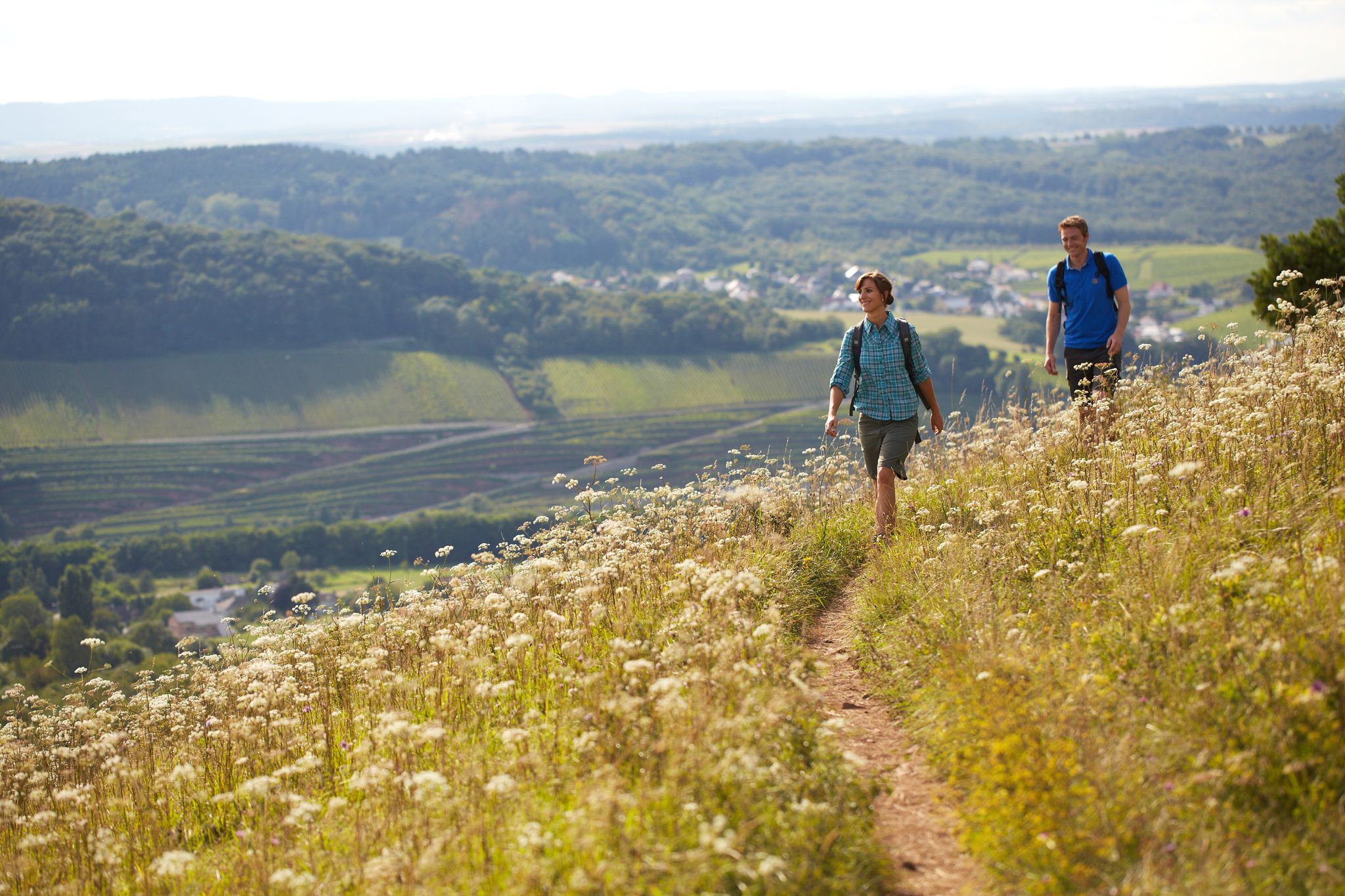
The ten most beautiful hiking trails through Saarland in Germany

Bliessteig – Duitslands mooiste langeafstandswandeling 2025

Wandern mit Bus und Bahn – Nachhaltig durch den Bliesgau

Der Bliessteig: Deutschlands schönster Wanderweg 2025
Hiking around Homburg
Cycling around Homburg
Road Cycling Routes around Homburg
Other adventures around Homburg


Tips from the Community

Unfortunately without any explanation of the find and the excavation itself
6
0

Here you will find the Schlossberg caves, very beautiful
10
0

This could have been an "abri", a half-cave, as a shelter for early humans from the Old Stone Age (Paleolithic), the oldest era in human history. It began on our 4.5 billion year old earth around 2 million years ago in East Africa, as evidenced by finds of skulls and bones and primitive tools made of stone and wood. Around 600,000 BC, small groups of Old Stone Age people also appeared in Germany. Based on the greywacke artefacts found here by local historian Albert Westrich, the archaeologist Emil Hofmann determined that they were used as scrapers, striking stones, graters and stingers as early as 600,000-800,000 years ago. His book "Altpaläolithische Fundplätze des Homo erectus heidelbergensis Schmitshausen", published in 2008, depicts the finds.
0
0

A real attraction. Take a flashlight with you😀
2
0

You can still visit the front part of the cave. Unfortunately, teenagers also seem to party here more often and smash their bottles
0
0

A very quiet place with a bench to relax on plus Roman history in the form of a cellar where a house once stood 2000 years ago.
3
0

Unfortunately, the snake caves are partially walled up and buried. Only in the entrance area, which is closed off by a lattice, can you guess anything about the large cave system that led to the Einöd ski and hiking hut... It's a pity that these great federal sandstone caves can no longer be visited!
3
0

was donated in 2007 for the reopening of the Schlößberg sand caves
7
0
Frequently Asked Questions
What makes the Schlossberghöhlen in Homburg unique?
The Schlossberghöhlen are Europe's largest red sandstone cave system. While often called caves, they are a fascinating labyrinth of man-made medieval mining tunnels, carved into red sandstone beneath the Hohenburg Castle ruins. They offer a unique blend of geological features and centuries of human history.
Are the caves around Homburg natural or man-made?
The region features a mix. The prominent Schlossberghöhlen are man-made tunnels, originally mined for quartz sand. However, you can also find natural formations like the Elend Cave, which extends about 30 meters into the mountain, and the Paleolithic Rock Shelter, a natural monument and historical site.
What historical significance do the Schlossberghöhlen hold?
The Schlossberghöhlen have a rich history. Initially, they were medieval mining tunnels for quartz sand. They were expanded during the French occupation in the 17th century for storage and defense, served as an air-raid shelter during World War II, and even housed a government bunker in the 1950s.
What geological features can be observed in the Schlossberghöhlen?
Visitors to the Schlossberghöhlen can see intricate patterns formed by red and yellow sandstone layers. You'll also find 'Rippelmarken' (fossilized wave traces) on ceilings and walls, which are evidence of ancient bodies of water from when the Buntsandstein formed approximately 250 million years ago.
What is the best time to visit the Schlossberghöhlen?
The Schlossberghöhlen maintain a constant temperature of around 10 degrees Celsius (50 degrees Fahrenheit) year-round. This makes them a pleasant escape, especially on hot days, and suitable for visiting in any season.
How long does a visit to the Schlossberghöhlen typically take?
Guided tours of the Schlossberghöhlen typically last 40 to 50 minutes. Public access covers about 800 meters across three levels of the extensive 5-kilometer system.
Are guided tours available for the Schlossberghöhlen?
Yes, guided tours are highly recommended to fully appreciate the history and geological features of the Schlossberghöhlen. They are available in German, English, and French. Registration is useful, especially for groups.
What should I wear when visiting the Schlossberghöhlen?
Due to the constant temperature of 10 degrees Celsius (50 degrees Fahrenheit) inside the Schlossberghöhlen, it's advisable to wear warm clothing, even on a hot day. Comfortable shoes are also recommended for walking through the passages.
How can I get to the Schlossberghöhlen?
You can reach the Schlossberghöhlen by car, with parking available on the Schlossberg, followed by staircase access to the entrance. Alternatively, you can walk from Homburg's old town via a staircase.
Are the caves around Homburg family-friendly?
Yes, the Schlossberghöhlen are considered a family-friendly destination. Visitors are provided with helmets for safety, adding an adventurous feel to the tour, which engages all ages.
Can I combine a visit to the Schlossberghöhlen with other activities?
Absolutely! After exploring the Schlossberghöhlen, you can walk up to the Hohenburg castle ruins directly above. The ruins offer spectacular views of Homburg and complement the historical outing. There are also various hiking routes nearby, such as the 'Castle Hill Tour' found in the Hiking around Homburg guide.
Are there hiking trails near the caves in Homburg?
Yes, the area around Homburg offers several hiking opportunities. For example, you can find routes like the 'Castle Hill Tour' in the Hiking around Homburg guide, which can be combined with a visit to the Schlossberghöhlen and the Hohenburg ruins.
What other outdoor activities are available near Homburg's caves?
Beyond exploring the caves, Homburg offers various outdoor activities. You can find easy hikes like the 'Log cabin at Brückweiher – Bridge Pond loop' in the Easy hikes around Homburg guide, or explore gravel biking routes such as the 'Beeder Bruch Nature Reserve loop' from the Gravel biking around Homburg guide.
Most popular routes around Homburg
Most popular attractions around Homburg

Get inspired with the komoot mobile app


Explore more
Extend your search for the best caves by checking out these guides of the top ones around Homburg:
