Top 3 Caves around Breitenberg
Best caves around Breitenberg are found within a region characterized by its natural rock formations and forested landscapes. This area in Bavaria offers a variety of subterranean features, from natural rock shelters to historical earth cellars. The geological makeup, often featuring granite, contributes to the unique cave structures present. These sites provide insights into both natural processes and historical human use of the landscape.
Best caves around Breitenberg
- The most popular caves is Pfaffenhaus Cave, a natural_monument that forms…
Last updated: September 2, 2026
Drucker-Franzl cave
Highlight • Cave
Translated by Google •
Tip by

Pfaffenhaus Cave
Highlight • Cave
served as a shelter for the clergymen who fled from the Hussites (around 1427).
Translated by Google •
Tip by

Sign up now to discover places like this
Get recommendations on the best single tracks, peaks, & plenty of other exciting outdoor places.
Sign up for free
Hüllstein Rock Formation
Highlight • Natural Monument
(Pagan ancestors probably used it as an offering table)
Translated by Google •
Tip by
Erdstall (Schrazelgang) at parking lot P3 Waldkirchen
Highlight • Cave
Translated by Google •
Tip by

Grüneisfelsen (1,040 m)
Highlight • Natural Monument
Translated by Google •
Tip by
Start today with a free account
Your next adventure awaits.
Login or Signup
Popular around Breitenberg
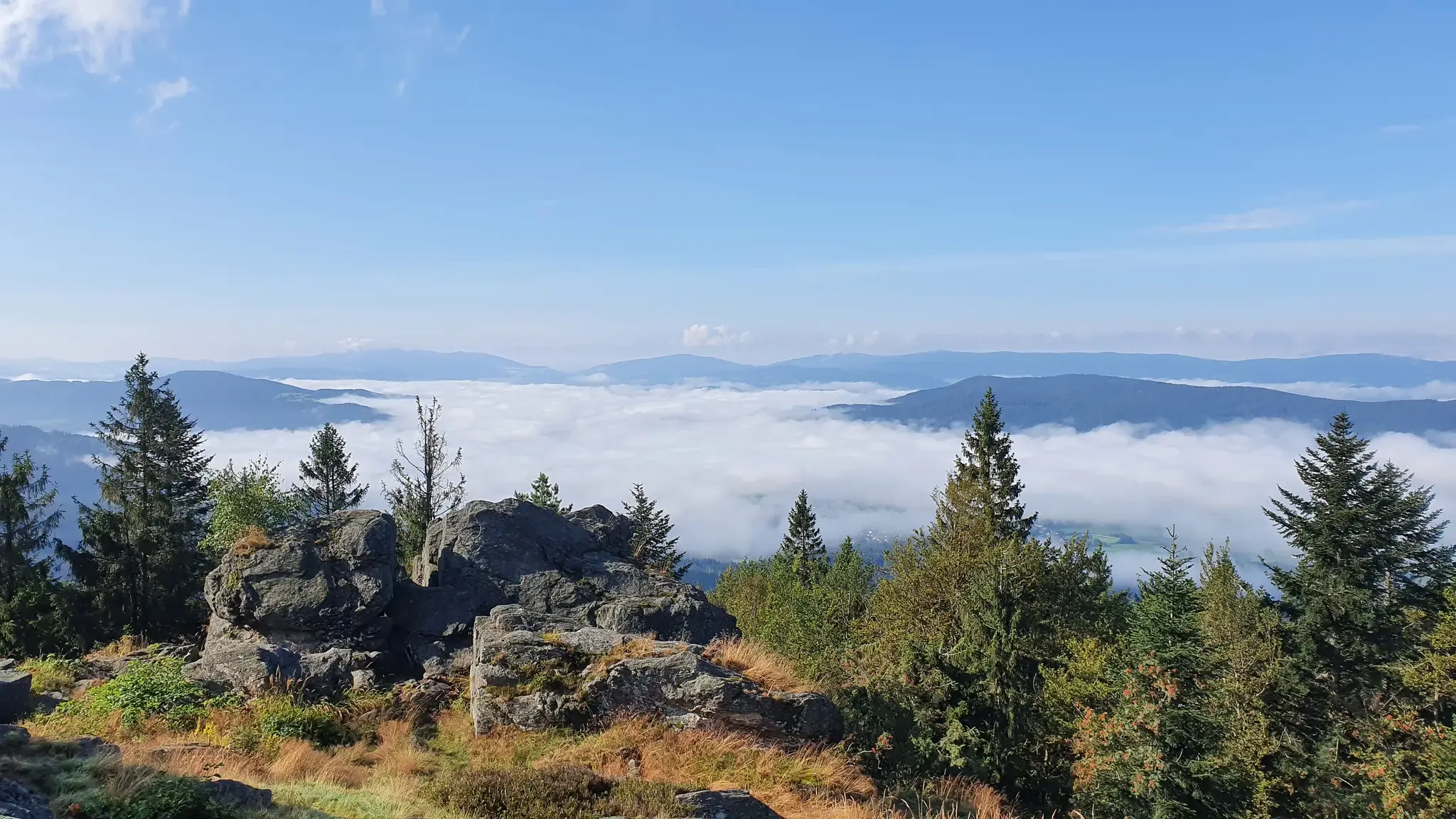
The Goldsteig – 38 stages between Upper Palatinate and Passau
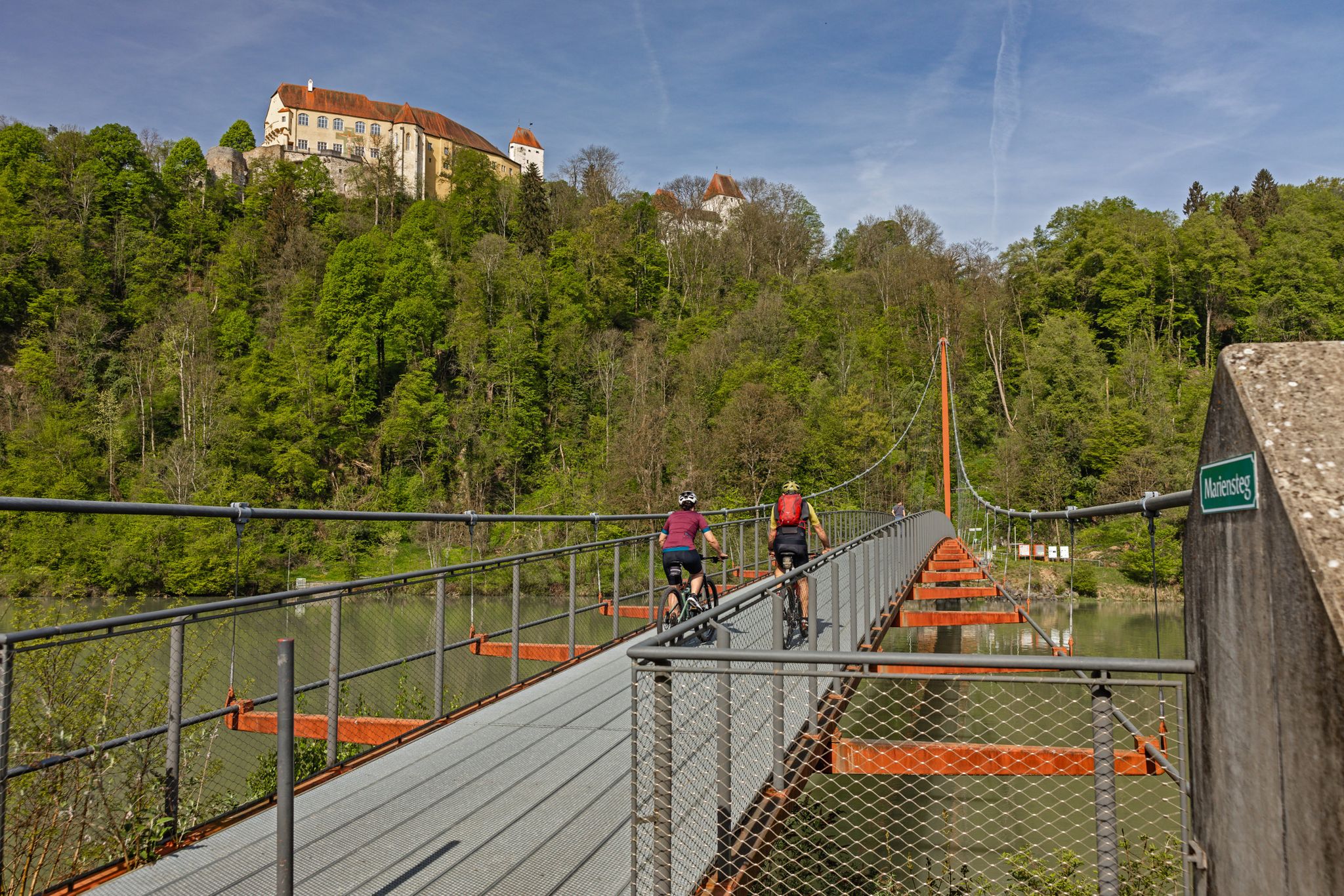
Cycling in the Passau region
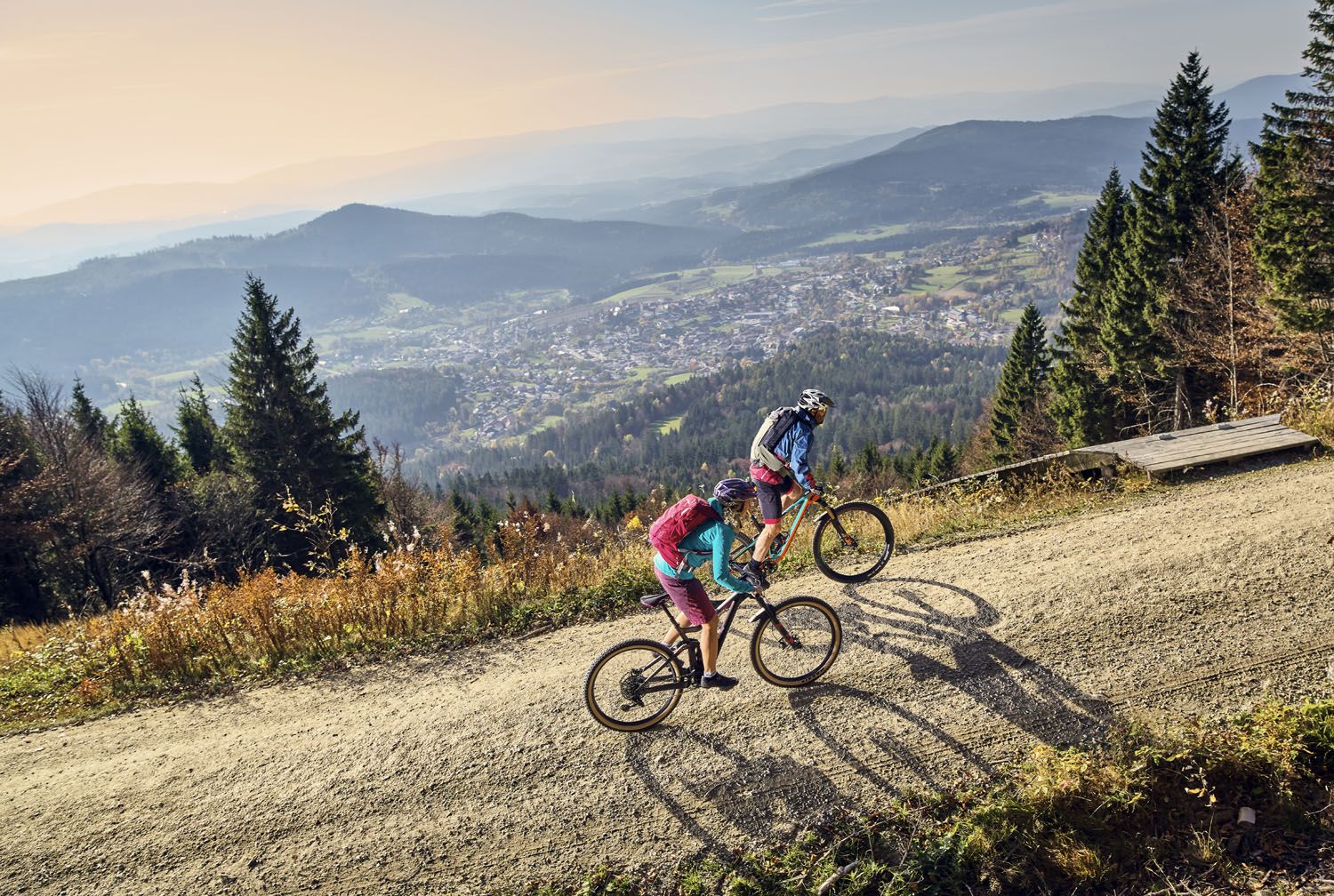
Exciting cycle and (e)-mountain bike Tours in the Bavarian Forest
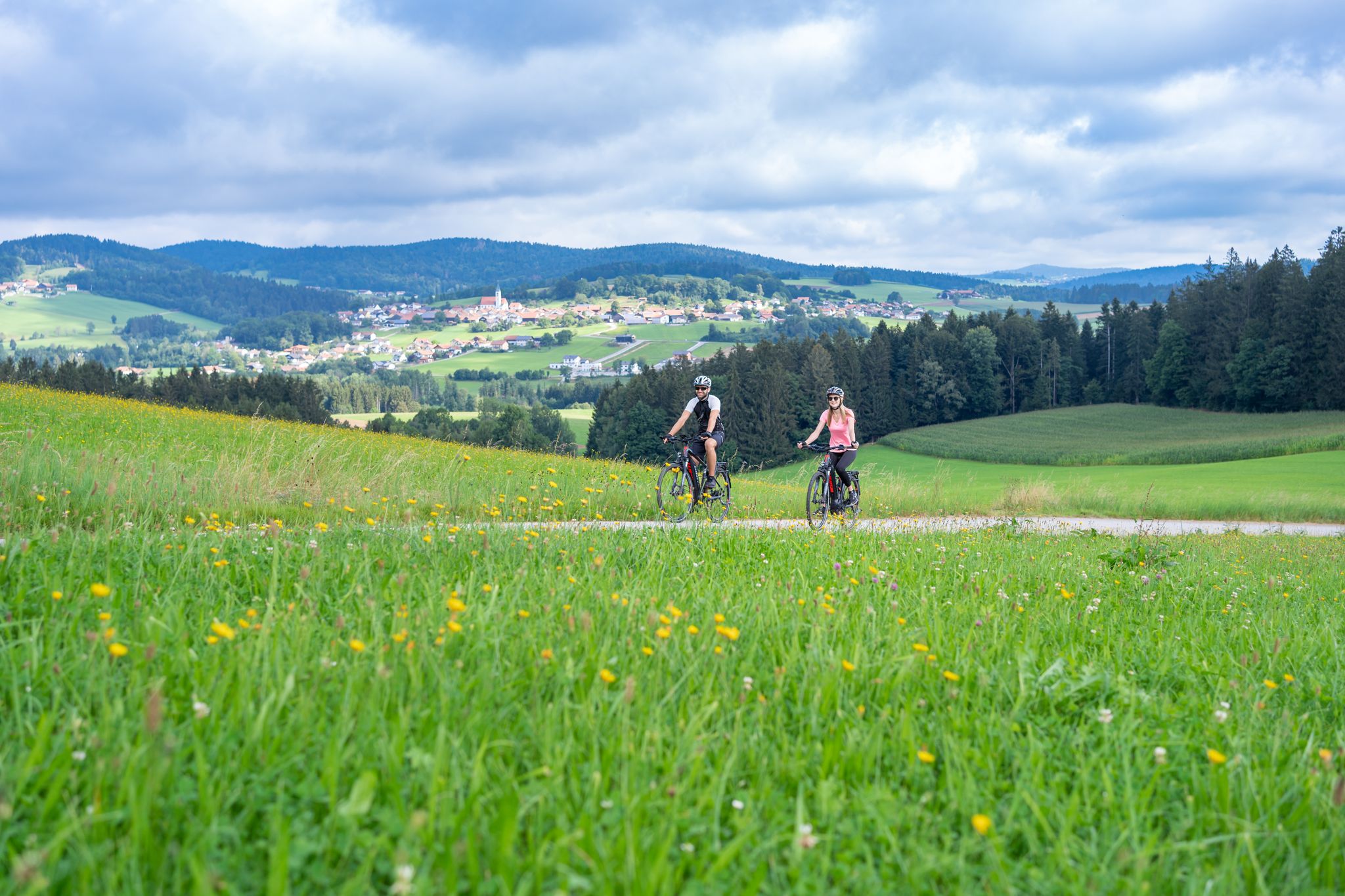
Radtouren zwischen Donau und Moldau - unterwegs im Bayerischen Wald
Biken auf der Grande Granit-Runde
Hiking around Breitenberg
MTB Trails around Breitenberg
Cycling around Breitenberg
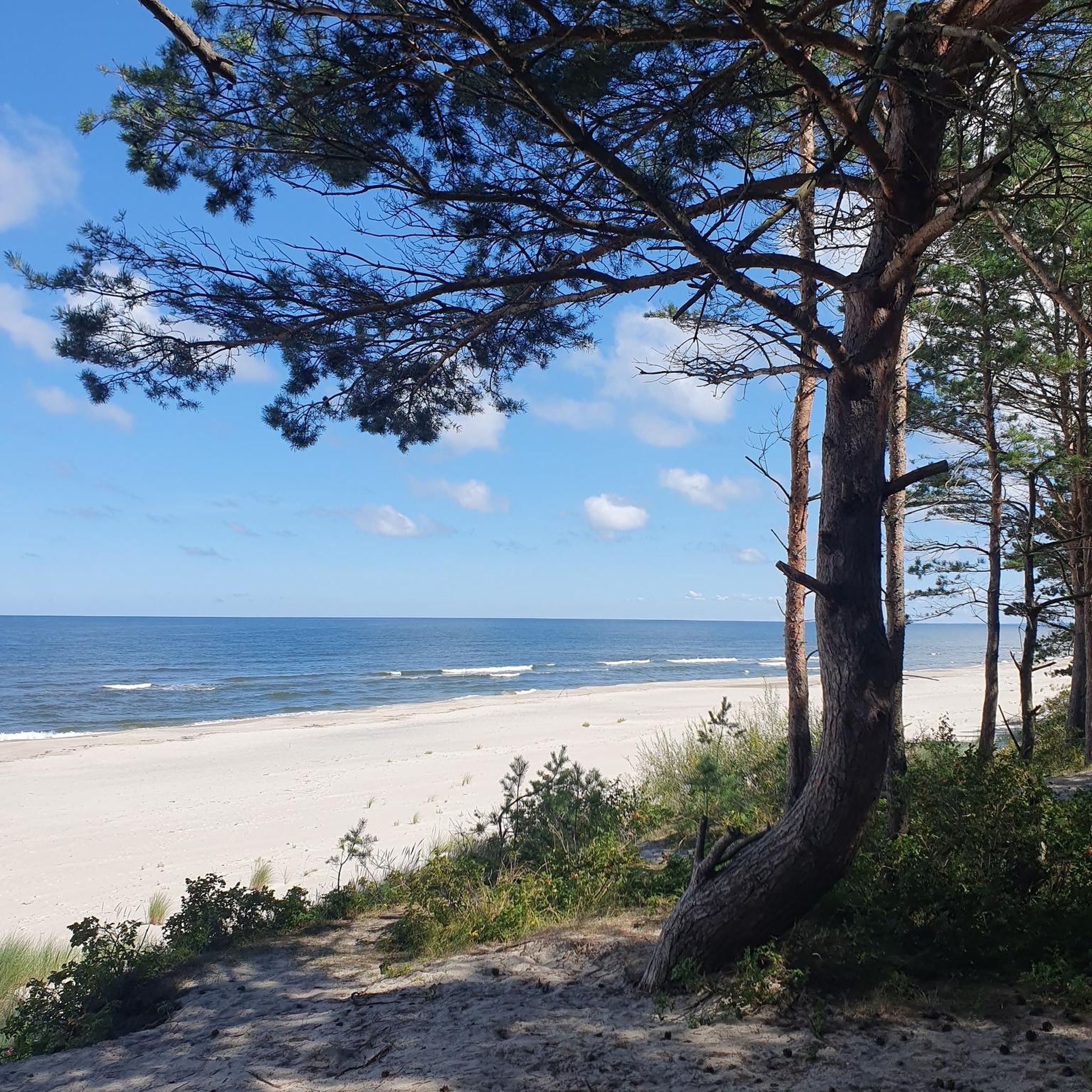
Mountain Hikes around Breitenberg
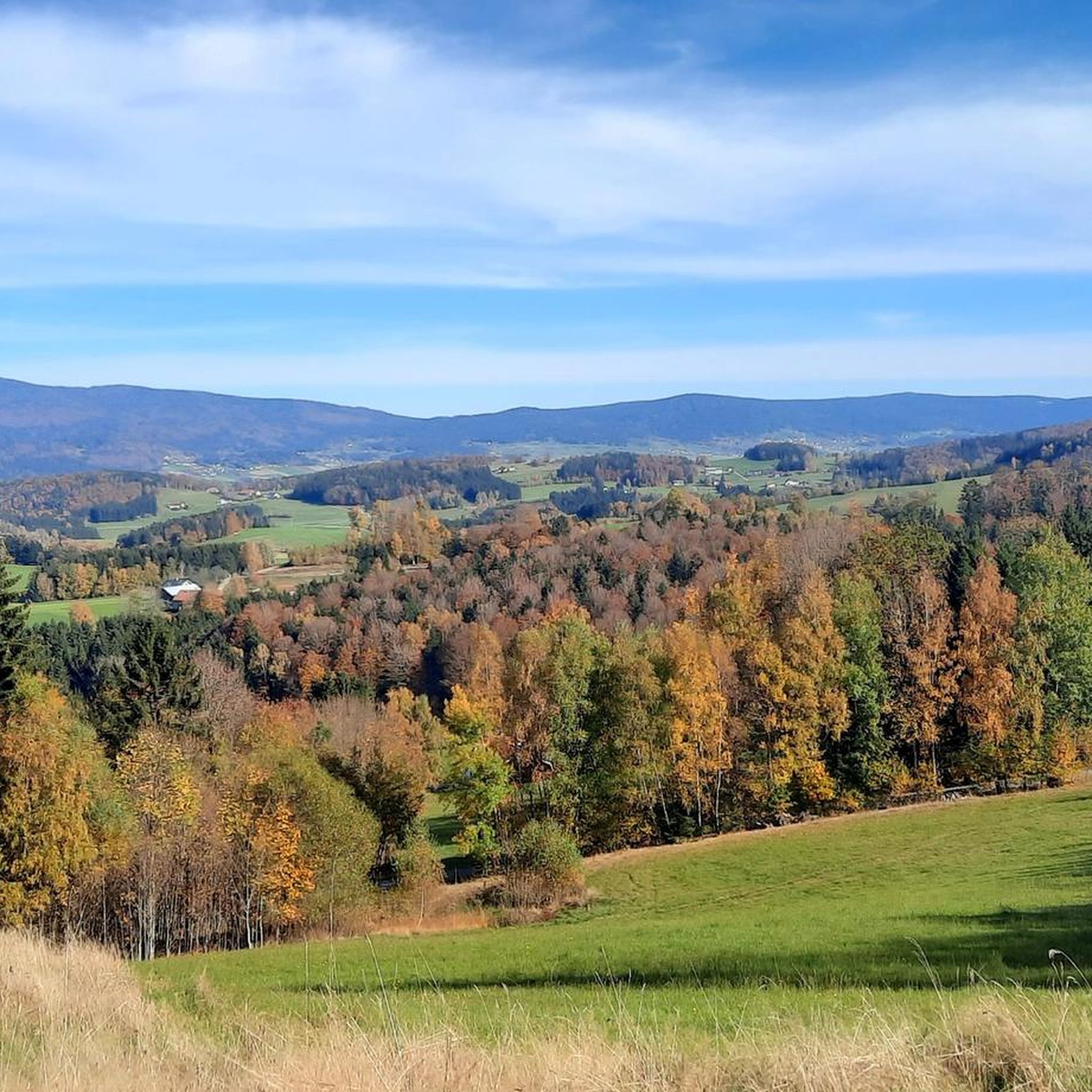
Road Cycling Routes around Breitenberg
Other adventures around Breitenberg


Tips from the Community

A little off the hiking trail is the mighty Grüneisfelsen...around it an impressive rock and cave landscape in a steep terrain
1
0

Directly adjacent to parking lot P3 (Jandelsbrunner Straße) in Waldkirchen is an earth cellar that was discovered and partially destroyed during the construction of the parking lot. The two preserved sections are the rearmost parts of the entire complex, which originally consisted of three "side arms" (Image 4, from: Der Erdstall 13). They were "hand-carved" without heavy equipment in the heavily encrusted Hauzenberg-Hutthum granite, which is particularly evident in the "face" of the left side arm (Image 3). The preserved total length is approximately 16 meters. Other earth cellars, also known as "Schrazelgänge," are located in the town of Waldkirchen. However, these are only accessible via the cellars of private homes. The building at parking lot P3, however, is open to the public as part of guided city tours. Information is available from the Building Department in the Town Hall (Rathausplatz 1) or the City Archives in the Community Center (Ringmauerstraße 14). Both the exact date of construction and the actual purpose of the structures have not yet been definitively determined. The geotope is under special protection as an archaeological monument (monument no. D-2-7247-0188). Bavarian State Office for the Environment (LfU). https://www.umweltatlas.bayern.de/standortauskunft/rest/reporting/sb_geotope/generate?additionallayerfieldvalue=272G009 https://youtu.be/Qd5Acq8wqyQ
3
0

One of the "legendary" rocks on the Stoanaweg behind the Lourdes Chapel near Stratberg
0
0

90m worthwhile detour. small cave, great place
0
0

You have to go into the forest a bit to get to the stone. Is signposted on the main path.
1
0

You have to find the den of robbers first
2
0
Definitely look for the robber's cave...
2
0
This 20 m high rock colossus forms a large natural cave, access from the rear, and served as a shelter for the clergymen who fled from the Hussites (around 1427).
4
0
Frequently Asked Questions
What kind of caves can I expect to find around Breitenberg?
Around Breitenberg, you'll primarily discover natural rock shelters, rock formations with small caves, and historical earth cellars. These are often found within granite formations and offer insights into both natural geological processes and historical human use. Examples include the Pfaffenhaus Cave, a 20m high rock colossus, and the Hüllstein Rock Formation, a granite stone with a cave underneath.
Are there any historically significant caves in the Breitenberg area?
Yes, several caves around Breitenberg have historical significance. The Pfaffenhaus Cave served as a shelter for clergymen around 1427. The Drucker-Franzl cave is named after a smuggler and robber who hid there around 1700. Additionally, the Erdstall (Schrazelgang) at parking lot P3 Waldkirchen is an ancient earth cellar, an archaeological monument with an undetermined original purpose, possibly used for refuge or storage.
Are the caves around Breitenberg suitable for families?
The Erdstall (Schrazelgang) at parking lot P3 Waldkirchen is categorized as family-friendly and is open to the public as part of guided city tours. Other natural rock formations and shelters like Pfaffenhaus Cave and Drucker-Franzl cave are generally accessible, but may involve short walks through forested terrain.
What kind of geological features are prominent in the caves near Breitenberg?
The caves and rock formations around Breitenberg are primarily characterized by granite. This geological makeup contributes to unique structures like the 20m high rock colossus of Pfaffenhaus Cave and the 6m long granite stone of the Hüllstein Rock Formation. The Erdstall in Waldkirchen is also hand-carved into heavily encrusted Hauzenberg-Hutthum granite.
Are there larger, more developed show caves in the broader Bavarian region?
Yes, the broader Bavarian region offers several impressive show caves. These include the König-Otto-Tropfsteinhöhle, known for its beautiful dripstone formations, and the Teufelshöhle near Pottenstein, which is the largest of approximately a thousand caves in Franconian Switzerland. The Binghöhle near Streitberg is a river cave with unique formations like translucent sinter plumes.
Can I visit an ice cave in Bavaria?
Yes, the Schellenberg Ice Cave in the Berchtesgaden Alps is the only ice cave open in Germany. It contains an estimated 60,000 cubic meters of ice and offers a 500-meter guided tour where temperatures are near zero degrees Celsius. It's one of only two show caves in Germany without electric lighting, using carbide lamps for illumination. You can find more information about it on Wikipedia.
Are there caves in Bavaria with ancient history or archaeological significance?
Absolutely. The Schulerloch (Großes Schulerloch) near Essing is a 1.5-million-year-old karst cave that served as a dwelling for Neanderthals in the Stone Age. Sophienhöhle, near Rabenstein Castle, was first mentioned in documents as early as 1490 and boasts fantastic stalactites. Additionally, the National Park Center Falkenstein features a faithful replica of the 'Grotte Chauvet' with cave paintings, offering a glimpse into the Paleolithic era.
What outdoor activities can I combine with a visit to the caves near Breitenberg?
The area around Breitenberg is excellent for various outdoor activities. You can find numerous hiking trails, such as those leading to the View of the Bavarian Forest or the Blössl Hammer Mill. For more challenging adventures, there are mountain hikes around Breitenberg, including routes to the Plöckenstein Summit Cross. Road cycling routes are also available, like the Mistlberg Hairpin – Kriegwald Border Crossing loop.
What do visitors enjoy most about the caves around Breitenberg?
Visitors appreciate the natural beauty and historical intrigue of the caves. The komoot community has shared 14 photos and given 17 upvotes, highlighting the unique rock formations and the sense of discovery. Many enjoy finding the hidden spots, like the 'robber's cave' at Drucker-Franzl cave, and the worthwhile detours to places like Pfaffenhaus Cave.
What should I know before visiting the natural caves around Breitenberg?
The caves around Breitenberg are generally natural rock shelters and formations, not developed show caves. This means they often require some walking through forested areas to reach. While some are easily accessible, others might involve a short detour off a main path. It's advisable to wear appropriate footwear for hiking and be prepared for natural, uneven terrain. Always check local signage for specific access information.
Are there any caves in Bavaria that offer a unique educational experience?
Yes, the National Park Center Falkenstein offers a unique educational experience with its faithful replica of the 'Grotte Chauvet' from southern France, complete with cave paintings. This attraction transports visitors back to the Paleolithic era, showcasing changes in climate, landscape, and animal life, and includes a film about the formation of the Bavarian Forest.
Most popular routes around Breitenberg
Most popular attractions around Breitenberg

Get inspired with the komoot mobile app


Explore more
Extend your search for the best caves by checking out these guides of the top ones around Breitenberg:
